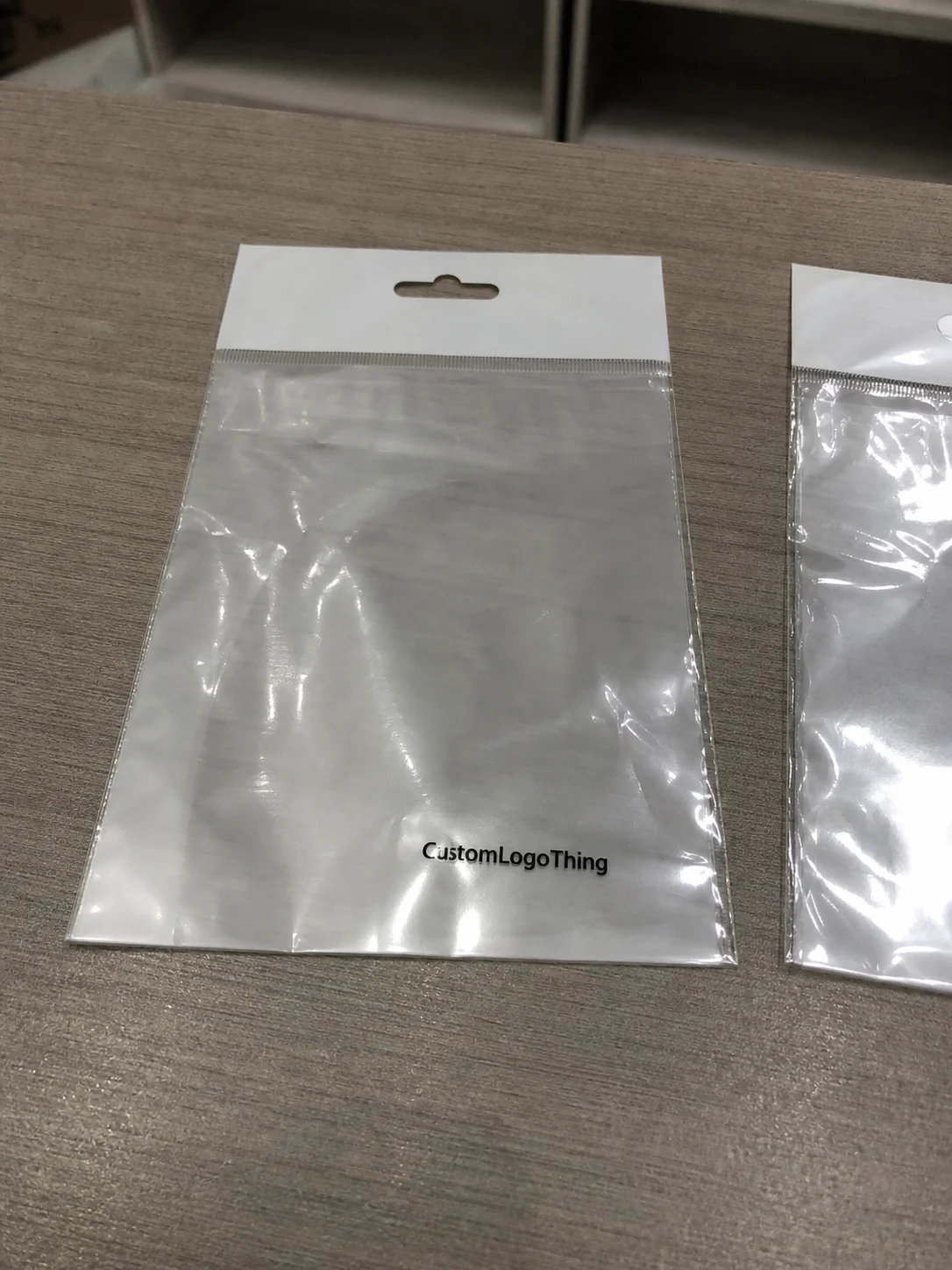
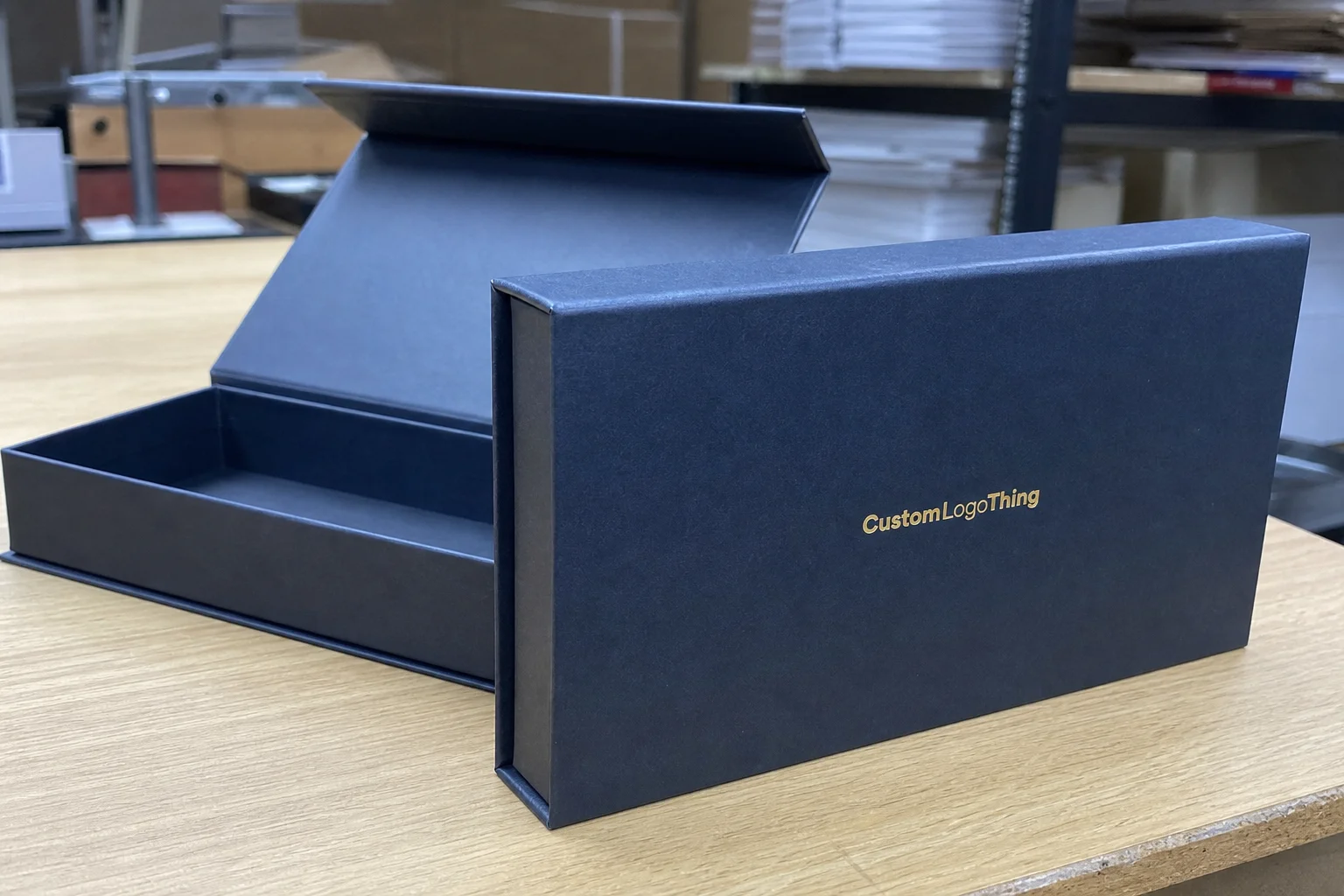
Gift set Hang Tags Unit cost looks like a small-number problem until the quote arrives and the “small” tag has quietly absorbed paper, cutting, finishing, packing, and a few hours of setup time. Two hang tags can look nearly identical from a shelf, yet one costs twice as much because the price is not really about size alone. It is about the entire production path.
For Custom Logo Things, the goal is not to chase the lowest figure on a spreadsheet. The better target is the most sensible gift set Hang Tags Unit Cost for the presentation level, deadline, and assembly method you actually need. If a quote hides die fees, excludes attachment labor, or leaves freight vague, the “cheap” option can become the expensive one after the order is already moving.
That is why experienced buyers compare specs first and price second. Not because price does not matter. Because price only means something once the job is defined clearly.
Why gift set hang tags unit cost moves more than buyers expect
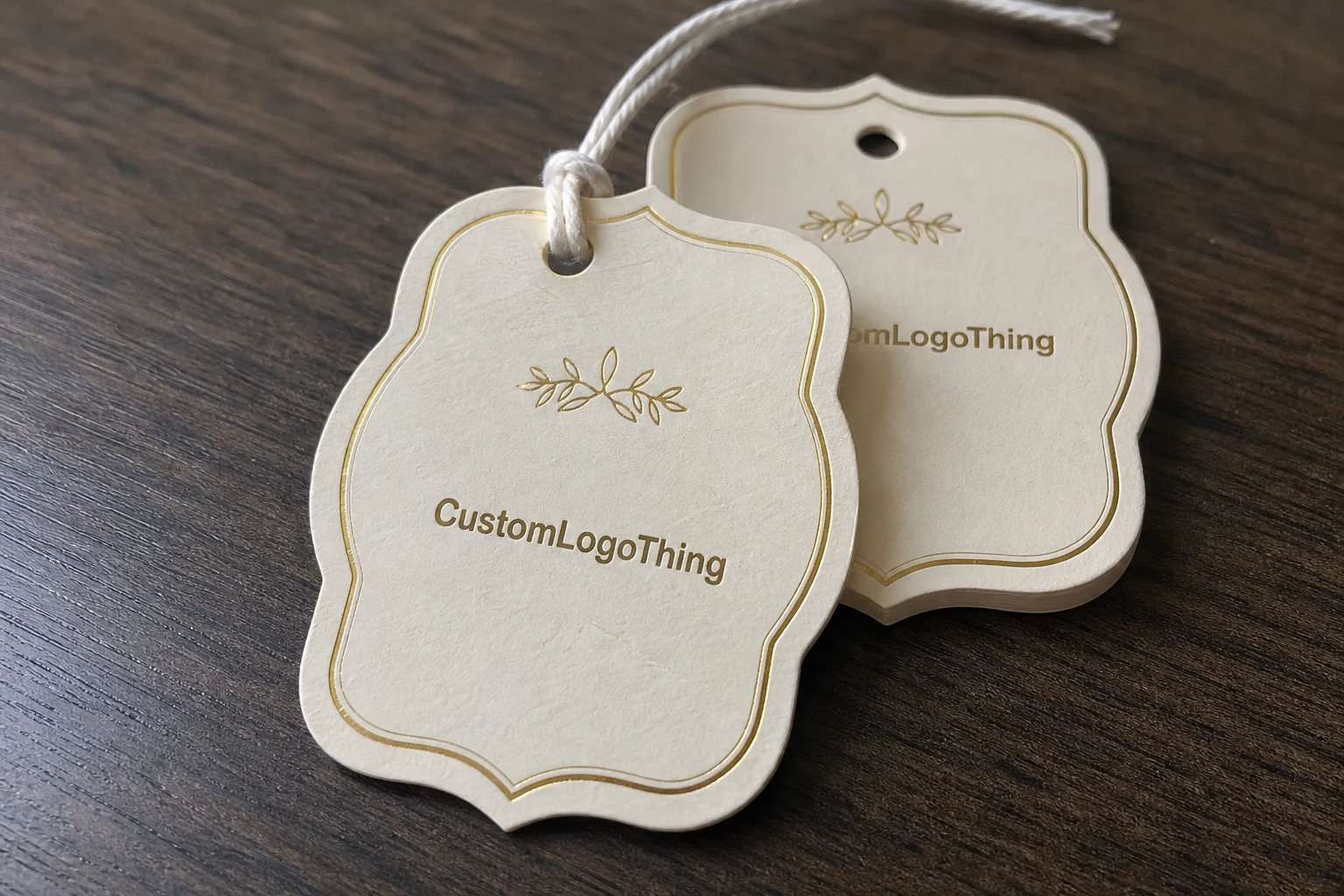
Buyers often treat a hang tag as a tiny printed card with a hole. That is true only for the most basic jobs. Gift set tags tend to do more. They carry branding, product information, barcodes, seasonal messaging, and sometimes regulatory details. Once a tag starts doing multiple jobs, the cost structure stops behaving like a simple stationery order.
Material choice is usually the first place prices split. A 300gsm cardstock tag with a matte finish is a different job from a 400gsm board with soft-touch lamination. The thicker board uses more material and can require different handling on press and on the cutting line. Add foil stamping, embossing, spot UV, or a multi-layer print build, and the unit cost rises quickly. None of that is mysterious. It is just labor, tooling, and waste.
Shape also matters more than many buyers expect. A standard rectangle is efficient to cut and pack. A custom silhouette, scalloped edge, or rounded contour can require a dedicated die and may create more trim waste. That does not make custom shapes bad; premium gift sets often benefit from them. It simply means the pricing model changes the moment the design stops being standard.
Gift set programs make these variables more sensitive because the tags are often tied to a launch date, a holiday season, or a retail display plan. A basic commodity tag can tolerate minor variation. A premium gift set cannot. The color has to hold. The cut has to be clean. The packing has to match the set format. Those expectations sit inside the price whether they are called out explicitly or not.
“Cheap” tags usually get expensive later. The quote missed finishing, the attachment method was excluded, or freight appeared after approval. That is how packaging budgets quietly drift.
The useful question is not, “What is the lowest quote?” It is, “What is the lowest gift set hang tags unit cost that still meets the brand standard, survives handling, and fits the production schedule?” That is a different calculation, and it is the one that actually protects margin.
Product details that change gift set hang tag pricing
Size is obvious, but it is only the starting point. A 2 x 3 inch tag uses less board than a 2.5 x 4 inch tag, and a larger format can also create more waste during nesting. If the design needs generous margins, a barcode zone, or more text for multilingual copy, the final dimensions may have to grow to keep the layout legible. The moment size changes, cost changes with it.
Stock thickness is another strong driver. Many gift set hang tags sit comfortably in the 300gsm to 400gsm range. That range usually gives enough body for a premium feel without becoming overbuilt. Heavier board can make sense for luxury sets or tags that hang from ribbon, but it also raises material cost and can affect folding, punching, and stringing behavior. Very thin stock is cheaper, but it can feel flimsy next to a premium gift box, which defeats the point of the tag.
Print coverage matters more than people assume. A one-color logo on uncoated stock is efficient. Full-bleed color on coated artboard requires more ink, tighter color control, and more attention during production. Dark solid backgrounds often cost more because they demand better consistency from run to run. If the tag needs Pantone matching, the proofing standard gets stricter and the room for error gets smaller.
Finish choices can change the unit cost in a visible way. Matte and gloss are fairly common. Soft-touch lamination, foil stamping, embossing, debossing, and spot UV all add extra steps. Those steps are rarely free in any sense. They use time, machinery, and in some cases additional setup. On a small run, that overhead can dominate the price. On a large run, it still matters, just less brutally.
Attachment style is easy to ignore during early budgeting. It should not be ignored. Twine, ribbon, elastic loops, pre-tied cords, and reinforced eyelets all add cost. So does any requirement for the tags to arrive pre-attached to the product or packed in SKU-specific bundles. Assembly labor is often where a quote starts looking fine on paper and then turns awkward once the production team adds the actual handling steps.
Artwork and data needs create another layer. A clean logo tag is fast. A tag with variable data, barcode placement, SKU numbering, multilingual warnings, or ingredient references needs more disciplined file preparation and stronger quality control. If the project serves food, wellness, or cosmetics, the layout has to leave room for legal text and scannable codes. That is not a design nuisance; it is a production constraint.
Buyers who manage several gift set lines often reduce cost by standardizing certain elements. A shared tag size, a common board type, or a repeated finish across product families can lower setup friction and improve overall pricing. For broad packaging programs, that kind of standardization often matters more than shaving a cent off one isolated run.
Common cost drivers include:
- Size: larger tags use more material and can raise waste.
- Stock thickness: heavier board costs more and may need different die settings.
- Print coverage: full-bleed color costs more than simple text or a one-color logo.
- Finish: matte, gloss, soft-touch, foil, embossing, and UV all add cost.
- Assembly: stringing, ribbon tying, and packed-on-product work increase labor.
There is also a practical comparison worth making. A plain tag that supports the box design is often a better investment than an overworked tag trying to rescue a weak package. If the gift set itself already looks polished, the tag only needs to be consistent with that standard. If the tag is expected to carry the premium impression, then budget for the materials and finishing that make that possible.
Specifications to lock before requesting quotes
The quickest way to get a fuzzy price is to send a fuzzy brief. Suppliers can only quote the information they have, and they will fill gaps with assumptions. Those assumptions are usually where the budget problems begin. Before asking for pricing, lock the key specs so every quote is built on the same foundation.
Start with dimensions, shape, and stock. Then confirm print sides, finish, hole position, attachment method, and packing format. A loose-packed tag is not the same as a pre-stringed tag in retail-ready cartons. A single-side print is not the same as a two-sided layout with finish applied only to the front. If those differences are not stated clearly, the quotes cannot be compared honestly.
Artwork details should be settled early as well. Send the final file type, dieline, bleed, Pantone targets, barcode requirements, and any variable fields. If the supplier has to redraw your layout, that adds prepress work and can slow the schedule. It may also create room for avoidable mistakes, especially on jobs that include multiple SKUs or language versions.
For practical planning, many gift set hang tags work well in compact formats such as 2 x 3 inches or 2.5 x 4 inches. Those sizes are common because they keep the tag readable without inflating material use. Larger tags have a stronger visual presence, but they also increase board usage and can push postage or packing dimensions if the tags are shipped with the finished goods.
- Dimensions and shape
- Stock thickness and finish
- Print sides and ink coverage
- Hole location and reinforcement
- String, ribbon, or loop preference
- Packing format: loose, bundled, or pre-attached
If multiple gift sets are being sourced at once, consistency pays off. Standardizing the base format across several SKUs reduces quote confusion and can improve gift set hang tags unit cost because the supplier spends less time switching materials, resetting equipment, and checking variant-by-variant differences.
Gift set hang tags unit cost, MOQ, and pricing factors
Pricing usually breaks into separate components: setup, tooling, printing, finishing, assembly, packing, and freight. Some suppliers show those pieces clearly. Others merge them into a single line. If the quote does not separate them, ask. A low-looking per-piece number can hide expensive extras, especially on custom shapes or assembled orders.
MOQ changes the math in a predictable way. Fixed work does not shrink just because the order is smaller. The press still has to be set up. The die still has to be installed. Proofing still has to happen. That is why a 1,000-piece run can carry a much higher unit cost than a 10,000-piece run even when the material is identical. The overhead gets spread differently.
On larger runs, the unit cost usually drops because setup is diluted. On smaller runs, it rises because the same administrative and production work is carried by fewer tags. That is especially true for embellished jobs. Foil stamping, soft-touch lamination, embossing, and pre-stringing add cost at any quantity, but the effect is sharper when the quantity is low.
| Tag type | Typical specs | Relative unit cost | Best fit |
|---|---|---|---|
| Basic printed tag | 300gsm cardstock, one to four colors, loose packed | Lowest | High-volume gift sets, straightforward branding |
| Mid-tier branded tag | 350gsm board, matte or gloss finish, punched hole | Moderate | Retail gifting, seasonal promotions, multipacks |
| Premium presentation tag | Thicker stock, foil, soft-touch, die-cut shape, pre-stringing | Higher | Luxury sets, corporate gifts, limited editions |
Buyers can usually trim spend more effectively by simplifying the design than by fighting for a marginally cheaper stock. One strong layout on a standard size is often smarter than a complicated shape that requires extra tooling and more waste. Heavy solid backgrounds should also be used carefully. They look dramatic, but they can increase ink load and create more color variation risk if the press environment is not well controlled.
The best value usually comes from a realistic combination: a sensible board weight, a standard size, only the finishes that materially improve the presentation, and an assembly format that matches the way the gift set will actually be used. If the box already does most of the visual work, the tag does not need to be overengineered.
Production steps and lead time from proof to delivery
Gift set tag production generally follows a straightforward sequence: quote confirmation, artwork review, proof approval, printing, finishing, quality inspection, packing, and shipment. That sounds tidy because it usually is. Problems start when the brief changes midstream or the artwork arrives in a format that needs cleanup before production can begin.
Simple printed tags can move quickly. Custom die cuts, foil, multiple SKUs, and pre-assembled stringing add time. The lead time is not just the print time; it includes prepress checks, setup, finishing, packing, and freight. International shipping can take longer than the actual production run, which surprises buyers only once.
A practical planning range for straightforward hang tag jobs is often around 12 to 15 business days after proof approval, though more complex gift tag programs may need longer. If the order includes several versions, special finishes, or assembly work, the schedule should include buffer. Tight launch dates and flexible production promises rarely coexist comfortably.
Fast approvals help more than most buyers expect. If the proof sits untouched for days, the entire schedule moves. If Pantone targets are confirmed early, color questions are easier to settle. If the barcode is tested before production, mistakes are cheaper to catch. The cost of a misread code or a misplaced hole is never just the correction itself; it includes the extra time and the rerun risk.
Packaging-related standards can also matter depending on the program. Some buyers refer to ISTA shipping test guidance when the gift set will travel through multiple distribution stages. Others review EPA sustainable materials guidance when the brief includes recyclability or material reduction. Not every tag needs formal testing, but the spec should still be able to support the intended claim or transit condition.
How a packaging supplier reduces waste and rework
A competent packaging supplier does more than print paper. The useful work happens in the checks between stages. Prepress review catches art issues before plates or digital output are locked. Press checks catch color drift. Cutting checks catch size and hole-position errors. Final packing checks catch count issues, damage, and mix-ups across SKUs.
Those checks matter because a small defect can ripple through a gift set program very quickly. If one batch is off-color, inconsistent, or packed incorrectly, the buyer is left with a rework decision that is almost always more expensive than the original quote difference. That is why a lower unit price is not automatically the better deal. A supplier that controls waste usually protects the budget better than a supplier that simply quotes aggressively.
Batching similar jobs is one of the simplest ways to limit waste. Standardizing finish choices reduces changeover time. Keeping stock aligned with common specs reduces substitutions. None of that sounds dramatic, and it is not supposed to. Production efficiency is usually boring. It is also where cost stability comes from.
Good suppliers also understand where tolerance matters and where it does not. A hole that is slightly off-center can make stringing awkward. A slight color shift can make a branded set look inconsistent. A half-millimeter variance in the cut line may be acceptable in some contexts and unacceptable in others. Quality control is partly about paperwork and partly about knowing which variation will actually hurt the final presentation.
That experience helps protect gift set hang tags unit cost over time because it reduces reprints, rejects, and emergency shipping. A rerun is not a small correction. It is a second production cycle with extra labor, extra freight, and a frustrated team waiting for the missing pieces.
For broader packaging programs, it also helps to keep tags integrated with the wider Custom Labels & Tags plan. Shared materials, repeatable print standards, and one approval workflow can reduce waste across product lines and make future reorders easier to manage.
What a strong quote should include
A serious quote should show the assumptions clearly enough that another buyer could compare it line by line. If the quote hides the details, it is not really a comparison tool. It is just a number.
The most useful quote includes stock spec, size, print method, finish, assembly, packing format, sample cost if any, setup or tooling charges, production lead time, and shipping terms. If variable data or barcode work is involved, that should be listed too. If the order is going to be packed in a specific way for retail or fulfillment, that needs to appear as well. Otherwise, the buyer may approve one format and receive another.
It also helps to request two versions when the project is still flexible: a value-focused option and a premium option. That comparison reveals where the cost jumps happen. Sometimes the premium version only adds one better finish and a heavier board. Sometimes it adds several expensive steps that do not materially improve the buyer experience. Comparing those versions side by side is often the fastest way to decide whether the extra spend is justified.
If the project is seasonal, ask for sample photos or a pre-production proof. Visual confirmation matters. A finish that sounds elegant in a quote may look heavy in practice. A standard tag that looks plain on paper may actually complement the set better than a more embellished version. The best choice is the one that fits the product, not the one with the longest feature list.
Finally, keep the approval path short. The more people who edit the spec after quoting, the more likely the unit cost will drift. Confirm the design, confirm the pack format, confirm the delivery address, then let production move. That is how you avoid surprise revisions that eat both time and margin.
The cleanest way to protect gift set hang tags unit cost is simple: define the job accurately, compare true like-for-like quotes, and pay only for the features that improve the final presentation or function. Anything else usually adds cost without adding value.
What affects gift set hang tags unit cost the most?
Quantity has a strong effect because setup costs get spread over more pieces at higher volumes. Material, print coverage, and finishing choices such as foil or embossing also move the price. Assembly work, especially pre-stringing or packed-on-product handling, can raise the unit cost faster than many buyers expect.
How can I lower gift set hang tag pricing without making it look cheap?
Use a standard size across multiple gift sets, keep the print layout clean, and avoid finishes that do not add visible value. A sensible board weight and a well-balanced design usually preserve the premium feel better than piling on effects. Consistency across SKUs can also reduce waste and improve pricing.
What MOQ should I expect for custom gift set hang tags?
MOQ depends on the supplier’s equipment, the print method, and the finishing steps involved. Smaller orders usually carry a higher unit cost because setup work stays similar regardless of run size. Clear specifications help avoid quote confusion and make the MOQ easier to evaluate.
How long does production usually take for custom hang tags?
Simple tags can be produced faster than embellished or pre-assembled tags. A straightforward run may take around 12 to 15 business days after proof approval, while more complex jobs need extra time. Shipping time is separate and can become the longest part of the schedule.
What details should I send to get an accurate unit cost quote?
Send the final size, stock preference, quantity, print method, finish, attachment type, packing format, delivery address, and artwork files. Include Pantone targets, barcode requirements, and any variable data fields. If the tags must be pre-attached or packed in SKU-specific bundles, say that upfront.