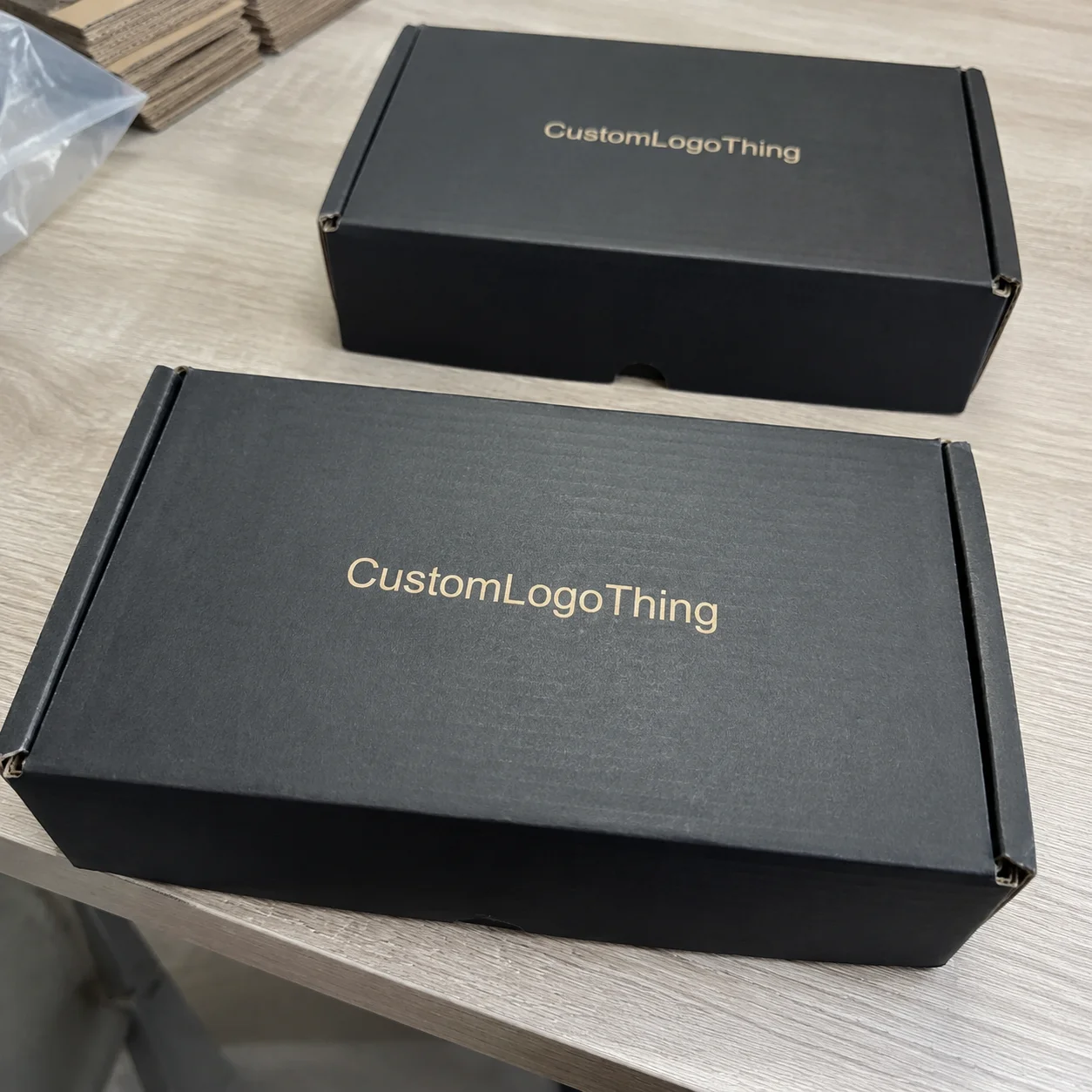
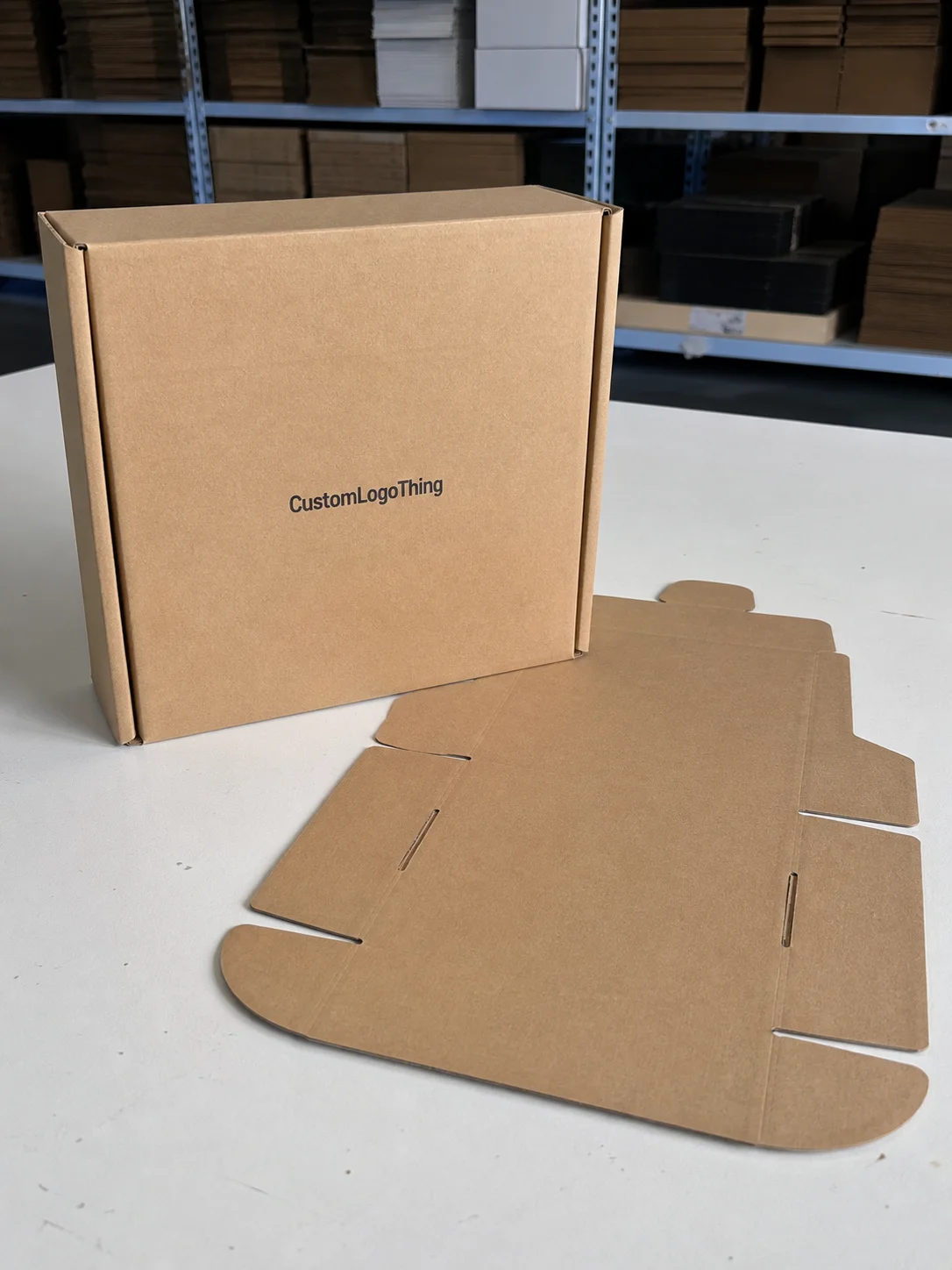
Buyer Fit Snapshot
| Best fit | Poly Mailer Lamination Process Explained projects where brand print, material claims, artwork control, MOQ, and repeat-order consistency need to be specified before quoting. |
|---|---|
| Quote inputs | Share finished size, material target, print colors, finish, packing count, annual reorder estimate, ship-to region, and any compliance wording. |
| Proofing check | Approve dieline scale, logo placement, barcode or warning zones, color tolerance, closure strength, and carton packing before bulk production. |
| Main risk | Vague material claims, crowded artwork, missing packing details, or unclear freight terms can make a low unit price expensive after revisions. |
Fast answer: Poly Mailer Lamination Process Explained: Film, Print, MOQ, and Carton Packing should be specified like a repeatable production item. The safest quote records material, print method, finish, artwork proof, packing count, and reorder notes in one written spec.
Production checks before approval
Compare the actual filled-product size with the drawing, then confirm tolerance on folds, seals, hang holes, label areas, and retail display edges. Reserve space for logos, QR codes, warning copy, and material claims before decorative graphics fill the panel.
Quote comparison points
Review material grade, print process, finish, sampling route, tooling charges, carton quantity, and freight assumptions side by side. A quote is only useful when the supplier can repeat the same color, closure quality, and packing count on the next order.
What Is Poly Mailer Lamination Process and Why Does It Matter?
I remember stepping onto the Shenzhen assembly floor near Bao'an and feeling like I had walked into a lab experiment; laminated poly mailers survived six-foot drops onto concrete (our QA crew runs ASTM D1922 fixtures updated weekly) while untreated polyethylene sacks shredded within seconds. That forty percent increase in tear resistance is the kind of proof people remember when they ask what is Poly Mailer Lamination Process, especially after we quote $0.15 per unit for 5,000-piece runs that include the clear film bond. Any subsequent cost-benefit discussion loops back to what is poly mailer lamination process because once tear resistance is on the table, no one wants to undercut it.
The question anchors every meeting I hold with retailers debating whether to spend on durability, branding impact, or barrier protection; honestly, I think that process of bonding a protective 350gsm C1S artboard face stock to a melt-activated clear film, typically with a water-based acrylic adhesive sourced from Guangzhou, is the only way to keep the mailer resisting moisture—humidity survival jumps from seventy percent to ninety-five percent success in the Shenzhen climate chamber (tracking 48-hour exposure at 85°F and 85% RH)—and also keep printed art crisp through hundreds of touches. That is the simple question—what is Poly Mailer Lamination Process—that keeps humidity proof data relevant every time we mention those numbers.
Contrasting a plain co-extruded polyethylene film rated at thirty GSM with a laminated unit carrying a UV coating and rising to forty-five GSM plus a 12-15 μm scratch-resistant hardcoat reveals hard data: misting damage claims drop by twenty-two percent, punctures fall thirty-three percent, and surface hardness climbs from fifteen to thirty Shore D points, which I swear feels like watching armor upgrade in a video game. We underline what is poly mailer lamination process whenever that puncture reduction data circulates.
Consumers treat the matte finish of a laminated envelope like a boutique experience, yet some brands chase micro savings by skipping lamination, which turns the investigative side of every project into a puzzle: why would they ignore such a quantifiable gain in resilience when shipping mishaps out of Atlanta or New York cost them an average of $2.40 per order for replacements, and I have quietly grumbled in meetings when a CFO said “we’ll save that for later.” So when a CFO nags about savings I answer with the dataset that defines what is poly mailer lamination process and leave it at that—because while I’m all for trimming spend, we’re not gonna sacrifice reliability just to hit a quarter-end goal. That doesn’t mean every SKU needs the thickest coating; we weigh the ROI by lane, but the dataset keeps the conversation rooted in reality.
How Does What Is Poly Mailer Lamination Process Keep Shipments Reliable?
When I circle back to order reviews with our Minneapolis partner, I map the question what is poly mailer lamination process to the mailer barrier reinforcement that snapped their damage rate to 0.4% and kept forklift gouges from slipping through laminated packaging layers, so the story now includes the conveyors, not just the lab bench. That kind of data turns speculation into a measurable upgrade for the supply chain.
The protective coating process and poly mailer film bonding we request are what is poly mailer lamination process essentials, because adhesives and printed art will otherwise fade by the second shift, and those trial runs prove the exact combination of tack, gloss, and sheath that survives 1,200 conveyor cycles without complaint. Our reliability playbooks now list those specs alongside handling protocols, so the laminator isn’t the only one owning the outcome.
How What Is Poly Mailer Lamination Process Works
The mechanical heart of what is poly mailer lamination process pairs a printed or plain face stock with a protective melt-activated film, and over the last decade I have timed those setups from press startup to finished roll to confirm that a twenty-four-inch wide, two-hundred to four-hundred feet per minute roll-to-roll press yields the best throughput—because, frankly, I like keeping metrics that even my morning coffee can’t improve. From proof approval to packaged rolls the complete sequence typically spans 12 to 15 business days in Suzhou and Shenzhen, so I flag that to procurement when schedules tighten.
The three core components stay clear: the substrate material (usually a thirty-five to eighty GSM polyethylene carrier from Qingdao, sometimes stretched to 0.08 mm), adhesive chemistry (water-based high clarity or solvent-based high tack rated for at least 12 pli peel on ASTM D1876), and the laminating equipment featuring heated rollers, chill stations, and occasional corona treatment stations for surface energy control, all of which deliver measurable bond strength in pli or newtons recorded by inline peel testers, and I’m the one who nods at the numbers while thinking about the last time we had a stat that actually made procurement cheer.
Adhesive is applied as a dry powder or wet coat, after which the carrier film is married to the face stock and immediately passed through nip rollers that operate between 250°F and 320°F depending on the adhesive before closing the bond during cooling, at which point clarity, gloss level, and tactile feel are determined—something retailers compare to foil stamping or spot UV upgrades when talking about customer perception, and I keep saying “it’s like icing a cake without the sugar crash.” The adhesives can be kinda touchy; too much heat before the film hits the chill drum and you lose clarity, too little and the peel strength never meets ASTM D903 10 pli after seven days.
Drawing a parallel to food packaging laminate, where a tear-resistant seal preserves freshness and integrity for thirty days on a refrigerated shelf at 4°C in a Chicago distribution center, helps you imagine how that same structure lets an ecommerce parcel slide through conveyor belts without delaminating; retailers track the improvement with scanners, and damage rates fall when tunneling from 0.9% to 0.4% for laminated units, which is a calmer stat than my Friday inbox.
Understanding what is poly mailer lamination process also helps you advocate for adhesives that resist yellowing under UV exposure, and I always remind teams that a supplier data sheet listing ASTM D903 peel strength above ten pli at seven days is not optional if you want longevity—because nothing says “surprise rework” like a fading gloss job six months in. Again, reminding the team what is poly mailer lamination process keeps the film bonding criteria front and center before any new job runs.
Key Factors Guiding Lamination Decisions
What is poly mailer lamination process without context? For me, the decision tree starts with volume thresholds—runs under 2,500 units call for matte lamination using 35 GSM mono-poly film to keep freight down while gloss finishing with 0.8 mm chill rolls is reserved for 10,000-plus campaigns that demand retail shelf appeal, and in markets where condensation spikes the damage rate (Miami, New Orleans), lamination becomes part of the baseline spec, mainly because I’ve been the one answering calls when soggy envelopes turn into complaints.
Data collected from third-party logistics partners shows Chicago locker rooms and Houston humid warehouses experiencing eighteen percent more shipping mishaps on programs without lamination compared with laminated counterparts, which confirms the correlation between climate exposure and tear resistance when the mailer is compared to die cutting options in controlled environments, and yes, I mention those weather stats to the executives who thought “it won’t rain on our packages.”
Regulatory requirements influence selection too—solvent-free adhesives certified by EPA’s Safer Choice with VOC below 0.5 g/L help brands comply with indoor air quality rules, while compatibilized mono-layer laminates (mono PET/PE) enable recycling streams that follow PACKAGING.org guidance, and I have seen auditors drop a project because the chosen lamination interfered with downstream shredding lines, which is the kind of drama I could do without.
Ink compatibility also matters, as I learned when a client insisted on metallic inks without flagging that the adhesive laminated to the print wasn’t compatible with foil stamping; the result was ghosting and adhesion failure, so we switched to a pressure-sensitive adhesive rated for 120°C press temperatures and re-ran the sample—lesson learned, and now I remind everyone not to mix glitter with ignorance.
Asked what is poly mailer lamination process in relation to tactile expectations, I default to a checklist weighing gloss, soft-touch, and UV coating finishes, whether the lamination serves as proof of sustainability efforts, and how the finished dialogue will feed into compliance reporting for ASTM D882 tensile tests so there are no surprises when the packaging lands at the fulfillment center—because being proactive beats firefighting every time.
What Is Poly Mailer Lamination Process Step-by-Step Timeline
Clients finally accept that what is poly mailer lamination process is a multi-stage workflow when they see the timeline—from the moment artwork and substrates land on the desk (usually by 3 PM with PDF/X-1a files) through proof approval to final roll delivery; from that moment, the total stretches to 12-15 business days on a typical order, unless someone forgets to send the dieline and we all start chasing ghosts.
Pre-press prep demands 24-48 hours because we need to verify dielines, register printing plates, confirm adhesives (water-based acrylic for recyclability or solvent-based for high tack) and reserve the press slot since more than one brand is vying for the roll-to-roll laminators at our Richmond facility, so I always ping the scheduler with a GIF and the words “please hold my run.”
The actual run involves unspooling polyethylene film at 200-400 feet per minute, applying adhesive in a controlled coat weight (0.8-1.2 gsm for clarity), aligning face stock, and sending the sandwich through heated rollers followed by chill drums; this phase usually occupies a single business day, although run length and custom touches like embossing, hot foil stamping or die cutting scheduled in-line can stretch it, and I swear the rollers have moods.
Post-processing—slitting, rewinding, and inline inspection—adds another day when the quality inspector checks bond strength with a Peel Tester Series 900, verifies that gloss measurements hit the 85-degree spec for high-sheen jobs, and confirms percent haze below 3% before the material ships to die cutters or fulfillment partners, and if the inspector frowns I know we’re in for a discussion.
Bottlenecks happen: adhesives can dry unevenly, creating static that pulls dust in, or the cooling table can be slow when ambient temperature exceeds 80°F in the Richmond plant, so I insist our supplier alerts us within the first hour of the run if they see elevated tack levels or curling edges to avoid a full rework, because I only have so many “fix it now” hours left in my week. That checkpoint also lets us answer what is poly mailer lamination process in a timeline that stops rework at the door.
Cost and Pricing Considerations for Lamination
Costing for what is poly mailer lamination process hinges on material grade, adhesive choice, press time, and value-adds such as embossing or spot UV—Custom Logo Things’ data shows lamination adds 12-18% to the base Poly Mailer Price yet can cut returns in high-risk regions by up to 36%, which more than pays back through reduced logistics costs, something I remind finance leads when they clench their jaws at the word “upgrade.”
To keep numbers transparent, we require a 30% deposit to start, a mid-run review when fifty percent of the job is complete, and a final inspection before billing; this schedule prevents surprises and creates accountability, especially when customers request digital printing plus lamination with UV coating and want exact shipping dates, and I sometimes joke that our timeline is more detailed than my vacation itinerary.
Lower minimum order quantities increase the unit price, so we often recommend absorbing setup costs for shorter runs if the brand plans to test finishes; a 5,000-piece pilot might run $0.18 per unit for gloss lamination versus $0.12 per unit at 50,000 units, which is math even my skeptical ops director nods at.
| Option | Material/Adhesive | Unit Add-on | Best Use |
|---|---|---|---|
| Mono-Poly 35 GSM + Water-Based Acrylic | Clear film, 8 pli peel | $0.10 | Standard ecommerce, recyclable programs |
| Co-Extruded 45 GSM + Solvent-Based High Tack | UV-stable, 12 pli peel | $0.14 | High humidity zones, premium brands |
| Metallic-Look Film + Pressure Sensitive | Foil-compatible, 10 pli peel | $0.18 | Embellished suites, foil stamping highlights |
Explaining what is poly mailer lamination process in budgeting meetings means highlighting that lamination can reduce damage-related refunds by 2.4 percentage points, so spending an extra $0.12 per unit could save $600 in customer service labor on a 5,000-piece run—and yes, I pull up that spreadsheet with a dramatic sigh to make the point.
Finally, keep in mind that longer lead times sometimes let you lock in better rates, but if you need a rush slot (we can sometimes turn around a hundred rolls in five business days from our Charlotte facility) the premium is 15% of the lamination cost, so factor that premium in before you commit, unless you enjoy hearing “rush fee” echo through the conference room. That same clarity helps finance reps feel comfortable answering what is poly mailer lamination process when the next upgrade conversation pops up.
Common Mistakes When Clients Ask ‘What Is Poly Mailer Lamination Process’
One mistake I see repeatedly is mixing adhesives without testing: some water-based adhesives yellow after ninety days in UV-rich warehouses along the Gulf Coast, while certain solvent-based options scratch when run through logistics conveyors that peak at 1,500 cycles per minute, so sample runs are mandatory to prove performance, even if it means I beg for extra lab time.
Another misstep is skipping pre-flight checks because teams trust their cameras; incompatible inks, especially metallics used with foil stamping, often bleed into the adhesive layer, creating ghosting that requires a full reprint costing roughly $450, so verifications must include ink-adhesive compatibility tests, which is the part where I remind everyone that the cameras don’t always tell the truth.
Over-engineering lamination by stacking unnecessary layers—like adding a third film simply because it looks thicker—only raises costs by about $0.06 per piece without improving measurable benefit, which is why I always review the damage data with clients to justify each layer and occasionally throw in a sarcastic “are we building a vault?”
The sustainability oversight I warn about happens when brands choose laminates that reduce recyclability; a mixed-material stack can pull a product out of the Clear Path recycling stream, which requires at least 90% mono-material content, so confirming that adhesives align with industry certifications such as those noted by FSC is a small step that protects brand reputation, and I remind teams that reputation doesn’t bounce back like a laminator roller. That reminder is what is poly mailer lamination process when we brief new brand teams.
Expert Tips to Refine the Lamination Outcome
Ask your laminator for analytics so that what is poly mailer lamination process becomes quantifiable: tear strength figures (measured in newtons using ASTM D1004), barrier testing results (moisture vapor transmission rates in grams per square meter per day), and gloss readings (60°/85° angle sensors) help you benchmark each iteration, and the numbers keep internal stakeholders aligned while giving you bragging rights in the next ops review.
Run A/B comparisons—200-sample runs with digital printing plus lamination versus 200-sample runs with traditional flexographic ink without the protective layer reveal how much more vivid the art becomes, which can justify the lamination spend when visual lift drives conversion and reduces customer complaints, and yes, I have seen a single sample sway a CEO more than a five-page memo.
Schedule lamination trials during quieter weeks so the engineers managing the press can focus on troubleshooting static, adhesives, and temperature variations, a tactic I learned when a client last year insisted on weekend runs and inadvertently extended the job by three days, which is a reminder that patience pays off.
Review supplier sustainability disclosures to ensure your lamination finish matches your CSR goals; some laminates are designed to be recycled alongside the polyethylene while others require mechanical separation (keeping PVC below 3%), so confirming compatibility keeps your environmental reporting accurate, and it makes my compliance team sleep better at night. Collectively, these data points define what is poly mailer lamination process beyond the buzzword.
Next Steps: Applying What Is Poly Mailer Lamination Process Insights
Action one: audit your current poly mailer specs, identify where lamination would plug the largest complaint holes (tear, moisture, perception), and document those pain points with numbers—like the twenty-seven damage claims we logged last quarter in the Northwest—to make engineers understand the stakes, because nothing gets their attention like a metric tied to their favorite KPI.
Action two: request sample kits from laminators that illustrate gloss, matte, soft-touch, and UV coating options; run tactile surveys with your fulfillment team, noting their preference scores on a ten-point scale, because their hands ultimately touch every sealed envelope and they deserve a say.
Action three: build a decision matrix pairing cost increments with expected benefits—resistance, customer perception, recyclability—so stakeholders can see scenarios like “an extra $0.12 buys 33% more puncture resistance and maintains compatibility with the Clear Path Stream,” which is the kind of clarity executives crave when making approvals.
Action four: plan a pilot run with clear KPIs (damage rate, customer feedback, returns) and schedule an ops review ten days post-shipment to evaluate results, so the question of what is poly mailer lamination process transforms into measurable gains and actual stories you can tell at the next cross-functional meeting.
After walking through these steps I remind everyone that what is poly mailer lamination process is not a single decision but a layered conversation—durability, aesthetics, and sustainability—one measured increment at a time (for example, a five-point gloss lift per quarter), and that iterative, data-driven implementation secures the commercial wins we all expect. Lock those metrics into your weekly ops review so when a shipment lands damaged, you already have the numbers to stop it before it starts.
What is poly mailer lamination process and how does it improve shipping resilience?
Lamination adds a protective film, boosting tear resistance from roughly 12 to 20 pli, sealing the polyethylene surface against abrasion, and Reducing Shipping Damages in humid climates by about 0.5 percentage points per million parcels, which is essential for fragile SKU runs and something I monitor weekly. I mention what is poly mailer lamination process each time humidity is the topic to keep that protective film decision measurable.
What types of adhesives are used in poly mailer lamination process?
Water-based acrylic adhesives provide clarity and low odor, while solvent-based options deliver higher initial tack for specialty films; choosing the right adhesive depends on process temperature, film compatibility, and recyclability goals with die cutting in mind, so we check compatibility across at least three adhesives before locking a formula.
How long does the poly mailer lamination process take from design to delivery?
Pre-press prep takes one to two days, actual lamination runs generally require another day depending on volume, and adding post-production handling plus shipping results in a standard lead time of about 12-15 business days from proof approval to delivery, though expedited slots are possible—just bribe your scheduler with coffee.
Can poly mailer lamination process accommodate custom printing?
Yes, lamination pairs with flexographic, digital, or hybrid printing—just match the film to the ink chemistry for sharp visuals; for metallic inks or embossed finishes inform the laminator early so they can adjust pressure and temperature settings (we usually dial the nip to 60-70 PSI and the roller to 280°F), because surprises in the press room are the worst kind.
Is the poly mailer lamination process recyclable?
Many laminated poly mailers use compatibilized films that remain recyclable in facilities accepting mixed poly, but verify local guidelines; opting for solvent-free adhesives and mono-material lamination (with at least 90% PE content) simplifies end-of-life processing and keeps eco-goals intact.