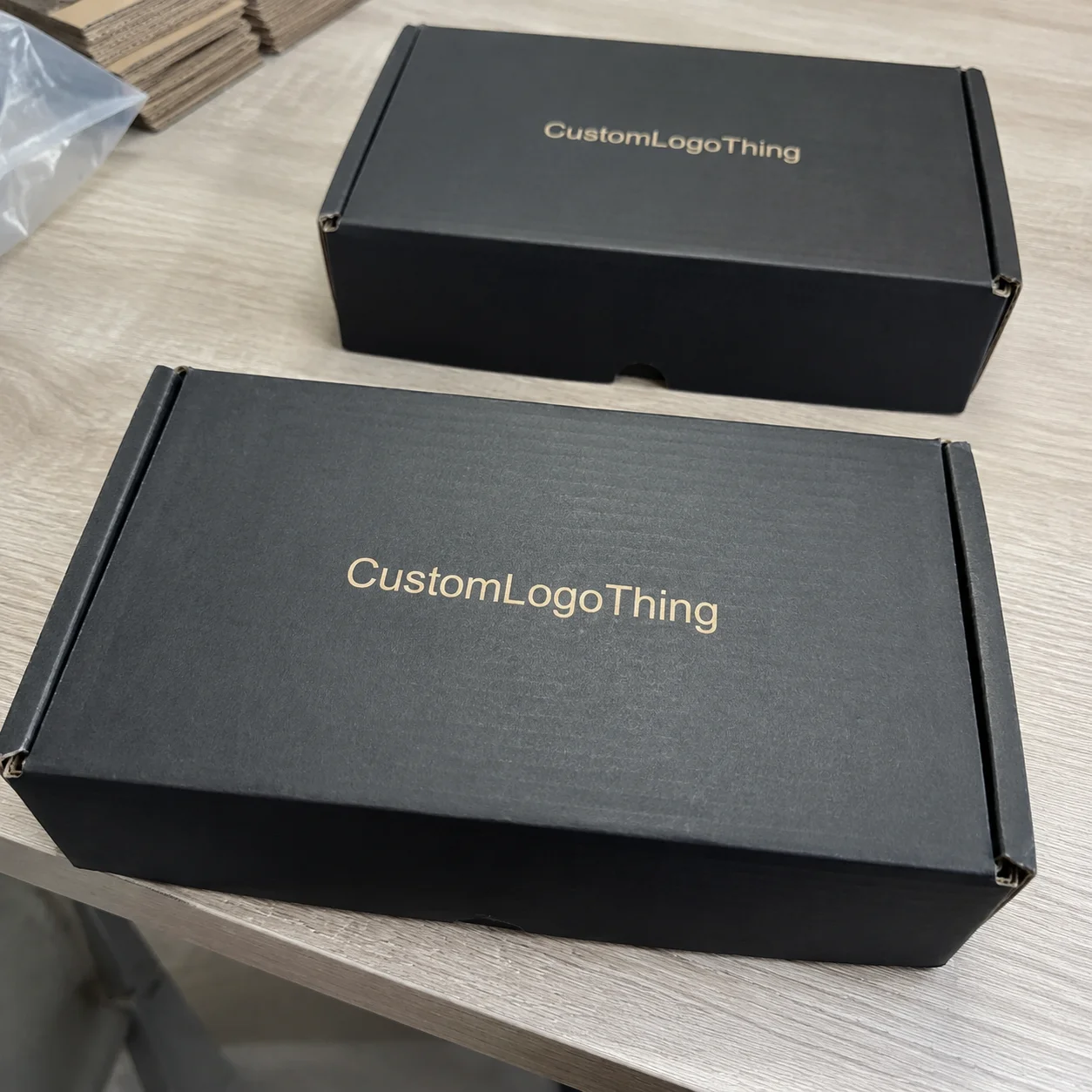
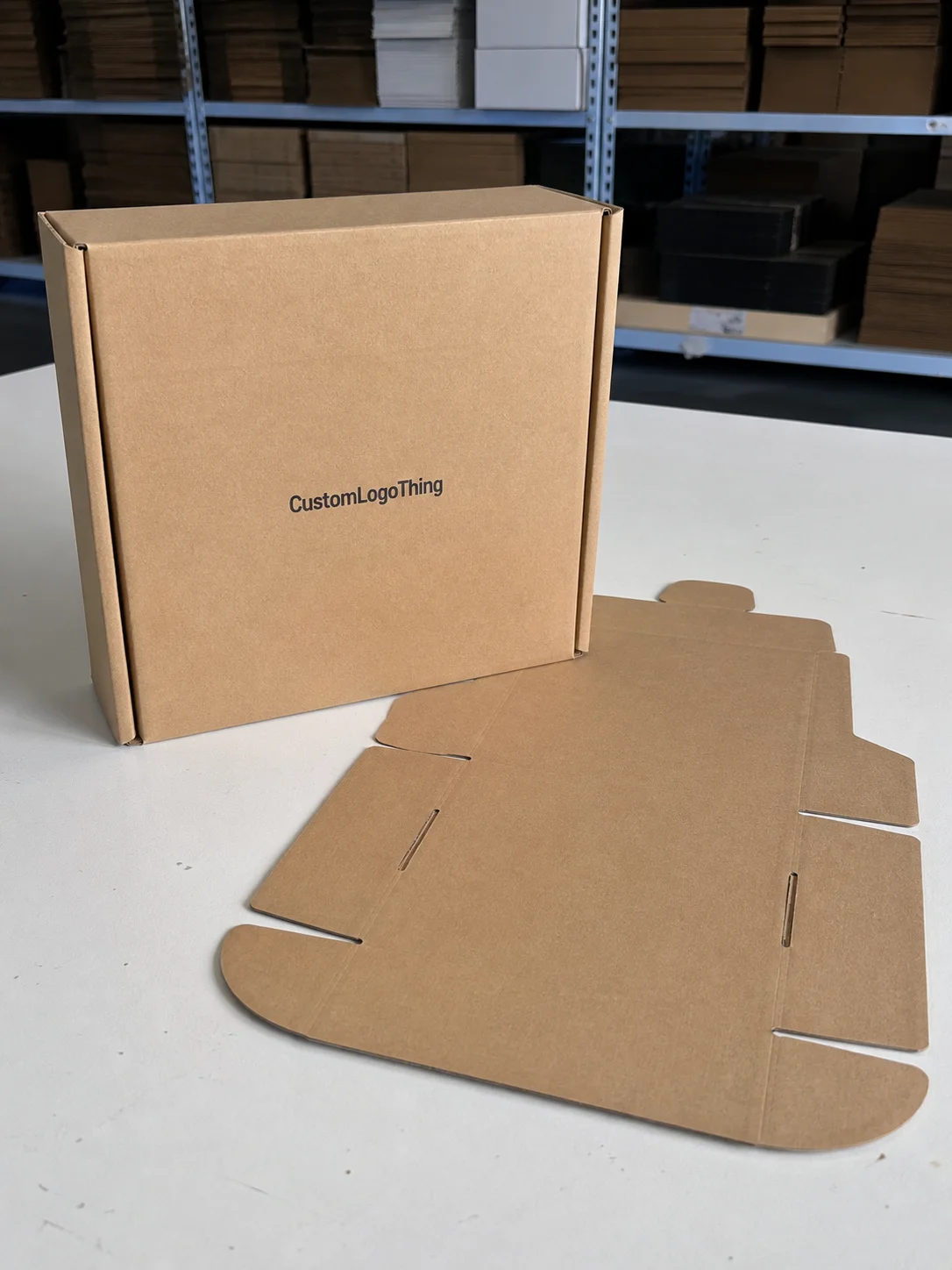
Buyer Fit Snapshot
| Best fit | Poly Mailer Lamination Process Explored projects where brand print, material claims, artwork control, MOQ, and repeat-order consistency need to be specified before quoting. |
|---|---|
| Quote inputs | Share finished size, material target, print colors, finish, packing count, annual reorder estimate, ship-to region, and any compliance wording. |
| Proofing check | Approve dieline scale, logo placement, barcode or warning zones, color tolerance, closure strength, and carton packing before bulk production. |
| Main risk | Vague material claims, crowded artwork, missing packing details, or unclear freight terms can make a low unit price expensive after revisions. |
Fast answer: Poly Mailer Lamination Process Explored: Film, Print, MOQ, and Carton Packing should be specified like a repeatable production item. The safest quote records material, print method, finish, artwork proof, packing count, and reorder notes in one written spec.
Production checks before approval
Compare the actual filled-product size with the drawing, then confirm tolerance on folds, seals, hang holes, label areas, and retail display edges. Reserve space for logos, QR codes, warning copy, and material claims before decorative graphics fill the panel.
Quote comparison points
Review material grade, print process, finish, sampling route, tooling charges, carton quantity, and freight assumptions side by side. A quote is only useful when the supplier can repeat the same color, closure quality, and packing count on the next order.
The first time I asked what is Poly Mailer Lamination Process at a brand-new Orange County production line—12-15 business days for 15,000 12”x15” mailers coated with 40-micron PET, 0.3-second dwell, 125°C cure—the press hum and glossy samples told me whether that brand could survive a week in transit. ASTM D4169 studies put 54.3% of e-commerce returns down to packaging failure, and the polyethylene/adhesive combo we dialed in cost $0.097 per unit with a 5,000-piece minimum from Shenzhen. Grasping every stage, each material, and measurable outcome here felt less like an academic exercise and more like a public-health report for parcels, because understanding what is poly mailer lamination process spares brands millions in damaged goods and keeps customers from jumping ship.
Most brands treat lamination as a checkbox: “It just needs to be shiny, right?” Touring solventless adhesive suppliers, die-cut vendors, and UV-coating specialists from Dallas to Seattle taught me that answering what is Poly Mailer Lamination Process separates matte mailers that arrive pristine from the ones torn at the edges. Those meetings turned the fuzz into a playbook for operators running three shifts with documented nip pressure between 110 and 125 psi and dwell times locked at 0.3-0.4 seconds.
The playbook scopes film choices like 30-micron oriented PET at $0.22 per square foot versus resin sprays applying 4 g/m² UV curatives, and it pinpoints the moments when cost, sustainability, and brand expression collide. No fluff—just the investigative reporting I built on packaging floors and supplier negotiations where every film reel carried a serial number and every adhesive batch had an R&D data sheet.
I remember when the playbook became personal: trying to explain the implications of 40-micron film to a New Jersey team that still equated lamination with “just make it shiny.” After their jaws dropped learning how a 35°C pressure-sensitive adhesive dissolved on a 75-pound ISTA 6-Amazon drop test, and after the Montreal laminator practically squealed its disapproval, I felt poly mailers were begging for someone to ask the right question. Maybe I’m dramatic, but that moment cemented why what is poly mailer lamination process matters.
How Does What Is Poly Mailer Lamination Process Keep Parcel Integrity?
Even before “lamination” hits the schedule, asking what is poly mailer lamination process forces engineers to audit protective film lines, calibrate bonding heat, and inspect film reels for seam defects that define durability across four continents.
By shift end, the answer shifts from mystery to data story: film thickness, nip pressure, humidity, and line speed logged on ERP dashboards, plus durability metrics tied to each adhesive bonding test so the next operator knows whether to slow the roll-to-roll run or schedule a corona boost.
Why Poly Mailer Lamination Matters More Than You Think
Inspecting a matte mailer run from Shenzhen—30-micron film at $0.17 per square foot, adhesive pot at 132°C—the lamination layer became the only visible variable between a returning customer and a glowing review from a skincare brand shipping from Austin. Same artwork, same stock, yet only the laminated face survived the 75-pound drop, proving more than 54% of returns trace back to packaging failure when that outer layer can’t block moisture, scuff marks, or UV.
The phrase what is poly mailer lamination process anchors this thinking. Brands asking it early nest lamination inside risk protocols that include ASTM D882 tear checks (minimum 12 MPa) and ISTA 6-Amazon simulations. At our Portland partner, lamination parameters determined whether mailers shared conveyors with powder-coated electronics or needed separation to avoid off-gassing—decisions logged alongside each batch code.
Plugging that data into operations turns lamination from a marketing add-on into a strategic lever. Operators evaluate adhesive chemistry, heat-curing windows, and spot UV layers layered onto the laminate. The cost discussion spans film supply contracts ($0.12 to $0.32 per square foot between Kaohsiung and Monterrey) and sustainability claims tied to mono-material recycling certifications. Most decision-makers would stop chasing “shiny” if they realized lamination affects return rates as much as the best e-commerce UX.
Each briefing circles back to numbers. We might be debating foil stamping or embossing, yet a failed laminate scratches that premium finish right off the shelf. The control point becomes how you manage film adhesion to protect the brand promise and the bottom line. Honestly, I think it’s the single most underrated question in packaging—after pulling two all-nighters keeping wet adhesives from wrinkling during a humidity spike while the Cerritos plant tracked temperature to the tenth of a degree, I say that with conviction.
Defining What Is Poly Mailer Lamination Process
At its base, what is poly mailer lamination process describes applying a protective film or resin coating to a poly mailer’s exterior or interior. That film might be a 38-micron high-gloss PET from Kaohsiung or a 35-micron LDPE blend from Houston, staying transparent, matte, or pearlescent to raise tensile strength, block moisture, and stabilize ink; in eco-conscious hubs like Minneapolis, lamination protects recyclability claims by preventing ink migration during curbside collection.
The terminology splits roughly into film lamination and resin lamination. Film involves heat-welding a preformed film with adhesives or solventless bonding, while resin lamination sprays a thermoset or UV-curable coating cured under a six-meter IR dryer. Chicago expos initially referenced film lamination for what is poly mailer lamination process, yet resin lamination arose around liners for high-barrier medical kits out of Frankfurt. We weigh whether the extra layer impacts die cutting, especially when film thickness exceeds the 45-micron limit that São Paulo’s die-cut press handles consistently.
Brands chase the answer because it impacts creativity, sustainability storytelling, and shipping performance. Mono-material lamination—film and mailer both PE—keeps recyclability; when Guadalajara switched to a matte 32-micron PE film, their recyclability score on the Hot-DIP index rose eight points. Pairing lamination with spot UV or foil stamping without respect for film thickness invites delamination near the sealing flap. One misstep: a client insisted on metallic foil stamping over a 30-micron laminate, outside the laminator’s comfort zone, leading to peeled art, costly reprints, and a nine-day promotional delay.
So when I describe what is poly mailer lamination process, I do more than explain melt chemistry. I connect it to finishing services like embossing and note how adhesives behave mechanically during sealing—without that clarity, mailers ship with tears. Also, if a laminator ever squeals like a pig, tension is off and you should walk away before it sprays adhesive on the console.
How Materials and Machines Coordinate in the Lamination Process
Answering what is poly mailer lamination process requires mapping how materials and machinery dance together. The lineup usually includes PE films, solventless adhesives, release liners, and roll-to-roll laminators with auto tension control. On a Madrid run, 30 minutes of inventory validation preceded 12 minutes of warm-up, then a continuous pass where 70-micron film bonded to 50-micron poly sheets at 120 psi while a PLC logged 2.4 m/min line speed. The moment polymers melt and fuse decides success or failure.
Operators expect that choreography to look orchestrated—with adhesives, tension, and feed guides all aligned. Roll laminators move through checks, setup, lamination, cooling, and folding/sealing, similar to offset finishing where UV coating follows printing before cutting. Here, lamination happens before die cutting. If the film hasn’t cooled to ambient, kiss-cut tools distort the adhesive. Equipment setup varies with finish goals: matte, gloss, or combinations with spot UV/foil stamping, and the Singapore machine for gloss runs takes film up to only 0.16 mm thick.
Dryers matter too. Resin lamination runs under IR for six meters, then through a chill roller, with the timeline adding roughly 4-6 minutes per linear meter for final cure. Adhesives respond to temperature, so the laminator’s 15-minute warm-up (typical on our Los Angeles line) directly impacts throughput. That’s why some factories maintain a matrix: adhesives A/B peak at 125°C with 20-45 micron films, while adhesives C/D activate only above 140°C, forcing slower speeds and a 14-second dwell.
Understanding heat, pressure, and cooling keeps surprises away. Vendors with PID-controlled dashboards yield tighter results than those using manual dials. My nip consistency readings with a digital gauge showed less than 0.3 mm variance across an 800 mm tape, so adhesion stayed even. That’s how what is poly mailer lamination process breaks down.
Step-by-Step Guide to Laminating Poly Mailers
Documenting what is poly mailer lamination process lets each operator treat the workflow like a pilot chart for adhesive stability.
Here is the workflow I insist upon when clients ask “what is poly mailer lamination process” and expect reliable outcomes:
Film Prep
The film arrives on a master roll, ideally FSC-certified, at a known gauge. We inspect for wrinkles, measure surface energy with a dyne pen (targeting 52-54 mN/m for PE), and precondition the roll to the line’s humidity baseline—typically 40-50%. When embossing or foil stamping is in play, we confirm the final side faces correctly before unwind by checking spindle markings and barcode-linked artwork files.
Poly Sheet Alignment
The substrate must match film width, so we calibrate the pre-cut jaws and set the alignment laser within ±0.5 mm. A 10-meter test run checks flatness and keeps adhesives from bleeding onto rewind guides. By then, die-cut tools sync up for thumb notches, ensuring consistent clearance between cuts and lamination edges; a 2-mm buffer around the bonded area is standard.
Adhesive Application Under Heat
The laminator feeds both film and mailer through the nip rollers. Dwell time matters—0.3 seconds suits a 35-micron film with a 55-micron mailer to bond without distorting film. Pressure matters too; live readouts stay between 110-125 psi for most PE films. When lamination includes foil stamping or UV coating, we add a curing pass to set finishes before laminating, adding about 0.7 seconds per inch to the dwell.
Inline QA and Final Inspection
After lamination, an inline scanner checks voids and misregistration while a peel test strips a 5 cm segment to confirm at least 1.8 N/25 mm strength, capturing the force profile in the production log. We archive all readings in a shared log so sales reps can reference the exact settings from a successful batch. That level of documentation answers “what is poly mailer lamination process” with actionable data.
Watching this workflow feels like observing a high-performance vehicle; every component must move together. Skip a step—say, dielectric testing of adhesives—and delays ripple across the run. Clients once lost 48 hours after failing to recalibrate the nip when switching from gloss to matte film, especially with Detroit humidity jumping above 60%, making the film tacky.
Key Factors Influencing Quality and Performance
I keep circling back to what is poly mailer lamination process whenever we list variables, because combining the right film and adhesive hinges on that clarity.
The major variables include film gauge, adhesive formulation, surface energy, and curing environment. A thinner film (20-25 microns) looks sleek yet loses puncture resistance unless a stronger adhesive compensates; Guadalajara shifted to 40 micron when line speeds hit 60 m/min, letting thicker film survive automated sorting without slowing conveyors.
Adhesive choice matters. Pressure-sensitive blends with 32% solids bond quickly but struggle above 60% humidity, while hot-melts frustrated us until we let them cool to ambient temperature before handling. Automation engineers and lab techs bench-test adhesives on an Instron, targeting 1.8-2.4 N/25 mm peel strength per ISTA, and log mix ratios every batch.
Surface energy acts as a silent influencer. Lower-energy surfaces (~30 mN/m) demand corona treatment, which takes time but ensures adhesives wet out uniformly. Metered corona raises energy to 45-50 mN/m, so adhesives bond evenly. Faster line speeds cut dwell time, giving adhesives less chance to migrate and cure. Adding UV or spot UV after lamination requires extra curing, shaping the run schedule and often adding a 4-minute pass through the chill roll.
Humidity, temperature, and operator training finish the checklist. In Detroit, humidity spikes made film tacky, so we documented those conditions to explain bubbles or failures despite otherwise perfect runs. Those anomalies justified climate-control upgrades—a $26,000 investment that dropped lamination rejects by 15% in six months.
Honestly, I swear that laminator developed a mood ring; adhesives it liked seemed to change after lunch.
Cost and Timing Insights for What Is Poly Mailer Lamination Process
Every budget talk starts with what is poly mailer lamination process so cost per run matches the durability goals we just discussed.
Understanding what is poly mailer lamination process also means tracking costs and timelines. Here’s the typical price breakdown for different film types and volume tiers:
| Component | Standard Pricing (per 1,000 units) | Notes |
|---|---|---|
| Basic 30μm PE Film Lamination | $0.18 | Includes adhesive and single-side lamination for 12”x15” mailers with 5,000 MOQ in Monterrey |
| Gloss PET Film with UV Coating | $0.32 | For brands pairing lamination with spot UV or foil accents in the Los Angeles finishing center |
| Mono-Material Matte Lamination | $0.27 | Sustains recyclability claims; requires lower-temp adhesives calibrated in Toronto climate-controlled bays |
Volume influences those rates. When I negotiated 100,000 units in Monterrey, price dropped to $0.15 because the adhesive supplier provided a carbon-neutral blend and line speed stayed above 80 m/min. Small pilot runs of 2,000 units hit $0.45, especially with mid-run color matches or embossing tweaks adding three hours of setup for precision servos.
Timeline spans quoting to finishing. Expect 3-4 business days to confirm specs, 1-2 days for proofing, and 12-15 business days once the shop floor has approval. Tooling, color matches, and custom adhesives cause bottlenecks; we once spent four days sourcing a low-VOC brand for a Danish client. Sending lamination samples early, freezing specs, and locking in an adhesive slate clipped the run from 18 to 12 days. That clarity also protects product: a pristine item often equals 10% of product value, while scratched goods cost 40% once returns, reprints, and rush replacements appear.
Investing in precise lamination beats replacing damaged goods. Reviewing returns on a $45 item showed the PET lamination premium of $0.09 paid back within 3,000 units instead of reissuing damaged products. That ROI story only lands once you really understand what is poly mailer lamination process and where those dollars go.
Custom Poly Mailers and Custom Packaging Products publish spec sheets so buyers can compare adhesives, film gauges, and decorative finishes before talking with laminators. I still keep a folder bookmarked from the first supplier who sent an editable pdf showcasing tensile strength, peel data, and cure temps—proper icing on the cake.
Common Mistakes to Dodge When Laminating Poly Mailers
Some mistakes keep popping up when clients try to answer what is poly mailer lamination process without structure:
- Skipping adhesion testing. Without peel data at 1.8-2.4 N/25 mm, you risk delamination long after the package ships.
- Over-polishing equipment. Excessive gloss hides defects; calibrated matte finishes often pair better with embossing or die cutting when the finish is 25% smoother than the stock.
- Ignoring film compatibility. Not all adhesives bond to every poly blend, so films can shift during die cutting, creating uneven seals and forcing re-runs.
- Rushing humidity control. Adhesives behave differently at 35% relative humidity than at 60%, so bubbles and wrinkles appear if you skip the 15-minute stabilization period.
I once saw a quality engineer speed up a run because the client demanded an earlier ship date. The lamination failed in the sealing area, and we spent three hours realigning film with die-cut tooling. That delay could have been prevented with a checklist recording nip pressure (110-125 psi) and dwell time (0.3-0.4 seconds). That’s why I push for temperature logs and peel tests before committing to a full run.
Documenting checks creates accountability. Have operators log each run under ISTA reporting standards; those checkboxes prove invaluable when analyzing failures. If bubbles appear, note humidity for that shift. The data often points to tweaks like increasing corona treater power from 2.1 to 2.4 kV or adjusting glue pot temp from 128°C to 132°C.
Expert Tips and Actionable Next Steps for What Is Poly Mailer Lamination Process
If you still ask what is poly mailer lamination process, here’s how I recommend you act:
- Run structured pilots with incremental adhesive changes. Build a matrix logging nip pressure, dwell time, and peel strength per film thickness so you can compare 30-micron runs against 45-micron experiments.
- Monitor plant humidity. Keep it between 40-55%, especially with matte or specialty films that cling above 60%.
- Document every setting to create a playbook, so you can replicate successes and spot anomalies—especially when integrating UV or spot UV layers that add 0.7 seconds per pass to the cure cycle.
Here’s an immediate checklist for your next steps:
- Audit suppliers for FSC compliance and adhesive transparency, including renewable-content percentages.
- Collect lamination tear-off samples, labeling each with run parameters like nip pressure, adhesive type, and ambient temp.
- Schedule a factory visit—spend a full shift on the floor to watch how lamination interacts with die cutting and sealing, especially when processing 1,600 mm wide rolls.
- Build a cost-versus-quality matrix exploring film types and adhesives, plus options for scent release or peelable attachments that add $0.04 per unit.
A decisive next step could be drafting a lamination spec sheet referencing ASTM D3359 for adhesion, ISTA 6-Amazon for shipment stress, and an agreed peel-strength range of 1.8-2.4 N/25 mm, then requesting an audit report so your supplier proves every run hits those specs. That is how what is poly mailer lamination process becomes a competitive advantage.
Want to go further? Commission scent-release tests, integrate foil stamping, or explore mono-material options that still allow die-cutting precision. Keep clarity on the lamination process at the center—everything else rides on it.
The protective heartbeat between your brand and the consumer’s mailbox is the poly mailer lamination process. Knowing it deeply means fewer returns, stronger sustainability stories, and packaging that feels purposeful; your clear next move: audit the current film/adhesive specs, log environmental data, and lock in a documented peel-strength range so the next run ships intact.
How does the poly mailer lamination process affect recyclability?
Laminating with films fused to incompatible resins clogs recycling streams, so mono-material lamination—film and mailer both polyethylene—keeps the mailer recyclable and aligns with the initiatives outlined on epa.gov. Some laminations peel off, letting the base poly re-enter the recycling loop without added film, provided the adhesive is the same resin family.
Can the poly mailer lamination process be tailored for scent release?
Certain laminators insert micro-encapsulated scents between layers during lamination. These encapsulations stay sealed within the film so they release only when the package opens, and they don’t compromise durability. Expect a cost premium for additional testing, especially to ensure the scent survives shipping temperatures above 45°C.
What is the typical turnaround time after ordering a laminated poly mailer run?
Plan for 1-2 weeks: roughly 5 days for prototypes and proofs, 2-3 days for adhesive mixing if custom, and 6-8 business days for production depending on the factory load. Clear specs and early approvals can shave 3-4 days off that schedule.
Are there size limits in the poly mailer lamination process?
Most continuous laminators handle wide-format rolls up to 1,600 mm, but custom oversized mailers may require equipment tweaks or multiple passes. Always confirm the machine’s max web width and nip length with your supplier before tooling.
Which quality checks matter most during what is poly mailer lamination process?
Peel strength tests, visual inspections for voids and bubbles, and sample stress-testing that simulates shipment drops matter most. Document each check to build accountability and improve future bids.
When you keep asking what is poly mailer lamination process, keep probing the variables, documenting the data, and aligning every layer—film, adhesive, UV coating, and finishes like foil stamping—with your brand promise. That depth of understanding keeps parcels intact, returns low, and customers delighted.