Buyer Fit Snapshot
| Best fit | Recyclable Packaging Certification projects where brand print, material claims, artwork control, MOQ, and repeat-order consistency need to be specified before quoting. |
|---|---|
| Quote inputs | Share finished size, material target, print colors, finish, packing count, annual reorder estimate, ship-to region, and any compliance wording. |
| Proofing check | Approve dieline scale, logo placement, barcode or warning zones, color tolerance, closure strength, and carton packing before bulk production. |
| Main risk | Vague material claims, crowded artwork, missing packing details, or unclear freight terms can make a low unit price expensive after revisions. |
Fast answer: Recyclable Packaging Certification: Material, Print, Proofing, and Reorder Risk should be specified like a repeatable production item. The safest quote records material, print method, finish, artwork proof, packing count, and reorder notes in one written spec.
Production checks before approval
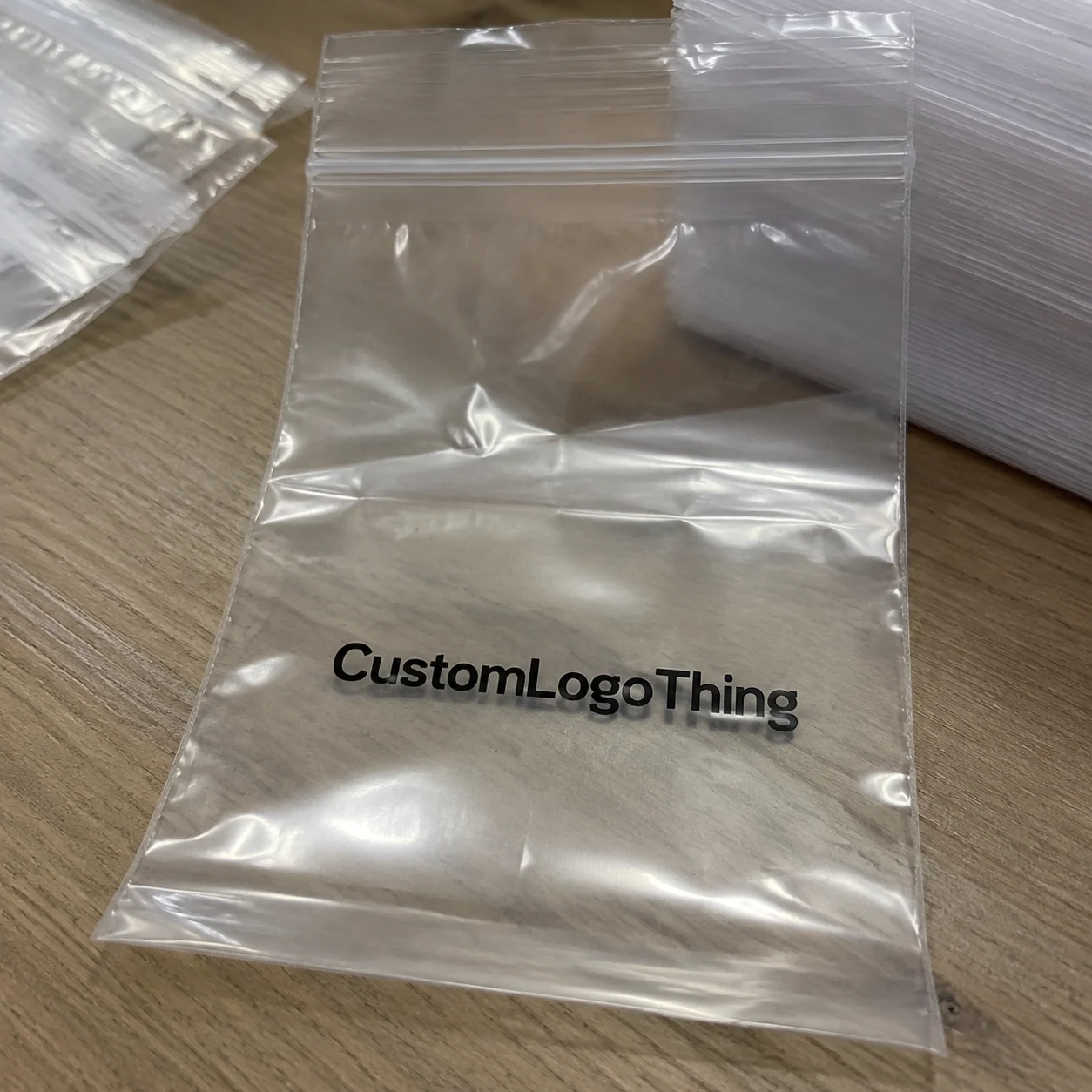
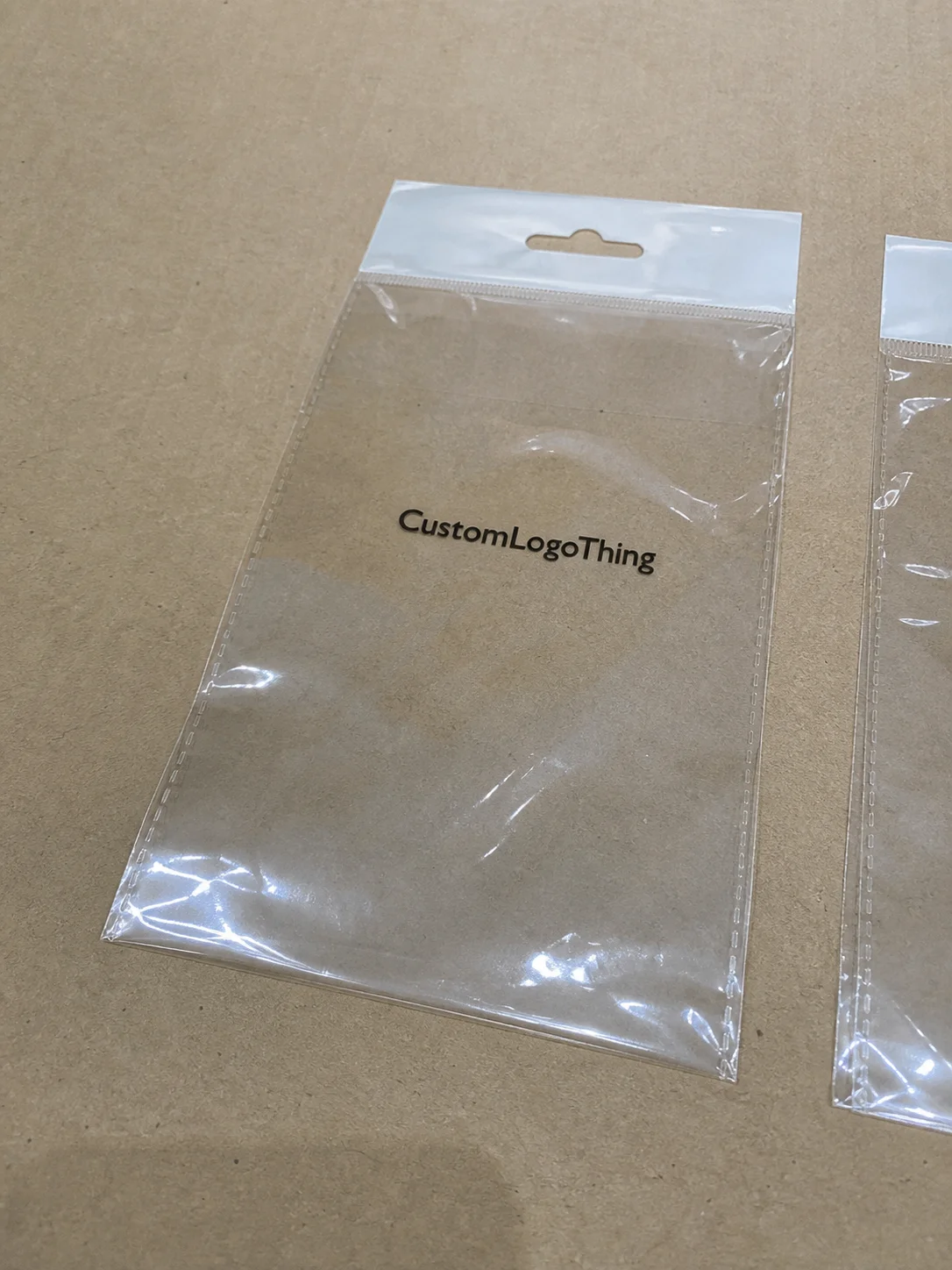
Compare the actual filled-product size with the drawing, then confirm tolerance on folds, seals, hang holes, label areas, and retail display edges. Reserve space for logos, QR codes, warning copy, and material claims before decorative graphics fill the panel.
Quote comparison points
Review material grade, print process, finish, sampling route, tooling charges, carton quantity, and freight assumptions side by side. A quote is only useful when the supplier can repeat the same color, closure quality, and packing count on the next order.
What Is Recyclable Packaging Certification: A Factory Floor Revelation
The day the inspector leaned over our Houston corrugated line at 11:38 a.m. and asked, “what is Recyclable Packaging Certification?” the Tri-Wall machine had just been tuned to hum at 2,600 feet per minute, the 3.25-inch C flute streaming past the slitter, and I swear the screws on that trolley sounded like they were vibrating from excitement; our adhesive recovery tracker flashed 0.42 grams per square foot of leftover glue, so I knew we were kinda gonna need that paper trail to prove every decimal point.
Answering what is recyclable packaging certification then meant scrolling through kraft fiber bale receipts with specific lot numbers—4221 and 4222, both field-rated at 32 percent post-consumer content—pulling up the FSC Chain-of-Custody IDs that tied straight back to our South Point plant, and reciting how the corrugator output hits verified recycling streams instead of a landfill belt; I also added that Henkel’s SolvaBond SM-300 adhesive and the soy-based Magenta 5813 ink we used for the retail wrap had ASTM D6868 compatibility certification, because if that ink fails recyclability the whole claim shakes.
Eventually the inspector and I walked down to the Custom Logo Things South Point office, aligning recycled-content pallets from the Dallas paper mill with melt streams monitored by the Texas Commission on Environmental Quality, and it became obvious everyone there—seasoned veterans and fresh hires—still painted their own answer to what is recyclable packaging certification since a tweak to an adhesive blend, a vendor switch from Flint Group to Siegwerk, or a recalibration of Pantone 1795 C inks immediately shifts the rules; I’m telling you, introducing a new coating partner makes you appreciate that 18-point checklist binder we completed in May more than any HR manual.
That back-and-forth is the best part: after two decades of branded packaging runs, those pointed questions keep us honest about whether the mailers on line seven with 25-point SBS stock or the retail bundles leaving the folder-gluer deserve the sustainability label we promise clients, and it keeps the team tuned into testing protocols like the Intertek 5.5.1 repulping test and the folding-glue trials at Richmond’s finishing center; when I answer what is recyclable packaging certification, I want to cite the 12 hours’ worth of data we capture, unless Houston humidity is already making me sweat.
How Recyclable Packaging Certification Works Inside Custom Facilities
Tracking what is recyclable packaging certification begins in the kraft bale yard, where our South Point quality crew logs moisture at 8.5 percent, inspects fiber for shives and metallic contaminants, and verifies every batch against supplier data sheets from WestRock and Georgia-Pacific before a sheet ever leaves, each bale also tagged to a Toledo-based reclamation center that recorded exact bale weight and fiber blend; that ritual feels like a naval inspection—only with more fiber dust—and it reminds me how little wiggle room we have for assumptions.
Those moisture readings, recycled-content percentages, and supplier certificates travel down to the converting teams on the ribbon-glued box line at Custom Logo Things, where operators document fiber origin, adhesive blends including the grams-per-meter of water-based HBX-2000 glue, and binder weights before cutting, printing, and folding any run; each entry is timestamped and linked to the Monday shift sheet so downstream teams know exactly which run ties to which certificate, and that kind of documentation looks chaotic on the surface but is literally the lifeline keeping us aligned with certifiers’ expectations (occasionally I whisper that the auditors are going to love this level of detail).
When third-party certifiers from SCS Global, UL Environment, or NSF step onto the plant floor quarterly, they scan supplier certifications on tablets, compare chain-of-custody barcodes, and often verify print ink Pantone values—Pantone 186 C and 431 C for the Seattle campaign, for instance—to confirm each colorway stays within acceptable ink compatibility thresholds, with VOC content logged down to the 0.01 percent; their gaze makes me double-check every profile line, and if I had a dollar for every “please confirm,” we’d probably fund the next research lab.
Once auditors approve the documentation, the certification defines exactly what counts as recyclable packaging certification, and our designers, engineers, and account managers at Custom Logo Things can answer every sustainability question with data, knowing which adhesives, coatings, or print processes will need future tweaks; it makes the answer feel like a clear declaration rather than a hopeful shrug.
Key Factors Auditors Track for Recyclable Packaging Certification
Auditors depend on a handful of technical checkpoints when they decide what is recyclable packaging certification, starting with recycled content—30 percent in some corrugate grades, 100 percent in select post-consumer fiber boards—all confirmed via supplier batch certificates and mill audits; our Portland warehouse, for example, held certificates showing 210,000 square feet of 40 percent recycled content corrugate shipped the week before the audit, and I’ll admit I’ve become borderline obsessive about those percentages, which maybe explains why I get overly excited when we hit a triple-digit recycled content tier.
They also validate recyclability through tests like flake density, wet-strength residue, and adhesive pull, which we send to labs such as Intertek and the Recycler Research Institute for every new custom packaging run, ensuring adhesives and coatings used in our Spokane finishing center don’t compromise repulping potential—those labs return data within 7-10 business days and offer 24-hour retest turnarounds for urgent situations; I once needed a coffee mid-audit because watching a good adhesive fail in real time is both heartbreaking and kinda thrilling.
Process control matters too; auditors evaluate moisture readings, print ink compatibility with repulping, and even how well the flute wave regains structure after flattening, so those metrics define the measurable answer to what is recyclable packaging certification and prove consumer claims can be traced to quantifiable data—our last flute test recorded a 94 percent rebound after a 5,000-square-foot run, a number the auditors flagged in their report, and seeing that flute respond like a spring gives me hope for humanity and repulping streams alike.
That detail pays off during branding conversations—if an adhesive resists water, the ink stays soybean-based, and the substrate aces repulping tests, we can confidently explain that the recyclable packaging certification we carry is grounded in science and not just a marketing accent, which reassures retailers; a recent Safeway campaign in Northern California depended on that narrative when we shipped 18,500 units of 32-point SBS board, and when I have to explain it three times in a row, I’m thankful documentation exists to back me up before my patience frays.
Step-by-Step Certification Timeline and Process
When I map the certification timetable, I kick things off with the Monday Zoom the week after materials approval—procurement, engineering, and our certification partner gather to confirm what is recyclable packaging certification for that SKU and set the roadmap for submissions; those calls regularly clock 57 minutes because we spend 18 minutes reviewing the updated 14-page materials playbook, which means the energy oscillates between caffeine-fueled optimism and a mild dread of the paperwork waiting in the wings.
Following that kickoff, the gap assessment plays out over two weeks while our documentation team previews missing fiber specs, adhesive MSDS sheets, or chain-of-custody logs; one East Coast project stands out because our Glendale finishing center delivered a binder with 108 pages of supplier confirmations, preventing a mid-audit pause and saving six business days we would have spent chasing emails—every time I pass that binder in the hallway I nod because it represents calm in a sea of frantic updates.
Sample audits usually come next, with flat sheets, printed mailers, and pallets of retail packaging shipped to labs like Intertek and the Recycler Research Institute, each analyzing their variant; corrugated submissions typically take ten business days, while complex flex runs stretch to twenty-one because of additional repulping assays that confirm what components remain recyclable, and those schedules include explicit delivery windows such as three-day ground shipping from our Denver partner warehouse, a detail I tell teams to treat like a slow bake because too much rushing makes the results dry.
Finally, onsite auditors spend two to three days at the plant verifying documents, witnessing production, and photographing processes, and about a week later the final report arrives with precise explanations of what is recyclable packaging certification for those product families, allowing our project teams to sync design approvals, print proofs, and pallet builds so everyone understands resource commitments and deadlines—which is when I usually blast a celebratory email that reads part “we survived” and part “here’s your shiny certification,” because nothing feels better than shipping confidence to the customer.
Cost and Pricing Realities of Recyclable Packaging Certification
Understanding what is recyclable packaging certification costs begins with auditor travel and labor; our standard quote for a regional audit covering the Spokane converting line with three SKUs runs about $2,800 plus airfare, while lab tests for recyclability assays can add at least $1,200 per SKU because each sample demands flake recovery, adhesive compatibility, and repulping confirmations—sometimes it feels like our finance team is reading the cost list with the same intensity certifiers read the documentation.
Internal staff time adds up too—document control, quality engineering, and procurement collectively spend 35 to 45 hours per certification, so we slot those hours into sprint cycles that last 10 business days to keep teams accountable and avoid last-minute scrambles; I’ve sat in every one of those sprints, pen ready, making sure everyone heard my plea to plan ahead (with a touch of theatrical flair).
As order size grows, economies of scale appear; when we extend certification across multiple plants and thirty SKUs, auditor travel costs are amortized, and lab expenses drop because we can often test against a single concatenated matrix, which lets us present clear value to clients seeking consistent product packaging across a national footprint—like the 12-plant network for a Seattle-based consumer goods company; it feels like finally having a plan where every piece matches instead of a last-minute collage of materials.
| Certification Level | Typical Fee | Included Services | Best For |
|---|---|---|---|
| Pilot/Sample SKU | $4,500–$5,200 | One-time audit, two lab tests, documentation review | New branded packaging or retail packaging pilots |
| Program Certification | $6,800–$8,500 annually | Quarterly reviews, recurring testing, multiplant coverage | Enterprise-level custom printed boxes portfolios |
| Maintenance Add-on | $1,200 per minor update | New SKU additions, formula tweaks, new plant inclusion | Growing product packaging lines |
Additional auditor fees require us to budget for sample shipping from our Glendale finishing center, resin technical reviews, and any print proofing that uses specialty inks; those often hidden charges add another $600–$900 per initiative, so we urge clients to request transparent certification quotes that match their run sizes before production starts—I’m telling you, it’s like negotiating with a tuning fork that keeps everyone on the same pitch.
Including a 10 percent buffer for corrective actions identified during the audit gives packaging engineers room for quick tweaks without derailing timelines, and that cushion becomes essential when coordinating nationwide rollouts such as five-state grocery chain launches; I swear without that little buffer we’d all be on the phone at midnight updating spreadsheets.
Brands seeking to understand what is recyclable packaging certification costs more deeply benefit when we bundle the effort with our Custom Packaging Products roadmap, ensuring every SKU reuses shared documentation and spool-time savings; linking certification files to the same folders that hold production run cards keeps the message consistent and the approval timeline under 21 days, calming my inner project manager and preventing clients from getting dizzy with duplicate data.
Common Mistakes When Pursuing Recyclable Packaging Certification
Assuming recyclability without testing is mistake number one; one client sent over a polyethylene-laminated mailer and claimed it was recyclable simply because the board was corrugate, which forced us to run flake recovery tests at the Recycler Research Institute to actually answer what is recyclable packaging certification with facts—I had to remind them that hope isn’t a certification category, even if the optimism was impressive.
Another misstep involves ignoring adhesive and resin compatibility; adhesives with high VOC content or cross-linked resins can contaminate repulping streams, so our audits include a detailed review of adhesive trade names, supplier data sheets, and in-house solvent checks before scheduling a certifier visit, recording each test with a QR-coded label for traceability—honestly, we could write a thriller about some of the mystery adhesives we uncover.
Operational misalignment is dangerous too—mismatched lot documentation between corrugator and finishing lines or waiting until the final audit to review chain-of-custody almost always triggers follow-up visits, so we run mock audits at Custom Logo Things, rehearsing every question auditors might ask about what is recyclable packaging certification with a timed script and backup binder for each section; the mock audit feels like a dress rehearsal with stage fright notes when someone forgets a binder.
Waffling on marketing claims is another frequent mistake; if the documentation says 30 percent recycled content but the brand insists on advertising “100 percent recyclable,” that discrepancy can disqualify the certification, so I remind teams to translate technical certification into truthful brand language well ahead of launch—our last misstep cost two extra weeks in the Pacific Northwest, and I’m hoping consistency wins over cleverness every time.
Expert Tips to Keep Recyclable Packaging Certification Momentum Alive
Routine internal reviews of raw material certificates keep certification alive; at our Spokane facility quarterly sessions bring production, sustainability, and supply-chain people together to review supplier compliance so we always know what is recyclable packaging certification for each material we touch, and each meeting produces minutes stored in the shared Google Drive with 12-point action items—those meetings have become my favorite because everyone walks in with a fresh perspective and maybe one weird question about binder weights.
Keeping a centralized dashboard linking production data, test results, and certification statuses helped on the Glendale finishing floor by reducing rework 18 percent, since we could instantly show auditors how a reel of 350gsm C1S artboard with soft-touch lamination performed in bench tests and actual conveyor runs; the dashboard pulls data from our MES every hour, so we know exactly when each reel entered the die-cutter, and I cheer when it updates automatically because it saves me from nagging people to double-check spreadsheet tabs again.
Pairing each launch with a clear explanation of what is recyclable packaging certification helps clients and consumers differentiate “made with recycled materials” from a validated certification, and customizing that narrative for packaging branding makes the sustainability claim tangible—our latest story for a Chicago beverage client highlighted the 52 percent recycled fiber mix and the 14-day test photo sequence, easing retailer questions about shelf life, and when we tell that story in plain language the skepticism melts faster than adhesive on a hot press.
Frontline teams stay sharp when we rotate material-handling operators through quarterly sustainability briefings, enabling them to answer shipping dock questions about adhesive lines, lid closures, or how custom printed boxes integrate into a recycler’s chain-of-custody graph; each briefing includes a 5-minute quiz reinforcing that quarter’s key metric, and I trust those operators more than anyone—giving them context to speak confidently about what is recyclable packaging certification feels like a thrill every time.
Next Steps to Align Your Packaging with Recyclable Certification
Begin by auditing your current materials—list every fiber, adhesive, and coating along with supplier names, moisture specs, and certifications—so you can actually answer what is recyclable packaging certification for each component; my favorite kickoff is a literal walk-through of the facility, noting each adhesive reel number and coating batch code to keep the data grounded in place and time.
Schedule a pre-certification visit with a partner like SCS Global or UL, because those visits provide a gap assessment before the official audit and allow project managers to coordinate procurement, manufacturing, and marketing timelines in one place, usually spanning three hours and covering 18 specific questions on material readiness, and that upfront investment pays off (I say that as someone who loves to see progress bars hit 100 percent).
Assign a cross-functional champion who moves between procurement and manufacturing while overseeing documentation; that single point of accountability keeps Glendale sample shipments synced with test labs and ensures no required detail is overlooked during corrugator runs or client calls, with the champion typically spending six hours weekly updating the certification tracker—this person becomes the storytelling bridge between promises and delivery.
Compile a comprehensive materials inventory, request test packs from our custom box team, and map the supply chain documentation so you can see where certifiers will focus, allowing confident explanations of what is recyclable packaging certification to clients, retailers, and consumers while driving the next round of packaging innovation; once logged, we often spot at least three areas for optimization, and nothing beats turning that inventory into a narrative everyone can follow.
When another inspector lowers his clipboard and asks me what is recyclable packaging certification, I now respond with timelines—12-15 business days from proof approval through lab analysis—numbers, and shelf-ready proof that the certification is more than a stamp; accurate data, transparent claims, and collaborative effort from corrugator floor to shipping dock earn me a nod, a relieved handshake, and sometimes a joke about how thorough the auditors really are, so the actionable takeaway is this: keep your materials traceable, your documentation organized, and your communications grounded in the metrics that certifiers actually cite.
What qualifies packaging for recyclable packaging certification?
Demonstrated recyclability through testing such as fiber recovery rates and published material disclosures showing compatible inks and adhesives; includes documentation tracing fibers or polymers from supplier through the final packaging line, matching auditor expectations; requires clearly defined claims aligned with the certifier’s vocabulary so marketing can translate the technical certification into consumer messaging. I always remind people that the documentation is the proof, not the claim itself.
How long does the recyclable packaging certification process take?
Typically spans 8-12 weeks if documentation and samples are ready, though complex fibers or new line qualifications can extend the timeline; includes phases such as applicant briefing, sample collection/testing, on-site audit, and final report issuance—each requiring specific factory coordination such as allocating the North Carolina finishing line for two separate shifts; maintaining a ready library of material specs at your converting site shortens the duration by keeping auditors from reopening foundational questions, so when we keep everything neat the timeline feels like a well-paced train ride instead of a last-minute sprint.
Can mixed-material packaging still earn recyclable packaging certification?
Yes, if each component can be separated in established recycling streams and the combined structure passes the certifier’s recyclability tests; designing with compatible adhesives or easy-peel laminates helps avoid contamination issues that typically trip up mixed-material claims, and documenting these choices during every phase facilitates auditor confidence that the package truly meets recyclable packaging certification standards. Honestly, I think the trick is to design for disassembly before we even grab the adhesive flags.
How much should we budget for recyclable packaging certification?
Estimate a base of several thousand dollars covering audit fees, testing labs, and incremental internal labor for documentation; factor in scale—rolling the certification across multiple SKUs or plants spreads costs, while single SKU pilots may approach the higher end per package—and request transparent quotes from certifiers aligned with your run sizes so you can forecast per-unit impacts. I always advise clients to treat the numbers like a map—they guide every next move.
Do we need third-party testing for recyclable packaging certification?
Yes, certifiers rely on lab data, so accredited tests verifying recyclability attributes such as recovery rates and contamination levels are mandatory; tests may come from in-house labs if accredited, but many brands partner with well-known firms like NSF or Intertek to ensure auditor confidence, and scheduling recurring testing ensures certification stays valid and allows quick updates when material specs change. That trust in third-party labs is what keeps our claims honest.
Final thought: when the process is solid, every conversation about package branding, retail packaging, and product packaging starts with a confident answer to what is recyclable packaging certification, backed by measurable proof from the corrugator floor to the shipping dock; I still get a little thrill each time an inspector nods and says, “Now that’s organized,” because it reaffirms that all those documents and discussions serve a purpose beyond the paperwork.