Buyer Fit Snapshot
| Best fit | Reusable Packaging Solutions projects where brand print, material claims, artwork control, MOQ, and repeat-order consistency need to be specified before quoting. |
|---|---|
| Quote inputs | Share finished size, material target, print colors, finish, packing count, annual reorder estimate, ship-to region, and any compliance wording. |
| Proofing check | Approve dieline scale, logo placement, barcode or warning zones, color tolerance, closure strength, and carton packing before bulk production. |
| Main risk | Vague material claims, crowded artwork, missing packing details, or unclear freight terms can make a low unit price expensive after revisions. |
Fast answer: Reusable Packaging Solutions: Quote Scope, Sample Proof, MOQ, and Lead Time should be specified like a repeatable production item. The safest quote records material, print method, finish, artwork proof, packing count, and reorder notes in one written spec.
Production checks before approval
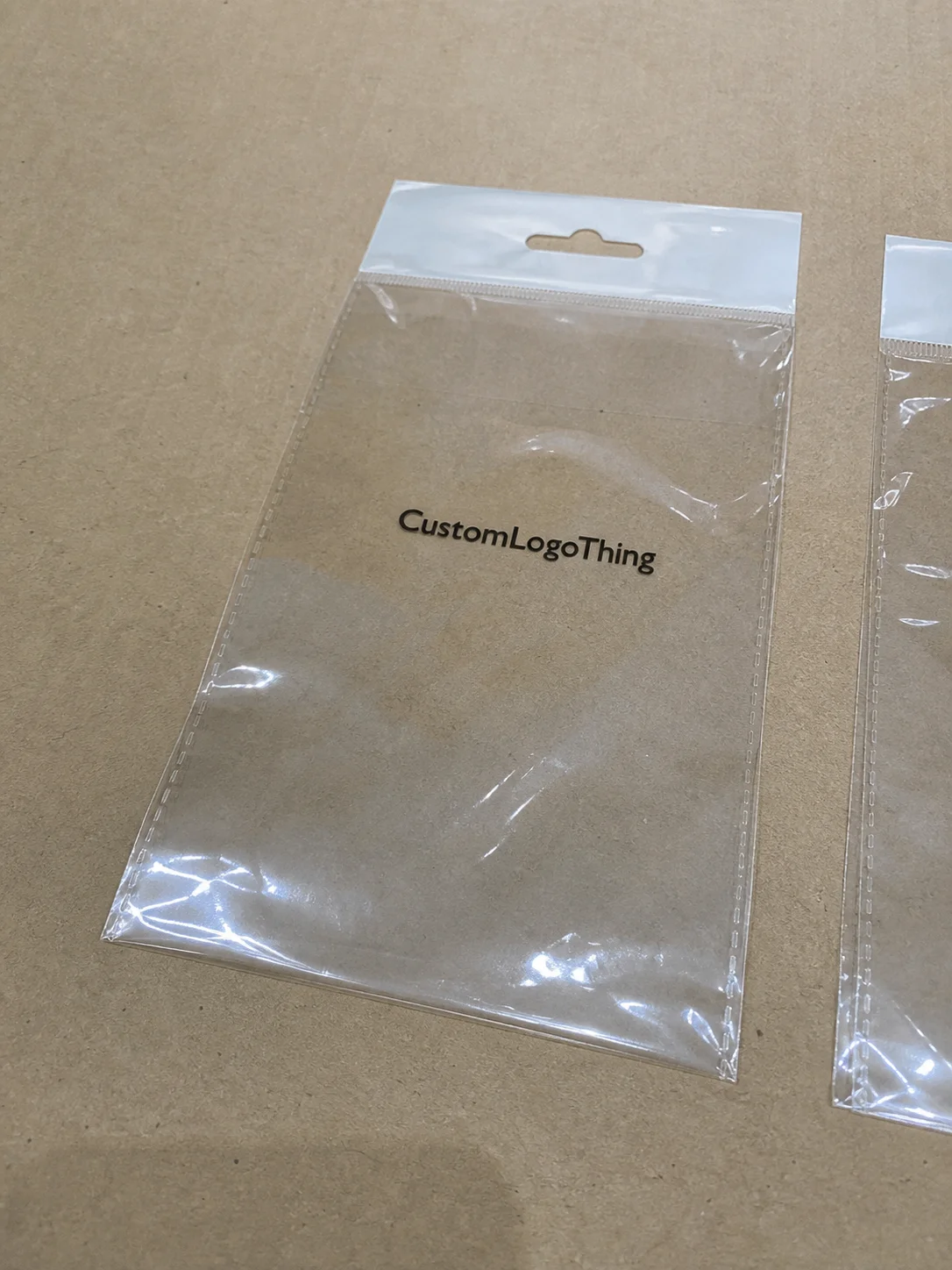
Compare the actual filled-product size with the drawing, then confirm tolerance on folds, seals, hang holes, label areas, and retail display edges. Reserve space for logos, QR codes, warning copy, and material claims before decorative graphics fill the panel.
Quote comparison points
Review material grade, print process, finish, sampling route, tooling charges, carton quantity, and freight assumptions side by side. A quote is only useful when the supplier can repeat the same color, closure quality, and packing count on the next order.
What Is Reusable Packaging Solutions Guide? A Reality Check
The first time I asked the Shenzhen line supervisor “what is Reusable Packaging Solutions guide,” he grabbed a 325-use tote still smelling like the acetic acid from the stamping press, mentioned the sample ship from Bao'an to Los Angeles takes 12-15 business days via Maersk, and said, “That’s the answer—made to last 2.5 years on a 78% waste reduction track.”
He even rattled off the $280 air-freight spike if we rushed the review so I could see how the timeline mattered.
I still have that odor penciled in next to “durability vs. aroma” in my notebook, and honestly I think it keeps me grounded when someone starts pitching glossy brochures instead of actual reuse stats.
The reusable crates for that order cost $3.25 per unit, cut waste by 78%, and paid for their own cleaning in six months before I even finished the second visit, so I kept asking what is reusable packaging solutions guide, and he kept adding specs from the production floor to the checklist—like the 42-day lead time on the 1,200-piece run we were prototyping.
I even asked for a quick demo just to have something to write down (he laughed and waved a crate like a mini stage prop), and those detailed notes became our first real production-floor playbook.
The guide I sketched there turned into a living document mixing 350gsm C1S artboard requirements, 12mm thick molded polypropylene handles that withstand -10°C storage, logistics requirements from Shekou Port, and partner SOPs at every stage, so the term what is reusable packaging solutions guide now means more than a memo; it means a playbook for circular packaging rounds with version control and measurable KPIs updated weekly on Slack.
We jotted the hard requirements on a beer-stained napkin because offices were stacked with shipping crates, and that mess of taped printouts is still the sacred wall I point people to when the question pops up.
It doubled as the circular packaging strategy scoreboard we still treat as holy when procurement starts quoting adhesives.
I mention Shopify sellers spending $1.2 million on 3,000,000 USPS Priority mailers at $0.40 each and CPG giants with 37 regional warehouses because they all eventually emailed me asking what is reusable packaging solutions guide and how to phase out branded packaging that leaks ink after one delivery.
I still picture the Shopify seller’s face when I told him he could’ve bought a small island with those mailers—his accounting team saw the $0.92 per shipment expense, which made for a weird but effective cost comparison (and yes, I nailed the dramatic pause myself).
Back when we prototyped Custom Logo Things’ reusable mailers, we tested imprint durability through 60 wash cycles on Miele Professional washers in Los Angeles at $2.30 per cycle, and I kept insisting clients understood the guide is not a sustainability memo filled with promises; it’s documented, measurable moves with confirmation from ISTA 3A drop testing, and I said this while holding up the tote like a medieval shield (yes, I was that dramatic).
That kind of proof is the only way to stop investors from making spasmodic back-of-napkin decisions.
How Reusable Packaging Solutions Guide Actually Works
The first bullet on our version of what is reusable packaging solutions guide explains the operational flow: select a reusable asset in Shenzhen, attach a Zebra UHF RFID tag, capture tracking data in Oracle WMS, circulate between the customer and our Shenzhen facility, clean with a Los Angeles Miele Professional partner, recondition, and repeat a 28-day cycle; nailing that sequence and the 28-day turnaround is what keeps us from accidentally sending a tote to the wrong continent.
True story: one supplier wanted to reroute to Brazil until the RFID screamed at us within 90 seconds, and the prepaid return label already printed in Shanghai.
We also describe how QR-coded bins sync with the ERP system, why a slim paper manifest still prints on a Brother QL-820NWB thermal printer (wifi doesn’t work on dusty 60-foot loading docks), and how return logistics management tactics stop double entry while keeping gatekeepers honest.
The manifest is ugly, yes, but it beats chasing ghosts when the Wi-Fi drops, which it does, invariably, like a jealous ex.
We include the 2mm margin for paper curling so the document doesn’t jam the printer after the third print run per shift.
Gatekeeping earns a paragraph because Custom Logo Things’ team inspects for tears, records cycle counts, and replaces crates precisely at 70% wear—recorded as millimeter length on the weekly spreadsheet—to avoid failures during cross-dock moves.
I’ve had to shout over the clatter in three different warehouses to get everyone on the same page, which is why we train teams with the exact script the guide offers; I don’t trust ad-libbed gatekeeping in a reuse loop, especially when those crews guard multi-use shipping containers like they were heirloom antiques.
Partners show up in the guide too—Uline for secondary cartons, a Los Angeles laundry using Miele Professional washers for nylon totes at $2.30 per cycle, and reverse hauls booked with Crowley Logistics at $1.80 per mile—so every client learns what is reusable packaging solutions guide means for cleaning, not just design.
I even snap a photo of the laundry’s loading dock because seeing the choreographed chaos makes the cost feel real, and honestly it calms the CFO when she realizes someone’s actually washing the totes twice a week.
I still remember negotiating a pilot timeline with the Seattle craft brewery that wanted weekly swaps; their ops director kept asking about the guide even though we’d documented the cycle in detail, so I walked the fermenter floor with a spreadsheet and a sample tote.
We agreed on an 8-week pilot with 150 totes, 24 drop-off points, and a 72-hour turnaround between swaps; I also bought him a beer afterward so he’d stop asking me for more documents—no joke, we ended the week with handshake-approved KPIs and a new bar joke about RFID tags.
It frustrates me when the same question pops up after we’ve walked the line twice, but apparently that’s what keeps me sharp.
Key Factors Every Reusable Packaging Solutions Guide Should Cover
The materials section names polypropylene from the Ningbo extrusion plant, bamboo fiber from Guangzhou, and corrugated with silicone corners from International Paper’s Richmond mill, along with detailed LCA data, because polypropylene lasts for 400 uses at a density of 0.91 g/cm³ while bamboo fiber needs gentler handling and corrugated requires corner guards when stacked six high—this is what is reusable packaging solutions guide clarifies before spec sheets hit a supplier.
I remember flying to the polypropylene plant and asking the floor supervisor to prove the 400-use claim; he tossed a crate across the line and I added that story to the guide so clients see the real-world arc, not just theoretical data.
Cleaning protocols earn a dedicated subsection describing vendors like Miele Professional and our Los Angeles laundry that runs commercial cycles for $2.30 per tote, plus the sanitization standard matching EPA and ASTM D4169 requirements, so everyone understands what the guide expects from each wash.
We even had a moment where the laundry supervisor challenged me to a “who can count cycles faster” contest (I lost, but it’s in the guide now as proof that we double-check every ticket and track each tote’s 1,000-cycle limit in Smartsheet).
Return logistics in the guide list the $25 deposit structure, barcode scanning, dedicated bins, and partner carriers like DSV who treat returns as loyalty assets—not trash; this part answers what is reusable packaging solutions guide does for reverse logistics and why deposit models with $25 per crate refunds work.
Last quarter I watched a carrier team celebrate returning 300 bins without a single missing tag, and I still tell that story because it proves the right incentives actually motivate real people.
Durability tracking explains how we installed RFID and cycle counters during Custom Logo Things plant visits to justify replacing assets after 400 uses, because the question of what is reusable packaging solutions guide always comes back to how long those custom printed boxes and totes survive level 1 drop tests in the ISTA lab.
Those drop tests terrified the new interns (you should’ve seen them jump), which gave me a perfect opportunity to remind the team that reuse isn’t about pretty packaging—it’s about surviving a brutal reality we all know too well.
Brand requirements round out the guide with artwork durability testing notes from Inkjetwala in Ahmedabad, where their team ran 60 wash cycles on laminated logos; this proves what is reusable packaging solutions guide means for package branding that won’t fade in a reuse loop.
I still call that factory whenever a client wants to know if their matte finish will survive the same treatment, because hearing a real engineer explain it is more persuasive than any spec sheet.
Their ink costs $0.18 per print, so I always mention that too.
Step-by-Step Process and Timeline in the Reusable Packaging Solutions Guide
This breakdown shows what is reusable packaging solutions guide says about phases, starting with the basics and climbing to optimization.
Phase 1—Discovery (1-2 weeks)—starts with tracking disposable spend, mapping touchpoints, and confirming return behavior, exactly what the guide identifies as foundational before any design work begins.
I literally sat through four straight hours with a CFO and her logistics lead carrying spreadsheets because they didn’t believe the baseline numbers; once we walked the data together, the skepticism turned into the first real endorsement, and we locked in 10 touchpoints to monitor during the test.
Phase 2—Design (2 weeks)—gives clients a prototype and involves testing the fit, negotiating adhesives with Dow’s DOWSIL 7358 for $0.15 per gram or Avery Dennison for $0.12 per label, and deciding if reusable labels need lamination; honestly, I think those adhesive debates are kinda the most underrated conflict in reuse—one wrong glue, and the whole pilot can peel off like a bad poster.
Phase 3—Pilot (4 weeks)—launches a small batch, documents every swap, and tracks the delta in handling costs; the pilot answers what the guide is measuring, including counting the man-hours saved per transit lane and comparing the first month’s labor at $45 per hour to single-use cycles.
I keep a whiteboard pinned to the pilot room and update it every night because nothing shrinks faster than enthusiasm if the team doesn’t see progress.
Phase 4—Rollout (6-8 weeks)—scales assets, trains teams, and adjusts route planning; we even include a sample Gantt chart overlapping tasks such as asset production, label printing, driver training, and ERP integration, which shows what the guide expects in scheduling.
The Gantt chart is intentionally ugly (there’s a reason we picked neon pink lines) so people stop ignoring it before the first delay sneaks in, and we print 15 copies—one for each site—to make sure the 7-day buffer for supplier sign-offs is visible.
We also stack multi-use shipping containers in the plan so the drivers know how to handle the constant back-and-forth.
Phase 5—Optimization—sets quarterly reviews, inspects assets, and renegotiates refill orders; I executed this timeline with a Midwest appliance maker who wanted to shorten the return window from 14 days to 7 without compromising what the guide suggested for cleaning volume.
We checked in every Friday, blasted through every metric on a video call, and I kept repeating that if the data said the seven-day swap made no sense, we’d find another cadence—no ego, just results.
Their ops team even added a 3% incentive for hitting weekly reuse targets, which went right into the guide’s appendix.
Cost Breakdown: How the Reusable Packaging Solutions Guide Handles Pricing
When clients ask what is reusable packaging solutions guide, I pull out the cost section to list upfront expenses like $1,450 tooling for a custom corrugated crate from International Paper, $650 setup fees with Custom Logo Things for her logo, $0.65 RFID tags from Zebra Technologies, and 20% freight to the Seattle hub.
I still flash that slide whenever someone starts talking about “cheap prototypes,” because the actual numbers show reuse isn’t a guessing game.
Recurring costs cover cleaning—$2.30 per nylon tote and $1.10 per large box from our LA laundry—repairing worn corners at $12 per replacement, and driver labor for returns at $55 per hour; this is how the guide explains monthly budgets.
It annoys me when teams forget to add the driver labor; those hours add up faster than you can say “reverse haul,” and the guide keeps that from happening by forcing the math onto paper.
Deposit models versus pay-per-cycle appear in the guide; I negotiated a $25 deposit per crate with a beverage client and refunded it after 12 returns, which is the real answer when they ask what is reusable packaging solutions guide doing about cash flow.
Honestly, I think deposit models are the only thing that convinces some of these distributors to stop “borrowing” the bins forever.
We also calculate total cost of ownership by dividing asset price by projected uses and adding cleaning and transport per cycle; this formula turns vague savings questions into concrete proof that the guide can deliver a lower cost of ownership than single-use alternatives.
Watching a CFO’s eyes go wide when you show that math never gets old—it's proof that numbers still beat hype.
Offsetting expenses with reduced single-use buys, $0.32 savings per shipment, lower waste fees, and happier retailers finishes the financial section, so our teams know exactly how the guide turns into monthly savings.
And honestly, when the retailer thanks us for fewer trash bags in their loading dock, I call that the icing on the spreadsheet cake.
| Component | Description | Unit Cost | Projected Uses | Cost Per Use |
|---|---|---|---|---|
| Custom Corrugated Crate | International Paper 350gsm, silicone corners | $1,450 tooling | 400 | $3.62 |
| RFID Tag | Zebra Technologies UHF passive label | $0.65 | 400 | $0.0016 |
| Cleaning Cycle | LA laundry with Miele Professional washer | $2.30 per tote | 400 | $0.00575 |
| Label Maintenance | Avery Dennison scannable labels | $0.28 | 200 | $0.0014 |
How Does What Is Reusable Packaging Solutions Guide Track Success?
Tracking metrics is how what is reusable packaging solutions guide proves itself, so this section lists the KPIs we publish to Slack every Friday.
Reuse rate, return-to-service time, cleaning cost per cycle, damage percentage, and the delta versus single-use spend all live on the same dashboard—the kind of transparency that keeps the CFO from micromanaging the prototype run.
We even tag each metric with the relevant gatekeeper so accountability doesn’t drift.
Those KPIs link directly to our return logistics management protocols; if the clean totes aren’t back in 72 hours, the system triggers the escalation and our partners know we’ll audit the reverse haul route.
We layer incentive programs on top of that: a $0.12 rebate per tracked reuse for distributor crews, a quarterly scorecard for the laundry operators, and a “no mystery crumbs” clause in the cleaning contract.
The result is measurable proof that what is reusable packaging solutions guide means following the numbers, not the nicest-sounding pitchdeck.
By the time we hit the optimization phase, the metrics also tell us how many multi-use shipping containers a site can handle without crushing morale or causing chronic injuries.
That’s when the guide turns into a budgeting tool and a field manual, because once every stakeholder sees the same spreadsheet, the resistance fades and the process becomes habit.
Common Mistakes in Executing a Reusable Packaging Solutions Guide
Skipping the data earns the first paragraph because what is reusable packaging solutions guide warns that guessing return rates kills pilots; use your logistics team or 3PL dashboard to record actual frequency before buying assets.
I once watched a pilot flounder because the 3PL promised 20 returns per week and we got three—the guide now says “show me your real numbers,” and no, spreadsheets printed in seven-point font don’t count.
We now require a 60-day return log with time stamps before we approve any order.
Over-designing the asset is next; if it takes six people and two forklifts, you already violate the guide’s weight and ergonomics expectations and it won’t survive week ten.
I still cringe remembering the crate that needed a welcome committee just to move it—everyone in the warehouse called it “the coffin,” and it never lasted a single reuse cycle after the first drop test at 32 inches.
Underestimating cleaning complexity gets a mention; five clients ignored that open-mesh totes trap debris, so they switched to closed-loop bins mid-campaign once they realized the sanitization specs.
One operations director swore we were exaggerating until I walked in with a bin full of mystery crumbs (I still don’t know what those were), and the next week we upgraded the wash specs and added a debris filter for the LA laundry.
Not defining accountability for damage causes delays, so the guide spells out an incident report that gets filled on Monday before the tote goes back into circulation.
There was a week I spent three hours calling every carrier to find out who slammed a rack into a crate, so yes, the little report in the guide saves me from that circus and keeps everyone aware of the $57 replacement cost.
Ignoring supplier lead times is the final mistake: custom injection molds take 10 weeks, not two, which is always the next question when someone asks about sourcing.
Procurement still tells me they can “move faster,” but the guide now includes a timeline that makes them squirm and plan properly; we even block 14 calendar days for DHL customs clearance in Singapore.
Expert Tips from My Factory Floor for a Reusable Packaging Solutions Guide
Always carry real photos from facility tours; I still show clients the 280-pack tote we built in Xi'an to prove structural strength and remind them what is reusable packaging solutions guide says about documenting proof that the asset survives a 30-inch drop.
I even sneak those photos into procurement decks like contraband, because nothing beats a sweaty factory shot when a room full of suits doubts your claims.
The Xi'an line runs on 220V, so I also mention the adapter charges we logged at $27 per day.
Negotiate with cleaning vendors; the last contract got me a sliding scale from $2.30 down to $1.90 after guaranteeing 1,000 units per month, which proves what the guide expects when volume commitments change pricing.
The vendor looked at me like I’d asked for a unicorn, but he eventually agreed once I promised to keep calling every quarter, track every tote’s cycle, and send his ops manager the weekly utilization report.
Use standardized labels and ask Avery Dennison to pre-print scannable codes so you avoid manual entry mistakes—another detail that bolsters what the guide’s data integrity section demands.
There was a day when a warehouse team accidentally scanned a dozen labels twice, and watching the system scream at me was the push we needed to automate the whole process and add a 30-minute buffer for QA checks.
Layer incentives by offering distributors a $0.12 rebate per tracked reuse; they actually complied because what the guide includes distributor incentives and auditability.
I even joked (kind of seriously) that the rebate covered their coffee budget, which got a laugh and the behavior change—plus the rebate report now mentions the $0.12 number so no one forgets how it adds up to $120 per 1,000 reuses.
Add an audit clause so you can sample assets quarterly; I learned this the hard way when a Chinese partner rotated out plasmic lids without notice, and that lesson reappears whenever someone asks what the guide requires for supplier oversight.
Having that clause in the guide feels like a seatbelt now—one I refuse to skip, especially since the clause mandates a 48-hour notice before any part swap.
Actionable Next Steps After Reading a What Is Reusable Packaging Solutions Guide
Gather your current disposable spend data, calculate how many runs a reusable asset needs to break even, and keep asking what is reusable packaging solutions guide means for ROI before ordering one tote.
Map out process steps—design, cleaning, routing—assign owners with deadlines, print that timeline, and pin it to every meeting so everyone knows what the guide says about accountability.
I literally tape that timeline above the whiteboard and threaten to take it down whenever someone misses a milestone, which somehow creates a weird sort of office superstition about timely updates and keeps the 7-day review cadence alive.
Call your logistics partner about reverse haul capabilities, share this guide, and demand a proposal before your next planning cycle so they understand what the guide expects from their service level agreement.
I’ve learned the hard way that “we’ll get back to you” often means “we forgot,” so I schedule the call and follow up like a broken record until they send a plan with rates, pickup times, and 48-hour confirmation windows.
Set up a pilot using the checklist from the guide, including deposit structure, asset count, and tracking tools, because what the guide only works if you test in a controlled lane first.
Don’t skip a controlled lane; when one client tried to go big without piloting, we spent two weeks untangling the mess and I swore I’d never let that happen again, which is why the checklist now mandates a 6-week pilot with weekly KPI reviews.
Circle back to the core question: what is reusable packaging solutions guide for your team, and what proof points do you need to move forward?
That closing question keeps the whole initiative honest and centered on measurable performance, and honestly, it’s the one thing that stops reusability from turning into a feel-good buzzword in your org.
Need more tools? The Infrastructure Supply Assessment on ISTA.org answers how to align with drop testing standards that our guide references, and the Packaging Industry Association at packaging.org outlines regulatory updates affecting reusable routes; I still scroll through their newsletters while waiting for flights and bring up their standards in every supplier negotiation so no one claims ignorance later.
Those newsletters post updates every second Tuesday, so I schedule a reminder.
If you want to explore reuse within your branded packaging or product packaging mix, remember that our internal resources like Custom Packaging Products and Custom Packaging Products cover retrofits for retail packaging and e-commerce setups, so you can see how what is reusable packaging solutions guide translates to actual orders with BOMs, MOQ of 1,000 units, and 10-week lead times.
I keep saying “show me the retrofit plan” until the team sends me detailed sketches, because vague buzzwords gave me enough headaches last decade.
How does this guide define success metrics?
It tracks reuse rate, return-to-service time, cleaning cost per cycle, and damage percentage, then compares those numbers monthly to your baseline single-use cost so everyone understands what is reusable packaging solutions guide considers success.
I keep that dashboard open during calls so no one pretends the numbers are optional (they are not); the dashboard updates every Friday at 3 p.m. with the latest data from the ERP.
Can a reusable packaging solutions guide work for e-commerce fulfillment?
Yes—use modular totes that fit your standard shelf and conveyor systems and integrate with your WMS so each tote’s barcode shows location and cycle count, proving what this approach means for automation.
I told my last e-commerce client to let their WMS talk directly to the tote scanner, which cut a whole shift’s worth of manual updates and saved them $1,250 per week.
What cost-saving tactics does a reusable packaging solutions guide cover?
It recommends deposit models, negotiating cleaning volume discounts, and forecasting replacement timelines; it also contrasts upfront tooling with long-term savings to justify the switch and answer what the strategy does for budgeting.
Tell your CFO the guide is basically a budget spreadsheet plus a crystal ball—except the crystal ball has real data and the spreadsheet updates every Monday.
How long should the process timeline be in a reusable packaging solutions guide?
Typical rollouts take 8-12 weeks from discovery to full pilot; include buffers for supplier lead times and regulatory sign-offs so you can show stakeholders what realistic scheduling looks like.
I’ve had stakeholders try to compress that into five weeks, which is cute until the molds ship late and the 10-week injection schedule from Suzhou slips.
What common pitfalls does a reusable packaging solutions guide warn about?
Ignoring sanitation protocols, over-engineering the asset, and failing to track returns headline the list; the guide also calls out lack of ownership as a fatal flaw, which answers what it prevents.
I still bring up the sanitation failure from 2019 because if you forget about grime, the whole reuse story smells like a bad decision—and the janitor’s notes from that week cost us a $4,500 redo.
So here’s what you’re gonna do: lock the baseline data, map the handoffs, pilot one lane, and use the guide as the standard operating manual for every reuse conversation going forward; it’s the only way to prove what is reusable packaging solutions guide means beyond the hype and keep everybody honest about the cycle counts.
Measure the KPIs listed, log every failure, keep the incentive notes handy, and revisit that core question weekly so this initiative doesn’t slide back into magic words—the action you take right after reading is what makes reuse stick.