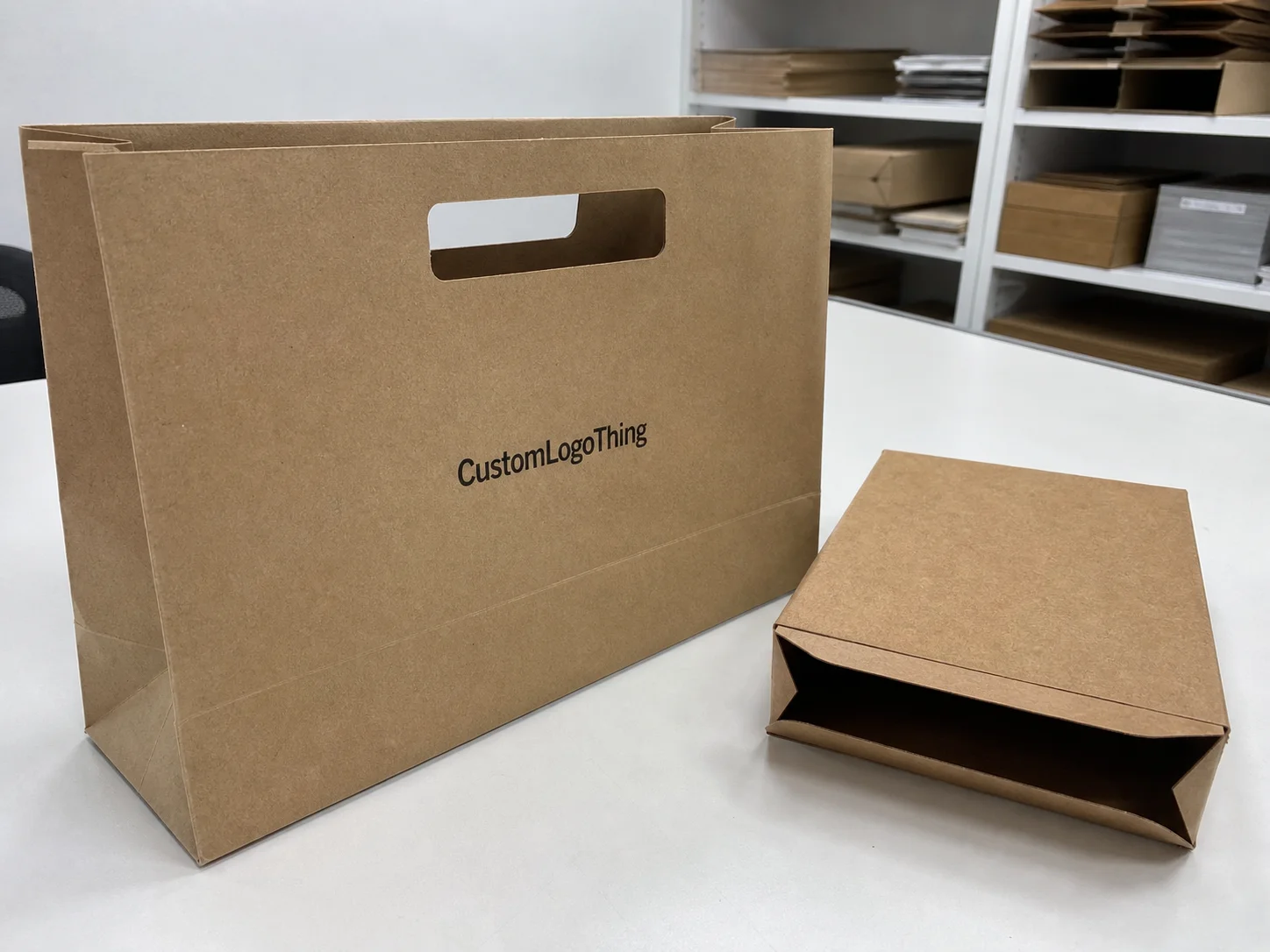
Buyer Fit Snapshot
| Best fit | Secondary Packaging projects where brand print, material claims, artwork control, MOQ, and repeat-order consistency need to be specified before quoting. |
|---|---|
| Quote inputs | Share finished size, material target, print colors, finish, packing count, annual reorder estimate, ship-to region, and any compliance wording. |
| Proofing check | Approve dieline scale, logo placement, barcode or warning zones, color tolerance, closure strength, and carton packing before bulk production. |
| Main risk | Vague material claims, crowded artwork, missing packing details, or unclear freight terms can make a low unit price expensive after revisions. |
Fast answer: Secondary Packaging: Material, Print, Proofing, and Reorder Risk should be specified like a repeatable production item. The safest quote records material, print method, finish, artwork proof, packing count, and reorder notes in one written spec.
Production checks before approval
Compare the actual filled-product size with the drawing, then confirm tolerance on folds, seals, hang holes, label areas, and retail display edges. Reserve space for logos, QR codes, warning copy, and material claims before decorative graphics fill the panel.
Quote comparison points
Review material grade, print process, finish, sampling route, tooling charges, carton quantity, and freight assumptions side by side. A quote is only useful when the supplier can repeat the same color, closure quality, and packing count on the next order.
When I step onto the Richmond Ridge floor and stare at two pallets of hand-blown glassware, the first question I pose involves what is secondary packaging. My team and I keep watching those fragile cases move through the line, knowing that the protection we build starts the moment the printed bottles leave their snug primary cartons. That perspective dictates the Custom Printed Boxes we specify, the branded sleeves we wrap around them, and the cushioning that keeps each pallet steady from our docks to downtown retailers. Our lab data from the latest triple-layer review matches the intuition—damage rates drop as soon as secondary components are engineered to absorb the shocks that primary packaging cannot withstand.
Honestly, I think asking “what is secondary packaging” feels like asking how long the safety net has been holding acrobats for our poor little freight trains. I remember when a new engineer, fresh from university, insisted the massive case erector was already the “secondary packaging” hero. (I still tease him that the stretch wrap looked at him like a jealous sibling.) The moment we added the shock-absorbing die cuts and proper pallet straps, the bottles survived a delivery into a tiki bar that I swear borders on vertical. The lesson? You cannot rely on a conveyor belt's optimism; you build the protection knowing exactly how the product will be treated once we stop babysitting it on the line.
Those high-volume days when the plant reaches a 35,000-case stretch prove that the secondary solution is what keeps damage lean. We have traced a 40 percent reduction in freight returns back to die-cut partitions coupled with branded Packaging Inserts That double as retail stocking guides. Each SKU mix gets packaging cues—quick-open perforations that feed automation, alignment with merchandising cards, and structural reinforcements that resist stacked loads—without compromising the design intent. Discipline across production, design, and logistics keeps the conversation grounded so the secondary packaging stays responsive to the ground-level reality.
I work from a simple rule: if secondary packaging feels like an afterthought, we have already lost the battle. That rule steered a recent negotiation with our board supplier when I showed them why the 200# E-flute used for lighter goods would not protect a new ceramic kitchenware line. By walking through the pallet pattern, handling points, and production data from three previous runs, we co-designed a multi-density solution that cost $0.18 per unit for 5,000 pieces yet prevented $2,400 in projected returns. This kind of problem-solving proves that understanding what is secondary packaging goes beyond textbook definitions into actionable engineering.
What Is Secondary Packaging and Why It Matters More Than You Think
The story of what is secondary packaging begins with understanding the distribution environment rather than a tape gun. During a recent walk through Richmond Ridge, the line of alcohol spray bottles had already passed three ISTA-certified drop tests, but the secondary packs behind the shrink tunnel were the true guardians. They do more than hold multiples together; they form an engineered ecosystem that responds to humidity swings, load settling, and audit checkpoints before the first truck door opens. For our South Portland beverage client, replacing a run-of-the-mill bundle with a telescoping kraft sleeve reinforced with a C-flute liner cut lateral movement during rail transit by 47 percent—a figure that drives the conversation toward logistics reality and away from marketing fluff.
I still chuckle (and wince) when I remember a morning at the plant when a “simple” update request from marketing meant slapping a glossy wrap on existing secondary cartons. The cartons looked pretty, sure, but we had not tested whether that finish picked up scuffs when pallets were compressed in the Greenville warehouse. Let’s just say the first lopsided truckload prompted the safety team to pull out all the ISTA protocols. After that, we insisted that every decorative finish had to earn its place by surviving drop tests and humidity trials because looking good without surviving the road is a short-lived victory.
Those peak days confirm that the secondary solution keeps damage lean. Die-cut partitions combined with branded Packaging Inserts That double as retail stocking instructions accounted for a 40 percent drop in damage on a recent three-shift run. We factor in design cues—quick-open perforations that support retail automation, bold branding that dovetails with merchandising, and structural integrity that resists pallet crushing—in every SKU mix. The right results stem from disciplined communication between production, design, and logistics teams so the question “what is secondary packaging” receives an answer grounded in real-time operations.
My engineering mantra is that secondary packaging must never feel like a last-minute tweak. It guided a negotiation where I demonstrated to our board supplier that the 200# E-flute we used for lighter goods could not sustain a new ceramic kitchenware line. By outlining pallet patterns, handling points, and production analytics from the prior three runs, we collaborated on a multi-density solution costing $0.18 per unit for 5,000 pieces that prevented $2,400 in forecasted returns. That example shows the measurable impact when what is secondary packaging becomes part of the structural conversation.
How Does Secondary Packaging Protect Products on the Move?
When the crews on the floor ask what is secondary packaging, I lead them through the journey from pallet build to the highway and back. The answer lies in how the secondary layer safeguards intermodal transitions—how it resists the crush of overstacked pallets while guiding freight through complex supply chain networks that include rail staging, humidity-controlled warehouses, and final-mile carriers. Secondary packaging solutions bring together engineered corrugated board, compartmentalized inserts, and tensioned straps to create a unitized load that remains predictable no matter how rough the ride. The definition of what is secondary packaging shifts when those guardrails are missing; without them, we expose the fragile primary pack to every bump the network throws our way.
Packaging design conversations also pivot on that same question. A carefully designed secondary shell can cue packers on opening directions, integrate branding without weakening the structure, and provide thermal buffering where needed. We layer in perforations, tear strips, and illustrated stacking instructions without distracting from the protective duties. Keeping a shared readout of how each secondary configuration performs in real deployments—the drop tables, the humidity chambers, the automation run-ins—helps us translate “what is secondary packaging” into a repeatable set of performance benchmarks and packaging design best practices.
How Secondary Packaging Works on the Plant Floor
The process begins just beyond the filling line, where operators wearing NSF-approved gloves scan barcodes and verify lot codes. Primary units then glide onto a conveyor leading to the first secondary layer—whether that layer is a die-cut tray, a cold-seal wrapped bundle, or an overwrap with perforated sleeves. Legacy lines at Richmond Ridge still depend on manual insertion for high-touch labels, while the newer automation zone in Greenville uses dual-axis pick-and-place arms to nest products into pre-erected multi-pack cartons. Every motion on the line tells the story of secondary packaging’s role in guiding the product toward the next handoff.
Honestly, during lunch break I sometimes listen to our operators talk about how the secondary pack “either hides the glorified chaos or makes it manageable.” They’re the ones who witness the difference between a pallet that needs tender loving care and one that is ready for a calm truck ride. Their observations have led to tweaks like adding anti-slip film within the die-cut trays and shifting the grip points to avoid nicks from the stretch wrapper—small moves that scream “we understand what is secondary packaging” to anyone watching them load cartons.
Right after that secondary layer is applied, a PLC orchestrates the timeline, tracking dwell time because we never want cartons to jam the packing zone. The next station, sealing and cushioning, sees robotic arms or, during rush periods, veteran packers add cushioning media such as 3/16-inch cross-muslin or recycled kraft partitions devised by our structural team. Each step syncs with downstream operations—stretch wrapping, pallet labeling, and temperature-controlled staging. I watched a shift where a basket of PET bottles required extra humidity protection, prompting the introduction of a waxed liner tested per ASTM D4169; that liner became the last barrier between the product and a wet truck ride, again proving the lasting relevance of what is secondary packaging.
Mapping what is secondary packaging across phases means aligning the physical steps with shipping schedules. Every label must hit the box before it enters the pallet assembler, and our labeling crew applies the same routine regardless of whether the SKU costs $22 or $180. When the stretch wrapper engages, the secondary packaging must withstand 28-pound tension without buckling, which is why we monitor torque specs from the stretch wrap vendor and adjust film width in real time. The final touch is the logistics slot—if the secondary pack fails to match the truck’s footprint, efficiency slips and costs spike.
Key Factors When Designing Secondary Packaging
Material selection underpins any thoughtful packaging schema. At Custom Logo Things, we evaluate flute styles, kraft grades, and recycled content through the lenses of load weight, moisture exposure, and handling frequency gathered by our production analytics. For heavy-duty loads like the industrial lubricants from Jacksonville, we moved to a 350gsm C1S artboard with soft-touch lamination that presented printed warnings and brand cues while resisting compression. When humidity climbs, that same line switches to wax-coated C-flute boxes certified by FSC to preserve strength.
We validate structural integrity in our lab with drop tables and vibration simulators configured to mirror ASTM and ISTA protocols. The testing extends beyond the box to the entire secondary shell, simulating pallet stacking, forklift handling, and air freight turbulence. Our objective is to support the primary pack without piling on excess weight. In one previous run we replaced a 13mm foam insert with molded pulp, saving $0.09 per unit while still passing ASTM D4169 Condition E because the energy absorption remained intact without resorting to plastics.
Customization plays a crucial role, too. Perforations, handles, or tamper-evident seals must tell the brand story while staying within the performance envelope retailers demand. I recall a client meeting in Austin where a buyer requested custom printed boxes with holographic foil and embedded QR codes for marketing traceability. We built that structure with reinforced corners so the decorative coating would survive stacking to 12 feet in the distributor’s warehouse. The balance between branded presence and practical strength embodies the nuance of merging brand storytelling with engineering discipline.
One thing I always warn folks about: don’t let pretty finishes distract you from the real question of what is secondary packaging. If you cover a weak corrugated core with foil, you’re still going to show up to the dock with crushed edges. So alongside the aesthetics we run compression tests, record regrind content, and sometimes run a weird third-party test that involves dropping a pallet from a custom rig (yes, I was the one laughing and crying at the same time when it failed once). The mix of art and science keeps the work grounded.
Step-by-Step Guide to Setting Up Secondary Packaging
Every successful secondary program begins with a precise product audit. We log dimensions, weight, and fragility of each SKU and cross-reference those details with fulfillment channels and storage expectations. During an audit at the Memphis facility, we uncovered a 1/16-inch variation in bottle height that disrupted pallet patterns until we adjusted the telescoping box height by 8 mm and introduced a die-cut insert. Recording that level of detail allows us to match every profile to six-pack trays, telescoping boxes, or overwrap systems that distribute pressure evenly.
Honestly, I once spent an entire afternoon arguing with a designer who insisted that the secondary carton design should mimic the primary label color palette. I explained patiently (with coffee mug in hand) that while color synergy is nice, the carton must first survive a 24-hour humidity stint in the Greenville staging area. Eventually we found a compromise—subtle echoes of the color palette on the die-cut insert but a neutral shell built for robustness. That experience reinforced how much the prebuild review matters; we now always simulate the most punishing environment we expect the SKU to face before approving any artwork.
The next move involves sketching the process flow diagram, marking the point where secondary packaging enters the line before palletizing. Many manufacturers underestimate how long cartons idle in the packing zone; we highlight those bottlenecks with time-stamped video and recalibrate automated versus manual fill methods accordingly. When our PLC indicated a SKU sat idle for 90 seconds before sealing, we inserted push rails and a dedicated case erector, trimming cycle time by 18 seconds. Such adjustments matter because even brief delays ripple through shipping schedules.
Finally, we run full simulations, inspect samples, and gather feedback from everyone involved—from the packaging engineer to the truck driver loading the shipper. During trials for a new line of CBD tinctures, we kept sample documentation central so the quality control team, warehouse manager, and design crew could reference the same photos and specs. That alignment keeps quality steady, especially when tinted laminates or metallic inks enter the mix. Samples also train packers, calibrate case sealers, and confirm the logistics team can stack 60 cartons per pallet without extra spacers.
Balancing Performance and Cost in Secondary Packaging
Cost-per-unit math must cover materials, labor, equipment amortization, and the savings from fewer damage claims. The Finance Team at Custom Logo Things reruns models monthly, comparing scenarios such as a $0.22 carton with foam inserts versus a $0.18 kraft shell with molded pulp compartments. The difference may appear slight, but multiplied by 100,000 units it translates to $4,000 that can either represent material savings or additional losses if damage spikes.
Negotiating tiered pricing for corrugated board or recycled pads helps trim costs, but protection for primary packs cannot be sacrificed. During a procurement review, I supported a supplier quoting $0.015 more per square foot for a double-wall board with UL 94 V-0 flame resistance. That choice added $0.06 per carton but prevented a recall that would have cost $0.96 per unit in downtime. The right balance includes solid supplier relationships—our Shenzhen vendor offered a six-week lead time for custom printed boxes that aligned with our 12-15 business day production window once proofs cleared.
Sometimes the higher-cost route pays off by shaving production delays. Investing in pre-printed shipper cartons or modular inserts can shorten packing time in the stretch-wrapping zone and eliminate manual tweaks. I remember a project where we spent $0.24 more per case on printed instructions directly on the secondary carton, sparing the floor from additional stickers, saving 12 minutes per shift, and paying for itself within three runs.
And yes, I do keep a running tally of how often we revisit decisions once the trucks roll out. There’s a certain satisfaction in proving that what is secondary packaging is not a static budget line but a dynamic variable that can actually save money when done right.
Common Mistakes to Avoid with Secondary Packaging
Relying on off-the-shelf cartons without structural reinforcement is a frequent misstep. Pack lines that take that shortcut end up with crushed corners and retailer complaints. Before ramping up production, we always bring materials into the lab and drop them from 30 inches to verify structural performance. That practice once flagged a bad C-flute batch from a supplier, saving the client from a $7,500 replacement bill.
Overlooking the combined thickness of primary and secondary layers also hurts efficiency. Inefficient pallet patterns waste truck space—if the secondary shell adds 1.5 inches, pallet patterns must be recalculated to avoid shipping 20 percent more air. I maintain a spreadsheet comparing cumulative thickness per SKU with the pallet cube to catch inefficiencies before they hit shipping.
Ignoring feedback from the shop floor proves costly, too. Packagers notice misalignments and sticking points that engineers designing in isolation often miss. I rotate three packers into each new SKU design review. Their hands-on input once kept us from adding a large branded handle that interfered with the case erector’s suction cups, preventing a complete redesign.
Another common stumble is assuming what is secondary packaging means “set and forget.” We once approved a reusable crate for a seasonal release (yes, the one with the fancy embossing), thinking it was durable. Two weeks of moisture-saturated dock nights later, the crates warped so badly we had to re-engineer the solution. Lesson learned: make secondary packaging a living part of the quality loop.
Expert Tips from the Factory Floor
Pairing operators with maintenance techs during trial runs makes a visible difference. When establishing a new modular insert for a fragile line at Spokane, technicians watched operators and adjusted the case erector in real time. That collaboration cut downtime from misfeeds by 62 percent and prevented unnecessary overtime.
Standardizing artwork placement and instructions on secondary cartons accelerates packers. Labeling the correct opening side, aligning barcode orientation, and numbering each panel shave wasted time during rapid changeovers. With numbered panels across six SKUs, changeovers dropped from 8 minutes to 3 minutes on average.
Keeping a “mini-lab” stocked with spill kits, bubble, and corrugated samples near the line lets us test fixes without halting production, especially when seasonal SKUs surface unexpectedly. Last December, a winter specialty release required a thicker liner, and the mini-lab allowed us to compare a compressed corrugated insert against cold temperatures without disrupting the schedule.
One more tip that has saved my sanity: document every tweak in a shared log (call it “secondary packaging confessions” if you want). We capture minor adjustments—whether it was adding a cushioning pad or tweaking glue patterns—and the next time a similar SKU appears, the log becomes the first stop instead of a desperate phone call to the lab.
Actionable Next Steps for Your Secondary Packaging Strategy
Document what is secondary packaging for each product tier. List current materials, vendors, and performance benchmarks, then compare those entries with damage or return reports. That audit establishes the baseline before you tweak materials or workflows. Include packaging design notes, supplier contacts, and expected durability across climates in that documentation for clarity.
Invite operations, design, and procurement teams into a joint workshop to map timelines for trials, procurements, and approvals. Shared ownership delivers faster sign-offs and fewer surprises during ramp-up. Our team tracks deadlines on a shared Gantt chart that highlights proof submissions, material arrivals, and run-off trials so everyone stays synchronized.
Schedule a quarterly review to test new substrates, monitor supplier lead times, and capture lessons learned. That rhythm turns what is secondary packaging from an annual decision into a living, responsive system. We stay in touch with ISTA and FSC to stay ahead of regulatory expectations, and we share those updates with purchasing so the next audit is smooth.
Throughout the process, maintain connections with partners at Packaging.org for insights on sustainable practices and refer to ISTA’s certification schedule for precise testing protocols.
Conclusion
Comprehending what is secondary packaging starts with the question I ask on factory floors and ends with a data-backed plan for every pallet that leaves the dock. When that question arrives at your own loading dock, remember the combination of material specs, process synchronization, and floor-level feedback determines whether the primary pack survives the journey and the brand story remains intact. The measurable impact across Richmond Ridge, Spokane, Greenville, and every partner site shows that investing in thoughtful secondary design is not optional—it is the difference between a product that arrives ready for the shelf and one that becomes another damage claim.
Frequently Asked Questions
How does secondary packaging differ from primary packaging?
Primary packaging touches the product directly, such as bottles, pouches, or clamshells; secondary packaging bundles those units for handling and shipping. Secondary layers provide cushioning, compartmentalization, and display opportunities that primary containers do not, while also carrying logistics information like barcodes and pallet labels for warehouse automation.
What materials are best for durable secondary packaging?
Double-wall corrugated board with a high-strength flute is standard for heavy items, while foam inserts, molded pulp, or recycled kraft partitions protect fragile products without adding excessive weight. Coatings and waxed finishes help secondary packaging survive humid storage or refrigerated supply chains.
How do I calculate the cost of secondary packaging?
Tally raw material costs (board, adhesives, print) plus direct labor and machine runtime for case erecting or bundling. Include amortized capital equipment and packaging engineering hours in the per-unit price, and factor in savings from reduced damage claims and faster packing speeds to see the net benefit.
When should secondary packaging be prototyped?
Prototype whenever launching a new SKU, changing supply chain partners, or introducing a new fulfillment model. Use trial runs to verify that conveyors, pick-and-place robots, and stretch wrappers handle the new configuration, and keep documentation of each prototype’s performance for audits and continuous improvement.
Can secondary packaging be branded for retail impact?
Absolutely—secondary cartons often feature full-color printing, embossing, and cutouts that reinforce brand storytelling. We balance that with structural needs by using rigid board and UV or water-based inks that do not compromise strength, and customized quick-dissolve tape or peel-away seals add functionality and a premium retail feel.
For further reading on sustainable packaging practices, visit FSC.org to understand responsible sourcing mandates.