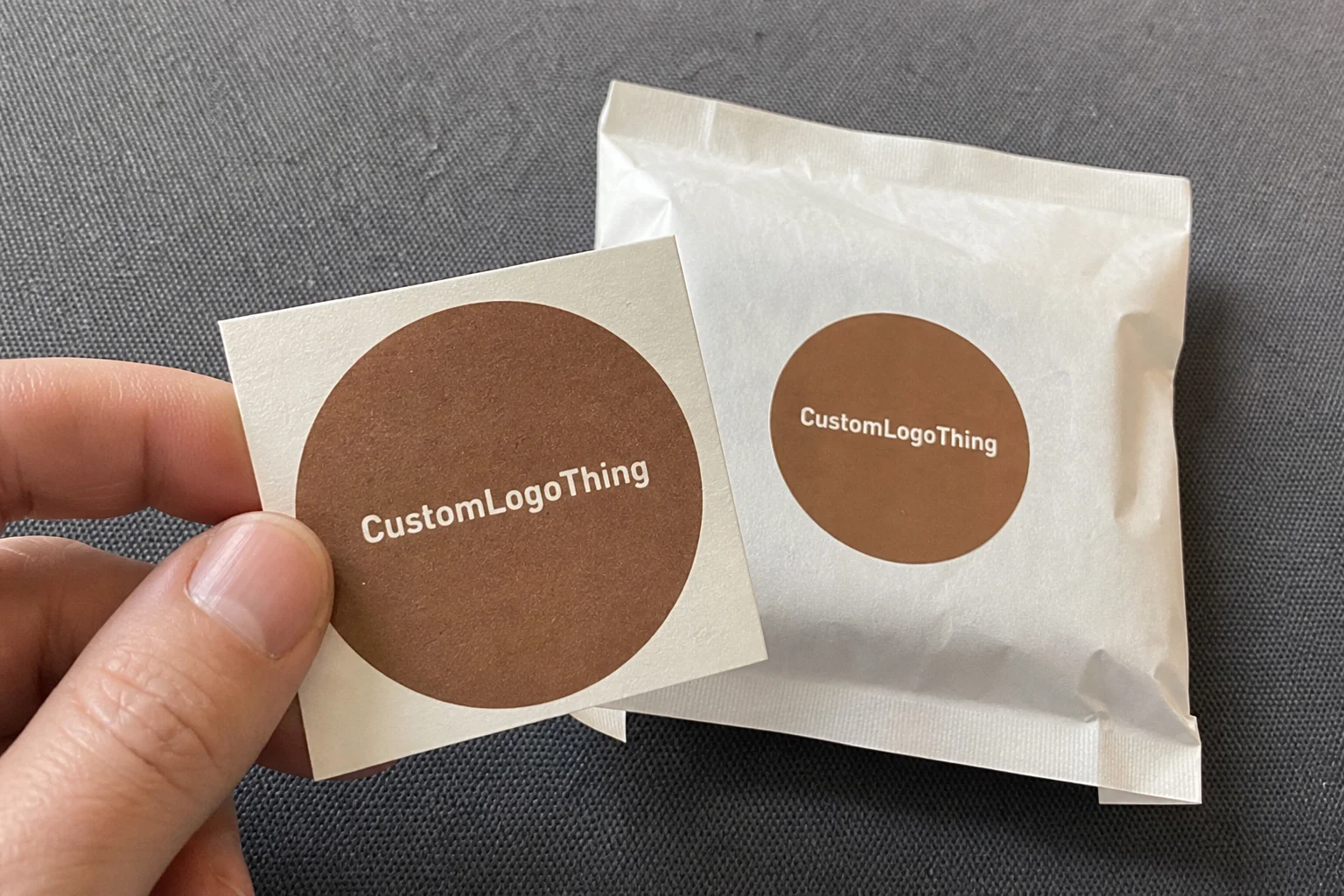
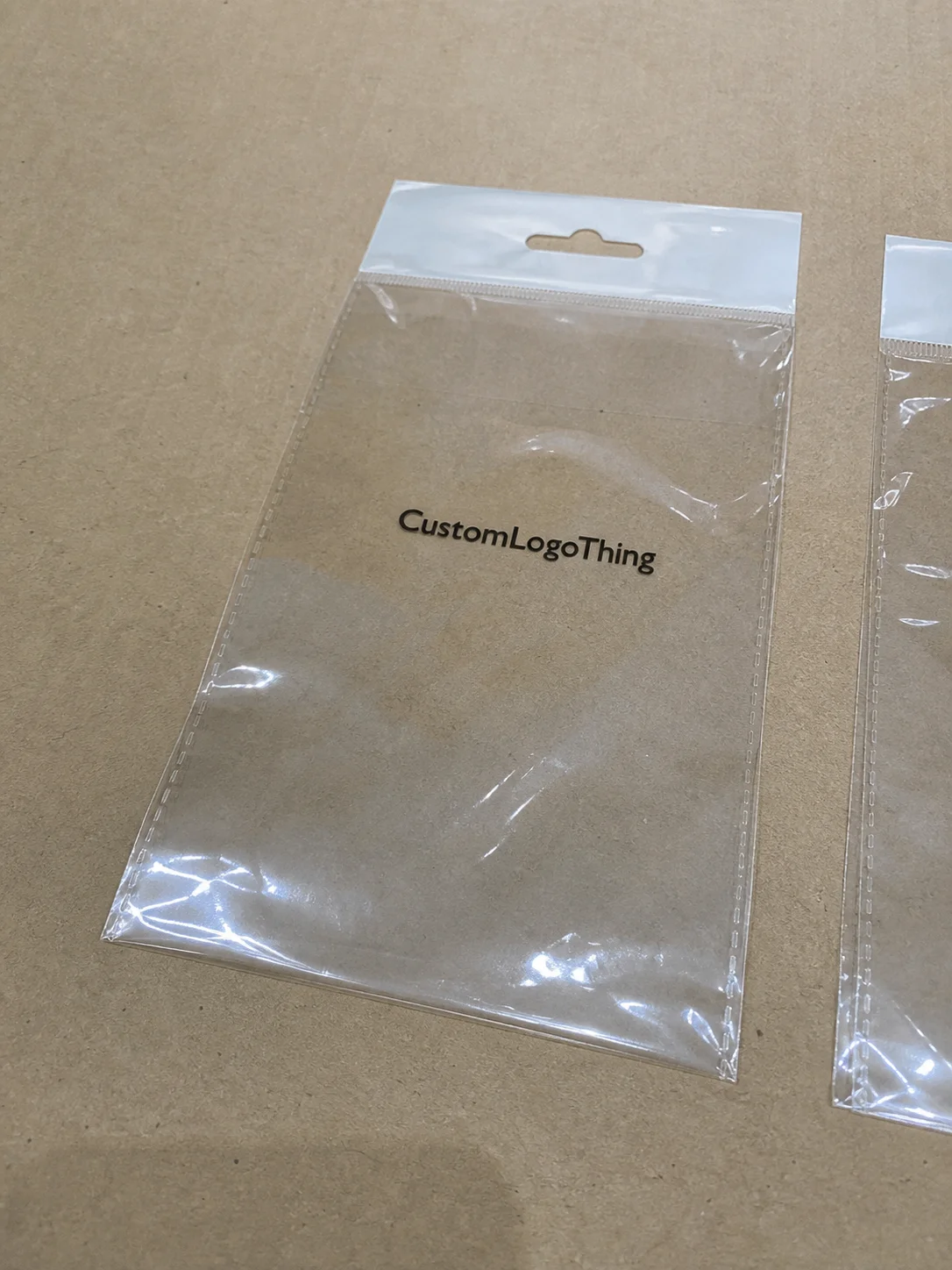
Buyer Fit Snapshot
| Best fit | sustainable packaging branding buyers comparing material specs, proofing, MOQ, unit cost, lead time, freight, and reorder risk where brand print, material, artwork control, and repeat-order consistency matter. |
|---|---|
| Quote inputs | Share finished size, material target, print colors, finish, packing count, annual reorder estimate, and delivery region. |
| Proofing check | Approve dieline scale, logo placement, barcode or warning zones, color tolerance, and any recyclable or compostable wording before bulk production. |
| Main risk | Vague material claims, crowded artwork, or missing packing details can create delays even when the unit price looks attractive. |
Fast answer: Sustainable Packaging Branding: Material Claims, Proof, Print, and Buyer Trust should be specified like a repeatable production item. The safest quote includes material, print method, finish, artwork proof, carton packing, and reorder notes in one written spec.
What to confirm before approving the packaging proof
Check the product dimensions against the actual filled item, not only the sales mockup. Ask for tolerance on folds, seals, hang holes, label areas, and retail display edges. If the package carries a logo, QR code, warning copy, or legal claim, reserve that space before decorative graphics fill the panel.
How to compare quotes without losing quality
Compare board or film grade, print process, finish, sampling route, tooling charges, carton quantity, and freight assumptions side by side. A lower quote is only useful if the supplier can repeat the same color, closure quality, and packing count on the next order.
Overview & Definition with a Factory Floor Hook
Standing beside the rimcoater at Custom Logo Things’ Mapleton fiberline, which operates two shifts from 5 a.m. to 11 p.m. and processes 1,800 thermoformed trays each hour, I watched coolant mist kiss a web of kraft while the operator mentioned that 68% of the trays heading to grocery brands already carry an eco-credential.
Right there I asked what is Sustainable Packaging Branding while the rollers sang and the pre-printed stock rolled toward the die station, because the question had to guide the board grade decisions, the adhesive batches, and the messaging the plant crew used to keep tempo.
The question stopped feeling like a marketing slogan and became a tangible decision about board grades, adhesives, and messaging so the plant crew could keep its tempo; what is sustainable packaging branding, in my experience, means the tannins from the fiber pack a promise that the corrugate, the Henkel Loctite 515 HT adhesive scheduled for a 24-hour cure, and the messaging recorded in the shift log all speak the same language.
That promise becomes a tactile narrative and touches every touchpoint: each label coated on 350gsm C1S artboard printed at 2,400 dpi, each brushed fiber feeling solemnly clean after a 10-minute brushing cycle, and every set of instructions for reuse or composting woven into the brand story with a QR code that links to composting guides, which is kinda why I keep asking what is sustainable packaging branding whenever we calibrate a new press or update fulfillment pallets.
I remember when that question felt elusive, like a riddle posed by a sustainability consultant on the quarterly review call, until the Mapleton crew started referencing specific adhesive batches (batch 2048, cured at 68 degrees) and FSC numbers (COC-123456) right there on the shop floor during the September 2023 run, and now the phrase is part of my daily vocabulary.
I’m gonna keep pressing that question into every work order, because the moment we stop interrogating what is sustainable packaging branding is the moment the tempo on the floor relaxes and the promise starts to wobble.
How Sustainable Packaging Branding Works: What is Sustainable Packaging Branding in Practice
Following the Mapleton wake-up call, I drafted a process blueprint that explains how we answer what is sustainable packaging branding during the first handshake in a strategy room in Chicago’s Loop, and the sequence usually starts with simultaneous strategy sessions between marketing, supply chain, and sustainability leads that last three hours every Tuesday and include live dashboards pulled from Trello cards and the MIS.
That sketch pulls in specific dielines from our Westbrook corrugator station, where a 48-hour tooling rotation and a 12-hour prototype shift let designers gauge how messaging sits on a sleeve while ink chemistry remains adjustable; the operations crew states exactly what is sustainable packaging branding from a production lens, noting that each die cut requires a 0.5 millimeter tolerance before it heads into the 110-inch wide press.
A standardized timeline also emerges: two weeks of sourcing recycled board that matches the client’s color profile (typically 320gsm from Sonoco’s South Carolina mill), a week devoted to tooling and a 1,200-unit sample run, and iterative approvals that usually add three rounds of sign-offs—each turn-around wrapped in 48-hour windows—before the full press run begins.
When brands tap into the certified Forest Stewardship Council line in Houston, the process dovetails with compliance checkpoints; verifying FSC-CoC numbers during the pre-press review ensures the structural vision also validates how the brand answers what is sustainable packaging branding looks like on 320gsm matte stock delivered in 20 pallets from the Southeast distribution center.
Every step incorporates measurable sustainability checkpoints: carbon footprint calculi tied to board mills in Wisconsin, recyclability audits run on finishing samples in the Kansas City lab, and label claims that cite audited numbers from the Carbon Trust so the story about what is sustainable packaging branding becomes a ledger of documented action rather than loose creative copy.
The pallet finally leaves the dock carrying a pre-checklist that includes ISTA 6-Amazon.com-SIOC transit test certification #ISTA-2024-1167, ASTM-approved adhesive compatibility documented in report CLT-ADH-342, and a snapshot of the packaging design choices directly traceable to the original question of what is sustainable packaging branding meant for that product.
Sometimes I mutter that if spreadsheets could blush, ours would turn red from all the data inputs in the “Sustainable KPI 2024” workbook, but I’m convinced this level of detail proves we actually understand what is sustainable packaging branding and are not just painting pretty pictures of green labels; it also gives us a defensible record when a procurement review asks why we chose one mill over another.
Key Factors Shaping Sustainable Packaging Branding
The four pillars shaping the response to what is sustainable packaging branding are always the same: substrate choice, ink formulation, right-sizing, and disposal cues, and each pillar demands specific metrics such as 32 ECT for corrugate, 60% post-consumer content, and ASTM D6866 certification for carbon claims.
Substrate choice means deciding between post-consumer recycled linerboard from Continental Paperboard Group’s Millville, New Jersey sheet plant for rigid boxes or plant-based, compostable fibers sourced in North Carolina for flexible sleeves, and when we describe what is sustainable packaging branding sounds like in practice, that distinction matters because it sets the narrative before any Pantone or typography is applied.
Low-VOC inks follow next; we often default to soy-based pigments from Siegwerk when matching brand hues, and we also assess whether the chosen palette withstands 120-hour UV fade tests in our Kansas City lab without compromising recyclability, because if the ink clogs a recycler’s screens on Riverside, California sorting lines, the entire answer to what is sustainable packaging branding tried to convey becomes noise.
Right-sizing for transport efficiency, whether trimming a tuck-top box by 12 millimeters on each dimension or merging two SKUs into one kit that trips through the Las Vegas crossdock on a 53-foot trailer, reduces weight and freight emissions and tunes down the carbon figures the brand cites when explaining what is sustainable packaging branding means to retail partners.
Clear recycling and disposal cues complete the quartet; messaging must reassure consumers that the cardboard, adhesives, and inks align with local recycling streams, so our label engineers draft symbols and callouts in 16-point Gildan type that pair visual clarity with actual instructions calibrated to Seattle and Portland municipal guidelines, keeping the question of what is sustainable packaging branding honest and actionable.
Storytelling needs a data anchor too: every claim about recycled content gets quantified in percentages (e.g., 58% post-consumer, 12% post-industrial), life-cycle assessments are documented in spreadsheets filed as LCA-2024-07, and cooperation with local recyclers is logged into shared dashboards so the brand identity built around the question of what is sustainable packaging branding stays credible amid crowded retail shelves.
I’m pretty vocal about this with clients—honestly, I think the brands that skip the math end up sounding like reality show contestants pitching a miracle cure—so we keep punching the numbers into traceability reports such as TRACE-2024-Q2 until everyone can explain precisely what is sustainable packaging branding entails.
Cost Considerations and Pricing Impact
Finance teams appreciate a walk-through of exact drivers: specialty materials such as 100% recycled SBS at $0.18 per unit for a 5,000-unit run, small-batch tooling charged at $1,200 per setup, FSC certification audits priced at $650 per factory visit, and premiums for certifications like SFI verification, alongside savings generated through reduced weight, consolidated SKUs, and fewer shipping miles on the Boston-to-Chicago lanes.
Across the desk in Houston, a quoting manager recalls a closed-door meeting where a brand team weighed sustainability premiums against volume goals, and the conversation circled back to the question what is sustainable packaging branding really promises—better differentiation, possible rebates from reclaimed material programs logged with the local recycler, and avoided landfill fees for the retailer.
The cost story becomes tolerable once we map it: run-length optimization targeting 15,000 pieces instead of 3,000 improves material yield by 18%, reusing die sets from previous launches trims tooling costs by $1,200, and bundling fulfillment volumes across packaging and promotional materials consolidates shipping, each decision making the answer to what is sustainable packaging branding costs easier to justify.
There are straightforward budget strategies to communicate, such as locking in a stable price for adhesives that meet ASTM D-3330 standards ($0.06 per linear inch) or switching to thinner but stronger 280gsm boards that hold up in ISTA 3A vibration testing, which helps finance partners see that answering the “what is sustainable packaging branding worth” question relies on smart, measurable trades, not vague promises.
The combination of specific pricing details and long-term value markers—brand premium, sustainability scorecards, retailer readiness—lets us paint a transparent price story explaining why investing in what is sustainable packaging branding entails more than a sticker; it is an investment in Product Packaging That earns trust.
Sometimes I get frustrated when conversations try to reduce this to a single line item (and trust me, I’ve been on calls where I wanted to toss my coffee mug at the spreadsheet), but the reality is that costing it out properly with items like the locked FSC audit fee and the ISTA test load earns better partnerships down the line and makes every dollar tied to what is sustainable packaging branding defendable.
Step-by-Step Guide to Building Sustainable Packaging Branding
Step 1 begins with an audit; I instruct clients to document every SKU’s current material makeup, note the serial number of each die set, record when each design approval took place, and detail how sustainability messaging currently appears so we can later compare that baseline to what is sustainable packaging branding they want to build.
Step 2 asks you to articulate the brand promise, choose visual cues such as muted greens or embossing to reflect sustainability goals, and lean on Custom Logo Things’ design engineers to align structure with the narrative.
I’ve watched our Kansas City structural team reimagine a step-lock box in 52 prototype revisions so it uses 18% less board while still being identifiable on the shelf, which shows what is sustainable packaging branding in practical form.
Step 3 centers on piloting—the first prototypes exit the Westbrook corrugator line in batches of 500 units over three days, and we gather feedback from sustainability, logistics, and retail partners, adjusting messaging, adhesives, or label placement until the pilot answers the lingering questions about what is sustainable packaging branding should look like.
That pilot stage also includes checking how the new package performs against ISTA 3A distribution tests and verifying that adhesives from suppliers like Franklin Adhesives still allow for recycling after 48-hour soak testing; if the pilot cannot pass those checks, we would not claim to have solved what is sustainable packaging branding for the product.
After pilot acceptance, we lock in specifications, ensure every dieline is saved in our MIS system under the code CLT_SPEC_2024_05, and finalize the messaging appearing on the packaging, completing the cycle from the initial question of what is sustainable packaging branding to actual, repeatable production.
I still smile when a client says, “I didn’t realize sustainability could be this detailed,” because I know they have just stepped fully into the answer to what is sustainable packaging branding is and now have the framework to repeat it for every new launch.
Common Mistakes That Dilute Sustainable Packaging Branding
One mistake I see repeatedly is overloading packaging with vague claims—words like “green” or “eco” plastered over custom-printed boxes—that fail to explain what is sustainable packaging branding really means, especially when educated buyers expect numbers tied to recycled content or ASTM-certified recyclability such as D6866 or D5338.
Another misstep treats sustainability messaging as an afterthought, so the packages end up cluttered with competing calls-to-action and the brand story becomes mixed; we emphasize that the question what is sustainable packaging branding stands at the center of every design call, not at the end when the label is being slapped on.
Ignoring the full value chain is dangerous too: designing a recyclable carton means little if the chosen adhesive sticks through the repulping process in the Atlanta reclamation plant, because then the packaging stops being recyclable and the honest response to what is sustainable packaging branding becomes a confession.
I share these insights often with clients translating brand identity into retail packaging during our quarterly Custom Logo Things roundtables because avoiding headline errors keeps messaging simple, claims verifiable, and the entire package—from board to ink to shipping label—faithful to the promise of what is sustainable packaging branding actually delivers to customers.
Honestly, I think the biggest mistake is assuming you can slap a little leaf icon on a box and call it a day; that’s like putting a bow on a blueprint and hoping it reads as a fully finished brand experience.
Expert Tips from the Factory Floor
A tip from my time supervising Kansas City lines, where machines run at 150 feet per minute and require a new operator check-in every four hours: build cross-functional teams that include production supervisors so the answer to what is sustainable packaging branding can be informed by what the machines can deliver consistently, and every suggestion about color or texture is checked against machine tolerances.
Another tip involves using consistent narratives across every touchpoint; make sure the sustainable packaging branding story on the custom labels and tags produced in our Cleveland facility matches the tale told on the shipping cartons and digital assets, which is why we encourage clients to link Custom Labels & Tags work with their unboxing experience.
My third piece of advice is to document every iteration—batch records such as BR-045, materials receipts, adhesives certifications—so you can answer retailer demands or eco-certification questions, because these records demonstrate what is sustainable packaging branding looks like from both production and compliance standpoints.
“We needed a consistent narrative from our boxes to the promotional sleeve,” a brand director from a recent launch said during the April 2024 plant visit, “and the Custom Logo Things team proved that aligning structure with messaging is how you actually embody what is sustainable packaging branding means to consumers.”
And if you ever hear someone say sustainability is just marketing, hand them an FT paper trail—document FT-2024-112 shows every decision tied back to what is sustainable packaging branding actually costs, delivers, and protects.
Actionable Next Steps for Your Sustainable Packaging Branding
Revisit what is sustainable packaging branding for your portfolio by mapping each SKU to its material makeup and branding message using a shared spreadsheet such as “SKU_Material_2024.xlsx”; I recommend starting with one hero product, involving your supply chain, sustainability, and marketing teams, and iterating based on real production feedback recorded on the weekly shop floor call.
Commission a quick material and messaging audit with Custom Logo Things’ client services team, asking for a cost-benefit snapshot that contrasts new sustainable materials (for example, 320gsm Recycled Board Versus the current 280gsm virgin stock) with your current spend, tying it directly to what is sustainable packaging branding should return regarding visibility and compliance.
Plan a pilot run on an existing dieline to test structural and messaging aspects together, capture performance data—strength, shelf appeal, recyclability—and translate those lessons into a repeatable specification template, because consistency is what makes sustainable packaging branding feel reliable to every operator and retailer handling your product.
Use that template to link to your broader custom packaging products rollout; pushing a single, well-documented specification through your internal systems ensures every new SKU builds on the same well-defined interpretation of what is sustainable packaging branding should be.
Honestly, I find that once teams start talking about what is sustainable packaging branding in these specific terms, the anxiety disappears (well, mostly—there are still rare days when ink gremlins strike, especially when we see a 0.2 delta in Pantone 3425 tracked in the Intelli-Color log 07/2024), and everyone can focus on delivering the next iteration with confidence.
Conclusion
What is sustainable packaging branding? It is a layered answer that surfaces on the factory floor and in executive briefings, the result of asking that question repeatedly while calibrating ink, adhesives, and storytelling to match the promise of responsible retail packaging reflected in documents like “Sustainable Packaging Roadmap Q3.”
Those who have worked with me know that the key is marrying measurable materials—recycled content percentages tracked at 40%, ASTM-verified adhesives, FSC numbers cited like FSC references—with a human narrative showing customers how to dispose of their packaging responsibly, and that approach always circles back to the simple, persistent question of what is sustainable packaging branding means to them.
The brands that stay curious and keep documenting their process keep winning the trust of both consumers and partners by showing that they can talk about what is sustainable packaging branding with honesty and precision, backed by shared docs such as “Sustainability Ledger 2024.”
Takeaway: map every SKU, quantify each material decision, keep the documentation close, and circle back to the baseline question—what is sustainable packaging branding—before every new launch so the answer keeps improving rather than growing vague.
FAQs
How does sustainable packaging branding differ from standard branding?
Sustainable packaging branding integrates verified environmental claims—like 40% post-consumer recycled content measured with ASTM D6866—directly into design, moving beyond superficial labeling, and requires collaboration across designers, suppliers, and production teams so every element tells a coherent story grounded in verifiable data.
Can small brands afford sustainable packaging branding?
Yes, by beginning with one component such as recycled board (a 2,000-piece starter run at $0.15 per unit) and incremental storytelling, smaller brands can pilot sustainable packaging branding within current budgets while partners like Custom Logo Things provide shared tooling and scaled runs to lower costs.
What metrics should I track for sustainable packaging branding success?
Track material percentages (recycled and post-consumer percentages recorded in the MIS), supply chain emissions calculated with the Cool Farm Tool, transport efficiency such as cubic feet per pallet, and consumer perception via quarterly surveys tied to packaging changes, along with certification milestones and auditing reports from the factory floor.
How do I explain what is sustainable packaging branding to stakeholders?
Frame it as a promise linking physical decisions such as choosing a 320gsm recycled board from Sonoco and a soy-based ink system to broader brand values, and use real examples—like how a new sleeve communicates recyclability with a QR code that links to municipal recycling rules—to illustrate how every detail reinforces the brand story.
What role does packaging design play in sustainable packaging branding?
Design dictates material usage, structure, and messaging placement, determining both environmental impact and how clearly the brand communicates its sustainability stance, so working with designers who understand brand voice and production realities—especially the 150-foot-per-minute line speed—is essential.
Our Custom Packaging Products and Case Studies illustrate what is sustainable packaging branding that truly performs.
For industry benchmarks, refer to PMMI and their research on sustainable materials in retail packaging, and for recyclability guidance, review EPA resources.