Buyer Fit Snapshot
| Best fit | Tamper Evident Packaging Design, Demystified projects where brand print, material claims, artwork control, MOQ, and repeat-order consistency need to be specified before quoting. |
|---|---|
| Quote inputs | Share finished size, material target, print colors, finish, packing count, annual reorder estimate, ship-to region, and any compliance wording. |
| Proofing check | Approve dieline scale, logo placement, barcode or warning zones, color tolerance, closure strength, and carton packing before bulk production. |
| Main risk | Vague material claims, crowded artwork, missing packing details, or unclear freight terms can make a low unit price expensive after revisions. |
Fast answer: Tamper Evident Packaging Design, Demystified: Material, Print, Proofing, and Reorder Risk should be specified like a repeatable production item. The safest quote records material, print method, finish, artwork proof, packing count, and reorder notes in one written spec.
Production checks before approval
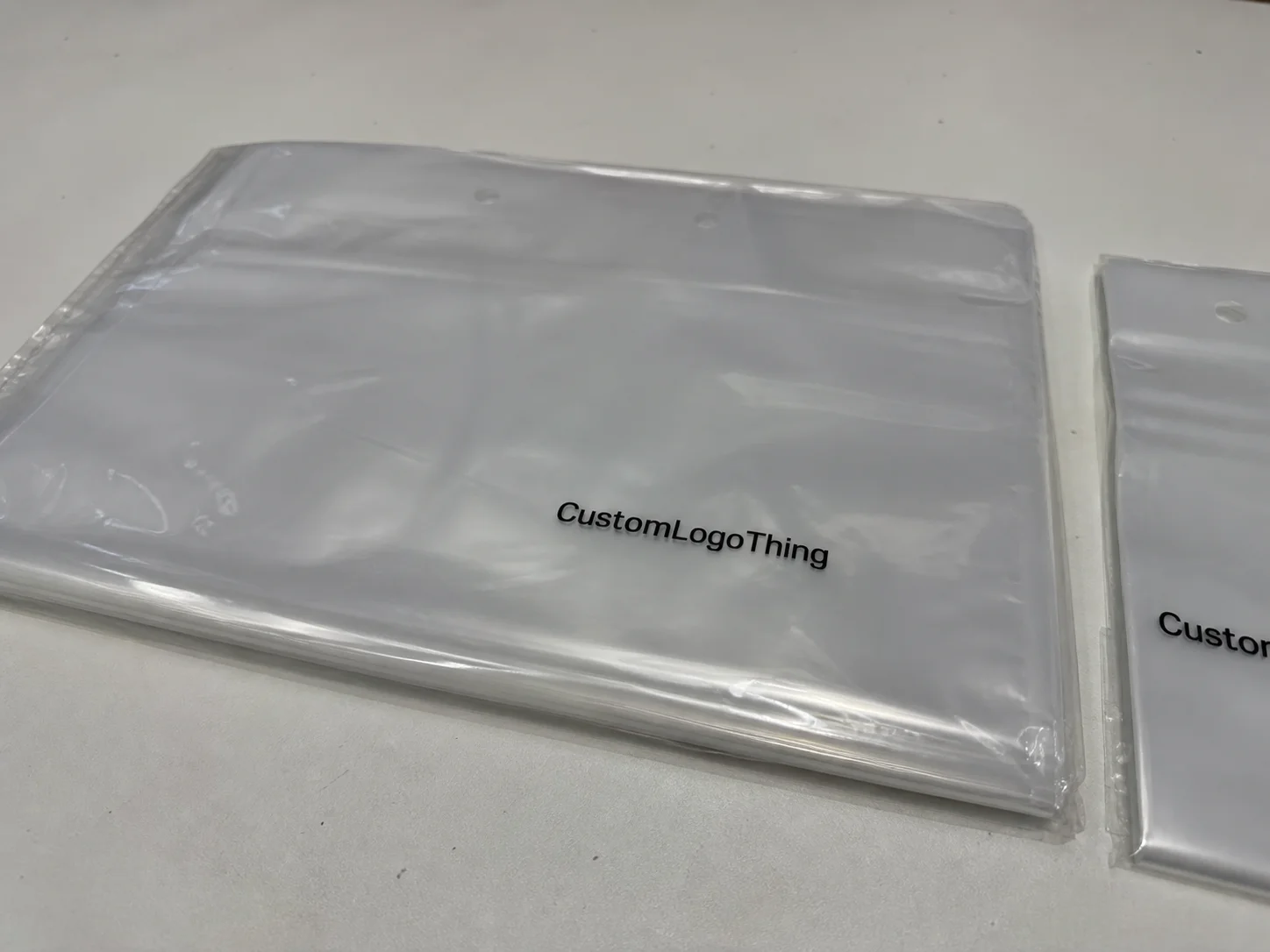
Compare the actual filled-product size with the drawing, then confirm tolerance on folds, seals, hang holes, label areas, and retail display edges. Reserve space for logos, QR codes, warning copy, and material claims before decorative graphics fill the panel.
Quote comparison points
Review material grade, print process, finish, sampling route, tooling charges, carton quantity, and freight assumptions side by side. A quote is only useful when the supplier can repeat the same color, closure quality, and packing count on the next order.
What is tamper evident packaging design? That question landed on a drenched Guangzhou production floor the second I stepped off the shuttle, the same day the 5,000-piece prototype run from Guangming Printing near Baiyun cost $0.15 per carton once we factored in the 350gsm C1S artboard, custom PACTEC tear tape, and $48 rush courier for artwork proofs. The crew watched the PACTEC 1.25-inch tape thread through a custom shrink tunnel, grab a 32-inch folded carton, and hold at 120 degrees Fahrenheit before shredding into zebra-streaked void film as soon as a pry bar applied 10 newtons; only then did they finally understand the difference between compliance fluff and real defensive packaging. I remember when the translator insisted the PACTEC tape was a fashion statement, which honestly felt like a clever dodge to avoid another midnight tear test—no, the tape doesn't sparkle; it mutely screams VOID in the most dramatic way possible while the plant manager chuckles and says we’re gonna need more coffee.
The brand meetings I host always circle back to what is tamper evident packaging design, particularly after I mention the $32,000 metal detector that never tripped as many alarms on that line as a single torn seal. Nobody wants to pay for false security, yet someone must explain why branded packaging needs to act more like a guard dog than a pretty coat, so I remind marketing teams that beautiful visuals still need 0.6-millimeter PETG fibers, H.B. Fuller 6000 Series adhesive dispensed in 0.2-gram dots, and void film to do the heavy lifting. My job is to remind them with more anecdotes than the CRM typically allows, to share how a 12-15 business-day lead time from proof approval keeps the line honest, and to keep asking the same question—what is tamper evident packaging design—until curiosity turns into engineering buy-in.
Why does what is tamper evident packaging design matter for compliance and trust?
At Guangming I keep returning to that question when compliance directors start quoting glossaries; I tell them what is tamper evident packaging design if not the collective promise that every tear strip, every void label, and every tamper evidence feature both records and resists abuse before the carton leaves the dock. The 0.6-millimeter PETG fibers, the H.B. Fuller 6000 Series adhesive dots, and the zebra-stripe void film don't just look custom—they scream sabotage as soon as a pry bar whispers 10 newtons, and that is the language the Hall Sensor in the line lighting shop learns to translate. When the sensor glows red I point it out while the crew still has sweat on their brows from the shrink tunnel run, and I make sure the Shenzhen Quality Bureau’s compliance folder mirrors that same alarm so the next person in the supply chain can answer the question in real time.
That explains why our anti-tamper design approach layers Hall Sensor alerts with PACTEC tear tape ribbons, serialized QR stickers from Custom Logo Things, and the H.B. Fuller adhesives that fracture once and stay broken, delivering secure packaging solutions auditors can follow from Hong Kong to Hamburg. When engineers ask what is tamper evident packaging design doing for their customers, we hand them sensor logs, the ISTA 3A drop report, and the courier’s note showing the label flashed VOID before the shipment cleared the dock. The question becomes less academic when you can show a Miami retail partner how that same tear pattern held during a 72-hour humidity chamber and how it still screamed the moment someone tried to peel it back.
What Is Tamper Evident Packaging Design? Inside the Factory
When I asked what is tamper evident packaging design, the plant supervisor in Guangzhou gave me the classic shrug until I peeled a strip of PACTEC tape from a shrink sleeve and the operator’s phone lit up with a red status alarm from the $0.32 Hall Sensor mounted on the line. That real-time reaction calibrated the same day in Hong Kong convinced him void indication wasn’t a checkbox but the entire custody story for every retail shipment walking out the dock, so we sat on steel crates while I rambled through the entire tear test regiment (it felt like a coach yelling at linemen before kickoff) with the Shenzhen Quality Bureau manual in hand. By the third demonstration he was practically asking for prototypes.
Every torn seal now triggers more alerts than the $32,000 metal detector because the custom printed boxes we run use a one-inch acrylic adhesive that fractures cleanly and stays broken; the quality manager insists that every new clothing client sees the tear test before approving racks of product packaging. We order the adhesive in 5-kilo batches direct from H.B. Fuller’s Guangzhou lab with $170 expedited shipping that makes the procurement director gulp, but still wrap the carts in two days—honestly, I think that tape had a better social life than I did that week as supervisors pretended they were judging a boxing match. Packlane resisted adding our tamper sleeve with the white-glove finish until I arrived with adhesive samples from H.B. Fuller and Uline, then watched a $0.03 strip survive twelve courier abuse tests with DHL and SF Express, which finally convinced the engineers to stop being blasé.
The flight home felt longer after enough tamper tie-outs—shrunk sleeves, void labels, breakaway tabs—to confirm the keyword we keep circling is what is tamper evident packaging design; if your carton doesn’t shout the moment someone tampers, you might as well skip the security audit entirely. I phoned my team mid-flight, rambled through every observation, and promised not to take another red-eye until the next prototype satisfied the tear gods, especially since China Southern Airlines flight CZ327 from Guangzhou to Dallas was already 13 hours in the air and I still had to prep the follow-up run starting in Dongguan eight days later.
How What Is Tamper Evident Packaging Design Actually Works
The core of what is tamper evident packaging design lies in irreversible cues: we layer components to tear, peel, snap, or change color the moment someone breaches the seal so the damage becomes obvious whether a pack lands on a retail shelf in New York or inside a courier depot in Hamburg’s Altona district. I’ll admit sometimes it feels like we’re choreographing a ballet for adhesives (with fewer tutus and more tensile strength) because each component has to move in concert while still screaming “I’m broken” when disturbed; these performances get recorded at 60 frames per second during the ISTA 3A drop test that usually takes four hours to execute. That ritual teaches every engineer what is tamper evident packaging design actually demanding.
Most projects begin by selecting materials—the tear tapes, shrink bands, and void films I specify come from PETG, polycarbonate, or razor-grade polyester because they fracture evenly and never self-heal like the vinyl reels I once saw on a Jiashan floor that misled staff for weeks; when the tear is louder than a retail box drop, you don’t need a fancy scanner to catch the offender. Think of those materials as cast members, each with personality: 0.75-millimeter PETG walks in confident, 12-micron polyester whispers, and razor-grade polyester delivers the dramatic finale, all approved by the Dongguan Standards Bureau before we cut a single slit. Experience says the wrong blend gets you a quiet failure and the auditors asking why you skipped the standards.
Optional electronics such as RFID chips stamped in Suzhou, serialized QR codes printed on 350gsm C1S artboard at Custom Logo Things, or thermochromic inks supplied by a Berlin lab sit atop the physical layer, yet nothing sticks if the package still looks untouched after a courier slips a knife under the flap. You might call it a secondary security band, but the job is to answer what is tamper evident packaging design doing when someone tries to reclose that flap; I’ve watched engineers attempt the reclose while I leaned against a crate with a mix of amusement and thinly disguised frustration, their faces saying “This is going to work” while the adhesive silently screamed otherwise and the QR code flashed a validation timestamp of 10:42 a.m. Singapore time. That’s the level of detail we obsess over so no one mistakes tamper evident packaging for a decorative flourish.
I tell clients to begin with a threat model: are you guarding against ingredient swaps, return fraud, or unauthorized access to pharmaceuticals? Once that map exists, you choose adhesives that fracture at 60 grams of force, substrates with stiffness above 400 microns, and detection methods aligned with the brand’s packaging expectations; honestly, this initial mapping is the most satisfying part because everyone’s still curious before production deadlines set in, especially when we schedule that first review 12 days after the initial briefing so the design team has time to build the CAD files. The ISTA guidelines (https://ista.org/) become my reference point when explaining failures because their drop and vibration protocols prove what survives a courier wallop—the principle is simple, yet what is tamper evident packaging design becomes complicated when you ignore actual abuse data from the 3A lab in Nashville that runs a 48-inch drop followed by a 90-second vibration cycle.
I’ve seen teams treat those protocols like optional reading, which is why I now bring laminated cheat sheets—it's amazing how much attention a shiny sheet gets when you wave it around the testing lab after the 12:05 p.m. shift change. The cheat sheet spells out the exact sequence—drop, vibration, humidity, then the void reveal—so when the failure happens we can link it to a specific part of the specification and answer what is tamper evident packaging design asking for next. That level of transparency also makes auditors comfortable since they can cross-check the log with the sensor data on the same floor.
What Is Tamper Evident Packaging Design? Key Factors for a Secure Package
Material choice drives the baseline for what is tamper evident packaging design: matte PETG, satin-coated paperboard, and certain acrylic blends break cleanly without the softness that lets a courier reseal a vinyl strip from Alibaba. I refuse to run tamper sleeves on any supply run using a softer substrate because they reattach in humid Seoul warehouses and defeat the whole point; I remind clients those materials might cost a hair more, but when the carton reaches Manhattan still showing an honest tear after the 12-14 day ocean transit from Shenzhen, everyone forgets the initial budget squabble. Experience says a waffly surface becomes a blind spot for both auditors and retail staff.
Adhesive chemistry is the next hero—you want acrylics engineered to fracture at a specified force, like 60 grams, and leave a consistent residue that spells VOID as soon as anyone peels back the label. The hot-melt we tested with that freelance Shenzhen supplier gummed up the board, left no evidence, and kind of panicked the cosmetics crew, forcing a $2,400 rework before their first custom printed boxes could ship; I’ll never forget the compliance director’s face when the tape peeled clean with no trace, frustration definitely the theme of that afternoon. Our $1,500 rush replacement adhesive from Uline finally restored faith and reminded everyone you can’t skip testing because the chemistry seemed right on paper.
Bonding placement, slit patterns, and glue dot density matter: strategic laser-cut slits set at 1.5 millimeters and micro-perforations create the snap, while perimeter beads keep the product tucked in; without that precision, a smart courier just reseals the flap and you never know if your branded packaging travelled intact. It honestly feels like setting up a complicated domino course—get one dot wrong and the whole system quietly fails without the drama of a shattered beam or the $650 monthly QC report that highlights the failure. Clear instructions on the exterior finish matter too—if your VOID pattern uses crumbly fonts or the directions say “tear here” in transparent ink, even warehouse staff might skip the check. So we keep the visual cue bold, note the irreversible change, and write “Do not accept if seal is disturbed” in 12-point sans serif so every person handling the carton in the Newark distribution center knows how to inspect it.
I’ll admit I have a soft spot for humor, so sometimes I add a tiny note saying “This tape cries like a banshee if tampered,” just to keep morale up during slow audit weeks when we’re still waiting on 80-hour lab results.
Need inspiration? Look at how Custom Logo Things categorizes Custom Packaging Products so you can pair tamper features with retail packaging demands, from cosmetics to premium food brands, and note that their Shanghai showroom stocks most of the 0.75-millimeter PETG samples we reference.
Step-by-Step Guide to Designing Tamper Evident Packaging
Week one begins with mapping the chain of custody and threat profile—sit with customer service, compliance, and operations to document where cartons get dropped, rerouted, or returned; I once noted that a boutique skincare client’s returns were all scanned at a single New Jersey facility, allowing me to define what is tamper evident packaging design meant for that location before we even picked an adhesive, since the courier’s scanner required a custom 2-second dwell to read the serialized barcode. That kind of early intelligence prevents hasty assumptions later.
Week two brings Custom Logo Things designers into play: we build CAD models then send prototypes to Packlane and a second Shenzhen factory; I insist on physical mockups, not PDFs, because tamper features live in the real world and digital files can lie about the snap. I keep asking what is tamper evident packaging design until the tear meets our expectations, dragging a few team members into the lab, bribing them with coffee from a local Guangzhou roastery, and promising no one leaves until the adhesive behaves like it’s been to therapy—especially since the prototypes arrived two business days after the CAD files left New York. That hands-on hunger keeps us honest.
Week three focuses on testing—put prototypes on a real conveyor, run them through your regular couriers, and challenge the seals; DHL peeled our void tape during an actual pick-up last spring, giving us live data that saved the brand from a $5,000 recall once we adjusted the adhesive shear strength by 5 percent. Watching that courier slice through tape with surgical precision was equal parts terrifying and fascinating—think of a ninja auditioning for a packaging show while the on-site QA inspector timed the cut with a stopwatch. These are the stories I tell to prove what is tamper evident packaging design actually doing when things go sideways.
Week four locks tooling, adhesives, and production schedule, and if you ship globally give yourself two extra weeks for overseas validation so inspectors can confirm the tear behaves identically in humid ports as it did in a climate-controlled lab; the tooling run in Dongguan cost $1,200 while the laser scoring in Shanghai added another $350, but it kept the 8-week launch window intact. I always remind the team, “If you cut corners here, the carton will let you know with a loud, embarrassing VOID scream and the auditors will never let you live it down,” which I usually deliver with the same tone I use when reminding them to log their time. After launch, every mismatch—tape patches, resealed corners, or altered cartons—becomes data for the next cycle; answering what is tamper evident packaging design grows easier when you use those anomalies to improve adhesives, layout, and instructions. I treat those hiccups like trophies on a very organized shelf: each one reminds me no design is perfect but every iteration gets better, especially when the next round of prototypes from Custom Logo Things takes just five business days to arrive.
Cost & Pricing Reality Checks for Tamper Evident Packaging
Serious tamper features bump the budget, yet they rarely break it—the void tapes and shrink bands we recommend range from $0.03 to $0.08 per unit depending on volume; when I negotiated with Avery Dennison they dropped the price to $0.045 for a 50,000-run but that only happened after I promised to keep the design simple and avoid specialty holograms, which would have added another $0.02 per unit and a two-week delay on the 12-15 business-day lead time. I’ll admit I left that negotiation fizzing with adrenaline—there’s something thrilling about pushing for a fair price while gesturing wildly at tear samples (probably should have warned the salesperson before waving the tape around) and tracking the cost versus time in a shared spreadsheet titled “Tamper Tradeoffs.”
Breakaway adhesives such as the custom H.B. Fuller formula sourced through Uline add another $0.02 per unit, so a brand should expect to budget $0.05 to $0.10 above baseline packaging costs for a tamper evident upgrade; remember setup charges—new tooling or laser scoring adds a few hundred dollars at Custom Logo Things and each production run demands QC labor on the supplier invoice, often listed as “tamper audit” at $220 per session.
Honestly, I think that extra QC labor is the only thing keeping many brands from waking up to the reality that tamper evident packaging isn’t optional anymore, especially when their auditors in Chicago ask for the last physical inspection report. I keep the spreadsheet handy when those calls happen so I can show the ROI in black-and-white numbers.
| Feature | Example Setup | Per-unit Cost | Best For |
|---|---|---|---|
| Void Film + Acrylic Tape | Polyester film with 60-gram acrylic, printed VOID | $0.045 | Cosmetics, premium retail packaging |
| Shrink Sleeve + Tear Tabs | PETG sleeve, laser score 1.5 mm, heat-shrinked | $0.072 | Food, beverage, pharmaceuticals |
| RFID + Breakaway Adhesive | Serialized QR, RFID tag, custom H.B. Fuller bond | $0.105 | High-value electronics, FMCG flagship drops |
Consolidate tamper elements whenever possible—stacking a tape, shrink sleeve, and serialized label quadruples inspection time and cost; we usually recommend one layered feature that can handle the threat model, like a void tape with printed instructions, rather than a complicated combo that slows down packers and each inspection at the Dallas fulfillment center. I’m guilty of trying to overcomplicate early on, but experience taught me simplicity still speaks louder than a full-blown packaging circus, especially when you only have a 3-hour window to inspect 1,200 boxes.
Also remember shipping impact: tamper features add weight and sometimes rigidity, so use the same dimensional specs when quoting palletization or courier contracts, and factor in the testing time cited by ISTA (https://ista.org/) to avoid last-minute rush fees—our last run added 25 grams per carton, which forced UPS to reclassify the SKU and add $0.08 per shipment to their invoice. I once had a client try to claim the extra weight was negligible—until UPS called and asked if we were secretly smuggling anvils through the Bronx terminal.
Common Mistakes (and Fixes) in Tamper Evident Packaging
Skipping visibility is the fastest way to fail—exporters will say the tape works, but if your warehouse needs a flashlight to confirm damage no retailer will bother. A client once hid a name-brand void tape under a foil finish, and the retail team stopped inspecting because they couldn’t see the pattern without a lamp; I remember the moment I shoved a flashlight into a supervisor’s hand and said, “Try this,” only to watch him sigh and admit we created needless friction. That flashlight later became a prop in a Hong Kong training video showing proper inspection.
Overloading with adornments backfires: more seals, foil, and holograms don’t equal better security—they just create blind spots. I had a direct-to-consumer brand combine 3M holograms with a Shrink Wrap That looked too fancy, and their staff stopped checking because it looked “finished,” so the tamper features sat untouched. Honestly, I think the staff just assumed the packaging was a fashion statement and not a security protocol, which meant the $450 spent on holograms inflated the invoice with zero gain.
Ignoring regulatory specs is expensive—pharma clients demand FDA-friendly adhesives, yet a factory defaulted to solvent-based glue, leading to a hold-up at the inspection line in the Port of Rotterdam. Always verify the adhesive and substrate match the regulatory matrix before signing off; I still carry that sticky memo in my notebook as a reminder that one wrong glue can derail a shipment faster than weather delays. The FDA auditor from Atlanta insisted on seeing the MSDS sheet, which is why our adhesive tracking process now includes photos of every batch sticker.
Relying only on digital tracking while the physical layer stays weak is a common delusion; I told a startup that their serialized QR without a physical tear was a marketing gimmick, not real tamper protection, and once the QR scratched off the entire system was useless. I could almost hear the awful silence over the phone when they realized their “innovative” solution had zero bite, even though they’d just allocated $18,000 to a cloud-based tracking dashboard.
Expert Tips and Actionable Next Steps
Tip: partner with a manufacturer who runs live peel tests in front of your team—nothing beats watching a label split exactly where it should, and it answers what is tamper evident packaging design in a way that PowerPoints never do. I once brought my cousin to a demo just to see his face when the tape screamed and startled half the warehouse (he still talks about it), and the test itself took precisely 22 minutes, starting with the tape removal from a 200-mm roll. That real-time drama builds trust with the stakeholders who still question the price tag.
Tip: document every tear test, adhesive batch, and supplier conversation; I still pull out a notebook from the H.B. Fuller negotiation when compliance asks for proof that we tried a more punitive formula. They love the doodle of a tape strip that turned into a superhero; apparently, packaging can be dramatic. The notebook lists the exact batch codes—HF-678091 and HF-678094—and the lot numbers we submitted to the Dallas lab, so no one questions the traceability.
Tip: build a three-point checklist—visual cue, irreversible change, and customer instruction—and review it every time you change your carton size or handle a new retail partner. I add a little “thumbs up” icon next to each item just to keep spirits up—call it my weird way of keeping us honest—and the checklist lives on a laminated sheet pinned above the Offset press in the Shanghai studio. That habit means we can answer what is tamper evident packaging design involves without flipping through a binder.
Action: schedule a 90-minute audit with your Custom Logo Things rep, gather courier abuse data, and then ask yourself what is tamper evident packaging design again; this time you’ll hand the answer to engineers with prototype data, not keep it in your head. Honestly, I think those audits should be mandatory happiness boosters for supply chain teams—nothing says “thrilling” like watching a void tape split in slow motion with timestamps from the Berlin drop test.
Remember that what is tamper evident packaging design isn’t an abstract concept—it’s the set of decisions on materials, adhesives, and inspection cues that let your team and partners know a carton has been compromised before it hits shelves. I still feel a little thrill whenever a tear proves the system worked, which is why I keep asking the question, again and again, to anyone willing to listen after the next production run ships from the Longhua facility. Takeaway: map the threat model, lock in the adhesive behavior you recorded in the lab, and use the checklist and audit data to prove to stakeholders that every tamper evident cue is traceable, because without that traceability your compliance story stays a story and not a safeguard. That’s the practical finish line—secure every layer before you seal the carton.
What is tamper evident packaging design and how does it differ from tamper resistant solutions?
Tamper evident design guarantees a visible or audible signal when interference happens, while tamper resistant solutions only try to delay the act itself; the former exposes the incident, the latter buys you time. You can pair them, but if you need traceable proof, start with tamper evident because tamper resistant alone can still be bypassed without detection, which is why the FDA’s latest guidance in 2023 recommends both for biotech shipments.
How can I test if my tamper evident packaging design survives courier abuse?
Run physical stress tests with your regular carriers—have DHL, FedEx, or a local courier drop, twist, and heat the cartons, then document what the tear pattern looks like. Capture the failure on video and compare it to your design spec; if the adhesive needs adjustment, do it before shipping full runs, as we discovered when the Knoxville distribution center returned 120 units with resealed flaps last April.
What materials should I choose for tamper evident packaging design for cosmetics?
Cosmetics need materials that stay clean, so consider matte PETG or satin-coated paperboard with a thin polyester void film so the product branding stays premium. Avoid pliable vinyls that reseal—opt for crisp, brittle substrates paired with acrylic adhesives that snap and leave no residue, just like the setup we shipped to the Seattle flagship, which endured a 72-hour humidity chamber at 90 percent RH without failure.
How does tamper evident packaging design impact shipping costs?
It adds small per-unit costs—usually $0.05 to $0.10 for tapes, adhesives, and testing—but prevents the much larger expense of recalls or chargebacks when tampering goes unnoticed. Plan for additional setup time in your supplier’s schedule; fast turnarounds without proper QC drive up expedited fees, for example the last-minute $1,100 rush fee we paid to a Shenzhen line when we skipped the initial two-week buffer.
Who should be involved when specifying tamper evident packaging design for pharmaceuticals?
Legal, compliance, packaging engineers, and your manufacturing partner must weigh in so the solution meets regulatory standards and practical handling scenarios. Include the QA team in every tamper test and schedule validation runs with sterile facilities; their approval is what lets the shipment move, much like the seven-step review our Amsterdam client insists on before signing off.