Where to Print Custom Stickers for Brand Packaging
Where to Print Custom Stickers Without Guesswork
Stickers look harmless. Small, flexible, inexpensive. Then a brand orders 5,000 of them, applies the first few hundred to jars or mailers, and notices the edges curling by morning. A five-cent branding detail has become a quality-control problem.
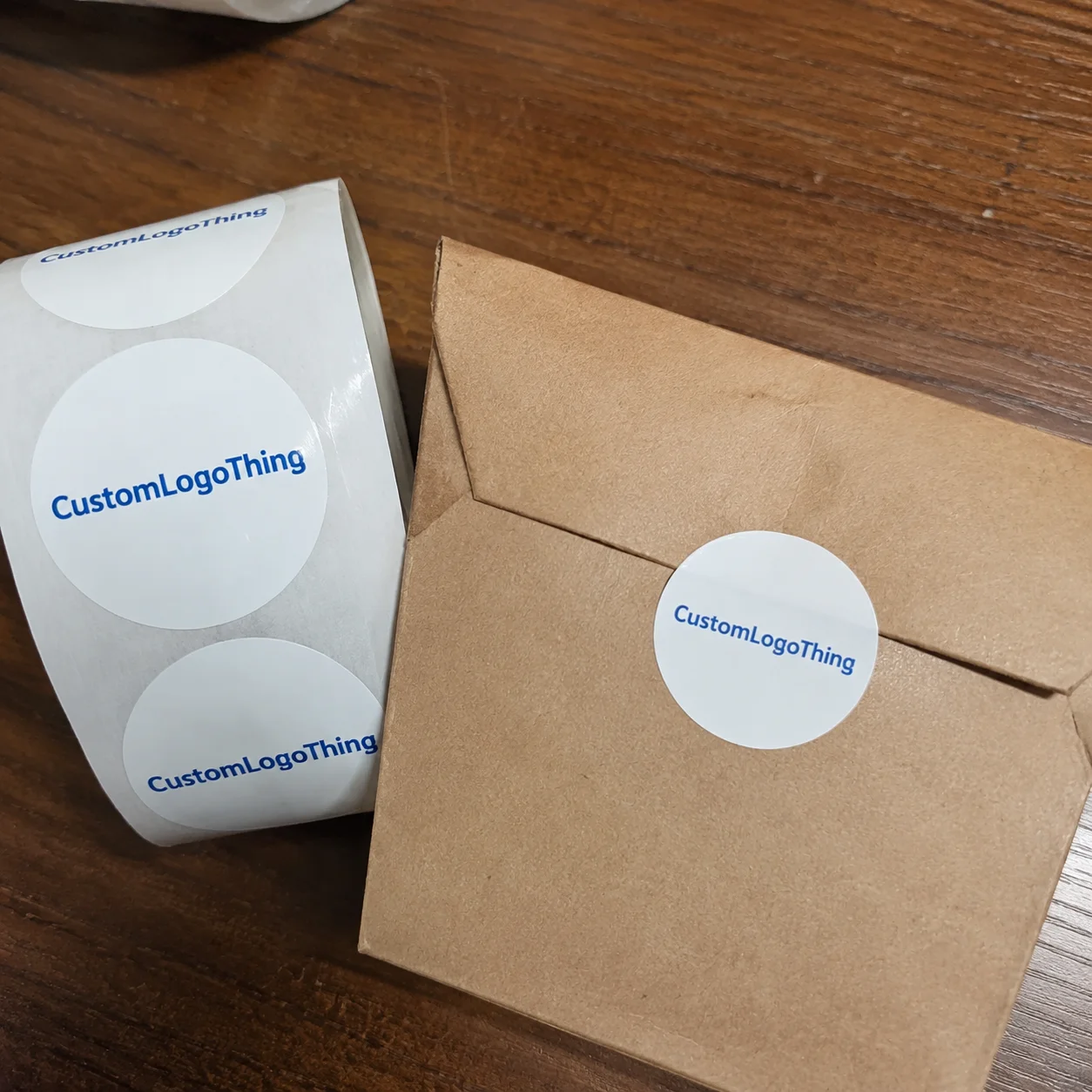
Choosing where to print custom stickers starts with one unglamorous question: what does the sticker need to survive? A tissue-wrap seal lives a very different life from a waterproof bottle label. A laptop decal needs scuff resistance. A tamper-style jar seal needs flexibility and grip around a curve. A shipping-box sticker needs to hold on dusty corrugated board through handling, vibration, and weather exposure during delivery.
Those are not minor distinctions. A skincare brand, for example, may need three sticker types for one launch: a flexible film seal for jars, permanent adhesive logo stickers for kraft shippers, and durable vinyl decals for customer giveaways. One sticker is doing security work. One is doing packaging work. One is doing marketing work. They may share artwork, but they should not share the same specification.
Custom sticker printing is more than uploading a logo and selecting “matte.” The job can include artwork cleanup, material selection, adhesive choice, die-line creation, proofing, printing, coating or lamination, cutting, packing, and freight. Miss one step and the sticker may arrive on schedule while still failing on the surface it was meant to dress.
Buyer rule: define the use case before choosing the printer. Indoor paper stickers for tissue wrap are not the same product as refrigerated bottle labels.
The main supplier categories overlap enough to confuse buyers: online sticker companies, local print shops, packaging manufacturers, label converters, marketplace sellers, and DIY printing. Each has a place. Each can also be the wrong fit if the order is judged only by unit price.
A better starting filter is practical: surface, environment, quantity, application method, durability, proofing, and reorder consistency. Once those are clear, deciding where to print custom stickers stops feeling like a search-engine scavenger hunt and starts looking like a production decision.
How Custom Sticker Printing Works From File to Finish
A typical order moves through a predictable sequence: submit artwork, confirm size and shape, choose stock and adhesive, review a proof, approve production, print, finish, cut, pack, and ship. The order matters. If a proof is approved with missing bleed, low-resolution art, or tiny type parked too close to the cut line, production will reproduce the mistake with impressive accuracy.
Most short-run sticker orders use digital printing. It is fast, flexible, and suited to runs of 50, 250, or 1,000 pieces, especially when artwork changes often. Larger recurring orders may move to flexographic or offset-style production because setup costs can be spread over more units. A 300-piece die-cut promotional sticker and a 20,000-piece roll-label order do not share the same economics.
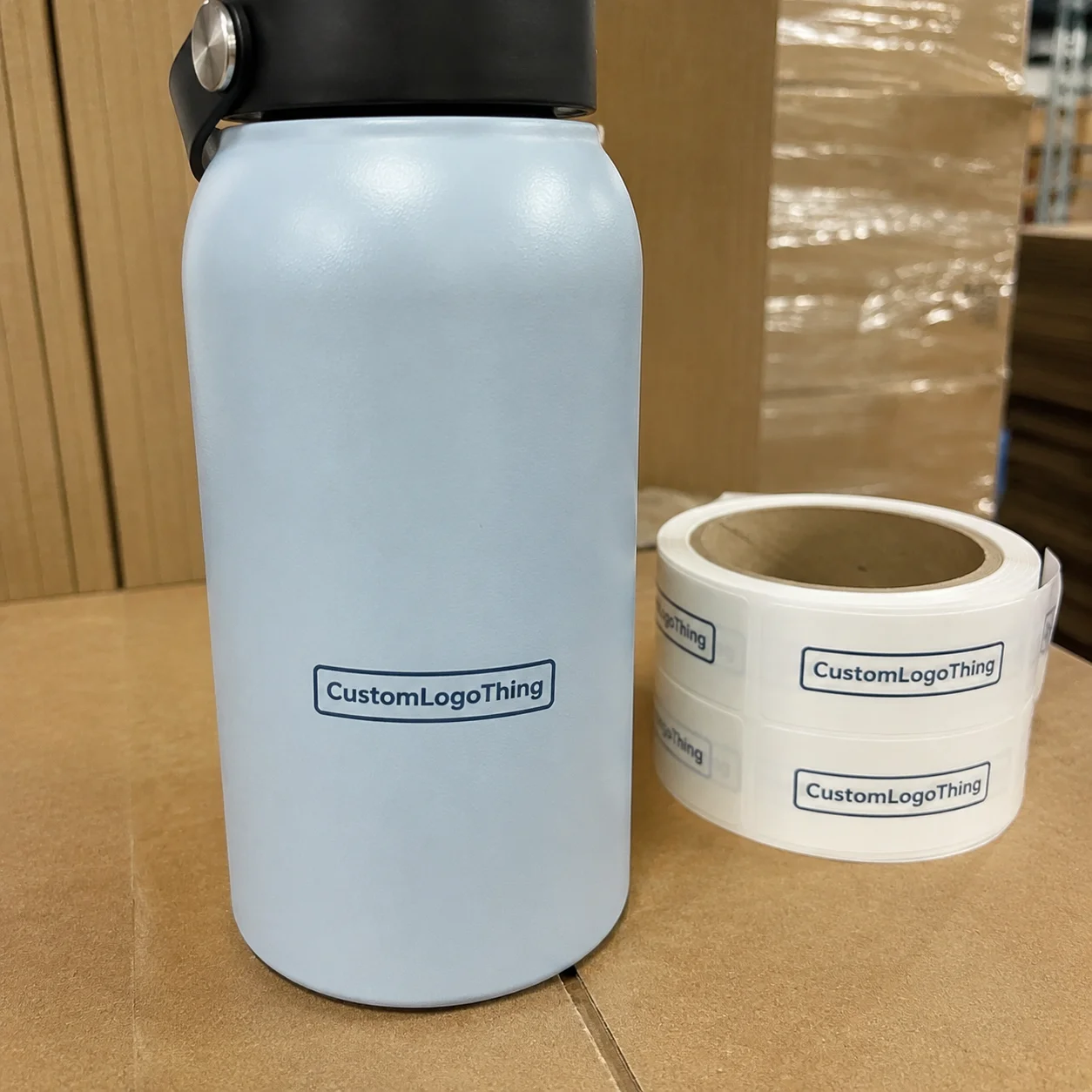
Materials deserve more attention than they usually get. White vinyl is popular for durable decals and general packaging stickers. Clear BOPP works when a brand wants a “no-label” look on bottles or jars, though dark contents can reduce readability unless white ink is used behind the design. Paper is cost-effective for dry indoor uses: bakery bags, thank-you seals, candle boxes, tissue wrap. Kraft paper gives a warmer handmade feel but usually trades away moisture resistance. Holographic film gets attention quickly; it can also make small type harder to read.
Adhesive is the second half of the specification. Permanent adhesive is common for product packaging and shipping boxes. Removable adhesive suits temporary promotions, window decals, and surfaces that should not tear during removal. Freezer-grade adhesive is designed for cold environments where standard glue may stiffen or release. Low-tack adhesives can work for short-term labels but may be risky on textured packaging. Low-surface-energy plastics, including some flexible pouches and containers, may require a more specialized adhesive.
Finishing changes both appearance and performance. Matte lamination reduces glare and gives packaging a calmer, more editorial look. Gloss coating boosts saturation and makes bright brand colors pop. Soft-touch lamination feels premium on boutique products, but it can show fingerprints and oils. UV coating or lamination adds abrasion resistance for high-touch labels, retail handling, mailers, and giveaway decals.
Cut style affects labor. Kiss-cut stickers stay on a backing sheet and peel easily. Die-cut singles work well for handouts, inserts, and merch-style giveaways. Roll labels fit applicators and faster fulfillment lines. Sheets make sense for hand application in small-batch operations. If one person is applying 2,000 labels before a market weekend, peelability is not a tiny preference. It is time, wrist strain, and waste.
Proofing is the quiet control point. A digital proof should confirm spelling, bleed, trim, shape, cut line, color placement, final size, and orientation. A physical proof or sample is better when the sticker must match printed boxes, textured paper, plastic jars, metallic stock, or a retail display. Screen approval cannot tell you whether an adhesive will lift from a curved jar after 24 hours.
Online, Local, or Packaging Printer: Which Option Fits?
Online sticker printers are popular because they remove friction. They usually offer instant pricing, standard shapes, uploaded artwork portals, broad material menus, and simple checkout. For logo decals, thank-you stickers, promotional inserts, and small runs with ordinary requirements, they can be efficient. Many standard digital jobs are produced within a few business days after proof approval.
The tradeoff is diagnosis. Some online systems are built for speed, not product engineering. If the sticker must match a textured mailer, wrap around a frosted bottle, or coordinate with a full branded packaging system, a low online price may not include enough guidance. That does not make online printers a poor choice. It means the buyer needs to bring complete specifications and ask better questions before approving the proof.
Local print shops can be strong for urgent short runs, especially when pickup saves one or two shipping days. Face-to-face troubleshooting helps when a file has questionable resolution, a cut line is missing, or a team needs to compare physical stocks. The limitation is usually material range. A neighborhood shop may handle paper labels and basic vinyl well, while freezer-grade BOPP, roll-label converting, specialty laminates, or unusual adhesives sit outside its normal lane.
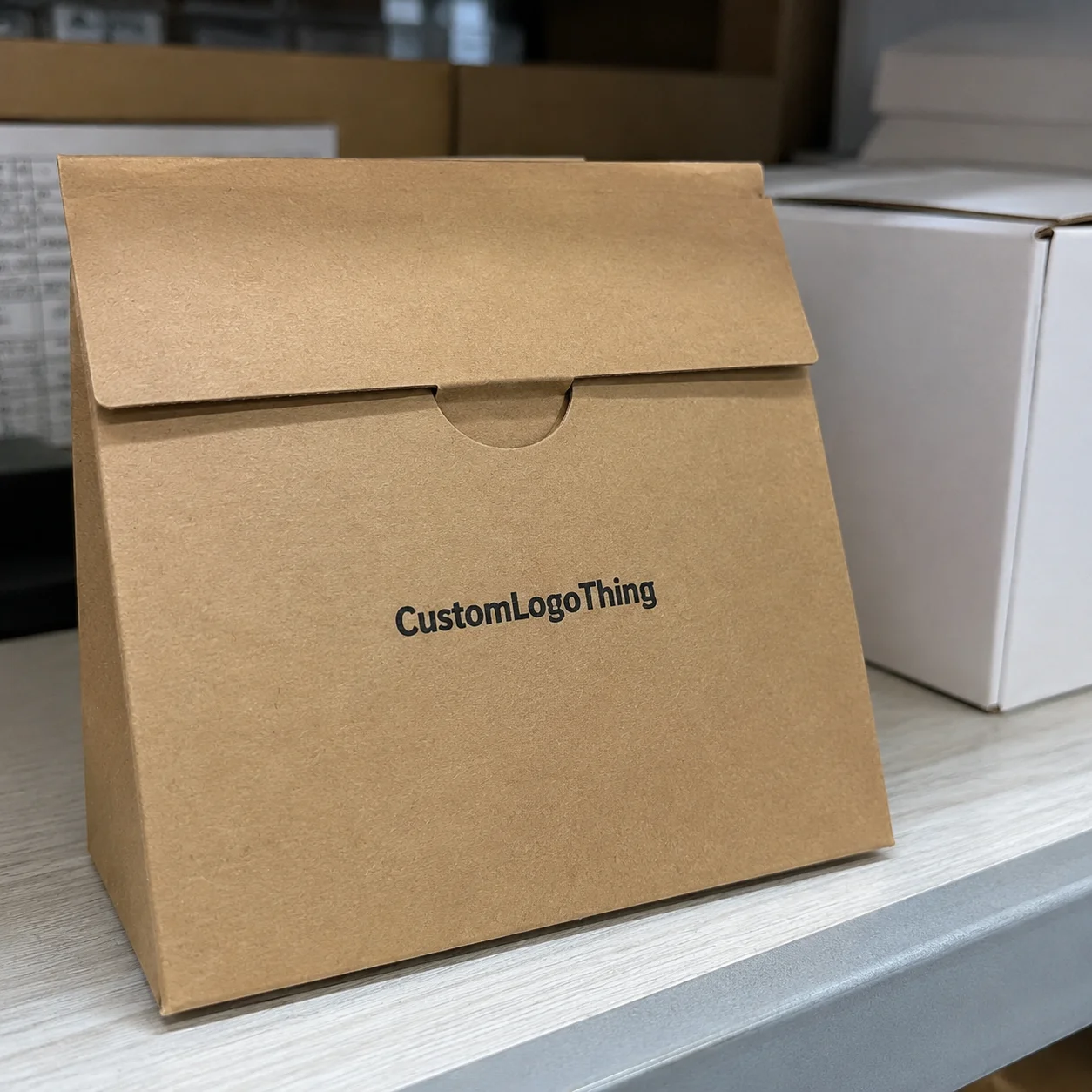
Packaging manufacturers are worth considering when stickers support a broader packaging program. If you are ordering Custom Packaging Products such as mailers, sleeves, inserts, or custom printed boxes, keeping sticker specs aligned with those materials can prevent mismatched whites, clashing finishes, and adhesive surprises. A matte sticker on a soft-touch box feels deliberate. A glossy seal on uncoated kraft can look accidental unless the contrast is part of the design.
Label converters occupy the technical end of the market. They are often the best fit for roll labels, machine application, food and beverage use, compliance labels, and repeat production where consistency matters across thousands of units. They may ask about unwind direction, core size, liner type, application temperature, container diameter, bottle taper, gap size, and machine speed. That is not red tape. It is how they keep labels from failing during application or use.
Marketplace sellers and ultra-budget vendors can be fine for personal projects, craft packaging, party favors, and one-off creative jobs. For business-grade product packaging, reorder consistency can vary. The second batch may not match the first. The adhesive may change without warning. A cut line that drifts by 1 mm can make a narrow border look crooked, even if the sticker technically meets the quoted size.
| Printer Type | Best Fit | Typical Strength | Watch For |
|---|---|---|---|
| Online sticker printer | Standard decals, short runs, quick ordering | Fast quoting and broad stock menus | Limited packaging-specific advice |
| Local print shop | Urgent hand-applied stickers | Local pickup and file help | Narrower specialty material options |
| Packaging supplier | Coordinated branded packaging | Better match to boxes, mailers, and inserts | May have higher minimums |
| Label converter | Roll labels and repeat production | Strong technical control | More setup detail required |
| Marketplace seller | Small creative projects | Low entry cost | Variable reorder consistency |
The cleaner decision framework is this: choose based on quantity, surface, application method, durability, proofing support, color tolerance, delivery window, and reorder plans. If the sticker affects retail presentation, compliance, shipping performance, or customer perception after unboxing, treat it as a packaging component rather than decoration.
Cost and Pricing Factors That Change the Quote
Sticker pricing is shaped by size, material, quantity, shape complexity, ink coverage, finish, adhesive type, proofing, packing format, and shipping speed. A 2-inch round paper sticker is not in the same cost family as a 4-inch custom-shaped waterproof vinyl decal with matte lamination and heavy ink coverage.
Volume matters because setup and handling time do not scale evenly. File review, machine calibration, proofing, cutting, packing, and order administration take time whether the job is 100 pieces or 1,000. That is why unit cost drops as quantity rises. A small digital order might land around $0.18 to $0.45 per sticker for common sizes, while larger runs can fall below that range depending on stock, size, finish, and shipping. Specialty films, metallic effects, white ink, outdoor durability, or small-batch roll labels can push costs higher.
Minimum order quantities vary. Some digital printers sell 25 or 50 die-cut stickers. Roll labels may start at 250, 500, or 1,000 pieces because setup and converting time need enough volume to make sense. Custom adhesives, exact color matching, specialty liners, or unusual materials can raise minimums again.
Hidden cost drivers deserve scrutiny. Custom die lines add setup time. Metallic, holographic, clear, and textured stocks often cost more than white paper. Waterproof laminates improve durability but add material and finishing expense. Rush fees can add 15% to 50% in some ordering systems. Split designs, multiple SKUs, individual bagging, and separate shipping locations can also change the quote.
Ask for quantity breaks before approving the order. Pricing at 250, 500, and 1,000 pieces often reveals the real curve. The jump from 250 to 500 may be smaller than expected because setup has already been absorbed. For packaging seals or recurring labels, buying slightly more can lower the practical unit cost, provided the design, ingredients, barcode, or compliance text will not change next month.
The more useful budgeting metric is cost per usable sticker. A $0.09 sticker is expensive if 12% lift from kraft paper or smear during handling. A $0.22 sticker can be cheaper in practice if it applies cleanly, matches the brand color, and survives fulfillment. Waste belongs in the math. So does staff time spent fighting liners, replacing crooked labels, or reworking packed orders.
Process, Timeline, and Turnaround Before You Order
A realistic sticker timeline has four parts: artwork preparation, proofing, production, and shipping. Artwork cleanup may take one to three days if the logo needs vector conversion, bleed, safe margins, or a new cut line. Proofing can take a day or more, especially if revisions are needed. Production depends on complexity. Shipping adds the final variable, and that variable has a habit of becoming visible right before an event or launch.
Simple digital orders can move quickly after proof approval. Standard shapes, white vinyl, paper stock, and basic finishes are usually the fastest. Specialty adhesives, roll labels, unusual sizes, foil-like materials, exact brand color targets, and large quantities need more time. A practical planning range is 5 to 10 business days for many standard jobs after proof approval, and 10 to 20 business days for more complex packaging or roll-label work. Supplier workload can shift that in either direction.
Proof approval is the hinge. Production usually does not begin until the buyer approves size, cut line, bleed, spelling, color notes, material, and finish. If three people need to sign off on packaging design, build that into the calendar. A two-day internal delay can erase any advantage gained from paying for rush production.
Rush orders can work, especially for common materials and existing artwork. They are riskier with specialty adhesives, packaging-matched colors, refrigerated products, or stickers that must bend around tight curves. There is less time for samples, corrections, and surface testing. If a sticker must seal a jar, survive condensation, or match a box finish, speed should not outrank suitability.
Before requesting quotes, gather the basics: final artwork, dimensions, quantity, intended surface, indoor or outdoor use, finish preference, cut style, delivery deadline, and shipping ZIP code. If the sticker will go on glass, plastic, corrugated board, kraft paper, flexible mailers, or chilled containers, state that upfront. A supplier cannot specify the right adhesive from “2-inch logo sticker” alone.
Reorder planning protects operations. Subscription boxes, retail restocks, events, and seasonal campaigns burn through stickers faster than teams expect. If stickers are part of your Custom Labels & Tags program, track usage weekly and reorder before inventory falls to emergency levels. Reorders also reduce variation when the supplier saves the material, finish, cut file, and production notes.
Common Ordering Mistakes That Create Bad Stickers
The biggest mistake is choosing a printer before defining the sticker’s job. A tissue-paper closure needs different performance than a bottle label, laptop decal, shipping-box mark, or retail shelf callout. “Logo sticker” is not a specification. It is a sketch of an idea.
Artwork errors come next. Low-resolution PNG files may look fine on a screen but print soft at 3 inches wide. Missing bleed can create white edges after cutting. Thin borders magnify normal die-cut movement. Small type can fill in, especially on textured or uncoated stocks. Fonts should be outlined or embedded. Custom shapes need a clean cut line, often supplied as a separate vector path.
Surface mismatch is the quiet killer. Adhesives behave differently on glass, kraft paper, corrugated cardboard, flexible mailers, plastic jars, coated boxes, and cold or oily surfaces. Corrugated board has fibers and dust. Low-surface-energy plastics can reject standard adhesives. Curved jars create tension that lifts label edges. Refrigeration adds condensation. None of this is unusual. It is ordinary packaging behavior, and it should be tested before a large order.
Color expectations also cause friction. Screens emit light. Printed ink reflects it. RGB artwork, uncalibrated monitors, unknown brand values, and different substrates can produce visible shifts. If color accuracy matters, provide Pantone references, CMYK values, or a previous printed sample and ask how close the process can get. Digital printing is useful, not supernatural. Bright oranges, neons, deep blues, and certain greens can be difficult to reproduce consistently across materials.
Durability mistakes are predictable. Paper stickers may be perfect for bakery bags, candle boxes, tissue wrap, thank-you seals, or dry indoor packaging. They are a poor choice for wet bottles, outdoor gear, refrigerated products, bath items, or high-touch containers. Waterproof vinyl, BOPP, polyester, or laminated stocks are better candidates for beauty, beverage, bath, and outdoor products.
Sampling is cheap compared with a failed launch. A small test order can reveal peel strength, scuff resistance, opacity, finish quality, liner release, and whether staff can apply the sticker without slowing down. For high-stakes product packaging, spending $40 to $150 on samples is often less expensive than discovering an adhesive problem after ordering 10,000 pieces.
Broader packaging standards can help frame the conversation. The International Safe Transit Association publishes packaged-product distribution testing resources at ista.org, and FSC certification details for responsibly sourced paper-based materials are available at fsc.org. A sticker is small, but it still sits inside a packaging system. The system is what customers handle, ship, photograph, store, and judge.
Next Steps: Build a Shortlist and Request the Right Proof
The most efficient sourcing process is short and disciplined. Pick three providers: one online sticker specialist, one local or regional printer, and one packaging-focused supplier if the stickers support branded packaging. If you need machine-applied roll labels or compliance-heavy product labels, include a label converter instead of a general printer.
Send the same quote details to each supplier. Include size, quantity, shape, material preference, adhesive type, finish, cut style, artwork format, proof type, delivery target, shipping ZIP code, and reorder expectations. If the right material is unknown, describe the surface and environment. “2-inch round sticker for matte black corrugated mailer, hand-applied, indoor shipping use” is far more useful than “logo sticker quote.”
- Ask about surface fit: will the adhesive work on glass, kraft paper, plastic, corrugated board, coated stock, or textured material?
- Ask about adhesive behavior: is it permanent, removable, freezer-grade, repositionable, or designed for low-energy plastic?
- Ask about proofing: will you receive a digital proof, physical sample, or production proof before the full run?
- Ask about color: can the supplier work from CMYK values, Pantone references, or a previous printed sample?
- Ask about reorders: will material, finish, adhesive, and cut settings be saved for consistent future production?
Compare quotes by total landed cost, not unit price alone. That includes setup, proofing, shipping, rush fees, material suitability, communication speed, and likely waste. A supplier who asks precise questions may seem slower at first. Often, those questions are the cheapest quality-control step in the order.
Physical samples are especially useful for packaging launches. Test on the real surface: glass, plastic, kraft paper, textured stock, refrigerated products, retail boxes, or mailers. Rub the surface. Bend the package. Leave a sample overnight. Put one in the fridge if the product will be chilled. Ship a test mailer to yourself if abrasion is a concern.
Once specs, surface, and timeline are clear, the printer choice becomes practical. The right supplier is not always the cheapest one. It is the one whose materials, proofing process, and production setup match the job your sticker has to do.
FAQ
Where can I print custom stickers for product packaging?
Use a packaging printer or label converter if the stickers must match boxes, jars, bags, mailers, or retail packaging materials. Use an online sticker printer for standard shapes, smaller runs, and quick ordering when requirements are straightforward. Ask for samples if the sticker will touch textured, cold, curved, oily, or high-contact surfaces.
Is it cheaper to print custom stickers online or locally?
Online printers often offer lower pricing for standard sizes because their systems are built for volume and automated quoting. Local printers may be cheaper for urgent short runs when shipping costs or delivery delays outweigh online savings. Compare total landed cost, including setup, proofing, rush fees, shipping, and the cost of unusable stickers if the material is wrong.
What files do I need before choosing a sticker printer?
Prepare a high-resolution PDF, AI, EPS, or SVG file when possible, with fonts outlined and colors clearly specified. Include bleed, safe margins, and a cut line if the sticker has a custom shape. If you only have a PNG or JPEG, ask whether the resolution is high enough at the final printed size.
How long does it take to print custom stickers?
Simple digital sticker orders may be produced quickly after proof approval, while specialty materials, roll labels, and large orders need more lead time. The timeline includes artwork review, proofing, production, finishing, packing, and shipping, not just print time. Approve proofs quickly and provide complete specs upfront to avoid preventable delays.
Where should I print custom stickers if I need waterproof labels?
Choose a printer that offers waterproof vinyl, BOPP, polyester, or laminated materials rather than basic paper stock. Confirm whether the adhesive works on your container surface and whether the sticker will face water, condensation, refrigeration, or heavy handling. Order samples or a small test run before committing to waterproof stickers for beverage, bath, beauty, or outdoor products.