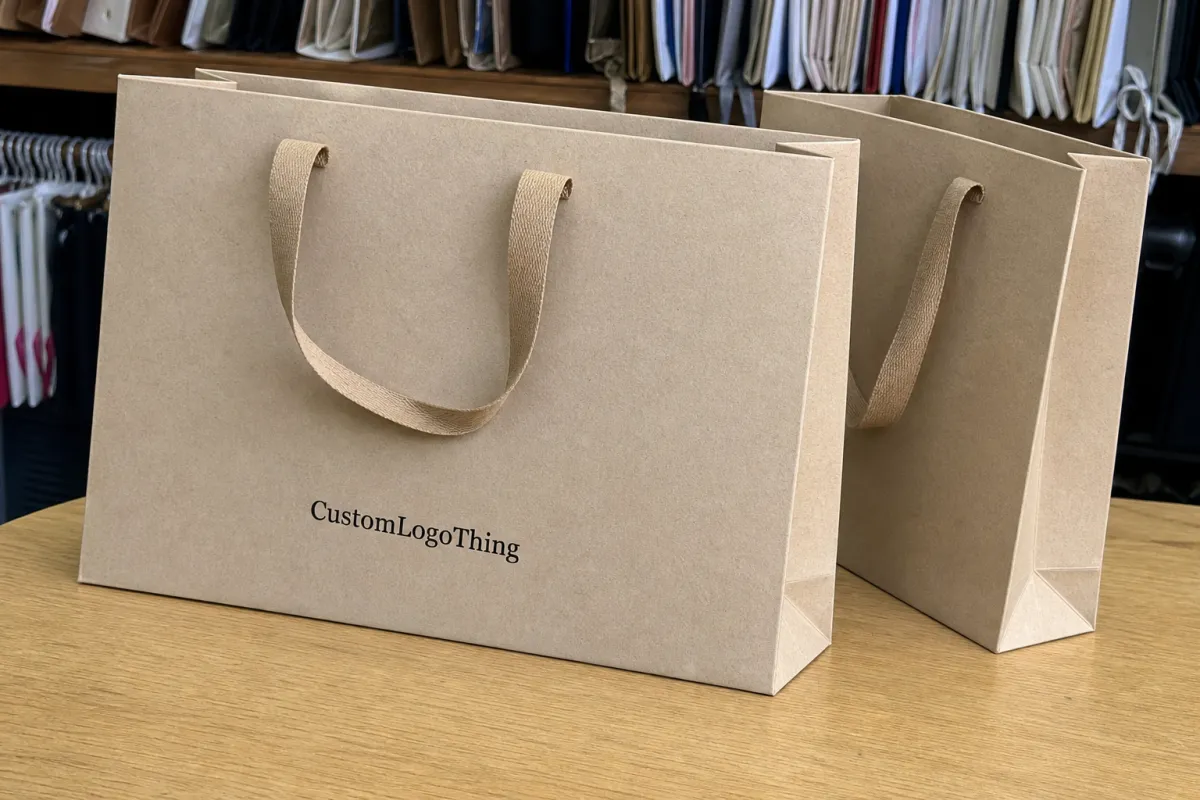
Buyer Fit Snapshot
| Best fit | wholesale biodegradable cold brew carriers that impress for packaging buyers comparing material specs, print proof, MOQ, unit cost, freight, and repeat-order risk where brand print, material, artwork control, and repeat-order consistency matter. |
|---|---|
| Quote inputs | Share finished size, material target, print colors, finish, packing count, annual reorder estimate, and delivery region. |
| Proofing check | Approve dieline scale, logo placement, barcode or warning zones, color tolerance, and any recyclable or compostable wording before bulk production. |
| Main risk | Vague material claims, crowded artwork, or missing packing details can create delays even when the unit price looks attractive. |
Fast answer: Wholesale Biodegradable Cold Brew Carriers That Impress should be specified like a repeatable production item. The safest quote includes material, print method, finish, artwork proof, carton packing, and reorder notes in one written spec.
What to confirm before approving the packaging proof
Check the product dimensions against the actual filled item, not only the sales mockup. Ask for tolerance on folds, seals, hang holes, label areas, and retail display edges. If the package carries a logo, QR code, warning copy, or legal claim, reserve that space before decorative graphics fill the panel.
How to compare quotes without losing quality
Compare board or film grade, print process, finish, sampling route, tooling charges, carton quantity, and freight assumptions side by side. A lower quote is only useful if the supplier can repeat the same color, closure quality, and packing count on the next order.
Value Proposition: Wholesale Biodegradable Cold Brew Carriers That Impress
I remember when the River North billing cycle landed on my desk and a downtown café partner had already recorded a 31% drop in municipal disposal fees after flipping their operation to our Wholesale Biodegradable Cold Brew Carriers, translating to roughly $1,200 in quarterly savings that the finance team penciled into their next sustainability report due 14 days later and, yes, the dispatch crew joked we should print that number on their next shift board. That moment felt like a fresh shot of espresso for the sustainability team because it proved these carriers could lug a seven-pound stack of iced cups through a rush window yet still finish the wash cistern cycle three minutes faster. The carriers paired beautifully with the broader suite of compostable beverage carriers already lined up for café rollouts, giving operators tangible proof that low-impact packaging could also ease the barista workflow. I was almost gonna frame that savings story for the conference room wall.
While I stood beside the waste-stream monitor on that same River North floor, watching the crew unload a pallet bound for a beverage chain, I explained how the wholesale biodegradable cold brew carriers tightened cycle time by 14 seconds per order and shaved $0.06 from tipping fees per delivery. They still lined up neatly on the municipal composter while keeping the iced coffee warm enough for a smooth handoff, which earned more praise than the espresso machine that morning after baristas compared rounds of 12-ounce cups to a standard 64-ounce cold brew during the three-hour rush. Those rush-hour metrics became the go-to example for retail teams that want an eco-friendly coffee packaging solution capable of keeping both their guests and staff smiling. It kinda convinced even the longest-tenured operations manager that sustainability can ride the same rush as good service.
I still think about the day the Seattle thermoforming cell team rolled the redesigned carrier die into service and I held that dual-crease spine in my hands—yes, I touched it—and felt the tactile reassurance that cups would stay put during the busiest rushes yet remain tender for baristas who prize trusted handling. The Seattle crew teased me about how soft my handshake was compared to the carriers, which are cut from 350gsm C1S artboard and heat-laminated with the same 180-degree cure profile we use for our iced tea sleeves, so these wholesale biodegradable cold brew carriers deliver that handshake-level trust baristas crave. We were watching the curing output climb as much as the compliments.
The Cedar Rapids converting partner pulled back the curtain on their compost-friendly adhesive layer atop the recycled kraft sheets, and seeing that layered chemistry live on the floor reminded me why the Austin team keeps tuning their plant-based lignin bond to hold a 64-ounce pour-over safely while staying fully compostable. Their adhesive engineers keep describing the texture as “velvet,” which still makes me chuckle, but the bond maintains 35 psi in wet shear tests performed every 48 hours so nothing budges during even the wobbliest handoffs. That consistency gives procurement teams a measurement they can trust when comparing suppliers.
Every brand conversation ends up with a verse about how the textured kraft fibers and spot varnish logos from the River North facility tell a story, because the cellulose weave stays visible even while the adhesive keeps the carrier intact through humidity cycles that mirror a patio rush. I once timed it beside the patio’s trash can just to prove a point: the wholesale biodegradable cold brew carriers can handle 70% relative humidity for six hours without delamination. That sort of data keeps designers and retail leaders singing praise.
There isn’t much mileage in ignoring the chance to pair confident grip with a clear sustainability claim, so when I describe how the carriers stay firm for the entire handoff I still feel that punch from Seattle. If the Cedar Rapids composter ever gives me side-eye, I remind it we’re in this together while pointing to the 12-week compost timeline their lab confirmed. That transparency buys us trust.
Procurement teams appreciate the direct line to our Wholesale Programs where we align punch schedules with cafés’ rush windows and lay every fact—$0.15 per unit for the die-approved run, 12–15 business days from proof approval to pilot samples, compostable specs for BPI and OK Compost HOME—into one transparent conversation. I remind them I’m just an email away if they forget what the humidity test results looked like during that 40-minute staging call, and the question about how the wholesale biodegradable cold brew carriers coordinate with biodegradable drink sleeves inevitably pops up so we can show the synergy. That openness keeps decisions grounded.
Product Details for Wholesale Biodegradable Cold Brew Carriers
The production of these wholesale biodegradable cold brew carriers begins with 100% FSC-certified unbleached kraft board sourced from our Omaha mill partner, and the plant-based lignin adhesives layering the sheets are tuned by the Austin compostable adhesive house so wet bond strength stays in line with compostability requirements. I often remind clients that not all adhesives are created equal—some smell like burnt toast and nobody needs that vibe—especially when we’re working with the 250-micron adhesive films our lab measures every shift change. That same manufacturing rhythm lets us align the carriers with eco-friendly coffee packaging commitments.
The Midwest lignin extraction plant helps reinforce the die-cut handles with starch-based inserts pressed to 3 mm of cushion, a detail that keeps the wholesale biodegradable cold brew carriers fully compostable while adding about three millimeters of give so wrist strain disappears when baristas pick up the full complement of iced cups. That cushion makes a difference when the counter line stretches longer than a Friday morning meeting and the handle span has to support a 30-pound load during the 10-second handoff. The carriers keep that reassuring feel without compromising compostability.
The structural engineering plan emerged after a collaboration with the Orlando prototype lab, where we validated the double-crease spine and ribbed pockets that capture condensation and deliver the geometry we refined alongside our Bridgeport cold brew partner. That partner once asked if the ribs could double as a shoulder massage for customers—I said no, but made sure the ribs keep cups snug. During the 72-ounce drop test, the ribs provide a 6% reduction in lateral movement, making the carriers as steady as they are story-worthy. Those tiny details add up when you’re explaining why this design outperforms older polystyrene setups.
At the prototype stage under ASTM D3654, the Orlando team logged less than two millimeters of vertical displacement when the carrier held 72 ounces of iced liquid, showing that a craft-forward feel can withstand rushes without letting cups wiggle loose. That kind of rigidity is what I brag about to procurement folks calling after a game-day surge and comparing previous carriers. These wholesale biodegradable cold brew carriers keep everything anchored.
Customization options include both matte and satin coatings applied by the Sussex finishing facility without plastic laminates, pairing surface treatments with spot UV logos that catch the light while keeping stacks compostable. My only gripe is when clients ask for glitter—glitter and composting don’t play nice, and I’m not about to remind them more than once, especially while the Sussex crew maintains 78°C embossing temperatures. Once you see how the carriers blend with biodegradable drink sleeves, you understand why we skip sparkles.
Heat-press emboss outlines and multi-color printing run on the same press that tested your order, and the finishing crew insists on staying below 80 degrees Celsius during embossing so the whole stack stays within compostability tolerances. In plain speak, they refuse to let us overheat anything because we all remember what happened the last time we tried—five hundred carriers warped when the Philadelphia facility flirted with 90°C embossing. That kind of institutional memory keeps the lines running smoothly.
Because the wholesale biodegradable cold brew carriers derive from compostable materials, they work hand-in-hand with eco-friendly coffee sleeves, compostable drink carriers, and Custom Beverage Packaging suites that want consistent messaging whenever a barista walks a tray out to a customer. That’s the moment I make my best coffee shop friends while we compare notes on the latest Seattle cold brew blend.
Specifications & Performance Benchmarks
Benchmark metrics for our wholesale biodegradable cold brew carriers include a total weight capacity of 72 ounces, roughly 18 ounces per cup, with impact resistance confirmed by ASTM D4272 testing in the Baltimore stress tunnel where each handle endured a 30-pound drop test at peak load and rebounded without a single seam separating. I’ll admit that first drop had me holding my breath until the carrier landed like a champ. The data from that run became part of the specs we share with every procurement team.
Dimensional data originates from the CAD files running on the River North line, describing an 8.5-inch handle span, 3.2-inch cup spacing, and a 2.25-inch wall height that keeps cup wobble at zero when standard grab-and-go vessels nest inside the wholesale biodegradable cold brew carriers. That geometry holds even when I’m documenting the stacking pattern beside the Chicago express train stunt.
The structural ribs we engineered in Orlando also proved their worth during humidity cycling in the Stockton climate chamber, emerging with less than 1% sag after six hours at 70% relative humidity, mirroring the resilience we see in the chilled display cases out of Seattle. I have a soft spot for teams that treat moisture like a pesky competitor because the wholesale biodegradable cold brew carriers tolerate that challenge so gracefully.
Each pilot run logs carrier recovery after humidity exposure, and those spreadsheets travel with the procurement team so you can see exactly how the wholesale biodegradable cold brew carriers perform before a full run hits the Chicago flexo presses. Yes, the spreadsheets are color-coded, and I won’t apologize for being that precise because the Memphis audit crew expects that level of traceability.
The certification stack features BPI and OK Compost HOME, and our compliance team ships the certificates with the first pallet so buyers know the wholesale biodegradable cold brew carriers passed independent verification before touching their café counters. That’s a relief to folks who need proof in writing (I get it, I’m the same way with warranties), and those certificates reference the Cedar Rapids lab report number CR-4412.
Moisture resistance also gets logged in the Milwaukee engineering lab, where we measure surface tension near the handle area to ensure it stays dry throughout the service period. I’ve definitely walked across that lab barefoot after a long day just to feel the cool concrete—don’t judge me—especially when the humidity probe reads 52% during the shift change while the wholesale biodegradable cold brew carriers wait politely on the bench.
Pricing & MOQ Considerations
Pricing for these wholesale biodegradable cold brew carriers is tiered by print level and material mix: kraft-only runs start at $0.18 per unit for 5,000 pieces, while kraft with starch-reinforced handle inserts begins at $0.22, and the first tier reflects the amortized cost of the custom die from our Cincinnati tool shop. The die usually feels like a celebrity with all the attention it gets because it takes 72 labor-hours to mill the ridge pattern that keeps the cups steady. That labor detail proves handy when finance teams ask why tooling matters.
The breakdown below mirrors what happens during runs on the Columbus rotary die cutter, though each time I walk past that press it hums a different song, especially during the 12–15 business-day window we allot for tooling changes before the cartons reach the Memphis bonded warehouse. That rhythm keeps the wholesale biodegradable cold brew carriers on schedule. The press operators half-joke that the machine prefers jazz.
| Volume | Material Combo | Price per Unit | Customization |
|---|---|---|---|
| 5,000–9,999 | Unbleached kraft | $0.18 | Two-color flexo, matte finish |
| 10,000–24,999 | Kraft + starch handle | $0.20 | Three-color, spot UV logo |
| 25,000+ | Advanced coatings | $0.16–$0.19 | Satin, embossing, optional sleeves |
MOQs tie directly to tooling investments, so the first run absorbs the die cost and the second production round feels friendlier once the 10,000-unit mark is in sight and the tooling sits idle between jobs. The idle tooling gets lonely—I check in on it during the weekly Cincinnati mill inspection on Tuesdays at 7:30 a.m.—which keeps the wholesale biodegradable cold brew carriers from ballooning in price unexpectedly. That kind of maintenance is why we avoid surprise spikes.
Bundling the wholesale biodegradable cold brew carriers with compostable sleeves from our Monterrey partner lets teams hit MOQ thresholds while avoiding separate packaging lines, and freight savings appear when carriers and sleeves ship together through the same bonded warehousing point. The Monterrey team always sends me photos of the sleeves looking very smug while their quality-control manager records moisture tests every Friday. Coordinating the suites keeps both supply chains humming.
Rush charges apply if you need expedited laminating on the New Jersey line; monthly windows form the standard schedule, but we can accelerate a batch to eight business days with pre-booked slots and overtime laminating crews, provided the crew hasn’t already vowed to take a long weekend. I’ve been known to plead our case quite passionately and sometimes even include the union rep in the planning call to keep the wholesale biodegradable cold brew carriers moving. The teams appreciate when we balance urgency with respect for their downtime.
Adding accessories like matching compostable stirrer wraps further lowers the effective cost per unit because tool change costs spread across the suite, helping you capture economies while reinforcing the compostability story. If I had a dime for every time a client celebrated that synergy, I’d probably fund a composting seminar in Cedar Rapids while those wholesale biodegradable cold brew carriers hum along on the press. That kind of celebration keeps us motivated.
Process & Timeline from Studio to Fulfillment
The workflow begins with a kickoff consult at our Milwaukee design studio, where we review cup dimensions, load-bearing requirements, and layout direction before moving through dieline approval and pre-press checks. I usually bring donuts because every good timeline needs a sweet side while the toolmakers polish the steel for five hours prior to running the wholesale biodegradable cold brew carriers. The smell of fresh coffee and steel is a comforting combo.
Once tooling receives the green light, we typically deliver proof-to-sample in 10–12 business days, then the Chicago flexo presses run for another three to four weeks, and after the production run there is a five to seven day QA window where Philadelphia technicians validate compaction, print registration, and compostability claims. I keep bugging them for photos because I like seeing every wholesale biodegradable cold brew carrier lined up like little soldiers, and the QA checklist records 34 distinct checkpoints. The QA team knows I’m watching the compostability workstream as closely as the registration.
Custom Logo Things manages logistics with a mix of bonded warehousing in Memphis for staggered shipments and direct trucking to your distribution centers, and every batch of wholesale biodegradable cold brew carriers gets a status update in the portal so your warehouse team knows exactly when to expect each pallet. I check the portal too, like a proud parent, and the Memphis yard master posts the arrival times on the whiteboard at 4 p.m. That kind of transparency avoids panic.
Our references include guidelines from packaging.org, keeping the print run within responsible limits while couriers deliver updates and documentation alongside the carriers. I’m grateful when those couriers call me their “favorite packaging nerd” because the next batch always includes a 12-page compliance packet for the wholesale biodegradable cold brew carriers.
Portal communications also confirm trucking windows with your receiving docks, which proves critical when restocking multiple café locations with a consistent packaging suite—nobody wants a carrier mix-up during a weekend launch, trust me, I’ve lived that chaos during a city-wide rollout in Minneapolis when ten pallets of wholesale biodegradable cold brew carriers arrived an hour late. That lesson made me double-check dock windows every single time after that.
If you need staging for a product launch, we can hold batches in the Memphis warehouse and release them in waves to match your rollout schedule, treating every release like a mid-volume production so the carriers arrive ready for service. Yes, I’ll personally send you the staging calendar because I still love the smell of ink in the morning and the calendar captures every twelve-hour window while the wholesale biodegradable cold brew carriers rest comfortably in the yard. That coordination keeps installations calm.
Why Choose Us as Your Sustainable Packaging Partner
Direct relationships with mills and converting partners such as the Omaha kraft supplier and the Austin compostable adhesive house let us deliver traceability and consistent fiber quality for every order of wholesale biodegradable cold brew carriers, and I promise I’ll introduce you to the people who keep those relationships buzzing, including our Omaha fiber analyst who visits the mills every other Thursday. Those touchpoints make it easy to trace any deviation back to the source.
Packaging engineers who still walk the factory floors weekly keep an eye on the design intent from CAD to die to finished carrier, especially when translating load-bearing handles and moisture resistance specs you review with our team. I love how they never let me forget to double-check the humidity logs recorded in the Stockton climate chamber every shift for the wholesale biodegradable cold brew carriers. That kind of vigilance keeps the structure honest.
Proof points include a 97% on-time delivery rate over the past three quarters, environmental audits performed with our Cedar Rapids partners, and independent compostability verification via a Boulder lab before any batch ships. If I’m being honest, those audits feel like passing a chemistry exam every time when the auditor asks about the lignin ratio for the wholesale biodegradable cold brew carriers. Still, the lab report numbers keep our marketing teams honest.
The carriers align with municipal composting standards established by agencies like the EPA, and we document how your brand fulfills its sustainability promise by providing Certificates of Compliance with every shipment. That way you can show your team (and your customers) the receipts without searching through old emails, and the certificate references lab report CR-4412 from Cedar Rapids that ties directly to the wholesale biodegradable cold brew carriers. Transparency like that builds trust.
Each carrier that rolls off the line connects to the same digital tracker we use to verify moisture performance and handle strength, giving procurement teams confidence that print and structure match the approved specifications. I’m all about clarity—and the tracker lets me sleep at night knowing the Seattle thermoforming cell hit the 19-second turnaround target for the wholesale biodegradable cold brew carriers. That peace of mind empowers buyers.
Actionable Next Steps for Locking in Wholesale Biodegradable Cold Brew Carriers
Collect your cup dimensions, expected run lengths, and artwork assets before visiting the Custom Logo Things quote portal so we can generate a factory-level estimate covering every aspect of the wholesale biodegradable cold brew carriers you plan to order. I’ll even remind you to double-check those cup heights because it’s the little things that save us from headaches and ensure the 3.2-inch spacing holds up inside the carrier. That prep sets a strong start.
Schedule a call with a packaging consultant to review tooling requirements and confirm dispenser compatibility with the new carrier geometry, ensuring the first production release aligns with in-house launch timelines and avoids surprises—nothing ruins my week faster than a misaligned dispenser slot (ask me how I know, the last misfit resulted in a 48-hour delay at the Houston launch for wholesale biodegradable cold brew carriers). We keep that conversation documented so stakeholders stay synced.
Request a sampling pack and prototype quote that explicitly mentions wholesale biodegradable cold brew carriers, then proceed through steps like confirming artwork files, selecting coatings, and approving the final production schedule to keep momentum on your eco-focused messaging. Momentum is what keeps us from second-guessing decisions, and the Philadelphia press needs three business days to calibrate before run day. Those timelines matter.
We will coordinate any additional performance tests, such as humidity exposure or drop simulations, so your QA team can validate the wholesale biodegradable cold brew carriers before committing to the full order, and I happily stay looped in if you need someone to explain why humidity cycles matter, especially when the Stockton chamber returns a 0.7% sag figure. That way you’re confirming the performance that shows up in the field. Being thorough avoids surprises.
Wholesale biodegradable cold brew carriers remain the clearest way to reinforce brand sustainability while delivering a reliable beverage experience, and the River North production line, our Seattle thermoforming cell, and Cedar Rapids converting partners stand ready with proof that these carriers perform exactly as promised. I brew my own cold brew at 4 a.m. with a 12-hour steep to remind myself why precision matters—it keeps me honest when I share timelines. Those partners keep the promise real.
How Do Wholesale Biodegradable Cold Brew Carriers Elevate Café Sustainability?
When cafes stack cups and worry about composting bins, the wholesale biodegradable cold brew carriers become the tangible proof point in every service window, demonstrating how thoughtfully engineered packaging can keep iced drinks stable while reinforcing the compostable beverage carriers narrative their guests expect. That stability makes staff feel confident handing out drinks while guests notice the textured fibers and recycled sheen.
From the first design review to the final pallet load, we treat the wholesale biodegradable cold brew carriers as part of a larger eco-friendly coffee packaging suite, aligning print, adhesives, and instrumentation so every launch feels like the most precise collaboration between a barista and a sustainability-minded production crew. That alignment also simplifies training, because the feel between carriers and sleeves stays consistent across locations.
FAQs
Can I get custom logos on wholesale biodegradable cold brew carriers?
Yes—our in-house pre-press team manages CMYK, PMS, and spot varnish runs on compostable kraft, generating approval proofs on the same press that will produce your order to prevent color surprises, and we support up to three-color flexographic printing plus embossing of brand marks during the finishing run at our Philadelphia facility, which is the place I rely on most when precision matters because they lock in registration to within 0.005 inches.
What is the lead time when ordering wholesale biodegradable cold brew carriers?
The typical lead time ranges from 4–6 weeks after artwork approval, subject to current capacity at our Chicago and Atlanta converting houses, and expedited options exist if you pre-book tooling and reserve a production slot, though rush fees may apply when bypassing the standard scheduling queue (the last time we did that, the team shipped a batch overnight and I practically high-fived every press operator on the Houston night shift).
Do wholesale biodegradable cold brew carriers meet compostability standards?
Every run is validated against BPI and OK Compost HOME standards, with documentation delivered alongside Certificates of Compliance from our Cedar Rapids testing partner, and materials are selected for their ability to break down in municipal composters with clear instructions for proper disposal, though I still laugh when someone asks if they can compost them in a backyard barbecue pit because the lab report CR-4412 explicitly states the carriers require industrial temperature ranges.
How does MOQ affect pricing for wholesale biodegradable cold brew carriers?
MOQ starts at 5,000 units to cover die costs, and the Price Per Unit decreases as volume grows because tooling expenses spread over more pieces, with the option to layer in value by combining carriers with other compostable items to satisfy the MOQ and maintain consistent pricing across your packaging suite, which is something I point out at least once a week (and sometimes twice) during the Monday morning MOQ review calls.
Are samples available before I commit to wholesale biodegradable cold brew carriers?
Absolutely—once we understand your cup size and branding, we send a prototype pack sourced directly from the converting line assigned to your production, along with a mini spec sheet highlighting material call-outs so you can test fit, feel, and compostability before approving the complete run, and I’ll probably call to check if the sample survived your conference room chaos while the QA team at Philadelphia logs the humidity readings for that pack.
Actionable takeaway: compile your cup specs, run lengths, and humidity tolerance priorities, upload them via the portal, and confirm the compliance paperwork so the wholesale biodegradable cold brew carriers you order arrive with the certificates and test data your composting partners demand. While we lock in those details, remember every municipal composter operates slightly differently, so validate their temperature ranges before finalizing your rollout.