Buyer Fit Snapshot
| Best fit | Wholesale Custom Packaging for Crafts projects where brand print, material claims, artwork control, MOQ, and repeat-order consistency need to be specified before quoting. |
|---|---|
| Quote inputs | Share finished size, material target, print colors, finish, packing count, annual reorder estimate, ship-to region, and any compliance wording. |
| Proofing check | Approve dieline scale, logo placement, barcode or warning zones, color tolerance, closure strength, and carton packing before bulk production. |
| Main risk | Vague material claims, crowded artwork, missing packing details, or unclear freight terms can make a low unit price expensive after revisions. |
Fast answer: Wholesale Custom Packaging for Crafts: Quote Scope, Sample Proof, MOQ, and Lead Time should be specified like a repeatable production item. The safest quote records material, print method, finish, artwork proof, packing count, and reorder notes in one written spec.
Production checks before approval
Compare the actual filled-product size with the drawing, then confirm tolerance on folds, seals, hang holes, label areas, and retail display edges. Reserve space for logos, QR codes, warning copy, and material claims before decorative graphics fill the panel.
Quote comparison points
Review material grade, print process, finish, sampling route, tooling charges, carton quantity, and freight assumptions side by side. A quote is only useful when the supplier can repeat the same color, closure quality, and packing count on the next order.
Wholesale Custom Packaging for crafts is not a decorative extra. It is the difference between a candle arriving intact and a refund eating your margin. I’ve seen that happen, and I mean literally watched a seller lose half a shipment of resin figurines because they were packed in flimsy mailers that folded under pressure. The replacement order cost them $1,480 on a 3,200-unit batch, and that was before the bad reviews started rolling in. So yes, wholesale custom Packaging for Crafts matters if you want protection, shelf appeal, shipping efficiency, and repeatable output that does not turn into a monthly fire drill.
Most craft brands start with a “make it cute” mindset. Cute is fine. Cute does not pay chargebacks. Honestly, I think Wholesale Custom Packaging for crafts should solve a buying problem: keep product quality stable, lower the unit cost as volume rises, and make your handmade items look organized enough to sell faster. I’ve negotiated with factories in Shenzhen, where a buyer wanted gold foil, embossing, soft-touch lamination, and a rigid box for a $9 soap set. That box would have cost more than the product itself. We cut it down to a printed folding carton with a window and a paper insert, saved $0.22 per unit on 8,000 pieces, and the order still looked polished. (And yes, the buyer was relieved enough to laugh, which is rare in packaging meetings.)
If you sell candles, soaps, stickers, jewelry, crochet kits, beads, art prints, or DIY sets, Wholesale Custom Packaging for crafts has to match the item’s shape, weight, and shipping risk. Retail packaging and bulk packaging are not the same thing. Retail packaging needs shelf impact and clear branding. Bulk packaging needs stackability, protection, and pallet efficiency. Some brands need both. That is normal. The mistake is asking one box to do everything badly. A 4 oz wax melt in a 350gsm C1S artboard sleeve needs a different structure than a 2 lb resin kit shipping from Los Angeles to Chicago.
Buy packaging like a business decision, not a branding fantasy. The goal is packaging that helps the product move, arrive intact, and keep your operations from turning into a tape-gun disaster. That is what good Wholesale Custom Packaging for crafts does. I’ve had more than one afternoon ruined by a packing line that looked like a craft-store tornado had passed through (you know the type: tape stuck to the floor, one roll of labels missing, someone yelling for scissors that were already in their hand).
Wholesale custom packaging for crafts: what actually sells
Wholesale custom packaging for crafts sells when it supports the product, not when it steals attention from it. I worked with a soap maker in Austin who insisted on a thick rigid box because “premium.” Her bars were already wrapped in wax paper and sold in farmers’ markets, where customers wanted a clean look and a fair price. We switched her to kraft folding cartons with one-color black print and a window patch. Her packaging cost dropped from $0.88 to $0.29 per unit at 5,000 pieces. She raised margin without raising retail price. That is the kind of math that matters.
For craft products, packaging is doing four jobs at once: protection, presentation, shipping efficiency, and repeatability. If one job fails, the whole thing gets messy. I’ve seen brittle resin pieces crack because the inside clearance was off by 3 mm. I’ve seen sticker packs arrive bent because the mailer had no spine. I’ve seen hand-poured candles sweat inside glossy sleeves because nobody checked how the coating interacted with heat during transit in July shipments leaving Phoenix. Wholesale custom packaging for crafts needs to prevent those problems before they hit your customer.
There is also a difference between retail-ready packaging and bulk packaging for craft products. Retail-ready packaging is what sits on a shelf, hangs on a peg, or gets photographed for your storefront. Bulk packaging is what gets handled by the warehouse, stacked on pallets, and pushed through shipping lanes without crushing the contents. For wholesale custom packaging for crafts, you sometimes need one format for the shelf and another for fulfillment. That is not waste. That is operational sanity, especially if your cartons are traveling from Dongguan to a fulfillment center in New Jersey.
Buyers should expect a supplier to give them more than a pretty mockup. I expect low defect rates, consistent color across runs, and Packaging That Actually fits handmade SKUs without asking the factory to “just make it work.” That phrase costs money. In a plant visit near Dongguan, I watched a production manager reject a job because the buyer changed the box depth after artwork approval. The factory could have forced it. They didn’t. Good. Because forcing a bad spec is how you end up with warped panels and useless inventory. On a 10,000-piece run, even a 1% defect rate means 100 bad boxes and a very unhappy accounting team.
“The packaging has to move with the product. If the item rattles, bends, or shifts, the box failed before the customer opened it.” — What I tell every craft brand that asks me why their first run came back damaged
Wholesale custom packaging for crafts is a buying decision with a hard outcome: does the product arrive clean, intact, and profitable? If yes, keep going. If not, rethink the structure. Branding matters, sure. But product packaging that breaks your margin is just expensive wallpaper.
Product Details: Box Types, Inserts, and Finishes
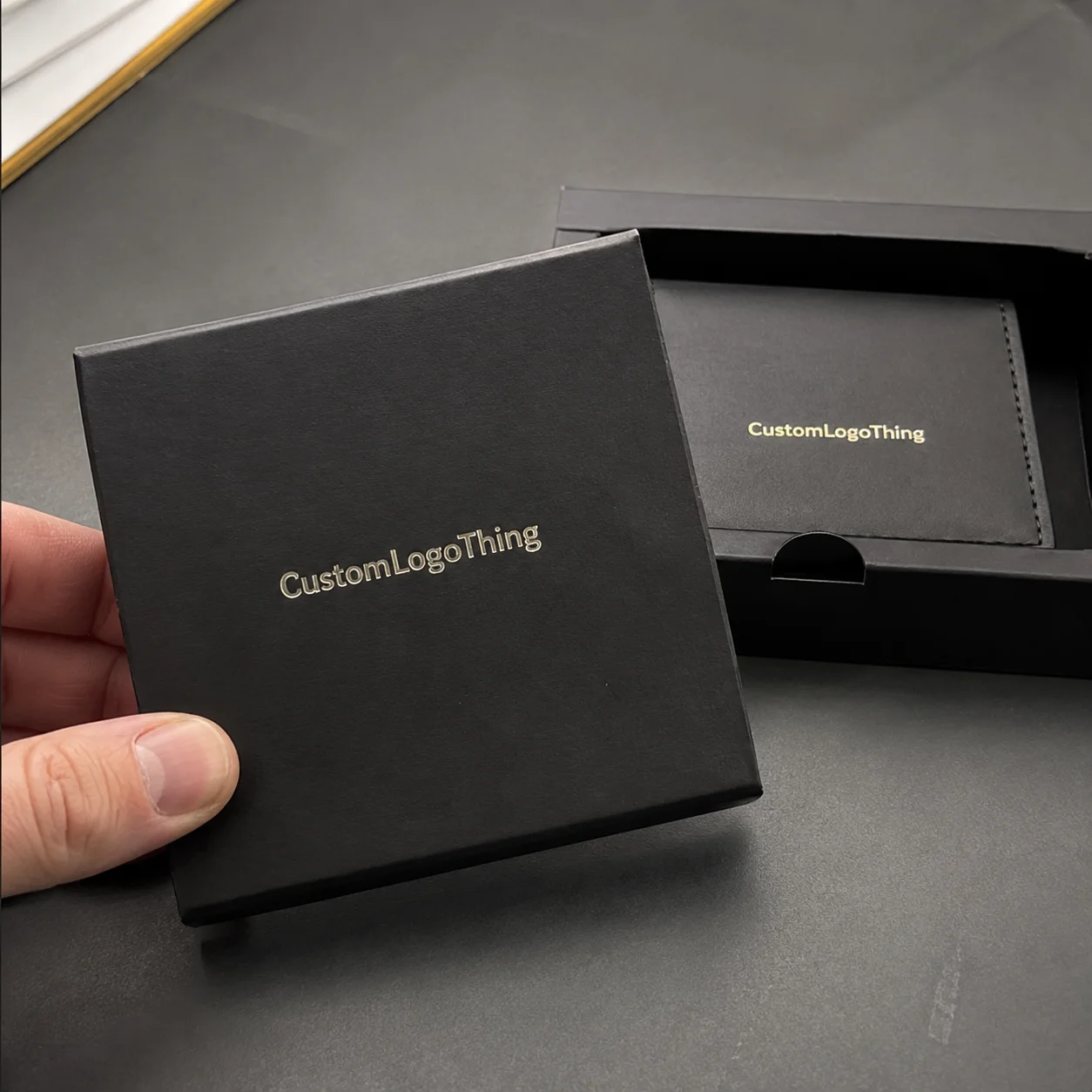
There are several packaging formats that work well for wholesale custom packaging for crafts, and each one solves a different problem. Folding cartons are the workhorse. They are light, printable, and cost-effective for soaps, sticker sets, art prints, and small tools. Rigid boxes are better for premium kits, giftable craft sets, and items where unboxing experience matters more than shipping density. Mailer boxes are a strong pick for ecommerce because they ship well and can carry custom printed graphics on the outside. Sleeve boxes are useful when you want a cleaner outer shell over a simple inner tray. Pouches work for beads, small components, and flat accessories. Display cartons are helpful for retail counters and pop-up shops in places like Portland, Brooklyn, and Austin.
For product-specific fit, you cannot guess. A candle in a 3" x 3" x 4" carton is one thing. A crocheting kit with yarn, hook, and printed instructions is another. Jewelry needs anti-scratch protection and often a smaller footprint. Art prints need rigid reinforcement, not romance. DIY kits tend to have multiple pieces, so inserts matter more than the outer graphics. Wholesale custom packaging for crafts should be matched to the actual packing sequence. If the customer opens the box and sees a mess of loose parts, that is bad packaging design, plain and simple.
I spent an afternoon at a packing line in Suzhou where a bead kit was being assembled into a box with no divider. The contents migrated during transit. The factory blamed freight. Freight blamed the brand. The brand blamed the customer. That circle of blame cost $900 in rework and a week of delay. A simple chipboard divider would have fixed it for about $0.06 per unit. Wholesale custom packaging for crafts often fails because people skip the boring details That Save Money, and a $60 dieline check would have prevented a $900 rework order.
Structural add-ons matter more than many buyers expect. Inserts, dividers, window cutouts, hang tabs, tamper seals, and inner wraps all serve a purpose. A window cutout helps shoppers see color and texture on soaps or candles. Hang tabs help retail packaging work on pegs. Tamper seals help reassure buyers that the product was not handled. Inner wraps protect powdery items, scented products, and anything that can rub or scuff. If your product is fragile, add a paperboard insert or molded pulp insert. If it shifts, stop pretending the box alone will save you. A molded pulp tray at $0.14 per unit can be a smarter move than a foam insert at $0.31 per unit for the same 2,000-unit order.
Print and finish choices should follow the product, not the mood board. CMYK printing is the default for full-color artwork. Pantone matching makes sense when brand colors need to stay consistent across Custom Packaging Products. Matte lamination gives a softer, less reflective surface and hides fingerprints better. Gloss can make color pop, but it also shows scratches. Soft-touch feels premium, but it adds cost and can scuff if the box gets thrown around. Foil stamping, embossing, and spot UV are good tools when used for a focal point, not sprayed across every square inch like a desperate prom invitation. A single gold foil logo on a 300gsm SBS folding carton often does more than a full-panel treatment on a low-ticket item.
Here is a practical way to think about it: if the craft product sells on utility and price, keep the packaging simple. If the craft product sells as a gift, a premium bundle, or a collector item, then invest in presentation. Wholesale custom packaging for crafts should not force expensive finishes on low-ticket items. A $14 sticker box does not need a foil-stamped rigid structure. That is how brands burn margin and then complain about “high packaging costs.” No. That was a bad spec choice.
| Packaging Type | Best For | Typical Strength | Relative Cost | Notes |
|---|---|---|---|---|
| Folding carton | Soaps, stickers, small tools | Light to medium | Low | Great for custom printed boxes and retail packaging; common in Guangzhou and Shenzhen plants |
| Mailer box | Ecommerce craft kits, subscription orders | Medium | Medium | Good shipping protection and branded packaging; often made with E-flute corrugated board |
| Rigid box | Gift sets and high-value craft goods | High | High | Best for premium package branding and presentation; usually built with 1200gsm greyboard wrapped in printed paper |
| Pouch | Beads, accessories, flat parts | Low to medium | Low | Often used for bulk packaging and inner component sets; zip or heat-seal options are common |
| Sleeve box | Soap bars, candles, presentation kits | Medium | Medium | Works well when product packaging needs a simple premium look; pairs well with a 350gsm C1S artboard tray |
One more thing: don’t pay for finishes that the product will never benefit from. I’ve seen brands spend $1.20 per unit on embossing and magnetic closures for a product that ships in corrugated cartons and gets opened once. That is not strategy. That is theater. And the worst part? The customer usually just tosses the fancy box in the recycling bin anyway. If the item retails at $11.99, a $1.20 box can eat roughly 10% of gross margin before shipping is even counted.
Wholesale custom packaging for crafts: specs that matter
Specs are where wholesale custom packaging for crafts either becomes a clean repeatable purchase or a headache with a quote attached. You need to confirm the dimensions, material thickness, flute type, paper stock, coating, and closure style before anyone prints a single sheet. I cannot stress this enough. A box that is off by 2 mm can ruin a run. I’ve seen a dieline approved with the wrong depth because the buyer sent “approximate” measurements from a sample room ruler. Approximate is not a spec. It is a future problem, and it usually shows up after 1,000 units have already been printed in Yiwu or Dongguan.
Packaging specs affect shipping cost, shelf impact, and product protection. Heavier board increases strength, but it also increases freight weight. Bigger dimensions may look nice on a mockup, but they waste dimensional shipping charges. Thin stock saves money, until it collapses in transit and costs you three replacements and one angry review. Wholesale custom packaging for crafts has to balance all three. There is no magic setting where the box is cheap, strong, beautiful, and impossible to damage. Pick two. Sometimes three if your supplier is competent and your product weighs under 8 oz.
File requirements matter too. Your artwork team needs the dieline, bleed, safe zone, image resolution, and correct color profile. If you are sending an Adobe Illustrator file, keep text outlined and images at 300 dpi minimum at final size. Bleed should usually run 3 mm, though some factories prefer 5 mm depending on the packaging style. Safe zones matter more than people think; I once saw a logo sit 1.5 mm too close to a fold line, and the fold ate half the wordmark. The buyer wanted a reprint. The factory wanted proof approval. Everybody lost time. Specs would have prevented it.
Common materials for wholesale custom packaging for crafts include SBS paperboard, corrugated E-flute, kraft stock, recycled board, and clear PET windows. SBS is smooth and prints cleanly for retail packaging. E-flute gives more structure without making the box bulky. Kraft stock supports a natural, handmade look that suits artisanal products. Recycled board is useful when buyers want a lower-impact material story and an FSC-aligned supply chain. Clear PET windows are helpful when the product’s color or texture needs to be visible. If sustainability claims matter to your customers, review current standards and programs at fsc.org and general packaging guidance at packaging.org.
Here is the clean rule: choose specs based on the craft category, product weight, and whether the packaging will be mailed, displayed, or both. A 6 oz candle that ships ecommerce needs different support than a lip balm sold at a local market. A hand-painted ornament needs more cushioning than a sticker sheet. Wholesale custom packaging for crafts works best when every spec ties back to one question: what is this box supposed to survive? If the answer is a 1,200-mile UPS ground route in January, that answer should shape the board grade and the insert.
- Dimensions: match the actual product plus clearance for inserts or wraps.
- Material thickness: choose board strength based on weight and fragility.
- Coating: matte, gloss, soft-touch, or none based on look and handling.
- Closure style: tuck top, auto-lock bottom, sleeve, magnetic, or mailer lock.
- Insert requirement: paperboard, molded pulp, foam, or no insert at all.
For buyers who want more structure options, Wholesale Programs can help match quantity tiers to the right construction. That matters because wholesale custom packaging for crafts should not be overbuilt just because a catalog page looked nice. Packaging should fit the job. A 350gsm C1S artboard carton can be plenty for a 2 oz soap bar, while a candle set shipping to Denver may need a corrugated mailer with an insert.
Pricing and MOQ: What wholesale buyers should expect
Pricing for wholesale custom packaging for crafts changes with size, material, print complexity, finishing, and order volume. That sounds obvious. People still act surprised. A plain kraft folding carton at 10,000 units is not priced like a rigid box with foil, embossing, and custom inserts at 500 units. The difference can be dramatic. I’ve quoted projects where a buyer expected $0.18 per unit and the actual spec came back at $0.74 because the box used thick board, window film, and a three-part insert. That is not a markup issue. That is physics, plus labor in a plant near Shenzhen where manual assembly added 14 seconds per box.
A practical pricing framework helps. Samples usually cost more per piece because the factory is setting up a small run. In many cases, prototype samples fall between $25 and $120 depending on the structure and finishing. Setup fees can appear for printing plates, cutting dies, or special tools, often ranging from $50 to a few hundred dollars. Unit pricing then drops as volume rises. Freight is its own line item, and it can materially change the final cost if the boxes are bulky or heavy. For wholesale custom packaging for crafts, the landed cost is the number that matters, not the quote headline. A carton quoted at $0.21 can become $0.33 landed once inland trucking, carton packing, and ocean freight are added.
MOQ realities depend on the packaging type. Simple folded cartons can sometimes start lower, while premium rigid boxes, custom inserts, or special finishes often push the minimum up. If you are testing a new SKU, ask for pilot quantities or sample-friendly runs. I’ve seen craft brands save themselves by ordering 500 units first instead of locking 5,000 units into a design they had not proven in the market. That small decision saved one client $3,200 in avoidable dead stock. A trial run of 600 pieces in Chicago can reveal whether the insert is too tight long before a 6,000-piece order lands.
Here’s where buyers waste money: oversized boxes, too many finishes, unnecessary inserts, and frequent artwork changes. Oversized boxes increase freight and sometimes need more protective fill. Too many finishes stack labor and tooling costs. Unnecessary inserts are basically spending money to make the box look busy. Frequent artwork changes destroy consistency and can force reapproval cycles. Wholesale custom packaging for crafts should be built around one or two stable formats, then adjusted only when the product truly changes. A 2 mm dimension change can trigger a new die and add $180 to $450 in tooling costs depending on the factory in Guangzhou or Foshan.
Custom versus stock packaging is a real comparison, not a moral choice. Stock packaging is cheaper upfront and faster to source, but it often fits poorly and does little for brand recognition. Custom Packaging Costs more at the start, but it can reduce damage claims, support better brand identity, and improve perceived value. A soap bar in a plain mailer is not the same as a soap bar in well-fitted branded packaging. One looks like a shipment. The other looks like a product.
| Option | Typical Use | Estimated Unit Cost | Strength | Brand Impact |
|---|---|---|---|---|
| Stock mailer | Fast shipping, low customization | $0.25–$0.60 | Medium | Low |
| Printed folding carton | Retail-ready craft items | $0.18–$0.55 | Medium | Medium |
| Custom mailer box | Ecommerce and subscription kits | $0.45–$1.10 | High | High |
| Rigid premium box | Gift sets and high-value craft goods | $1.20–$3.50+ | Very high | Very high |
Those ranges are not promises. They depend on size, print coverage, board choice, and freight lane. But they are close enough to help you avoid fantasy pricing. Wholesale custom packaging for crafts should be judged by total cost per sold unit, not by the prettiest quote line. A $0.29 carton can be a better business decision than a $0.17 carton if the cheaper one increases returns by even 2%.
If you want a lower-risk path, ask for a sample before committing to the full run. Paying $60 for a sample can save you thousands later. That is not a hard sell. That is just better buying. A factory proof from Dongguan or Shenzhen is worth far more than a guess made on a PDF at 11 p.m.
Process and Timeline for Wholesale custom packaging for crafts
The ordering workflow for wholesale custom packaging for crafts should be clear from the first quote. I prefer a sequence that starts with quote request, spec confirmation, dieline approval, artwork submission, sample production, mass production, quality check, and shipping. If a supplier cannot describe that flow in plain language, keep looking. Organized production saves money. Chaos costs extra. It always does. I’ve seen a factory in Shenzhen move a 4,000-piece job forward in 17 business days because every checkpoint was signed off by 3 p.m. local time.
Realistic timeline expectations matter. A sample can often take 5 to 10 business days, depending on complexity and whether the factory has to tool a new insert or finish. Mass production for a straightforward folding carton might run 12 to 18 business days after proof approval. In many cases, the typical lead time is 12-15 business days from proof approval for standard printed cartons, while rigid boxes and custom inserts often need 18-25 business days. Shipping adds another layer depending on the route. Wholesale custom packaging for crafts is not something to order on Friday for a Tuesday launch, unless you enjoy disappointment.
Delays usually come from a few repeat offenders: unclear dimensions, late artwork revisions, special finishes, and approval bottlenecks. I once had a client hold a production slot for 6,000 units and then change the artwork color after the proof was approved. That pushed the job back nine days because the factory had already scheduled plates and press time. Good communication is not optional. It is how the order stays on track. If your supplier is in Ningbo and your art team is in New York, you need a calendar, not hope.
Communication checkpoints matter more than fancy emails. Prepress review catches file issues before they become print waste. Sample confirmation ensures the structure actually fits the product. Final inspection before shipment helps catch defects like glue issues, miscuts, or print shifts. Good suppliers send milestone updates with actual photos and measurements, not vague messages like “production is underway.” Underway means nothing. I want to know what stage, what percentage, and whether the carton stack passed compression checks. A photo of 20 finished boxes on a pallet tells me more than three paragraphs of optimism.
Factories that handle wholesale custom packaging for crafts well usually keep a tracker with approvals and dates. That makes it easier to spot slippage. It also prevents the common “who approved this?” argument that starts after a bad run lands in a warehouse. Honestly, I think buyers should ask for a clear milestone sheet every time. It protects everyone. A simple schedule with proof date, sample date, production start, and ship date can stop a $2,000 rush-fee dispute before it starts.
There are quality standards you can reference if you want more confidence in supplier behavior. For shipping durability, ISTA testing protocols are useful. For material safety and recycled content claims, FSC certification and documented sourcing matter. For broader packaging performance, ASTM references can help you compare materials and testing methods. A supplier who can talk through those basics usually understands how to build packaging that survives real handling. For shipping test references, see ista.org and EPA guidance on packaging waste reduction at epa.gov.
“If the supplier can’t tell you when the proof is due, when the sample is due, and who signs off on the production run, you’re not buying packaging. You’re buying a guess.”
Wholesale custom packaging for crafts works best when the process is boring in the good way. Same steps. Same checks. Same expectations. That is how repeat orders stay profitable.
Why Choose Us for Wholesale custom packaging for crafts
I’m not going to pretend every supplier is the same. They are not. At Custom Logo Things, we focus on practical wholesale custom packaging for crafts because most craft brands need packaging that performs first and photographs well second. That order matters. I’ve spent years on factory floors, including a humid afternoon in Shenzhen where the glue line on a batch of mailer boxes failed because the room temperature was wrong and nobody wanted to stop the press. We stopped it anyway. Saved the order. That’s the kind of judgment you want.
Our strength is not telling you to buy the most expensive box. It is recommending the right material and structure for your actual product and volume. If a kraft folding carton with a paper insert does the job, I’ll say that. If you need a corrugated E-flute mailer for shipping and a printed sleeve for retail presentation, I’ll say that too. Wholesale custom packaging for crafts should be guided by fit, cost, and durability, not by the assumption that more finishes equal more sales. Usually they don’t. On a $6 accessory set, adding $0.40 of unnecessary finish can erase most of the margin.
Quality control is another place where weak suppliers cause problems. We check print consistency, cutting accuracy, glue integrity, and carton fit before shipment. I’ve stood over production sheets and pulled random samples from a stack because one bad box in a run of 10,000 is still a bad box if it lands in the wrong customer’s hands. That is how damage claims happen. That is how trust slips. We try to avoid that with clear checks and honest communication. A box made in Guangzhou should still lock properly after a 14-hour sea freight transfer and two warehouse handoffs.
We also help with dielines, samples, and production adjustments. That matters when your product changes by 4 mm because the mold shop tweaked the finished size or your craft kit grew an extra piece. Small changes can throw off packaging design if nobody catches them early. A good supplier should be able to adjust without treating you like you just invented paperwork. If a soap bar shrinks from 3.1" to 3.0" and the insert needs a 1 mm change, that adjustment should be manageable, not dramatic.
Buyers also care about reliability. Fair. So do I. You want responsive quoting, clear MOQ guidance, and packaging built to reduce damage claims. You want someone who will tell you when a special finish is not worth the cost on a low-price item. You want a supplier who has seen enough bad boxes to know what not to do. That is the practical side of wholesale custom packaging for crafts, and it is exactly where we try to stay. For a craft brand shipping from Dallas to Atlanta every week, predictability is worth more than a flashy render.
If you need a starting point, review our Custom Packaging Products to compare box types and structures. If you are planning volume across multiple craft SKUs, our Wholesale Programs can help you match order size to the right pricing tier. No fluff. Just options that make sense.
Next Steps: Order the Right Packaging Without Guesswork
Before you request a quote for wholesale custom packaging for crafts, gather five things: product dimensions, weight, product photos, target quantity, and desired finish. If you can provide the actual product in a clear side view and top view, even better. I’ve had quote requests where the buyer sent “small jar” as the spec. Small compared to what? A teacup? A volleyball? Precision helps pricing and avoids a pointless back-and-forth. A 2.5 oz balm tube and a 4 oz candle jar are not interchangeable, even if both look adorable on Instagram.
Start with one hero SKU before rolling packaging across the whole craft line. That keeps risk manageable. If the candle box performs well, then adapt the structure for soaps or gift sets later. There is no rule that says every item in your catalog needs the same package branding on day one. In fact, it usually works better to validate one design and scale from there. A 500-piece pilot in one city beats a 5,000-piece mistake distributed across three warehouses.
Ask for a sample or prototype before full production, especially for fragile or oddly shaped items. A sample tells you if the insert holds the product, if the closure feels right, and if the print looks correct under real lighting. Mockups on screen are useful, but screens do not crush boxes in transit. Your sample should be inspected like a final product, not admired like art. Measure it. Shake it. Pack it. Test it. I still remember one prototype that looked perfect until I picked it up and the lid slid off like it was trying to escape. That box did not survive the meeting.
Use a short planning checklist before approving the order:
- Confirm material and thickness.
- Confirm print method and color targets.
- Confirm insert type, if needed.
- Confirm quantity, MOQ, and unit pricing.
- Confirm timeline from proof approval to ship date.
- Confirm shipping destination and freight responsibility.
That list looks basic because it is basic. And basic is good when money is involved. Wholesale custom packaging for crafts should be chosen for fit, cost, and performance, not because the mockup looked pretty on a screen. Pretty boxes are nice. Boxes that protect your product and keep your margins alive are nicer. A 350gsm C1S carton with a clean fold and the right clearance often beats a complicated structure that adds time, labor, and risk.
So here is the practical takeaway: pick the craft product that sells best, measure the real item, order a sample, and lock the structure before you print volume. That single sequence cuts down on damage, waste, and a whole lot of guesswork. Gonna save yourself headaches later? Yes. Absolutely.
If you want a supplier who treats wholesale custom packaging for crafts like a practical sourcing decision instead of a fantasy exercise, Custom Logo Things is built for that. Send the specs, get a real quote, check the sample, and order with your eyes open. That’s how you buy packaging without guessing.
FAQs
What is the best wholesale custom packaging for crafts with fragile items?
For fragile items, use rigid boxes, corrugated mailers, or folding cartons with inserts. Dividers, molded pulp trays, or paper cushioning help keep pieces from shifting. I usually tell buyers to choose packaging thickness based on breakability and weight, not just on how good the render looks. A 2 oz glass vial needs different support than a 12 oz candle jar shipping from California to Texas.
How much does wholesale custom packaging for crafts usually cost?
Cost depends on size, material, print coverage, finishes, and quantity. A simple kraft carton can be much cheaper than a rigid box with foil and embossing. Sample and setup fees, plus freight, can change the landed cost a lot, especially on smaller orders. A printed folding carton might land at $0.15 per unit for 5,000 pieces, while a rigid gift box can run $1.80 or more depending on board, wrapping paper, and insert count.
What MOQ should I expect for custom craft packaging?
MOQ varies by structure. Basic boxes often have lower minimums, while premium boxes with inserts or special finishes usually require higher quantities. If you are testing a new product, ask about pilot quantities or sample-friendly runs before committing to a full production order. In many factories around Shenzhen and Dongguan, 500 to 1,000 pieces is a practical pilot range for simple cartons.
How long does wholesale custom packaging for crafts take to produce?
Typical timelines include proofing, sample approval, production, and shipping. Straightforward jobs can move faster, while special finishes and custom inserts add time. Fast artwork approval helps a lot. Slow approvals do the opposite. Shocking, I know. For standard cartons, production typically takes 12-15 business days from proof approval, while shipping to the U.S. adds about 5-12 business days by air and 25-35 days by ocean freight.
Can I order packaging for different craft products in one run?
Yes, if the sizes and structures are compatible. Shared box styles can reduce cost when products are similar in shape or footprint. If the products are very different, a packaging review is smarter than forcing one box to fit everything and hoping the foam takes up the difference. A soap bar, a bead kit, and a candle jar rarely belong in the same structure without separate inserts.
Do I need FSC or shipping test standards for craft packaging?
Not every order requires certification or formal testing, but many brands ask for FSC-aligned materials or shipping durability references like ISTA. If your brand makes sustainability claims or ships delicate goods, those standards can help support the decision and reduce risk. A supplier in Guangzhou who can document board source and pass basic compression tests is usually a safer bet than one who only sends a pretty PDF.