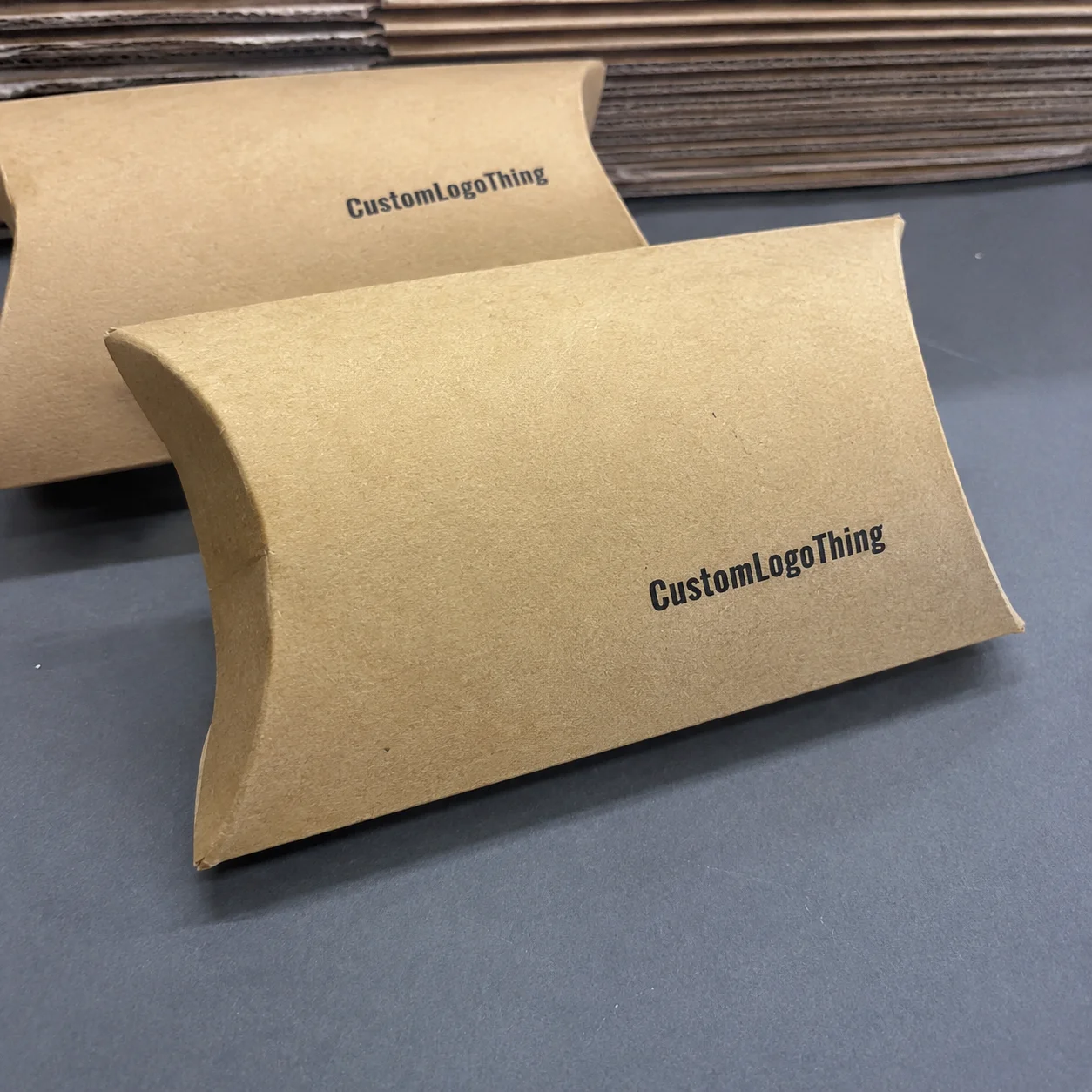
Buyer Fit Snapshot
| Best fit | wholesale kraft paper rolls for packaging buyers comparing material specs, print proof, MOQ, unit cost, freight, and repeat-order risk where brand print, material, artwork control, and repeat-order consistency matter. |
|---|---|
| Quote inputs | Share finished size, material target, print colors, finish, packing count, annual reorder estimate, and delivery region. |
| Proofing check | Approve dieline scale, logo placement, barcode or warning zones, color tolerance, and any recyclable or compostable wording before bulk production. |
| Main risk | Vague material claims, crowded artwork, or missing packing details can create delays even when the unit price looks attractive. |
Fast answer: Wholesale Kraft Paper Rolls: Specs, Pricing, and Uses should be specified like a repeatable production item. The safest quote includes material, print method, finish, artwork proof, carton packing, and reorder notes in one written spec.
What to confirm before approving the packaging proof
Check the product dimensions against the actual filled item, not only the sales mockup. Ask for tolerance on folds, seals, hang holes, label areas, and retail display edges. If the package carries a logo, QR code, warning copy, or legal claim, reserve that space before decorative graphics fill the panel.
How to compare quotes without losing quality
Compare board or film grade, print process, finish, sampling route, tooling charges, carton quantity, and freight assumptions side by side. A lower quote is only useful if the supplier can repeat the same color, closure quality, and packing count on the next order.
I remember the first time I walked a high-volume fulfillment floor in Dallas, Texas, and realized the loudest complaint had nothing to do with the carton line or the tape machine; it was the cost of hauling air, which in that building was running closer to 28% of the outbound packaging cube than anyone wanted to admit. One buyer was paying for oversized fillers that ate up half a pallet, and the crew still needed extra hands just to stage them. Honestly, that was the kind of scene that sticks with you. Wholesale Kraft Paper Rolls would have fixed that problem fast, because they pack tightly, dispense cleanly, and give a shipping room far better density per cubic foot than bulky pre-cut alternatives.
That observation has stayed with me for years, because the math keeps repeating itself, and packaging people are nothing if not creatures of repetition. Wholesale kraft paper rolls reduce waste handling, simplify storage, and give operations a material that can move from a retail wrap station to a warehouse void-fill area without changing the entire workflow. I’ve seen small contract packers in Ohio, regional e-commerce teams in Atlanta, and even furniture distributors outside Charlotte get better output from the same crew once they switched to the right roll width and basis weight, often with a move from 30 lb paper to 40 lb kraft that paid for itself in fewer torn sheets. And yes, the crew usually notices before procurement does.
If you are sourcing for a packing table, a fulfillment center, or a contract packaging line, wholesale kraft paper rolls are one of those simple inputs that can make an entire process feel more orderly. They are practical, recyclable, and easy to train around, especially when the roll is specified at 24 inches wide, 1,000 feet long, and wound on a 3-inch core that matches a standard bench dispenser. In my experience, good packaging buyers care less about fancy wording and more about whether the product arrives in spec, loads smoothly on the dispenser, and holds up during use without acting like it has a personal grudge against the operator.
Why Wholesale Kraft Paper Rolls Deliver Real Packaging Value
I have watched plants overpay for material that looked impressive on the PO but slowed the floor down by adding steps. One medical device packout line I visited in Nashville, Tennessee, was using pre-folded filler sheets that needed constant replenishment, and the team was walking twenty extra feet every hour just to keep stations stocked. That kind of nonsense adds up. Wholesale kraft paper rolls solve that issue because they keep supply in a continuous format, which lowers handling time and makes replenishment easier on busy shifts that may be running 8, 10, or 12 hours a day.
The value is not just about the paper itself. Buying wholesale kraft paper rolls gives shipping rooms and retail wrap stations a consistent source of paper that can be cut, torn, or fed through a dispenser with minimal training. For e-commerce fulfillment, that matters because the operator at lane three may be packing a candle one minute and a boxed accessory the next, and a roll format adapts faster than a stack of pre-cut formats. I’m biased, but I think that flexibility is one of the biggest reasons roll stock keeps winning on real floors, especially in facilities shipping 500 to 2,000 orders per day.
There is also a freight advantage that buyers notice quickly. Rolls can be stacked and palletized with better density than loose filler formats, which means you pay to move usable material instead of empty space. I’ve negotiated freight with carriers where a modest shift from an 18-inch outer diameter to a 14-inch roll diameter, paired with a denser 48" x 40" pallet pattern, changed the class enough to save several hundred dollars on a single shipment from Chicago to Phoenix. That is the kind of detail procurement teams appreciate, even if they pretend they enjoy strategic sourcing more than they actually do.
Wholesale kraft paper rolls are especially useful for:
- Void fill in cartons that need product stabilization during parcel shipping, especially for 18 lb to 40 lb cartons
- Protective wrap for glass, hardware, printed materials, and lightweight goods that need scratch reduction
- Interleaving between stacked parts, sheets, or finished goods in warehouse or plant staging
- Pallet layering where surface scuffing needs to be reduced during cross-dock handling
- Light-duty surface protection on tables, benches, and staging areas in assembly or QC rooms
Compared with newsprint, kraft often gives better tear balance and a cleaner, more uniform look, especially at 35gsm to 90gsm depending on the job. Compared with tissue, it usually offers more body and less collapse under load. Compared with plastic-based fillers, wholesale kraft paper rolls are easier to position for companies that have recycling goals or customer-facing sustainability policies. That is one reason I see more buyers asking for recycled materials guidance from the EPA before they standardize packaging inputs, particularly when they are trying to document diversion rates on annual ESG reports.
I think many teams underestimate how much time is lost when filler is awkward to access. A simple kraft roll at the right station can reduce trips, reduce clutter, and keep a packing table moving. That is not marketing language; that is what happens when a crew can grab paper, dispense the right length, and keep working without changing tools every few minutes. I’ve seen a decent line in Indianapolis get noticeably calmer just because the paper stopped misbehaving and the operator could pull a clean 36-inch sheet in one motion.
What are wholesale kraft paper rolls used for?
Wholesale kraft paper rolls are used for void fill, protective wrapping, interleaving, pallet layering, and light-duty surface protection across shipping, retail, and manufacturing environments. They are a practical fit anywhere teams need paper that dispenses quickly, stores efficiently, and supports recyclable packaging goals without adding complexity to the packing table.
Product Details: What Wholesale Kraft Paper Rolls Include
At a basic level, wholesale kraft paper rolls are continuous rolls of kraft paper supplied in a format that supports manual dispensing, bench-top use, or equipment-fed conversion. The spec usually includes roll width, roll length, core size, paper grade, basis weight, and whether the roll is single-ply or multi-ply. Those details determine whether the product fits your line or becomes another item sitting in receiving, staring at everyone like it belongs there. For example, a 12-inch x 1,000-foot roll on a 3-inch core behaves very differently from a 24-inch x 1,500-foot roll on a 2-inch core.
The paper grade matters more than many buyers expect. Virgin kraft tends to have a cleaner appearance and strong fiber consistency, which can be useful for retail wrap or customer-facing applications. Recycled kraft, including material made with post-consumer waste, often makes sense for internal packing, void fill, and operations that value recycled materials content. Natural brown kraft is the most common, but bleached kraft is sometimes chosen where a lighter visual presentation is important. Wholesale kraft paper rolls can be produced in each of these grades depending on the intended use, from 30 lb basis weight shipping paper to heavier 50 lb grades for wrap and interleaving.
Caliper, basis weight, and tensile strength are the numbers I pay closest attention to on a spec sheet. Caliper affects how thick the sheet feels and how much cushion it creates, basis weight tells you how much fiber is in the sheet per square meter or per ream basis, and tensile strength helps predict whether the paper will rip too easily when an operator pulls a full arm’s length. On a wrapping table in a corrugated cardboard plant in Louisville, Kentucky, I once saw operators prefer a slightly higher basis weight because it reduced edge tearing during fast hand wrapping, even though the lower-weight paper was cheaper on paper. Cheap on paper, expensive on the floor—that’s the lesson, if you sit with it long enough.
Wholesale kraft paper rolls may also be supplied with different winding characteristics. A tight, even wind improves roll stability and dispenser performance, while poor winding can lead to telescoping, edge crush, or snagging on core holders. I’ve stood on warehouse floors where a cheap roll looked fine from five feet away but created friction at every pull, especially when wound too loosely and stored in a 68% humidity dock area. That is why roll consistency matters as much as fiber content, and probably more than the catalog photo suggests.
Compatibility is another practical issue. Some operations use simple hand-tear stations mounted beside packing tables. Others use paper wrap systems, void-fill dispensers, or automated dunnage equipment in larger distribution centers. If your environment relies on machines, wholesale kraft paper rolls need to match the dispenser’s core diameter, roll width, and unwind direction, or the line will spend more time fighting the material than using it. I have seen operators develop a very expressive relationship with bad unwind direction, and none of it was flattering, especially on a first shift in a 220,000-square-foot facility.
Buyers sometimes need finishing options too. Slit widths can be customized to match shelf space or packing station layout. Perforation can help operators tear consistent lengths with less waste, such as 12-inch or 18-inch sections for repeat-packout work. Custom roll length matters if the team wants fewer roll changes during a shift, and a 2,500-foot master roll may be the right answer for a high-volume line running 600 cartons per shift. Branded outer packaging can help when the rolls are distributed to multiple facilities under one procurement program. For operations that buy through a broader packaging catalog, it is often efficient to review Wholesale Programs alongside the paper spec so the ordering process stays simple.
“The roll that looks cheapest on paper is not always the cheapest on the floor. I learned that standing next to a packing line in Columbus, Ohio, where the crew was wasting ten minutes every hour on bad unwind behavior, and the fix was a move from 24 lb paper to 32 lb kraft with a tighter rewind.”
That quote could apply to more than one facility I’ve worked with, and probably more than one Monday morning too. When buying wholesale kraft paper rolls, the real product is not just the sheet itself; it is the performance of the sheet in your exact workflow, whether that workflow is a 40-unit boutique packout or a 3,000-order distribution shift.
Specifications Buyers Should Verify Before Ordering
Before placing an order for wholesale kraft paper rolls, confirm the technical specs in writing. I mean actual numbers, not “standard size” or “fits most dispensers.” The core list should include GSM or basis weight, roll width, roll diameter, core diameter, and rolls per case or per pallet. If a supplier cannot provide those cleanly, you are taking on avoidable risk, and frankly I have no patience for avoidable risk dressed up as convenience. A clear spec sheet might show 40gsm, 24 inches wide, 1,000 feet long, and packed 6 rolls per pallet, and that level of detail is what good buyers should expect.
Width selection deserves extra attention because it affects throughput, waste, and ergonomics. A 12-inch roll may be ideal for narrow void fill at a compact packing bench, while a 24-inch roll can be better for wrapping larger products or covering wide pallets. I’ve seen fulfillment centers lose efficiency by selecting a roll that was technically acceptable but awkward for their station layout, especially in facilities where the table depth was only 30 inches. Wholesale kraft paper rolls should fit the packer’s motion, not fight it. If an operator has to twist, reach, and mutter twice before every pull, the spec is wrong.
Surface characteristics also matter. Smoothness influences how easily the paper slides during wrapping. Porosity affects how well it breathes in humid environments and how it handles print or markings. Stiffness and fold retention can change how the sheet behaves when bent around corners or tucked into carton voids. In a corrugated cardboard operation in Grand Rapids, Michigan, even a small change in stiffness can alter the operator’s hand feel and speed, and a move from 28 lb to 35 lb basis weight may be enough to change how the roll performs at the station.
If the rolls will be stored in a humid warehouse, ask about moisture behavior and recycled content percentage. Paper made with higher recycled content can still perform well, but the environment and intended use need to be matched carefully. In some cases, buyers want FSC certified sourcing for internal policy reasons or customer requirements, and that should be verified before production. If sustainability certification matters to your organization, review the sourcing standards from FSC and ask your supplier how the material is documented, including whether the mill in Wisconsin or the converting facility in North Carolina can provide batch-level paperwork.
Printability is another point people forget. If the roll will be used for branding, product separation, or interleaving that carries a printed logo or handling instruction, the sheet surface and ink acceptance need to be checked before full production. Wholesale kraft paper rolls can be printed in some formats, but the press behavior depends on fiber, finish, and ink system. That is not a guess-and-hope category. A water-based flexographic ink can behave very differently on a 60gsm natural kraft than on a 90gsm bleached sheet.
Here is the short list I recommend buyers request before approving the first run:
- Basis weight or GSM, such as 30 lb, 35 lb, or 40 lb kraft
- Roll width and roll length, for example 18 inches x 1,000 feet
- Core diameter, commonly 2 inches or 3 inches
- Roll outside diameter, which affects pallet density and dispenser fit
- Single-ply or multi-ply construction, depending on cushion and tear needs
- Recycled content and certification status, including FSC or post-consumer waste claims
- Packaging and pallet count, such as 8 rolls per case or 48 rolls per pallet
- Lead time from approval to shipment, ideally stated in business days
I always recommend requesting a sample roll or a cut section before approving the full order. A spec sheet tells you the numbers, but a sample tells you how the paper behaves when a person actually pulls it from a dispenser, wraps a product, or folds it into a carton corner. That hands-on check matters more than people admit, especially when the line crew is the one who has to live with the decision. In one Ohio warehouse, a sample saved a buyer from ordering 10,000 pounds of paper that was 15gsm too light for the job.
Pricing, MOQ, and What Drives Your Cost Per Roll
Pricing for wholesale kraft paper rolls is driven by the same fundamentals that shape most converting jobs: paper grade, basis weight, roll dimensions, custom slitting, recycled versus virgin fiber, and freight class. If you change any one of those variables, the unit cost will move. I’ve sat through supplier negotiations where a five-millimeter change in roll width altered trim yield enough to shift the quote more than expected. One tiny spec change, and suddenly everybody is staring at a calculator like it betrayed them. On a 50,000-foot run, even a 2% trim difference can change the landed price in a way that matters.
For volume buyers, wholesale pricing improves because the production line can run longer without stopping for changeovers, and the material handler can palletize more efficiently. A stock kraft roll shipped on standard 48" x 40" pallets often carries a better unit cost than a fully custom build. Repeat production runs can also bring stability because the supplier already has the setup, the spec history, and the winding settings documented. That reduces rework and lowers the chance of receiving inconsistent rolls. In practical terms, a common order size like 5,000 rolls can push the unit price down into a very different bracket than a 500-roll trial.
Minimum order quantity is practical, not arbitrary. Stock wholesale kraft paper rolls may be available at a lower MOQ because the base material and tooling are already in place. Custom slit widths, special core sizes, and unusual roll lengths usually require a higher MOQ or a longer production slot. That is normal. Buyers do themselves a favor by understanding this early instead of trying to force a one-carton purchase into a wholesale manufacturing model. I’ve seen that movie, and it always ends with someone saying, “Can’t you just make one?” On a custom run, the honest answer may be 1,000 rolls minimum or a setup fee that makes a tiny order irrational.
There are hidden costs worth watching. A different core size may require new winding setup. Special winding direction can increase labor. Extra packaging, such as corner protection or labeled cartons for multiple distribution points, can add material and handling cost. Split shipments to several warehouses often look easy on the PO but become costly once freight gets divided. Wholesale kraft paper rolls should be priced as a landed solution, not as a bare unit price on a spreadsheet. A quote at $0.15 per unit for 5,000 pieces sounds attractive until you add a $420 freight line and a $95 packaging surcharge.
On one retail program I helped review, the buyer was comparing two options that looked nearly identical on paper. One had a lower roll cost, but it shipped in a way that required more warehouse space and had a higher freight class. The other was slightly more expensive per roll, yet the pallet density and lower labor time made the total cost better. That is the kind of calculation people miss when they shop by line item alone. Honestly, I think a lot of bad buys happen because somebody fell in love with the wrong number, and in packaging that number is often the cheapest unit price.
A simple buying framework helps:
- Unit price per roll or per thousand square feet, such as $0.15 per unit for 5,000 pieces when applicable to a small-format spec
- Freight cost to your dock, not just to the hub
- Storage efficiency in cubic feet per pallet
- Labor savings from faster dispensing or fewer roll changes
- Loss rate from tearing, snagging, or waste trimming
If recycled content, recyclability, or biodegradable packaging claims are part of your sourcing conversation, keep the facts straight. Kraft paper itself is paper, not magic. It can be easier to recover through paper recycling streams than plastic-based fillers, but final handling depends on contamination, coatings, and local collection rules in places like Texas, California, and New Jersey. That is why I prefer honest language backed by documentation over broad promises that sound pretty and fall apart under scrutiny.
Production Process, Lead Times, and Delivery Expectations
Most wholesale kraft paper rolls follow a straightforward production flow: raw paper sourcing, slitting, rewinding, inspection, packing, palletizing, and shipment booking. On the floor, the order matters. If slitting is off by even a small amount, the rewinding station will expose it later as edge wander or uneven tension. I’ve seen a clean-looking roll batch pass visual inspection but still fail a warehouse trial because the unwind tension changed halfway through the roll. That sort of thing makes everyone suspicious of machines for the rest of the day, especially on a night shift in a plant running 900 rolls per week.
Lead time depends on whether you are buying a stock item or a custom specification. Stock wholesale kraft paper rolls can often move faster because the paper grade and dimensions are already established, while custom width, special core size, or unique winding patterns require scheduling and possibly material procurement before production begins. I do not like guessing on lead times, and neither should you. The honest answer is that dependable timing depends on paper availability, finishing complexity, and the supplier’s current production queue. For many well-run converting shops, a typical delivery window is 12 to 15 business days from proof approval on a custom order.
For planning purposes, many buyers work with a timeline that looks like this:
- Quote and spec review: 1 to 2 business days
- Sample approval: 3 to 7 business days if samples are needed
- Production for stock formats: often 7 to 12 business days after approval
- Production for custom formats: often 12 to 20 business days after approval, with 12 to 15 business days typical from proof approval when paper is in stock
- Freight transit: varies by destination and carrier scheduling, often 1 to 5 business days in the Midwest and 4 to 7 days to the West Coast
Those ranges are not promises. They are practical windows based on the kinds of converting schedules I’ve worked around. A clean spec sheet, fast approval, and a supplier with material on hand can shorten the cycle. A last-minute change to width or packaging can extend it quickly, which is never surprising to the person making the change and always surprising to everyone else. I have watched a 1,500-roll order in Savannah slip by a week because the buyer changed the pallet label format after proof approval.
Communication at the delivery stage matters more than many buyers expect. If your dock requires a limited receiving window, a liftgate truck, or an appointment, say so early. If the warehouse has narrow aisles or no forklift, say that too. I’ve seen shipments of wholesale kraft paper rolls delayed because the carrier arrived with the wrong equipment and the receiver had not listed the dock constraints. That is avoidable, and it costs time on both sides, including the additional $85 to $125 often charged for an unscheduled liftgate stop in some metro routes.
Order confirmation should also include pallet count, pallet height, gross weight, carton labeling, and any special handling instructions. When the first truck arrives, a receiving team should know exactly how many rolls to expect and how they are packaged. A well-run packaging supplier will ask for that information before the freight is booked, because the right data prevents the ugly surprises that nobody wants at 7:00 a.m. on a Tuesday. In some Midwest facilities, that means confirming whether the pallet can clear a 78-inch dock door before shipment leaves the converting plant.
One of the best factory-floor lessons I learned came from a converting plant in Edison, New Jersey. Their scheduler had posted the order sequence on a whiteboard, but the new buyer had not clarified a custom core diameter change. The job was technically fine, but the press crew lost half a shift adjusting the unwind station. Ever since then, I tell clients that wholesale kraft paper rolls should be ordered with as much attention to equipment fit as to paper grade. A 2-inch core versus a 3-inch core sounds small until the roll lands on the floor.
Why Choose Custom Logo Things for Wholesale Kraft Paper Rolls
Custom Logo Things is the kind of supplier I respect because the conversation starts with the process, not just the product name. That matters. A lot of vendors can quote kraft paper. Far fewer understand how wholesale kraft paper rolls behave in a warehouse with a hand-tear station, a pack-out bench, and a crew that has to keep pace across multiple shifts. A supplier that knows how a 24-inch roll performs in a Phoenix fulfillment center at 105 degrees in July is a supplier I want in the conversation.
When I evaluate a packaging supplier, I look for hands-on converting knowledge, not brochure language. A team that understands slitting, winding consistency, QC checks, and pallet build quality is more likely to deliver rolls that work on arrival. That is especially important for wholesale kraft paper rolls, because one poor batch can create complaints across several packing stations at once. Nobody wants the afternoon shift starting with a paper drama, especially when the issue traces back to a winding defect that should have been caught in inspection.
What I like about a supplier-oriented conversation is the willingness to help match the roll format to the application. A customer wrapping framed prints does not need the same paper as a contract packager filling voids in corrugated cardboard shipper boxes. A retail back room in Chicago does not need the same pallet pattern as an automated distribution center in Atlanta. Good sourcing means asking those questions, not assuming every buyer wants the same answer.
Custom Logo Things also makes sense for operations that buy multiple packaging items, because it can simplify procurement when custom branded packaging and paper supply are managed together. That does not mean every order should be bundled for the sake of it. It means the supplier understands how to support broader packaging programs without forcing you to deal with five different vendors for one operational need. For buyers juggling cartons, tape, and paper on the same timeline, that can cut administrative time by several hours per month.
In my experience, repeat customers keep coming back for three reasons: consistency across lots, fair communication when timelines change, and products that match the spec sheet. That is the standard I would want if I were buying wholesale kraft paper rolls for a facility that cannot afford receiving surprises. A good run from a plant in North Carolina should feel the same as the last one from that same plant, not like a new experiment every quarter.
And here is my honest take: the best packaging partner is the one that tells you when a spec is not ideal for your use. If the paper is too light, too narrow, or too soft for the job, that should be said up front. Trust in this business comes from avoiding wasted freight, rework, and line stoppages, not from promising everything fits every application. I would rather hear “use 40 lb kraft” than hear “this should be fine” and spend the next month fixing it.
How to Place the Right Order and Move Forward Confidently
If you are ready to source wholesale kraft paper rolls, start with the basics and gather the specs before requesting pricing. I always suggest confirming roll width, roll length, basis weight, core size, and the exact use case. A roll designed for void fill may not be the best choice for wrapping or pallet layering, even if the price looks attractive on the first quote. That “good enough” approach has burned enough buyers already. A 36-inch roll with 40 lb basis weight might be the right answer for one operation, while a 12-inch, lighter roll could be better for another.
Next, send photos of the current station if you have them. A photo of the dispenser, the bench, or the storage rack can tell a supplier a lot about compatibility. I’ve made better recommendations from three clear photos than from a ten-line email that says, “We need something standard.” Standard is a moving target in packaging, and I have yet to meet the person who defines it the same way twice. A picture showing a 3-inch core holder or a 48-inch pack table can save a round of back-and-forth before quotation.
It also helps to request three items together: a sample, a formal spec sheet, and a freight estimate. That gives you a realistic picture of total landed cost, not just product cost. If you only compare unit price, you may miss pallet efficiency, storage footprint, or the labor time saved by a better roll format. Wholesale kraft paper rolls should be judged by the full operating picture, not just a single line item that looks nice in a spreadsheet.
For first order approval, prepare the receiving side too. Set a designated contact, reserve storage space, and define your target in-stock date. If the rolls are moving to multiple facilities, confirm the ship-to list and the pallet labels before the order is released. A little front-end discipline keeps the first inbound from turning into a troubleshooting session, and honestly, nobody needs that kind of excitement before coffee. If the first delivery is due on a Thursday in Atlanta, make sure someone with a forklift is scheduled for Thursday, not “sometime that week.”
Here is the order flow I recommend:
- Identify the use case such as void fill, wrap, or interleaving
- Confirm the spec including width, length, basis weight, and core size
- Request a sample for dispenser and handling validation
- Review freight and packaging so you know the landed cost
- Approve production once the sample and spec sheet are aligned
- Set receiving details for dock access, storage, and appointment needs
If your company cares about recyclability or FSC certified sourcing, bring that up before the quote is finalized so the supplier can confirm documentation. If the material is being used alongside recycled materials or post-consumer waste streams, that should be documented cleanly. The best time to sort those details is before production, not after the truck is already on the road, because nobody enjoys discovering paperwork problems at the exact moment a trailer backs into the dock. In a 2024 sourcing review I saw in New Jersey, a missing certificate delayed acceptance by 48 hours, and that was an avoidable headache.
My final advice is simple: ask for a quote with your preferred dimensions, monthly usage estimate, and any special handling needs, then compare the total landed cost against your current packaging method. That is how you make a solid decision on wholesale kraft paper rolls without second-guessing the purchase later. If your current method is costing $1,200 per month in labor and waste, even a modest paper savings can matter less than a 10% drop in handling time.
When the specs are right, wholesale kraft paper rolls become one of the easiest wins in a packaging operation. They are straightforward, recyclable, and adaptable to a wide range of packing tasks, and in a good plant that kind of reliability is worth real money. A stable supplier in North Carolina, a clean converting line in Texas, and a clear receiving plan can make the difference between a paper purchase and a packaging improvement.
For teams that want a simple next step, review your current packaging station, note the roll width you are using now, and compare it against your monthly consumption. Then ask for a quote from Custom Logo Things with the exact numbers. If the product matches the process, the savings usually show up in labor, freight density, and fewer packing headaches, sometimes as early as the first 30-day reorder cycle.
Wholesale Kraft Paper Rolls: decision table
| Decision area | Best fit | What to verify | Risk if skipped |
|---|---|---|---|
| Claim type | Recycled, FSC, compostable, recyclable, or plastic-reduced packaging | Certificate, material percentage, and claim wording | Unclear claims create greenwashing risk |
| Performance tradeoff | Protection, print quality, and shelf feel | Strength, moisture behavior, ink choice, and finish limits | Eco material is chosen but does not protect the product |
| End-of-life path | Customer disposal, retail requirements, or municipal recycling | Label wording, inserts, and documentation | The buyer cannot understand how to dispose of it |
Frequently Asked Questions
What are wholesale kraft paper rolls typically used for in packaging?
They are commonly used for void fill, wrapping products, interleaving, surface protection, and pallet layering in shipping and fulfillment operations. They also work well in retail, light manufacturing, and contract packaging environments where simple, recyclable paper protection is preferred, especially in facilities moving 200 to 2,000 packages per day.
How do I choose the right width for wholesale kraft paper rolls?
Choose the width based on your station setup, item size, and whether the roll will be used for wrapping, filling, or layering. A wider roll can improve coverage, while a narrower roll may reduce waste and work better on compact dispensers, such as a 12-inch roll for a 30-inch bench or a 24-inch roll for pallet work.
What affects the price of wholesale kraft paper rolls the most?
The biggest cost drivers are paper grade, basis weight, roll dimensions, custom slitting, recycled content, and freight requirements. Pricing usually improves with larger quantities and stock specifications because production and material handling are more efficient, and a quote for 5,000 pieces can look very different from a 500-piece trial.
Can wholesale kraft paper rolls be custom sized?
Yes, most suppliers can custom slit roll width, adjust roll length, and specify core size to fit your dispenser or workflow. Custom sizing usually requires a higher MOQ or longer lead time than stock roll sizes, and a custom order may run 12 to 15 business days from proof approval when material is available.
How long does it take to receive wholesale kraft paper rolls?
Lead time depends on whether the rolls are stock items or custom converted, plus material availability and shipping distance. A clear spec sheet, prompt approval, and accurate receiving details help keep the order on schedule, and many buyers should plan around 12 to 20 business days for custom production plus transit.