Buyer Fit Snapshot
| Best fit | Wholesale Mailer Boxes with CMYK Print for Shipping Brands projects where brand print, material claims, artwork control, MOQ, and repeat-order consistency need to be specified before quoting. |
|---|---|
| Quote inputs | Share finished size, material target, print colors, finish, packing count, annual reorder estimate, ship-to region, and any compliance wording. |
| Proofing check | Approve dieline scale, logo placement, barcode or warning zones, color tolerance, closure strength, and carton packing before bulk production. |
| Main risk | Vague material claims, crowded artwork, missing packing details, or unclear freight terms can make a low unit price expensive after revisions. |
Fast answer: Wholesale Mailer Boxes with CMYK Print for Shipping Brands should be specified like a repeatable production item. The safest quote records material, print method, finish, artwork proof, packing count, and reorder notes in one written spec.
Production checks before approval
Compare the actual filled-product size with the drawing, then confirm tolerance on folds, seals, hang holes, label areas, and retail display edges. Reserve space for logos, QR codes, warning copy, and material claims before decorative graphics fill the panel.
Quote comparison points
Review material grade, print process, finish, sampling route, tooling charges, carton quantity, and freight assumptions side by side. A quote is only useful when the supplier can repeat the same color, closure quality, and packing count on the next order.
Wholesale mailer boxes with CMYK print give a shipping brand a practical way to protect products and present them with real visual polish at the same time. The customer sees the outer box first, so the corrugated mailer is already doing brand work before the product tray, tissue, or insert ever comes into view. That first impression is not decoration. It is a signal, sometimes a loud one, about whether the brand feels considered or improvised.
That matters more than many buyers expect. A plain shipper can still carry full-color graphics, product cues, campaign messaging, and seasonal artwork when the print plan is set up correctly. Mailer box packaging has become central to direct-to-consumer and subscription fulfillment for that reason. The box is doing the job of a transit container and a tiny billboard. If you are comparing formats, our Custom Packaging Products page and Wholesale Programs page are useful starting points, and for lighter-weight shipping needs, Custom Poly Mailers can be a sensible alternative.
A mailer box is judged twice: once on the doorstep, and again when the carrier network has done its work. Good structure, accurate sizing, and clean CMYK print need to hold up through both.
This guide covers the construction choices, color and durability specs, wholesale pricing logic, production timing, and the approval steps that keep orders moving. The real goal for a packaging buyer is not a pretty sample sitting under studio lights. It is a repeatable shipping format that stacks well, prints cleanly, and lands at a unit cost that still supports the margin on the product inside.
Why Wholesale Mailer Boxes with CMYK Print Stand Out in Shipping
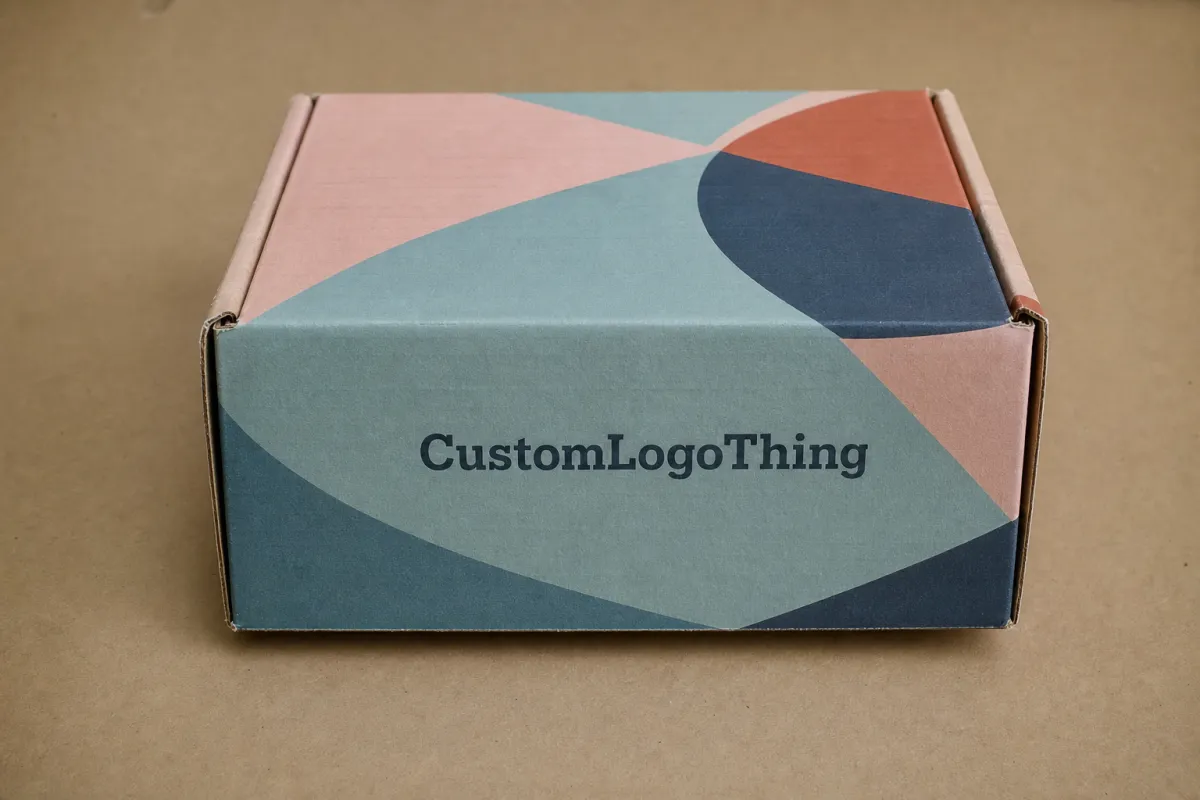
The reason these boxes get attention is straightforward: the customer receives the package before they experience the product, and that outer surface sets the tone. Wholesale mailer boxes with CMYK print can turn an ordinary shipper into a controlled brand moment without forcing the buyer into a fragile premium retail carton that is not built for transit. The comparison is revealing. One format is built to impress on a shelf, the other to survive trucks, conveyor belts, and a front porch. A mailer can do both jobs better than most people think.
CMYK gives a wide visual range. It handles full-color logos, gradient backgrounds, lifestyle imagery, product icons, QR codes, and campaign-specific artwork without requiring a separate spot color for every accent. That flexibility is useful for brands that launch often, run limited editions, or want consistent packaging across several SKUs while keeping design changes manageable. A fragrance brand can use a moody photographic panel for winter, then shift to a bright illustrated version in spring without rebuilding the entire packaging system.
From a packaging operations point of view, appearance is only half the story. A mailer still has to pass the shipping test: it should close cleanly, resist edge crush, stay square on the pack line, and arrive without scuffing or blown corners. The printed exterior adds sales value, but the box has to perform like a shipping container first. That balance is where a well-built corrugated mailer earns its keep. Ignore the structure and the graphics start to feel cosmetic rather than strategic.
Wholesale ordering makes the most sense for subscription boxes, replenishment programs, influencer kits, promotional launches, and direct-to-consumer Brands That Ship week after week. Once artwork, dimensions, and structure are settled, repeat production becomes easier to manage, and the buyer can keep the brand look consistent across campaigns. Consistency often matters more than a dramatic design change, especially when the packaging is seen in a warehouse, on a porch, or in a social media unboxing. The box becomes part of the memory of the purchase, and in some categories that memory is nearly as valuable as the product itself.
There is also a commercial benefit. A printed mailer can reduce the need for extra inserts, stickers, or outer labels trying to do branding work later in the process. The box itself becomes the first visible touchpoint, which is why many buyers prefer to spend the budget on structure and print quality instead of adding layers of separate decoration. That shift can simplify packing, trim labor, and keep the presentation cleaner. A box with good print and disciplined layout often outperforms a box crowded with add-ons that were supposed to rescue a weak base design.
Mailer Box Construction, Materials, and Print Surface Options
Most mailer boxes use a tuck-and-lock style structure with interlocking flaps, though self-sealing and fold-and-lock designs are also common depending on the pack line and the opening experience the brand wants. The useful thing about this format is that it ships flat, assembles quickly, and can be sized to the product rather than forcing the product to fit a generic stock carton. That flexibility is one reason mailers remain so popular in fulfillment programs that care about both speed and presentation.
For shipping strength, corrugated board is the usual starting point. Buyers often look at E-flute for cleaner print and a more refined panel profile, or B-flute when they want more crush resistance and a thicker wall. The right choice depends on product weight, internal void fill, and how rough the parcel journey tends to be. A lightweight beauty kit does not need the same board spec as a dense accessory set or bundled retail pack. A box that holds two folded garments is playing a different game from one that carries glass jars.
Print surface matters just as much as board grade. Some programs use a white top liner for brighter color reproduction, while others use kraft for a natural, understated look that still feels strong and practical. Coated liners and paperboard overlays can improve image sharpness, especially when the design includes gradients or photographic elements. If the artwork depends on a specific finish, the surface must be selected before the file is finalized, because changing the board later can alter how color reads on the panel. A saturated blue on white liner can become a muted navy on kraft, and that shift is not a small detail when the brand palette has been locked for years.
CMYK print is usually applied to the outside panels, but it can also run inside the lid or across the full interior if the box is meant to create a stronger unboxing moment. That interior space is easy to overlook during design, yet it often carries small details that matter: care instructions, campaign messaging, referral codes, or a second logo lockup. The key is to align the artwork to the dieline so nothing important falls into a fold, seam, or glue area. A good interior panel can feel like a second reveal. A bad one becomes a place where text disappears into the crease.
Finish is part of print performance, not just decoration. Matte coatings tend to soften the visual tone and reduce glare, gloss can deepen contrast, aqueous coating adds a practical layer of protection, and spot varnish can highlight logos or pattern elements. Soft-touch lamination has a premium feel, but it should be chosen carefully because some shipping environments and tight nesting conditions can mark the surface more easily. The finish has to suit the handling conditions the box will actually face. A beautiful coating that scuffs on the first pallet move is not a premium feature; it is a liability.
For buyers deciding between print methods, the structure often determines the best path:
- Digital printing works well for shorter runs, frequent artwork changes, and highly detailed full-color graphics.
- Flexographic printing is often favored on larger runs with simpler artwork and fewer color transitions.
- Offset printing or litho-lamination can produce a very crisp premium look when the box needs stronger image fidelity.
- Spot color is useful for brand-critical solids, but it does not replace CMYK when the artwork includes photos or gradients.
For packaging buyers who want to understand the performance side of the material choice, the International Safe Transit Association publishes widely used testing resources at ISTA, and forest certification details can be reviewed through the FSC site when recycled or certified fiber matters to the brand story. Those references help when packaging decisions need to stand up to procurement review, not just a design deck.
Specifications That Affect Color, Fit, and Durability
Good quoting starts with good information. The supplier needs the interior dimensions, product weight, shipping method, and any insert or partition requirement before recommending a structure. A box for a 6-ounce skincare set is not built the same way as a box holding metal hardware, and a tray with a snug insert behaves very differently from loose fill inside a larger cavity. Even small dimensional changes can alter the way the box closes and the way the print lands near the edges.
Color is where many first-time buyers get surprised. CMYK is excellent for full-color artwork, but it is still a process-color system, which means exact brand matching depends on the artwork, ink density, substrate, and finishing method. If the brand demands strict tone control, proofing matters. Some colors fall neatly into CMYK; others drift a little warmer, cooler, or duller once they hit corrugated stock. That is normal, and a good supplier should say so early rather than after approval. A buyer comparing screen color to a physical box is not comparing like with like.
Artwork preparation should include bleed, safe area, and a clear understanding of how the dieline folds. Fine text near a crease can disappear faster than a buyer expects, and a barcode placed too close to a flap can become difficult to scan after handling. High-contrast graphics are easier to keep clean on corrugated, while tiny details and very thin linework need a more careful prepress review. The practical rule is simple: if a detail matters to operations, move it farther from the fold than your eye thinks necessary.
Durability depends on both board selection and box geometry. Heavier items may need a tighter insert, a stronger wall profile, or a more rigid top panel so the contents do not shift in transit. Dark printed panels can show scuffing more readily than light ones, especially when boxes are stacked tightly on pallets or loaded into delivery systems that create friction across the outer surface. That is one reason finish selection should be tied to shipping behavior, not only to visual preference. A box that spends its life in premium retail conditions can tolerate a different surface treatment than one moving through national parcel networks.
For brands that need retail readiness or compliance marks, the print plan should account for barcodes, SKUs, recycling marks, and any regulated copy. Those details need to stay readable after print finishing and handling. If a box is part of a fulfillment system, the print zones should also leave room for labels so operations teams are not forced to cover important artwork with shipping stickers. Once a label starts hiding design work, the package feels less like a branded asset and more like a last-minute compromise.
The most practical way to review specifications is to ask four questions up front:
- What is the exact product size and weight?
- How will the box ship and be stored?
- Does the design need interior printing or inserts?
- How strict is the brand on color accuracy and finish?
Those answers make the quote more accurate and reduce revision cycles later. They also help the packaging partner decide whether a digital run, a flexographic run, or an offset-laminated build gives the best result for the budget. The best specifications do more than describe the box. They prevent the wrong box from being ordered in the first place.
Cost, Pricing, and MOQ for Wholesale Orders
Pricing for wholesale mailer boxes with CMYK print is shaped by more than box size. Board grade, structure, coverage, coating, insert complexity, and quantity all move the number. A large box with full-coverage print and a custom insert can cost far more than a compact mailer with a clean two-panel design, even if both are technically printed in CMYK. The difference can be dramatic. One packaging program looks inexpensive in isolation and expensive in production; another looks pricier on paper and ends up cheaper once labor and freight are counted.
MOQ usually follows the production method and setup effort. A simple digital mailer run may accept a lower starting quantity, while a custom size with full-coverage graphics, specialty coating, or internal printing often pushes the minimum higher. Buyers should think about MOQ alongside reorder rhythm, because a lower minimum is not always cheaper if the unit price stays high and the brand plans to replenish frequently. A 1,000-unit trial can make sense for a launch, but a brand shipping every week may recover the setup cost faster with a larger first order.
As a working reference, here is a practical wholesale range for a medium-size custom mailer, assuming standard corrugated construction and typical CMYK branding. Exact pricing varies by size, print coverage, and finish, so these figures should be treated as planning numbers rather than a fixed catalog rate.
| Quantity | Typical Use | Estimated Unit Price | Buying Note |
|---|---|---|---|
| 1,000 | Launches, test drops, small subscription runs | $1.10-$2.20 | Higher setup burden per box, but useful for market testing |
| 2,500 | Early wholesale replenishment, medium campaigns | $0.85-$1.55 | Often the point where the quote starts to feel more efficient |
| 5,000 | Active DTC fulfillment, recurring seasonal runs | $0.65-$1.10 | Common sweet spot for brands with predictable demand |
| 10,000+ | High-volume shipping, regional distribution, national campaigns | $0.48-$0.90 | Best unit economics, but storage and cash flow need planning |
Three things usually push the cost upward fast: heavy ink coverage, special coatings, and internal printing. A full-bleed black box with a soft-touch finish costs more than a simple kraft mailer with one-color branding, because the print coverage is higher and the finishing sequence takes more care. Inserts, window cutouts, and multi-panel graphics add more labor and more quality control time. A box with a clever layout that keeps coverage efficient can save real money over a year of reorders.
For that reason, it helps to request tiered quotes. Ask for 1,000, 2,500, 5,000, and 10,000 unit options if your volume may grow. That makes the price break visible, and it gives procurement a cleaner view of how much the unit cost improves as the run gets longer. It also helps the brand decide whether the next purchase should be a restock order or a larger planned buy that lowers long-term packaging spend. In many categories, the break between 2,500 and 5,000 units tells a clearer story than any single quoted price.
Do not forget landed cost. Freight, palletization, storage, and receiving labor can move the real number more than a small print change. A box that appears cheap at the unit level can become expensive once it is trucked in, stored for six months, and handled several times before use. For shipping teams, the landed cost is the number that matters. Unit price is useful. Landed cost is the truth.
Production Process and Timeline From Proof to Delivery
A clean process saves time. The usual sequence is straightforward: collect dimensions and artwork, confirm or build the dieline, create a proof, approve the layout and color intent, then move into print, die-cutting, finishing, packing, and shipment. Each step is normal, but delays usually begin when one of the early files is incomplete. Missing dimensions ripple through the entire schedule, and a weak first brief can add days even before production starts.
Artwork quality is a common bottleneck. Low-resolution images, missing fonts, no bleed, or a layout that ignores the fold lines can all slow the schedule. The same is true when the brand wants exact color review and the first proof is not clearly marked with reference tones. If the supplier has to guess what the buyer meant, the project takes longer. Clear instructions make the process easier for everyone. A careful packaging buyer protects the calendar by treating the proof as a production tool, not a casual preview.
Timeline depends on structure and print method. Simple digital production can move quickly after approval, often in the range of 7 to 10 business days for smaller runs, while larger or more complex projects may run 12 to 20 business days or more once tooling, coatings, inserts, or special finishing are involved. Freight adds its own timetable, and overseas production should always be planned with cushion for sampling and transit. A 10-day press schedule means very little if the boxes still need two weeks on the water.
Prepress review should not be treated as a formality. A careful supplier checks panel alignment, barcode placement, ink coverage, dieline fit, and how the art sits relative to the glue tab and closure flaps. Those are the details that decide whether the final box feels polished or awkward. A strong proof stage is cheaper than a warehouse full of misaligned cartons. One bad fold line can turn a clean design into something that looks off by a few millimeters, which is enough to matter.
If the box is going to support a campaign launch, build the calendar backward from the delivery date. That gives room for proof rounds, color tweaks, and any sample approvals. Buyers often save time simply by sending complete files at the start and confirming decision-makers before proof review begins. A short delay on the front end is usually better than a rushed approval that creates a bigger delay later.
- Send dimensions, quantity, and artwork files together.
- Confirm the print coverage, finish, and insert need.
- Review the proof at full scale, not only on a phone screen.
- Approve before the artwork changes become expensive.
That kind of discipline is especially useful for wholesale mailer boxes with CMYK print, because the box is both a shipping component and a brand surface. The more complete the approval package, the faster production can move without avoidable rework. The process gets predictable, and predictable packaging is what keeps launch dates intact.
Why Custom Logo Things Is a Reliable Wholesale Partner
Custom Logo Things is a strong fit for buyers who want a supplier that thinks like a packaging team, not just a print vendor. That means the conversation starts with dielines, board strength, print limitations, and fulfillment reality, not with a generic promise that every box can do everything. Good packaging work is specific, and the best wholesale partner is the one that asks the right questions before production starts.
That discipline matters because a mailer box lives under real-world stress. It has to stack, pack, ship, and open cleanly. If a board selection is too light, if a lid closes poorly, or if the artwork sits too close to the edge, the defect shows up immediately in receiving or on the customer doorstep. A dependable partner helps avoid those failures by matching the structure to the product and the print to the substrate. Small misalignments can create outsized problems once a box is moving through a distribution center.
Repeat consistency is another advantage. Brands rarely need only one run. They need the same look next quarter, and again after that, with the same color family, the same die shape, and the same handling performance. That is where a well-run wholesale packaging program saves time. A supplier that keeps artwork records, dimension history, and production notes can make reorder work far easier than starting from scratch each time. Consistency is not boring when the package is part of the brand memory.
Buyers also value practical communication. A good packaging partner explains how compression, scoring, coating, and print coverage affect the final result without making the process feel technical for the sake of it. If a project needs a different insert style or a switch from a high-gloss surface to a more scuff-resistant coating, that recommendation should come with a plain explanation of the tradeoff. The best advice sounds like a person who has seen boxes fail in the field, not someone reading a materials chart aloud.
If you are building a broader packaging mix, it helps to keep the supplier relationship organized across multiple product lines. The same team that sources mailers may also support shipping formats, retail-ready cartons, and branded accessories. That makes Wholesale Programs useful for repeat ordering, while Custom Packaging Products helps compare formats for different use cases. For some brands, a custom box and a poly mailer sit side by side in the same fulfillment plan.
The goal is not flash. The goal is a box that ships efficiently, prints cleanly, and repeats reliably across campaigns, SKUs, and fulfillment locations. That is the standard a serious wholesale buyer should expect.
Next Steps to Request a Quote and Start Production
To get an accurate quote, gather the basics first: product dimensions, target quantity, artwork files, shipping requirements, and any need for inserts, windows, or inside printing. Those five details solve most of the early back-and-forth and help the supplier price the box correctly the first time. A complete brief usually shortens the sales cycle more than a long email exchange ever could.
The fastest route is usually the cleanest one. Send the dieline if you already have it, confirm the print coverage, choose the finish, and tell the supplier whether the order is tied to a launch, a replenishment cycle, or a seasonal campaign. That context changes how the production slot should be planned, especially if the order has to land by a fixed ship date. Timing matters just as much as print specification when a product launch is waiting on packaging.
Before production starts, run a short approval checklist:
- Verify the outer and inner dimensions against the product.
- Review the proof at full scale so panel placement is clear.
- Confirm the color expectation and whether a sample is needed.
- Check barcode, SKU, legal copy, and recycling mark placement.
- Confirm the finish, insert style, and pack-out method.
That checklist protects both sides. The buyer gets fewer surprises, and the production team gets fewer revision loops. It also makes future reorder planning much easier because the first run becomes a reference point for size, Print, and Shipping behavior. A good first order should do more than fill a warehouse shelf; it should become the baseline for every order that follows.
If you expect the box to become a recurring format, think ahead about storage and reorder timing. A slightly larger first run can improve unit economics, but only if the warehouse has the space and the cash flow supports it. If the packaging is tied to a seasonal program, build the next order window before the first one finishes, not after inventory becomes tight. Packaging shortages often show up right when marketing is ready to move, which is when they are most expensive.
Wholesale mailer boxes with CMYK print are a practical, repeatable shipping format for brands that need both protection and presentation. With the right dimensions, board, finish, and approval process, the box does more than move products from one place to another; it also carries the brand with a clean, professional face that holds up through real shipping conditions.
How do wholesale mailer boxes with CMYK print compare to plain mailers?
CMYK printing adds brand presence, product cues, and a more polished unboxing moment without changing the basic shipping function of the mailer. Plain mailers are usually faster to source and can cost less at the start, but printed mailers are a better fit when the outside of the box needs to support marketing, retail perception, or subscription retention. The right choice depends on whether the package is only a shipper or also part of the customer experience.
What artwork files do I need for CMYK printed mailer boxes?
A vector file or press-ready PDF is usually the best starting point, along with linked images at print resolution and the correct dieline for the box size. Artwork should include bleed, stay inside safe zones, and keep text away from folds, seams, and glue areas. If brand color accuracy matters, include reference colors or previous packaging samples so the proofing stage can be checked against a known target. A clean file package saves more time than most buyers expect.
What affects the MOQ for wholesale mailer boxes with CMYK print?
MOQ is usually driven by box size, board choice, print coverage, coating, and whether the order needs custom tooling or inserts. Higher-coverage artwork and specialty finishing often raise the minimum compared with a simple one-color shipper. A tiered quote is the best way to see how MOQ and unit cost change at different volume levels. That also helps buyers decide whether to start with a pilot run or move directly into a larger production batch.
How long does production usually take after approval?
Lead time depends on whether the design is new, whether tooling is required, and how many proof revisions are needed. Once the proof is approved, the schedule usually moves through print, cutting, finishing, packing, and freight booking in sequence. Fast approvals and complete artwork files typically shorten turnaround more than any other single step. For overseas production, shipping time should be built into the plan from the beginning, not added later.
Can I print inside and outside of the mailer box?
Yes, many mailer box programs support exterior print, interior print, or both, depending on the structure and finish. Interior printing is useful for brand messaging, instructions, or a stronger unboxing experience, but it should be planned early so the dieline and layout stay clean. If both sides are printed, confirm how the coating and folding affect the final look before the order moves into production. A simple interior panel can do a lot when it is placed in the right spot.
For brands that need a shipping box with a strong first impression and predictable repeat ordering, wholesale mailer boxes with CMYK print are still one of the most practical choices available. They protect the product, present the brand clearly, and fit the kind of wholesale planning that keeps fulfillment steady.
The clearest next step is to define the box before you price it: nail the dimensions, confirm the board and finish, and review a proof at full scale. That sequence reduces waste, improves color accuracy, and gives the first production run a real chance to become a dependable reorder template.


