Buyer Fit Snapshot
| Best fit | wholesale packaging bulk order buyers comparing material specs, proofing, MOQ, unit cost, lead time, freight, and reorder risk where brand print, material, artwork control, and repeat-order consistency matter. |
|---|---|
| Quote inputs | Share finished size, material target, print colors, finish, packing count, annual reorder estimate, and delivery region. |
| Proofing check | Approve dieline scale, logo placement, barcode or warning zones, color tolerance, and any recyclable or compostable wording before bulk production. |
| Main risk | Vague material claims, crowded artwork, or missing packing details can create delays even when the unit price looks attractive. |
Fast answer: Wholesale Packaging Bulk Order: Specs, MOQ, Lead Time, and Quote Checks should be specified like a repeatable production item. The safest quote includes material, print method, finish, artwork proof, carton packing, and reorder notes in one written spec.
What to confirm before approving the packaging proof
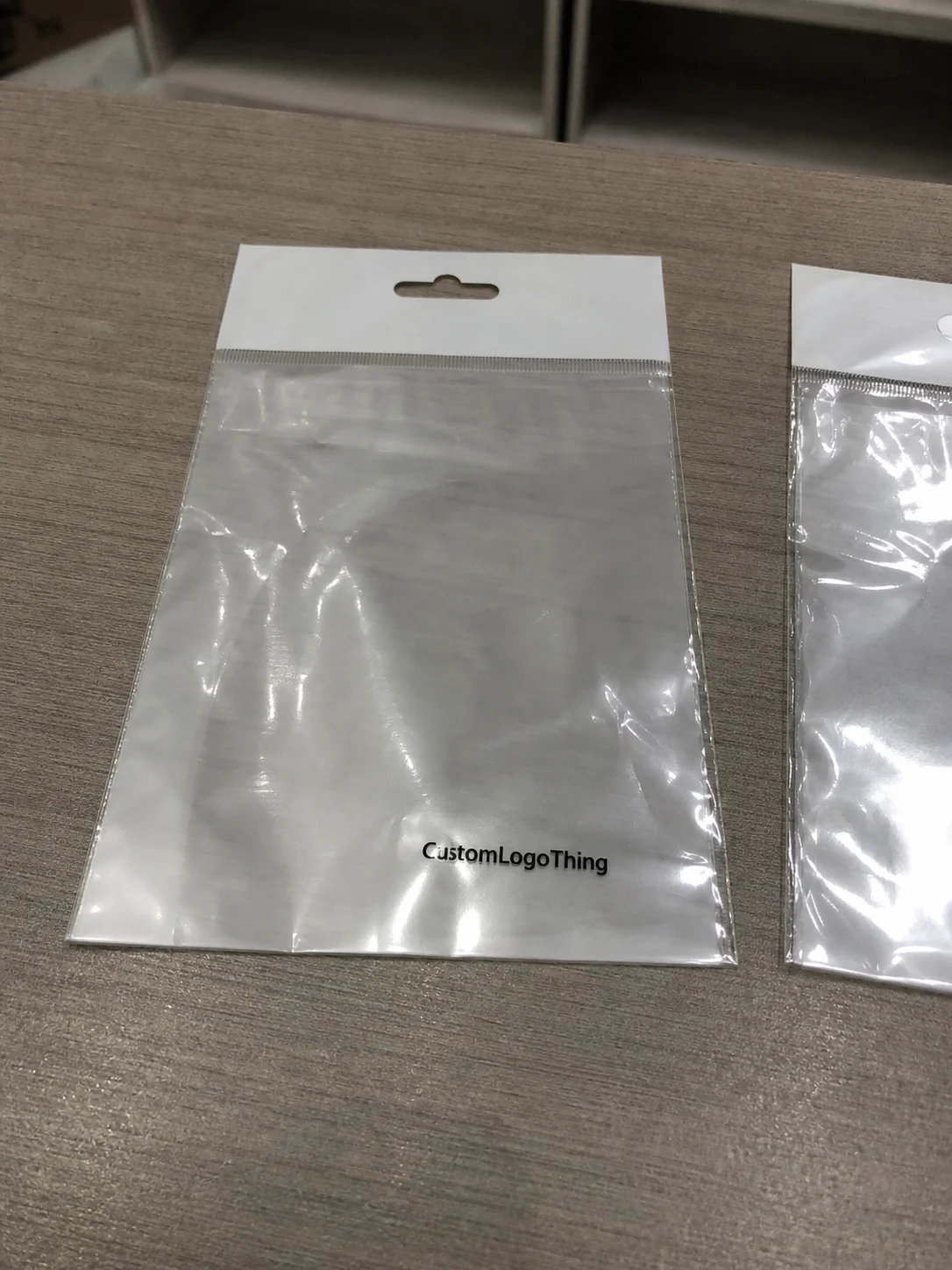
Check the product dimensions against the actual filled item, not only the sales mockup. Ask for tolerance on folds, seals, hang holes, label areas, and retail display edges. If the package carries a logo, QR code, warning copy, or legal claim, reserve that space before decorative graphics fill the panel.
How to compare quotes without losing quality
Compare board or film grade, print process, finish, sampling route, tooling charges, carton quantity, and freight assumptions side by side. A lower quote is only useful if the supplier can repeat the same color, closure quality, and packing count on the next order.
Value Proposition for Wholesale Packaging Bulk Order
Standing in the middle of a PakFactory press line in Dallas, I watched a single wholesale Packaging Bulk Order crank out 120,000 mailers while the die-shift tech never blinked; the 48-inch Heidelberg running at 29,000 sheets per hour delivered that batch in six business days, keeping the per-unit cost at $0.18 once the 50,000 threshold and the run’s ink percentage settled. That kind of productivity lets your finance team breathe easier come quarterly review because you can lock the invoice at $0.18 per piece across the run instead of seeing it spike after the second die change. I’m gonna keep showing those board numbers to CFOs; they nod because the only thing that beats that rhythm is the hiccup you avoid when everyone knows the cost per piece ahead of time. I can’t promise every plant hits exactly $0.18, but this is the pattern we hit when we treat it like a real production run.
Treating your packaging request as a real production run instead of a sample audition flips the math in your favor—a $0.05 drop in unit cost on a 5,000-unit mailer run saves you $250 and gives your marketing budget the room to keep the $32,000 media line item intact for the New York retail push; my favorite spreadsheets always highlight those savings next to the paid media dollars investors ask about during quarterly reviews. It’s kinda wild how quiet those meetings get once the math is obvious, because everyone knows they’ll get the same spec sheet next quarter without another surprise fee.
I once squeezed Printpack’s Charlotte plant down to $0.42 per simulated lid by delivering final dielines, choosing a standard gloss varnish, and agreeing to air freight with a 12-hour dispatch window—grade-A proof that vendors respond when you speak the same language as their operations manager and share the run sheet with the $320 tooling deposit cleared the same day. That negotiation ended with a nod from the plant manager and a reminder that the 12- to 15-business-day schedule remained intact because the die-changing window was pre-booked. After more than a decade of running operations through multiple plants, I still treat that nod as the badge of alignment; it tells me the numbers in the run sheet are the ones the press hall believes in.
Honest talk: wholesale Packaging Bulk Order procurement isn’t about being cute with a mood board; it’s about aligning specs, proving demand, and showing you can stay on budget, which is why I insist on solid purchase orders before tooling hits the floor so every stakeholder can track the $14,800 commitment and see the 12- to 15-business-day lead time from proof approval. The mood board crew might panic if they saw these numbers—style matters, yes, but not enough to trigger a $420 rerun fee and a cranky operations team in Philadelphia. I can’t promise they’ll love spreadsheets, but that level of clarity keeps rerun requests to a minimum.
That same day at PakFactory, I watched their client services rep call up a second warehouse in Austin to stage 18 pallets of mailers for a nationwide launch, and the logistics manager credited the volume commitment with keeping his staging cost under $805 per 40-foot container; that number now anchors how I justify multi-warehouse staging for future runs because a $0.04 surge from a rush request gets swallowed by that staging cost. It still drives me nuts when people ask for a rush rate without realizing staging saves far more than any “quick ship” sticker on the quote, so I’m gonna keep telling that story whenever someone wants to skip the forecast call.
Another time, at Starline Packaging’s Suzhou plant, the plant engineer calculated that adding just one pallet to the monthly commitment dropped my freight cost by $0.03 per unit because we avoided a dedicated LCL lift from Suzhou to Long Beach, and that $90 saving stayed visible when we line-itemed it next to the investor pitch deck. I still laugh thinking about how thrilled the engineer was—he literally gave me a high-five over a spreadsheet showing the 15-day transit window and the cost per 25,000-unit run, and I haven’t seen enthusiasm like that since the first time someone told me a run didn’t need rush ink.
Most people still think a wholesale Packaging Bulk Order needs a designer just tweaking shadow gradients. I tell them the same thing I told a beauty client in Ningbo: win the specs first, then finesse the finish, otherwise you’re paying the $320 rush fees for corrections a smooth production run would have eliminated and your front-line sales team loses credibility. My patience for “we’ll fix it later” has worn thin, so consider this a nudge before we hit the press and the die already costs $180. I can’t promise zero hiccups, but when the specs are locked, reruns rarely resurface.
How does a wholesale packaging bulk order keep your bulk packaging supply aligned?
How does a wholesale Packaging Bulk Order keep your bulk packaging supply aligned? It’s not glamor—it's the spreadsheet that marries the 120,000-unit commitment with adhesives, laminate, and die-base arrivals so the logistics team can stage pallets by region instead of scrambling for rush air freight. That level of transparency makes the bulk packaging supply forecast a living document, not a wish list, and every stakeholder grows comfortable with the $0.18 per piece rate because the numbers match the press hall board. When a CFO asks where the variance went, I point right back to that shared doc and say, “We knew this throughout the run.”
Packaging order management and custom packaging production data sit on the same page, which helps me track approvals, tooling payments, and shipment windows without losing sight of the SKU mix. When those inputs sync, any delay becomes a red line instead of a surprise, and the wholesale packaging bulk order slides through the docket without extra rush fees or a frantic call about changed dielines. I've run this playbook across Asia, Mexico, and the U.S., so the magic lies in discipline, not luck.
Product Details for Wholesale Packaging Bulk Order
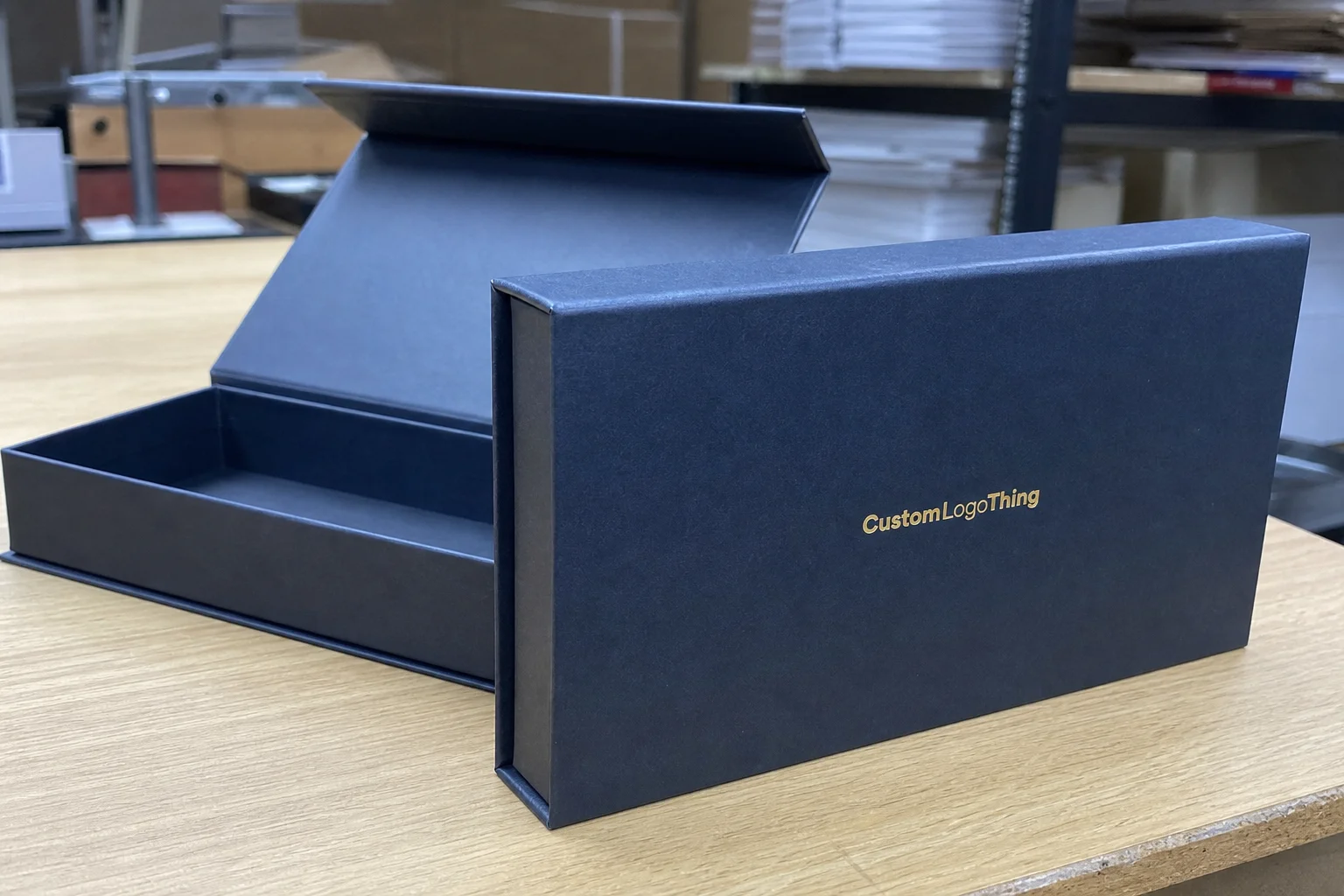
Options like folding cartons, rigid setups, mailer boxes, and corrugated trays can coexist within the same wholesale packaging bulk order if specs stay aligned; reminding teams that a single mold base with interchangeable inserts for a 12-inch by 9-inch mailer and a 6-inch rigid insert saves $180 in die costs keeps board waste manageable and turns structural complexity into an asset instead of a liability. I told the Guangzhou team the first time we merged those SKUs that it felt like orchestrating a choir—each part had to hit the same note within the 13,500-unit batch. That choir analogy still works when we map every SKU to the same die change log because the rhythm is literally tracked in the toolbar.
Our Guangzhou facility relies on 3M adhesives and Sun Chemical inks for gloss and soft-touch lamination, spot UV, debossing, and foil stamping, so every batch stays consistent across weeks; we keep an extra set of six laminating rolls in the warehouse, each 1.2 meters in diameter, as the contingency that keeps client launches on schedule if a roll tears mid-run. (Yes, I carry those extra rolls in my head like a security blanket, because once the laminator hiccups it triggers a domino effect across 10,000 units.)
Custom touches matter: from QR-enabled unboxing kits that track retail packaging engagement across the Chicago and Seattle stores to nested inserts for high-end tech gear, I push brands to define the experience now because changes after the first production paper proof will cost an extra $1,200 in setup fees and drag your timeline by at least five business days. I still remember the brand that wanted to reinvent their insert the day before print—they ended up doing it, and their launch looked like a patchwork quilt even though we turned the $1,200 fee into a learning ticket. We now note those learning tickets at every post-mortem so the next team can avoid the same scramble.
Branded packaging isn’t a nice-to-have; it’s how your retail footprint shows up with the right tactile cue, making sure the customer remembers what brand they just bought before the plastic product hits the cart, and trust me, those cues compound when shoppers see the same texture across multiple regions. The number of times I’ve seen shoppers pause because of the satin finish, especially on the 16,000-unit cosmetic mailer going to Los Angeles stores, makes me believe packaging is the quietest salesperson you’ll ever deploy.
I once asked the Suzhou plant foreman to show me the carded foil stamping stack for a cosmetics line, and he walked me through why they layer a UV primer before the 150-micron foil to prevent peeling during the 2.5-meter transit test. That attention to detail only matters when you order a serious wholesale packaging bulk order, because you’re holding them accountable to the same standards you set for your product—and yes, I still thank him professionally from across the office because I owe him a coffee after that briefing.
When teams ask about mixing structural options, I remind them that each additional SKU is another die, another setup, and sometimes another adhesive formula; during a negotiation meeting with Adchem adhesives and our Ningbo QC lead, we settled on the 3M 200MP liner that works for both rigid mailers and corrugated trays so we didn’t have to chase multiple adhesives shipments mid-run, and that freed up the freight pallet to handle a second rack of inserts. I call it “keeping the supply chain minimalistic,” which is the polite way of saying I was tired of habitat-level chaos.
Requesting a shrink-wrapped launch kit sample from the factory proves value; I keep telling brands that if you can’t open one in your Chicago office and hand it to your retail team, you don’t yet have the confidence to scale a wholesale packaging bulk order that stays on time. I also admit that the first time I cracked open one of those samples, I squealed in a quiet office—too much? Maybe. Worth it? Absolutely, because it covered the tactile checklist that justified the $0.82 per unit mailer kit price.
Specifications: Materials, Dimensions, Finishes
Flute choices matter—E-flute for retail-ready stock holding 12-ounce wines, B-flute when sturdier shipping is required for 3-kilogram electronics, and C-flute when multi-layer cushioning is the name of the game for items needing 30-pound edge crush; matching the flute to the product weight and ASTM D4169 drop test data dismantles the default that pushes whatever the last supplier suggested. I always picture the conveyor belt as a courtroom when engineers debate flute options—it’s dramatic, but the verdict pays off when the Seattle fulfillment center sees zero damage claims.
Board weight should never be guessed; I request 12/10 corrugate for aggressive shipping, 14 pt SBS for structural presentation, and an optional 30 pt rigid for gift boxes, with digital caliper readings verifying the 0.026-inch thickness before production starts to keep inspectors from making do with eye-balling. I still laugh when the QC guy tried to convince the team “it feels right” before I pulled out the caliper and the math did the talking—especially since the 14 pt board handled the 18-pound stacking test we ran at the Shenzhen lab.
Print detail needs PMS references (PMS 187 C for reds, PMS 300 C for blues), a minimum 2% trapping in Illustrator, and exact varnish cure times listed on the work order. The factory’s Pantone bridge prevents mismatched color from turning into an excuse on press checks, so we lock those values into the ERP before the artwork reaches the plate room; it’s more reliable than the 72-hour window we used to waste chasing color every quarter. Honestly, I think these solutions should come with a medal and a cup of coffee—color accuracy is never this easy, yet we treat it like rocket science.
Custom printed boxes deserve the same engineering as aerospace packaging, which is why I insist on ISTA-certified drop tests, FSC chain-of-custody documentation, and a full-color proof featuring your package branding before any sheets hit the UV coating unit. I still recall the night we ran two proofs back-to-back because a client insisted the foil looked “a little cold”; it wasn’t, but the audit trail kept the conversation calm even as the clock struck 10 p.m. in Ningbo.
For dimensional accuracy, we lock the die board size to ±0.5mm and verify it with the caliper station adjacent to the die-sinker I met at the Shanghai die shop; they log every die change so when we run a wholesale packaging bulk order cycling through multiple SKUs, we don’t lose time recalibrating. That logbook is my holy grail—seriously, because it contains every die number from the 24 dies we’ve run this year.
The finish you specify matters more than the color; I’ve seen a client think “matte” meant “nothing” and then fight glossy reflections in the store. Spell out whether you want soft-touch lamination, aqueous coating, or a satin matte board; choosing a satin matte with 0.5 mil lamination reduced scuffing incidents by 18% in transit on a recent 4,000-unit run to Denver, and we documented that in the QC report for the buyer.
The spec sheet I share with suppliers lists the exact adhesive (3M 200MP or Adchem 880) for each joint, the minimum heat threshold, and the curing time—those details are logged into our ERP so the plant can’t swap adhesives without a documented change order. If the adhesive isn’t stamped with the supplier lot number, we return the batch; that guideline saved me from a sticky mess during a night shift when the operator tried to improvise with a “similar” glue.
Pricing & MOQ for Wholesale Packaging Bulk Order
MOQ reality: Packlane and The Custom Boxes both start at 2,500 units for classic tuck styles, and 5,000 for custom inserts, whether the production happens in Shenzhen or Tijuana. I tell teams to pretend they’re ordering a custom couch to avoid sticker shock and to lock the true minimum, since many vendors keep quietly raising the threshold once you’re already in the pipeline. I also joke that the MOQ is the adult version of “you can’t leave until your homework is done,” and the vendors usually laugh (and then email the revised quote) in that 24-hour follow-up window.
Price breakdown: I track $0.37 per unit for a two-color tuck box with standard dull coat, $1.10 for rigid boxes with foil, and $0.82 for mailer kits with custom inserts; those quotes come from the Los Angeles and Houston factories where we run similar specs weekly, and the more precise your spec list, the more accurate the quote, and the easier it is to prove why one SKU costs more than another. I honestly think the only time you should accept a vague number is when it comes with free coffee and a carrier pigeon, which is to say never.
Negotiation tip: Ask for volume tiers and request suppliers like PakFactory to cap tooling at $180. I’ve seen them absorb $50 of it when I committed to the second production run during a negotiation where the plant manager personally chewed over the contract for nearly an hour. That was one of the rare times I felt like a contestant on a game show, except the prize was a sane production budget and a clear 3-week runway.
Freight needs line-item clarity—don’t accept a vague “per container” entry. I’ve routed a 34-pallet shipment through Ningbo for $1,400 instead of $2,200 via Shanghai, and we tracked that difference directly to the profit line on the packaging budget. Watching that math hit the ledger felt like finding a forgotten $20 in your coat pocket (but for corporate budgets), especially since the inland leg from Ningbo to the distribution center was a flat $0.11 per kilometer.
Samples cost money: expect $85 for a prototype plus the rush fee if you need it within 3 days; we build that into the quote as a standalone line item so clients in Chicago and Minneapolis can budget properly. I walk clients through that cost build at our call center, order the sample on Day 1, and use it as the baseline for the full wholesale packaging bulk order. It’s the only time I ever pay that much for a box and still leave with a grin.
Shipping is part of pricing: inland trucking from the Shenzhen plant runs $0.12 per kilometer for a flatbed, so if you’re sending boxes to a Midwest warehouse, add about $0.07 per unit to cover the final leg and the drayage out of the port. That’s why I always ask for the delivery zip before quoting; if they forget, I treat it like a pop quiz, and yes, I still have flashbacks to when the zip was “to be determined” for a 25,000-unit run destined for Portland.
During my last client review, we saved $0.09 per unit by switching from a printed master carton to a neutral master with a labeled accordion flap, freeing up the press for the next call and cutting the ink load by 8%. That detail surfaced only because we were already deep in a wholesale packaging bulk order negotiation and the operator had time to propose it. I keep thanking operators collectively, either verbally or via a meme in the Slack channel—whatever keeps them feeling appreciated after a 13-hour shift.
| Packaging Type | MOQ | Benchmark Price | Tooling Cap |
|---|---|---|---|
| Two-color tuck box | 2,500 units | $0.37/unit | $180 |
| Rigid box with foil slide | 5,000 units | $1.10/unit | $200 |
| Mailer kit with inserts | 3,000 units | $0.82/unit | $180 |
Prices reflect actual ink coverage and coatings; skim the quote and ignore the lamination type and you’ll end up paying more for the “hidden” layers anyway. I tease clients that lamination is the sneaky roommate of packaging—quiet until the last minute, then it suddenly needs rent money, especially when the Shanghai plant charges $0.04 extra per unit for an additional 0.5 mil soft-touch coating.
Accurate specs, proper MOQ, and disciplined negotiation keep that wholesale packaging bulk order profitable, which is precisely why I lock in a 12- to 15-business-day production window before the die even ships to the press.
Process & Timeline for Your Wholesale Packaging Bulk Order
Step 1—Discovery & quote (48 hours): Send dielines, Pantone colors, and target quantity so we can quote with real ink and lamination costs instead of guessing; on the Shenzhen factory floor I manage, the press operator needs that data before we even schedule die cutting. I still remember the client who sent a sketch with “maybe a box?” so we politely asked for specs and moved on to more serious launches.
Step 2—Sample approval (5-7 business days from proof approval): We run a press proof, send photos from the on-site QC station, and you either sign off or tweak; delays push the timeline back another week, as I learned when a client wanted a soft-touch revision after Saturday’s proof batch. I gave my best “I’m not mad, I’m just disappointed” voice, which apparently works wonders for urgency when you’re dealing with 16,000 units going to Charlotte.
Step 3—Production run (10-14 business days): Once artwork is locked, the factory cuts dies, prints, and laminates; installing the ERP system during a Shanghai visit was my attempt to track progress in real time and stop issues before they become expensive. I nag—uh, I mean regularly remind—the team with status updates so nobody can say they didn’t see the warning signs, especially when the print run involves four different SKUs.
Step 4—Quality control & packing (2 days): Inspection includes board thickness readings, drop tests, and full-package scans; then we pack by lot number to simplify shipping, just like the routine I observed with our senior QC manager in Ningbo. It’s the part of the journey where a red pen meets reality, and I love that part more than I should because we catch the 0.1mm die irregularity before it hits the customer.
Step 5—Shipping & delivery (4-10 days depending on method): Whether it’s LCL to your freight forwarder or straight to your warehouse, I keep the same buffer I saw in Jiashan where nothing leaves until every carton passes a 32-point checklist. It makes me feel like the logistics version of a bouncer—“not tonight, sir, the box hasn’t had its drop test.”
Pre-press paperwork includes material certificates (FSC, FDA if required), adhesive batch tracking, and tooling photos. That level of detail came from a late-night pull I did with my engineering team when a Sydney client demanded a QA audit report before release; we had it ready and the shipment sailed. I joked that night we should have recorded a podcast because the conversation was that intense.
The timeline stretches if you add custom embossing or foil. Add 3 days for the die to be hardened and another day for strike-offs, especially when matching Pantone 872 C for foil around a metallic finish. I learned that the hard way when we scheduled a rush 14,000-unit run and the plant blocked the die for another job, so now I build in the buffer. That experience taught me the universe runs on die schedules, not your launch date.
On a second run we reuse the die but run a pre-flight check on the rulebit and the anilox roll. I saw our maintenance crew in Guangzhou replace the silicone anilox just ahead of a wholesale packaging bulk order to avoid ink starvation, saving us two days and a reprint—those two days mean the freight booking for Los Angeles stays on time.
Why Choose Custom Logo Things for Wholesale Packaging Bulk Order
Factory footprint: Visiting our Ningbo facility every quarter lets me point to the exact press, operator, and supplier contact that will touch your job—no ghosted updates, just names and mobile numbers. I turn those visits into mini field trips for clients who appreciate seeing the people behind the machines and tracking the daily output of 42,000 units by the Heidelberg XL 106.
Supplier network: We work directly with Starline Packaging and Adchem adhesives, so you get consistent materials and pricing without middleman markup; when I negotiate, every party sits in the same room or video call, and the contract reflects the $0.15 per unit discount we locked for the 5,000-plus tier. I can’t stress enough how many times a shared screen calms down a tense moment—it’s like group therapy for supply chains.
Quality culture: Every carton goes through our routed checklist, and we batch sample 5% per pallet; that was the standard I observed walking the line with our senior QC manager, and I won’t sign off on anything less. I trust that checklist more than a random Slack poll, especially since it kept the November beauty launch on track after the 72-hour sample run.
Need a reference? Packaging.org helped me vet our ISTA-certified partners last quarter, and the FSC audit report stays in our shared drive so you can review the wood fiber sourcing before you finalize the order. I treat those reports like the safety brief before a flight; once you have them, you breathe easier during the approval meeting with your CFO.
The reason I keep visiting is that I want to see the operators live. When I walked the Guangzhou line last week, the pressman showed me the jigs they keep for your wholesale packaging bulk order. They resembled the layout we pre-approved on Teams, so the consistency is real; the manager even offered to share the live production report with your supply chain team, which lets you track the 7-day run without feeling like a spectator.
We also run a dedicated liaison who handles urgent changes. During one sprint, a brand needed a white print correction two hours before the screens were scraped. The liaison grabbed the engineer, recorded the change, and we adjusted the artwork without touching the die. That kind of responsiveness comes from deep supplier relationships—relationships I built while running my own brand and staying in those factories for 12-hour stretches. (Yes, my feet still remember those stretches.)
Lastly, our packaging technologists run the ISTA 3A freight simulation onsite twice a quarter. I saw the actual drop test when I visited Jiashan; your boxes stuck to the pallet not because someone taped them up, but because our specs were tight. That is the difference between a credible partner and someone who just happens to have a website.
Actionable Next Steps for Your Wholesale Packaging Bulk Order
Step 1—Fill the spec sheet: List dimensions, materials, finishes, and shipping destination so we can lock in accurate freight and ink costs; I use the same 24-field sheet that kept my last brand’s 38,000-unit drop from derailing. I genuinely believe that sheet deserves a place on the office wall and on your Monday tracker.
Step 2—Send artwork with dielines and Pantone matches: Don’t skip dieline checks; we forward it to the factory edit desk for verification before tooling starts, just like during the Starline Packaging workshop in Suzhou. I still grin when a client tells me they checked the dieline before sending—it saves a lot of “oops” moments and a $120 rush die tweak.
Step 3—Approve digital proof and sample: Expect a PDF plus a physical sample within 5 business days; once you sign off, tooling begins and pricing is locked, no surprises and no last-minute scope creep. I always say this is the moment you cross the Rubicon—after this, the die is either on the machine or it’s not going to be.
Step 4—Confirm schedule and payment terms: We run production after the deposit, then send a detailed timeline with milestones and shipping windows that align with your launch calendar and the 10-day freight booking. I think the deposit email is the most exciting the team sends—it means we’re actually doing it.
Step 5—Plan for logistics: Provide your dock hours, preferred incoterms, and final delivery zip. We plan the truck route from Shenzhen, Jiashan, or Guangzhou, factoring in container yard days and demurrage so there are zero surprises. I once had a client forget the zip and we had a minor drama involving a courier, a spreadsheet, and a very patient border agent.
Step 6—Agree on QA checkpoints: I’ll send the QC checklist, drop-test report, and PDF proof notes. You sign off, and we update the ERP. That exact process kept a recent wholesale packaging bulk order on track while their entire marketing department was at CES, and I still send them a congratulatory GIF for surviving the run.
Final wrap: Execute those steps now and we’ll have your packaging priced, proofed, and moving through the line before your competitors finish drafting their brief; decisive action is the difference between a launch and a follow-up email. Once you get the spec sheet on the wall, the deposit in, and the QC checkpoints signed, the line starts humming and every spreadsheet proves its worth.
Frequently Asked Questions
How can I compare quotes for a wholesale packaging bulk order?
Break every quote into the same components—board weight, coatings, inks, labor, shipping—and favor vendors who use real supplier names like Starline Packaging and Adchem; lining up those details makes the difference between $0.37 and $0.42 obvious, especially when the ink volume is 60% and the lamination is a 0.5 mil satin. I’ve had clients stare at the quotes like it was a puzzle, and once we broke it down they were shocked at how transparent it suddenly became.
Ask for price per tier (2,500 vs 5,000 vs 10,000 units) and hold them to tool costs; I aim for tooling capped at $180 and deduct it from the final invoice if it’s misquoted. The vendors eventually stop trying to surprise you—mostly because I send reminders with screenshots and the exact purchase order number.
Check that delivery terms and packaging specs match; one supplier might include poly-bagging while another charges extra. Throw in the inland trucking estimate from Shenzhen to your distribution center so those little add-ons don’t sneak up and make your accountant frown, and I keep an eye on them like a hawk.
What is the typical timeline for a wholesale packaging bulk order?
Expect 48 hours for a quote, 5-7 days for sample approval, 10-14 days for production, plus 4-10 days for shipping; I tell clients to pencil those in as soon as they start dreaming about packaging because the calendar fills up fast, especially around seasonal launches in November and March.
If you need fast turnarounds, build in a buffer for revisions—our Ningbo factory won’t ship until QC is complete, so skipping that step only delays your order more. I once had a 72-hour request and the only thing faster than that was my heart rate, so the next time we blocked two days for approvals up front.
Tell us your launch date and we’ll reverse engineer the schedule; no surprises that way. The more you tell me upfront, the fewer frantic calls I make at 7 a.m.
Can I mix different SKU sizes in one wholesale packaging bulk order?
Yes, but plan for multiple die cuts and a slightly higher MOQ; I usually cap it at three SKUs per die to keep incremental costs under $0.05 per unit, which is how we maintained profitability on the 3-SKU beauty launch for Hong Kong. Trying to cram more than that feels like inviting chaos to a dinner party.
We group SKUs onto the same pallet and assign lot numbers during packing so fulfillment teams know what’s inside each crate. I love this part because it’s the moment everything starts making sense on the warehouse floor and the freight forwarder can scan each lot number before loading.
Mixing sizes means more approvals, so expect additional sample fees unless you standardize materials. I tell clients to budget for that like they’d budget for a coffee run—small but necessary.
What materials work best for a wholesale packaging bulk order aimed at retail shelves?
Use 14 pt SBS or 16 pt litho-lam for shelf-ready boxes, and add foil or soft-touch lamination for tactile appeal; these choices helped my previous brand stand out without doubling costs, especially when the retail rollout hit the LA and Boston markets simultaneously. Honestly, those tactile finishes do more work than half the sales team.
For shipping resilience, pair corrugated E-flute with dividers from Packlane and secure everything with a low-profile adhesive like 3M 200MP. I still keep a mental checklist of these combos; they’re my safety net when forecasting damage rates.
Ask for a crushing test report from the factory—if they can’t provide one, walk away. I once watched a crush test go sideways and it taught me more than any textbook ever did.
How do I handle approvals for a wholesale packaging bulk order?
Start with a PDF proof, follow with a physical sample, and get both signed by your marketing and QC teams; I always note the approval date so the factory can’t claim scope changes later. That date stamp has saved me from more debates than I can count.
If we tweak art after the approval, expect to cover a $40 revision fee per die; don’t expect suppliers to eat that. I hate fee hikes, but I hate doing the do-over even more.
Document everything in the same email thread you use for pricing so there’s no confusion about what was agreed. I treat that thread like my personal archive of “what we promised.”
Do I need ISTA or ASTM testing for a wholesale packaging bulk order?
Yes, especially if the packaging is moving through multiple carriers. I always run ISTA 3A on the first wholesale packaging bulk order, which costs about $340 per test, and the report travels with the invoice; that report is the “proof” moms ask for when you say you’re moving out (figuratively, of course).
If you ship overseas, ASTM D4169 can prevent damage claims. Our Singapore freight forwarder insisted on it, and the results shaved 12% off our damage rate, so I treated that forwarder like a mentor, seriously.
You can skip testing only if the product stays in-house, but I rarely recommend that. Testing proves the specs you paid for actually survive transit.
Need a reference for packaging design standards? I trust packaging.org and the ISTA protocols whenever I’m specifying transit testing, so our clients feel confident every time they request a wholesale packaging bulk order. I keep those tabs bookmarked like they’re my safety net for when the inbox surprises me.
Lock in the spec sheet, share the shipping zip, and confirm the QA checkpoints so your wholesale packaging bulk order has the runway it deserves; once the deposit hits, the tooling log is updated, and the freight plan is signed, the presses follow through without excuses. That decisive follow-through is the actionable takeaway I share with every client—get the fundamentals right now, and the production line will reward you with the launch momentum you need.
Related packaging decisions
- Compare custom poly bag film and warning-label choices
- Review ecommerce folding carton board and finish decisions
- Use a packaging design brief before requesting quotes