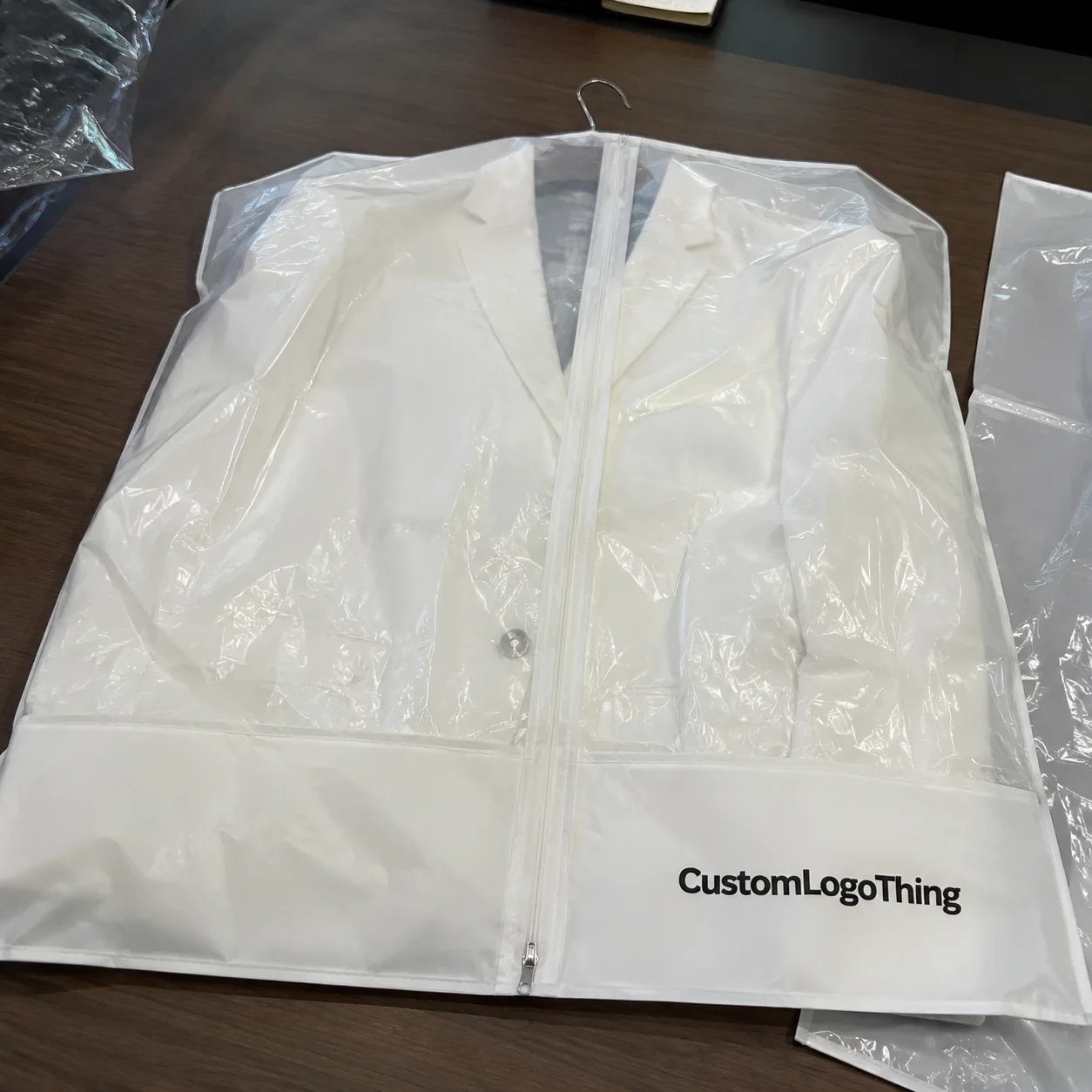
Buyer Fit Snapshot
| Best fit | Wholesale Packaging Cartons for Stores projects where brand print, material claims, artwork control, MOQ, and repeat-order consistency need to be specified before quoting. |
|---|---|
| Quote inputs | Share finished size, material target, print colors, finish, packing count, annual reorder estimate, ship-to region, and any compliance wording. |
| Proofing check | Approve dieline scale, logo placement, barcode or warning zones, color tolerance, closure strength, and carton packing before bulk production. |
| Main risk | Vague material claims, crowded artwork, missing packing details, or unclear freight terms can make a low unit price expensive after revisions. |
Fast answer: Wholesale Packaging Cartons for Stores: Sizes & Pricing should be specified like a repeatable production item. The safest quote records material, print method, finish, artwork proof, packing count, and reorder notes in one written spec.
Production checks before approval
Compare the actual filled-product size with the drawing, then confirm tolerance on folds, seals, hang holes, label areas, and retail display edges. Reserve space for logos, QR codes, warning copy, and material claims before decorative graphics fill the panel.
Quote comparison points
Review material grade, print process, finish, sampling route, tooling charges, carton quantity, and freight assumptions side by side. A quote is only useful when the supplier can repeat the same color, closure quality, and packing count on the next order.
Wholesale Packaging Cartons for Stores: Sizes & Pricing
Wholesale packaging cartons for stores do more than protect product in transit; they shape how quickly a receiving team opens a case, sorts inventory, and gets merchandise onto the shelf without piling on avoidable labor. A carton that is too large, too weak, or awkward to open tends to show its flaws immediately, through crushed corners, extra tape, loose fill, and a second round of handling before the product ever reaches a customer.
For a packaging buyer, wholesale packaging cartons for stores sit at the intersection of product packaging, retail packaging, and warehouse efficiency. The right spec protects cube, keeps pallets stable, and supports package branding without pushing cost past what the margin can carry. If you are comparing Custom Packaging Products for a store program, the carton structure deserves as much attention as the printed graphics, because the structure is what the back room feels every single day.
Why wholesale packaging cartons for stores protect margin

Wholesale packaging cartons for stores protect margin because they cut the hidden costs that never show up on the carton quote. A receiving team does not care that a box looked inexpensive on paper if it arrives oversized for the product, needs two people to repack it, or creates a pile of damaged corners that must be sorted by hand. The carton needs to fit the product, fit the pallet, and fit the pace of the back room.
I have sat through enough packaging reviews to know that the cheapest-looking box can become the most expensive one once labor, freight cube, and damage are counted. That happens a lot. A carton that opens cleanly, stacks squarely, and keeps its shape under load saves time in the dock and keeps product moving instead of waiting for rework. Those are small wins on paper, but they add up fast across repeated deliveries.
Picture a typical receiving dock: mixed freight comes off a truck, one person opens cases, another checks counts, and a third tries to stack back stock without blocking the aisle. If wholesale packaging cartons for stores are oversized, the extra void has to be filled somewhere, usually with air pillows, kraft paper, or an extra layer of tape. That empty space raises freight cost because cube goes up, and it slows the person who has to open the case and set the shelf-ready units aside.
Carton design also carries a labor cost that is easy to overlook. A box that opens predictably, with a tear strip or a clean tape seam, saves seconds on every case. Across hundreds or thousands of cartons, those seconds become a real expense. Wholesale packaging cartons for stores are not just shipping supplies; they are part of the store's daily rhythm, and they influence how quickly goods move from truck to shelf. In some stores, the whole receiving flow is built around a carton behaving the same way every time, and if it does not, people get creative in ways you really do not want.
The cheapest carton is rarely the cheapest program if it tears, crushes, or forces a second handling step. That is the detail buyers sometimes miss. A slightly better board grade, a tighter fit, or a cleaner opening feature can lower total landed cost by cutting damage claims, shortening receiving time, and keeping product presentation intact. For store programs, wholesale packaging cartons for stores should be judged on unit price, freight efficiency, and handling performance together, not one at a time.
Wholesale packaging cartons for stores also carry part of the brand story. Store teams see the carton before customers see the product, and that first impression matters. Clean edges, consistent print, and a carton that stacks straight suggest a supply chain that is being managed with care. In branded packaging programs, that sense of order supports shelf presentation just as much as the artwork on the display itself.
Wholesale packaging cartons for stores: product options and materials
Wholesale packaging cartons for stores come in several constructions, and the right one depends on weight, display needs, and how often the carton will be handled. Single-wall corrugated works well for many light to medium products, especially when the carton is mainly a shipper and the product is already packed. Double-wall corrugated fits heavier goods, longer travel lanes, or cases that will be stacked high in warehouse and back-room conditions.
Smaller retail packaging often relies on folding cartons, especially when the carton is part of the shelf presentation and the board needs a cleaner print surface. Retail-ready shippers sit between those two worlds. They are built to ship intact and open into a display with limited extra handling. That is why wholesale packaging cartons for stores often overlap with custom printed boxes and package branding work: the carton has to do more than protect the contents.
Board structure matters as much as the carton style. E-flute gives a finer print surface and a tighter fold, which helps with graphics and smaller display cartons. B-flute and C-flute are more common for shipping strength and stacking performance. If a store program expects rough handling, a stronger flute profile can help prevent edge crush and keep the carton square after transit. Moisture resistance also matters in some lanes, especially when product passes through coolers, damp docks, or outdoor transfer points.
Design details can save real labor. Tear strips make the carton easier to open without a knife. Locking tabs and front cuts can turn a plain shipper into shelf-ready packaging. Inserts and dividers keep bottles, jars, or small cartons from colliding inside the case. When wholesale packaging cartons for stores are built with those features from the start, the store team spends less time fixing the package and more time stocking it. That part is kinda obvious once you see it happen on a busy dock, but it is still easy to under-spec during planning.
Branded packaging works well when the carton travels close to the customer, though plain high-strength shippers still make sense for many back-room programs. In practice, the decision comes down to cost and visibility. If the case will be opened immediately and discarded, utility matters more than heavy graphics. If the carton will sit on a display pallet or move through a visible retail path, the printed surface carries more value. For buyers comparing options, the clearest route is often to review Wholesale Programs alongside the carton structure so the spec matches the store's actual handling pattern.
Specifications that keep cartons store-ready and stack-safe
Wholesale packaging cartons for stores only perform well when the specs are measured correctly. Buyers should confirm inside dimensions, outside dimensions, board grade, and the required strength rating before a tool is cut or a run is released. A carton that is an inch too short can scuff a product label or crush a closure, while a carton that is too large wastes cube and increases freight expense.
The common strength measures are ECT and burst test. For many shipping cartons, 32 ECT single-wall is a standard starting point for lighter loads, while 44 ECT or double-wall is often used for heavier cases or more demanding stacking. No spec should be chosen in a vacuum, though. Weight distribution, product fragility, and pallet height all affect the real result. If the program is sensitive, ask for compression data or compare the case against ASTM D642 style testing rather than relying on a generic guess. That is the difference between a box that looks fine in a sample room and one that actually survives a stacked pallet in August heat.
Stacking strength matters in warehouses, trucks, and store stockrooms. A carton that looks fine on a table can fail after four or five layers on a pallet if the corners buckle or the closure opens under load. Closure style matters too. Tape seals are common and inexpensive, but they should be paired with a board and flap design that keeps the seam stable. Glue flaps, tuck tops, dust flaps, and tamper-evident features each serve a different role. Wholesale packaging cartons for stores should be designed around the real handling sequence, not just the drawing.
Print area limits are another practical issue. If a carton is carrying handling icons, store instructions, a bar code, and logo treatment, the print panel must stay legible after scoring and folding. Dark coverage on weak board can warp the surface or show scuffing during transit. That is why packaging design and material selection need to be discussed together. Wholesale packaging cartons for stores are easier to approve when the art, the structure, and the board grade are planned as one system instead of three separate tasks.
Use this short checklist when you are matching a carton to a product:
- Confirm the packed size, not just the bare product size.
- Check unit weight and the total case weight with inserts included.
- Decide the handling path: shipper only, shelf-ready, or display-ready.
- Match the board grade to stacking height, freight distance, and moisture exposure.
- Verify opening method so store staff can access product quickly and safely.
For organizations that want a stronger sustainability story, FSC-certified fiber can be part of the spec, provided the supply chain is documented correctly. If transport testing is part of the approval process, the methods published by ISTA are a useful reference point for drop, vibration, and compression expectations. Wholesale packaging cartons for stores are easier to standardize when these requirements are written down before production begins.
Wholesale packaging cartons for stores: pricing and MOQ for store carton programs
Wholesale packaging cartons for stores are priced by a mix of size, board construction, print complexity, and run length. A small plain shipper is one thing; a custom printed display carton with a die-cut front panel, a tear strip, and an inserted divider is another. The price changes because material use changes, die-cutting changes, and press setup changes. Buyers who compare only unit price miss the full picture.
Typical unit pricing at volume can vary widely, but a practical range is easier to work with than vague language. For a run around 5,000 units, single-wall corrugated shippers may land roughly around $0.42-$0.88 per unit depending on size and print coverage. Double-wall cases can move into the $0.78-$1.65 range, while folding cartons may sit lower if the size is compact and the print is simple. Shelf-ready or retail-ready shippers can cost more because they combine shipping strength with display features. Wholesale packaging cartons for stores should always be quoted with the exact spec, not a rough guess.
Minimum order quantity depends on the construction and the tooling. Plain stock-style cartons usually allow lower MOQs, while custom sizes, custom dies, and multi-color graphics push the minimum higher. In many programs, custom runs may start around 500 to 3,000 units, but the real MOQ depends on whether the supplier is optimizing material usage, setup time, or both. That is why a quote should clearly state whether the number is tied to tooling, print setup, or the economics of the board sheet itself.
Freight and storage can matter as much as the carton price. A carton that costs slightly less per unit may be more expensive overall if it ships in a lower count per pallet or occupies too much warehouse space. This is where landed cost beats list price every time. Wholesale packaging cartons for stores should be compared on the full cost to receive, store, and distribute them, especially if the cartons move to multiple branches or need regular replenishment.
Here is a simple comparison buyers can use as a starting point:
| Carton Type | Best Use | Typical Volume Price | Notes |
|---|---|---|---|
| Single-wall corrugated shipper | Light to medium product, standard store replenishment | $0.42-$0.88 each | Good for basic protection and efficient case packing |
| Double-wall corrugated case | Heavier product, high stack loads, longer transit lanes | $0.78-$1.65 each | Higher strength, higher freight weight, stronger crush resistance |
| Folding carton | Smaller retail packaging and premium product presentation | $0.28-$0.72 each | Best print surface, but not meant for heavy shipping abuse |
| Retail-ready shipper | Ship and display in one carton | $0.65-$1.40 each | Can reduce store handling if the opening and display panel are designed well |
For quote requests, the cleanest path is simple: share dimensions, product weight, packing method, print needs, and monthly volume. Wholesale packaging cartons for stores can be quoted much faster when the supplier is not trying to guess inserts, stack height, or display function from a vague description. If the buyer is still refining the size, asking for 2 or 3 options is often smarter than locking one guess too early. That keeps the conversation practical instead of theoretical.
Process and timeline: from quote to delivery
Wholesale packaging cartons for stores are easiest to buy when the process is clear from the first email. Start with the product dimensions, packed weight, and use case. Then review the quote, confirm the board spec, and approve the artwork or structural drawing before sampling or production begins. That order matters because changing the size after proofing often means changing the die, the sheet layout, or the freight plan.
Prepress is where many programs get delayed. If the carton needs a logo, a handling mark, a bar code, or store instructions, the art has to fit the dieline correctly. Scoring, folding, and glue zones are not cosmetic; they determine whether the carton closes straight and whether the print lands where it should. Wholesale packaging cartons for stores with branding need extra attention here because a small artwork error can become a repeated production error across every store shipment.
Sample timing varies, but many programs can get a sample within about 5-7 business days once the size and artwork are locked. Production commonly runs about 12-20 business days after proof approval, though larger orders, special coatings, or custom inserts can extend that. Freight coordination adds another layer. If the cartons are going to multiple store locations, the shipping schedule should be mapped against receiving windows so the boxes arrive before the sell-through cycle starts to tighten.
Delays usually come from a handful of familiar places: unclear dimensions, late artwork approval, sample revisions, or a size change after the tool has already been quoted. None of those problems are unusual, but they do cost time. Wholesale packaging cartons for stores move faster when the buyer gives a complete spec on day one and treats the sample as a validation step instead of a design discovery phase. That one shift saves a lot of back-and-forth, which is nice for everybody involved.
Once the carton spec is locked, reorder cycles get much easier. The board grade stays consistent, the print remains consistent, and the store team knows how the carton opens, stacks, and disposes. That repeatability is valuable. It lowers training time for staff, reduces errors on the dock, and makes wholesale packaging cartons for stores far more predictable across multiple locations.
Why choose Custom Logo Things for wholesale packaging cartons for stores
Custom Logo Things is a fit for buyers who want packaging guidance that reflects how cartons actually behave in storage, transit, and store receiving. Wholesale packaging cartons for stores are not treated as a graphics exercise here; they are handled as a working part of the supply chain. That keeps the conversation grounded in fit, board strength, opening method, and the practical demands of replenishment.
Consistency matters in store programs. One carton spec that works for one branch should also work for the next, whether the order is going to a single retailer or a multi-location chain. Wholesale packaging cartons for stores need repeatability across reorders, because changing even a small dimension can affect pallet count, freight cost, and how the carton sits on the shelf. A stable spec reduces surprises and keeps the packing team from having to relearn the case every time it is ordered.
There is value in straightforward advice on tradeoffs. A heavier board is not always the better choice. A more elaborate print job is not always the smartest spend. A cleaner structural carton with modest branding is often the right move, especially if the product is already visually strong. That is the kind of practical packaging design decision buyers should expect to discuss. Wholesale packaging cartons for stores work best when the carton supports the product instead of competing with it.
If a buyer needs both presentation and transit strength, the goal is to balance those needs without over-specifying the carton. That might mean a better flute profile, a simplified print layout, or a display panel that opens cleanly but does not add unnecessary material. For many programs, the smartest solution sits between premium retail packaging and a no-frills shipper. That is where wholesale packaging cartons for stores earn their keep, and it is where Custom Logo Things can help keep the decision practical.
For teams comparing packaging options, the next step is often to review the carton alongside broader product packaging and branded packaging choices. That is easier if the supplier can talk about use case first and artwork second. The catalog matters, but so does the handling plan. Buyers who want to compare formats can use custom printed boxes as a starting point and then narrow the spec based on cost, durability, and shelf presentation.
Wholesale packaging cartons for stores should make life easier for the warehouse and the store, not just look good on a drawing.
Next steps for ordering wholesale packaging cartons for stores
If you are ready to order wholesale packaging cartons for stores, start with the facts that drive the quote. Gather the packed product dimensions, unit weight, packing method, monthly volume, and any print requirements. If the product needs inserts, dividers, tamper evidence, or a shelf-ready opening, write that down too. The more complete the brief, the fewer surprises in the sample stage.
Next, decide whether the carton must ship, display, or do both. That single decision often shapes the whole spec. A shipper-only case can be built for strength and low cost, while a display carton may need better print, a cleaner opening feature, and a front panel that stays neat on the shelf. Wholesale packaging cartons for stores become much easier to price once that choice is clear.
If the dimensions are still being refined, ask for 2 or 3 size options instead of forcing one guess. A slightly smaller carton may reduce freight cube, while a slightly larger one may protect the product better and reduce damage. The best option is not always the one with the smallest carton price. For many programs, wholesale packaging cartons for stores should be evaluated on fit, stackability, opening behavior, and total landed cost together.
Before committing to production, review one sample carton for three things: fit, stackability, and opening behavior. Fit tells you whether the product stays secure. Stackability tells you whether the carton will hold shape in the warehouse and on the truck. Opening behavior tells you whether store staff can access the goods without fighting the package. Once those three points are right, wholesale packaging cartons for stores usually perform well across repeat orders.
For a clean reorder path, use a spec sheet that records the board grade, dimensions, print placement, closure method, and approved artwork version. That way, the next run can match the first without guessing. If you are ready to get started, wholesale packaging cartons for stores should move from concept to quote to sample with as little friction as possible, and the fastest way to do that is to lock the details early and keep the carton spec practical.
What size wholesale packaging cartons for stores do I need?
Measure the product after it is packed, not just the bare item, so you account for inserts, wrapping, and clearance. Leave enough room for product protection without creating excess empty space that raises freight cost and handling damage. Wholesale packaging cartons for stores work best when the product fits with only the necessary amount of movement.
How much do wholesale packaging cartons for stores cost?
Price depends mainly on size, board grade, print, quantity, and any added features like inserts or easy-open panels. Larger runs usually lower the unit cost, but freight and storage should also be included when comparing quotes. Wholesale packaging cartons for stores should be judged on landed cost, not just the factory price.
What is the usual MOQ for store packaging cartons?
MOQ varies by construction and print method, with custom cartons often requiring more units than plain stock-style boxes. A quote should clearly show whether the minimum is tied to tooling, material efficiency, or production setup requirements. Wholesale packaging cartons for stores with custom tooling usually need a more careful forecast.
How long does production take for wholesale packaging cartons for stores?
Timeline depends on artwork approval, sampling, and order size, so clear specs shorten the schedule significantly. If a sample is needed, plan extra time before full production so fit and print details can be confirmed first. Wholesale packaging cartons for stores usually move faster when the structure is approved before the artwork is finalized.
Can wholesale packaging cartons for stores be printed with brand graphics?
Yes, cartons can often include logos, handling instructions, product codes, and store-ready branding. The best print approach depends on the board surface, the number of colors, and whether the carton needs to stay cost-efficient. Wholesale packaging cartons for stores can support branded packaging without losing the practical strength the store team needs.
Wholesale packaging cartons for stores are a practical investment when the spec is matched to the product, the receiving flow, and the shelf plan. If the carton fits well, opens cleanly, and holds up under real handling, it protects margin in ways that are easy to miss on a quote sheet but impossible to ignore in daily use. The most reliable takeaway is simple: lock the packed size, handling path, and strength requirement before production, and the carton will do its job without creating extra work for the people who touch it next.