Supplement Slider Lock Bags packaging insert checklist is a long phrase for a fairly simple task: make sure the bag, the insert, and the product all agree with each other before anyone signs off on production. Most packaging failures do not begin with the film or the print press. They begin with a missing measurement, a fold line nobody confirmed, or an insert that looked fine in a PDF and behaved badly once it was loaded.
That is why this kind of project should be treated as one system, not three separate purchases. The outer slider bag controls visibility, closure feel, and shelf presence. The insert controls messaging, structure, and how the product sits inside the pack. The product itself controls everything else. Ignore one piece and the result is usually not dramatic failure; it is something worse for a brand, which is a package that feels slightly off in the hand, on shelf, and in freight.
For supplement launches, those small errors add up fast. A crooked insert can make a premium SKU look off-brand. A bag that is a few millimeters too tight can slow the packing line. A barcode placed near a fold can trigger a reprint. None of that is glamorous. All of it is expensive.
Why a Small Insert Mistake Can Sink the Whole Pack
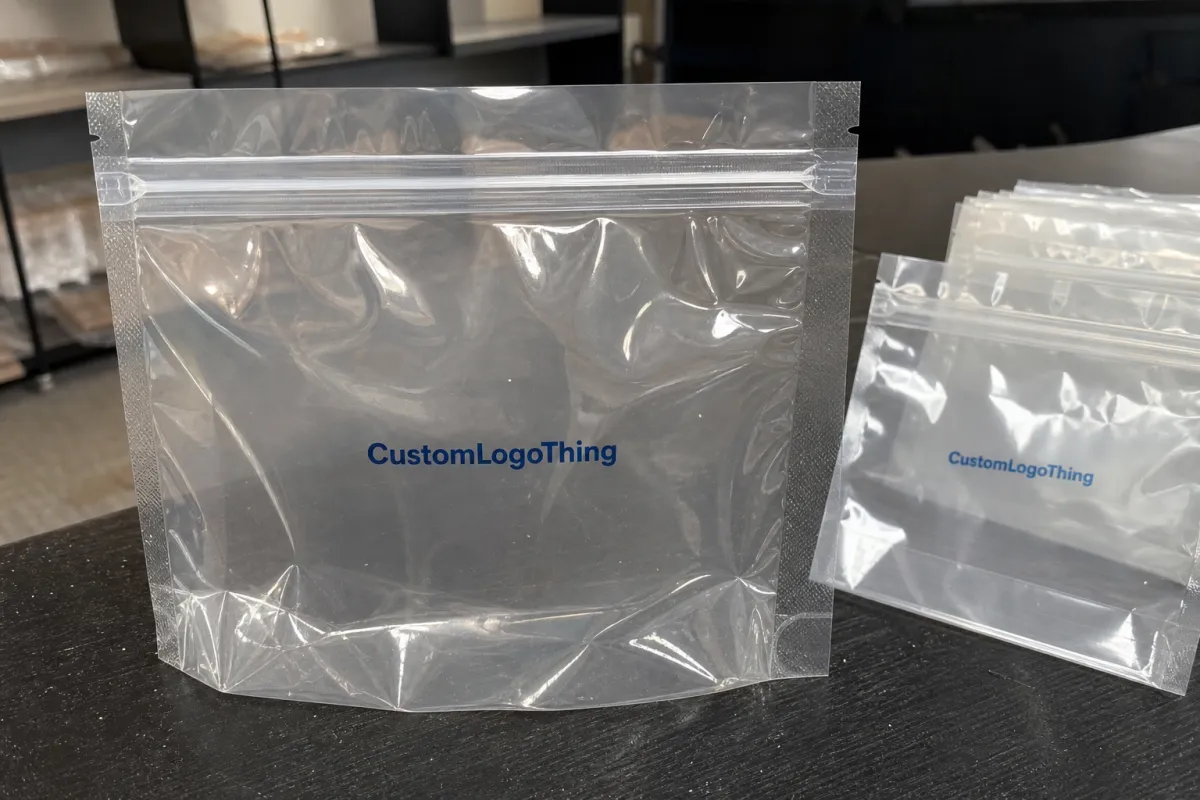
Most complaints about slider lock packs trace back to the insert spec, not the bag film. The film might seal cleanly and print beautifully, but if the insert curls, blocks the product count, or forces the slider track out of alignment, the package still fails the brief. That is why the supplement slider lock Bags Packaging Insert Checklist belongs at the start of the project, before artwork approval turns every mistake into a deadline problem.
There is a practical reason for this. Packaging components do not behave independently once they are loaded. A slightly stiff insert can bow the front panel. A too-thin card can flop and hide the product. A decorative piece can interfere with loading speed. Even the best-looking layout can become awkward when operators try to pack it 500 times an hour.
Three recurring problems show up in almost every category:
- Quote confusion because size, print sides, and finish were never specified clearly.
- Reprints because fold lines, safe zones, or warning copy were left until the last round.
- Pack failure when the finished unit will not survive shipping, retail handling, or consumer opening.
One warning sign is easy to miss: if a supplier asks only for insert copy and never asks how the product loads, the process is already incomplete. Fit determines everything else. Decoration comes later.
For buyers comparing formats, it helps to look at the package as a structure choice, not just a print job. A slider bag with an insert may beat a pouch, a box, or a fold-over card, but not always. The right answer depends on how much information needs to live inside the package, how visible the product needs to be, and how fast the line has to move.
How the Insert and Slider Lock Work Together
The closure and the insert interact physically, even when different teams handle them. If the insert is too tall, it can crowd the slider path. If it is too wide, it can wrinkle the front panel and distort the view of the product. If it is too thin, the whole unit feels loose and underbuilt. The bag may still close, but the user experience takes a hit.
There are three basic insert roles, and projects go sideways when those roles are blended without discussion:
- Decorative insert - mostly branding, color, and shelf impact.
- Support insert - stabilizes the product and gives the pack structure.
- Information insert - carries directions, warnings, ingredient highlights, or legal text.
Those are not interchangeable. A decorative piece can be lighter and more visual. A support insert needs the right stiffness, often around 300-400 gsm for paperboard, although the right number depends on the product weight and the size of the finished pack. An information insert needs readable type after folding, which means hierarchy and margins matter more than a shiny finish.
If one insert is doing three jobs, it should be designed like a structural part, not like a flyer.
Loading speed is another hidden variable. A snug insert can slow the line because operators have to force the product into place. A looser layout can improve throughput, but it may reduce visual crispness. That tradeoff is normal. E-commerce fulfillment, retail packaging, and subscription packs do not reward the same priorities.
For teams that need more formal testing language, distribution standards such as ISTA and broader packaging education resources such as packaging.org can help frame the conversation. They do not fix a weak spec on their own, but they help buyers talk about drop risk, vibration, compression, and handling in a way that is more useful than guesswork.
Material, Size, and Print Factors That Change the Build
Before asking for pricing, lock down the fundamentals. Bag film thickness, slider style, insert stock, insert thickness, and final dimensions after loading all change the build. A 4 mil bag with a basic slider is not the same order as a heavier structure with a matte finish, a printed insert, and a more decorative closure. Quotes that collapse those choices into one line are not especially useful.
Material should follow the product, not the mood board. Loose powders need better containment and more attention to seals and static. Tablets and capsules need protection from crushing and migration. Sachets or stick packs need enough internal space to avoid corner bulge and keep the insert from bowing. The bag size should be set from the filled state, not the empty state. That sounds obvious until a project gets approved without a loaded sample.
Print changes the build more than many buyers expect. A one-color insert on uncoated stock is quick and economical. A four-color insert with coating, spot gloss, or photographic imagery increases setup time and usually narrows the range of acceptable paperboard. The same pattern applies to the outer bag. More coverage means more proofing, more registration checks, and a lower tolerance for drift.
Finish choices matter too, but not always in the way marketing teams assume. Soft-touch lamination can make the package feel more premium, yet it can add cost and lengthen lead time. Foil can elevate a retail pack, but only if the artwork and stock are clean enough to support it. If the insert needs to carry warnings or dosage instructions, do not bury that text under effects that make it harder to read.
A practical specification sheet should include:
- Bag size when empty and when filled.
- Film thickness and slider type.
- Insert finished size, stock weight, and fold style.
- Print sides, color count, and finish.
- Barcode, warning, and regulatory text requirements.
One page like that often saves more time than a week of back-and-forth messages. It also reduces the chance that design, procurement, and operations each work from a different version of the truth.
Cost, MOQ, and Quote Drivers for Inserted Slider Bags
Pricing is usually driven by boring variables, which is helpful because boring variables are controllable. Bag size, film structure, slider hardware, insert material, print colors, and whether the insert is one-sided or double-sided all move the number. Add manual assembly, and the cost rises again. That is expected. What is not helpful is pretending those details are minor and then acting surprised when the quote changes.
For a straightforward custom run, a simple build may land around $0.18-$0.28 per unit at 5,000 pieces. Once the insert gets thicker, the print coverage grows, or assembly becomes more labor-heavy, the range can move into roughly $0.30-$0.60. Smaller orders usually cost more per unit because setup time is spread over fewer pieces. Split SKUs, multi-language versions, and different claim sets push the number higher again.
MOQ often shifts when a project mixes custom printed bags, inserted components, and more than one version. One outer bag, one artwork file, one insert version is the easiest path. Add alternate barcodes, extra languages, or several strengths with different claims and the order becomes a lot less efficient. The smart way to save money is usually to standardize the outer structure and vary the insert only where the message truly changes.
| Build Option | Typical MOQ | Approx. Unit Cost | Best For |
|---|---|---|---|
| Basic slider bag + plain support insert | 3,000-5,000 | $0.18-$0.28 | Simple product support, fast approval |
| Printed bag + printed insert | 5,000-10,000 | $0.28-$0.55 | Retail packaging, launch kits, branded presentation |
| Multi-SKU or multi-language versioning | 10,000+ | $0.35-$0.70 | Expanded distribution, compliance-heavy markets |
Ask vendors to separate structure, print, and assembly in the estimate. That makes the actual cost drivers visible. It also exposes hidden plate charges, special handling fees, and labor assumptions that can otherwise stay buried until after approval.
For sustainability documentation, FSC-certified paperboard can matter when the insert is paper-based and the brand needs chain-of-custody records. That paperwork should be discussed early. If it gets raised at proof stage, the board spec may need to change and the timeline follows it.
Production Steps, Proofing, and Lead Time
Clean production follows a predictable sequence. Structure confirmation comes first. Then artwork proofing. Then sample review if the build is not standard. Production, packing, and shipment come after that. It sounds orderly because it has to be. The biggest delays usually happen when artwork gets approved before the structure is final.
For supplement Slider Lock Bags Packaging insert checklist projects, the approval order should usually look like this:
- Structure - confirm bag size, insert size, and how the product loads.
- Fit - check the product with real tolerance, not just nominal measurements.
- Print - review artwork, barcode placement, and image quality.
- Compliance - verify claims, warnings, and required text.
Lead time depends on proof approval, material availability, and whether the insert needs a special fold or finish. A simple build with no revision loop may move in 12-15 business days after approval. Add multiple art rounds, a nonstandard paper stock, or a tight launch window, and the schedule stretches. Rush orders after approval are especially hard because they often force substitute materials or split shipments.
A master spec sheet helps more than people expect. One file. One source of truth. If the bag width is 120 mm in one email and 125 mm in another, the wrong thing will be made. That is not a rare risk. It is a common one.
Testing should match the distribution path. If the pack is going through parcel carriers or regional distribution centers, ask whether the build should be checked against ISTA-style handling expectations. Not every supplement SKU needs a full lab program, but the logic is sound: if the pack survives drop, vibration, and stacking, it is less likely to come back as damaged inventory.
Samples still matter even when schedules are tight. A flat sample or structure sample can reveal alignment issues that a digital proof cannot. PDF confidence is cheap. Physical fit is the part that costs money if it is wrong.
Common Mistakes That Cause Returns or Reprints
The mistakes repeat because they are easy to underestimate. Insert text too small. Barcode too close to a fold. Slider closure that drags after filling. Copy that says 30 servings while the finished fill count is 28. None of these errors is dramatic on its own. Together, they can turn a launch into a correction cycle.
Fill consistency matters more than many teams expect. If powder settles differently from one run to the next, the bag can bulge or wrinkle. Tablets and capsules can shift if the support piece is undersized. That affects shelf presentation and can create problems in shipping tests. Product packaging is judged visually long before anyone reads the label.
Fold lines deserve more attention than they get. Legal statements, warnings, or dosage copy near a fold can become hard to read once the insert is assembled. That is a simple issue with a frustrating fix. Build around the folded state, not the flat state. A good dieline should make that easy to see.
Common reprint triggers include:
- Wrong finished size after loading.
- Barcode or image bleed inside the fold area.
- Insert stock that is too flimsy for the product weight.
- Closure interference after the bag is fully packed.
- Claims or dosage copy that no longer match the final formula.
Another problem is the so-called temporary version. Temporary artwork tends to survive longer than planned, then shows up in warehouse inventory after the real SKU has moved on. That is not a branding strategy. It is a paperwork problem with a zipper.
Expert Tips for Cleaner Proofs and Faster Approvals
Request a flat sample or structure sample before artwork is locked whenever the design is not a repeat order. A PDF cannot tell you how the insert sits once the product is loaded. A sample can show whether the pocket size works, whether the board has enough stiffness, and whether the slider still moves cleanly when the pack is full. That small step removes a lot of guesswork.
Use one master spec sheet for all SKUs. Include the bag size, insert size, fill weight, print requirements, and any version differences. It keeps operations, design, and procurement from rebuilding the same information in three different forms. It also makes quote comparison easier across other formats like custom printed boxes, bags, or inserts because the same data is visible from project to project.
When several teams need to sign off, set the review order in advance. Structure first. Fit second. Print third. Compliance fourth. That sequence prevents people from debating color before the package is even the right size. It also keeps last-minute change requests from spreading into unrelated parts of the design.
A few checks are worth doing every time:
- Verify final dimensions in both millimeters and inches.
- Confirm product count after full loading.
- Check that the slider closes smoothly when the pack is full.
- Review all text in the folded state, not just on the flat file.
- Have a second person check barcode and legal copy placement.
If the supplier can explain how the insert is nested, folded, or packed for assembly, that is a good sign. Assembly detail matters more than a polished render. A nice proof does not guarantee a clean run on the line. A clear structure spec gets closer to that result.
What to Gather Before You Request a Quote
Before sending a request, collect the essentials in one place: finished product dimensions, fill weight, insert copy, logo files, target quantity, and delivery date. If the pack carries regulated claims or warnings, add those too. Fewer gaps at the start means fewer rounds of clarification later.
Confirm whether print is needed on the bag, the insert, or both. That one choice changes pricing, proofing, and lead time more than most teams expect. A plain insert with a printed outer bag is a different project from a fully printed insert with varnish and a custom slider. If the goal is a premium retail presentation, say so early instead of assuming the numbers will stay low.
Use this quote-ready checklist:
- Bag material, size, and closure style.
- Insert stock, size, fold style, and print coverage.
- Product weight and actual loaded dimensions.
- Artwork files, barcode data, and compliance text.
- Target MOQ, budget range, and needed delivery date.
If the budget is fixed, compare formats before committing. Sometimes a lighter insert solves the problem. Sometimes a sturdier support card is worth the extra cents. Overbuilding wastes money. Underbuilding creates returns. The useful middle is usually somewhere more restrained than the first concept deck suggested.
Use the supplement Slider Lock Bags packaging insert checklist as the working spec before any quote goes out. It keeps the project grounded, makes vendor comparisons honest, and lowers the risk of reprints that end up on someone else’s balance sheet.
What belongs on a supplement slider lock bags packaging insert checklist?
Finished bag size, insert size, and how the insert sits after the product is loaded. Add material specs for both pieces, print requirements, barcode data, and any compliance text. Include target quantity, packing method, and any closure or fill-performance requirements so the quote reflects the real build.
Do I need a printed insert or can I use a plain support card?
A printed insert makes sense when branding, instructions, warnings, or regulatory copy need to be visible. A plain support card works when the main job is fit, stability, or spacing rather than messaging. Choose the lightest structure that still protects the product and keeps the pack looking deliberate.
How do MOQ and unit cost change with inserted slider bags?
More print colors, thicker insert stock, and extra assembly steps usually raise the unit cost. Higher MOQs can lower the per-unit price, but only if the design stays stable across the whole run. Multiple SKUs, languages, or insert versions usually add setup and proofing cost.
What lead time should I expect for custom slider lock bags with inserts?
Lead time depends on proof approval, material availability, and whether the insert needs a custom fold or finish. Simple builds move faster; projects with multiple artwork rounds or structural changes move more slowly. Leave room for sampling, final approval, and freight if the order is tied to a launch date.
How can I avoid bad fit problems in supplement slider lock bags?
Measure the filled product, not the empty product, and leave tolerance for real packing variation. Check closure performance after full loading so the slider still moves cleanly and the seal closes properly. Approve a sample or dieline before full production.


