The subscription Slider Lock Bags Packaging Insert checklist is the spec lock that keeps the bag, the closure, the insert stack, and the carton count aligned before production starts. When teams skip it, the same small mistakes repeat every month: a card grows by a few millimeters, the slider feels sticky after filling, or the barcode lands in the wrong zone once the insert is inside.
Most failures in this format are not dramatic. They come from almost-right decisions made too early. The insert is thicker than assumed. The artwork looks clean on screen but clashes with the loaded panel. The fit sample passes once, then fails after normal handling. A tight brief prevents that kind of drift and makes quotes easier to compare.
For buyers, the insert stack often drives the package more than the film does. A card set that grows by 2 mm can affect seal space, pack-out speed, freight weight, and closure feel. That is why this should be treated as a packaging spec, not just a bag order. If the same program also needs other branded components, it helps to review it alongside Custom Packaging Products so the whole system stays consistent.
What the checklist actually covers
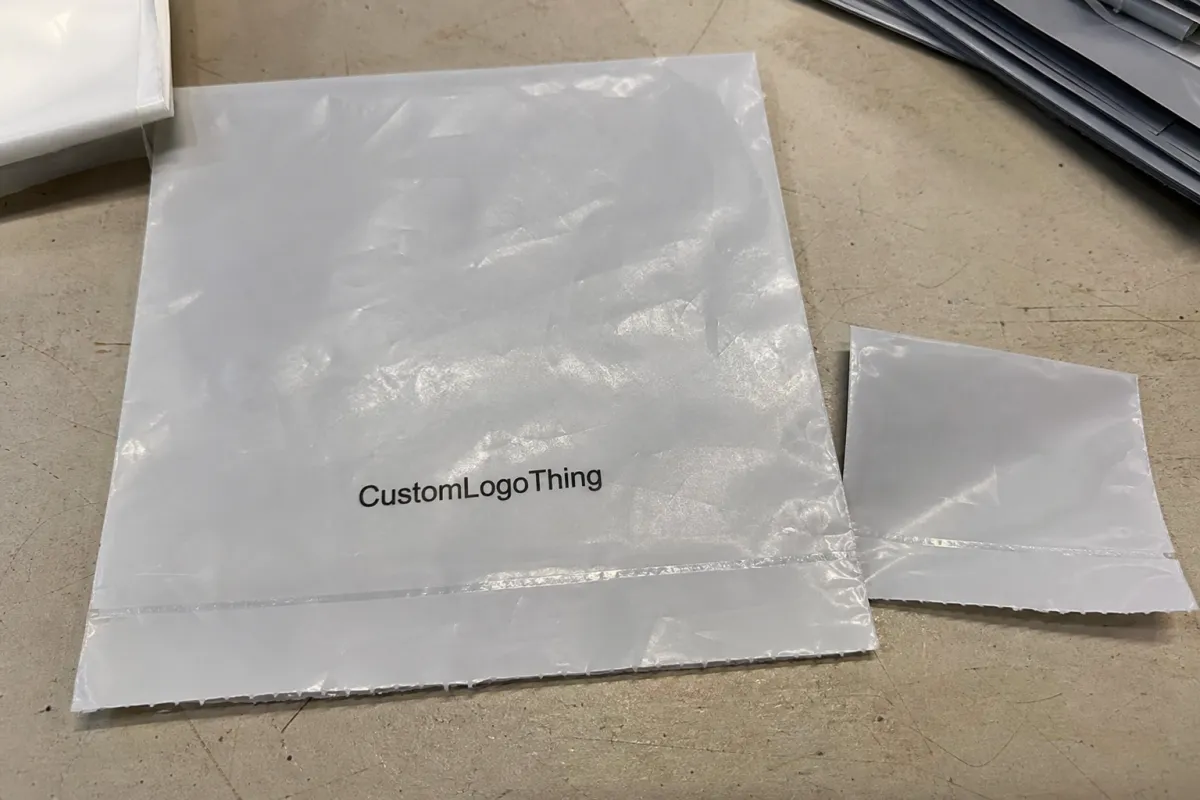
The checklist should define the finished bag size, slider style, insert count, insert thickness, print area, and packed quantity per carton. Those are the items that determine whether a quote is usable or merely optimistic.
It is more than a form. It tells production whether the insert stack is a single folded card, a product card plus coupon, or a thicker bundle with samples and instructions. It also clarifies whether the bag needs a hanging hole, tear notch, retail header space, or a clean front panel for shelf display. Without those details, the supplier may quote something that looks correct but fails once packed.
Subscription programs need this discipline because replenishment punishes inconsistency. One bad dieline can lead to stockouts, slower pack-out, or a closure that feels too tight after the second run. Most brands do not get burned by one giant failure; they get hit by repeated small misses.
“If the insert stack is not measured first, everything else is guesswork. Guesswork is expensive.”
The checklist should also cover how the pack will be used after opening. Is it a membership insert, a retail display item, or a reusable pouch? Will it go inside a mailer, a carton, or a larger kit? Those use cases affect the spec more than many teams expect.
- Bag dimensions: finished width, height, and usable depth
- Insert stack: card count, caliper, fold direction, and attached pieces
- Closure type: slider profile, opening force, and lock engagement
- Print scope: ink coverage, barcode zone, and visible front panel
- Pack-out: carton count, inner pack count, and pallet target
How slider locks, inserts, and bag construction work together
A slider lock bag is a system, not a sleeve with a decorative zip. Film gauge, closure track, seal geometry, tear notch, and hanging features all affect how the bag behaves once the insert is inside. If one part is off, customers notice quickly.
Insert thickness changes more than internal space. It changes the opening angle, the way the slider travels across the track, and how the front panel settles after loading. A 14 pt card stack behaves differently from a folded insert with a coupon strip, and both behave differently again once you add a sample sachet or bonus card. The safest path is to test with the real finished insert, not a paper mockup.
Weak spots usually show up in shipping, not in a neat sample photo. Corners crush in transit. Tracks get sticky after warm storage. A closure that feels fine in hand can become annoying after the bag has been handled by packing, fulfillment, and the customer. Standards like ISTA testing help because they expose shipping stress instead of rewarding optimism.
Material choice matters, but not in a vague premium-versus-cheap way. For lightweight kits, 2.5 to 3 mil polyethylene can be enough. For heavier or more reusable packs, 4 to 6 mil may be a better fit. Clarity matters if the insert is part of the presentation. Barrier matters if moisture, odor, or freshness are part of the product story.
If the pack needs to work on shelf, decide whether the insert should remain visible through the front panel or sit behind a clear window. That affects print coverage, ink placement, and how much messaging the card can carry before the layout feels crowded.
Key specs that decide fit, feel, and shelf life
Start with the finished insert stack, not the flat card size. Fold lines, coupons, samples, and nested components change real thickness. Add practical clearance for loading, then confirm the closure still engages cleanly without forcing the slider.
Three specs usually drive the result: film gauge, insert stack height, and print placement. Thin film can look sharp but feel weak after shipping. Heavier film protects better, but too much material raises cost and freight without improving performance. The right balance depends on product weight, reuse expectations, and how long the pack needs to stay presentable.
Artwork placement deserves more attention than it gets. Barcode zones need room. Clear-view windows need alignment. Messages printed over a loaded area still have to read well after the insert goes in. Ask the supplier to confirm the loaded front-panel view before final art approval.
Tolerance matters too. “Fits” is not useful unless the allowable variance is written down. Ask for bag length, seal tolerance, slider position tolerance, and insert caliper range. If the line will run multiple batches, the same spec should survive normal variation in paper stock, film stretch, and carton packing.
For brands choosing between a simple bag and a more premium pack, the comparison usually comes down to cost, decoration, and how much consistency the program needs.
| Option | Typical unit cost at 5,000 pcs | Best for | Main tradeoff |
|---|---|---|---|
| Stock slider bag, no print | $0.12-$0.22 | Fast launches, low decoration | Less brand control |
| Custom printed slider bag | $0.18-$0.34 | Branded packaging, retail presence | Higher setup and proof time |
| Custom bag plus inserted card set | $0.24-$0.42 | Subscription kits, multi-piece inserts | More fit risk if the stack changes |
| Thicker film with premium finish | $0.28-$0.50 | Reuse, shelf display, stronger feel | More material cost and freight weight |
If sustainability is part of the brief, be specific. Paper components and printed literature may need FSC-certified material. FSC guidance is useful if the insert uses paperboard or a printed instruction card. If the concern is waste reduction, epa.gov has practical baseline information on packaging waste and recovery. The point is to choose materials that fit the program, not to add vague claims.
Production process and timeline: from dieline to delivery
The cleanest programs follow the same path: spec intake, dieline confirmation, artwork proof, sample approval, production, and final pack-out. Skip one step and the cost usually shows up later in freight, reproofing, or a rejected lot.
Lead time slips in predictable ways. First, the insert changes after the proof is already reviewed. Second, the artwork file arrives with missing fonts, low-resolution images, or an untested barcode. Third, the customer team keeps debating closure feel after samples are already in motion. None of that is strategy; it is delay.
Typical timing depends on bag type and print complexity. A stock-based slider bag with simple inserts can often move in 12 to 15 business days after proof approval. A fully custom printed run with new sizing, new artwork, and a more involved kitting sequence usually lands around 18 to 30 business days, sometimes longer if samples need revision. Rush orders usually cost more because they compress proofing and production together.
For subscription launches, the timeline needs a buffer. Packaging rarely exists in isolation. A single artwork change can ripple into fulfillment, billing, and the next month’s replenishment. A supplier should be able to confirm production timing, carton count, pallet pattern, and reorder trigger before the first run starts.
If the same insert family may later move into custom printed boxes or another retail setup, the original dieline should be planned with that future use in mind. Otherwise the same work gets redone twice.
Cost, pricing, and MOQ tradeoffs that change the quote
Pricing usually comes down to five variables: tooling, print colors, film gauge, slider style, and insert quantity per kit. Add all five together and the quote starts making sense. Ignore two of them and the final invoice can feel like a surprise.
MOQ affects cost directly. Smaller runs usually cost more per unit because setup costs are spread across fewer bags. Larger runs lower unit cost, but only if the inventory will actually move. For a repeat subscription program, a slightly higher MOQ can be smarter if it cuts the unit price enough to offset storage and future reorders.
The hidden costs are usually not hidden at all. They are just ignored until the quote comes back.
- Sample fees: modest on paper, more noticeable after the second or third revision
- Reproofs: triggered by artwork, dieline, or insert changes
- Freight: especially painful on heavier gauges and larger carton counts
- Kitting labor: if the supplier loads inserts or collates components
- Storage: for brands ordering ahead to protect subscription continuity
Here is a practical way to think about quote levels.
| Program type | Likely MOQ | Price pressure | Buying advice |
|---|---|---|---|
| Simple stock bag with insert | 1,000-3,000 pcs | Lower setup burden | Good for testing demand |
| Custom printed bag with insert | 3,000-10,000 pcs | Setup and print coverage matter | Best when reorders are likely |
| Premium finish, heavier gauge | 5,000+ pcs | Material and freight costs rise | Use only if the feel supports the brand |
I would rather see a slightly higher per-unit price with stable fit than a low quote that forces a reprint later. That is especially true for repeat programs where the same spec comes back every cycle.
Common mistakes that cause bad fit or wasted money
The biggest mistake is ordering the bag first and hoping the insert fits later. That usually ends with a bag that is too tight, too loose, or awkward to close once the real stack arrives. Paying for a second run because the insert grew by 3 mm is an avoidable mistake.
Another common miss is forgetting the extra pieces. Coupons, cards, samples, and bonus inserts add height fast. Even a small welcome card can throw off the closure line if the bag was sized to the product alone. Every component should be measured, not guessed.
People also approve artwork too early. If the seal margin, barcode space, or visible front panel has not been checked, the finished pack can look cramped or inconsistent. That hurts package branding and usually gets spotted after production, which is the worst time to find it.
Another miss is trying to force one bag size across every tier. Sometimes it works. Often it does not. If the largest tier has to be shoved into place while the smallest tier rattles around inside the same format, customers feel the compromise. Separate sizes may cost more upfront, but they often reduce waste and improve the experience.
One more caution: film stretch and paper caliper vary by supplier and run. If the team approves a fit sample without writing down the sample conditions, they are not approving a spec. They are approving one lucky unit.
Expert tips and next steps before you request quotes
Start with one spec sheet, not a chain of emails. One sheet with the finished bag size, film gauge, closure type, insert thickness, print count, and pack quantity gives suppliers a real basis for quoting and gives your internal team something to compare against when samples arrive.
Ask for two samples if the customer experience matters: one functional sample for fit and closure, one printed proof for appearance. A bag can close well and still look wrong. A beautiful proof can also mislead you if the insert stack was not real. Both need to be checked.
Before launch, confirm carton count, pallet pattern, and reorder trigger. That sounds dull because it is dull. It is also how you avoid the next shipment turning into a scramble. If the program is already live, build reorder lead time into the calendar before inventory gets thin.
For brands that need broader packaging support, keep the conversation connected to Custom Packaging Products and the rest of the product packaging stack. The bag should not be designed in isolation if it has to sit inside a mailer, share shelf space, or live as part of a larger retail setup.
The checklist’s value is simple: it locks the spec, compares quotes on equal terms, and prevents messy repeat orders. That means fewer surprises, cleaner packs, and a subscription format that still works after launch.
How do I size subscription slider lock bags for insert packs?
Measure the finished insert stack first, including any coupons, cards, or samples that ship together. Add practical clearance for the slider track, seal area, and loading so the pack does not fight the closure. Ask for a sample fit check before committing to a full run, especially if the insert thickness can change.
What MOQ is normal for custom slider lock bags with inserts?
MOQ depends on print method, film type, and whether the bag is stock-based or fully custom. Smaller runs usually cost more per unit because setup costs are spread across fewer bags. If you expect repeat orders, a slightly higher MOQ can lower unit cost enough to justify the inventory.
How long does production take for a subscription bag insert program?
Simple stock-based orders move faster than fully custom printed bags with new artwork and special specs. Proof changes, insert revisions, and sample approval delays are the usual timeline killers. Build extra time if the launch date is fixed.
What files do I need before requesting a quote?
Send the target bag size, insert dimensions, quantity per pack, print colors, and closure type. Include dielines, artwork files, barcode requirements, and any finish notes that affect production. The cleaner the spec sheet, the faster the quote and the fewer revision rounds you will need.
Can one slider lock bag size work for multiple subscription tiers?
Sometimes, but only if the largest insert stack still fits with enough clearance and the smaller tiers do not look sloppy. If tiers vary a lot, separate bag sizes usually protect the customer experience and reduce wasted fill space. A shared format can work when the insert family is tightly controlled and the margins are tested first.
Good packaging is usually the one that disappears into the experience without causing trouble, and that is exactly what a disciplined subscription Slider Lock Bags packaging insert checklist is supposed to do.


