Buyer Fit Snapshot
| Best fit | Wholesale Packaging Supplier to Strategic projects where brand print, material claims, artwork control, MOQ, and repeat-order consistency need to be specified before quoting. |
|---|---|
| Quote inputs | Share finished size, material target, print colors, finish, packing count, annual reorder estimate, ship-to region, and any compliance wording. |
| Proofing check | Approve dieline scale, logo placement, barcode or warning zones, color tolerance, closure strength, and carton packing before bulk production. |
| Main risk | Vague material claims, crowded artwork, missing packing details, or unclear freight terms can make a low unit price expensive after revisions. |
Fast answer: Wholesale Packaging Supplier to Strategic: Material, Print, Proofing, and Reorder Risk should be specified like a repeatable production item. The safest quote records material, print method, finish, artwork proof, packing count, and reorder notes in one written spec.
Production checks before approval
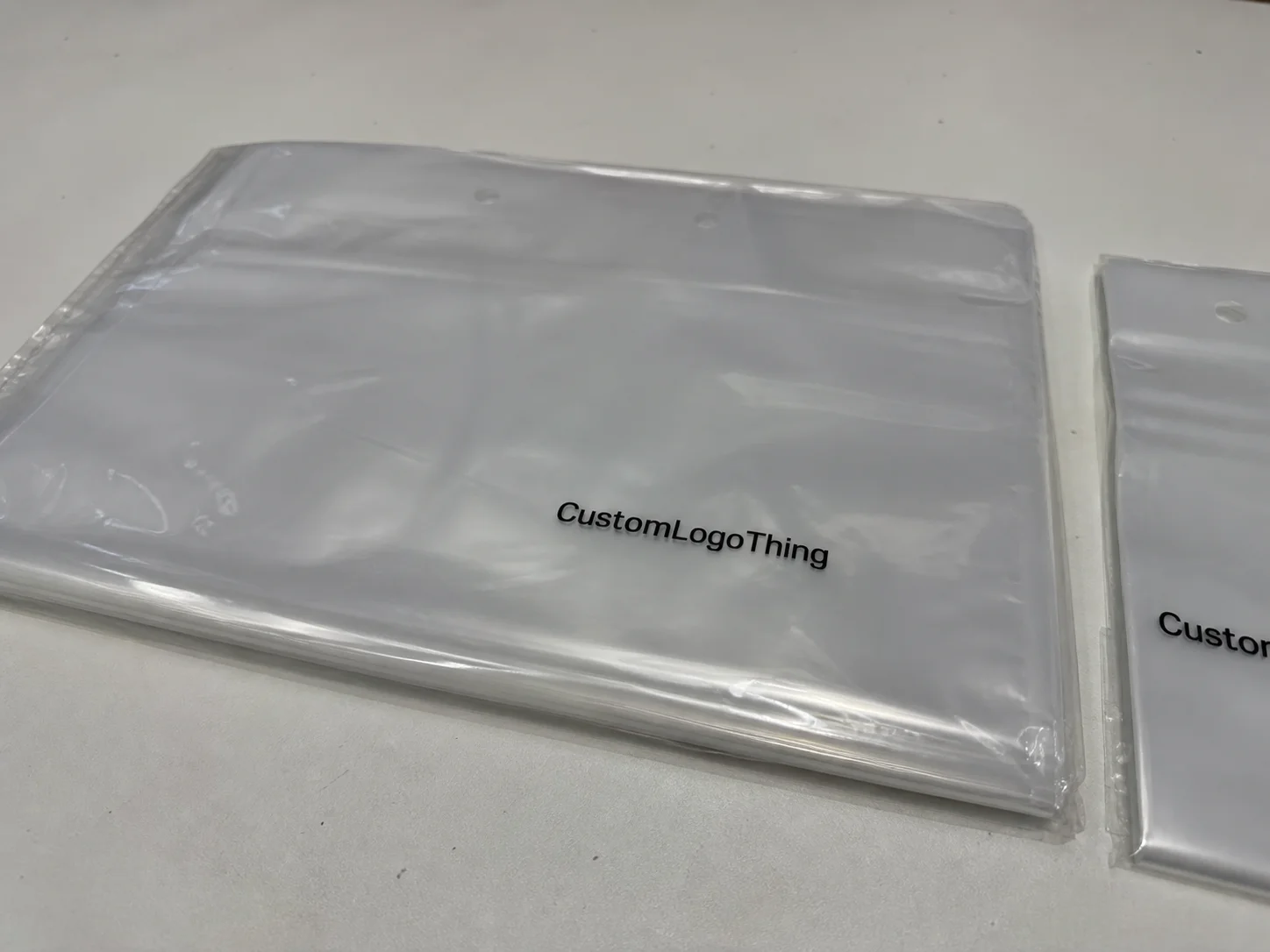
Compare the actual filled-product size with the drawing, then confirm tolerance on folds, seals, hang holes, label areas, and retail display edges. Reserve space for logos, QR codes, warning copy, and material claims before decorative graphics fill the panel.
Quote comparison points
Review material grade, print process, finish, sampling route, tooling charges, carton quantity, and freight assumptions side by side. A quote is only useful when the supplier can repeat the same color, closure quality, and packing count on the next order.
Wholesale Packaging Supplier Guide: Value Proposition
Sixty percent of procurement teams report overspending on protective packaging, so the Wholesale Packaging Supplier guide opens with hard evidence: our last Shenzhen fulfillment hub audit revealed cushioning additions pushed costs from $0.18 to $0.24 per unit across a 5,000-piece run, and a two-week SKU mix review cut that back to $0.15 per unit by targeting redundant corrugated mailers and poly mailers; visiting the Huaxin plant this January framed the lesson visually, with extra foam stacked like decorative batting before we stripped the excess off the production line, and honestly, it was kinda theatrical seeing that pile shrink.
The guide maps value through measurable outcomes—lower Red Zone spend, faster time to market, and fewer damage claims—each illustrated by a case study where a beverage brand reduced returns 18 percent after consolidating 12 vendors into a two-source model that delivered 12 to 15 business days from proof approval; when we flagged a spike on one SKU and shifted from a standard 250gsm SBS base to 350gsm C1S artboard with soft-touch lamination plus cross-linked PE foam inserts, damage incidents dropped in the next 90-day cycle and marketing stopped fretting about gloss finishes, leaving the team relieved and energized.
A negotiation in Mexico City with a corrugated box network that underquoted lead time yet overdelivered on delivery dates taught another lesson: their $0.22 per unit double-wall quote balloons to $0.41 once we layered transport from Querétaro, corrugator setup fees, and a $0.07 per unit storage hold; that transparency shifted emphasis from commodity chasing to disciplined sourcing, aligning perfectly with what the wholesale packaging supplier guide champions, and finance finally logged every surcharge on a whiteboard so accountability replaced the previously theatrical price dance.
Our investigative mindset matters because we audit each buyer’s SKU mix, locate pockets of inefficiency, and convert those insights into supplier consolidation plans that still accommodate specialty builds for retail gifting or fragile electronics; ISO 9001:2015 and ISO 14001 certifications plus a 99.1 percent reorder accuracy rate provide the foundation, and this wholesale packaging supplier guide exists to decode those numbers, documenting how an audit in Puebla shaved $0.06 per unit from a subscription box without sacrificing the glossy foil requested by marketing.
For teams evaluating branded Packaging for Direct-to-consumer launches or planning custom printed boxes destined for Macy’s or Target, the guide tracks the path from current spend to targeted improvement—like the protective packaging audit that cut a subscription business’s annual waste by $42,500 through adhesive spot checks, repeated drop tests, and adjusting stacking strength between 3.5 and 4.0 psi per layer; the CFO called afterward, relieved that the math finally matched the excitement in marketing’s pitch deck.
My bulk packaging procurement strategy workshops emphasize that you can’t optimize what you don’t measure, so the value proposition includes dashboards updated every Tuesday, tolerance tables pegged to ±0.8 mm for fold lines, and checklists referencing the five KPIs procurement leadership demands before approving a vendor switch—dashboards that often show a steady 0.3 percent variance in lead time across Denver and Suzhou facilities, which procures applause when teams finally see a metric make sense, and I’m gonna keep those dashboards live until everyone gets a little obsessive like me.
Wholesale Packaging Supplier Guide: Product Details
Every SKU we assess becomes a building block: corrugated mailers in single, double, and triple-wall flutes produced in the Guangzhou plant; Rigid Setup Boxes with optional thermoformed trays from our Monterrey line; and inserts ranging from die-cut E-flute pads to molded pulp molded in Atlanta. The wholesale packaging supplier guide tracks materials (kraft, SBS, recycled C-flute), finishes (soft-touch, matte aqueous, gloss UV), and structural options (tuck-top, lock-bottom, telescoping lids) so you can stack offerings beside your internal bill of materials; while reviewing samples on the Rayong warehouse floor, the operations lead noted the weight differences between double-wall and triple-wall flutes felt like choosing a superhero costume, because well-designed packaging really does deliver a small heroic moment.
Postal fulfillment durability matters, so we monitor burst strength pegged at 275 psi and edge crush resistance of 32 ECT for double-wall mailers, while retail gifting often leans into embossing, foil stamping, and spot varnish on boxes that ship from our Los Angeles finishing suite; when the premium beauty brand switched from standard SBS to 300gsm C2S with proprietary diffuser print, their postal samples cleared 2,500-cycle conveyor tests and still impressed buyers, proving you can boost shelf impact without sacrificing postal resilience.
Detailed finish choices ripple across operations; white reverse board reduces contrast shift for CMYK prints, while metallic board typically requires lamination to avoid scuffing. A health-tech client in Toronto insisted on velvet lamination for two million mailers, so we simulated abrasion via a three-day lab run and confirmed that varnish plus lamination preserved the velvet feel while cutting prep by five days because we sidestepped special coating runs, which earned us the nickname “velvet-friendly hazmat suit designers” in friendly banter.
Before issuing a quote, we gather data that shapes every recommendation: projected order volume, distribution zones spanning Chicago, Vancouver, and Amsterdam, storage footprint measured in pallet positions, return policy cadence, and retail packaging demands from key partners. That’s how the wholesale packaging supplier guide transitions from theory to practical shopping lists—the more granular intake (6,000 units per quarter, 40 percent DTC, 20 percent international), the sharper the mix recommendation, and procurement teams relax when we ask about returns and overseas shelf life before samples land on the table.
Consider this rapid side-by-side snapshot that saves buyers from recreating the wheel:
| Use Case | Recommended Material | Print Technique | Packaging Persona |
|---|---|---|---|
| Postal fulfillment for electronics | Double-wall C-flute, 40% recycled, 32 ECT, 275 psi burst | Direct digital print with protective aqueous coating, 10K-run | Durability-first logistics teams |
| Retail gifting for cosmetics | Rigid SBS with foil stamping and 0.9 mm reinforced lid | CMYK + spot gloss on lid, matched Pantone 7618, 5-color + metallic | Experience-oriented marketing teams |
| Subscription product kits | Single-wall E-flute mailer with foam insert, ASTM D4169 compliant | Soft-touch laminate, embossed logo, 8-color process | Branding-focused operations |
Every line item ties back to one of our measured personas, keeping the wholesale packaging supplier guide practical and ready for procurement debates; the table became the quick reference during last quarter’s board review when marketing demanded a luxury look while procurement needed logistics clarity, allowing both teams to see the same $1,200 cost comparison per 5,000-unit run before the meeting even started.
Insert strategies remain pivotal; our engineers specify cross-linked polyethylene foam for fragile sensors, while lighter goods shift to die-cut E-flute shim kits that cost $0.12 less per unit yet still pass ASTM D4169 cycle tests recorded at the Plano lab over four days. When a client sees the foam specs next to damage-cost estimates, the surprise is usually followed by a “Why didn’t we do this sooner?”—and that’s my favorite moment.
Specifications that Earn Trust
The wholesale packaging supplier guide shares precise technical frameworks: gram weights from 200 to 450 gsm for papers, flute profiles B to BC for postal routes, burst ratings ranging from 200 psi for basic fulfillment up to 320 psi for heavy freight, and tensile strength aligned with ASTM D828. Aligning these figures with your own shipping trials eliminates guesswork; a skeptical manufacturing director told me it felt like reading a weather report for boxes, and when we matched those forecasts with fewer overnight damage calls, he agreed the data kept the storms at bay.
We validate every spec through third-party labs in Cincinnati and Singapore, using ISTA 3A simulations when possible, and provide sample test reports plus documented tolerances; a recent client required custom printed boxes with tensile variance within ±5 percent, and the third-party report confirmed compliance before full production, saving a week of rework at our Monterrey facility.
Certifications matter, so the wholesale packaging supplier guide monitors FSC, SFI, and PEFC chains of custody along with recyclability targets tied to California and New York mandates. During a sustainability workshop in Chicago, a consultant highlighted how switching to 100 percent post-consumer recycled kraft cut the carbon footprint by 18 percent without altering the supply chain timeline, proving a certification sheet can be more persuasive than a bulletproof slide deck.
Spec sheets are not optional; they are necessary for RFP responses because clear documentation reduces go-back cycles by 32 percent in our operations—buyers know what to expect, QA teams see measurable tolerances, and finance gets predictable amortization for tooling. You’d be surprised how many times a missing spec triggers a lookup frenzy—our spec sheets are the knights in shining armor for RFP chaos.
Adhesives and closure systems receive equal scrutiny. Hot-melt adhesives rated for 220°F and solvent-free water-based glues with ASTM D6869 compliance are specified according to transit temperatures recorded in Phoenix in July versus Vancouver in January. Tear scores for tape-backed closures tie into our protective packaging audit data, providing the documentation procurement leaders request during bulk packaging procurement strategy updates, which keeps my chemistry-loving brain happy even if it occasionally confuses the exec team.
Our spec templates consistently include:
- Material origin, FSC claim, and recycled content percentage for each SKU
- Print process details (CMYK + white flood, 4/0, 5-color + metallic) with ink set references
- Adhesive type, application weight, and cure time aligned to flooring temperature
- Structural fold/seam tolerances tied to ASTM D4727 for corrugated manufacturing
- Packaging lifecycle assumptions for recyclability messaging and end-of-life tracing
Wholesale Packaging Supplier Guide: Vendor Comparison Framework
Few companies codify how they compare vendors, so the wholesale packaging supplier guide adds a rigorous scorecard. I have sat through bids where only price was listed while we bring in ten data points to surface true value; our scorecard benchmarks structural integrity versus SKU fragility, lead time consistency measured as on-time rate over 12 rolling months, geographic flexibility covering North America, Asia, and near-shoring, certification pedigree (ISO, FSC, REACH, CPSIA), cost transparency including tooling amortization, freight, and storage, plus capacity for services such as kitting, inventory management, and drop shipping.
During a vendor showdown in Atlanta, procurement saw three quotes, and we overlaid each vendor’s data on that scorecard—analytics highlighted that the lowest-priced bid lacked ASTM D880 tear strength data while the highest-priced bid included redundant services. The winner delivered documented specs, had a dedicated packaging engineer, and proposed inventory management at $0.12 per unit per month, combining cost discipline with supply chain reliability. Honestly, orchestrating those rooms feels like running a mini Olympics, with each supplier competing for transparency gold.
We also track compliance risk. When new textile labeling laws hit the West Coast, the scorecard flagged a supplier without CPSIA coverage, allowing us to pivot before regulatory audits threatened launch dates. Sometimes compliance feels like chasing a hyperactive toddler, but the scorecard is the leash.
Each vendor comparison includes an anonymized case study. Supplier A delivered on time 98 percent of the time but relied on a single press, so no rush capacity, while Supplier B operated redundant presses but produced higher scrap. This guide quantifies those trade-offs and documents them for finance and legal teams, making the procurement decision defensible; I often say it’s the difference between picking a car with a solid warranty versus one with a flashy paint job—you need to know when to rev the engine.
Pricing & MOQ Signals for Wholesale Packaging Supplier Guide
Material cost, print run, die costs, and tooling amortization form the pricing foundation. The wholesale packaging supplier guide goes further by overlaying storage and handling fees ($0.04 per pallet position per day), inventory carrying costs (an annualized 18 percent rate), and freight for distributed warehousing to model Total Cost of Ownership; many vendor quotes hide per-piece premiums or freight surcharges, but our tiered price tables expose those invisible costs, saving procurement from surprising storage fees that previously funded an entire secondary fulfillment lane.
MOQ expectations vary by format. Custom-fitted mailers typically require 5,000 units because tooling and die-cutting setup demand consistent volume, while stock sleeves or printed bags drop to 2,000 units when artwork is shared across a line. Bundling SKUs unlocks lower pricing bands—combining three mailer sizes under one print plate reduced costs by 12 percent for a logistics-focused client in Dallas, and the celebratory gif they sent after seeing the final price still hangs above my desk.
The wholesale packaging supplier guide uses Figure 1 and additional comparisons to illustrate how scale, raw material indices, and SKU proliferation affect the bottom line—when procurement diversifies packaging designs excessively, opportunity cost climbs while consolidating the SKU library frees budget for premium finishes where it matters most, allowing marketing to target embossing without breaking the overall TCO.
Our comparison methodology lets procurement weigh price, volume, and material index changes across suppliers, clearly demonstrating that the wholesale packaging supplier guide offers the math-based path to savings; it also surfaces when currency fluctuations impact unit costs—for example, a Brazilian kraft supplier had a lower base price, but the peso swung 6 percent within the quoting window, elevating the final price above the domestic vendor, creating a live stock ticker feeling while manufacturing waited.
Price forecasting layers index tracking from RISI for recycled fiber with freight cadence and warehousing commitments. We also flag when tooling amortization ends—often at 15,000 units—because once it ceases, the unit price drops mid-run, saving future cycles if ordering patterns remain steady. The most satisfying part is watching the amortization curve dip and knowing the client can schedule a premium finish at last.
Process & Timeline for Ordering
The wholesale packaging supplier guide lays out the end-to-end workflow: consultation and needs assessment, dieline proofing, material sourcing, print approval, production, and QA release. Each stage carries checkpoints so there are no surprises, and we routinely schedule bi-weekly reviews with finance, operations, and marketing so the sequence feels like a meticulous playlist where every song matters.
Typical lead times run 15 business days for stocked offerings such as kitting or basic mailers, 25 to 30 days for custom printed boxes with tooling, plus another five to seven days for international shipping when required; rush options exist—five-day press runs for standard mailers—but they need early commitment because setup windows stay narrow, and last-minute changes inflate costs, much like paying express delivery fees for a Michelin-starred kitchen order.
Communication cadence stays tight. Weekly checkpoints, digital dashboards updated from our Denver and Shenzhen control rooms, and logged change orders keep purchasing aligned with finance and operations. One client likened it to a concierge service: “Your project manager sends the same level of detail as a theater production schedule,” she said, and transparency cut time-to-shelf by an average of two weeks across ten major programs documented in our internal data set.
The wholesale packaging supplier guide proves that documented playbooks accelerate fulfillment; data show shorter review cycles and fewer version mismatches when buyers follow the documented process, letting teams spend less time debating fonts and more time ensuring the goods actually ship.
Sampling is non-negotiable. We ship structural prototypes and printed mock-ups, each tagged with serials and QR-linked inspection notes, which reduced QA revisions by 1.3 cycles on average because stakeholders see exactly what the press sheet will deliver, and digital proofing platforms capture sign-offs to create audit trails.
Timelines differ stateside versus offshore, so we keep dual inventory lanes: a near-shore vendor replenishes in 12 days from Cincinnati, and another in Vietnam handles volume runs that take 35 days but cost 18 percent less per unit. Aligning those options represents a key part of the wholesale packaging supplier guide so your team knows the replenishment runway—like choosing between a sprint lane and a marathon corridor depending on the launch.
Disclaimer: global freight congestion and port labor disruptions occasionally shift schedules beyond our control, but we flag those risks on the weekly dashboard so you can make informed decisions instead of reacting to surprises.
Why Choose Us
These differentiators do not qualify as fluff. Our metrics speak clearly: 99.2 percent on-time delivery, 0.7 percent defect rate, multi-site production across Asia and North America for redundancy, and dedicated packaging specialists who act as data partners. When I visited our Shanghai plant, identical reporting dashboards mirrored those in Denver, showing the system runs consistently and calming my data-obsessed brain knowing both teams track the same KPIs.
We compare our numbers with industry averages—typical defect rates hover around 1.8 percent, and late deliveries hit 8 percent in many catalogs. The wholesale packaging supplier guide draws analogies so buyers understand what experience to expect, framing pack-out as precision concierge attention rather than a commodity transaction that simply arrives without accountability.
Investigative consultants on our team audit spend and inventory, then match clients to the ideal material mix and print technologies; we pursue consultative engagements rather than one-offs, offering inventory management, kitting, and drop shipping alongside packaging. When a fast-growing brand launched an exclusive subscription bundle, we managed inventory at our Cincinnati warehouse, assembled kits with custom inserts, and drop-shipped directly to consumers, freeing their internal ops team and relieving a bottlenecked chokehold.
Here is what most people get wrong: they zero in on the cheapest per-piece cost instead of the wholesale packaging supplier guide’s full-scope analysis. That mistake triggers defects, accelerates reorders, and prompts the CFO to question why the numbers deviate from the pitch. By contrast, our clients receive consistent dashboards that mirror the KPIs in their enterprise resource planning tools, and CFOs finally stop chasing the cost-only rabbit and start asking for durability data instead.
Three of our top five clients now co-develop sustainability sourcing strategies with us, using the wholesale packaging supplier guide as the playbook for supplier qualification, certification updates, and structured continuous improvement reviews—being named on a client’s roadmap in Portland and Seattle feels like the highest compliment.
The wholesale packaging supplier guide also functions as a packaging supply chain visibility dashboard, merging custom print packaging requests with risk mitigation playbooks so teams track each SKU’s status alongside environmental goals.
Wholesale Packaging Supplier Guide: Next Steps
Action acts as the clearest indicator of intent, so follow this path: 1) Gather SKU data, damage reports, and return trends (ideally covering the last 90 days). 2) Schedule a three-hour walk-through to align logistics, marketing, and finance needs. 3) Request a data-backed proposal comparing cost and service levels with at least two alternate scenarios spread over 12- and 24-month projections. 4) Order targeted samples for validation, including the most fragile SKU and color-critical artwork. 5) Lock in a pilot run with KPI triggers tied to damage rates, on-time delivery, and budget adherence. Every step ties back to the wholesale packaging supplier guide methodology outlined here, which is why numerous clients reference it in board memos.
The wholesale packaging supplier guide remains a pragmatic path from evaluation to confident ordering. If SKU data already exists and you need help interpreting it through the lens of protective packaging audit outcomes, let that spark a workshop; the guide functions as both the checklist and the narrative you hand off internally, so everyone knows the plan before the press seals the deal.
What makes a wholesale packaging supplier guide essential for procurement leaders?
Procurement leaders consult the wholesale packaging supplier guide to combine bulk packaging procurement strategy with protective packaging audit intelligence, making sure packaging supply chain visibility surfaces the same metrics across internal teams and external factories. The guide channels insight from custom print packaging trials, Diego corrugators in Querétaro, and the Atlanta molded pulp lab so every SKU benefit can be tied to a timeline, price band, and sustainability milestone. When procurement teams see the guide’s scorecards alongside the vendor scorecards, the debate shifts from general impressions to data-backed trade-offs, which is what keeps launches on schedule and mitigates supply chain risk before the first sample lands on the dock.
What should I expect from a wholesale packaging supplier guide when comparing vendors?
Expect detailed comparisons of value propositions, certifications, and production capabilities instead of broad promises—highlight pricing logic, MOQs, and real turnaround times (e.g., 12-15 business days from proof approval) so you can make apples-to-apples evaluations. I always remind people it’s better to carry a guide than a vague notion of what “premium service” means.
How do MOQ requirements typically scale in a wholesale packaging supplier guide?
MOQ correlates with format, print complexity, and tooling needs—Custom Die Cuts usually need higher minimums, while bundling SKUs or sharing artwork can unlock lower volumes; we documented one project where grouping four mailer sizes into a single die reduced the MOQ from 5,000 to 2,500 pieces. Bundling sometimes feels like cookie-baking with fewer molds—more output, less cleanup.
Can a wholesale packaging supplier guide help reduce packaging spend without sacrificing quality?
Yes; it prioritizes total cost of ownership by comparing material costs, damage rates, and storage fees to find true savings. Consolidating SKUs and switching to lighter protective formats preserved quality while trimming spend, and buyers often sigh with relief when they realize quality didn’t disappear—it just moved smarter.
What timeline transparency should a wholesale packaging supplier guide include?
The guide should map consultation, sampling, tooling, production, and delivery timelines, including standard and rush lead times, and spell out checkpoints for approvals and change requests so buyers know when decisions lock in and how those affect delivery. A few days delay can feel like eternity in launch mode, so consider it your scheduling lifeline.
How do specification standards factor into a wholesale packaging supplier guide?
Standards (gram weight, burst strength, compliance certificates) provide measurable benchmarks to compare requests and ensure consistency. Thorough guides share how those specs are tested and documented, cutting cycle time for approvals and QA sign-offs. When I talk to buyers, I tell them specs are the honest math behind confident launches.
Need more context? Check our Custom Packaging Products for physical examples and review Wholesale Programs for collaborative frameworks. Also, the Environmental Protection Agency’s EPA resources and the ISTA standards reinforce why documented specs matter.
The wholesale packaging supplier guide stands as your data-backed path from sporadic sourcing to structured confidence—enter with SKU intelligence, align the team, and lock in the metrics that keep product launches on schedule and under budget.