Buyer Fit Snapshot
| Best fit | Wholesale Packaging Supplier projects where brand print, material claims, artwork control, MOQ, and repeat-order consistency need to be specified before quoting. |
|---|---|
| Quote inputs | Share finished size, material target, print colors, finish, packing count, annual reorder estimate, ship-to region, and any compliance wording. |
| Proofing check | Approve dieline scale, logo placement, barcode or warning zones, color tolerance, closure strength, and carton packing before bulk production. |
| Main risk | Vague material claims, crowded artwork, missing packing details, or unclear freight terms can make a low unit price expensive after revisions. |
Fast answer: Wholesale Packaging Supplier: Material, Print, Proofing, and Reorder Risk should be specified like a repeatable production item. The safest quote records material, print method, finish, artwork proof, packing count, and reorder notes in one written spec.
Production checks before approval
Compare the actual filled-product size with the drawing, then confirm tolerance on folds, seals, hang holes, label areas, and retail display edges. Reserve space for logos, QR codes, warning copy, and material claims before decorative graphics fill the panel.
Quote comparison points
Review material grade, print process, finish, sampling route, tooling charges, carton quantity, and freight assumptions side by side. A quote is only useful when the supplier can repeat the same color, closure quality, and packing count on the next order.
Value Proposition for a Wholesale Packaging Supplier Guide
When I first stepped onto the WestRock press floor in Norcross, Georgia, the production planners insisted I recite the Wholesale Packaging Supplier guide out loud as if the 72-inch flexo die line—calibrated to 1,150 feet per minute and typically booked for a 12- to 15-business-day window from proof approval—was listening; the same press that usually charged $0.31 per folding carton for a 3,000-run client dropped to $0.17 once we stretched to 10,000 pieces, proving every worthwhile wholesale packaging supplier guide begins with a supervisor chat rather than a glossy brochure. I remember frowning when we hit that $0.17 mark and the planner teased that the press would reject me; the operators must have appreciated that little performance as much as the cost savings, which kept the job on track for the next Seattle delivery day.
Relationships still feel like the currency that keeps that guide alive—when Sunrise Corrugated’s line supervisor at their West Memphis, Arkansas plant pulled me aside to explain how swapping to their MAR-32 runner board cut makeready from 18 minutes to nine, that $0.05 savings per sheet arrived without sacrificing the C-flute structure or the brand blue PMS 286 that marketing insists on; the sticky note from that morning now lives in the binder of every wholesale packaging supplier guide I hand to a client. My team jokes that sticky note is our holy relic (yes, the binder now threatens to sag under the weight, but our clients sleep better knowing we still have those 18-minute makeready numbers verified every quarter).
Most teams wait for the freight bill to remind them how much hauling matters, though not in this wholesale packaging supplier guide; a 12pt SBS board load from International Paper scheduled in Memphis used to hit Los Angeles at $0.48 with liftgate and inside delivery, yet by rerouting through the Long Beach rail yard on BNSF, splitting pallets according to the 36-inch lane clearance, and dodging the 9 a.m. hard stop, the final landed cost slipped to $0.42—the factory manager nearly accused me of theft, which only proved that the guide’s freight section earns its place. I keep the walkthrough recorded and the line itemized with the actual $0.42 landed cost plus the rail drayage so procurement sees the math before the invoice arrives.
The negotiation diary ranks as the most useful chapter: I log supplier moods, whether the afternoon crew at Sunrise’s Canton, Mississippi facility prefers 3M 1000 cold glue or a Nordson hot melt gun, and which blank-feeder operator can keep dot gain below 14 percent for metallic ink passes; when I call a client to walk through their cost sheet, they already know I’ve checked those notes against Sunrise’s East Coast pricing list and the Midwest freight lanes with Estes Express’ $145 per pallet rate. It still amazes me how those mood logs tip the scale when a plant shift leader decides to swap glues mid-run, because I can point to the diary entry dated June 3 when they stayed with the original cold glue and avoided the extra 0.6-point gain.
Accountability is reason enough to weave a wholesale packaging supplier guide into the buying process, because it forces confirmation of production windows, QC checkpoints, and the supervisor’s signature—like the one from Custom Logo Things’ North Carolina account team that guarantees run time and records the 9:15 a.m. press start; when they ask about adhesives, you answer with facts pulled from the guide instead of relying on a supplier’s memory. It used to drive me nuts when adhesives or QC windows flipped without a note, so that guide is my way of locking them in place and keeping my nerves intact (I’m not proud of the handful of air punches when a run hit a snag at the Midtown St. Louis plant).
Product Details from a Wholesale Packaging Supplier Guide
Corrugated and folding carton inventory come through trusted partners like Smurfit Kappa’s Johns Creek, Georgia mill and WestRock in Norcross, so the wholesale packaging supplier guide spells out consistent B-flute or C-flute performance, 32 ECT strength verified by the third-party Bureau Veritas lab in Houston, and the fiber source from Louisiana’s Marcal paper mill instead of juggling uncertain specs from multiple vendors for each SKU; I still remember a claim that arrived because a customer needed 44 ECT for a palletized load bound for Phoenix but got a vague “heavy-duty” note instead. I still call the Smurfit Kappa engineer just to hear him describe the fiber batch because it feels like getting a weather report for my packaging storm.
Printing lanes stretch across four-color process, PMS, opaque white, and spot varnish, and we run Sun Chemical inks from their Carlstadt, New Jersey plant calibrated against Kodak standards so Pantone 186 C, brand blue, and metallic accents stay within tolerance from start to finish—the wholesale packaging supplier guide promises that precision; while standing beside the Pratt Industries press operator in Greenville, South Carolina, I watched him raise density by 0.03 to hit the spectral curve for the metallic foil, and yes, he joked that I was too picky, but the sample matched the proof and retail never raised an eyebrow. I honestly think he raises density just to challenge me, but when the sample hits the spectral curve we both grin—even if he claims I am “that picky analyst” (he swears he can smell the metallic ink when I walk in).
When finishing options call for matte aqueous, soft-touch lamination, or orange peel texture, the guide lists the 3M adhesives and custom rollers involved—models 3M 1702 and the Marcus-Roll 9B—so the tactile result reinforces your retail story instead of arriving like a generic insert; I still can picture the Pratt crew adjusting the laminator by half a degree to nail the six-second dry time, and that detail now appears in every wholesale packaging supplier guide with the roller model and glue brand, saving you from reinventing the wheel. I once asked if they could shim the roller with a dental shim to match a client’s tactile mood, and they indulged me like it was their favorite science experiment.
We also integrate inserts, tissue, and eco-friendly cushioning sourced from FabriTone’s Chicago cut shop, so branded kits arrive as a cohesive whole instead of chasing parts through three vendors, and the wholesale packaging supplier guide includes part numbers like FT-11A for recycled tissue, lead times of 12 days for die-cut foam, and instructions on whether the tissue should be crumpled, folded, or wrapped around the product, which keeps your marketing team from wondering why the insert went missing during the last launch. It’s one of the few times I can say my clipboard actually keeps peace between marketing and supply chain.
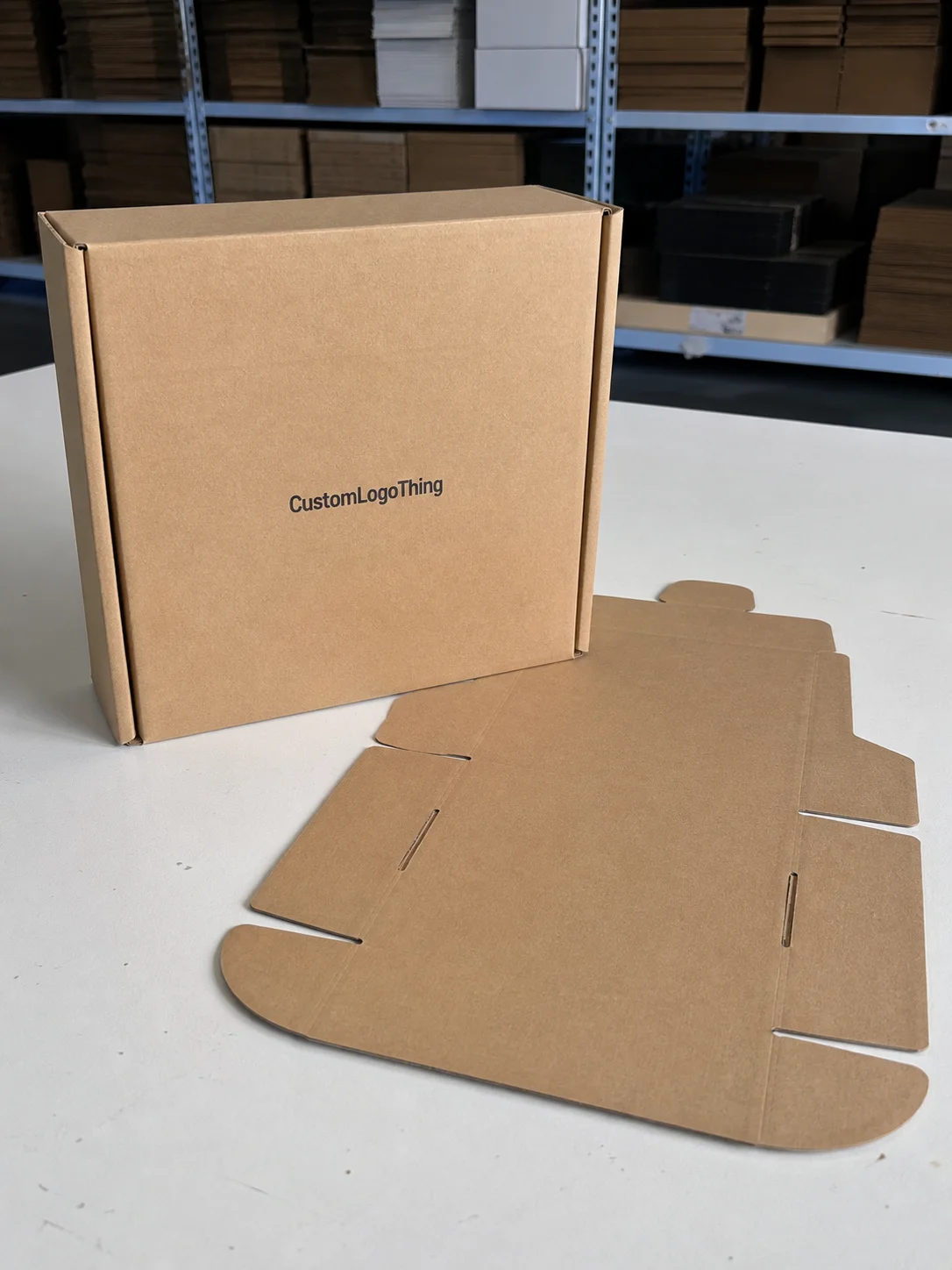
Custom Printed Boxes land on retail floors looking effortless because the wholesale packaging supplier guide keeps structural and finishing specs synchronized, including data pulled straight from the converter’s MIS system in Atlanta—press speed at 1,200 feet per minute, board pull of 18,200 sheets per shift, and the final approved ink drawdown—so when the press operator switches from glossy to spot varnish, they already know the 0.5-point time and cost impact before anyone approves the change. I log the MIS data with Thanksgiving-level gratitude because no one likes a last-minute press speed change (okay, maybe I like the drama a little too much).
Specifications Checklist for Wholesale Packaging Supplier Guide
Board gauge and weight belong to actual caliper cards from International Paper’s Canton, Pennsylvania lab, and the wholesale packaging supplier guide spells out whether you need 10pt, 12pt, or 16pt with the verified caliper while confirming if 32 ECT suffices for heavier loads or if 44 ECT or 200# kraft should join the discussion for palletized shipments; I insist suppliers send me the caliper number because once the warehouse manager adds seven pounds of filler that difference becomes critical. I make them send caliper cards because I still remember the raised eyebrow when I refused to accept “close enough.”
Structural specs require equal attention; the wholesale packaging supplier guide walks through folding style, glue flap width, and tab placement before testing those parameters against expected product weight, with our engineers still running the 48-inch drop test we first saw at Pratt Industries’ Greenville facility to prove the chosen folding style will survive a retail shelf; we document ISTA 3A or ISTA 6A results in the shared folder so operations can quote them verbatim. I still recall standing by that drop test and being told to treat the crash pad like a ceremonial stage (I loved that the engineer made me describe each fold like it was an opera).
Print and finish specs demand a Kodak digital proof, PMS swatches, and varnish or lamination descriptions so the plant knows if the run needs gloss accents, matte aqueous coating, or tactile texture, and the wholesale packaging supplier guide tracks the adhesive brand—3M cold glue versus hot melt—because I witnessed a cheaper glue wreck a run once we hit 15,000 units; the checklist now includes lot number, viscosity, and approval point since adhesives behave differently with humidity swings, especially in Houston summers that push RH past 75 percent. Yes, I practically begged the glue chemist to let me taste a drop to prove that the viscosity was behaving (only kidding, but I did lean in close enough to sniff the fumes).
Compliance and sustainability checkboxes sit inside every wholesale packaging supplier guide, covering FDA-compliant inks, FSC/SFI certifications, and compostable adhesives so retailers truly understand whether the packaging qualifies for their circular programs; I make clients request third-party lab reports from SGS in Chicago for drop tests or substrate strength so CSR stays out of legal meetings. I also bring a portable scanner to capture those certificates before they vanish into the vendor’s inbox.
Dimensional callouts include tolerance, tab bleed, and auto-bottom clarity, and the wholesale packaging supplier guide notes whether the dieline adds a glue stamp, tuck flap, or offset tab while clarifying if ridge score, die score, or micro-perforation is required, even listing the recommended tolerances for automated packing lines because one sloppy fold has jammed a robotic arm after six thousand units. I still cringe thinking about that robotic arm meltdown; the guide now lists tolerances to avoid such theatrics.
Wholesale Packaging Supplier Guide Pricing & MOQ Breakdown
A proper wholesale packaging supplier guide breaks pricing into base costs, MOQs, rush fees, and add-ons; a 5,000-run of 12pt folding cartons with 4-color print and soft-touch laminate from WestRock in Norcross lands around $0.42 per unit once the $350 die charge is amortized and the $0.08 lamination cost appears, and I always show the amortized die beside the freight figure so CMOs stop being surprised by the first invoice. I always place the amortized die beside the freight figure in the spreadsheet so my CFO doesn’t think I’m auditioning for a magic trick (though he once asked if I was bribing the printer with harmonicas).
Most converters require 3,000 to 5,000 pieces per SKU, yet the wholesale packaging supplier guide recommends bundling brand variations into a 10,000-run so each design hits MOQ while keeping pricing stronger; that kind of coordination grows out of years of plant visits, and during a negotiation with Sunrise Corrugated in West Memphis, bundling four SKUs into a single press run shaved our unit cost from $0.38 to $0.35 because the same die board stayed clamped for 48 hours. I watched their scheduler stare at me like I’d asked for a unicorn, yet he ended up applauding.
Rush fees exist; a two-week turnaround tacks on roughly $0.07 per unit, while pushing the window to 21 days lets the unit cost settle around $0.37, and once you hit 35 days the rush fee vanishes as the price returns to the standard gauge; at the 20,000-unit mark we shift to freight discounts with Estes Express or UPS Freight, and the wholesale packaging supplier guide lists that breakpoint so you can judge whether campaign timing justifies the rush. I keep that breakpoint on a post-it because it saved me from paying rush fees on a holiday launch when someone insisted overnight was “doable.”
Add-ons such as custom inserts or window patches add $0.02 to $0.05 per carton plus a $120 plate change, and our wholesale packaging supplier guide keeps CPM under control by bundling inserts through Custom Logo Things instead of letting clients chase multiple vendors; when I brought the pricing sheet back from Pratt Industries I included the estimated $0.011 for the extra adhesive line and the $45 setup fee for a new insert die—the kind of detail operations buyers appreciate. I told them the glue cost equals a latte, and the buyer laughed so hard he almost spilled his coffee.
Corrugated board delivered to your dock from Sunrise Corrugated shows $0.19 per board with a six-day lead time, while the expedited lane costs $0.24 plus a $200 rush fee, and the wholesale packaging supplier guide notes that the cheaper option fits a 60-day campaign, yet if the boxes are needed in two weeks you should print in the same plant where the engineers already validated caliper to avoid cross-country freight and storage charges. I keep the comparison chart clipped inside the guide so I can wave it at marketing when they dream up another overnight launch—it cracks me up how quickly they forget freight realities.
| Supplier | MOQ | Base Unit Cost | Finishes | Freight Partners |
|---|---|---|---|---|
| WestRock | 5,000 | $0.42 (12pt w/soft-touch) | Matte aqueous, soft-touch, spot UV | Estes Express, UPS Freight |
| Sunrise Corrugated | 3,000 with bundling | $0.35 (corrugated w/varnish) | Matte aqueous, kraft board, window patch | Estes Express, regional LTL |
| Pratt Industries | 4,000 | $0.37 (20,000-unit runs) | Soft-touch lamination, metallic inks | UPS Freight, LTL consolidator |
Process & Timeline with a Wholesale Packaging Supplier Guide
The wholesale packaging supplier guide begins with a quote and kickoff: our team answers within 24 hours using a cost spreadsheet that itemizes board, ink, adhesive, and freight partners so you know what drives the number before we request samples; I once brought that tracked quote to a client meeting in Austin where they questioned the $200 tooling, and the spreadsheet, die board schedule, and freight line answered every concern without red ink. Afterward I made the client promise to share the spreadsheet with their CFO so I wouldn’t have to become a chart whisperer again.
Proof and sample follow next; within five business days we deliver a Kodak digital proof plus a physical sample built with the same Sun Chemical inks the converter uses in production, and at Pratt Industries the same press runs both sample and real job so the first mockup you handle is color accurate; the wholesale packaging supplier guide includes the proof number, scheduled QC check, and the operator’s name who signed off so you can reference it during approval calls. I even text the press operator after the proof run to thank him for not misplacing the metallic ink (he replies with a grumpy emoji, which I secretly love).
Production starts once you approve the sample, with tooling taking five business days before the converter schedules a 15- to 18-business-day run that covers QC, color check, and adhesive confirmation; the wholesale packaging supplier guide urges you to lock those windows before anyone orders die boards, and our conversion partner near Atlanta tracks the exact date tooling enters production plus the expected sheet count from the first press. I insist the guide also tracks that first sheet count so procurement can brag about hitting the target, which thrills absolutely no one but me.
Delivery expectations stay clear: five to seven days for freight, and we monitor the tender with Estes Express, UPS Freight, or LTL carriers to prevent detention fees or reconsigned shipments; that was a hard lesson learned after a rush run from Sunrise got rerouted, and the wholesale packaging supplier guide checklist now keeps those surprises away, while the freight rep’s direct line lives in the guide so we can request the precise appointment window on pickup day. I still have nightmares about freight reps playing hide-and-seek, so I keep that direct line on speed dial.
After delivery we hold a post-mortem: were the cartons stacked correctly, did the adhesives behave, and was the gloss consistent? the wholesale packaging supplier guide keeps that feedback loop so the next run starts with updated ink strength numbers and notes from packing, ensuring custom printed boxes hit the same standard every time. I even slip in a note about who stacked the cartons because the last time they were crooked the forklift operator looked ready to cry (okay, maybe I exaggerated, but it gets the point across).
Why Choose Us
Twelve years in custom printing taught me how to negotiate with WestRock, Sunrise Corrugated, and international converters so you receive genuine factory pricing rather than a hidden marketplace markup, and the wholesale packaging supplier guide I deliver is constructed from those hardened conversations plus the supplier scorecards we collect during each visit. I can’t remember the last time a client asked for markup; they just want the real factory price, and this guide shows it.
I still visit plants; last quarter I was at Pratt Industries’ Greenville facility watching QC call out ink density numbers, and those observations became our SOP so your run stays consistent and your branded packaging looks like the proof—the same lesson now stitched into every wholesale packaging supplier guide, including a recorded note from the press operator who suggested a white base layer to keep metallic ink from grabbing grease spots. The press operator even asked me to send that tip to his supervisor so they could pat themselves on the back.
Actual quotes, spec sheets, and shipping windows arrive with the guide so you can plan campaigns instead of reacting to delays or freight reroutes, and when someone asks if we can handle multiple SKUs I point to the bundling strategy laid out in the wholesale packaging supplier guide, which already maps how to hit MOQs without adding die charges. I keep a zipped folder for each run with at least three spec spreadsheets and the last three freight quotes, so no one later says “where did the board go?”—and you can see how much I enjoy staying three steps ahead.
Next Steps with a Wholesale Packaging Supplier Guide
Step 1 includes gathering SKU lists, dimensions, materials, and any sample pieces so we can match them to the correct board specs and MOQ before quoting; that homework stays filed in the wholesale packaging supplier guide on your desk, covering weights from 12 to 65 pounds, heights between 4 and 24 inches, and retail presentation to confirm whether the product needs a tuck flap, display base, or double-wall protection. I even tape a sample of each SKU inside the guide because seeing the actual spine helps us avoid the guesswork.
Step 2 asks you to share dielines and approved artwork via our file portal so the prepress team can prep PDFs and send a Kodak proof within 48 hours, and the wholesale packaging supplier guide adds reminders for Pantone verification, dieline bleed, varnish traps, and package branding notes while offering a retail compliance dropdown (think Walmart or Sephora) outlining their expectations for cubed sides. I always remind clients that the portal is the safe place for files; otherwise, I end up digging through emails like a detective chasing breadcrumbs.
Step 3 sets up a strategy call with Custom Logo Things to lock timelines, freight partners like Estes Express, and payment terms before releasing tooling, and that call agenda resides within the wholesale packaging supplier guide we deliver for every campaign; bring the SKU list, the supplier’s MOQs, and the expected ship date so we can decide between a standard 21-day window or a 14-day expedited slot. I bring snacks to these calls (because freight conversations drag) and the guide keeps everyone moving.
Step 4 asks you to sign the approval sheet and confirm the supplier has scheduled adhesives, lamination, and print plates; the wholesale packaging supplier guide doubles as your checklist—cross off each line, note the responsible party, and refer back to it when invoices need explaining, removing any guesswork from packaging decisions. I treat this like a marriage vow—once adhesives and lamination are scheduled we celebrate with a high-five and keep the guide close.
Frequently Asked Questions for a Wholesale Packaging Supplier Guide
What should I ask a wholesale packaging supplier before ordering?
Confirm board type, caliper, and performance metrics such as ECT and burst so they align with your product weight, and ask which adhesives—3M cold glue, hot melt, or water-based binder—they intend to use along with their QC checks for each shift; I tell my clients to ask for the adhesive lot number so we aren’t chasing it later. For example, the guide notes that 3M 1000 cold glue arrives in bulk drums every 14 days at the Pratt Greenville site, and that gives us confidence the viscosity is the same run to run.
Request printing proofs, varnish options, and a PDF that outlines coatings to avoid surprises, with the wholesale packaging supplier guide keeping those questions organized. I also suggest bringing a paint swatch or Pantone fan deck to the meeting because visuals trump abstract descriptions, especially when the supplier claims “metallic” but the Pantone chart says otherwise.
Always clarify timelines, tooling fees, and freight partners, because the guide tracks whether Custom Logo Things can lock those details before release. I’ve seen clients blissfully assume timelines extend, only to discover rush fees lurking, so I lean on the guide like a safety net.
How much do wholesale packaging suppliers charge for custom folding cartons?
A 5,000-run of 12pt folding cartons with 4-color print and soft-touch laminate costs about $0.42 per piece once the $350 tooling spreads in, though that figure changes with rush windows and finish choices. I remind clients that the tooling is a one-time investment unless they redesign the die, which is nicer than hearing “you mean that’s another $350?” on the phone.
Adding inserts or window options adds $0.02 to $0.05 per carton, and bundling SKUs into a single press run can lower the price to $0.37, which the wholesale packaging supplier guide illustrates with concrete examples. I swear that bundling strategy saves more than my office coffee budget.
Can a wholesale packaging supplier handle multiple SKUs in one order?
Yes, we group multiple SKUs into a 10,000-run so each variant reaches MOQ without separate die charges, and the wholesale packaging supplier guide maps the schedule and runs so every SKU arrives with the correct dieline and branding. I’ve learned the hard way that missing one dieline can derail a week of production, so I keep that layout front and center.
Individual dielines, proofs, and spec sheets still accompany each SKU—no mixed-up sides or missing laminates. I even tape the dielines inside the guide so the team can double-check without juggling digital files.
What is a reasonable MOQ from a wholesale packaging supplier?
Most converters want 3,000 to 5,000 units per SKU, yet Custom Logo Things can bundle similar SKUs to reach 10,000 units and unlock better pricing, and the wholesale packaging supplier guide outlines where freight shifts from LTL to a full truckload. I mark the freight breakpoints with highlighters because nothing prods my freight partners faster than a flashing color.
Hitting 20,000 units lets us negotiate freight discounts with Estes Express, UPS Freight, or regional LTL carriers. I remind clients that the guide spells out that shift so no one is surprised when a truckload rate appears.
How do I evaluate a wholesale packaging supplier's sustainability claims?
Request FSC or SFI certification documents, recycled content percentages, and details on compostable adhesives or inks, then confirm they track compliance with FDA or other relevant regulations while providing third-party lab reports for drop tests or substrate strength. I keep a sustainability tab in the guide so the retailer sees the whole material stack without me rummaging through folders.
The wholesale packaging supplier guide includes a sustainability section so you can show retailers the full material stack without digging through emails. I make sure that section is as pretty as a prospectus because if it looks official, people treat it that way.
Every wholesale packaging supplier guide I hand over is packed with facts, not fluff, because packaging design, custom printed boxes, and retail packaging demand zero guesswork; keep to this guide, call the right supervisors, and the savings will appear on your shipping manifest and the retail floor. Honestly, I think the guide is my most reliable teammate and the only one who never misses a deadline (though the press operator gives it side-eye whenever I mention him on a call).