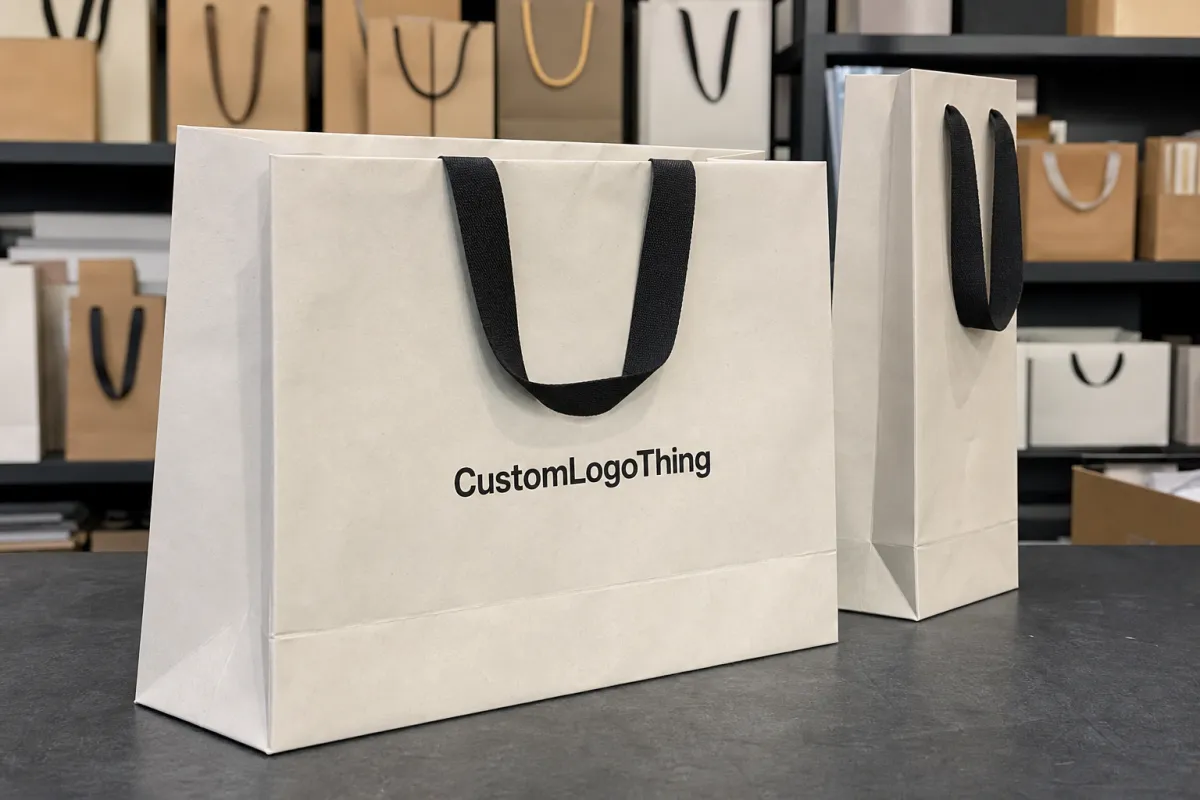
Buyer Fit Snapshot
| Best fit | Wholesale Padded Mailers for Gifts projects where brand print, material claims, artwork control, MOQ, and repeat-order consistency need to be specified before quoting. |
|---|---|
| Quote inputs | Share finished size, material target, print colors, finish, packing count, annual reorder estimate, ship-to region, and any compliance wording. |
| Proofing check | Approve dieline scale, logo placement, barcode or warning zones, color tolerance, closure strength, and carton packing before bulk production. |
| Main risk | Vague material claims, crowded artwork, missing packing details, or unclear freight terms can make a low unit price expensive after revisions. |
Fast answer: Wholesale Padded Mailers for Gifts: Specs, Pricing & More should be specified like a repeatable production item. The safest quote records material, print method, finish, artwork proof, packing count, and reorder notes in one written spec.
Production checks before approval
Compare the actual filled-product size with the drawing, then confirm tolerance on folds, seals, hang holes, label areas, and retail display edges. Reserve space for logos, QR codes, warning copy, and material claims before decorative graphics fill the panel.
Quote comparison points
Review material grade, print process, finish, sampling route, tooling charges, carton quantity, and freight assumptions side by side. A quote is only useful when the supplier can repeat the same color, closure quality, and packing count on the next order.
Choosing wholesale padded mailers for gifts is rarely a simple shipping decision. It affects whether the gift arrives intact, how quickly a packing team can move, how the parcel reads at the door, and how much confidence the buyer places in the brand before the package is even opened. A crushed corner, a weak seal, or a thin outer shell can undo a thoughtful presentation in a single delivery scan.
The right mailer sits in a narrow but useful middle ground. It gives small gifts enough cushioning to survive conveyor belts, truck vibration, and porch drops, yet keeps the shipment light enough to avoid unnecessary freight cost. That balance matters for candles, ornaments, stationery, apparel accessories, compact boxed sets, and other gift items that do not need a full corrugated carton to stay protected.
Most buyers want the outer package to do two jobs at once: survive handling and look intentional. That is the real test for a gift mailer. It has to protect the product, support the unboxing moment, and stay inside the cost structure that keeps the program healthy. A package that looks beautiful but fails in transit is poor packaging. A package that protects well but feels cheap can still drag down the brand story.
A good gift mailer should not feel incidental. It should protect the shipment, keep shipping costs under control, and support presentation without extra weight, labor, or waste.
Why Wholesale Padded Mailers for Gifts Prevent Damage and Elevate Presentation
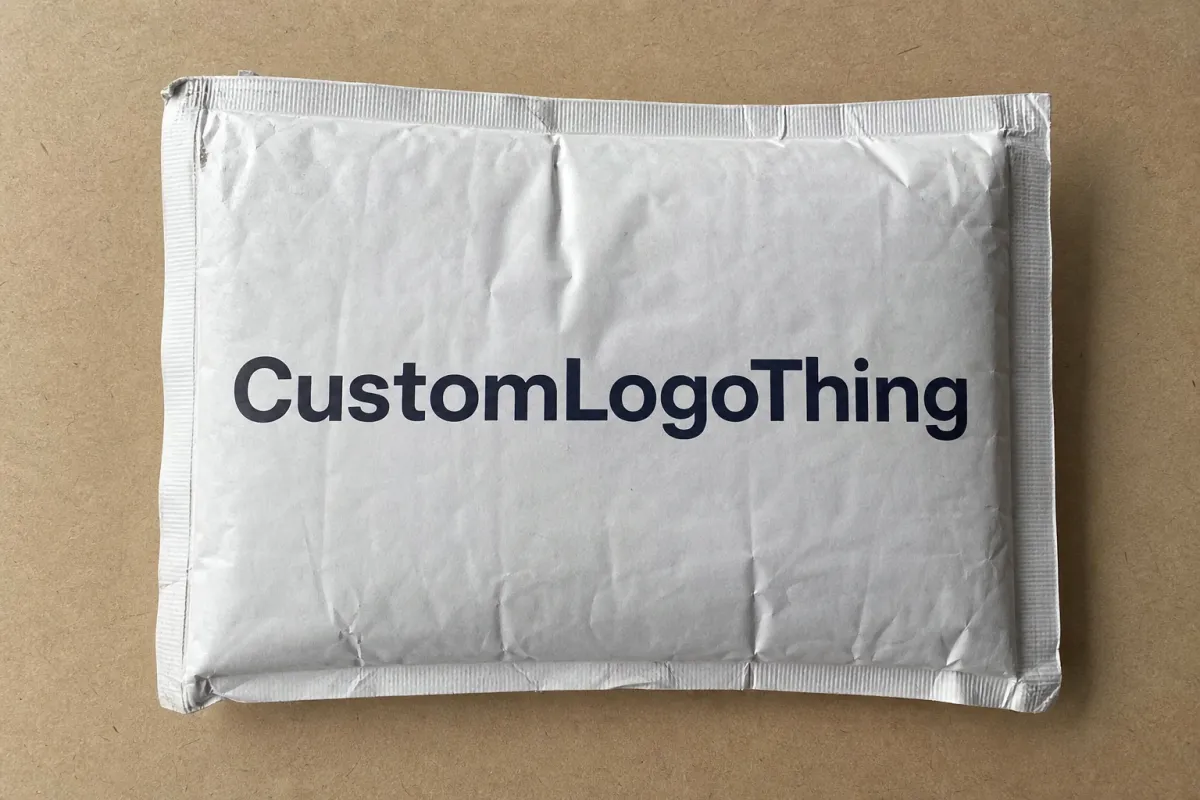
Gift shipments are judged early. The recipient sees the outside before touching the product, and that first glance can shape the whole experience. A mailer that arrives scuffed, bent, punctured, or weak at the seal can change the impression even if the item inside is fine. Packaging buyers learn quickly that the outside of the parcel carries real emotional weight.
Padded mailers earn their place by solving a practical problem. They reduce the need for oversized cartons on light or semi-fragile gifts, and they help control dimensional weight charges. If the item does not need a rigid box, paying for extra board and extra void fill often makes little sense. A properly sized mailer can protect the shipment and still move quickly through fulfillment, which is why many brands use them for gift cards in rigid sleeves, jewelry boxes, small apparel pieces, socks, cosmetics, ornaments, and flat boxed accessories.
Protection and presentation are not the same thing, even though they overlap. A strong mailer should resist punctures, keep its shape during handling, and hold the closure securely. It should also avoid the brittle, utility-only look that makes a gift feel forgettable. Most brands are not chasing luxury packaging for its own sake. They want a package that feels deliberate and performs the same way on order 20 as it does on order 2,000.
Wholesale buying matters once a format proves itself. Volume ordering makes unit cost more predictable, stock easier to plan, and replenishment less chaotic. Wholesale padded mailers for gifts are not just another supply line item. They sit inside the product experience, the labor plan, and the landed cost of every shipped order.
Seasonal gift programs benefit from that consistency. One mailer size can often cover several SKUs, which cuts training time on the packing line and lowers the odds of a picker using the wrong carton. It also reduces the chance that a gift ships with too much empty space around it. That detail rarely gets attention, yet it can save real money over time because fewer oversized parcels need to be packed, shipped, and corrected.
There is a hidden operational truth here: a mailer that fits three product families well is often more valuable than a custom-looking format that only works for one. The first option improves inventory control and packing speed. The second can become a shelf ornament. The difference is not aesthetic. It is operational.
Product Details: Materials, Closure Options, and Gift-Friendly Finishes
Gift mailers usually fall into three construction paths: Kraft Paper Mailers, poly mailers with bubble or padded interiors, and paper-based cushioned mailers. Each behaves differently. The right choice depends on the protection level the item needs, the look you want at the door, and whether the brand story leans toward moisture resistance, tactile feel, or fiber-based sourcing.
Kraft paper padded mailers are often the first stop for brands that want a matte, natural appearance and a surface that prints cleanly. The paper face gives a calm, retail-friendly impression, and it suits stationery, flat boxed gifts, soft goods, and non-Fragile Items That still need some cushion. Kraft also reads as restrained, which helps when the gift itself should stay visually dominant.
Poly bubble mailers bring different advantages. They are light, moisture resistant, and often cost less at volume. If an operation ships through mixed weather, uses manual packing, or needs a lower-cost shell for less fragile gifts, poly can be the practical choice. The tradeoff sits in the feel. Poly reads as functional first unless the print, color, or label treatment is handled with care.
Paper-cushioned formats sit closer to the fiber-forward end of the range. They may use paper padding, molded fiber, or other paper-based cushioning systems. These can suit brands that want a stronger paper story, but they may cost more, compress differently, or resist sharp corners less well than other options. Recycling claims should always match the exact structure, adhesive, and local recovery rules. Paper is not automatically simple just because it looks simple.
| Mailer Type | Typical Wholesale Range | Best For | Main Tradeoff |
|---|---|---|---|
| Kraft paper padded mailer | $0.32-$0.68 plain; $0.48-$0.95 printed | Stationery, small gift sets, apparel accessories, retail-style presentation | Less moisture resistance than poly |
| Poly bubble mailer | $0.18-$0.45 plain; $0.30-$0.70 printed | Light gifts, soft goods, shipments with higher handling exposure | Less premium tactile feel |
| Paper-cushioned mailer | $0.28-$0.72 plain; $0.42-$1.00 printed | Fiber-forward brands, curated gift programs, paper-based packaging goals | Often higher cost and less compression tolerance |
Closure choice can make or break the experience. Self-seal adhesive strips are standard because they save time, but the adhesive has to survive storage, temperature swings, and shipping vibration. Tear-open lips improve convenience for the recipient, and tamper-evident seals can add confidence in retail or subscription gift programs. A weak seal creates rework, returns, and awkward customer service calls, so the closure spec deserves the same attention as the logo.
Finish is where the mailer starts to feel considered. Matte kraft surfaces tend to read as natural and polished. White uncoated faces feel brighter and can look more premium when the artwork stays restrained. A small brand mark, a seasonal message, or a narrow pattern usually works better than full coverage graphics on a gift shipper, especially when the parcel is carrying a compact item rather than a luxury box. Clarity usually beats clutter.
Moisture resistance, scuff resistance, and print quality all deserve testing before a large buy. A coated surface may sharpen artwork, yet it can also affect how adhesive or ink behaves during conversion. A paper-only exterior may be easier to recover in some systems, but it can scuff faster in distribution. These are not decorative concerns. They decide whether the package still looks fresh after sorting, stacking, and delivery.
If you are comparing mailers with other package types, our Custom Packaging Products page is a useful starting point, and our Wholesale Programs overview helps buyers plan recurring orders instead of one-off purchases. For lightweight gift programs that still need a strong printed exterior, Custom Poly Mailers can serve as a practical benchmark.
Specifications That Matter: Sizes, Cushioning, Strength, and Custom Print
The sizing process should begin with the packed gift, not the bare product. That sounds obvious, yet it is where many orders go wrong. A candle in a box, a folded scarf in tissue, or a stationery set inside a sleeve all occupy more space than the item alone. That finished packed size is what the mailer must fit. If the mailer is too tight, packing slows down and the seal becomes unreliable. If it is too loose, the gift shifts and the package loses its shape.
Inside dimensions matter more than outside dimensions. Once the cushioning layer is added, usable space changes quickly. A mailer with a bubble lining or padded paper wall can look roomy in a catalog and still be too narrow in practice for a fully packed gift. The right allowance depends on whether the item is rigid, soft, boxed, or wrapped. For many gift shipments, a small clearance works best, but not so much that the contents move around. That middle zone usually gives the strongest packing performance.
How to size the pack
Measure the item after the full gift presentation is in place. Include tissue, sleeves, inserts, ribbons if they remain on, and any rigid internal box. Then compare that finished form against the usable interior of the mailer. For flat gifts, the goal is enough room for a smooth insert and seal, but not so much room that the item can slide diagonally. For bulkier pieces, trial packing beats guesswork every time.
Strength specs deserve the same discipline. Buyers should ask about basis weight for paper constructions, film gauge for poly materials, seam integrity, burst resistance, and puncture performance. Packaging language often stays vague, but the shipping floor does not. It cares whether a corner point, a heavy edge, or a stacked carton load can compromise the mailer. If the gift has sharp edges or a rigid box, puncture resistance moves to the front of the list.
For paper-based mailers, an outer face in the 60-90 gsm range can work for lighter applications, with heavier structures used when more stiffness or better print appearance is needed. For bubble constructions, the bubble size and film gauge affect both protection and feel. A 3/16-inch bubble is common in lighter protective mailers, while heavier-grade constructions are used when the contents need more cushion. Those numbers should always be checked against the actual packed gift, not inferred from a product photo.
Custom print needs the same kind of care. A one-color logo can look sharp and efficient, especially on kraft or white surfaces. Larger coverage creates stronger shelf presence and can make a parcel feel more branded at the door, but it also adds setup complexity and cost. The real question is not whether the art looks good. It is whether the artwork supports the shipment without turning the mailer into a billboard that gets discarded immediately.
Operational fit matters too. Some mailers run cleanly through hand packing, while others work better with semi-automated or auto-bagging lines. If your team packs mixed SKUs, the mailer should tolerate small size variation without constant misbuilds. If the program is high volume, ask whether the mailer stacks well, feeds consistently, and stores flat without curling or adhesive failure. The best spec is the one the team can actually use every day.
A short internal spec checklist keeps the project grounded:
- Packed dimensions: the finished size with tissue, sleeve, or internal box in place.
- Item weight: especially important once the gift passes the light-parcel range.
- Surface finish: matte kraft, white, printed color, or paper-forward texture.
- Closure type: self-seal adhesive, tear strip, or tamper-evident seal.
- Storage conditions: dry warehouse, temperature swings, or seasonal overflow storage.
- Compliance needs: FSC paper sourcing, recycling language, or ship-test references.
If you need a testing benchmark, many buyers ask whether the packed mailer has been evaluated against an ISTA distribution profile, such as a parcel-oriented transit test, because that gives everyone the same language for drop risk, vibration, and handling stress. For paper-based sourcing language, buyers often look for FSC chain-of-custody support when the material story is part of the brand promise.
Cost, Pricing, MOQ, and What Drives Your Quote
Price is shaped by more than one variable, and the fastest way to misread a quote is to compare only the unit price without looking at the rest of the shipment. Material choice, print coverage, size, cushioning thickness, seal style, and total order volume all affect cost. A smaller, lighter mailer may cost a bit more per piece and still save money overall if it cuts freight, rework, and packing time.
MOQ, or minimum order quantity, matters especially for custom work. A supplier may set a higher floor for printed or custom-sized mailers because setup time, plate work, color matching, and material prep need to be spread across the run. That is not arbitrary. It is how production economics work. If you are quoting a branded gift program, ask whether the MOQ changes with print count, structure, or material family.
Stock and custom buying should be treated as separate decisions. Stock mailers can reduce upfront cost and speed time to market, especially when the size is standard and the print is simple. Custom sizing can reduce waste and improve pack speed if the item has an unusual footprint. The right answer depends on the cartonization plan, not just the initial budget.
Buyers also miss hidden costs. Freight class, pallet configuration, warehouse storage, and the labor required to manage oversized or awkward mailers all affect the real cost of use. A mailer that looks cheap on the quote sheet can become expensive if it arrives in a bulky pack format that eats floor space or slows the packing station. Landed cost per shipped gift is the number that matters.
For planning, ask for tiered pricing at 1,000, 5,000, and 10,000 units. That gives you a clear view of how scale changes the unit price and whether a larger buy deserves the budget. In many packaging programs, the break between 1,000 and 5,000 units is meaningful; the break between 5,000 and 10,000 can matter even more if demand is stable and warehouse room is available.
A practical quote review should include these questions:
- What is the unit price at each quantity tier?
- What is included in the price: print, proofing, sampling, and packing?
- Are there setup or plate charges for custom print?
- How does the price change if the size changes by even a small amount?
- What freight assumptions were used in the quote?
- Is the quoted lead time tied to stock availability or new production?
Do not buy from the sticker price alone. Compare the total cost to ship one gift successfully. A slightly better mailer, if it cuts damage, labor, or rework, often wins even when the unit price is not the lowest. That is especially true for branded gift programs where the first impression shapes repeat sales.
Process, Timeline, and Lead Time From Sample to Shipment
The order flow is straightforward when it stays organized. Start with dimensions, choose the material and closure, review the artwork, approve a sample or proof, then move into production. What usually slows a project down is not the factory floor. It is missing data, late artwork changes, or a sample that reveals a sizing problem after everyone has already treated the spec as final.
Timelines stretch in predictable places. Artwork revisions are a common delay when logos, seasonal copy, or placement rules are not settled early. Color matching can add time when the brand wants a very specific tone. Custom sizing often takes more back-and-forth than stock sizing because the finished dimensions affect fit and tooling. If a physical sample is needed before signoff, that needs to be in the schedule from the start.
A useful planning structure looks like this:
- Brief and spec review: dimensions, quantity, print needs, and finish targets.
- Artwork check: logo placement, color count, bleed, and file readiness.
- Proof or sample approval: confirm fit, appearance, and closure performance.
- Production: material sourcing, conversion, printing, and assembly.
- Quality control: size checks, seal tests, print registration, and carton counts.
- Freight booking: pallet prep, loading, and delivery scheduling.
For timing, stock inventory can sometimes ship in 5-10 business days if the item is already on hand and the order is straightforward. Custom printed or custom-sized runs often take 15-25 business days after proof approval, and that can stretch if the order needs special finishes or a large quantity of materials. If your gift season date is fixed, say so early. Schedules work better when they are built around the deadline instead of chasing it later.
Quality control should be specific. Check seal performance by opening and resealing a few units. Review print registration so the logo sits where the proof showed it. Confirm that cushioning is consistent across the run, since uneven fill or weak structure can create packing problems. Count cartons against the packing list before freight leaves the facility. These are simple steps, but they prevent the kind of problems that turn a smooth launch into a late-night scramble.
Forecast timing helps reduce rush charges. If a holiday program, product drop, or seasonal gift campaign is coming, share the approximate volume early. Even a rough forecast gives production and freight planning more breathing room. That usually improves pricing, lowers delay risk, and creates a cleaner path from approval to delivery.
Why Choose Custom Logo Things for Gift Mailers
Custom Logo Things approaches packaging with a plain idea: the best package is the one that fits the product, the production line, and the budget without creating problems later. That sounds simple because it is. A mailer that looks beautiful in a mockup but slows fulfillment or ships badly is not a good packaging solution.
That is why the conversation should start with material, fit, print, and production reality. The right supplier helps translate product dimensions into a workable spec, asks about the actual gift presentation, and points out where a nice-looking concept may fail in transit. Technical precision is useful here because it prevents rework and saves time.
For recurring programs, consistency matters as much as first-order quality. Gift lines tend to ship in waves, and the packaging needs to look the same across replenishment orders, seasonal drops, and promotions. If the mailer shifts in color, size, or closure behavior from one buy to the next, the whole system becomes harder to manage. Reorder confidence is not glamorous, but it keeps operations steady.
Support before production starts is just as valuable. Buyers need clear answers on sample review, artwork handling, sizing guidance, and what the quoted price includes. That clarity cuts down on surprises later. It also keeps the project moving because the team is not guessing whether the price covers print, whether the proof is final, or whether a size change will trigger a new setup.
If your team is comparing formats, the internal links on this site are a practical starting point. The Wholesale Programs page is helpful for planning repeat orders, and Custom Packaging Products gives a broader view of what can be matched to a gift line. For lighter shipments that still need branding and scale, Custom Poly Mailers can offer a useful comparison point.
From a packaging buyer’s point of view, the best partner does not push the same structure for every application. It listens to the item size, the handling environment, the finish goals, and the service expectations, then recommends a mailer that can actually move through production and still arrive looking right. That is the kind of practical guidance that keeps reorders predictable and complaints low.
There is also a trust issue that is easy to overlook. A supplier that talks clearly about limitations is usually more useful than one that promises every finish, every size, and every timeline without caveat. Real packaging programs have tradeoffs. Honest guidance helps buyers avoid a mailer that is technically possible but operationally awkward.
Next Steps: Choose the Right Mailer and Move the Order Forward
The cleanest way to move forward is to gather a few basics before asking for a quote. Start with the gift dimensions, the packed weight, the preferred finish, the target quantity, and whether you need custom print or a plain stock look. If the gift uses tissue, inserts, or a sleeve, measure it in that finished state. That packed dimension is the one that actually matters.
It also helps to pack a sample the way it will ship in the real world. A product can look compact on a bench and still need more room once tissue, a box, or a protective insert is added. Test the packed item inside a few candidate mailer sizes. If the item slides, rattles, or forces the seal to strain, the fit is not right yet.
Request pricing for at least two or three material or size options. That comparison should include protection, appearance, unit cost, and landed cost, not just the price on the quote sheet. In many cases, one version will cost a little more but run cheaper through fulfillment because it fits better and packs faster.
If the line is premium or seasonal, ask for a sample or proof before placing the full order. That small step can catch closure issues, print placement problems, or sizing mistakes before they get expensive. It is easier to approve a sample than to explain why 5,000 units do not fit the packed gift the way everyone expected.
Set the delivery deadline at the same time you set the launch date. Those are not the same thing, and the gap between them should account for inbound freight, receiving, and any buffer you want before the campaign starts. If the ship date is too tight, rush handling becomes more likely, and rush handling is where many packaging budgets start to slip.
For teams ready to buy, wholesale padded mailers for gifts make the most sense when the spec is built around the packed product, the print stays purposeful, and the timeline is managed before production starts. That is how you get packaging that protects the gift, supports the brand, and arrives on schedule without surprises.
The most practical next move is simple: measure the fully packed gift, compare two mailer constructions, and request a sample that matches the way the order will actually ship. That one step usually reveals whether the packaging plan is ready for production or still needs a better fit.
FAQ
What size should I choose for wholesale padded mailers for gifts?
Measure the gift after it is packed with tissue, inserts, sleeves, or any inner box so the mailer fits the real shipping form, not just the bare item. Leave enough room for cushioning without creating excess void space that lets the product move in transit. If you ship multiple gift sizes, compare one standard size against a small size family so inventory stays manageable and packing stays consistent.
Are wholesale padded mailers for gifts strong enough for fragile items?
They work well for many light, semi-fragile gifts, but very breakable items usually need a box or a stronger internal structure. Check puncture resistance, seam strength, and the cushioning type before using a mailer for anything with sharp edges or rigid corners. For candles, glass, ceramics, or higher-value pieces, test the packed ship method before placing a full order.
Can I add custom printing to wholesale padded mailers for gifts?
Yes, many mailers support logo printing, branded patterns, or simple messaging that makes the package feel more intentional. The best print method depends on the surface, the number of colors, and the look you want at the unboxing moment. Ask for artwork rules early so you can avoid delays from file corrections, unsupported coverage areas, or a finish that does not hold the ink as expected.
What MOQ is typical for wholesale padded mailers for gifts?
MOQ depends on whether you are buying stock mailers or a custom printed run, with custom orders usually requiring a higher minimum. Setup work, material sourcing, and print preparation are the main reasons a supplier may set a production floor. If you are unsure, ask for tiered pricing so you can see the tradeoff between quantity, unit cost, and storage needs before you commit.
How do I estimate lead time for wholesale padded mailers for gifts?
Start with the approval timeline for artwork and samples, then add production, finishing, quality checks, and freight time. Custom sizes and printed designs usually take longer than standard stock options, especially when you need proof approval or a physical sample. Share your launch date up front so the supplier can align production with your shipping window and reduce rush risk. If you are ready to move, send the packed dimensions, quantity target, and print needs with your quote request so the order can be scoped correctly the first time.