Buyer Fit Snapshot
| Best fit | Wholesale Recycled Chipboard Boxes for Packaging projects where brand print, material claims, artwork control, MOQ, and repeat-order consistency need to be specified before quoting. |
|---|---|
| Quote inputs | Share finished size, material target, print colors, finish, packing count, annual reorder estimate, ship-to region, and any compliance wording. |
| Proofing check | Approve dieline scale, logo placement, barcode or warning zones, color tolerance, closure strength, and carton packing before bulk production. |
| Main risk | Vague material claims, crowded artwork, missing packing details, or unclear freight terms can make a low unit price expensive after revisions. |
Fast answer: Wholesale Recycled Chipboard Boxes for Packaging: Board, Finish, Dieline, and Unit Cost should be specified like a repeatable production item. The safest quote records material, print method, finish, artwork proof, packing count, and reorder notes in one written spec.
Production checks before approval
Compare the actual filled-product size with the drawing, then confirm tolerance on folds, seals, hang holes, label areas, and retail display edges. Reserve space for logos, QR codes, warning copy, and material claims before decorative graphics fill the panel.
Quote comparison points
Review material grade, print process, finish, sampling route, tooling charges, carton quantity, and freight assumptions side by side. A quote is only useful when the supplier can repeat the same color, closure quality, and packing count on the next order.
Wholesale recycled chipboard boxes can make a packaging program look disciplined or expose every weak link in it. A carton that saves two cents and then collapses in transit, scuffs on the shelf, or arrives with dull print is not cheap. It is expensive with a smaller invoice. For brands that want structure, strong graphics, and a cleaner materials story without moving into heavy corrugated formats, wholesale recycled chipboard boxes often land in the right place.
They are not a fix for every packaging problem. Chipboard works well for retail cartons, sleeves, inserts, and presentation packs, especially for light products that need a refined face rather than freight-grade crush resistance. Put it in the right role and the box earns its keep by protecting the product, supporting the brand, and keeping unit economics sane. I have watched beauty launches go sideways because teams tried to make one box do everything; it usually ends up kinda messy.
Wholesale Recycled Chipboard Boxes: Why Cheap Packaging Costs More
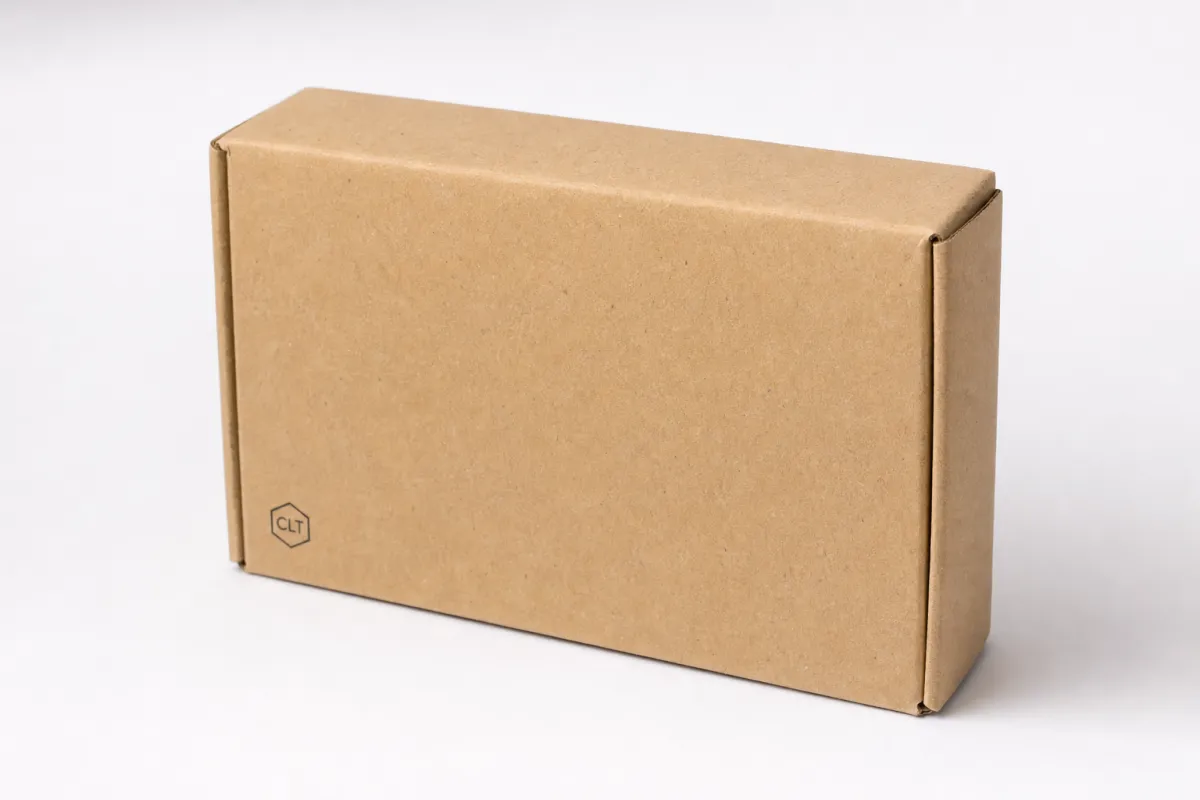
Cost-cutting usually begins with a buyer trimming pennies from a unit price. That sounds sensible until a shipment arrives damaged or the carton feels so flimsy that the product seems less valuable before anyone opens it. Wholesale recycled chipboard boxes solve a narrow but important problem: they give you structure and print quality without forcing you into thicker corrugated packaging that may be more than the product needs.
Consistency is the real advantage. Recycled chipboard is dense, clean to cut, and stable under print. That matters for retail cartons and presentation packaging, because the box is part of the product experience. A sharp fold and a smooth surface do more for perceived value than a shiny coating on weak board. Buyers often discover that wholesale recycled chipboard boxes make the brand feel intentional, not just greener.
These boxes tend to work best in a few specific situations:
- Retail cartons for cosmetics, supplements, candles, and stationery.
- Subscription products where shelf appeal and unboxing carry more weight than puncture resistance.
- Lightweight electronics and accessories that need shape, not shipping-grade impact protection.
- Presentation packaging for gift sets, PR kits, and promotional bundles.
- Secondary packaging such as sleeves, inserts, and inner cartons that sit inside a shipping box.
That final point changes the economics. If a product needs a display carton and a shipping shell, wholesale recycled chipboard boxes can do the display job cleanly while corrugated outer packaging absorbs the abuse. That split is hard to beat. Trying to make one material handle both jobs usually means paying extra for a box that still misses the mark.
"The cheapest box is rarely the one with the lowest quote. The cheapest box is the one that arrives intact, holds the product, and does not make the customer doubt the brand."
From a packaging buyer's angle, the tradeoff is straightforward. Chipboard brings print quality, crisp structure, and a refined retail look. Corrugated brings impact resistance and shipping strength. Paperboard sits between those two for lighter cartons. If the box is serving on the retail floor, wholesale recycled chipboard boxes are often the better purchase because the spend goes into the right performance, not excess material.
The sustainability piece deserves precision, not slogans. Recycled content helps, and supplier documentation matters just as much. If your team needs a plain-language benchmark on recycling and waste reduction, the EPA recycling guidance is more useful than vague green claims. Claims should point to real material content, not to a tint of green ink on the carton.
Wholesale Recycled Chipboard Boxes: Product Details and Common Uses
Recycled chipboard is made by compressing recovered paper fibers into a dense flat board that can be cut, folded, wrapped, or laminated into packaging formats. It shows up in folding cartons, sleeves, rigid-style wraps, backing cards, inserts, and other structures where form and surface finish matter. Wholesale recycled chipboard boxes are popular because they pair a clean visual face with enough stiffness for retail presentation and light product protection.
Most buyers do not care about the fiber science. They care about whether the carton keeps its shape, prints cleanly, and closes the way it should. That is the test that matters. A good run of wholesale recycled chipboard boxes should fold consistently, hold sharp creases, and keep the product centered without sloppy movement. Bad die lines show up fast, and once they do, the whole package feels cheaper than the artwork suggests.
Common uses line up neatly by category:
- Cosmetics - foundations, serums, lip care, soap bars, and small gift sets.
- Food and supplement cartons - outer cartons for pouches, capsules, teas, and dry goods, subject to the right compliance needs.
- Retail stationery - pens, notebooks, planners, and premium paper goods.
- Promotional kits - influencer boxes, launch kits, and seasonal bundles.
- Light electronics - earbuds, cables, chargers, and accessories that do not need heavy crush protection.
The visual side matters as much as the structure. Recycled chipboard often gives a smoother, more uniform face than low-grade board, which improves ink laydown and keeps typography crisp. That is one reason wholesale recycled chipboard boxes show up in brand programs that want rich color and premium finishing without moving into a rigid box build that costs more than the product can justify.
Compared with paperboard, chipboard is usually stiffer and better suited to more substantial cartons or inserts. Compared with corrugated board, it is thinner, smoother, and a better fit for shelf-facing packaging. If the product ships inside a master carton, chipboard can carry the display role while corrugated handles transport. Nothing glamorous there. Just good packaging logic.
Recyclability claims still need care. Coatings, heavy laminations, foil, magnets, and plastic windows can change what happens after disposal. Some finishes work fine in the right stream; others make recovery more complicated. If sustainability messaging matters, ask for the exact board specification, recycled content level, and finish description. Wholesale recycled chipboard boxes can support a responsible packaging story, but the story has to match the build.
For brands that need sourcing credibility, ask whether the supplier can support FSC documentation where applicable. The FSC program explains chain-of-custody basics and what those claims actually cover. That is the kind of detail procurement teams should check, not just the headline on the homepage.
Specifications That Actually Matter
Any quote for wholesale recycled chipboard boxes should begin with the basics: dimensions, product weight, box style, board thickness, print coverage, and finish. Leave out one of those pieces and the quote may still come back quickly, but it will be a guess. Guesswork gets expensive once production starts.
Thickness usually comes first. The practical ranges below are common buying references rather than universal rules, because board source, product weight, and box geometry all matter:
- 18pt-24pt - good for light retail cartons, sleeves, and smaller cosmetic or supplement packages.
- 24pt-32pt - useful for heavier cartons, sturdier shelf boxes, and inserts that need more body.
- 36pt-60pt - better for rigid-style presentation packaging, premium wraps, and display-focused builds.
If the board dents in hand, it is too light. That is the simplest test. Brands sometimes assume the printed outer carton will protect more than it actually can, then discover the product still needs an insert or secondary tray. Wholesale recycled chipboard boxes should be chosen for the real job, not the wishful one.
Die lines and tolerances matter more than people expect. A carton can look perfect on screen and still fail if the glue flap is too tight, the score is too shallow, or the fold sequence is off by a fraction. Those small misses show up as cracked edges, bowed panels, and lids that do not sit flush. Good vendors catch that early. Bad ones call it acceptable variation after the fact. That is packaging shorthand for we should have checked sooner.
Ask how the board handles fold performance. Some recycled boards keep a crisp score better than others, and the difference shows up immediately in higher-volume production. If the box has windows, tuck ends, or locking tabs, run a sample before full production. A sample is not theater. It is the cheapest place to find out whether the build works.
Printing and finishing options usually include CMYK, spot colors, matte or gloss aqueous coating, soft-touch lamination, natural uncoated looks, foil accents, embossing, and debossing. Full coverage artwork can look excellent on wholesale recycled chipboard boxes, but heavy ink coverage can slightly change the feel of the board. If the brand wants a natural fiber look, use that deliberately. If it wants a polished retail face, choose the coating and print method to match.
For products that touch food or sensitive contents, ask about low-migration inks, compliant coatings, and whether the box is only a secondary carton or part of direct contact packaging. Those questions should not be an afterthought. Compliance issues are dull right up until they stop a launch.
Before production, the sample approval step should cover three things:
- Fit - the product sits correctly, with no excessive movement.
- Print quality - color, registration, barcode legibility, and logo placement.
- Hand feel - stiffness, fold behavior, and finish under real handling.
If the packaging will go into ecommerce, ask whether the full pack should be checked against relevant transit tests such as ISTA-style drop and vibration checks or an ASTM-based compression review. Not every project needs a lab file, but the conversation should happen before the boxes are approved. Wholesale recycled chipboard boxes that only perform on a clean office desk are not much help once a carton enters a real shipping lane.
Wholesale Recycled Chipboard Boxes: Pricing, MOQ, and Quote Factors
Pricing for wholesale recycled chipboard boxes comes down to a handful of variables, and the list is not mysterious. Board thickness, finished size, print coverage, coating, inserts, and order volume do most of the work. If the design is complex, the price climbs. If the design is efficient and repeatable, the numbers usually behave better.
The most common mistake is staring at unit price alone. That is a lazy way to buy packaging. Setup cost, shipping, sample cost, and any artwork or dieline change fees need to sit in the same view. A box that is two cents cheaper per unit but carries a higher setup charge can end up costing more in the actual order. Wholesale recycled chipboard boxes should be judged on total landed cost, not the prettiest line in the quote.
MOQ depends on structure and print complexity. Simple folding cartons can sometimes start at lower production quantities than fully customized presentation boxes because tooling, setup, and press time are easier to spread across the run. Highly detailed die-cut builds or specialty finishes usually need a higher minimum to make the job efficient. If a vendor offers a number that seems too low for the customization level, check what is missing. There is usually a catch sitting in plain sight.
| Packaging Option | Best Use | Typical Thickness | Typical Wholesale Unit Cost | Notes |
|---|---|---|---|---|
| Standard recycled chipboard folding carton | Cosmetics, supplements, stationery | 18pt-24pt | $0.18-$0.42 at 5,000 units | Good print surface, efficient for retail display |
| Heavier recycled chipboard carton with insert | Gift sets, premium retail packs | 24pt-32pt | $0.32-$0.68 at 5,000 units | Higher stiffness, extra tooling for the insert |
| Rigid-style chipboard wrap | Presentation packaging, launch kits | 36pt-60pt | $0.70-$1.60 at 2,000 units | More material and hand labor, stronger shelf impact |
| Corrugated mailer | Shipping-heavy ecommerce orders | E-flute or B-flute | $0.55-$1.50 at 1,000 units | Better crush resistance, less refined print finish |
Those numbers are examples, not a promise. They still show the pattern clearly. Wholesale recycled chipboard boxes become more cost-efficient as quantity rises and finishing complexity falls. Add foil, inserts, soft-touch lamination, multiple spot colors, or unusual structures, and the quote climbs. That is normal. Packaging is one of those places where a few small design choices add up fast.
If you want to lower cost without breaking the design, a few moves tend to work:
- Standardize dimensions so the same box structure can serve multiple SKUs.
- Reduce finish complexity by choosing one coating style instead of stacking effects that do not pull their weight in sales.
- Keep artwork efficient with cleaner ink coverage and fewer panel changes.
- Order predictably so the supplier can plan production around stable volume.
That last one gets overlooked often. A buyer who can forecast repeat demand usually gets a better long-term cost structure than a buyer chasing one-off cheap quotes every month. Wholesale recycled chipboard boxes make more sense as a program buy than as a panic buy.
Artwork revision is another quiet cost driver. Every time a dieline changes after proof stage, someone pays for the interruption. The bill may show up as file charges, revised tooling, or longer lead time. The smoothest projects lock dimensions, closure style, and print layout before the quote is approved.
Wholesale Recycled Chipboard Boxes: Process and Lead Time
The production path for wholesale recycled chipboard boxes is simple enough, but each step depends on the one before it. A clean order moves through inquiry, specification review, quote, dieline confirmation, proofing, sample approval, production, packing, and shipping. Rush any of those steps and the project usually pays later through delays or rework.
- Inquiry - send dimensions, quantity, artwork, and target date.
- Specification review - confirm board thickness, finish, print method, and structure.
- Quote - compare unit cost, setup cost, shipping, and any tooling.
- Proofing - review the dieline, graphics, and panel layout before production.
- Sample approval - check fit, print, and fold performance.
- Production - run the approved spec through cutting, printing, and finishing.
- Packing and shipping - inspect count, bundle correctly, and move the order out.
For a new custom project, a realistic timeline often falls around 15-25 business days after proof approval, sometimes longer if the build is complex or the finish is specialty-heavy. Repeat orders can move much faster because tooling, dimensions, and artwork are already locked. That is one reason buyers should keep good records on wholesale recycled chipboard boxes; a clean reorder file saves real time.
Where do delays usually show up? Artwork changes. Sample revisions. Specialty coatings. Busy production queues. Peak-season shipping congestion. None of that is rare. It is standard, which is exactly why the lead time conversation should happen before artwork gets signed off. Ask about turnaround up front, not after the clock is already running.
Here is the information that speeds up the process:
- Exact dimensions for the product and the finished box.
- Product weight or a close estimate if the item is still in development.
- Quantity for the first run and likely repeat volume.
- Artwork files in the format your supplier requests.
- Finish preference such as matte, gloss, soft-touch, or uncoated.
- Target ship date so the timeline can be planned honestly.
- Sample or mockup photos if the box must fit an existing product.
If the project has any compliance angle, ask for it early. Food-adjacent cartons, premium inserts, and retail packs with claims on the printed surface may need specific inks, coatings, or documentation. The same goes for sourcing verification. If your team needs recycled-content or chain-of-custody support, get those expectations on the table before the supplier builds the quote. Wholesale recycled chipboard boxes are much easier to buy well when the target spec is clear.
For brands that care about transit durability, a good supplier should be willing to discuss test methods and realistic handling. That may mean checking compression strength, fold integrity, or a basic distribution test plan. Not every job needs lab validation, but every job benefits from someone asking the right questions before a pallet leaves the building.
Why Buyers Choose Us for Recycled Chipboard Boxes
Good packaging suppliers do not sell a fantasy. They reduce risk. That is why brands return to wholesale recycled chipboard boxes when they need reliable board quality, clean die-cutting, and printed cartons that look like the approved proof instead of a shrug in box form. Consistency is the real value. Fancy language does not keep a production run on spec.
The practical advantages are easy to spot. A good supplier checks artwork before production starts, confirms dimensions against the product, and flags problems before they become defects. A weak supplier says yes to everything and sorts out the mess later. Buyers usually learn the difference after one bad reorder. It is not a pleasant lesson, but it sticks.
For retail and ecommerce programs, repeatability matters more than people admit. Once a carton spec is approved, the second and third orders need to match the first. That means die lines, board type, print setup, and finishing notes have to be documented cleanly. Wholesale recycled chipboard boxes should not require a fresh debate every time you reorder them.
Sustainability should be real, not decorative. Recycled content, responsible sourcing, and less wasted material all matter. Still, a clean, efficient structure with verified claims beats a box packed with eco-sounding words and no proof behind them. If a packaging decision lowers waste, supports recyclability, and still protects the product, that is a good decision. Simple.
If your program needs more than one format, it helps to work with a supplier that handles both standard and custom packaging. You can review our Custom Packaging Products for broader format options, or look at our Wholesale Programs if you are planning recurring volume and want the cost structure to make sense over time.
That is the buying logic in plain English: wholesale recycled chipboard boxes fit best when the box needs to look sharp, hold shape, and support the brand without paying for packaging muscle you do not need.
Next Steps for Wholesale Recycled Chipboard Boxes
If you are ready to price wholesale recycled chipboard boxes, gather the basics before you send the request. The cleaner the first email or form submission, the faster the quote comes back. That is not magic. It is just less back-and-forth.
- Dimensions - product size, finished box size, and any insert measurements.
- Quantity - first order and expected reorder volume.
- Artwork - print files, logo placement, and brand color notes.
- Finish - matte, gloss, soft-touch, foil, embossing, or uncoated.
- Use case - retail shelf, mailer insert, gift set, or direct shipping.
- Target timing - launch date, ship date, or campaign window.
If you are comparing suppliers, ask for an apples-to-apples quote. Same board. Same dimensions. Same print coverage. Same quantity. Otherwise the lowest number is just the loudest number, and that does not help much. For a new product, ask for a prototype or sample run before you commit to volume, especially if the packaging is fragile, premium, or shelf-facing.
Use this short checklist before you submit the project:
- Confirm the product will fit with the desired insert or closure style.
- Check whether the packaging is retail-only or part of a shipping system.
- Decide whether recycled-content or sourcing documentation is required.
- Approve the finish based on actual handling, not just a mockup on screen.
- Share the real target date so the schedule is built around it.
Wholesale recycled chipboard boxes are a strong fit when you want structure, print quality, and a sane cost per unit. Send the specs, quantity, and artwork, and you will get a much better answer than a vague quote based on guesswork. If the carton has to look good, hold up, and stay inside budget, wholesale recycled chipboard boxes are usually the practical place to start.
What is the best thickness for wholesale recycled chipboard boxes?
The best thickness depends on what the box is carrying and how much shelf or stack pressure it will see. Light retail cartons often work well in the 18pt-24pt range, while heavier or more premium formats usually need something closer to 24pt-32pt. If the package is meant to feel substantial in hand, or if it includes an insert, a thicker board is usually the safer buy. The basic rule is blunt: if the product dents the panel or bends the walls, the board is too light for the job. For wholesale recycled chipboard boxes, choose stiffness based on the actual use, not the hoped-for use.
Are wholesale recycled chipboard boxes strong enough for shipping?
They are strong enough for many lightweight and secondary-packaging uses, but they are not the right stand-alone shipping box for heavy or fragile items. Use them for product cartons, sleeves, inner boxes, and presentation packaging inside a corrugated outer shipper. That is where they perform best. If the item can shift, crush, or take impact in transit, add corrugated protection around the chipboard carton. In other words, wholesale recycled chipboard boxes are excellent at presentation and product containment, but freight abuse is a different job.
What is the MOQ for wholesale recycled chipboard boxes?
MOQ depends on box size, print complexity, finishing, and the amount of setup involved. Simple folding cartons usually allow lower minimums than highly customized structures because the production process is easier to standardize. The more specialty features you add, the more the minimum quantity tends to rise. If you are trying to keep the first order lean, ask for pricing at several volume levels so you can see where the unit cost starts to improve. That comparison matters more than guessing. A supplier should be able to show the breakpoints for wholesale recycled chipboard boxes without hiding behind a single number.
How long does production take for wholesale recycled chipboard boxes?
New custom projects usually take longer because artwork review, proofing, and sample approval have to happen before production starts. Once the spec is approved, a straightforward run often moves in roughly 15-25 business days, though specialty finishes or busy production periods can stretch that. Repeat orders are faster because the tooling and artwork are already in place. Ask about lead time before you approve the artwork, not after. That one habit prevents a lot of avoidable stress on wholesale recycled chipboard boxes orders.
Can wholesale recycled chipboard boxes be fully branded?
Yes. They can support full-color printing, spot colors, logo placement, and branded finishes such as matte, gloss, embossing, debossing, or foil accents. The final look depends on the board surface, coating choice, and how much ink coverage the design uses. A natural recycled look can still be fully branded if the artwork is built properly. If branding is central to the product launch, request a printed proof or sample before you commit to volume. That is the safest way to confirm how wholesale recycled chipboard boxes will actually look in hand, under real light, on a real shelf.
For most brands, the smartest move is simple: define the product load, the shelf role, and the shipping path before you judge the quote. If those three things are clear, wholesale recycled chipboard boxes usually become a practical choice rather than a gamble. That is the takeaway worth keeping.


