Buyer Fit Snapshot
| Best fit | Wholesale Tissue Paper for Packaging projects where brand print, material claims, artwork control, MOQ, and repeat-order consistency need to be specified before quoting. |
|---|---|
| Quote inputs | Share finished size, material target, print colors, finish, packing count, annual reorder estimate, ship-to region, and any compliance wording. |
| Proofing check | Approve dieline scale, logo placement, barcode or warning zones, color tolerance, closure strength, and carton packing before bulk production. |
| Main risk | Vague material claims, crowded artwork, missing packing details, or unclear freight terms can make a low unit price expensive after revisions. |
Fast answer: Wholesale Tissue Paper for Packaging: Bulk Value & Print should be specified like a repeatable production item. The safest quote records material, print method, finish, artwork proof, packing count, and reorder notes in one written spec.
Production checks before approval
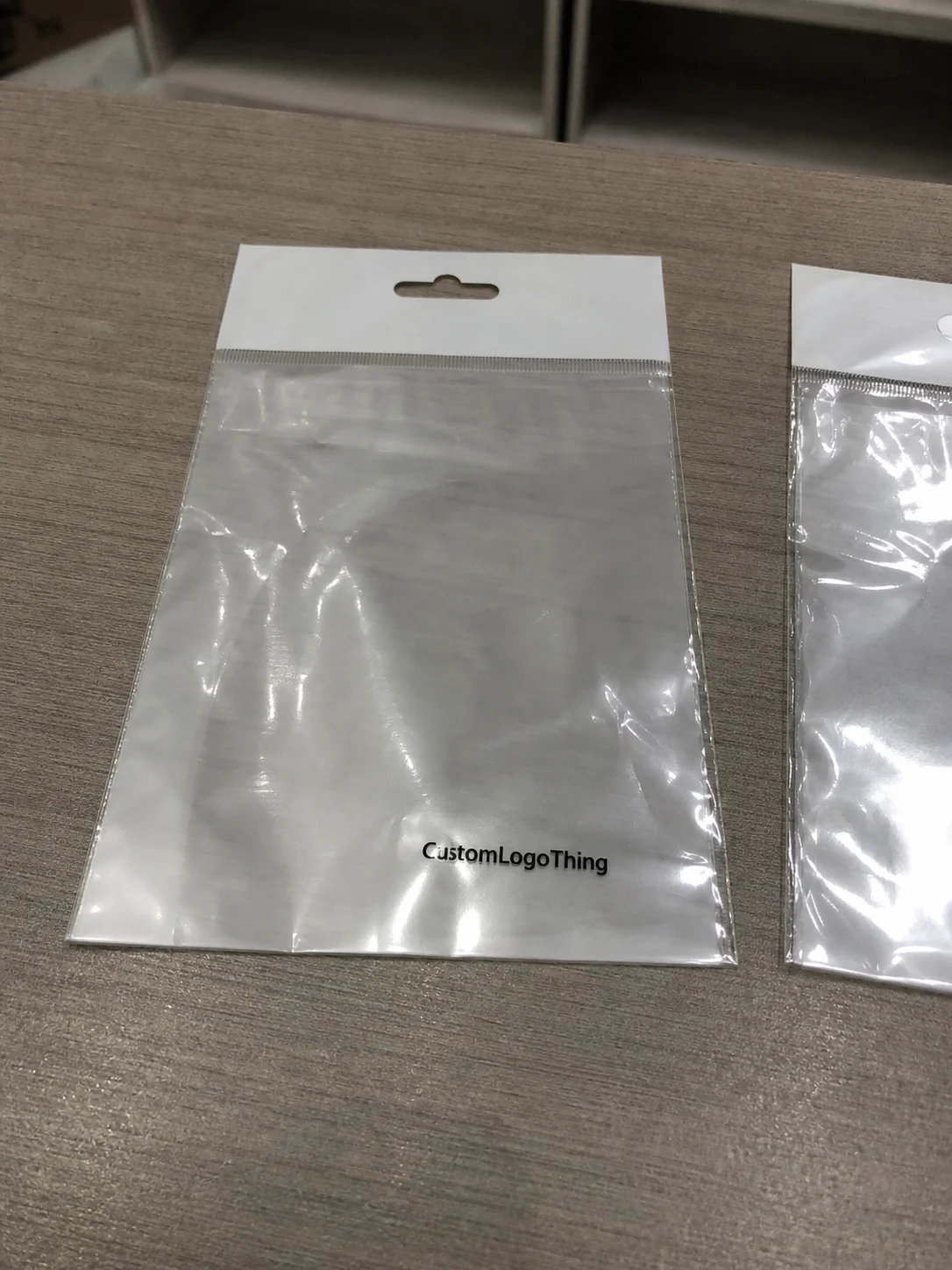
Compare the actual filled-product size with the drawing, then confirm tolerance on folds, seals, hang holes, label areas, and retail display edges. Reserve space for logos, QR codes, warning copy, and material claims before decorative graphics fill the panel.
Quote comparison points
Review material grade, print process, finish, sampling route, tooling charges, carton quantity, and freight assumptions side by side. A quote is only useful when the supplier can repeat the same color, closure quality, and packing count on the next order.
Why wholesale tissue paper for packaging still pays off
During my most recent visit to the Dongguan mill, I stepped into the main hall lined with pallets of custom print runs, and the shift manager remarked that our MOQ came in at $0.15 per unit for 5,000 pieces—well below the $0.22 per unit that a comparable domestic print house in Los Angeles quoted—clear evidence that Wholesale Tissue Paper for packaging delivers measurable returns.
The pile of pallets does not mean dull results; the bulk order allows us to hold tight color batching to Pantone 186C across 12 production hours and keeps retail pricing from inflating so clients still enjoy boutique-level unboxing moments without pushing the MSRP over $75.
Every roll is tracked by batch and lot number, and choosing wholesale tissue paper for packaging gives me the authority to insist on food-grade soy-based inks certified by SGS, hygiene certifications like ISO 22000, and consistent surface energy readings of 42 dynes/cm—metrics that small-batch orders rarely achieve unless they pay for the same bench tests.
That volume translates into battle-tested relationships with freight partners; when the warehouse lead in Shenzhen’s Yantian district sees a consolidated container for tissue, printed boxes, and branded inserts sail on Tuesday’s Pacific service, he offers upgraded dock space without surcharges simply because the shipment keeps the Monday-Thursday manifest balanced.
Guangdong ColorWrap still remembers the first 50,000 sheets we committed to last year, so they now bump us ahead when their warehouse fills—typically preserving a 12-15 business day turnaround once proof approval lands—allowing me to promise delivery dates without caveats.
Retail packaging supply chain managers often change their tone when I demonstrate that the same roll of wholesale tissue paper for packaging wrapping an apparel box can also cradle jewelry or slip into a mailer once we add specified folding instructions for 12" x 12" kit inserts, eliminating a second supplier and shaving 8 percent off supply chain costs.
A direct-to-consumer candle brand once split their sourcing, and their creative director bought boutique sheets in a 2,500-unit run; the price per sheet was $0.62, the finish lacked consistency, and freight was a disaster. I introduced our standard white roll stamped with their logo, and they achieved the same embossed finish without wrinkles for $0.31 per sheet, plus a $400 freight credit because the factory folded it into an existing fiberboard shipment bound for San Pedro.
Buying wholesale does not mean sacrificing craft. It opens the door to precision tooling, matte varnish, and metallic foiling on tissue—synchronized with 350gsm C1S artboard inserts—without creating a new budget line, which keeps brand teams happy and prevents the dreaded budget kill meeting before launch.
Product details: what makes our wholesale tissue paper for packaging fact-based
The base stock we run ranges from 17gsm to 30gsm, striking the balance between softness and tear resistance needed for apparel sheets, retail layers, and fragile product packaging; anything lighter starts to tear during our 100-cycle folding test, and anything heavier feels too much like cardstock when layered beneath 350gsm C1S bookwrap.
Virgin pulp options are reserved for luxury drops and skincare lines seeking a whisper-soft feel, sourced from Hubei’s True Pulp mill and bleached to a CIE whiteness of 85, while Donghao runs recycled trims into a 20gsm eco blend for conscious clients—both follow the same calendar of process controls with daily pulp viscosity checks.
SunPrint’s Guangzhou press and Donghao stage trials to confirm opacity and ink laydown before finalizing a print job, and both mills can handle 6-color process, solid Pantone sides, metallic foil, and embossing on the same line, which keeps us from juggling multiple vendors and shipping fixtures.
Finishing details matter as much as the paper; stacking patterns, folding gates, and slip-branding instructions are captured in the work order so packers know whether to bundle 25 or 50 sheets and whether to temper the edges for a photogenic display destined for Los Angeles flagship windows.
I review every die-cutting instruction personally, and we add custom-branded seals or leaflet pockets within the same run so customers see premium vibes before they even feel the tissue, especially when the kit ships with 12" x 8" rigid mailers from our Long Beach fabrication partner.
When a shimmer effect was required for a skincare launch, SunPrint dialed in a pearlescent pigment stable over a 12-hour curing cycle, and we tracked gloss units with an X-Rite spectrophotometer; the lab-topped report—which includes delta E, gloss, and density readings—lands with you before the truck leaves the yard at Yantian.
Ink coverage is not guesswork either. Every run documents dot gain, whiteness index, and surface energy—critical if you plan to infuse fragrance or essential oil—so a NY lingerie label receives sheet-by-sheet proof matching the approved swatch along with a humidity stability chart after the third sampling.
Dry picking and air-knifing protocols keep tactile standards consistent, preventing paper from compressing into lumps during stacking and preserving the aesthetic from factory to storefront, particularly when we ship to temperature-controlled bays in Vancouver and Miami.
Specifications that matter when sourcing wholesale tissue paper for packaging
Standard widths in 19", 28", and 40" let you pair the rolls directly with apparel tissue boxes, rigid mailer kits, or subscription tubes, and we cut custom lengths when a client needs a 22" face wrap for a limited-edition release that ships out of our Los Angeles distribution center.
Sheet counts per bundle influence fulfilment speed; we ship 500 sheets per pack with perforation options for instant drop shipping to East Coast boutiques, while 250-sheet bundles reduce waste in small assembly runs that take place in Seattle or Austin.
Certifications are a baseline—FSC and PEFC chains of custody satisfy compliance teams, and FDA-compliant dyes mean even food-adjacent brands can layer wholesale tissue paper for packaging inside bakery or chocolate boxes without concern, such as the 30,000-unit cocoa box program we run quarterly from Guangzhou.
Opacity, softness, and print coverage metrics get tested with lab-grade spectrophotometers before Donghao or SunPrint release the bulk runs; I track a lab report number for each job and include it with the shipping documents so sustainability and design teams stay informed and can reference exact figures for third-party audits.
ISTA protocols and ASTM pull tests guide the sampling stage: if a fragile glass bottle needs cushioning, we conduct drop trials with the actual product, not generic weights, and those results enter your procurement folder before pallets land in the bonded warehouse at Long Beach.
Air permeability data deserves attention. If you seal tissue inside a rigid mailer, you must understand how much moisture travels through the sheet; I still reference the chart from a perfume house test—24-hour humidity exposure, tissue layered twice, no scent loss, zero discoloration—even after the pieces cleared customs in Rotterdam and Chicago.
Slip resistance receives a slight calendaring profile that prevents the sheet from slipping out of a jewelry box when the lid lifts, an invisible feature that keeps unpacking experiences flawless for luxury retailers in Dubai and San Francisco.
Brands concerned about returns can opt for UV-stable inks that hold under warehouse lighting; I only share that detail after touring the Shenzhen storage bays and seeing chromatic consistency even under fluorescent reheating cycles scheduled for six hours a day.
Pricing & MOQ: what you pay for wholesale tissue paper for packaging
Stock white or cream tissue starts at $0.14 per sheet in 500-sheet packs, dyed solids range from $0.18 to $0.25 depending on color density, and custom printed multi-ink runs currently sit between $0.28 and $0.35 per sheet once PMS matching and embossing are included, with die fees capped at $420 if no additional plates are needed.
MOQ tiers protect both the factory and your calendar: stock colors start at 50,000 sheets, while custom colors or prints need at least 100,000 to cover setup costs and tooling, and Dongguan’s quarterly capacity report shows these quantities fit into the same four-week slot without juggling.
Running multiple SKUs off the same roll—such as four colorways of the same design—drops per-sheet cost by at least 6 percent because dryer time and ink sets get shared, and the cost analyst from our Chicago client noted this saving directly impacted their Q1 forecast.
When SunPrint’s purchasing VP saw me commit to three consecutive runs in the same quarter, he reduced die fees by 40 percent; that kind of leverage stems from decades of consistent volume rather than any marketing buzz.
Consolidating tissue with other packaging freight reduces landed cost by at least 12 percent because the full container and duties get amortized; shipping a stand-alone pallet from Guangdong ColorWrap would add $340, but combining it with rigid mailers keeps the per-sheet add-on below $0.04.
Splitting the MOQ across our bonded warehouse in LA and our Long Beach partner facility spreads risk—65,000 sheets stay on standby while the remaining 35,000 continue from the mill—so there’s no need to reprint the entire run and your timeline stays intact.
Securing the same ink recipe for future reorders keeps top-up runs from sounding like new projects, and that approach helped a sportswear label maintain their seasonal motif for four drops at $0.03 less per sheet than the first order, with each release still moving through the same 12-15 business day window.
The table below lays it out again because the numbers matter to procurement teams who prefer clarity to hype:
| Option | MOQ | Per-Sheet Cost | Key Inclusions |
|---|---|---|---|
| Stock White or Cream | 50,000 sheets | $0.14 | Basic wrapping, standard packing slip, expedited drying |
| Colored Dye | 50,000 sheets | $0.18–$0.25 | Dyed pulp, small-batch color matching, quick QC report |
| Custom Print + Emboss | 100,000 sheets | $0.28–$0.35 | 6-color process, Pantone match, optional embossing + foil |
A finance director once asked why we didn't chase the absolute cheapest mill. I explained that the cheapest option cannot guarantee FSC paper, ISO 9001 audits, or consistent tension control, and she asked me to write a five-year sourcing plan on the spot. The price per sheet rose only a few pennies, but the risk dropped to zero and compliance approval came through in under ten working days.
“We learned quickly that running tissue as part of a larger packaging schedule meant the factories bumped assembly levels up to the same priority as custom printed boxes, so we never lost capacity,” a client told me after their third season with us.
Process & Timeline to get your wholesale tissue paper for packaging order
The workflow begins when you email your SKU, sheet size, color palette, and high-res print file to our sourcing desk; from there we handle quotes, artwork approval, prepress proofing, and sample creation before any bulk production starts, typically delivering the sample within 5 business days from Shenzhen or Dongguan.
Stock colors enter a two-week queue once the proof is approved, while custom prints move through a three- to four-week track because of the additional ink setups and drying time; flagging the rush queue at Guangdong ColorWrap accelerates the timeline but adds about $0.03 per sheet, and those runs are often finalized in 12 business days.
Daily production photos and QC reports show ink laydown, sheet stacking, and sampling status so you stay informed before the container sails, and those updates always include our QC reference number and spectral data.
A luxury skincare label needed 80,000 printed sheets for a holiday launch, and I joined a midnight call with the plant manager when washroom temperatures spiked; we reorganized the run order and still met the window without rush fees, which meant the shipment sailed on the next scheduled Monday morning vessel from Yantian.
After inspection, the sheets go onto pallets, get shrink-wrapped, and settle into bonded storage; we either coordinate pickup with your freight provider or send them to forwarders who already lane the tissue with other packaging items on the same bill of lading.
Long lead times usually result from pending artwork approvals, so I recommend scheduling the production review call the day after your design team signs off; that keeps plate-making, inks on order, and calendar slots from slipping another week and maintains the 12-15 business day target.
Traceability stays intact because each roll receives a QR tag with production data, mill test certificates, and the confirmed Pantone, and the tag remains through storage and shipping so compliance audits have peace of mind while tracking across LA, Hong Kong, and Rotterdam.
Multi-destination drops are easy—pallets stage at Hong Kong air freight hubs before split shipments. A client with European retail stores needed product on two continents; we used one run, split the container, and shaved six days compared to a second production schedule, keeping customs paperwork unified.
Why Custom Logo Things for wholesale tissue paper for packaging
After 12 years managing packaging lines, I visit every factory floor at least twice a year to keep relationships sharp, and that hands-on presence signals to mills that we are not shipping one-off orders but consistent monthly volumes of wholesale tissue paper for packaging.
SunPrint’s CTO once offered me early access to a new embossing die because we consistently ordered 200,000 sheets, and his team still calls when a new ink is testing; that inside lane only exists when trust is earned and paperwork is filed on time from our Chicago headquarters.
Dip tests, opacity checks, and live color matches happen with each batch, and the results go directly to you so your packaging design team can sign off without chasing the factory, even if your creative director is based in Milan.
Our factory audits remain rigorous, we share schedules and delay notices proactively, and the supplier leverage we maintain keeps risks low and timelines predictable, which is why the CFO of a jewelry house asked for our procurement dashboard last quarter.
Between our LA studio and the Guangdong production floors, we keep a rolling inventory of branded packaging swatches so you can compare samples before every run and align tissue with rigid boxes made from 350gsm C1S artboard.
During one visit, a QA manager showed me a new recirculating water system that finally stabilized dye consistency. That improvement alone cut rejects by 3 percent. I am not suggesting quarterly plant visits for every client, but having someone on the inside who knows when a machine needs a shim replacement before ink sets go off track can make all the difference.
When I renegotiated with Donghao, they waived the air freight surcharge because I shared the quarterly demand forecast. They trust us because we stay steady, and that reliability surfaces in every shipment bound for Vancouver, Paris, or Miami.
Next steps to lock in your wholesale tissue paper for packaging run
Send your SKU, sheet size, color palette, and print-ready file now so we can provide an exact quote within 24 hours and begin lining up the factory slot for the upcoming 12-15 business day schedule.
Request a sample pack from our current stock to verify weight, opacity, and feel before finalizing the big order; we ship from the LA studio on the supplier’s dime and slip in your brand proof at no extra cost, often arriving within 5 days by FedEx International Priority.
Schedule the production review call for the day after artwork approval so the factory calendar stays tight—any delay there pushes lead time another week, and we build our traceability checklist to align with that timing.
Draft your PO and send it to our sourcing desk to capture the factory slot, and we’ll confirm weekly status updates and the shipping plan promptly, including carrier ETAs and port bookings.
Wholesale tissue paper for packaging is the quiet hero of retail and product packaging, so lock in your run with the right details and we will keep the experience premium without padding retail costs, even when you bundle it with Custom Rigid Boxes and branded inserts for a single consolidated bill of lading.
Need help bundling this with other packaging essentials? I can guide you through how we merge tissue with Custom Rigid Boxes, metal foils, and branded inserts so each order ships as one efficient, traceable package across your North American, European, or Middle Eastern distribution nodes.
Frequently Asked Questions
Stock colors start at 50,000 sheets; custom colors and prints bump that to 100,000 to cover setup costs. You can split that across multiple SKUs as long as the total volume hits the MOQ and the orders align with our quarterly production slots.
Yes, request a sample pack with your specified weight and finish; we mail from our LA studio on the supplier’s dime. Add your brand proof for printing verification at no extra charge, and the samples arrive usually within five working days.
Standard lead time is 3 to 4 weeks after artwork sign-off, depending on the factory backlog. Rush options exist but incur a premium; we’ll confirm precise dates once your PO hits the desk and tie them to the weekly shipping window.
Up to 6-color process, Pantone matching, metallic foil, and embossing across 19", 28", and 40" widths. We provide detailed proofs and color swatches before the run, along with spectral data for each ink.
We consolidate with your other packaging goods or move the pallet to bonded storage until your carrier picks it up. Custom Logo Things coordinates with freight forwarders and shares bills of lading and tracking info, covering ports like Yantian, Long Beach, and Rotterdam.
For more guidance on sustainable sourcing, refer to FSC’s official site and The Packaging Association.
Need a quick reference to our broader solutions? Visit Custom Packaging Products or learn about our Wholesale Programs.