Wine Club Carton Inserts Material Guide for Smart Buyers
The Wine Club Carton Inserts material guide is not the kind of thing people brag about at a tasting room, yet it decides a lot more than most buyers expect. It is the quiet line between bottles arriving snug and steady, and a fulfillment team spending the next morning sorting through leaks, breakage reports, and awkward replacement orders. In a wine club program, the insert does the hard, unglamorous work. The outer carton matters, sure, but the insert is usually the part that keeps the whole shipment from turning into a rattly little disaster.
That is why the wine club carton inserts material guide has to balance protection, cost, brand presentation, sustainability, and lead time without pretending any one of those can win every time. A procurement team may care about unit price. Operations may care about assembly speed. The customer only cares that the bottles arrive intact and the unboxing feels deliberate rather than thrown together. Those viewpoints can pull in different directions, and the best decision usually sits in the overlap.
For wine clubs, inserts are doing real work every month of the year. They lock down glass, absorb vibration, reduce internal movement, and shape the opening experience so it feels calm instead of improvised. I have seen inserts that looked fine on a sample table but turned sloppy after a few humid storage cycles and a couple of hard handoffs. That is the lens behind this wine club carton inserts material guide: practical, material-specific, and grounded in how shipments behave once they leave the warehouse floor.
What Wine Club Carton Inserts Material Guide Means
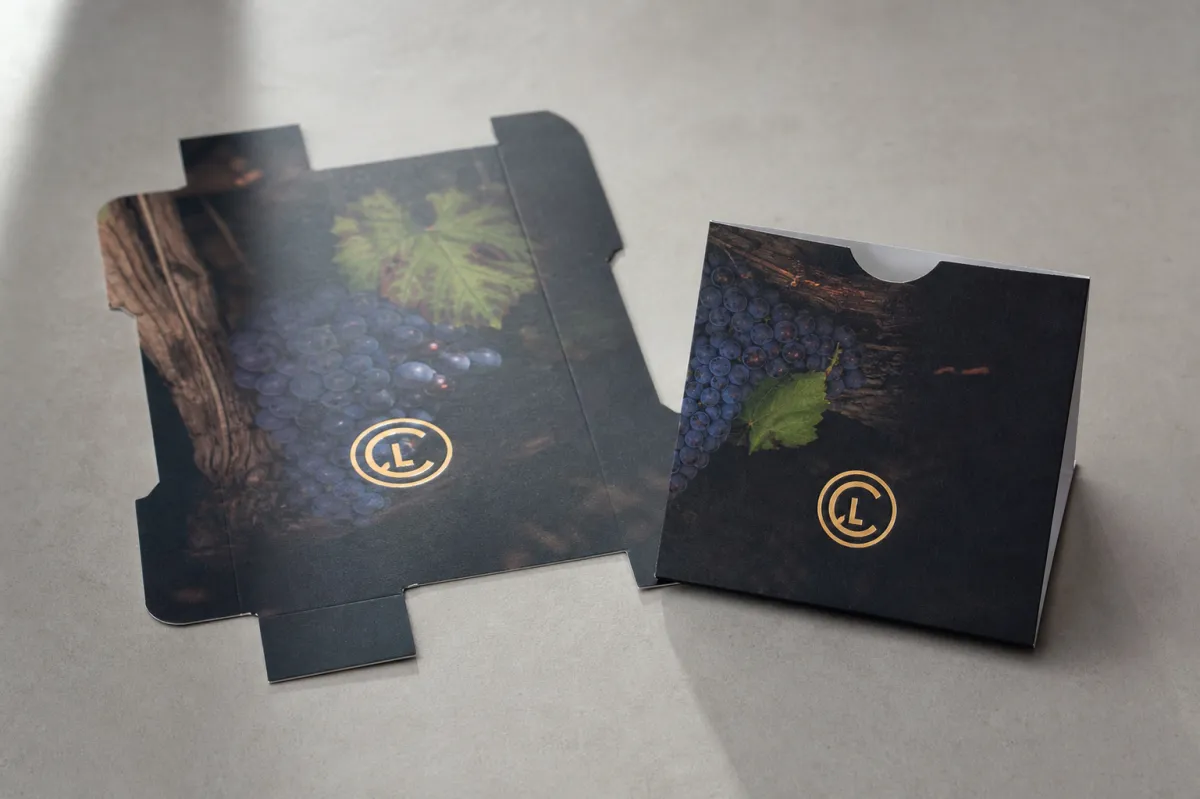
At its core, the wine club carton inserts material guide explains how to Choose the Right insert material for the bottles you ship, the routes you use, and the brand impression you want to leave behind. It brings together material selection, bottle fit, transit performance, print compatibility, sustainability, and the supply-chain tradeoffs that show up the moment a sample becomes a recurring production run. That is a wider brief than many buyers expect, and it should be.
The insert format and the insert material are linked, but they are not the same thing. A wine club may use die-cut paperboard, corrugated partitions, molded pulp, foam, or layered hybrid constructions. Two inserts can look almost identical in a proof and behave very differently in the field. One may win on appearance and fail in damp storage. Another may seem plain and outperform everything else in crush resistance. The wine club carton inserts material guide is there to separate visual polish from actual performance.
From a packaging buyer's standpoint, the question is rarely, "What looks best?" It is usually, "What gives me the lowest total risk at the lowest practical cost?" That means the insert has to fit the bottle range, run cleanly on the line, and survive the trip. A regional club with short transit lanes can accept a different structure than a national direct-to-consumer program with multiple handoffs and longer dwell times in trailers or depots. The wine club carton inserts material guide starts with those realities.
Wine clubs also face a recurring problem that one-time shippers do not. The same insert may be used dozens of times across the year, so a small weakness becomes a big operational headache. A flimsy flute crushes after a few humid storage cycles. A brittle paperboard edge tears during packout. A cavity that is just a touch too tight slows the line because staff have to fight the fit on every carton. The wine club carton inserts material guide exists to catch those slow, expensive failures before they become routine.
Repeatability matters just as much as strength. A carton insert that behaves the same way every time lets the warehouse standardize training, inventory, and quality checks. Seasonal graphics may change, but the insert should stay predictable enough that the team can pack with confidence. That kind of consistency reduces errors and improves throughput, which is exactly the sort of operational detail the wine club carton inserts material guide should turn into a buying decision.
For deeper reference on package testing and distribution expectations, ISTA's material on test methods is useful: ISTA. For recycling context and waste-stream guidance, the EPA offers practical information that helps frame sustainability claims more honestly: EPA.
How Wine Club Carton Inserts Work in Transit
The job of an insert sounds simple on paper: hold the bottles still enough that they do not strike one another or the carton walls. In the wine club carton inserts material guide, that means the insert has to immobilize the product so the outer shipper absorbs impact rather than the glass. Even a strong carton loses value quickly if the inner pack lets bottles drift and collide.
Protection comes from several mechanics working together. Compression resistance keeps the insert from collapsing under stacking pressure. Sidewall support reduces lean and shift. Neck retention stops the upper portion of the bottle from bouncing during vibration. Void control removes the empty space that turns normal movement into repeated impact. The wine club carton inserts material guide is really about balancing all four, because shipping damage usually comes from a chain of stress rather than one dramatic hit.
Bottle shape changes the equation. A Bordeaux-style bottle with straighter shoulders behaves differently from a Burgundy bottle with a rounder body. Champagne bottles carry more weight and often spread wider at the base. Specialty bottles can have embossed glass, unusual shoulder transitions, or a thicker punt that changes how they sit inside the cavity. A packaging spec that performs well with a standard 750 ml bottle may fail the moment a club adds a heavier reserve wine. A strong wine club carton inserts material guide always starts with the real bottle set, not a made-up average.
Transit conditions matter just as much as bottle shape. Carriers subject parcels to vibration, drop events, stacking pressure, and temperature swings. A box may wait in a distribution center, ride in a truck, and get handled several times before the customer opens it. That is why the wine club carton inserts material guide cannot stop at "fits in the carton." It has to ask whether the insert survives repeated handling cycles, not just a neat desktop demonstration.
Home delivery, club pickup, and regional distribution each produce different stress profiles. A local pickup program may see fewer impacts but more repeated handling by staff and customers. A national lane may bring more vibration, longer dwell times, and more exposure to moisture. The same insert can pass one channel and fail in another. That is one of the most useful lessons in the wine club carton inserts material guide: transport context changes everything.
Tactile feedback matters too. If a customer hears bottles knocking when they lift the box, the pack feels fragile even when the structure is technically acceptable. Noise is a warning sign, and customers read it instantly. The best wine club carton inserts material guide solutions reduce movement until the package feels calm in the hand. Calm packaging usually ships better as well.
Damage reports often spike after route changes rather than design changes. That pattern is useful because it points to where the real weakness sits. Materials that perform adequately on short lanes can become under-specified on longer ones. The wine club carton inserts material guide should encourage testing under the worst likely conditions: the heaviest bottle, the longest lane, and the roughest handling sequence.
Material Choices: Strength, Sustainability, and Printability
Material selection is where the wine club carton inserts material guide becomes especially useful in the hands of a buyer. Corrugated board, paperboard, molded pulp, foam, and hybrid systems all solve the shipping problem differently. Corrugated cardboard is common because it offers a workable balance of stiffness, cost, and recyclability. Paperboard can deliver a cleaner look and lower weight. Molded pulp offers a strong sustainability story and reliable cushioning. Foam can provide very high protection, though it often raises recycling questions and can feel off-brand for premium wine clubs. Hybrid designs can be carefully tuned, though they add complexity. That tradeoff is normal, and trying to avoid it entirely is usually a waste of time.
For many clubs, the practical decision sits between crush strength and presentation. Heavier bottles need more support, especially if the insert uses wide cavities or deep cutouts. Thinner paperboard may look refined but can deform in damp environments. Denser corrugated board adds strength, though it can increase thickness and shipping volume. Molded pulp often performs well at bottle retention, yet it may not deliver the same crisp visual finish as coated board. The wine club carton inserts material guide should compare those choices against the actual bottle weight and route risk, not against a generic spec sheet that ignores the shipment.
Recycled content can strengthen the brand story, but it is not a free upgrade. Higher levels of post-consumer fiber can affect stiffness, surface consistency, and print appearance. In some runs, recycled material shows tonal variation or small fiber flecks. That may suit a rustic label and feel completely wrong for a premium brand that wants a polished opening moment. The wine club carton inserts material guide should treat recycled content as a design input, not a moral badge that overrides performance.
Humidity is a bigger issue than many buyers first assume. Wine often moves through cold storage, damp loading docks, or temperature swings that create condensation. A material that feels rigid in a dry sample room can soften after exposure to moisture. Kraft liners and wraps can help with the right structure, but they do not solve every condition on their own. The wine club carton inserts material guide should ask whether the material still holds shape after time in a less-than-ideal environment.
Print and finish compatibility matter as soon as the insert becomes visible to the customer. Some inner packs open directly into view, which means the insert is part of the brand experience and not just a hidden shipping component. Coating, tinting, embossing, and simple ink coverage can shift the feel from functional to considered. Each added finish should earn its place, though. If a printed insert slows production or weakens recyclability, it may not deserve the space it takes up. The wine club carton inserts material guide works best when finish decisions are tied to real customer touchpoints.
For teams that care about sourcing, FSC certified fiber is a meaningful filter. It does not guarantee performance on its own, but it does support a stronger procurement story. If the insert also supports biodegradable packaging goals, the team should verify what that claim actually means in practice. "Biodegradable" gets used too loosely. A buyer should ask where the material breaks down, under what conditions, and on what timeline. The wine club carton inserts material guide should insist on specificity instead of slogans.
Here is the comparison I would give a buyer who wants a practical first pass:
| Material | Typical Strength | Sustainability Profile | Printability / Appearance | Best Use Case |
|---|---|---|---|---|
| Corrugated cardboard | High crush resistance, good stacking support | Widely recyclable; often made with recycled materials | Functional, moderate finish options | Standard 2- to 6-bottle club shipments |
| Paperboard | Moderate; depends on caliper and design | Lighter weight; can use post-consumer waste fiber | Clean, premium, strong print surface | Display-forward packs with lighter bottles |
| Molded pulp | Good cushioning and bottle retention | Often recycled fiber; strong environmental story | Textured, less polished visually | Protection-first programs with eco positioning |
| Foam | Very high impact buffering | Usually weakest sustainability story | Functional, usually not premium-looking | High-risk lanes or specialty protection needs |
| Hybrid construction | Tailored; can be excellent | Depends on components | Variable; can be strong if well designed | Complex bottle mixes and premium clubs |
If the table points to anything, it is this: the best material is not always the thickest one. It is the one that matches bottle weight, route risk, assembly speed, and brand expectations with the least waste. That is the practical heart of the wine club carton inserts material guide. Thick can be wasteful. Thin can be dangerous. Right-sized usually wins.
One more commercial reality deserves attention: not every plant runs every material equally well. Some lines handle corrugated board with ease. Others prefer paperboard because it stacks flatter or cuts more cleanly. Molded pulp may call for different packing steps. The wine club carton inserts material guide should include production fit, not only product fit, because a material that slows the warehouse can cost more than a slightly pricier option that runs cleanly.
Wine Club Carton Inserts Material Guide: Cost, Pricing, and MOQ
Pricing is where the wine club carton inserts material guide turns into a procurement tool. The usual cost drivers are material density, die-cut complexity, order volume, print requirements, and any coating or treatment added for moisture resistance or appearance. A simple unprinted insert in standard corrugated cardboard may cost far less than a custom-printed, moisture-resistant version, but the lowest quote is not the lowest cost if it increases breakage or adds rework. I have watched teams get seduced by a clean unit price only to pay for it later in damage claims and awkward overtime.
MOQ, or minimum order quantity, matters more than many teams first realize. Lower minimums usually raise the unit price because tooling, setup, and production planning are spread across fewer pieces. That does not make small runs a bad idea. It means they need to be measured against launch volume, seasonal demand, and the cost of sitting on excess inventory. The wine club carton inserts material guide should explain MOQ in plain language: smaller runs usually carry more setup cost per unit. Nothing fancy there, just the math doing its thing.
Unit price tells only part of the story. Total landed cost includes freight, warehousing, spoilage, and replacements caused by a wrong-fit insert. A quote that saves two cents per unit can become expensive if it creates a higher damage rate or forces extra handling steps. The wine club carton inserts material guide should keep buyers focused on cost per successful shipment, not cost per blank insert sitting in a pallet wrap.
There are straightforward ways to reduce spend without weakening protection. Standardizing bottle formats across club tiers can reduce die complexity. Simplifying fold lines can improve throughput. Choosing a material that runs efficiently on existing equipment often saves more than chasing the cheapest raw board. This is where the wine club carton inserts material guide moves from theory into the day-to-day work of a warehouse and purchasing team.
Buyers should ask for multiple tiers of material pricing. One quote for a basic insert tells you little. Three quotes, each tied to a different material and performance level, tell a better story. Then the team can compare cost per shipment rather than cost per insert alone. A serious wine club carton inserts material guide makes room for that comparison because price without context is a trap.
Here is a practical pricing lens. Exact figures shift with bottle count, print coverage, region, and season, but these ranges help anchor the conversation:
| Insert Type | Typical Run Size | Approx. Unit Range | Common Cost Notes |
|---|---|---|---|
| Standard corrugated insert | 5,000-20,000 units | $0.18-$0.32 | Lower tooling risk; efficient for repeat club programs |
| Printed paperboard insert | 5,000-15,000 units | $0.22-$0.40 | Better branding; more sensitive to finish and caliper |
| Molded pulp insert | 10,000+ units | $0.25-$0.48 | Strong eco story; tooling and mold setup can add cost |
| Hybrid custom insert | Varies widely | $0.30-$0.60+ | Tailored performance; higher design and qualification effort |
Those figures are not bids, and they are not promises. They are a buying frame. A thicker material can still be cheaper if it reduces damage claims or lets the pack run faster on existing equipment. That is the kind of tradeoff the wine club carton inserts material guide is meant to expose early, before the purchase order gets locked in.
Seasonality changes cost too. Some vendors price more aggressively when material supply is steady. Others add a risk premium during holiday peaks or when freight tightens. If a club ships near gift-giving periods, the wine club carton inserts material guide should assume that lead times and pricing can move upward as demand rises.
One useful question to ask a supplier is, "What changes in cost if we move from a stock-like structure to a fully custom one?" The answer often reveals whether the team is paying for real function or for complexity that does not improve performance. A disciplined wine club carton inserts material guide keeps that distinction visible.
Process and Timeline: Samples, Approvals, and Lead Time
Most delays in the wine club carton inserts material guide process come from missing information rather than from complicated manufacturing. The production path usually runs through bottle specs, material recommendation, dieline creation, sampling, testing, approval, and full production. If any step gets rushed, the insert may fit poorly or arrive too late for the club calendar. The timeline looks simple when written down and far less simple when a launch date is closing in.
The quickest way to lose time is to send incomplete bottle data. A supplier needs exact diameter, height, shoulder profile, and weight, along with any unusual neck or base features. If the club sends only a label size or a rough bottle family, the sample is likely to miss the mark. A good wine club carton inserts material guide treats measurement as a production input rather than a clerical chore.
Approval cycles are another common bottleneck. Artwork changes, structural revisions, and late feedback can add days or weeks. The more people reviewing the sample, the more likely someone will raise a concern at the end of the process instead of the beginning. That is why the wine club carton inserts material guide should recommend a single decision owner with the authority to sign off after testing.
Lead time depends on tooling complexity, material availability, holiday demand, and shipping distance. A simple blank insert can move quickly. A custom dieline with print and a special finish takes longer. If a mold is required, the schedule expands again. In many custom programs, several weeks from final approval to delivery is realistic, and longer still if there is a prototype round. The wine club carton inserts material guide should keep that timing visible so the club does not promise inventory before it exists.
Prototype samples are not a luxury. They are insurance. A sample reveals whether the bottle neck binds, whether the cavity is too loose, whether the board sags after loading, and whether the assembly sequence slows the line. The wine club carton inserts material guide should treat sample testing as the cheapest place to catch a mistake.
I would also recommend a pre-production signoff with actual bottles, actual carton dimensions, and the warehouse team that will pack the shipment. That sounds obvious, and it still gets skipped more often than it should. Projects often get approved with a polished sample, then the SKU mix changes before production starts. The wine club carton inserts material guide works best when the final approval matches the live program, not a version of it from two weeks earlier.
Here is a practical timeline pattern for many club shipments:
- Brief and bottle audit: 2-3 business days.
- Material recommendation and dieline draft: 3-5 business days.
- Prototype sample and fit review: 5-10 business days.
- Revisions and final approval: 2-5 business days.
- Production and packing: 7-15 business days, depending on complexity.
Those ranges can compress or expand depending on vendor capacity and shipping lane. Even so, they offer a useful planning benchmark. If the club calendar is fixed, the wine club carton inserts material guide should tell the team to build in room for one revision cycle and one round of real-world testing. Without that buffer, rushed approvals become much more likely.
Testing itself should not be vague. Ask for drop testing, compression checks, and fit verification using actual bottles. If the supplier knows ISTA procedures or works from recognized package test methods, that is a good sign. If not, the team should still insist on a defined test structure. The wine club carton inserts material guide should push for evidence rather than confidence alone.
Common Mistakes Buyers Make with Wine Club Carton Inserts
The first mistake is choosing based on appearance. A clean-looking insert can still dent, sag, or absorb moisture in transit. The reverse happens too: a plain corrugated solution may outperform a more elegant option by a wide margin. The wine club carton inserts material guide should remind buyers that the box has one job before it has any aesthetic job, and that job is protection.
The second mistake is assuming one insert fits every bottle. Small changes in diameter, height, shoulder shape, or base weight can create instability. A club that ships a light white wine one month and a heavier reserve bottle the next may need more than a single cavity design. The wine club carton inserts material guide should tell teams to test the heaviest and most unusual SKU first, because that is usually where the design breaks down.
The third mistake is ignoring the season. A material that performs well in moderate conditions may soften, warp, or become harder to assemble when humidity rises or temperatures drop. Cold storage, damp loading docks, and long delivery lanes are not edge cases; they are normal parts of the chain for many wine programs. A realistic wine club carton inserts material guide assumes the insert will face less-than-ideal conditions and still hold shape.
The fourth mistake is underestimating customer experience. Loud rattling, awkward bottle removal, sharp edges, or poor visibility can make the pack feel cheap even when the bottles survive. Customers notice friction. They notice when the insert makes the carton feel crowded or when the bottle comes out too loosely. The best wine club carton inserts material guide recognizes that a quiet, easy unbox usually signals a better engineered pack.
The fifth mistake is comparing quotes without checking test data or sample quality. Price-only sourcing can hide structural weakness, especially if one vendor quietly uses a lower caliper board or a less accurate die. A buyer should ask how the insert was tested, what bottle was used, and whether the vendor understands recurring fulfillment rather than one-time gifting. The wine club carton inserts material guide is meant to prevent that kind of false economy.
There is a sixth mistake worth naming because it shows up often: failing to align sustainability claims with actual performance. A club may want recycled materials, FSC certified fiber, or lower-impact construction, which is a sensible goal. If that choice raises damage rates, though, the environmental gain gets eroded by replacement shipments. Better to choose a material that is genuinely durable, responsibly sourced, and fit for the route. The wine club carton inserts material guide should connect sustainability with operational reality instead of separating them.
Honestly, the most expensive mistake is usually not the material itself. It is the hidden rework caused by a bad fit, a slow assembly, or a customer complaint that forces a replacement order. Those costs are easy to overlook during sourcing and hard to ignore after launch. A strong wine club carton inserts material guide keeps those downstream costs visible.
Expert Tips and Next Steps for Wine Club Carton Inserts Material Guide
Start with a bottle audit. Measure the widest diameter, height, shoulder profile, neck clearance, and weight of the SKUs you ship most often. If the club ships multiple wines, test the largest and heaviest bottle first. That single step can save days of revision later. A useful wine club carton inserts material guide always begins with the real bottle set rather than a broad assumption.
Request two or three material samples and test them with actual bottles. Do not rely on mockups that use empty bottles or placeholder weights. Real mass changes the fit. Real glass changes the handling feel. Real closure shapes affect how the insert grips the neck. The wine club carton inserts material guide should push for actual packout conditions, because that is where failures show up.
Ask suppliers for specifics: fit tolerances, stack behavior, moisture sensitivity, and whether the insert can survive repeated handling cycles. If a supplier talks only about print quality, the conversation is too narrow. The wine club carton inserts material guide should widen that discussion to include the route, the warehouse, and the customer touchpoint.
If sustainability matters, compare recycled content, curbside recyclability, and the energy profile of the material options. In some cases, a well-designed corrugated insert with recycled fiber will be the best balanced choice. In others, molded pulp or kraft paper structures may fit the brand better. The right answer depends on the bottle, the lane, and the scale. The wine club carton inserts material guide should not treat one material as universally superior.
It also helps to think in a clear decision sequence. First, protect the bottle. Second, make assembly efficient. Third, improve the presentation. That order matters because too many teams reverse it and then wonder why the box looks polished but ships poorly. The wine club carton inserts material guide is strongest when it keeps the priorities in that order.
For a wine club launch or redesign, a good next-step checklist looks like this:
- Gather bottle specs for every SKU in the program.
- Choose two or three candidate materials for sampling.
- Request a structural sample and test it with real bottles.
- Review fit, assembly speed, and visible presentation together.
- Confirm lead time, MOQ, and freight assumptions before approval.
Then build the rollout around the replenishment calendar, not around wishful timing. If the next club shipment is locked in six weeks out, do not approve a design that still needs major revisions. The wine club carton inserts material guide becomes actionable only when it is tied to an actual schedule and a firm decision process.
One final practical point: standardization pays. If the club can reduce bottle variation, standardize carton dimensions, and keep a short list of insert materials, fulfillment becomes easier and less error-prone. That does not mean everything has to look identical. It means the system should be repeatable. The best wine club carton inserts material guide supports that repeatability while still leaving room for branding and seasonal updates.
If you are choosing a material this week, start with the heaviest bottle, the longest lane, and the most humid point in your route. Run a sample with those conditions, then pick the insert that protects well, packs quickly, and still feels polished when the customer opens it. That is the clearest takeaway from the wine club carton inserts material guide, and it is usually the decision that keeps wine in the bottle and complaints out of the inbox.
What is the best material for wine club carton inserts?
The best material depends on bottle weight, shipping distance, and the look your brand wants to project. Corrugated cardboard and molded pulp are common starting points because they balance protection and cost well for many clubs. The right choice is the one that matches crush resistance, fit stability, recyclability, and the unboxing experience your customers expect.
How do I choose wine club carton inserts for different bottle shapes?
Measure the widest bottle diameter, height, shoulder shape, and neck clearance before ordering samples. Then test the insert with your heaviest and most unusual bottle first. If the hardest SKU fits cleanly, the rest of the range is easier to manage. That approach also lowers the chance of discovering a problem after production starts.
What affects the price of wine club carton inserts the most?
Material type, tooling complexity, print requirements, and order volume usually drive pricing more than small design tweaks. Larger runs often lower the unit cost, but total landed cost should still include freight, spoilage risk, warehousing, and replacement shipments. A low quote can become the expensive option if the insert creates damage or slows fulfillment.
How long does it take to produce custom wine club carton inserts?
Timeline depends on sampling, approval cycles, material availability, and whether a new die or finish is required. Simple projects can move quickly, while custom structural work needs time for testing and signoff before full production. If the club calendar is fixed, build in buffer for one revision round and one final fit test.
Can I use sustainable materials without losing protection?
Yes, if the material is matched to bottle weight and transit conditions instead of being chosen for sustainability alone. Compare recycled content, recyclability, and test data side by side, then check whether the insert still performs under compression and vibration. A well-specified sustainable insert can protect just as well as a less responsible option.


