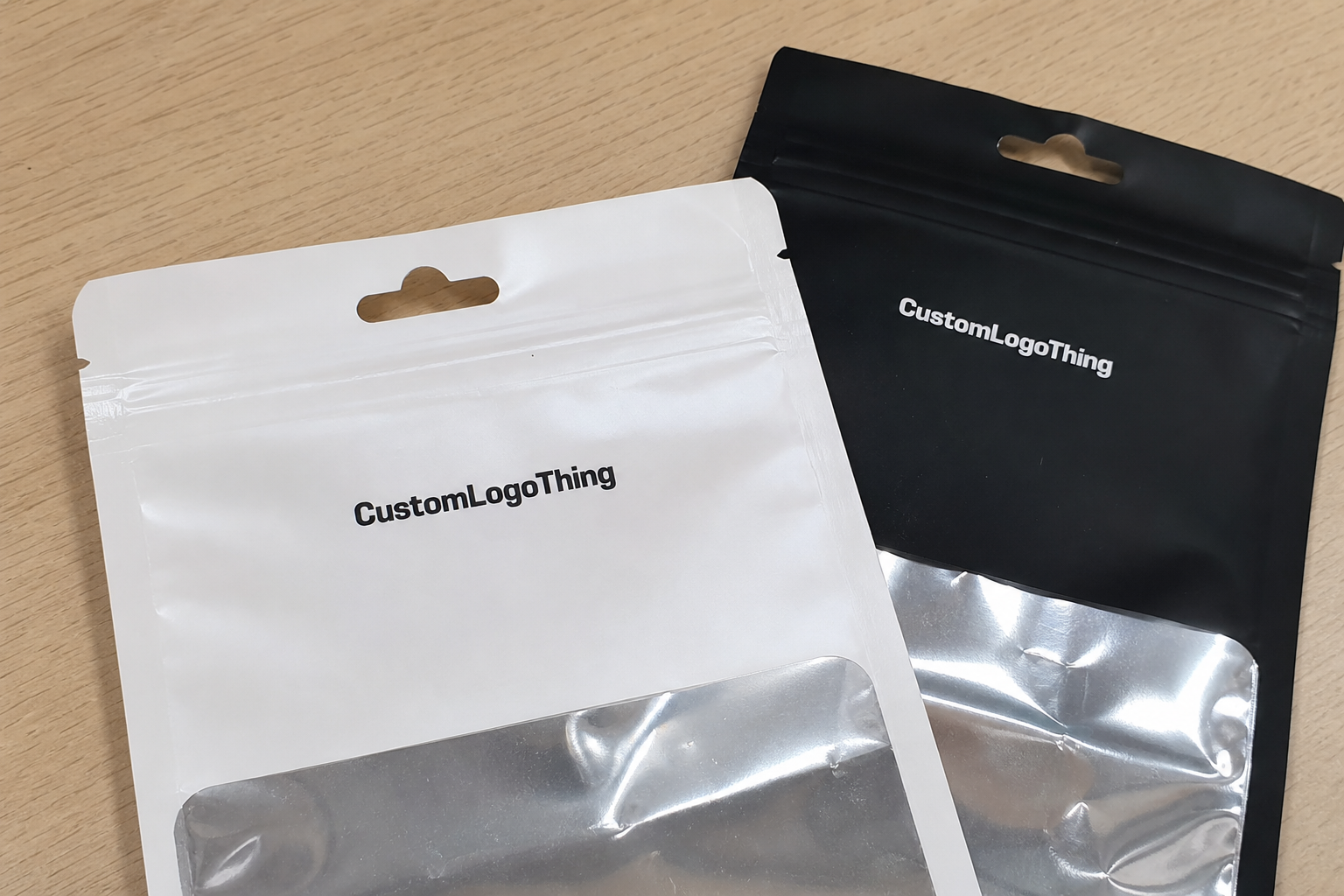
If you are comparing a Woven Neck Labels Supplier private label option for a new apparel line, the label can look like a tiny decision until you actually see it sewn into the garment. Then it stops being tiny. Neck labels sit right where customers notice comfort, finish, and branding in one glance. If the label feels scratchy, looks blurry, or washes out too quickly, the product starts carrying that weakness everywhere else.
That is why buyers looking for a woven neck labels Supplier Private Label program usually care about more than unit price. They want a label that matches the garment weight, the brand style, and the wash life of the product. A soft damask weave suits premium tees. A basic taffeta label may be enough for entry-level basics. A folded label can carry size and care information without crowding the neck area. The right choice depends on how the garment is built and how it will be used, not just how it looks on a screen.
Why woven neck labels can make or break a private label launch
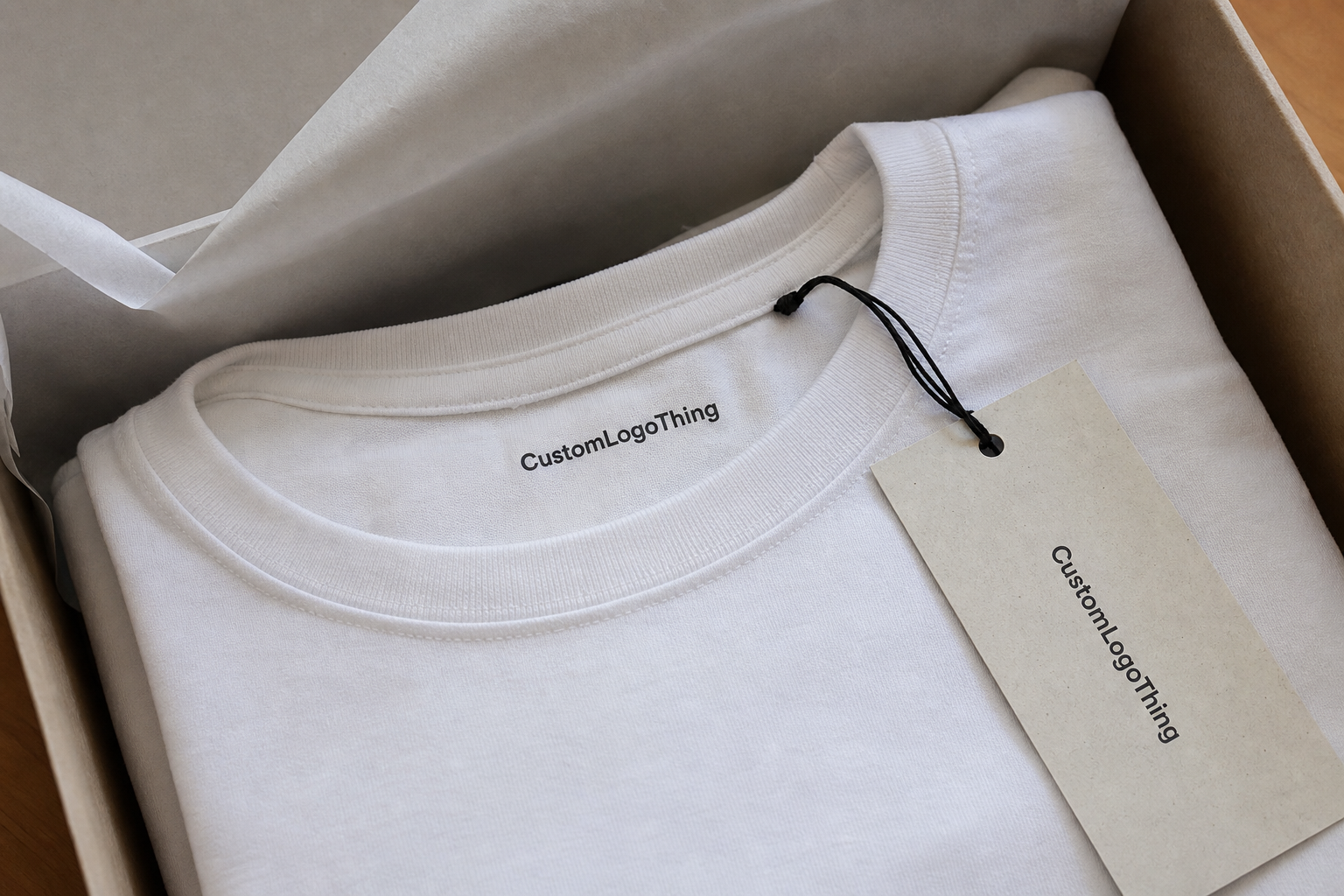
A neck label does quiet but important work. It identifies the brand, helps the garment feel finished, supports compliance text, and gives buyers a tactile clue before they ever inspect stitching or hangtags. In practice, a clean woven label can make a midweight hoodie feel more intentional, while a stiff or poorly trimmed label can make a strong product feel rushed.
Woven neck labels are made by weaving thread into a small textile structure instead of printing ink onto a base cloth. That sounds like a minor production difference. It is not. Woven construction generally holds up better through repeated laundering and abrasion, and it gives the brand mark a more integrated textile look. Printed labels can be useful for ultra-soft handfeel or extremely fine text, but for many private label apparel programs, woven labels give the better long-term presentation.
A good woven neck labels supplier private label partner does more than accept an art file and spit out a quote. The supplier has to convert your artwork into a production-ready label with the right weave density, dimensions, edge finish, color count, and attachment method. If the weave is too loose, small text can disappear. If the fold is wrong, the label can sit awkwardly against the neckline or create discomfort. Little problems. Big annoyance.
The best neck label is not the one with the most detail. It is the one that still looks right after washing, folding, handling, and wearing.
From a buyer’s point of view, the real test is simple: will the label survive the life of the garment and still support the brand? That is less glamorous than design mood boards, but it is usually where a private label launch starts looking polished instead of improvised.
How the woven label production process works from artwork to cut pieces
The production flow is fairly direct, but every step affects the final result. It starts with artwork review. A supplier checks whether the logo is supplied in vector form, whether the text is small enough to stay legible, and whether the number of colors fits the chosen weave. If the file arrives as a low-resolution JPG or PNG, the first task is usually cleanup or redraw work before weaving can even be planned.
Next comes loom setup and thread color matching. The factory matches thread shades to the artwork as closely as the yarn system allows, then programs the loom pattern. Thread count and weave density matter a lot here. A tighter weave can preserve finer detail and smaller text, but it can also raise cost and make the label slightly less supple. A looser weave can feel softer, but tiny details may blur or break apart.
Once the loom is running, the woven tape is cut or finished according to the requested format. Common options include heat cut, laser cut, end fold, center fold, loop fold, and flat sew-on. For neck labels, center fold and end fold are common because they tuck neatly into a seam. Some brands prefer flat labels for visible branding or garments with unusual construction.
Approvals usually happen before full production starts. A buyer may review a digital mockup, a woven strike-off, or a physical sample, depending on the supplier’s process and how complex the design is. If the logo uses fine type, subtle background texture, or tight spacing, I would ask for a sample. Catching a readability issue on one proof is annoying. Catching it after 20,000 labels are packed is expensive and completely avoidable.
| Label option | Best use | Typical strengths | Common trade-offs |
|---|---|---|---|
| Damask woven label | Premium apparel, detailed logos | Fine detail, soft handfeel, clean branding | Usually higher cost than basic weaves |
| Taffeta woven label | Basic garments, care labels, budget programs | Lower cost, efficient for simple text | Less refined texture, lower detail capacity |
| Satin woven label | Soft-touch branding, intimate wear, accessories | Smooth surface, comfortable against skin | Can show wear more easily if handled roughly |
For broader packaging and brand-surface planning, the same logic applies to other textile and labeling decisions. If you are building a full product presentation system, it helps to coordinate labels with your Custom Labels & Tags and related packaging components at the same time.
Cost, MOQ, and pricing factors that change your quote
Pricing for woven neck labels usually comes down to a small set of variables, and buyers get better quotes when they understand them before they ask. The main ones are label size, number of colors, weave complexity, quantity, fold style, and any special finishing. A 30 x 60 mm one-color label with a standard fold is a much simpler job than a 50 x 80 mm woven patch with six colors, dense detail, and custom backing.
For small runs, unit cost is higher because the loom setup, file preparation, and color matching are spread across fewer pieces. That is why MOQ lands where it does. A supplier may quote 500 pieces for a standard design, while a more complex construction or special finishing can push the minimum to 1,000 pieces or more. Small private label launches pay for flexibility. That is the trade-off.
A practical working range for a simple woven neck label run of 5,000 pieces is often around $0.04-$0.09 per unit, depending on size and color count. More complex labels with custom folds, tighter weave density, or premium finishing can move into the $0.10-$0.18 per unit range. Those numbers are not universal. Different factories calculate setup, cutting, and finishing in different ways, and freight can swing the final number more than people expect.
If you want to lower cost, simplify the artwork first. Reduce the number of thread colors. Avoid ultra-fine type. Keep the label size standard if possible. Ordering multiple SKUs with shared dimensions can also help because the supplier can keep the same production settings while changing only the artwork. That is one of the most reliable ways a woven neck labels supplier private label buyer keeps the program economical without making the branding look cheap.
Watch the hidden costs too. Sample fees, shipping, rush charges, and reproofing can all change the landed price. A quote that looks attractive on paper can stop being attractive once freight and revision fees show up. Buyers should ask for the full landed cost, not just the per-piece number. That is the number that hits the budget.
Labels are usually one of the least expensive branded components on a garment, but they influence perceived quality in a much bigger way than the price suggests. Cheap, but not irrelevant. That combination is why it pays to buy carefully.
Timeline, lead time, and production steps you should plan around
A realistic project timeline starts with quote review, then moves into proof approval, sample approval if needed, weaving, cutting or finishing, inspection, and shipping. For clean artwork and standard specs, total lead time often falls around 12-15 business days from proof approval. Complex jobs, custom folding, or peak-season schedules can stretch that further. If the supplier is also handling special packaging, build in more cushion.
What speeds the job up? Clear artwork, exact dimensions, a firm quantity by SKU, and simple instructions on fold and attachment method. If you know you want a center fold sewn into the neckline, say it directly. If the label also needs a satin backing or a tear-away feature, mention that before the proof stage. Every extra clarification round costs time, and time is usually the hidden expense in private label work.
Delays usually come from avoidable issues: last-minute artwork changes, vague color references like “close to navy,” or requests to revise the sample after the loom has already been configured. I have seen projects slip because the buyer was still deciding whether the label should sit in the back neck or the side seam. Small detail on paper. Real impact in garment construction and sewing order.
Private label launches also need to fit the wider production calendar. Neck labels should arrive in sync with garment production, folding, bagging, carton packing, and launch dates. If the labels are late, the garments can sit unfinished, and that affects inventory flow and timing. It is much easier to hold finished labels for a few days than to rush an apparel run through assembly with missing branding.
For buyers working to tighter logistics standards, ask whether the supplier inspects for color consistency and dimensional tolerance. If the labels are part of a larger shipment, it also helps to understand how the supplier packs them for transit so they arrive countable and undamaged. For general packaging integrity during transport, the ISTA guidelines are a useful reference.
How to choose the right weave, finish, and placement for your brand
The right label choice depends on what the garment is trying to communicate. A premium streetwear tee can handle a denser damask weave with a sharp logo and a clean folded edge. Children’s wear often needs a softer handfeel and careful attention to itch reduction. High-wash items, like workwear-inspired basics or sports apparel, need durable fibers, secure stitching, and colors that still read clearly after repeated laundering.
Placement matters just as much as weave style. The back neck is the most common location because it is expected and easy to find, but side seam labels can be more comfortable for customers who dislike anything touching the neck. Hem branding works well for fashion-led pieces, while external branding can reinforce a premium finish if the garment design supports it. A label that looks great in isolation can still feel wrong if the placement fights the garment shape.
Texture should match the garment. A rough label on a lightweight tee is a bad fit, even if the logo looks fantastic. A soft satin-backed woven label may be better for intimate apparel or lightweight fashion pieces where the customer notices every touchpoint. Buyers should also think about edge softness, especially if the label will sit inside a seam or directly against skin.
Color contrast is another practical issue. If the logo and background are too similar, the woven detail can disappear in low light or after washing. If the contrast is too sharp, the label may feel louder than the brand intends. I recommend checking thread color against actual garment swatches, not just screen images. Thread and screen color rarely behave the same way. The screen lies. The swatch does not.
For compliance text, keep the layout readable. If the label needs fiber content, size, care symbols, or country-of-origin information, make sure the weave can support that amount of detail. Some brands use a separate care label to avoid crowding the neck label, and that is often the better option. It keeps the brand mark cleaner and reduces legibility problems.
- Damask for finer logos and a premium feel
- Taffeta for simple, budget-conscious applications
- Satin-backed woven labels for softer skin contact
- Center fold or end fold for neat neck integration
- Flat sew-on labels for external branding or accessories
If your brand is planning sustainability messaging, make sure any fiber claims or material statements are supportable. Buyers sometimes ask about recycled yarns or packaging-related claims, and those need documentation. For general material responsibility context, the EPA recycling guidance is a useful reference point.
Common ordering mistakes that cause delays, rework, or weak branding
The most common mistake is sending artwork that was never designed for a woven label. Tiny type, thin strokes, tiny icons, and gradients can look fine on a computer screen and then fall apart when translated into thread. A woven label is not a miniature billboard. It is a textile structure with real limits on detail.
Another frequent problem is assuming the digital screen color will match the thread exactly. It rarely does. Thread has physical sheen, and weave density changes how light reflects off the surface. That is why sample review matters. If the brand color is important, ask for thread references or a strike-off before committing to mass production.
Placement mistakes can also create comfort issues. A label that is too large for the neckline can poke out, twist, or rub against the skin. A fold that looks tidy on a spec sheet may still become bulky once sewn into a narrow seam. These are the details that show up only after wear testing, which is why experienced buyers think about the garment as a whole, not the label as a stand-alone item.
Skipping samples is risky, especially if the label is part of the customer-facing brand signature. Even a small mismatch in contrast, fold, or softness can trigger a reprint. If the labels are already sewn into garments when the issue gets caught, you are not just replacing labels; you are dealing with labor, inventory, and schedule consequences too.
Do not overlook legal and care-label requirements either. If the neck label carries fiber content, care instructions, or country-of-origin details, the information should be accurate and easy to read. That is not just a style issue; it is a compliance issue. In some programs, a separate care label is cleaner and safer than forcing too much text into one woven neck piece.
That is one reason buyers often rely on an experienced woven neck labels supplier private label team. The right supplier will catch issues that are easy to miss on a flat proof but obvious in production.
Practical next steps before you request a quote
If you want a clean quote, prepare the basics before you reach out. Send logo artwork in vector format if possible, along with label dimensions, quantity by SKU, fold style, color preferences, and attachment method. If you already know whether the label needs to be sewn into the neckline, side seam, or hem, include that too. The clearer the brief, the fewer revision cycles you will need.
It also helps to share two or three reference images that show the finish level you want. They do not need to be exact competitors. They just need to communicate whether you want something soft and minimal, bold and high-contrast, or premium and detailed. A good supplier can often interpret references faster than written adjectives.
Before approving production, ask three direct questions:
- What is the sample or strike-off timing?
- How are thread colors confirmed?
- Will the labels ship cut, folded, or on a roll?
Those answers tell you a lot about the supplier’s workflow and where the project may need extra lead time. For larger brand programs, I also recommend confirming how the supplier packages labels for transit so they do not arrive crushed, mixed, or hard to count.
The cleanest buyer workflow is simple: confirm specs, review the sample, lock the quantity, then schedule label production alongside garment production. That keeps the private label launch organized and reduces the chance of a label bottleneck. If you are working with a woven neck labels supplier private label partner, the best results usually come from clear specs, a realistic timeline, and a willingness to test before you produce at scale.
FAQs
What should I ask a woven neck labels supplier private label before ordering?
Ask about MOQ, sample options, weave style, turnaround, and whether they can match your fold and attachment needs. Request a clear quote that separates unit price, sample cost, shipping, and any rush or setup charges.
Are woven neck labels better than printed labels for private label apparel?
Woven labels usually feel more premium and hold up well through repeated washing, which suits branded apparel. Printed labels can work for very fine text or ultra-soft applications, but woven labels are often preferred for long-lasting brand presentation.
How do I reduce the cost of private label woven neck labels?
Simplify the artwork, limit the number of thread colors, and choose a standard size and fold style when possible. Ordering higher quantities usually lowers unit cost because setup and loom time are spread across more pieces.
How long does it take to produce woven neck labels for private label orders?
Lead time depends on sample approval speed, quantity, and production complexity, but artwork-ready orders move faster. Allow extra time if you need custom color matching, multiple revisions, or coordinated garment packaging.
What file should I send to a woven neck label supplier?
A vector file such as AI, EPS, or PDF is ideal because it keeps edges crisp and colors easier to separate for weaving. Include dimensions, fold style, quantity, and any compliance text so the supplier can build an accurate production proof.