One weak sample can distort an entire order. Acrylic knitwear is forgiving in some ways and unforgiving in others: the fiber is inexpensive, the construction is flexible, and the finished piece can still miss the brief by a mile if the stitch density, cuff height, or artwork placement is off. A disciplined acrylic Beanies Sample Approval Checklist gives buyers a way to catch those misses before bulk production starts, when a correction is still cheap enough to make.
That matters because the biggest errors are rarely dramatic. More often, they are small and cumulative. A beanie stretches a little too far after wear. A logo sits 6 mm too high. The yarn color looks right under office light and slightly dull under daylight. None of those issues sounds catastrophic in isolation, but together they can change how the product sells, how it photographs, and how much of the order gets questioned after delivery.
The approval stage is where subjective taste gets translated into a physical reference. If the sample is approved on clear terms, the factory has a usable target. If the review is casual, the bulk order starts with a guess, and guesses are expensive once machine time, yarn, and freight are already committed.
Acrylic beanies sample approval: what buyers catch early
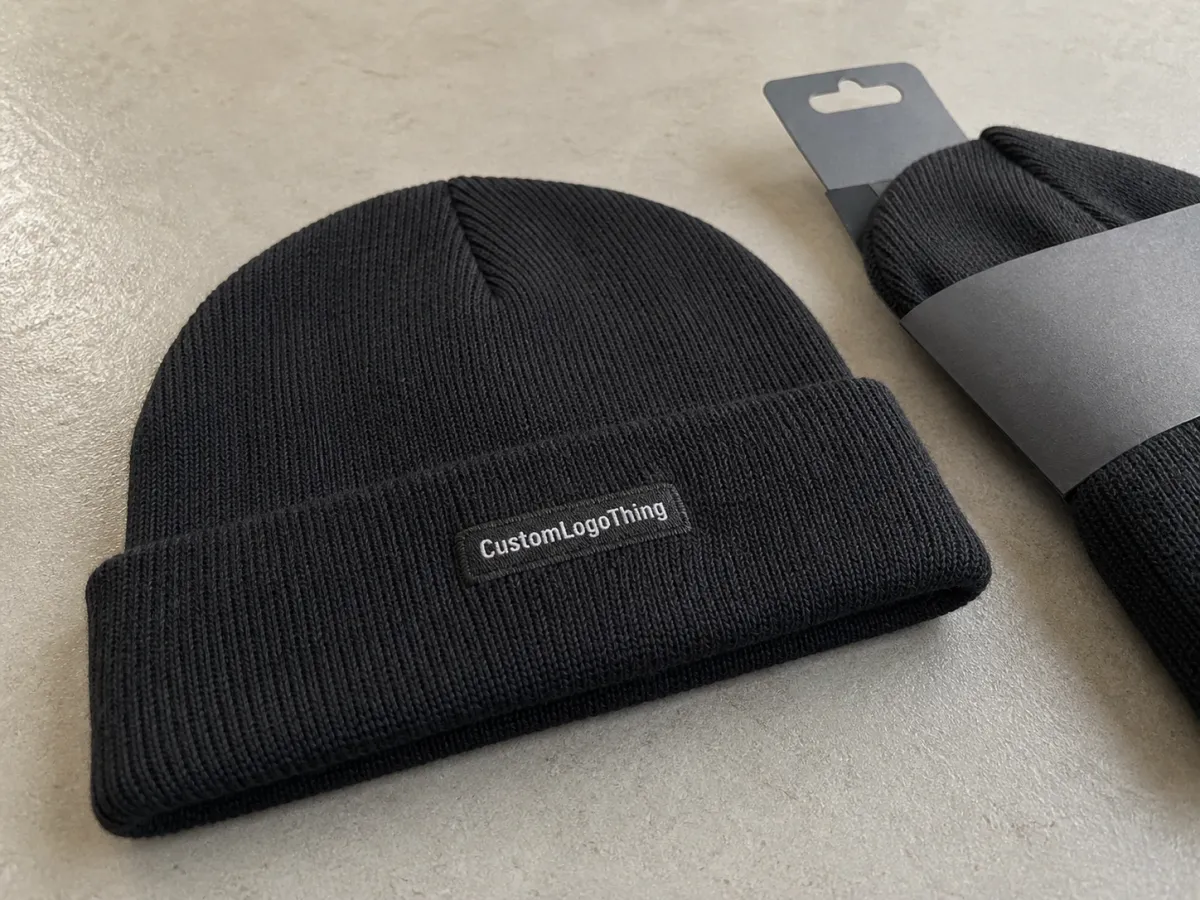
A sample is not just a preview. It is the first practical test of whether the spec can survive real production. On paper, a beanie may read as 100% acrylic, one-size-fits-most, cuffed, and embroidered. In hand, the story is more specific: the body may be too shallow, the cuff may be stiff, or the knit structure may make the crown collapse in an unflattering way.
Buyers usually catch the earliest warnings in four places. Fit shows whether the cap sits correctly and recovers after stretch. Stitch quality reveals whether the knit is clean or uneven. Color exposes how the yarn reads under different light sources. Decoration shows whether the brand mark survives the actual scale of a beanie, which is much smaller than most people imagine when the artwork is still in a digital file.
A sample approval process should be built around the approved specification, not around instinct. That specification needs enough detail to be useful: fiber content, knit gauge, dimensions, color standard, decoration method, label position, and packaging instructions. Without that reference, buyers end up reviewing a sample against memory, which is rarely consistent from one person to the next.
Acrylic behaves differently depending on gauge, tension, and finishing. Two beanies can share the same measurements and still feel very different in the hand. One may feel dense and winter-ready, another softer but less structured. The buyer's job is not to decide whether the sample is attractive in a general sense. It is to decide whether it matches the commercial purpose of the order.
“A sample should answer one question clearly: if bulk production matches this piece, would the order still be acceptable three weeks later, in warehouse light, after the first buyer inspection?”
How the approval process moves from sample to sign-off
The cleanest approval path begins before the sample is made. The factory needs a final tech pack or product brief, not a loose set of emails and screenshots. Once the sample is knit, the buyer should review it against the latest written version, because teams often forget that the artwork, size spec, or color reference may have changed midstream.
From there, the process is usually straightforward: the supplier sends the sample, the buyer checks it, notes are returned, and a revised sample is requested if needed. One revision is common when the design is already close. Two or more usually means the original instructions were incomplete or the factory interpreted a detail differently than expected. That is not unusual, but it does stretch lead time.
It helps to assign one person to collect comments and issue the final decision. Merchandising may care most about appearance. Operations may focus on carton pack and timing. Sourcing may watch price. Sales may be thinking about presentation and margin. All of those views are legitimate, but the factory needs one answer, not four versions of “almost approved.”
The sample package should be examined as a system. The beanie itself matters most, but the rest of the presentation changes how the product is judged. Ask for the yarn reference, size spec, logo proof, label mockup, and packaging plan together. If the order includes hangtags, insert cards, recycled polybags, or retail-ready folding instructions, those details should appear at the sample stage too. Packaging is not a side issue; it can alter perceived quality as much as the knit.
Timing also deserves attention. A narrow change such as moving a logo or adjusting cuff depth might take only a few days. A change to knit structure, panel count, or artwork density can push the project into another sample cycle. That delay is not just calendar friction. It can affect raw material reservations, machine scheduling, and freight planning.
Fit, stitch, color, and decoration details to inspect
Fit comes first because it is the hardest problem to hide. Measure the circumference, crown depth, and cuff height against the approved spec. Then stretch the sample on more than one head size if possible. Acrylic usually has decent recovery, but recovery should feel even. If the edge ripples, pinches, or loses shape after a few stretches, the beanie may still look acceptable flat while performing poorly in use.
Pay attention to the cuff. On some styles, the cuff is the visual anchor; on others, it is where the fit goes wrong. A cuff that is too short can make the beanie look unfinished. One that is too deep can overwhelm the face. Buyers often spot the issue only after trying the sample on, which is why a flat lay inspection is never enough.
Stitch quality comes next. Look for consistent tension, neat joins, clean edges, and any loose yarn ends that would point to rushed finishing. If the style uses knit-in artwork, check whether the motif still reads clearly when the fabric stretches. Small text can blur. Fine lines can disappear. What looks crisp on a screen may lose definition once the knit pattern starts doing its own work.
Color should be reviewed under real light, not only on a monitor. Acrylic yarn can shift visually under daylight, fluorescent warehouse lighting, and camera flash. If the brand requires a precise match, compare the sample against a physical standard or approved swatch under consistent lighting conditions. A screen image is useful for triage, not for final color approval.
Decoration deserves the same level of discipline. Embroidery can handle moderate detail, but the scale on a beanie is unforgiving. Small lettering may need to be simplified. Woven labels and patches have their own limits for edge sharpness and placement. A logo that looks balanced in isolation can feel crowded once it shares space with stripes, ribbing, or contrast trim.
Here is a practical comparison of the main checks and the failures they usually prevent:
| Check Area | What to Verify | Typical Risk if Missed |
|---|---|---|
| Fit | Circumference, crown depth, cuff height, stretch recovery | Poor comfort, incorrect silhouette, customer complaints |
| Stitch quality | Even tension, seam finish, yarn cleanup, knit clarity | Visible defects, weak presentation, premature wear issues |
| Color | Match under daylight and indoor light | Shade drift across the bulk run, brand mismatch |
| Decoration | Logo size, placement, legibility, density | Blurred artwork, off-center branding, reduced shelf appeal |
Packaging and handling can also influence the final decision. Industry references such as ISTA are useful for thinking about transit stress and pack integrity, while broader guidance from the Packaging Association can help teams decide what should be protected, labeled, or pre-folded before shipment. These resources do not replace a product spec, but they do keep the conversation measurable.
Cost, pricing, MOQ, and quote factors to clarify
Sample pricing and bulk pricing are not the same thing. A development sample may be charged as a one-off, credited back later, or priced higher if the project requires multiple revisions. Buyers should ask about that before work begins, because repeated sampling can quietly become a budget line of its own.
The main cost drivers are usually yarn type, knit complexity, decoration method, label construction, packaging, and shipping. A simple acrylic cuffed beanie with one embroidery location is a very different job from a double-layer jacquard style with woven labels, hangtags, and retail folding. The labor profile changes, the machine setup changes, and the risk of correction changes with it.
MOQ affects the per-unit cost in a direct and predictable way. Setup time is fixed or nearly fixed, so a larger order usually spreads that cost more efficiently. On a small run of 300 or 500 pieces, the unit price may look stubbornly high. On a larger run, the same style often comes down, though the break point depends on color count, decoration, and whether the design needs special finishing.
Ask suppliers to itemize the quote. A clean quote should separate sample fee, revision fee, artwork or digitizing cost, rush charges, and shipping assumptions. If the shipping terms are unclear, the landed cost is not really clear either. It is easy to compare factory prices and still miss the true expense once freight is added.
For rough planning, basic acrylic beanie samples are often relatively modest in cost, while more involved decorated samples can climb because of setup time and machine labor. Bulk unit prices usually tighten as quantity rises, but buyers should still model the full landed cost before approving production. The point of an acrylic beanies Sample Approval Checklist is not just to protect appearance. It is to keep the budget aligned with the product actually being made.
Step-by-step checklist before you release bulk production
Start with the paperwork. Match the sample against the latest approved spec sheet, artwork file, and color reference before you start marking physical defects. If the documents disagree, solve that first. Approving the wrong version creates more confusion than a visible defect ever will.
Then inspect the sample in a practical sequence. Structural checks come before cosmetic ones, because it is easy to be distracted by a clean logo when the body dimensions are wrong. The order matters: fit, stretch, stitch, color, decoration, label, packaging.
- Confirm the sample matches the latest approved spec.
- Check body dimensions, cuff height, and stretch recovery.
- Review stitch consistency, seam finish, and yarn cleanup.
- Compare color against the correct reference under good lighting.
- Inspect embroidery, patch alignment, or knit-in artwork.
- Verify label position, care content, and packaging details.
- Record exceptions clearly, with photos if needed.
- Approve only after every required change is closed out.
Feedback should be specific enough for a factory team to act on without asking for a second explanation. “Lower cuff by 1.5 cm” is useful. “Improve the shape” is not. “Move logo 8 mm toward center front” is useful. “Better placement” is not. Precision shortens the back-and-forth that eats lead time.
If the order includes sustainability claims, this is the point to confirm them. Recycled-content language, carton marks, and paper component sourcing should be consistent across the product and the packaging files. For paper and forest-related claims, FSC is a familiar reference. It does not change the knit, but it can affect the approval record and the way the shipment is documented.
The final sign-off should state that the sample is approved for bulk production only after the listed exceptions are closed. That wording prevents a revised sample from being treated as final when one issue is still outstanding. It is a small line in an email, but it protects the order when production starts moving quickly.
Common mistakes that create delays or costly reworks
The most common mistake is approving from photos alone. Compression, exposure, and white balance can disguise the very things the buyer needs to catch. A beanie can appear centered in a phone image and still look off when stretched onto a head. Color can read brighter, flatter, or warmer depending on the camera and the room.
Vague feedback creates a second layer of delay. “Make it pop more” does not tell a factory whether the issue is color contrast, logo scale, embroidery density, or artwork placement. That kind of note often triggers another round of sampling, not a fix. Clear production notes save time because they reduce interpretation.
Another trap is reviewing only one unit. Acrylic beanies can vary slightly across size lots, dye lots, and machine positions within a run. If the order is meaningful in volume, ask for more than one sample piece or more than one reference photo from the same batch. Small differences become visible fast in knitwear.
Buyers also underestimate timing pressure. A late sign-off can turn a normal lead time into a compressed one, and compressed timelines invite rush freight, rebooked production slots, and extra labor charges. The cost of delay is often larger than the cost of the sample itself. That is exactly why a disciplined acrylic Beanies Sample Approval Checklist matters: it keeps the project moving before the factory’s schedule hardens around the wrong version.
“The costly mistake is rarely the sample fee. It is approving a weak reference and discovering the mismatch after the bulk order is already scheduled.”
After approval: lock specs, save references, and release the order
Once the sample is approved, gather the approved unit, the signed spec sheet, the final artwork, and the approval email into one reference set. That bundle becomes the source of truth for production, reorders, and any internal discussion about what was actually agreed.
Send one clean summary to the people who need it. Keep it short and factual: quantity, colorway, decoration, packaging instructions, delivery timing, and any special handling notes. The point is to prevent old versions from resurfacing once production is underway.
At this stage, the supplier should be able to lock quantities and schedule bulk production with minimal churn. If the order includes mixed size ratios, special carton markings, or retail folding requirements, those details should be confirmed before the first bulk units are released. Small assumptions made after approval tend to show up as avoidable errors at packing or inspection.
The same checklist should be used on reorders. That habit makes it easier to compare runs and spot drift in yarn shade, knit tension, or decoration placement before it turns into inventory inconsistency. Reorder discipline is one of the few ways buyers can keep a seemingly simple product from slowly changing shape over time.
What should I check first in an acrylic beanies sample approval checklist?
Start with fit and stretch recovery. If the beanie sits too tight, feels shallow, or loses shape quickly, the rest of the review matters less because the core wearing experience is already off. After that, check color, stitch consistency, and cuff shape against the approved spec or reference sample.
How many sample rounds are normal before approving acrylic beanies?
One round is ideal when the brief is clear and the factory understands the decoration method. A second round is common if the first sample needs fit, color, or logo adjustments. More than two usually means the instructions were incomplete, the reference files changed, or the project needs a tighter spec before approval.
Why can an acrylic beanie sample look different from production?
Yarn dye lots, knit tension, finishing, and lighting can all shift the appearance between sample and bulk run. Even a correct production run may look different from a single sample if the sample was made on a different machine or under different conditions. That is why physical review matters more than photos alone.
How does sample approval affect price and lead time?
A clean approval reduces the chance of extra sampling, rework, and rush corrections, which helps protect both cost and schedule. Late changes can trigger new setup work, extra shipping, and lost machine time. The earlier the spec is locked, the easier it is for the factory to price and plan the order accurately.
Can I approve an acrylic beanie sample from photos only?
Photos are useful for a preliminary review, but they are not a good final approval method for production. Color accuracy, surface texture, stretch, and finishing are all easier to judge in hand. If remote approval is unavoidable, ask for daylight images, multiple angles, and a measurement sheet with the sample.
What makes a sample approval note useful to a factory?
Useful notes are specific, measurable, and easy to action. “Lower cuff by 1.5 cm,” “move logo 8 mm toward center front,” and “match the attached swatch under daylight” tell the supplier exactly what to change. Broad comments like “looks better” or “make it cleaner” usually cause another round of clarification.
For knitwear buyers, the best results come from a clear process, a physical reference, and a written record that can survive a busy production schedule. Use an acrylic beanies Sample Approval Checklist to confirm fit, stitch quality, color, decoration, pricing assumptions, and release timing before the factory commits to bulk. That is how a small sample saves a large order from avoidable mistakes.


