The poly mailer bags Sample Approval Checklist is where a lot of buyers either save money or pay twice. Most bad mailer orders do not fail because the logo is ugly; they fail because the bag is the wrong size, the seal peels, or the package gets chewed up in transit. That is why the sample has to prove real use, not just look decent on a desk under good lighting.
Poly Mailer Bags Sample Approval Checklist: What It Catches
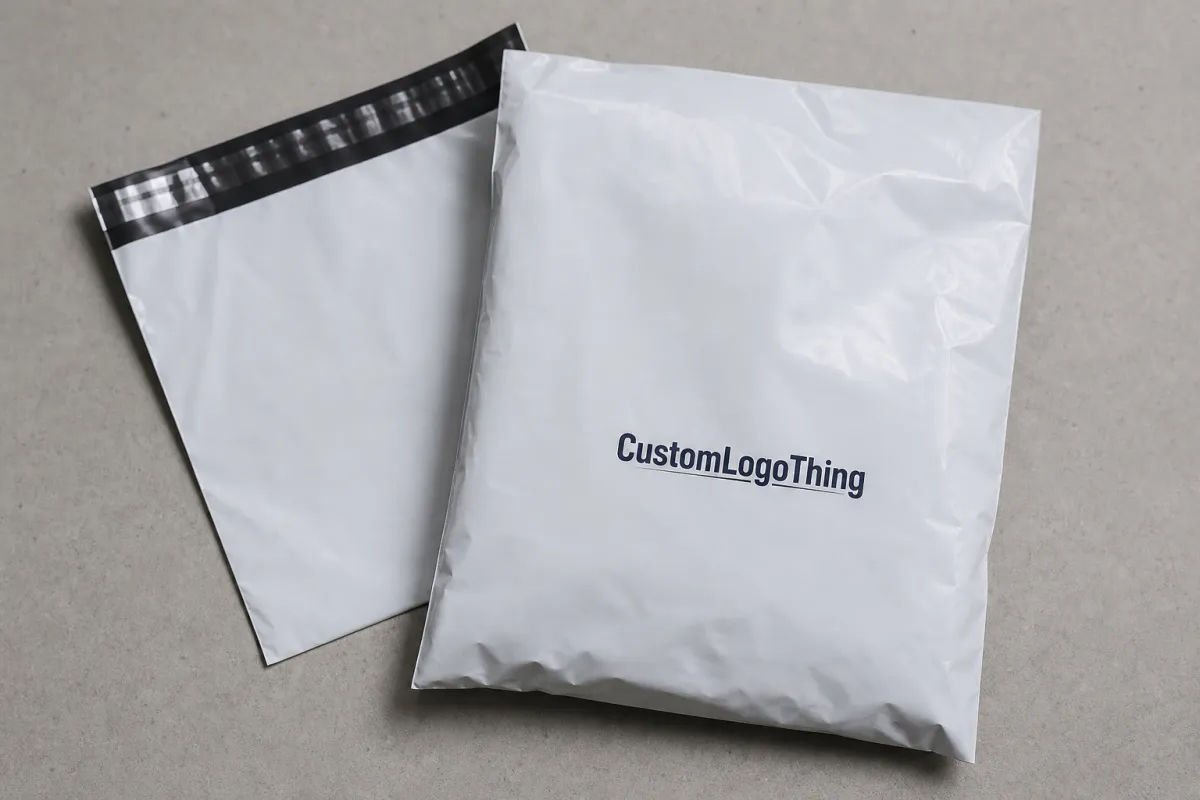
A proper poly mailer bags Sample Approval Checklist is not about hunting for tiny cosmetic flaws. It is about catching the failures that make a buyer reorder, absorb chargebacks, or explain to finance why the “simple packaging change” turned into a mess. In practice, the big misses are usually fit, seal performance, and shipping durability.
Most people glance at a sample and ask whether the print looks clean. Fair question, wrong priority. The bag should fit the packed item with enough room for closure, but not so much slack that the contents slide around and stress the seal. It should close with normal hand pressure. It should resist tearing at the corners and keep the adhesive from lifting after a few open-and-close touches. If a sample only passes under careful handling, it is not production-ready. It is a problem with a nice face.
“If the sample only looks good on a table, it is not ready for a shipping lane.”
For buyers, approved should mean four things: the dimensions match the spec, the artwork matches the final file, the closure works the way the order needs it to work, and the bag survives the kind of handling it will actually get. That may sound basic, but a surprising number of approvals happen with only one of those four checked properly. The poly mailer bags Sample Approval Checklist keeps the conversation grounded. It is there to avoid expensive rework, not to chase perfection for its own sake.
If you are still choosing the bag format itself, compare Custom Poly Mailers with other options in Custom Packaging Products so the sample is built around the right packout from the start.
How the Sample Approval Process Should Work
The clean version is simple. The buyer sends the spec, the supplier builds the sample, the buyer reviews it, feedback comes back in writing, the supplier revises, and final sign-off happens only after the sample matches the order record. That is the basic flow the poly mailer bags Sample Approval Checklist should sit inside. Anything looser than that tends to become a debate later.
- Spec request: buyer sends dimensions, artwork files, closure style, film thickness target, and packed-item requirements.
- Sample build: supplier prepares the bag, prints if needed, and notes any substitutions or production limits.
- Physical review: buyer checks fit, print, seal, and handling with the real item inside.
- Redline feedback: buyer marks the sample, photos it, and sends written corrections.
- Revision: supplier adjusts size, print, or structure and sends a new version if needed.
- Final sign-off: buyer approves only the version that matches the purchase order and artwork file.
Timing matters, but not in the fluffy “quick turnaround” sense. A sample build often takes 3-7 business days once the spec is clear. Transit can add another 3-7 days depending on destination. Buyer review should ideally happen the same day or within 24-48 hours, because slow feedback is a bigger delay driver than production itself on many custom mailer jobs. If the team sits on the sample for a week, the supplier cannot magically pull that time back.
For more formal shipping validation, some teams compare samples against an ISTA test method rather than relying on a desk-side guess. That is usually smarter than pretending a bag has been “tested” because someone shook it for ten seconds.
Spec Checks That Decide Strength and Fit
The poly mailer bags Sample Approval Checklist should get ruthless here. Specs decide whether the bag works, not whether it photographs well. Start with the actual measurements: width, length, flap depth, film thickness, and seal width. If the bag is meant to hold a folded garment, a soft product insert, or a boxed item, test with that exact packed configuration. A proxy item is how buyers end up approving something that fails on the first real run.
Typical shipping mailers often sit around 2.5 to 3.5 mil for heavier custom orders, though light-duty e-commerce bags can run thinner. The right number depends on what is inside and how rough the shipping lane is. A thin bag can be fine for a flat tee. It is a terrible idea for a product with sharp corners or an insert that creates pressure points.
- Fit: packed item slides in without force, and the flap closes with enough overlap.
- Seal: adhesive bonds across the full flap width without lifting after pressure.
- Strength: corners, edges, and seams resist tearing during normal handling.
- Print: logo stays inside the safe area and does not creep into the seal or edge trim.
- Readability: barcodes, QR codes, and small type remain scannable and clear.
- Finish: matte, glossy, or opaque appearance matches the spec and sample reference.
Print checks should not stop at “looks close enough.” Look at color tolerance under neutral light, not under a warm office lamp that makes everything prettier than it is. Confirm registration, especially on multi-color art. Check barcode contrast and quiet zones if the bag carries shipping labels or retail codes. If the artwork sits too near the seal line, trimming or heat can distort it. That is the sort of mistake that slips through fast approvals.
For transit performance, the box of goodies does not care about your mood board. A simple packed-item drop, shake, and abrasion test is more useful than a dozen opinions from people who never touch the product. If the bag needs to survive e-commerce shipping, ask for a basic validation plan and write the pass/fail criteria down before the sample is approved. A nice reference for shipping test logic is the EPA recycling and packaging guidance page, especially if the order carries sustainability claims that need to be accurate.
Cost, Pricing, MOQ, and Quote Traps to Watch
On the money side, the poly mailer Bags Sample Approval Checklist should force every cost assumption into the open. Sample pricing is usually one of three setups: a free stock sample with freight billed separately, a paid pre-production sample, or a refundable sample fee that gets credited against the bulk order. If a supplier uses “free” loosely, check the freight line and the revision limit. Nothing is free once three rounds of changes and express shipping show up.
| Sample Option | Typical Charge | Best For | Watch-Out |
|---|---|---|---|
| Stock sample | $0 plus freight | Size feel and basic material check | Does not prove custom print or seal behavior |
| Paid pre-production sample | $25-$75 plus freight | Artwork, closure, and fit validation | May require setup time before it ships |
| Refundable sample fee | $50-$150 credited on bulk order | Projects with multiple revisions | Get the credit terms in writing |
Production pricing is driven by a few dull but decisive factors: bag size, film gauge, print coverage, color count, adhesive type, and MOQ. A basic one-color mailer in a 5,000-piece run might land roughly in the $0.12-$0.25 per unit range, while a heavier custom bag with fuller print coverage can move into the $0.20-$0.45 range or higher. Small orders can spike fast. A 500-piece run often costs two to four times more per unit than the same bag at 5,000 pieces. That is not a scam. It is the math of setup and labor.
Ask about setup fees, plate charges, freight, duties, and revision costs before comparing quotes. Some suppliers hide the expensive parts in the unit price; others list them separately. A “cheap” quote can become a very average quote once the extras show up. If the supplier talks only about unit price and never mentions MOQ, plate fees, or freight, that is usually the part where someone hopes you will stop asking questions.
Step-by-Step Sign-Off From Sample to Production
Before final approval, the Poly Mailer Bags sample approval checklist should be used like a working document, not a formality. Start by marking the sample itself. Write the revision number, date, and supplier name on the bag or on the outer sleeve. Then photograph the front, back, seal, and any key details. That way, if someone later claims the wrong version was approved, the record is already sitting there with the evidence.
- Measure the bag against the spec sheet line by line.
- Insert the real product, plus inserts or tissue if the order needs them.
- Close the adhesive flap and check overlap, hold, and alignment.
- Compare the artwork to the final file, not to a memory of the file.
- Record any exceptions in writing before sign-off.
Version control matters more than people admit. Artwork files get swapped. Dimensions get adjusted. Packing inserts change. A supplier can only build to the version that was actually sent and acknowledged. If the approved sample says 10 x 13 inches with a 2-inch flap and the purchase order says 9 x 12.5 inches with a 1.5-inch flap, that is not a tiny mismatch. That is a dispute waiting to happen.
Approve with exceptions only when the deviation is documented, measurable, and harmless. Example: a minor shade shift that is inside the agreed tolerance. Reject outright when the sample misses size, seal strength, print placement, or the ability to protect the product. Buyers sometimes approve a weak sample because they are tired or because the launch date is breathing down their neck. That is not a strategy. That is surrender.
Timeline Risks: Where Approvals Lose Days
The ugly truth is that the Poly Mailer Bags sample approval checklist usually loses time before production even starts. The common delays are boring: missing artwork files, incomplete specs, slow replies, and timezone gaps. Sample shipping is another one. If the sample has to cross borders, customs and transit can quietly swallow several days while everyone acts surprised.
Rushed approvals are their own special kind of expensive. Buyers push the sign-off because a launch date is fixed, then the bulk run arrives with a problem that should have been caught on the first sample. Now the team is paying for corrections, reshipments, or emergency air freight. That is how a “small packaging project” turns into a very annoying budget line.
A practical buffer is 1-2 extra weeks before a hard launch or retail delivery window. If the launch is tied to a subscription drop, holiday promotion, or store reset, build even more slack. And if someone asks for a rush sample, use that request carefully. Rushes are fine when the spec is locked and the buyer can review immediately. They are a bad idea when the artwork is still changing or three departments need to bless the same bag.
Short version: the schedule usually breaks because the team hesitates, not because the factory cannot make the bag.
Common Mistakes Buyers Make With Poly Mailer Samples
The biggest mistake is approving from photos. Photos are useful for spotting obvious artwork problems, but they do not tell you whether the seal holds, whether the bag fits the packed product, or whether the finish scratches in transit. A physical sample is not optional if the bag has to survive shipping. Skipping it is the packaging version of tasting soup through a screen.
Another classic miss is forgetting what actually goes inside the mailer. Buyers measure the product, then ignore the insert, tissue, card, dust bag, or protective wrap that makes the final packout thicker. Suddenly the mailer is tight, the flap barely closes, and the seal gets stressed. The bag was not “too small” in the abstract. It was too small for the real packout. That distinction matters.
- Bad lighting: color judged under warm indoor light instead of neutral daylight.
- No fill test: sample checked empty, not loaded with the real product.
- No transit test: bag never sees rubbing, corner pressure, or a drop cycle.
- One-sample bias: assuming one good sample means every factory run will match.
- Missing records: approval given without written notes, photos, or revision control.
Carrier handling is another easy miss. Corners rub. Seals get pressed. Bags get shoved into cartons, bins, and mail sacks. If you want a better signal, simulate a short shipping run or use a simple abrasion and drop routine that reflects the route the product will actually take. It does not need to be laboratory drama. It does need to be repeatable.
If your packaging claims include recyclability or recycled content, check the wording before printing it on the bag. The EPA is a better starting point than a marketing brainstorm when accuracy matters. Claims that are sloppy on paper tend to become very annoying later.
Expert Tips and Next Steps Before You Release the Order
Keep one master approved sample and label it clearly with the revision number, date, and order reference. Store it with the spec sheet and approved artwork file. That single habit saves a lot of arguing, especially when production runs months later and nobody remembers which version won the final review. The poly mailer bags Sample Approval Checklist only works if the approved reference is easy to find.
Ask for pre-production photos or a short video before the bulk run starts. This is not about micromanaging. It is about verifying that the line is using the right film, the right print file, and the right seal construction. A 30-second video of the finished bag, flat and closed, can catch mistakes that a spec sheet will not. It is a cheap insurance policy.
Before release, do one last pass on three things: artwork files, dimensions, and shipping method. If any of them changed after sample sign-off, the approval is stale. That happens more often than suppliers like to admit. If the team moved to a new insert, changed the fold, or switched to a different courier standard, the old approval is no longer a clean match.
Use the approved sample as a gate, not a trophy. If the bag still needs one tweak, document the tweak and recheck it. If the bag is ready, release the order with the record attached. The best buyers are not the ones who approve fastest. They are the ones who make the same mistake exactly once.
FAQ
What should I check first in a poly mailer bags sample approval checklist?
Start with dimensions, closure style, and whether the bag actually fits the packed item without stretching or leaving too much slack. Then check print placement, adhesive strength, and whether the sample matches the approved artwork file. Finish with a quick transit test so you are not approving a bag that only looks good on a table.
How long does sample approval usually take for custom poly mailer bags?
The sample build itself is often quick, but shipping and review time usually decide the real timeline. A clean approval cycle can move fast when specs are clear and feedback comes back the same day. Expect delays if artwork is not final, dimensions are vague, or the buyer needs multiple internal approvals.
What affects the price of poly mailer bag samples and final production?
Main cost drivers are bag size, film thickness, print complexity, adhesive type, and how many revisions the sample needs. MOQ changes the unit cost fast, so small orders usually look much more expensive than the quoted bulk price suggests. Freight, duties, setup charges, and plate fees can make a quote look cheap right up until the invoice shows up.
Can I approve a poly mailer sample from photos instead of a physical sample?
You can screen for obvious artwork errors from photos, but you cannot judge seal strength, fit, or handling performance that way. Physical samples matter when the mailer has to survive shipping, not just sit in a presentation deck. If you must review remotely, ask for measurements, close-up footage, and a packed-product test video.
What if the approved sample still differs from the bulk order?
Stop the run and compare the production file, approved sample, and purchase order side by side. Check whether the change came from revised artwork, a spec mismatch, or a factory substitution. Keep written approval records so the supplier cannot blur the line between the approved version and the shipped one.
If you use the poly mailer bags Sample Approval Checklist the way a buyer should, the final order usually gets boring in the best possible way: the bag fits, the seal holds, the print matches, and nobody has to explain a preventable mistake after the shipment lands.

