Why the right spec keeps custom poly bags affordable
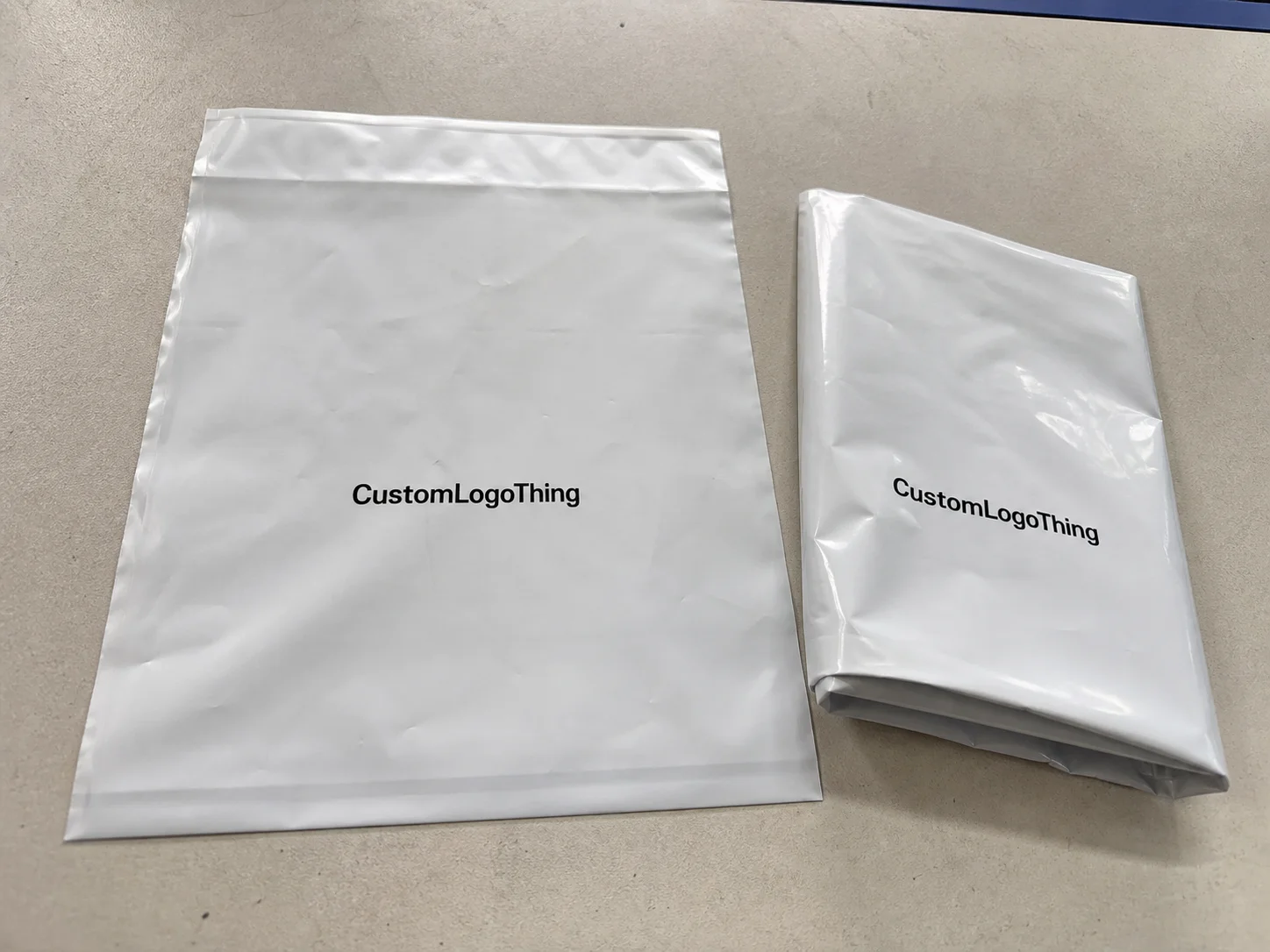
Custom Poly Bags affordable is not mainly a pricing trick. It usually comes down to spec discipline. The cheapest quote can still be expensive if the bag tears, arrives oversized, slows packing, or needs to be reordered because the artwork, seal, or thickness was guessed instead of defined.
Buyers use custom Poly Bags for Apparel, parts, promotional kits, retail display, warehouse sorting, and protective packaging. Those applications do not share the same requirements. A soft garment bag does not need the same puncture resistance as a poly bag used for hardware or industrial components. A mail-ready bag has different priorities than a product sleeve that sits on a shelf. If the job is mismatched to the film, the unit price may look fine while the working cost climbs.
That is why affordable packaging starts with restraint. Specify only what the product truly needs, then choose the film and print method that support that level of performance. Too much material adds cost. Too little material creates waste, returns, and sometimes product damage. The right balance is often a middle ground: enough structure to protect the contents, enough print to support the brand, and no decorative extras that do not improve the package.
For brands comparing packaging formats, the bag should be evaluated as part of the total system, not in isolation. A bag that reduces the need for secondary wrapping, labeling, or boxing can lower the total packaging spend even if the bag itself is not the absolute cheapest option on the page. That is where affordable becomes meaningful.
Bag construction, materials, and finish
Construction has a direct effect on both price and function. Flat poly bags are the simplest and usually the lowest-cost option. Gusseted bags add depth for bulkier products. Resealable zipper bags support repeated opening and closing. Wicketed bags are designed for faster line handling. Each style solves a different packaging problem, and each one changes the quote.
Material selection matters just as much. LDPE is popular because it stays flexible, has good clarity, and works well for many retail and light-duty applications. LLDPE offers better toughness and puncture resistance, which helps when corners, edges, or movement are part of the use case. HDPE is thinner-feeling and stiffer, often chosen when the goal is lightweight protection and lower resin use. None is universally best. The right resin depends on the product, the handling environment, and the look the buyer wants.
Film thickness is one of the fastest ways to control cost. A lighter apparel bag may work at 1.5 to 2 mil. A tougher protective bag may need 3 to 4 mil or more. More mil means more resin, more weight, and a higher unit cost. That increase can be worth it if the contents have sharp edges or travel through rough handling. It is not worth it when the bag is mainly serving as presentation packaging and a lighter gauge would perform just as well.
Finish and decoration also influence price. Clear bags generally cost less than opaque or heavily printed versions. A single-color logo is easier to produce than multi-color artwork with exact registration. Full-coverage printing or large ink fields add setup discipline and can slow production. If the aim is branded packaging that still stays economical, the smartest layout is often a restrained one: enough print to identify the brand and product, not so much coverage that the bag becomes a miniature billboard with a premium price tag.
There are also practical options that improve usability without pushing the order into unnecessary complexity. Hang holes support retail display. Anti-static film matters for some electronic components. Venting may be needed for products that trap air. Resealable closures help with kitting or inventory control. Each feature has a purpose, and each one should be justified against the actual use case.
Buyers often compare poly bags with other packaging forms, such as cartons or mailers, because the total packaging program matters more than a single line item. A bag may be the right choice if it reduces labor or consolidates packaging steps. For products that need shipping protection and mail-ready presentation, Custom Poly Mailers may fit better. For brands assembling multiple packaging elements, Custom Packaging Products can support a more complete packaging system.
Specifications buyers should lock before requesting quotes
Before a supplier can price Custom Poly Bags affordable in any meaningful way, the spec has to be specific. The minimum set is straightforward: width, length, thickness, material type, closure style, print colors, and whether the bag should be clear, tinted, or opaque. If one of those fields is missing, the quote is only an estimate, and estimates tend to move once the job reaches artwork review or production planning.
Size should be defined in a way that fits the product without creating excess film. Oversized bags waste resin and carton space. Bags that are too tight can stress the seal, wrinkle the contents, or create a poor retail presentation. The best practice is to match the bag to the product’s real dimensions, then allow a little working room if the product needs easy loading.
Thickness should be tied to handling, not habit. A buyer who once had a damage issue may be tempted to over-spec the next order. That is understandable, but it can push the packaging program into a heavier gauge than necessary. A more balanced approach is to test the actual conditions: how the bag is filled, stacked, shipped, and opened. For many product lines, the right film is lighter than buyers expect the first time around.
Print details need the same discipline. Decide whether the design is one-color, multi-color, or full coverage. Confirm whether registration matters for logos, barcodes, or regulatory text. If the bag carries sizing information, SKU numbers, or handling instructions, that copy should be approved before the quote is finalized. Late changes often cost more than the print itself because they trigger proof revisions and schedule movement.
Packaging buyers should also think beyond the bag and into receiving. Ask how many pieces are packed per case, whether cartons are labeled clearly, and how pallets will be configured. If the warehouse wants smaller case quantities for easier handling, that should be included early. If storage space is limited, bulk packaging may not be the best fit even if it lowers the piece price.
Some uses have additional requirements that should be stated upfront. Food contact calls for a different compliance conversation than apparel packaging. Tamper evidence may matter in retail or healthcare-adjacent settings. Sustainability goals may point toward recyclable resin options or better material efficiency. For industry guidance on shipping, packaging, and environmental responsibility, resources such as ISTA, EPA, and FSC can help frame broader packaging decisions.
A short internal spec sheet is often enough to prevent costly back-and-forth. That sheet should be treated like a control document, not a rough note. It gives purchasing a stable reference and helps future reorders stay consistent, which matters more than many teams realize until they compare the first run with the third.
What drives price, MOQ, and landed cost
The price of Custom Poly Bags is usually shaped by five things: resin cost, bag size, thickness, print complexity, and quantity. Size and thickness drive material consumption. More print colors or larger ink coverage raise setup and production attention. Quantity spreads fixed costs across more pieces, which is why larger runs often land at a lower unit cost.
MOQ, or minimum order quantity, varies by construction. Plain bags usually have a lower barrier than printed or specialty bags. A simple clear bag may be practical in smaller volumes, while a custom printed job often needs enough quantity to justify setup charges. That does not mean small orders are impossible. It means the buyer should expect the unit price to rise when the fixed costs are spread over fewer pieces.
Here is the economic reality: a run of 10,000 bags will usually price more efficiently than a run of 1,000 if the spec is identical. That is not marketing language. It is how setup, material purchasing, and machine time work. Buyers who understand that structure can make better tradeoffs between inventory risk and per-unit cost.
A quote should show more than a single number. It should identify the exact bag dimensions, film thickness, resin type, print count, closure style, carton count, tooling or plate charges if any, freight assumptions, and the estimated lead time. If those details are missing, two quotes may appear similar while actually describing different products. That is where procurement mistakes happen.
| Bag Option | Typical Use | Relative Unit Cost | Best For |
|---|---|---|---|
| Plain flat poly bag | Basic product protection, storage, internal packing | Lowest | Simple specs and high-volume orders |
| One-color printed bag | Branding, retail packaging, product identification | Moderate | Balancing presentation and budget |
| Multi-color retail bag | Shelf appeal, stronger brand presentation | Higher | Retail programs where visual impact matters |
| Resealable or specialty bag | Repeat access, kitting, controlled storage | Higher still | Function-first programs with added handling needs |
The lowest quote is not always the best value. Sometimes it assumes thinner film than the product can tolerate. Sometimes it excludes carton details that matter to the warehouse. Sometimes freight is underestimated, which makes the landed cost look better than it is. A quote that looks slightly higher can still produce the better result if it reduces waste, rework, and damage.
That is especially true for branded packaging. If the print is inconsistent, if the seals are weak, or if the film wrinkles badly during packing, the apparent savings disappear quickly. For buyers trying to keep Custom Poly Bags affordable, the real question is not which bag is cheapest. It is which spec gives the best working cost over the full order cycle.
How the order process affects timeline and risk
The order process should move in a predictable sequence. The buyer sends the spec. The supplier quotes the job. Artwork is submitted. A proof is reviewed. A sample or virtual proof is approved if needed. Production begins. Orders run best when the buyer provides complete measurements and final artwork on the first pass. Every missing detail creates another round of questions.
Most delays come from a short list of problems. Artwork files are too low-resolution. Dimensions are approximate instead of final. A barcode or legal line is added after proof approval. A logo changes color mode late in the process. These issues may seem minor, but they can stop a print job while files are corrected. A half-day of file cleanup can delay production more than an entire day on the machine.
Lead time depends on the complexity of the bag. Plain unprinted bags are usually faster than printed bags. One-color jobs are easier to manage than multi-color ones. Specialty features such as zippers, venting, hang holes, or unusual dimensions can add time because they require tighter control in manufacturing and packing. That is normal and should be built into the expectation from the beginning.
Shipping also affects schedule. A job can finish production on time and still arrive late if freight terms, pallet configuration, or receiving windows are not confirmed early. For buyers working around product launches or warehouse schedules, shipping is part of the lead time, not a separate concern. If the delivery window is tight, the quote should reflect the actual route from production floor to receiving dock.
For repeat programs, a stable master file saves time. Once the bag spec is confirmed, buyers should keep the final version in a shared record so future orders do not restart the conversation. That reduces proof revisions and helps maintain consistency from one run to the next.
“The easiest order to run is the one with complete dimensions, clear artwork, and a buyer who knows the end use. The hardest one is usually the one that starts with ‘roughly this size’ and six later changes.”
What repeat buyers look for in a bag program
Repeat buyers care about consistency more than novelty. They want the same film gauge, the same dimensions, the same print position, and the same seal behavior every time the order is rerun. A good first shipment matters, but a predictable second and third shipment matter more. That is what keeps operations stable.
Production control is where consistency is won or lost. If the width drifts, product fit changes. If the seal is uneven, stacking becomes unreliable. If the print shifts, the bag looks off-brand even when the product inside is fine. Those defects are not just cosmetic; they affect packing labor, customer perception, and internal confidence in the packaging line.
Repeat buyers also look for honest spec management. A supplier who recommends a lighter film where appropriate can save money without sacrificing function. A supplier who pushes decorative extras onto every order often creates unnecessary cost. The better program is the one that stays aligned to the product and the handling environment, not the one that adds features because they sound impressive on paper.
This matters across packaging categories. A company comparing printed cartons, mailers, and poly bags should be thinking in systems, not product silos. Sometimes a simpler bag is the better commercial choice because the product already has strong shelf appeal or because the bag’s real job is protection and organization. Sometimes a more visible printed format is justified because it replaces other packaging steps. The right answer depends on the workflow, not on habit.
Long-term affordability depends on consistency as much as price. A low opening quote means very little if the second order brings surprises, changed assumptions, or quality drift. That is why experienced buyers pay attention to records, samples, and production notes. Those details may look dull, but they are what keep Custom Poly Bags affordable after the first purchase.
Ordering custom poly bags on a budget without cutting corners
If the goal is to buy Custom Poly Bags on a budget, start with the essentials: bag size, product weight, material preference, print count, annual volume, and shipping destination. Those details are enough for most suppliers to build a useful quote instead of a placeholder estimate. The more complete the request, the easier it is to compare options on equal terms.
If an old sample exists, send it. A physical sample or a previous spec sheet saves time and helps verify the fit, clarity, and seal style. That is especially useful when replacing an older package or matching a program that has to stay consistent across reorder cycles. A sample also helps catch practical issues that a line drawing can miss, such as how the bag folds, how it stacks, or how much slack it leaves around the product.
For uncertain demand, smaller pilot runs can be a sensible first step. Start with the minimum practical quantity, test the bag in actual use, then scale once the fit and print are proven. This approach is common for seasonal items, new SKUs, and packaging redesigns where the final volume has not fully settled. It may cost more per unit in the first run, but it can prevent larger mistakes.
Budget control also improves when buyers avoid unnecessary revisions. Reworking artwork, changing dimensions after proof approval, or adding features midstream almost always costs more than planning them correctly the first time. A disciplined order is usually the most affordable order.
So the practical path is clear: define the bag’s function, strip out nonessential features, verify the spec, compare quotes on the same basis, and protect the reorder record. That is the most reliable way to keep custom poly bags affordable while still meeting the real demands of retail, storage, and shipping.
FAQ
Are custom poly bags affordable for small business orders?
They can be, especially when the spec stays simple. A standard size, one material choice, and limited print complexity usually keep costs within a workable range. Small orders become expensive when the bag is over-specified before it has been tested in real use.
What affects the price of custom poly bags the most?
Size, thickness, resin type, print colors, and total quantity are the main cost drivers. Freight, carton count, and tooling or plate charges can also affect the landed cost, so buyers should compare full quotes rather than only the unit price.
What is a typical MOQ for affordable custom poly bags?
MOQ varies by construction and print method. Plain bags usually allow smaller runs than printed or specialty bags. For better pricing, it helps to order enough volume to spread setup costs across the run.
How long does production usually take for custom poly bags?
Plain bags are generally faster than printed bags, and simpler artwork moves more quickly than multi-color work. Specialty features can add time. The fastest orders usually have complete specs and approved artwork before production starts.
Can I get a quote if I only have a sample bag or rough dimensions?
Yes. A sample bag or rough size is often enough to begin a practical quote. The estimate becomes more accurate once the final width, length, thickness, material, and print details are confirmed.