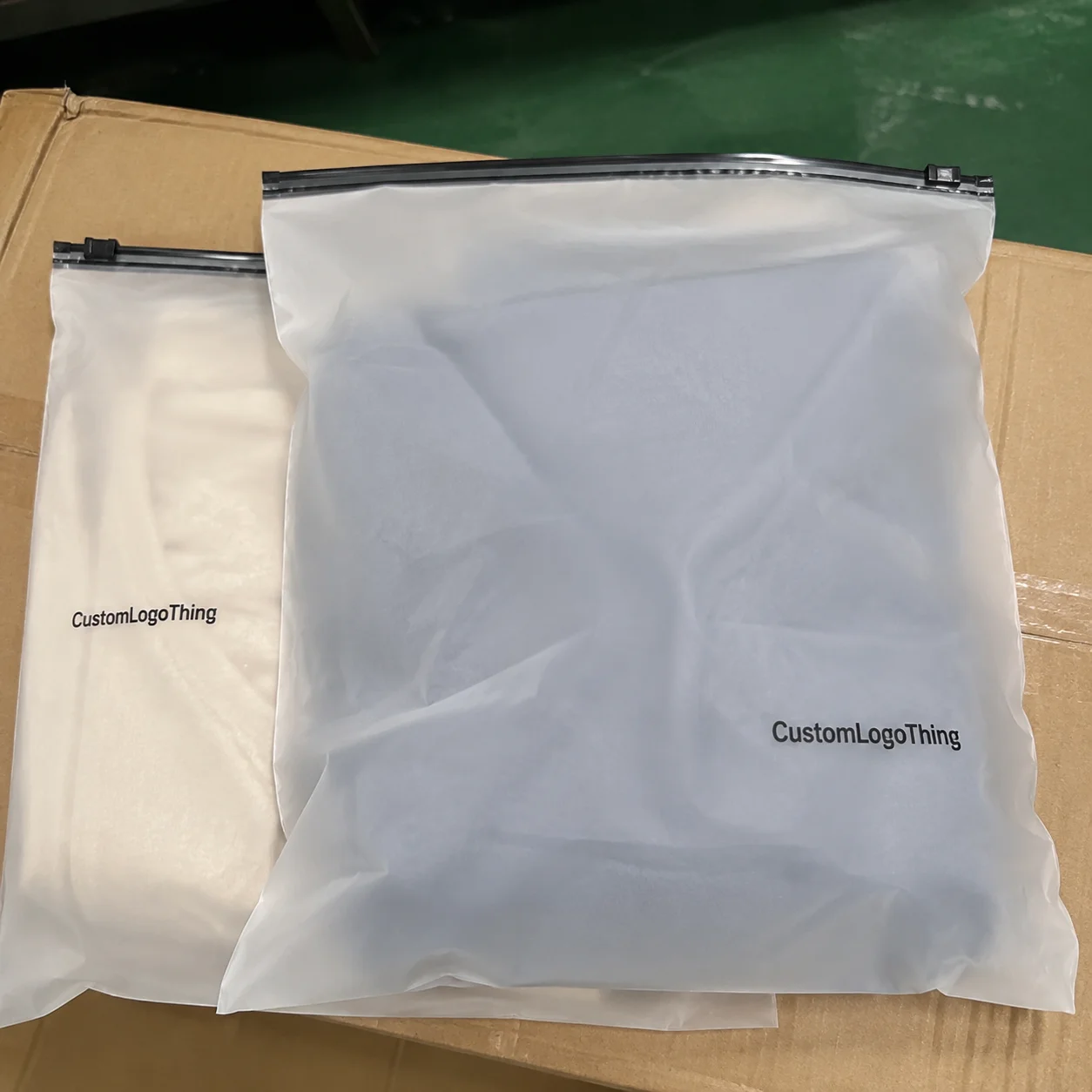
Garment Poly Bags for Apparel Brands Retail Launch Checklist
If you are putting together a Garment Poly Bags for apparel brands retail launch checklist, start with the part that causes the most pain in practice: the bag is judged in receiving, not in a mockup file. If the film is cloudy, the size is off by an inch, or the seal opens in transit, a clean garment can arrive looking tired before it ever reaches a shelf.
The purpose is straightforward. The bag should protect the fold, keep the SKU readable, and survive handling without slowing the pack line. That sounds basic because it is basic, and basic is where most launch problems begin. The better the packaging spec, the less time your team spends fixing avoidable issues after inventory is already committed.
For brands comparing packaging paths, it helps to separate the decision into role, spec, cost, and timing. If you need a broader view of packaging options, start with Custom Packaging Products or scan a few real-world production examples in the Case Studies archive.
Garment poly bags for apparel brands retail launch checklist basics
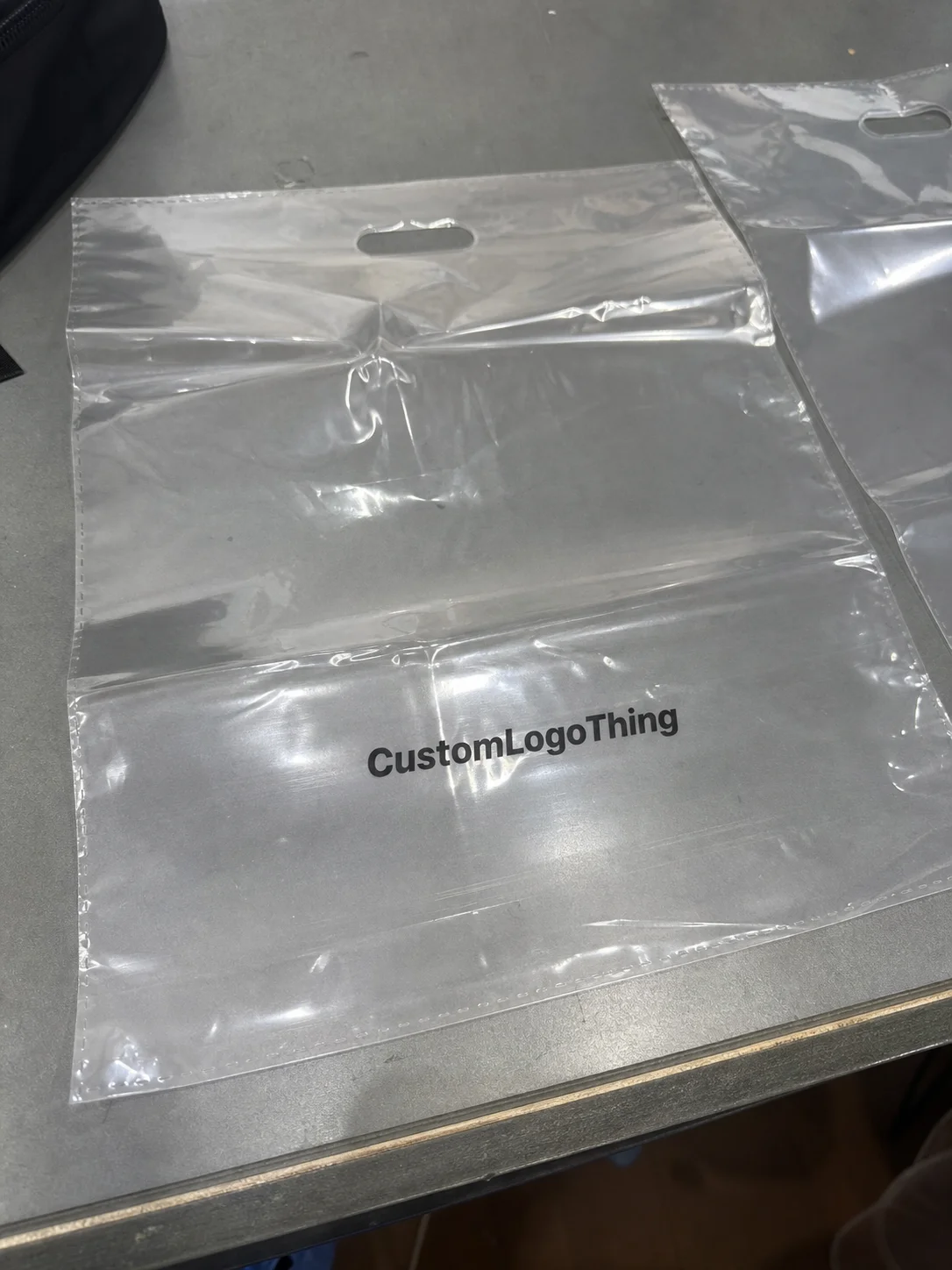
A useful launch checklist does not begin with artwork. It begins with the fold. Measure the packed garment, not the flat garment, because a folded heavyweight hoodie, a ribbed tank, and a folded tee are three different packaging problems. If the bag is too narrow, the warehouse team will fight it. If it is too wide, the product floats inside and stacks loosely.
In a retail launch, the bag usually has four jobs: dust protection, size containment, SKU identification, and retail presentation. One bag can do all four, but rarely with equal weight. A premium label may care most about clarity and shelf appearance. A warehouse-driven launch may care more about pack speed and carton efficiency. Decide which job matters most before you request pricing.
“The expensive mistake is not the bag itself. It is discovering after production that the sleeve was built for a different fold, a different size, or a different handling flow.”
There is also a receiving risk that brands tend to underestimate. If the film is fragile, seals split during transit. If the fold is inconsistent, labor slows down. If the dimensions are sloppy, the first production run becomes a correction project. A poly sleeve can create schedule problems fast, especially when garment production, freight booking, and warehouse intake are already compressed.
Think in terms of fit, handling, and appearance. If those three are right, most of the downstream issues are manageable. If one of them is wrong, the entire launch feels less organized than it should.
Film thickness, clarity, and seal style
Choose film gauge for the garment weight and the handling environment, not for the line item that looks cheapest on the quote sheet. A 1.5 mil bag behaves very differently from a 2.5 mil or 3 mil bag. Lightweight tees usually do fine in lighter film. Heavier knits, layered sets, and items that will be opened and restacked multiple times generally need more structure.
Clarity matters more than many brands expect. A clear bag with low haze keeps the garment legible under retail lighting. If the film looks cloudy, a white tee can read gray. If the seal line drifts, the whole package looks rushed. Buyers notice that. Customers do too, even if they never mention it.
Common formats include open-end sleeves, resealable bags, header bags, and perforated packs. Open-end sleeves are fast on the packing table. Resealable options help with returns and storage. Header bags can support hanging presentation if the retailer wants that look. Perforation helps when the opening needs to be clean without tearing the whole top apart.
The right format depends on the handling flow. If staff will unpack and restock the item more than once, easy-open becomes important. If the product will sit folded in a distribution center and then move to a shelf, stable dimensions and film clarity matter more. A sleeve that looks attractive but catches on itself during packing is not a good sleeve. It is just a slower one.
Quality control should include more than a quick glance. Ask for samples under bright light and under normal warehouse lighting. Film that looks clean on a desk can show haze, scratches, or reflectivity under LEDs. The same goes for seal strength. A hand pull is a starting point, not a final test. For tighter shipping lanes, it helps to compare your assumptions with packaging handling references such as ISTA or broader packaging industry guidance from PMMI.
Static is another practical detail. Some films cling too much, especially in dry warehouses. That makes folding slower and stacks less stable. If your packing line is running volume, an anti-static additive is worth asking about. It is not a dramatic feature, but it saves frustration.
Cost, MOQ, and landed unit cost
Budgeting for Garment Poly Bags for apparel brands retail launch checklist work is not just about the unit price printed on the quote. The real cost includes film, print, tooling or plate charges, freight, carton packing, and any retailer-specific labeling. If you compare only the bag price, you miss the part that eats margin.
MOQ changes the math quickly. A small launch will usually pay more per unit because setup is spread across fewer bags. That is normal, not a red flag. A brand ordering 5,000 units sees a very different structure than one ordering 25,000. Ask for at least three quantity breaks so you can see where the curve drops and where it levels off.
For planning purposes, the ranges below are broad. Film gauge, print coverage, size, and seal style all move the number.
| Option | Typical MOQ | Approx. unit cost | Typical lead time | Best use case |
|---|---|---|---|---|
| Stock clear poly bag | 1,000+ | $0.06-$0.12 | 3-7 business days | Simple launch, minimal branding, fast replacement |
| Custom printed poly bag | 5,000+ | $0.14-$0.24 | 10-15 business days after approval | Branded retail presentation with controlled cost |
| Custom size + custom print | 10,000+ | $0.18-$0.32 | 12-20 business days after approval | Multiple SKUs, tighter fit, stronger shelf presentation |
Sometimes the best move is not custom printing. If the launch volume is uncertain, stock bags plus a clean label may protect margin and reduce lead time better than a full custom run. That is especially true when the SKU mix is still changing or the product is seasonal. Custom printing makes more sense when the pack spec is stable and the bag will be reused across multiple drops.
It also helps to compare the apparel bag plan against other packaging lines. If the same launch needs ecommerce fulfillment, a direct-to-consumer option like Custom Poly Mailers may be the better budget for shipping units, while garment sleeves handle the retail presentation side. Different jobs, different specs, different economics.
Process and timeline from sample approval to warehouse delivery
Work backward from launch day, not from the purchase order date. That is the cleaner way to keep a packaging schedule under control. Garments are often ready before sleeves are. Then everyone acts surprised when the bags become the bottleneck. It happens more often than it should.
A normal run should include artwork prep, dieline confirmation, sample review, production, freight, and warehouse receiving. If the artwork needs corrections, add buffer. If the film is imported or the size is custom, add more buffer. If the retail date is fixed, give yourself even more room than feels comfortable and watch the timeline closely anyway.
A useful sample check covers five items: size fit, print placement, seal performance, film clarity, and carton count. If those five pass, the project is usually in good shape. If one fails, stop and correct the spec before full production starts. Rework is always cheaper on a sample than on 20,000 finished bags.
Transit matters too. Air freight gives speed. Sea freight gives better landed cost. That tradeoff is straightforward, but it is still the one most teams end up making. If the retail date is fixed and there is no slack in the plan, speed is often worth more than saving a few cents per unit. Bags arriving late are not a bargain.
The same logic used for shipping cartons applies here: think about handling stress, compression, and transfer points. The bag is not a carton, but it still moves through the same supply chain. A visual approval is useful, yet it is not enough on its own. The package needs to survive the trip, not just the mockup review.
Launch checklist for sizing, labeling, and compliance
This is the part that saves launches. A tidy spec sheet beats a long apology chain every time. For sizing, start with the folded garment dimensions as it will actually be packed by the warehouse, not how it looks in a design layout. A tee, hoodie, sweatshirt, or layered set should be measured in the real packing position.
Then confirm the details that make the bag usable on the dock and acceptable in retail. That usually means barcode placement, hang-tag visibility, warning copy, vent holes if needed, and the correct carton labeling. If the retailer requires suffocation warnings, place them in the approved artwork before production. Do not assume they can be added later with a sticker. That is a patch, not a plan.
- Size fit: folded product plus a small clearance, usually around 0.25-0.5 inch on each side for easy insertion.
- Warning text: retailer-required copy placed where it stays visible after folding.
- Barcode or SKU label: consistent placement so receiving can scan quickly.
- Holes or vents: only if the handling flow needs them.
- Carton counts: inner packs and master counts that match warehouse intake.
If your brand uses paper hang tags, inserts, or belly bands, that is a good moment to think about FSC-certified paper. It is not a magic credential. It is simply a cleaner sourcing choice when the rest of the packaging story needs to feel deliberate. Keep the material choices aligned instead of mixing messages from one component to the next.
There is a compliance angle that buyers sometimes treat casually. Some retailers require specific suffocation warnings, warning font sizes, or poly thickness thresholds. Others care more about carton labeling than the bag itself. Check the retailer pack guide before approval, not after the first pallet lands.
A quick test helps: could a warehouse associate identify the SKU, pack it quickly, and place it on a shelf without guessing? If the answer is no, the spec is not finished.
Common packaging mistakes that make a launch look cheap
One of the fastest ways to make an apparel launch feel less considered is to choose a glossy, thick bag simply because it sounds premium. If the garment inside is folded poorly, the film only magnifies the mistake. The package gets more attention, but not in a helpful way.
Another frequent error is using one universal bag size for every style. That looks efficient on paper. In reality, it creates waste, loose stacking, and ugly warehouse handling. A standard tee, a heavyweight hoodie, and a layered matching set do not need the same dimensions. One size fits all is a slogan, not a packaging plan.
Print legibility gets ignored far too often. Clear film can reflect light. Small logos can disappear under bright retail fixtures. Dark artwork on glossy material can read like a smudge from a few feet away. If the branding cannot be seen cleanly, then the print is decoration instead of communication.
Quality checks should cover haze, scuffs, seal strength, and fold consistency. The first bad batch is usually expensive because it shows up after scheduling, freight, and labor are already committed. This is where sample approval earns its keep. A careful review is not paperwork for its own sake. It is the cheapest place to prevent a bad invoice later.
Brands also forget about warehouse friction. If the pack is hard to open, too slippery, or too tight, the team slows down and starts improvising. That creates damaged edges, sloppy folds, and inconsistent output. Nobody wants to hear that packaging is the reason the launch team is running behind, but that is often what happened.
If the goal is polished retail presentation, keep the spec restrained. Clean film. Correct size. Clear copy. Accurate count. That usually beats trying to make the bag do too much.
Next steps after you approve the bag spec
Once the spec is right, lock it down. One approval record should include the final dieline, artwork, size, thickness, seal style, carton count, and any retailer copy. If that information is split across email threads and an old spreadsheet, production will drift. It usually does.
Request either a pre-production sample or a photo proof, then compare it against the checklist. Check the seal, check the fold, check the logo placement, and check the warning text again. It is tedious work. It is also cheaper than redoing a launch.
Then align inbound timing with the warehouse. Bags should arrive before garment packing starts, not during it. That sounds obvious until someone rushes the schedule and the packing line sits idle waiting for sleeves. The factory is not the only place where timing matters.
For apparel brands, packaging is not an accessory line item. It is part of the launch system. Treat the bag spec like a production document, and the process stays controlled. Treat it like a disposable afterthought, and the receiving team will remind you why packaging exists in the first place.
FAQ
What size garment poly bags should apparel brands use for a retail launch?
Measure the folded product, not the flat garment, then add a small clearance so staff can load it without fighting the film. Separate sizes are usually better for tees, sweatshirts, and oversized styles because one bag rarely fits every silhouette well.
How thick should garment poly bags be for retail apparel?
Light tees often work well in lighter film, while heavier knits and repeat-handling items usually need more structure. In practice, think about clarity, protection, and pack speed together, not just the lowest quote.
What MOQ should I expect for custom garment poly bags?
MOQ depends on print method, film spec, and whether the size is custom. A small launch may start around 5,000 units for printed bags, while custom size and print often pushes higher. Ask for pricing at several quantity breaks before you sign off.
How long is turnaround for garment poly bags for apparel brands retail launch checklist projects?
Sample approval, production, and freight usually drive the timeline more than artwork does. A typical custom run can take 10-20 business days after approval, plus transit time. Leave buffer for revisions and warehouse receiving.
Can garment poly bags help with retail compliance?
Yes, if you build the retailer requirements into the spec before print approval. That includes warning text, barcode placement, and carton labeling. Most compliance failures come from missing copy or wrong pack labeling, not from the bag material itself.