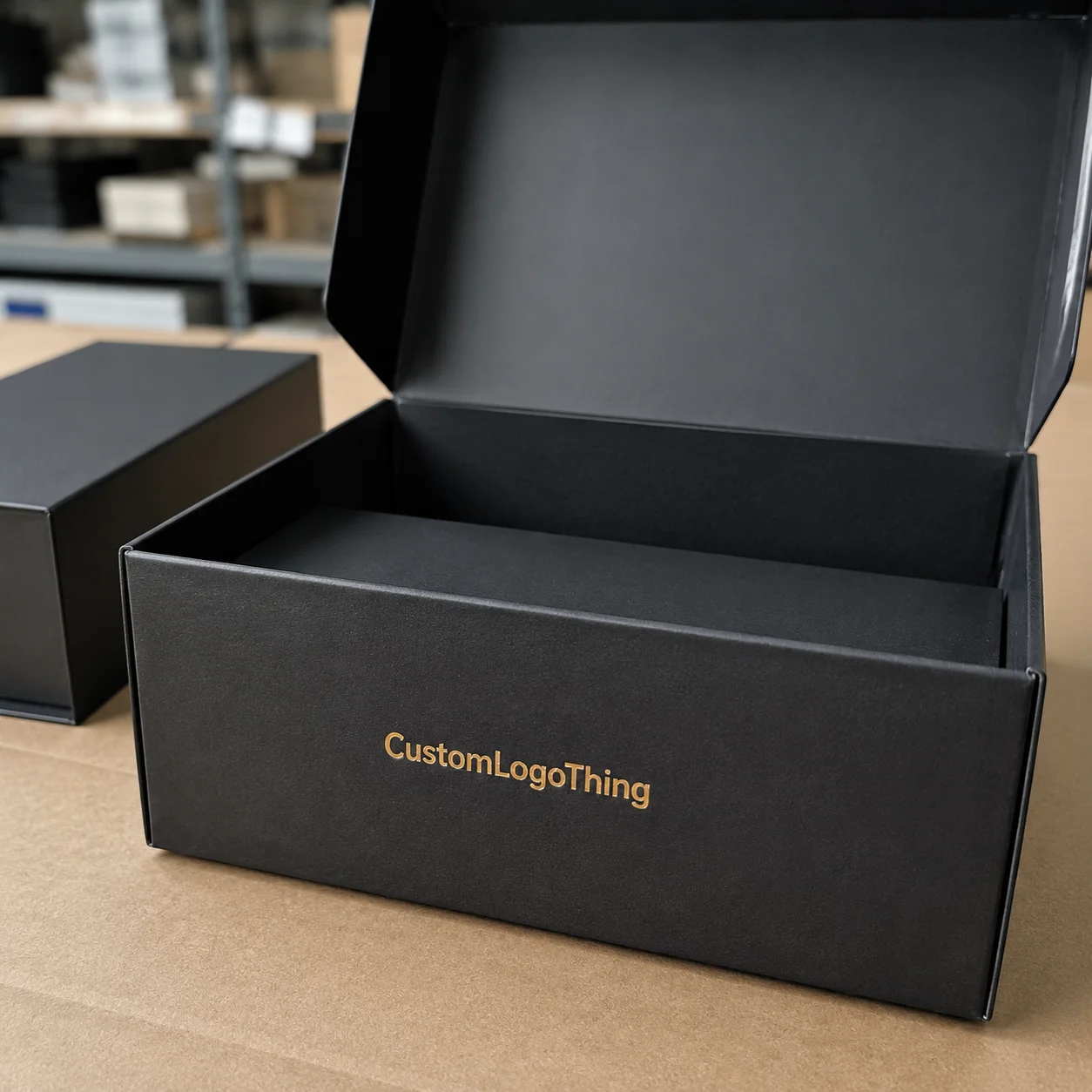
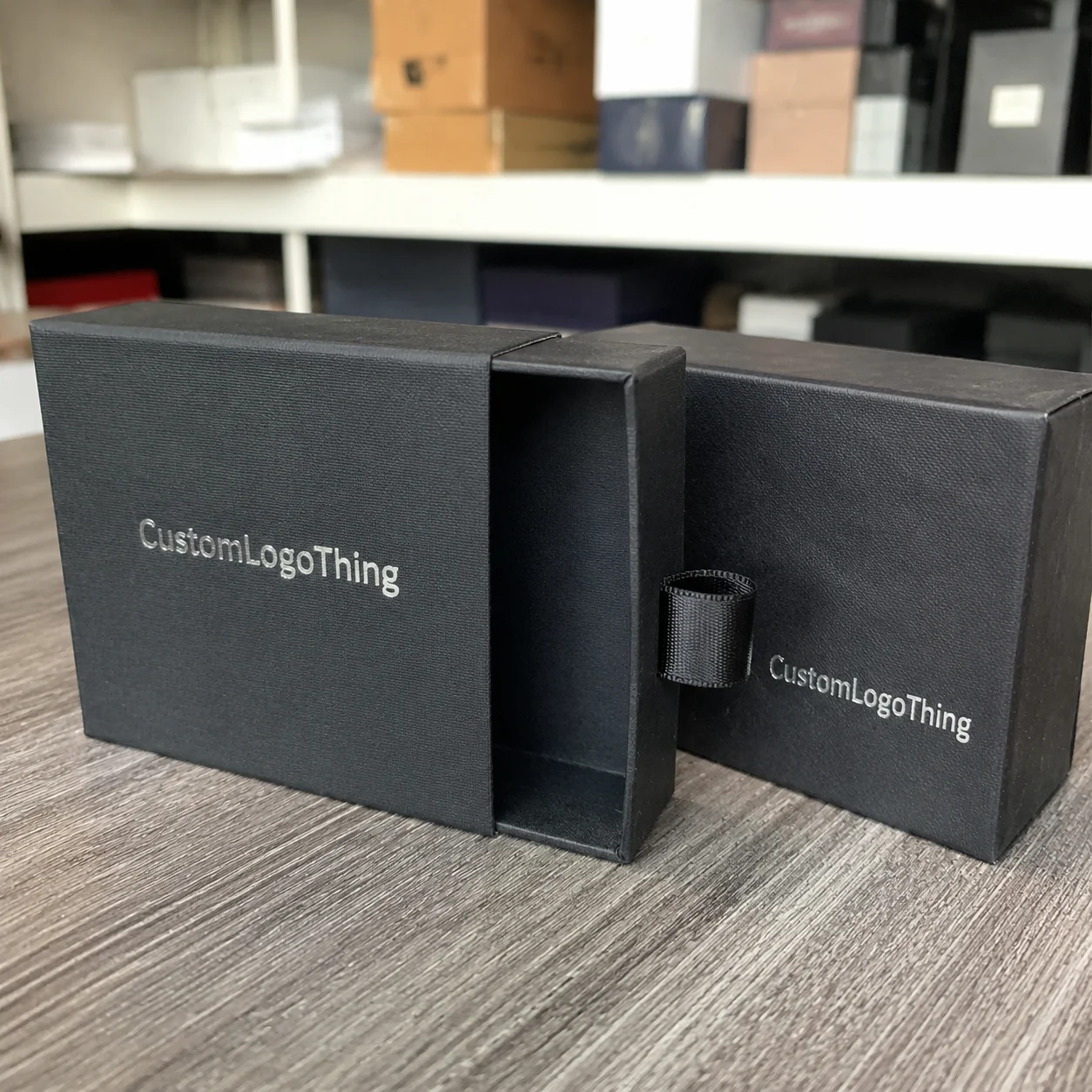
Buyer Fit Snapshot
| Best fit | ai tools for packaging brand design for packaging buyers comparing material specs, print proof, MOQ, unit cost, freight, and repeat-order risk where brand print, material, artwork control, and repeat-order consistency matter. |
|---|---|
| Quote inputs | Share finished size, material target, print colors, finish, packing count, annual reorder estimate, and delivery region. |
| Proofing check | Approve dieline scale, logo placement, barcode or warning zones, color tolerance, and any recyclable or compostable wording before bulk production. |
| Main risk | Vague material claims, crowded artwork, or missing packing details can create delays even when the unit price looks attractive. |
Fast answer: Ai Tools for Packaging Brand Design: Dieline, Finish, Proof, and Buyer Review should be specified like a repeatable production item. The safest quote includes material, print method, finish, artwork proof, carton packing, and reorder notes in one written spec.
What to confirm before approving the packaging proof
Check the product dimensions against the actual filled item, not only the sales mockup. Ask for tolerance on folds, seals, hang holes, label areas, and retail display edges. If the package carries a logo, QR code, warning copy, or legal claim, reserve that space before decorative graphics fill the panel.
How to compare quotes without losing quality
Compare board or film grade, print process, finish, sampling route, tooling charges, carton quantity, and freight assumptions side by side. A lower quote is only useful if the supplier can repeat the same color, closure quality, and packing count on the next order.
I remember standing in a client's warehouse in Cincinnati about eighteen months ago, watching them unwrap samples of their new product packaging for the first time. Three weeks earlier, their in-house designer had given me a call, clearly stressed out. "Sarah, we need shelf impact. Our competitor just redesigned their entire line, and we've got six weeks before the trade show at McCormick Place in Chicago." Normally, that timeline would've meant late nights, expensive revisions, and probably another week of back-and-forth with the printer.
But this time was different. I pulled up my laptop, showed them how I was using AI Tools for Packaging Brand design, and within ninety minutes, we had three concept directions that actually felt like their brand—not generic stock art with their logo dropped on top. Their designer was skeptical at first, I'll admit. "This doesn't look real," he said, flipping through the mockups on my screen. And he was right. That's exactly the point when you're exploring directions. What used to take three days of sketching and layout work now happens in a single afternoon. The designer then spent the next two weeks refining those concepts into something print-ready, adding his creative judgment where the AI couldn't possibly know that their target customer prefers matte finishes over glossy, or that the bar code absolutely must sit in the bottom left corner for their retail partners at Target.
This experience captures what's actually happening in our industry right now. AI isn't replacing the creative work—it compresses the exploration phase dramatically and lets designers focus their energy where human judgment matters most. And honestly, as someone who's been doing this for twenty-plus years, I'm still a little amazed it works as well as it does.
Why AI Tools Are Transforming Packaging Brand Design
The tools I've been testing in my own workflow aren't the sci-fi automation scenarios some vendors pitch. They're smarter, faster ways to handle the tedious parts of branded packaging development—the iterations that eat up time without adding much creative value. People ask me whether AI is going to change packaging design, and my answer is always the same: it already has, but not in the ways most marketing articles would have you believe.
Back in the early 2000s, when I started in this business, every packaging concept involved physical mockups, hand-drawn dielines, and endless roundtrips between designer and client. The speed of conceptual exploration was limited by how fast a designer could draw, scan, and composite. That's simply not true anymore, and the implications for small brands are significant.
The custom packaging industry has always been conservative about adopting new technology—rightfully so, given that mistakes on the production line mean costly reprints and missed delivery dates. But AI tools for packaging brand design are proving their worth precisely because they don't touch the production files directly. They accelerate the upstream work: the visual exploration, the mood board generation, the quick mockups that help clients visualize a product on shelf before committing to a direction.
A few years ago, you'd feed a prompt into an early AI image generator and get something that looked like a fever dream—technically coherent but completely unusable. I distinctly remember showing a client an AI-generated cereal box mockup in 2022 and watching their face fall. It looked like a zombie had designed it. The current generation of tools understands visual language in ways that genuinely impress me. They can maintain style consistency across a product line, adapt typography to match brand guidelines, and even suggest color palette variations that stay within your brand's established voice. (Still can't get them to understand that some fonts are off-limits because a competitor owns similar trademarks, but that's a whole other rant.)
The physical constraints of product packaging don't exist in the digital realm where these tools operate, and that's where I have to be honest about limitations. AI doesn't know that your product needs to survive a three-foot drop test. It doesn't understand that the flexible pouch you're designing will fill differently depending on product density. And it certainly doesn't know your printer's specific bleeds, traps, and color profiles—those details require human expertise that no algorithm has replicated yet.
Across the industry, the shift I'm seeing isn't "AI versus designers." It's "designers with AI tools versus designers without them." That distinction matters enormously for brands trying to understand what they're buying when they commission custom printed boxes or retail packaging redesigns.
The Unique Challenges Packaging Presents for AI
Packaging design is far more complex than most people realize—more complex than a social media graphic, certainly. Your package branding needs to work across multiple surfaces simultaneously: the front panel, the back panel, the top, the sides, maybe an interior element that creates an unboxing experience. Structural elements like handles, spouts, or fold lines add another layer of complexity. And critically, it needs to look good when printed on kraft paper, or with a soft-touch laminate, or with spot UV that costs extra Per Square Inch.
Standard AI image generators treat every surface as flat, uniform, and infinitely adjustable. Packaging designers know that's never true. The materials you're printing on change everything about how colors appear, how textures catch light, and how the physical object feels in a customer's hands. I've had clients fall in love with an AI mockup, then get disappointed when the actual printed version looked slightly different due to material choices. That's not the AI's fault—we just need to set expectations appropriately.
This is why the most useful AI applications in packaging aren't the ones trying to replace the entire design process. They're the ones focused on specific tasks: generating initial concepts, creating mockup visualizations, suggesting typography combinations, or exploring color palette variations for a brand identity system. I like to think of it as AI handling the sketching phase while humans do the actual building.
How AI Tools Actually Work for Packaging Brand Design
Most AI image generators people interact with are based on something called diffusion models. Without getting too technical (because honestly, I barely understand the math myself), these systems learn patterns from millions of existing images, then generate new images by starting with random noise and gradually "denoising" it toward a pattern that matches your description.
For packaging design, this creates two practical realities. First, the quality of your prompts directly affects output quality—the difference between "a cereal box" and "a premium granola brand cereal box with kraft paper texture, matte finish, and hand-drawn botanical illustration" is enormous. Second, the training data matters. An AI trained primarily on digital illustrations and stock photography will struggle with realistic product packaging mockups that show how ink sits on uncoated stock. I learned this the hard way with a client who wanted photorealistic mockups of their candle packaging on a wooden shelf. The AI kept generating things that looked like they'd been filtered through Instagram. Not helpful.
Style transfer has become one of the more powerful features in my packaging work. The concept is straightforward: the AI takes visual elements from a reference image you've provided and applies them to your design. I've used this to take a client's rough marker sketches and generate polished concept visuals that look like professional renderings. The key is providing high-quality reference materials that genuinely represent the aesthetic you're targeting. (And by "key," I mean absolutely essential. Garbage in, garbage out is very real here.)
Typography generation has gotten remarkably good. Tools like Adobe Firefly handle font styling in a way that respects basic typographic principles—kerning, leading, hierarchy—while still giving you creative options. I was skeptical about this initially, having watched many a client fall in love with a custom font that wasn't licensed for commercial packaging use. The better AI tools now seem aware of licensing constraints, or at least produce results that look distinctive enough to be custom-designed rather than a direct copy of a trademarked typeface.
Logo adaptation is where I exercise the most caution. AI tools can generate logos and logo-adjacent elements, but trademark law doesn't care that a machine made it. If your AI-generated icon is too similar to an existing registered mark, you're potentially walking into legal trouble. I always recommend treating AI logo elements as starting points only, and I'd never submit an AI-generated logo for trademark registration without significant human refinement.
What Features Should You Look for in AI Tools for Packaging Brand Design?
Not all AI tools are created equal, especially when you're applying them to graphic design work that needs to hit production specs. After testing dozens of options over the past two years, here's what I look for when evaluating new platforms for packaging projects.
Prompt Flexibility and Control
The best AI tools for packaging brand design give you granular control over outputs. I'm talking about the ability to specify dimensions, reference specific brand colors by hex code, indicate which surfaces of a package you're designing, and even describe structural elements even if the AI can't render them perfectly. Some tools let you upload your own dieline templates—this is huge because it means you're generating visuals that actually match the physical constraints of your box or pouch.
I avoid tools that treat everything as square aspect ratios. Packaging is a three-dimensional problem, and you need to see how your brand identity translates across multiple panels.
Brand Consistency Features
Look for tools that can maintain visual consistency across iterations. The most useful feature I've found is style locking—the ability to tell the AI "generate more options in this same aesthetic" without drifting into unrelated visual territory. This matters enormously for brand identity work where every touchpoint needs to feel connected.
Batch generation is another capability worth prioritizing. If you're redesigning an entire product line, generating ten variations of each concept manually is tedious. The ability to queue up multiple prompts and receive consistent outputs saves hours.
Export Quality and File Formats
Resolution matters for print production. I need outputs that are at least 300 DPI at the final physical size, preferably higher. Some AI tools default to screen resolutions that look great on your monitor but fall apart when you try to use them for actual print files.
Transparency support is non-negotiable. If I'm generating icons or graphic elements for a packaging layout, I need PNG or SVG outputs, not just JPGs with baked-in backgrounds.
AI Tools for Packaging Brand Design: Cost and Investment
Here's what nobody talks about honestly: the actual cost of integrating AI tools into your design workflow. Let me break down what you're actually spending.
Subscription costs for professional AI tools range from around thirty dollars per month for basic image generation up to several hundred dollars monthly for enterprise solutions with advanced features. Most design studios I know are paying somewhere in the fifty to one hundred fifty dollar range for access to tools that handle packaging work adequately.
But the subscription fee is rarely the biggest expense. Time investment is where the real cost lives. Learning how to write effective prompts, understanding what your tools can and can't handle, training team members on workflows—these all take time away from actual billable work. I estimate it takes most designers three to six months of regular use before they feel genuinely proficient with AI tools for brand design applications.
There are free options available, and I've tried most of them. They work fine for initial concept exploration but you'll hit walls quickly when you need consistent outputs, higher resolutions, or brand identity features. Think of free tools as a way to determine whether you want to invest in the paid versions—not as a long-term solution.
For brands, the ROI calculation is surprisingly straightforward. If AI tools for packaging brand design help your team generate twice as many concepts in the same timeframe, you're compressing the exploration phase and potentially reducing revision cycles. I've seen agencies cut their concept development time by sixty percent once they've integrated AI properly. That efficiency translates directly to your bottom line.
The Practical Process: From Brief to Brand-Ready Packaging
Let me walk you through how I actually use AI tools in a real packaging project. This isn't theoretical—it's the workflow I've refined over dozens of brand design projects.
Phase One: Discovery and Reference Gathering
Before touching any AI tool, I spend time understanding the brand. What are they trying to communicate? Who is their customer? What does their competitive landscape look like? These questions determine everything about how the AI will approach your project.
I collect reference images during this phase—competitive products, aspirational brands, mood board materials. The better your references, the better your AI outputs. This isn't the AI being smart. It's the AI having good material to work from.
Phase Two: Rapid Concept Generation
Here's where AI tools for packaging brand design earn their keep. I generate dozens of concept directions in a single session, using variations on prompts to explore different aesthetic territories. The goal isn't to find the final design—it's to Find the Right direction.
I typically generate twenty to thirty initial concepts, then narrow down to five to seven strong directions for client review. This used to take days. Now it takes hours. The client sees more options, faster, which means we're making better decisions about direction earlier in the process.
Phase Three: Refinement and Human Judgment
Once we've locked a direction, the human work intensifies. I use AI-generated concepts as a starting point, then rebuild elements with proper attention to print specifications. This is where the real graphic design happens—adjusting for material constraints, ensuring brand guidelines are followed precisely, and preparing files for production.
The AI handles visual exploration. I handle visual execution. That division of labor plays to both strengths.
Common Mistakes When Using AI for Packaging Design
I've watched dozens of design teams stumble when they start using AI tools for packaging brand design. These are the mistakes I see most often—and how to avoid them.
Expecting Magic Results Without Effort
AI doesn't produce finished designs. It produces starting points. If you're expecting publish-ready packaging files straight from a prompt, you'll be disappointed. The tools require skill to use effectively, just like any other design software.
The designers who struggle most with AI are those who expect the technology to replace creative thinking. It won't. What it does is give you more raw material to work with, faster.
Skipping the Reference Phase
Some designers try to skip directly to generation without providing good reference materials. Their outputs show it—generic visuals that could apply to any brand in any industry. Reference-driven workflows produce dramatically better results because they give the AI specific aesthetic direction.
Spend time building your reference library before you start generating. This investment pays off in every concept you create.
Ignoring Print Specifications
AI-generated mockups often look perfect on screen but won't work for actual production. Colors that look great digitally render differently on uncoated stock. Resolution that seems fine online fails when you try to print at actual size. Structural elements that look clean in the generated image don't account for fold tolerances and bleed requirements.
Always validate AI outputs against print specifications before treating them as anything more than concept visualizations.
Expert Tips for Getting Better AI Packaging Results
After two years of heavy AI use in my packaging practice, here are the techniques that have made the biggest difference in output quality.
Be Specific About Materials: Instead of "a cereal box," try "a cereal box on a wooden grocery store shelf, printed on recycled kraft paper with matte lamination, showing how the ink absorbs into the uncoated stock." The AI needs to understand your material constraints to generate useful visualizations.
Use Iterative Refinement: Don't try to get perfect results in one prompt. Generate a rough concept, then use follow-up prompts to refine specific elements. "Now make the logo larger." "Shift the color palette toward earth tones." "Show this with a soft-touch laminate instead." Each iteration gets you closer to something production-ready.
Maintain a Prompt Library: Save your best prompts for future reference. I've built a library of prompts that work well for specific packaging types—flexible pouches, folding cartons, glass bottles—and I reference them when starting new projects. This knowledge compounds over time.
Cross-Reference With Real Materials: When I'm designing for a specific substrate, I try to generate mockups that show real material textures, not just theoretical ones. Showing a client how their design will look on actual kraft paper helps set appropriate expectations and reduces revision requests.
Your Next Steps: Implementing AI Tools for Your Packaging Brand
If you're ready to start using AI tools for packaging brand design in your workflow, here's how I'd approach it.
Start small. Pick one packaging project where you have timeline flexibility, and commit to using AI for the concept exploration phase. Don't try to overhaul your entire process at once. Experiment, learn what works for your specific needs, and build from there.
Invest in prompt learning. The difference between a designer who gets mediocre AI outputs and one who gets exceptional results comes down to prompt writing skills. There are resources available, but honestly, the best education comes from experimentation—try dozens of variations, track what works, refine your approach.
Find your reference workflow. How you collect and organize reference materials will determine how effective AI tools are for your practice. Build systems that make it easy to pull relevant references when you're starting a new project.
And finally, remember that AI tools for packaging brand design are exactly that—tools. They amplify your capabilities, they don't replace your judgment. The brands and designers who will thrive in this environment are the ones who figure out how to combine AI efficiency with human creativity, not the ones waiting for the technology to do the work for them.
I've been designing packaging for over two decades, and I'm more excited about the work now than I was when I started. AI tools for packaging brand design have opened up possibilities that seemed impossible five years ago. The barrier to entry for compelling visual concepts has dropped dramatically. Clients who previously couldn't afford extensive concept exploration can now see multiple directions before committing to a single path.
So here's what I want you to do: take one project—ideally something lower stakes where you can experiment without pressure—and dedicate a chunk of time to actually using these tools. Not just playing with them, but genuinely integrating them into your workflow. Track what works, what doesn't, and what surprised you. That hands-on experience will teach you more than any article ever could.
Your move.
Comparison table for ai tools for packaging brand design
| Option | Best use case | Confirm before ordering | Buyer risk |
|---|---|---|---|
| Paper-based packaging | Retail, gifting, cosmetics, ecommerce, and lightweight products | Board grade, coating, print method, sample approval, and carton packing | Weak structure or finish mismatch can damage the unboxing experience |
| Flexible bags or mailers | Apparel, accessories, subscription boxes, and high-volume shipping | Film thickness, seal strength, logo position, barcode area, and MOQ | Low-grade film can tear, wrinkle, or make the brand look cheap |
| Custom inserts and labels | Brand storytelling, SKU control, retail display, and repeat-purchase prompts | Die line, adhesive, color proof, copy approval, and packing sequence | Small errors multiply quickly across thousands of units |
Decision checklist before ordering
- Measure the real product and confirm how it will be packed, displayed, stored, and shipped.
- Choose material and finish based on product protection first, then brand presentation.
- Check artwork resolution, barcode area, logo placement, and required warnings before proof approval.
- Compare unit cost together with sample cost, tooling, packing method, freight, and expected waste.
- Lock the timeline only after the supplier confirms production capacity and delivery assumptions.
FAQ
What details matter most before ordering ai tools for packaging brand design?
Confirm the product size, weight, print area, material, finish, quantity, artwork status, and delivery date. Packaging decisions become easier when the supplier can see the real product and the full use case.
Should I request a sample before bulk production?
Yes. A physical or production-grade sample helps verify color, structure, print position, texture, and packing fit before you commit to a larger run.
How can a brand keep custom packaging costs controlled?
Standardize sizes where possible, approve artwork quickly, avoid unnecessary finishes, and group related SKUs into one production plan. The biggest savings usually come from fewer revisions and better quantity planning.