Apparel boxes wholesale: what separates a low price from a good buy
apparel boxes wholesale is not just a carton purchase; it is a decision about damage rates, packing speed, shelf appearance, and how much work the box will create after it arrives. A cheap carton that crushes, scuffs, or fights the pack line can end up costing more than a stronger spec that looks ordinary on paper.
The real value shows up in the small failures buyers see every day: a lid that pops open in transit, corners that arrive crushed, print that shifts across repeat runs, or a box that is so loose around the garment that the unboxing feels unfinished. Those problems rarely appear in the quote summary. They appear later, in returns, rework, and presentation that falls short of the brand.
That is why the smartest packaging decisions compare structure, print accuracy, lead time, and reorder consistency before unit price. If those pieces are defined clearly, the rest of the sourcing process becomes easier to judge.
Apparel boxes wholesale when damaged cartons cost more than the order
A low-cost carton can still be the expensive choice if it crushes in transit, opens too easily, or slows the packing line. Apparel packaging usually has to do several jobs at once: keep folded garments clean, preserve shape during stacking, survive handling, and give the customer a finish that feels intentional.
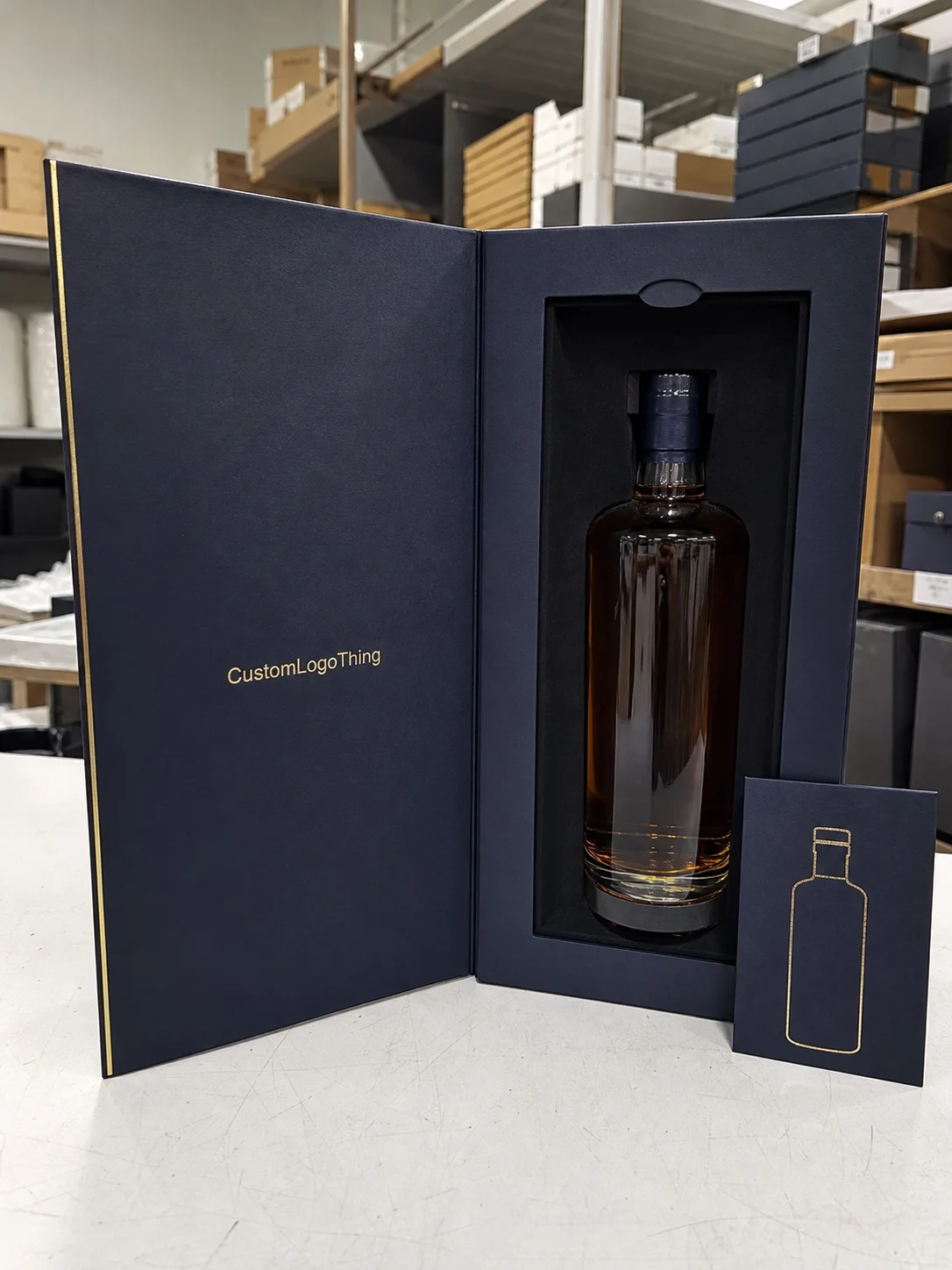
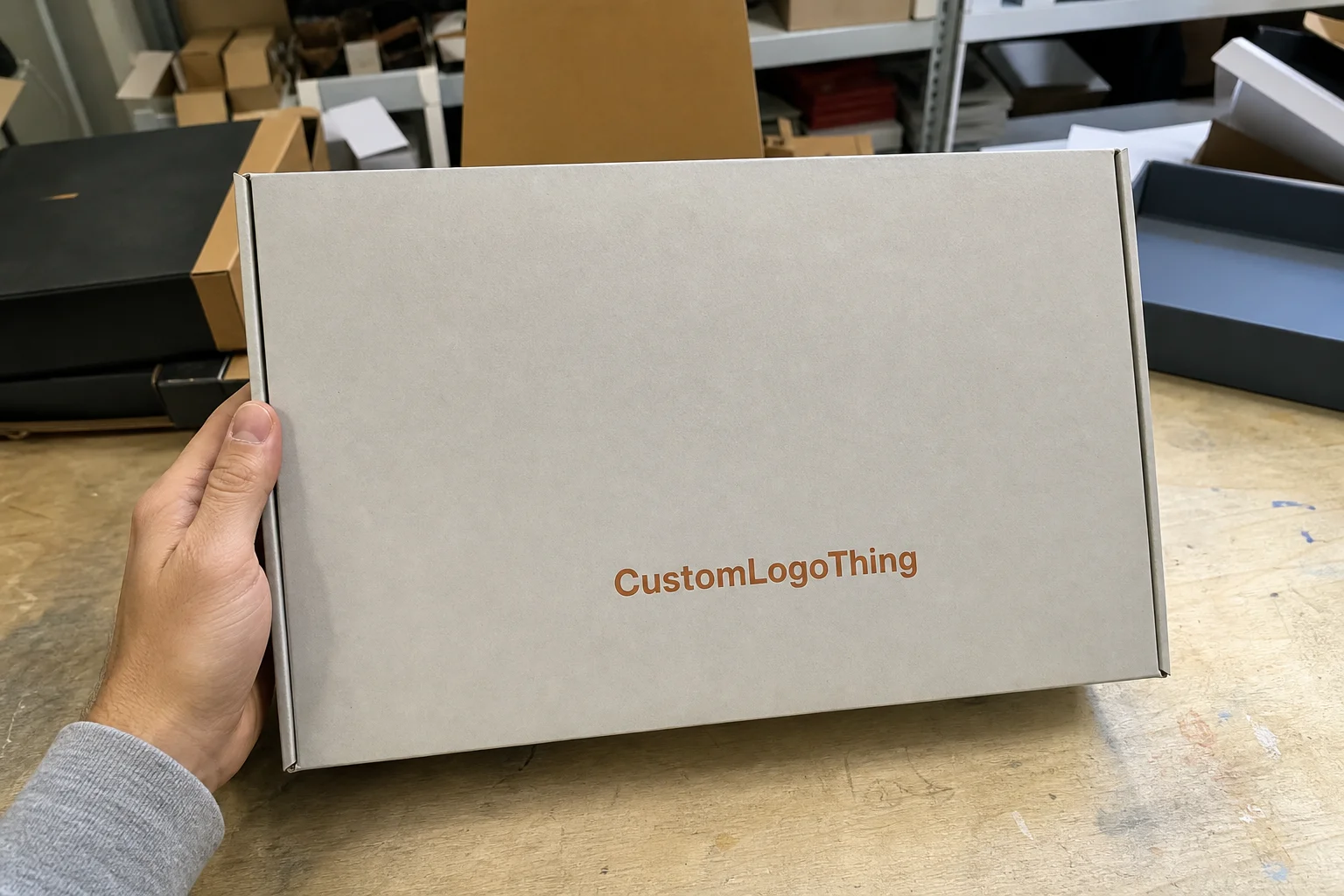
That mix of tasks is why there is no single best box for every apparel program. A paperboard carton may be the right answer for folded tees, socks, and simple retail presentation. A corrugated mailer makes more sense for e-commerce or heavier bundles because it handles compression and edge damage better. A rigid box fits premium sets, gift packaging, and launch kits where the packaging itself carries part of the product value.
The first question should never be, "What is the cheapest box?" It should be, "What does this package need to survive?" If the carton only sits on a shelf and is opened once, visual quality can carry more weight. If the carton ships directly to a customer, the structure has to earn its place before decoration matters.
That distinction matters because the cost of a damaged box is not limited to replacement material. There is labor, repacking time, freight loss, and the soft cost of a customer receiving something that looks careless. For apparel brands, the packaging often creates the first physical interaction with the product. If the box feels flimsy, the garment starts with an uphill climb.
Good wholesale sourcing keeps those tradeoffs visible. The best quotes state the board grade, closure type, finish, and print method plainly enough that the buyer can compare like with like. If those details are buried, the price is not really a price comparison.
Materials and construction that fit the garment you are packing
Different garments call for different structures, and that is where many packaging orders go wrong. Folded tees and lightweight accessories can work well in paperboard cartons. Premium sets often look better in rigid presentation boxes. E-commerce shipments, multipacks, and heavier garments tend to need corrugated construction because the box itself is part of the protection system.
Common paperboard choices include 18 pt to 24 pt SBS, C1S, or similar folding carton grades. These are efficient for retail display and lighter packed apparel. E-flute and B-flute corrugated builds add crush resistance and are better when the box must hold up under shipping and stacking. Rigid boxes are usually built around wrapped greyboard in the 1000 to 1500 gsm range, then finished with printed wrap paper or specialty stock.
| Box style | Best use | Typical build | Indicative unit cost | Practical note |
|---|---|---|---|---|
| Tuck-top folding carton | Folded tees, socks, lightweight sets | 18 pt to 24 pt paperboard | $0.18 to $0.55 | Efficient for retail display and storage |
| Corrugated mailer | E-commerce apparel, stacked inventory, transit protection | E-flute or B-flute corrugate | $0.45 to $0.95 | Better edge crush performance and shipping durability |
| Two-piece rigid box | Premium gifting, launches, luxury apparel sets | Wrapped greyboard with printed paper | $1.20 to $3.50 | Higher perceived value, but higher freight and MOQ pressure |
Closure style changes the user experience and the production cost. Tuck-top cartons are familiar and efficient. Sleeve boxes create a more controlled reveal and can hold apparel sets cleanly. Two-piece lid-and-base boxes make sense for premium packaging because they feel deliberate in the hand. Magnetic closures look strong, but they add cost, weight, and more assembly time, so they should only be used where the packaging contributes meaningfully to the product story.
Finish choices should support the job, not bury it under decoration. Matte aqueous coating is common because it handles well and keeps the look clean. Gloss coating can make color appear sharper, though it will show scuffs more readily. Soft-touch lamination gives a more tactile feel, but it also raises cost and can limit recyclability depending on the build. Foil and spot UV are best used on focal points, not across the whole surface, unless the brand has a specific reason to make the carton visually louder.
There is also a freight angle that gets ignored too often. A lighter, right-sized box can reduce dimensional weight and cut wasted space, but only if the structure still protects the garment. Oversized cartons and excess board both add material cost and shipping cost. The better spec is usually the one that removes empty volume without making the pack fragile.
Sizes, inserts, and print details to lock in before approval
Exact sizing is where many apparel packaging issues begin. Before a production quote is finalized, the folded garment size, stack height, and required clearance should be measured, not estimated. A box for one folded hoodie is not the same as a box for three tees, a scarf set, or a mixed bundle with tissue and a card.
Clearance should reflect the way the item is actually folded in the warehouse. If the garment is compressed tightly, the box can be smaller. If presentation matters, a little extra room can be worth the added space, but too much empty volume creates shifting and a less polished opening moment. Inserts follow the same logic. Dividers, fold supports, and tissue wraps help when a set needs to stay aligned or when multiple pieces would otherwise drift inside the pack.
Windows can be useful for retail apparel if the product itself needs to be visible. They are less attractive for shipping because they can weaken the structure and expose the contents. If the goal is organization instead of visibility, a simple insert or a fitted sleeve is usually the cleaner solution.
Print details are where brand control becomes visible. CMYK is common for full-color work, while Pantone spot colors are better when the same brand color needs to hold across repeat orders. Inside print can be worth the cost on premium apparel sets because it adds another branded surface, but it should be used with intent rather than as filler. Barcode zones, SKU labels, and regulatory marks also need to be reserved early so they do not collide with the artwork later.
A practical approval checklist usually includes these points:
- Final closed dimensions and folded product size
- Clearance for tissue, inserts, and hang tags
- Bleed, trim, and safe area on the dieline
- Logo placement rules and color targets
- Barcode, SKU, or retail label locations
- Inside print, finish, and coating choices
Dieline review is not optional. It is the point where fit, folds, flaps, and glue areas are confirmed before a press run starts. This step catches expensive mistakes early, especially when the structure has unusual folds or the artwork sits close to edges.
If your order needs standard structures, short-run support, or packaging built to a specific set of dimensions, the Wholesale Programs and Custom Packaging Products pages are useful starting points for narrowing the options.
Production process and lead time from proof to delivery
A reliable production schedule usually follows the same sequence: brief, dieline creation, artwork review, proof approval, production, packing, and freight booking. The sequence sounds simple, but lead times stretch when one step stalls. Missing dimensions, slow sign-off, or a file that needs cleanup can add days before the job reaches the press.
For standard folding cartons, a clean run often moves in about 10 to 15 business days after proof approval, though that changes with order size and factory load. Rigid boxes, heavy lamination, foil, embossing, and complex inserts usually extend the schedule into the 15 to 25 business day range or beyond. Freight time is separate and should be planned as its own stage.
Material choice also affects timing. Standard paperboard with a common coating usually moves faster than specialty wraps, textured papers, or multi-step finishes. Strict color matching can require extra proofing. If the order includes inserts, dividers, or custom trays, those parts need to be sequenced with the outer box so the whole shipment arrives together.
"A sample can look perfect and still tell you very little about the shipment. A box has to survive printing, packing, stacking, pallet wrap, and final delivery, not just sit on a desk."
Transit planning matters early. Protection inside master cartons, pallet patterning, edge guards, and stretch wrap can decide whether the order arrives clean or arrives with corner damage. ISTA test methods are a useful benchmark for buyers who want a more formal standard for transit performance, and the organization explains those methods clearly at ISTA.
Buffer time is not optional for seasonal launches, influencer kits, or retail rollouts. The box should not be rushed just because the product deadline is close. If the carton is weak, late, or mismatched, the launch absorbs the delay and the cost.
Pricing, MOQ, and what drives unit cost
Unit cost depends on more than the board itself. The main drivers are board grade, box size, print coverage, coating, inserts, finishing, and shipping method. A simple one-color folding carton with light coating is a different job from a full-color rigid box with foil, magnet closure, and an internal insert.
MOQ exists because every custom run carries setup work. Die cutting, plate preparation, press make-ready, color adjustment, and waste allowance all have to be absorbed somewhere. That is why a supplier may quote a higher per-unit price at 500 pieces than at 5,000 pieces. The fixed work is similar either way, but it gets spread across more cartons as volume rises.
Higher quantities usually lower the unit price, but they also increase inventory exposure and cash flow pressure. Buying deeper makes sense when the design is stable, storage is available, and sell-through is predictable. If the style or artwork may change soon, a smaller first run is safer even if the per-unit cost is higher.
| Quantity | Simple folding carton | Printed mailer | Rigid presentation box |
|---|---|---|---|
| 500 units | $0.55 to $1.10 | $0.85 to $1.45 | $2.20 to $4.80 |
| 1,000 units | $0.32 to $0.72 | $0.58 to $1.10 | $1.65 to $3.60 |
| 5,000 units | $0.18 to $0.45 | $0.38 to $0.82 | $1.10 to $2.50 |
Those ranges are directional, not fixed. Artwork coverage, special coatings, insert design, and shipping terms can move the number in either direction. That is why tiered quotes are useful. A buyer should see 500, 1,000, and 5,000 unit pricing on the same spec so the tradeoff between cash, storage, and unit cost is visible before the order is placed.
If budget is tight, reduce complexity before reducing structure. Remove finishes that do not change the buyer experience, standardize dimensions, and avoid inserts that do not add measurable value. That approach keeps the packaging functional and keeps apparel boxes wholesale decisions grounded in performance instead of decoration.
What a dependable wholesale packaging partner should prove
A good supplier is judged by repeat-order consistency, not only by the first sample. The first box may look fine, but the real test is whether the tenth run matches the second one in color, cut accuracy, fold integrity, and finish quality. That is what protects a brand over time.
Clear communication matters just as much. A dependable partner explains what is possible before artwork is finalized, flags risky file choices early, and helps the buyer avoid a spec that looks attractive but fails in production. If a revision is needed, the issue should be stated plainly, with the fix and the impact on schedule made visible.
Freight planning is another sign of maturity. Boxes should be palletized in a way that reduces corner damage, and master cartons should be packed so they hold shape through transit. Good packaging partners think beyond the press room. They consider stacking, wrap tension, pallet height, and how the shipment will move through the receiving dock.
Strong suppliers also understand that a buyer is managing risk, not just buying paper. Every surprise charge, every missed detail, and every color shift can ripple into a delayed launch or a poor retail presentation. That is why a dependable apparel boxes wholesale partner should be able to explain the line items, the timeline, and the handoff from proof to finished goods without vague language.
If you need a broader look at structures, prints, and finishes, the Custom Packaging Products catalog is a useful way to compare options before you Request a Quote.
How to request a quote and move the order into production
A solid quote starts with complete information. Include the closed dimensions, quantity, box structure, material grade, finish, print coverage, and requested delivery date. If artwork is ready, send the file type, the current dieline, and any brand color references. If artwork is not ready, provide a sketch or a reference sample so the supplier can quote the structure accurately.
Photos help. A picture of the folded garment, set contents, or current packaging removes a lot of guesswork about thickness and fit. If the box has to work with retail shelving, subscription fulfillment, or direct-to-consumer shipping, say that up front. Those channels place different demands on the carton, and the quote should reflect the right build for the job.
To compare quotes properly, look at total landed cost, not just the base box price. Freight, setup, inserts, coatings, and reprint risk all belong in the picture. A low box price with expensive shipping or a high revision risk is not always the better deal. A clear spec from the start usually produces the cleaner total cost.
Before release to production, confirm three things: the dieline is approved, the proof matches the spec, and the delivery schedule leaves room for transit. That discipline keeps the order moving and gives the business a repeatable buying system instead of a one-off purchase.
For brands that reorder often, apparel boxes wholesale works best as a repeatable process: define the garment, lock the structure, approve the proof, and plan the reorder before inventory gets tight. That is the most reliable way to keep apparel protected, presentation-ready, and cost-controlled.
What is the usual MOQ for apparel boxes wholesale orders?
MOQ depends on structure, print complexity, and finishing, so a simple carton can often start lower than a premium rigid box. Custom tooling, setup, and press preparation are the main reasons suppliers set minimums. Ask for tiered quotes so you can see how the MOQ changes unit cost at different quantities.
Which box style works best for folded apparel in wholesale packaging?
Tuck-top cartons are practical for retail shipping, subscription kits, and compact folded garments. Two-piece rigid boxes fit premium gifting, special launches, and higher perceived value. Corrugated mailers are the better option when transit protection is the main priority.
How long does apparel boxes wholesale production usually take?
Lead time depends on proof approval speed, material availability, quantity, and the complexity of the finish. Simple runs move faster than jobs with heavy lamination, specialty coatings, or multiple insert components. Build in extra time for freight, artwork revisions, and seasonal demand spikes.
What artwork files do you need for apparel boxes wholesale quotes?
A dieline with final dimensions, bleed, and safe areas is the starting point for accurate pricing and layout. Vector logos and high-resolution image files help avoid delays and protect print quality. Pantone references or brand color specs are useful when color matching matters.
How can I lower the unit cost on custom apparel boxes wholesale?
Simplify the structure and remove finishes or inserts that do not add measurable value. Increase quantity if storage and cash flow allow it, since higher volume usually lowers per-unit cost. Standardize sizes across multiple products to reduce setup changes and improve repeatability.