Tea Brand Mailer Boxes cost can shape far more than a packaging line item. It affects whether a fragile pouch lands crisp or crushed, whether a subscription order feels thoughtfully packed or thrown together, and whether a first-time buyer trusts the brand enough to come back for another order. In tea, a lot happens after the seal is closed. Corners get knocked, closures loosen, humidity creeps in, and a box that looked fine on the packing table can arrive looking tired after a rough parcel ride. I have seen brands lose repeat sales for exactly that reason, and it usually starts with a carton that saved a few cents but created trouble later.
For a packaging buyer, tea Brand Mailer Boxes cost should be judged against shipping performance, customer perception, and total order economics, not just the quoted unit price. A box that fits tightly, prints cleanly, and survives parcel handling can be worth more than a cheaper shipper that looks fine on paper and causes replacements in the field. That matters for sample kits, gift packs, and direct-to-consumer tea subscriptions, where the package is part of the product story from the moment it lands on the doorstep.
Tea Brand Mailer Boxes Cost: Why Tea Ships Fail Before the Box Does
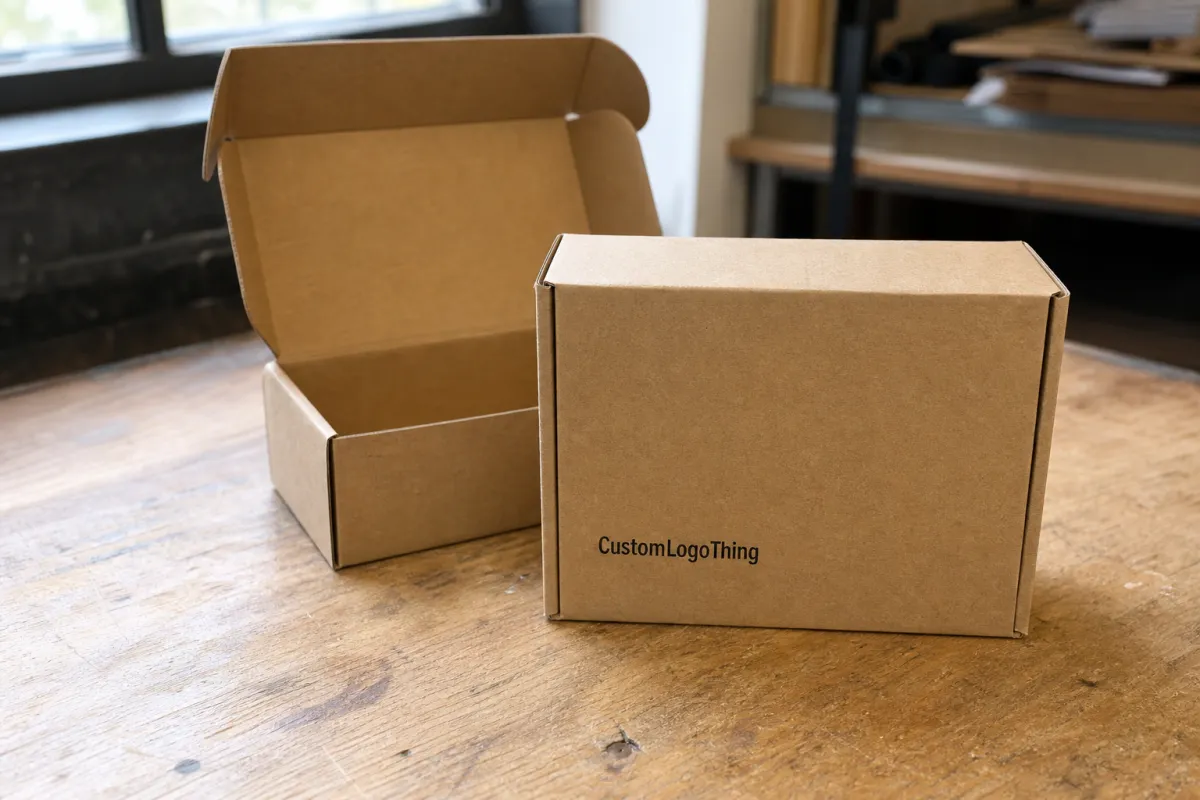
Tea is more delicate than it first appears. Loose-leaf pouches flex, tins dent, cartons scuff, and inserts drift if the fit is even a little loose. That is why tea brand mailer boxes cost should be treated as a protection system, not as a carton by itself. A crushed corner, a wrinkled sleeve, or a flap that bows outward changes the way a buyer reads the whole package. They may not say the box failed, but they absolutely notice when the presentation looks worn before they have even brewed a cup.
Many tea brands begin with a standard mailer or a plain corrugated shipper, then move to Custom Mailer Boxes once they start seeing the effect on repeat orders. The reason is practical. A mailer box gives a self-locking structure, a tighter internal fit, and a cleaner branding surface than many basic shipping cartons. For subscription packs, sampler bundles, and seasonal gift sets, that structure protects more than the product. It protects the feeling the brand is trying to create. If the box arrives intact and polished, the brand reads as organized and dependable. If it arrives crushed or rattling, customer confidence drops fast.
Tea brand mailer boxes cost also carries a hidden return on investment: fewer replacements and fewer “my order arrived damaged” emails. Even a small reduction in damage claims can offset a higher box price surprisingly quickly. If one damaged shipment costs $12 to replace and the mailer upgrade adds $0.35 per unit, the math changes after only a few incidents. That is why tea brands often treat the box as part of fulfillment economics, not just packaging.
A box that ships well and presents well is not decoration; it is part of the product.
There is also a branding side that gets overlooked. Tea is a sensory category. Color, texture, opening friction, and print quality all shape visual perception before the customer ever tastes the tea. A plain carton can work for a bare-bones shipment, but a Branded Mailer Box helps support a premium price point. That matters for gifts, wellness subscriptions, and curated tasting kits where the pack itself carries real value.
Tea brand mailer boxes cost should therefore be measured against four things at once: shipping performance, brand consistency, customer perception, and total landed spend. That framing keeps the conversation honest. It also stops buyers from comparing a premium custom box to a cheap one-color generic mailer as if both solve the same problem. They do not.
Product Details: What Tea Brand Mailer Boxes Include
A tea mailer box is usually a self-locking package built to protect the contents while creating a clean opening experience. The basic structure includes side panels, a top flap, a closing tab or tuck feature, and a close-fit footprint that limits movement during transit. The best builds keep the tea from sliding around, because movement causes scuffing, crushed corners, and broken seals. When tea brand mailer boxes cost is built around this kind of structure, the buyer is paying for both protection and presentation.
Common materials include corrugated board, folding carton board, and paperboard with optional inserts. Corrugated is usually chosen for heavier loads, e-commerce shipments, and mixed bundles because it handles impact better. Paperboard is often selected for lightweight sampler packs, sleeves, and shelf-ready gift sets where print quality and appearance matter more than crush resistance. Inserts can be die-cut from board, chipboard, or molded pulp, depending on the tea format. Tins need more support than pouches. Sachet packs need less. Mixed sets with tea bags, sugar sticks, and a spoon often need a tailored insert layout to keep every item in place.
Branding options add another layer. Full-color outside printing is common, and many tea brands also print the inside panel to create a stronger unboxing experience. Foil accents, embossing, and spot varnish can highlight logos or flavor names, while matte or soft-touch lamination creates a quieter, more premium feel. Those details can raise tea brand mailer boxes cost, but they also shape how the brand is remembered. If the package feels intentional, the product feels curated.
There is a useful distinction here: some boxes are built for shipping first and branding second, while others do both jobs equally well. Tea subscription brands often prefer the second category. They want a box sturdy enough for parcel handling, but attractive enough to sit on a kitchen counter for a day or two. That is where Custom Packaging Products become part of the selling strategy rather than a back-office expense. A mailer that works as both shipper and presentation box can reduce packaging complexity and simplify fulfillment. That kind of setup is especially handy for brands that are still tuning their assortment and do not want three different box systems rattling around in the warehouse.
For tea brands that sell through multiple channels, the same structure can support direct-to-consumer orders, subscription packs, and gift bundles with only a change in print or insert layout. That flexibility matters because brand consistency is easier to maintain when the base structure stays the same. It also helps with forecasting. One dieline, multiple product formats, fewer surprises.
For reference, brands that use more protective outer packaging sometimes compare mailer boxes with Custom Poly Mailers as a secondary shipping layer. Poly mailers are lighter and cheaper, but they do not deliver the same premium presentation or rigid protection. The choice depends on what is inside the parcel and how much the opening moment matters to the buyer.
Specifications That Change Fit, Strength, and Appearance
Before anyone asks for a quote, three measurements should be ready: product dimensions, product weight, and total pack format. For tea, that means pouch width and height, tin diameter or height, insert depth, and whether the order contains one item or a mix of tea, accessories, and printed cards. A box that is 2 millimeters too tight can crush a pouch seam. A box that is too loose can let tins bang together. Tea brand mailer boxes cost often changes faster with these dimensional choices than with the print method itself, because the size affects board usage, tooling, and freight efficiency all at once.
Board grade matters too. A light folding carton may be enough for a sample set, but a subscription shipment with multiple tins usually needs stronger corrugated board. E-flute is common when brands want better printability with decent stiffness. B-flute or a heavier corrugated spec can improve crush resistance for heavier packs. Thicker board generally raises the tea brand mailer boxes cost, yet it also improves survival in parcel networks where boxes are stacked, dropped, and dragged across conveyors. A pack that fails in transit is always more expensive than a slightly stronger one.
Print setup should get equal attention. Brands should confirm bleed, safe zone, color mode, and image resolution before proof approval. If the artwork is not prepared correctly, the project slows down and the tea brand mailer boxes cost goes up through revisions rather than materials. For consistent brand recognition, Pantone matching or tightly controlled CMYK output matters. A tea brand with deep green, gold, or warm earth tones does not want the logo shifting from one reorder to the next. That kind of drift is subtle, but customers do notice when a box on shelf or in a subscription drop looks a little off from the last one they received.
Finishes and compliance details can also change the final result. Water-based or low-odor inks are a good fit for tea because scent transfer is a real concern in a food-adjacent product. Moisture resistance is worth discussing if shipments move through humid regions. Some brands also ask for FSC-certified board when sustainability claims are part of the offer, and that is a sensible requirement if the marketing message leans on responsible sourcing. If you want a stronger third-party benchmark for transit testing, the protocols used by ISTA are widely recognized across packaging programs. If the material story matters to the brand, FSC certification can support that message with a chain-of-custody framework.
Good specification work saves time later. A clear brief should include carton dimensions, internal cavity size, print coverage, finish preference, insert style, and shipping label placement. The more precise the brief, the easier it is to estimate tea brand mailer boxes cost accurately and avoid quote adjustments after sampling. A little extra detail up front tends to save everyone a headache later, and honestly, that is one of the easiest wins in packaging.
Tea Brand Mailer Boxes Cost, Pricing, MOQ, and Unit Cost
Tea brand mailer boxes cost is driven by a handful of variables that buyers can control if they know where to look. Size is one. Board thickness is another. Print coverage matters, especially if the artwork wraps the outside, the inside, or both. Inserts can add meaningful cost when they are custom-cut and need tight tolerances. Finishes such as soft-touch lamination, foil, embossing, and spot UV add setup steps and material cost. MOQ also matters, because a lower quantity means setup and prepress costs get spread across fewer boxes.
Here is the part many buyers miss: the cheapest quote is not always the lowest actual cost. If a lower-priced carton creates damage, replacement shipments, or a weaker customer experience, tea brand mailer boxes cost rises in the background. The better comparison is total package economics. That includes unit cost, freight, samples, storage, and the expense of customer service issues after delivery. A box that supports brand consistency can be more valuable than a box that only saves a few cents.
| Order profile | Typical unit cost range | Best fit | Notes |
|---|---|---|---|
| Short run, 300-500 units | $1.20-$2.40 | Testing a new tea line, sample kits, small seasonal drops | Higher setup share; useful for proofing size and artwork before scale |
| Mid volume, 1,000-2,500 units | $0.72-$1.35 | Growing DTC tea brands, limited subscription programs | Balanced unit cost and manageable MOQ for repeat orders |
| Bulk run, 5,000 units | $0.38-$0.88 | Steady subscription demand, retail-ready gift packs | Lower unit cost, better use of prepress and tooling |
| Large program, 10,000+ units | $0.28-$0.62 | Established tea labels with predictable replenishment | Best economics, but storage and forecasting must be solid |
Those ranges are typical, not universal. A plain kraft mailer with a simple one-color logo will sit at the lower end, while a full-color inside-and-out print with custom inserts and premium finishes can move quickly toward the upper end. Tea brand mailer boxes cost also shifts with board grade, carton size, and whether the order is produced as a print-only run or as a fully assembled packaging program.
MOQ deserves plain language. Minimum order quantity is the smallest run a supplier is willing to produce at a given specification. In packaging, MOQ is not just a gatekeeper; it is a cost structure. A lower MOQ usually means higher unit cost because the tooling, setup, and proofing charges are spread across fewer boxes. A higher MOQ lowers unit cost, but it also increases cash tied up in inventory. For tea brands that are still tuning flavors, packaging, and seasonal messaging, a smaller first order can be a smart hedge.
It also helps to separate manufacturing cost from the rest of the quote. Sampling, freight, storage, split shipments, and finishing can distort the headline number. A clear proposal should show what is included. Otherwise, tea brand mailer boxes cost looks lower on paper and higher in practice. That kind of mismatch frustrates purchasing teams and slows approvals.
If a tea brand is comparing options across packaging formats, one useful exercise is to request two quotes: one for a clean protective build and one for a premium branded build. That comparison reveals how much visual branding, finishing, and insert complexity actually add. It also shows whether the extra spend improves the product story enough to matter. Sometimes the answer is yes, sometimes it is not, and it is better to know that before the order is printed.
Process, Timeline, and Turnaround for Tea Orders
A good packaging workflow is predictable. The order starts with a quote request, then moves into specification review, dieline confirmation, artwork preparation, proof approval, production, and shipment. If any of those steps are skipped, tea brand mailer boxes cost tends to rise through avoidable delays. The fastest projects are the ones where the buyer sends complete information up front: dimensions, quantity, print coverage, finish goals, insert needs, and delivery target.
For a first-time custom run, the timeline often includes more than one proof. That is normal. A structural sample may be needed to verify fit, especially if the tea includes fragile tins, nested cartons, or a multi-item assortment. Once fit is confirmed, artwork proofing checks color, layout, barcode placement, and any regulatory markings. Production can begin after approval. Standard lead times often fall in the 12-20 business day range after final approval, depending on quantity and complexity, while simpler reorder jobs can move faster if the tooling already exists. Rush service may be available, but only when capacity and specification allow it.
Most delays come from preventable issues. Missing bleed, low-resolution logos, unconfirmed insert dimensions, and late copy changes all slow the job. So does uncertainty around the delivery address or the launch date. If the brand is planning a subscription launch or retail drop, the packaging schedule should be locked before the marketing calendar starts to move. Tea brand mailer boxes cost is easier to control when deadlines are realistic and documented.
There is another advantage to early planning: testing. A sample run makes it easier to compare structural options, confirm closure strength, and review the opening experience with a small internal group. That approach is especially useful for tea boxes that contain mixed SKUs. One loose sachet can rattle enough to change the perceived quality of the whole pack. A prototype catches that problem before the full order is printed.
For buyers who want to see how a finished packaging program can scale across different formats, Case Studies are useful because they show how structure, print, and logistics interact in real packaging runs. The same is true when brands expand into multiple product lines. A tea label may start with mailer boxes, then add sleeves, display cartons, or other formats from Custom Packaging Products as the catalog grows. Planning the system early keeps tea brand mailer boxes cost under control because fewer redesigns are needed later.
From a budget standpoint, the safest workflow is simple: quote, sample, proof, approve, produce, inspect, ship. Every shortcut adds risk. Every extra revision adds time. For tea brands that sell on launches, not just replenishment, time has a price attached to it, and that price can be larger than the packaging delta itself.
Why Choose Us for Tea Brand Mailer Boxes
Custom Logo Things is a practical fit for tea brands that want control over tea brand mailer boxes cost without giving up the structural quality that protects the product. The goal is not to pile on decorative features just because they look nice in a mockup. The goal is to build a box that fits the tea, ships cleanly, and supports the brand’s visual identity with real consistency. That is the difference between packaging that looks good once and packaging that keeps doing its job across reorders.
One reason tea brands stay with a supplier is predictable output. Color has to repeat. Flaps have to close the same way. Inserts have to hold the same items in the same position. If the pack changes from one run to the next, brand consistency breaks down, and the buyer notices. Tea brand mailer boxes cost is easier to justify when the box behaves like a repeatable system instead of a one-off custom item.
Quality checks matter here. Material inspection, print review, fit testing, and shipment verification all reduce risk before the carton leaves the facility. That is especially important for tea gifts and sample kits, where a small defect can spoil the presentation. Brands with fragile tins or unusually shaped inner packs need that attention even more. A good supplier should be able to discuss board strength, closure style, and insert layout in plain terms, not vague assurances.
There is also a business advantage for growing tea labels. A small brand may only need a few hundred units for a launch, while an established subscription program might need a much larger reorder schedule. The right packaging partner should support both without forcing a redesign every season. That flexibility keeps tea brand mailer boxes cost from jumping unnecessarily as volumes shift. It also keeps the packaging program aligned with real demand instead of speculative forecasts.
If sustainability is part of the brand message, packaging choices should reflect it honestly. FSC-certified board, recyclable structures, and efficient sizing can all support a cleaner story, but only if the rest of the program is built around them. A green claim on a box means little if the package is oversized, overprinted, and shipped with excess void fill. Tea buyers are more observant than many brands think. They can spot when the sustainability message is real and when it is just dressing on the side.
For brands comparing suppliers, the best question is not “Who can make a box?” It is “Who can make the right box at the right tea brand mailer boxes cost, with stable quality and predictable timelines?” That question separates the decorative vendors from the packaging partners.
Next Steps: Get the Right Tea Brand Mailer Boxes Cost
If you want an accurate quote, gather five things before you ask: the exact box dimensions, the product count per pack, the artwork files, the target quantity, and the finish preferences. If the tea includes tins, gift cards, or internal dividers, include those details too. Tea brand mailer boxes cost cannot be estimated well from a product name alone. It needs real measurements and a clear pack structure.
It is also smart to compare two quote scenarios. Ask for a basic protective version and a more branded version. That comparison shows where the extra spend creates value and where it does not. Sometimes a simple kraft build is enough. Sometimes a soft-touch, full-color box is the better sales tool because it raises customer perception and supports a premium price. The right choice depends on margin, audience, and channel.
If the pack involves fragile tins, layered assortments, or tight internal tolerances, request a sample or prototype before full production. That small step can prevent expensive mistakes. It is especially helpful when the box is expected to do two jobs at once: protect the product in transit and carry the brand story at the doorstep. Tea brand mailer boxes cost should always include that risk check.
At Custom Logo Things, the most practical approach is to keep the packaging conversation grounded in size, structure, and unit cost rather than buzzwords. That is how tea brands get a box that performs. It is also how they keep tea brand mailer boxes cost aligned with the actual value of the shipment. If the packaging supports brand recognition, reduces damage, and strengthens the unboxing experience, the investment usually makes sense.
For tea brands planning a new launch, a seasonal refresh, or a subscription expansion, the next move is straightforward: request a tailored estimate and compare the numbers against the product’s shipping risk and presentation goals. Treat the box as part of the offer, not an afterthought. That is the practical way to keep tea brand mailer boxes cost under control while still giving the tea the packaging it deserves.
How much do tea brand mailer boxes cost for a small first order?
Small orders usually carry a higher unit cost because setup, tooling, and prepress are spread across fewer boxes. For a first run, tea brand mailer boxes cost often lands in the $1.20-$2.40 range per unit for smaller quantities, depending on dimensions, board grade, print coverage, and whether inserts are included. A sample or short-run quote is the fastest way to verify the real budget before scaling.
What changes tea brand mailer boxes pricing the most?
Size and material thickness usually drive the biggest swings in tea brand mailer boxes cost because they affect both production and freight. Full-wrap printing, specialty finishes, and custom inserts can raise the price quickly, while a simple one-color kraft build stays closer to the lower end. Higher quantities generally reduce unit cost even when the total order value rises.
What is the MOQ for custom tea brand mailer boxes?
MOQ varies by material, print method, and box size, so the minimum can change from one project to another. Brands launching a new tea line often start with a lower test quantity, then move to larger reorders once demand is clear. A proper quote should show both the minimum run and the unit cost at higher volumes so tea brand mailer boxes cost can be compared cleanly.
Can I get a sample before approving tea brand mailer boxes cost?
Yes, sampling is the safest way to verify fit, print accuracy, and finish before committing to a full run. It is especially useful for tea tins, mixed assortments, and gift sets with inserts or tight internal tolerances. Ask whether the sample is structural, printed, or both, because each serves a different approval purpose and affects tea brand mailer boxes cost differently.
How long does production take after artwork approval?
Production time depends on quantity, print complexity, and whether the box needs custom inserts or specialty finishes. Most delays come from incomplete artwork or late approvals rather than the production line itself. A good supplier should give a clear timeline from proof approval to ship date before you place the order, so tea brand mailer boxes cost and delivery timing stay aligned.

