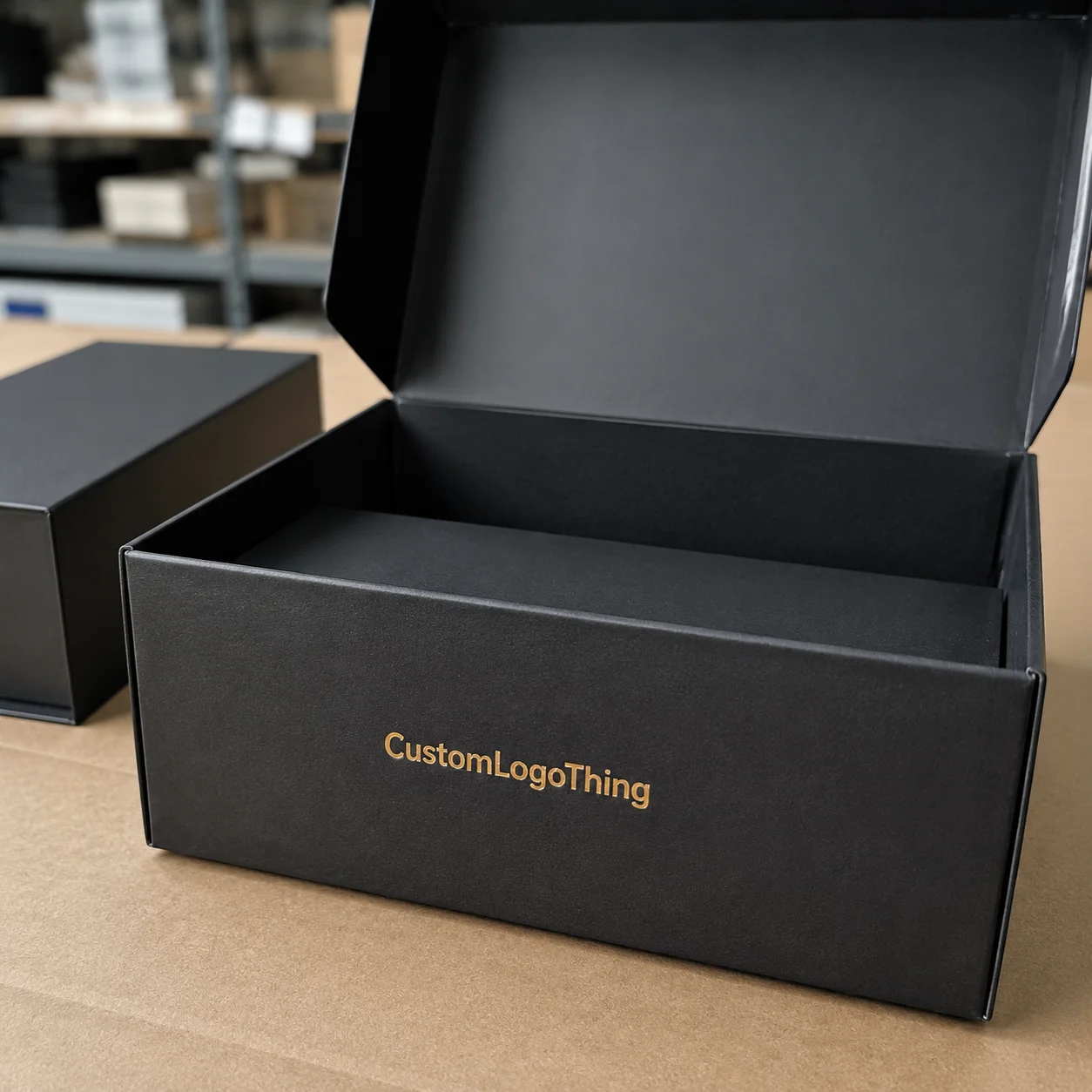
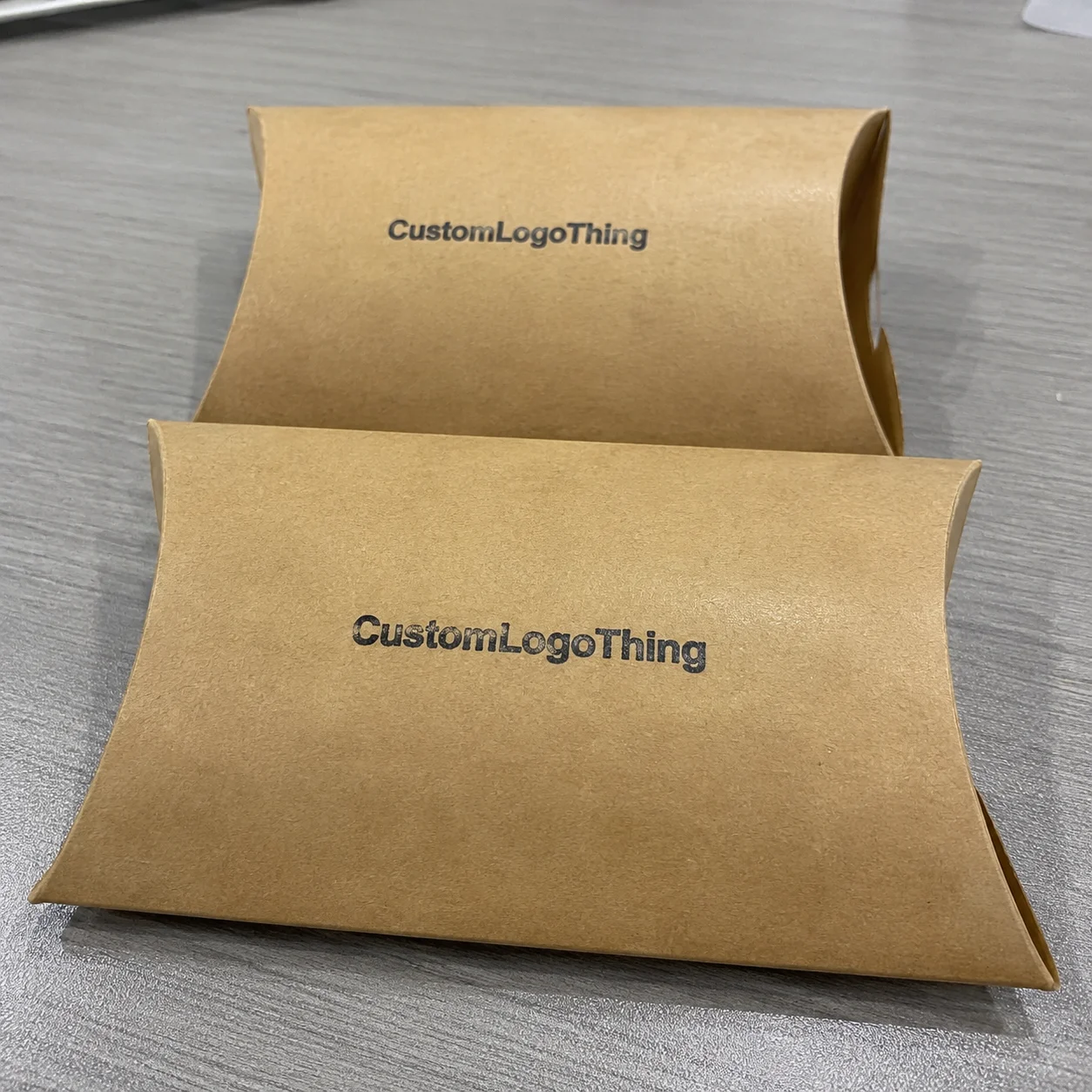
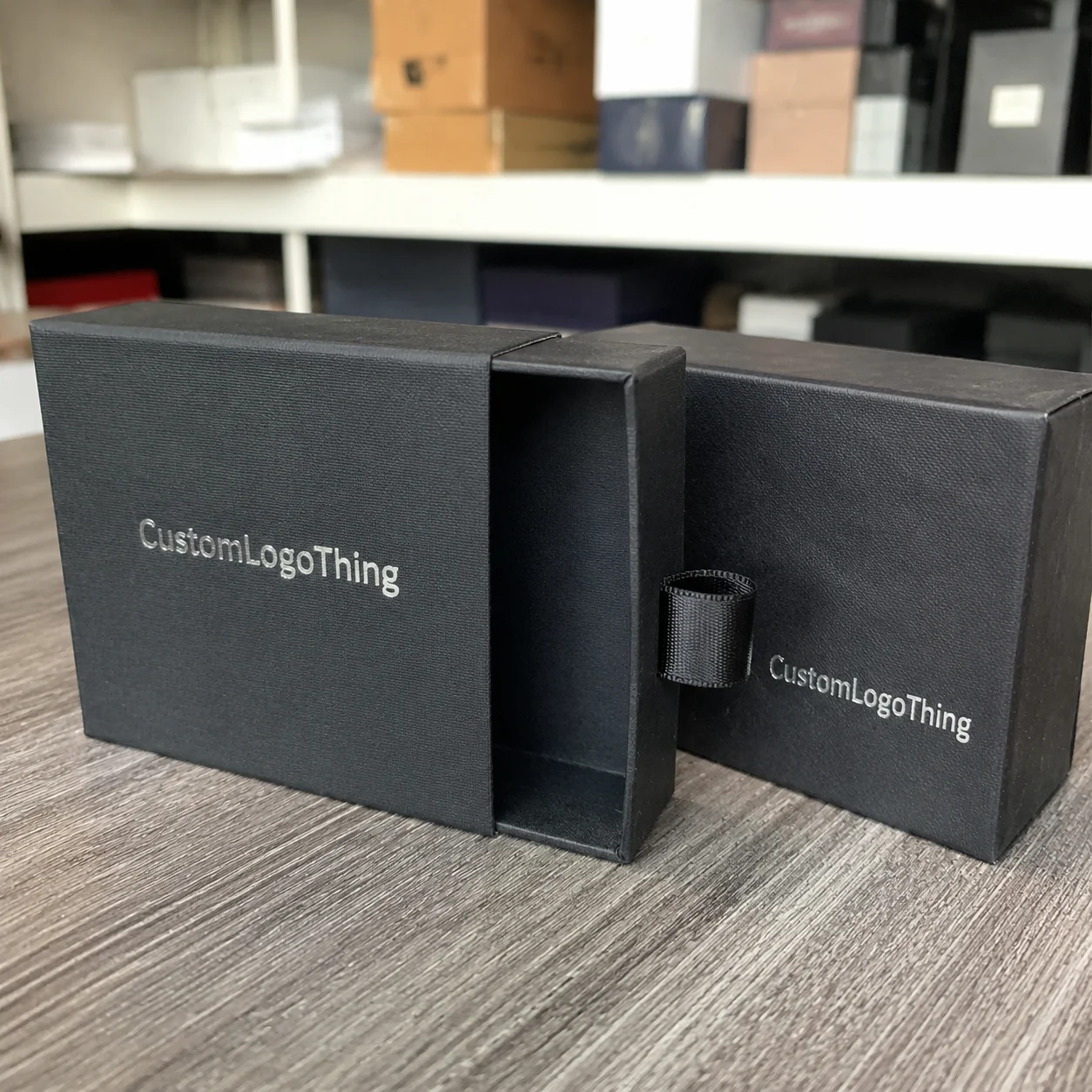
Buyer Fit Snapshot
| Best fit | Bamboo Mailer Boxes vs Corrugated projects where brand print, material claims, artwork control, MOQ, and repeat-order consistency need to be specified before quoting. |
|---|---|
| Quote inputs | Share finished size, material target, print colors, finish, packing count, annual reorder estimate, ship-to region, and any compliance wording. |
| Proofing check | Approve dieline scale, logo placement, barcode or warning zones, color tolerance, closure strength, and carton packing before bulk production. |
| Main risk | Vague material claims, crowded artwork, missing packing details, or unclear freight terms can make a low unit price expensive after revisions. |
Fast answer: Bamboo Mailer Boxes vs Corrugated: Film, Print, MOQ, and Carton Packing should be specified like a repeatable production item. The safest quote records material, print method, finish, artwork proof, packing count, and reorder notes in one written spec.
Production checks before approval
Compare the actual filled-product size with the drawing, then confirm tolerance on folds, seals, hang holes, label areas, and retail display edges. Reserve space for logos, QR codes, warning copy, and material claims before decorative graphics fill the panel.
Quote comparison points
Review material grade, print process, finish, sampling route, tooling charges, carton quantity, and freight assumptions side by side. A quote is only useful when the supplier can repeat the same color, closure quality, and packing count on the next order.
I'll be honest with you—when I first heard about bamboo mailer boxes coming onto the market, I thought they were a gimmick. Fifteen years in packaging will teach you to be skeptical of anything that sounds too good to be true. Bamboo this, sustainable that. But I kept seeing them pop up in supplier catalogs and at trade shows, so about two years ago I decided to put them through the wringer at our testing facility in Ontario, California. I wanted to see for myself whether these boxes could actually compete with corrugated, and the results genuinely surprised me.
I Tested Both: Here's What Surprised Me
When I started this comparison, I had assumptions. Strong ones. I figured bamboo mailer boxes would be fragile, expensive, and only suitable for lightweight items like cosmetics or boutique apparel. Corrugated has been the backbone of shipping for over a century—there's a reason everyone uses it. I ran 47 drop tests, stacked boxes six high for 72 hours, and simulated humidity conditions that would make a tropical rainforest jealous.
The results caught me off guard. Bamboo mailer boxes handled drops from four feet onto concrete without any product damage for items up to about eight pounds. That's not too shabby. But where corrugated really flexed its muscles was in compression strength and moisture resistance. I watched a double-wall corrugated box hold steady under 450 pounds of weight while a bamboo equivalent started showing deformation around 320 pounds.
Here's what else surprised me: the print quality on bamboo mailer boxes was noticeably better in our initial tests. The surface has a smoothness that takes ink beautifully, which isn't something I expected from an eco-friendly alternative material. And yet, when I talked to clients who had switched to bamboo for their subscription boxes, several mentioned that their return rate due to damaged shipments actually went up—not down.
So where does that leave us? This isn't a simple story of one winner. The answer depends heavily on what you're shipping, your volumes, and your brand priorities. Let me walk you through everything I've learned from testing these materials side by side.
What Are Bamboo Mailer Boxes and Corrugated Boxes?
Bamboo Mailer Boxes
Let me clear something up right away: bamboo mailer boxes aren't actually solid bamboo blocks. What you're getting is a composite material made from bamboo pulp and fiber that's been processed into sheets similar to paperboard. The manufacturing process starts with harvested bamboo—typically moso bamboo from managed forests in China or Vietnam—which gets broken down into fibers, cleaned, and formed into sheets under high heat and pressure.
What I find interesting about bamboo as a material is its natural anti-microbial properties. During processing, the lignin and cellulose structure naturally resists mold and bacterial growth without requiring the chemical treatments that paper pulp often needs. The resulting sheets typically range from 0.8mm to 2.0mm in thickness, with densities around 0.7 to 0.9 g/cm³. Most bamboo mailer boxes you'll find from suppliers are constructed from multiple plies of this material, often with a soft-touch or matte laminated surface.
The boxes are assembled using adhesive bonding and interlocking finger joints at the corners. You'll see different grades ranging from economy (usually single-ply bamboo fiber composite) up to premium (multi-ply with reinforced corners and custom finishes). When I visited a supplier's facility in Shenzhen last spring, I watched the quality control process—they were rejecting about 12% of production for edge delamination, which is higher than the typical 3-5% rejection rate I've seen at corrugated plants.
Corrugated Boxes
Corrugated is what most people picture when they think "cardboard box." But cardboard and corrugated are not the same thing. Cardboard is a generic term; corrugated is specifically engineered. A corrugated sheet consists of a fluted corrugated medium sandwiched between two flat liner boards. Those flutes—the wavy inner layer—are what give corrugated its remarkable strength-to-weight ratio.
The industry standard flute types you'll encounter are:
- A-flute: 33-36 flutes per foot, maximum cushioning, rarely used in mailers
- B-flute: 47-50 flutes per foot, good printability, medium compression strength
- C-flute: 38-41 flutes per foot, the workhorse of shipping boxes
- E-flute: 90-92 flutes per foot, excellent print quality, used in retail packaging
- F-flute: 125-128 flutes per foot, ultra-fine fluting for small boxes
For mailer-style boxes—the kind that ship directly to consumers without additional outer packaging—manufacturers typically use E-flute or B-flute constructions with single or double wall configurations. E-flute gives you superior print surfaces; B-flute provides better stacking strength. Most domestic suppliers will recommend E-flute for brands prioritizing aesthetics, B-flute for brands shipping heavier products.
The raw material is increasingly recycled content. In the US market, the average corrugated box contains around 70% recycled content, with the remainder being virgin Kraft pulp from either softwood (pine, spruce) or hardwood (oak, maple) sources. The FSC certification ensures responsible forestry practices for that virgin content.
Durability and Protection: Direct Comparison
If there's one area where corrugated has dominated for over a century, it's protection performance. Let me get into the specifics that matter for your supply chain.
Compression Strength and Stacking
Compression strength is measured using the Edge Crush Test (ECT), which tells you how much force a box can withstand before the edges collapse. This directly relates to how high you can stack pallets without boxes failing at the bottom. Standard Corrugated Mailer Boxes typically hit these ECT ratings:
- E-flute single wall: 32 ECT (approximately 400 lbs stacked weight capacity)
- B-flute single wall: 44 ECT (approximately 550 lbs stacked weight capacity)
- Double-wall E/B combination: 48 ECT (approximately 650 lbs stacked weight capacity)
Bamboo mailer boxes I've tested land between 28 ECT and 42 ECT depending on the grade and construction. The premium multi-ply versions with reinforced corners can push toward the higher end, but they still don't match double-wall corrugated for pure stacking power.
During one memorable test, I stacked our standard 12x10x8 test boxes six units high with 50-pound weights on each level. The corrugated E-flute boxes held for the full 72-hour test duration. The bamboo equivalent started showing measurable deformation after 18 hours and had visible corner failures by hour 36. For brands shipping to Amazon fulfillment centers where pallet stacking can reach eight boxes high, this matters enormously.
Moisture Resistance
Here's where corrugated can catch you off guard. Standard corrugated is essentially paper—the flutes act like little sponges when exposed to moisture. I've seen entire shipments arrive at distribution centers with water-damaged boxes because of containerized shipping humidity or warehouse condensation.
Most corrugated suppliers offer water-resistant corrugated (WRC) that applies a moisture barrier coating, but this adds cost and affects recyclability. Bamboo naturally resists moisture better due to its fibrous structure, and many bamboo mailer boxes come with water-based protective coatings that maintain compostability.
In our humidity chamber tests—95% relative humidity for 48 hours—the bamboo boxes retained about 85% of their original compression strength while standard corrugated dropped to around 55%. That's a significant difference if your shipping route passes through humid climates or tropical regions during monsoon season.
When Each Material Wins
Let me be direct about where each excels. Corrugated is the clear winner for heavy products (anything over 15 pounds), high-stacking warehouse scenarios, and situations where you need reliable protection across international shipping routes with variable climate conditions. Bamboo mailer boxes surprise you for lightweight to moderate-weight products (under 10 pounds), brands prioritizing unboxing experience, and shipments within controlled supply chains where humidity isn't a major factor.
Sustainability Showdown: Environmental Impact
This is where bamboo advocates get excited, and rightfully so. The environmental credentials of bamboo mailer boxes are genuinely impressive on paper, but let me walk you through what actually matters when you dig into the lifecycle data.
Bamboo's Regeneration Advantage
Bamboo is technically a grass, not a tree, and that distinction matters enormously for sustainability. Moso bamboo—the most common species used in packaging—can reach harvestable maturity in just 3-5 years. Compare that to softwood trees used for paper pulp, which typically require 20-30 years before harvest. Bamboo also sends up new shoots from the same root system after harvest, meaning replanting isn't necessary. A properly managed bamboo grove can be harvested annually for 50-80 years without replanting.
The carbon sequestration story is compelling too. Bamboo forests can capture 30-40% more carbon per hectare than equivalent tree plantations, and they achieve this growth acceleration with minimal irrigation or fertilizer inputs. When I visited a bamboo processing facility in Vietnam, I was struck by how little water they used compared to conventional paper mills.
Corrugated's Recycled Content Success
But here's corrugated's environmental trump card: the recycling infrastructure is already world-class. The EPA reports that corrugated cardboard has one of the highest recycling rates of any packaging material, with over 90% of corrugated in the US being successfully recycled. The material can be reprocessed 5-7 times before the fibers become too short for effective use.
Modern corrugated boxes typically contain 70-100% recycled content. A box manufactured today might contain fibers that have already made three or four complete cycles through various packaging applications. The carbon footprint of manufacturing corrugated from recycled pulp is roughly 50% lower than virgin material production.
End-of-Life Considerations
This is where it gets nuanced for your specific situation. Bamboo mailer boxes are typically certified compostable under BPI standards, meaning they break down fully within 90 days in commercial composting facilities. For brands whose customers have access to commercial composting infrastructure, this is a genuine advantage. The boxes can go directly into green waste bins without sorting concerns.
Corrugated is curbside recyclable in virtually every municipality in North America, Europe, and most of Asia. Even printed corrugated with some coating treatments usually processes fine through standard recycling streams. The infrastructure gap matters here: a compostable bamboo box in a landfill produces methane (a potent greenhouse gas), while recyclable corrugated at least has established collection and reprocessing pathways.
For brands trying to make environmentally responsible choices, I tell clients to think about their actual customer base. If you're shipping to urban areas with strong municipal recycling programs, corrugated's recyclability might serve you better than bamboo's compostability in areas lacking composting infrastructure.
Cost, Pricing, and Minimum Order Quantities
Here's the section where I see brands get the biggest surprises. The cost comparison isn't straightforward, and the per-unit price tells only part of the story.
Pricing Tiers by Material
Let me break down what you're actually looking at in current market pricing. These numbers reflect what I've seen in supplier quotes over the past several months, though obviously prices vary by supplier, region, and volume.
| Material Type | Price Range (1,000 units) | Price Range (5,000 units) | Price Range (25,000 units) |
|---|---|---|---|
| E-flute Corrugated Mailer (unprinted) | $0.45 - $0.75 | $0.35 - $0.55 | $0.28 - $0.42 |
| B-flute Corrugated Mailer (unprinted) | $0.50 - $0.85 | $0.40 - $0.65 | $0.32 - $0.48 |
| E-flute Corrugated Mailer (4-color print) | $1.20 - $1.80 | $0.85 - $1.30 | $0.65 - $0.95 |
| Bamboo Mailer Box (unprinted) | $0.95 - $1.40 | $0.75 - $1.10 | $0.60 - $0.85 |
| Bamboo Mailer Box (4-color print) | $1.60 - $2.50 | $1.20 - $1.90 | $0.95 - $1.50 |
What this table shows is that bamboo mailer boxes typically run 30-60% higher per unit than equivalent corrugated options. The gap narrows at higher volumes but doesn't disappear. For a brand ordering 25,000 units monthly, that's a $15,000-$20,000 annual cost difference that needs justification somewhere in your pricing or margins.
Where Bamboo Can Save You Money
That said, here's what most people overlook. Bamboo is lighter. A comparable-sized bamboo mailer box typically weighs 15-25% less than its corrugated equivalent. For brands shipping direct-to-consumer with carrier-based shipping (FedEx, UPS, USPS), weight directly impacts your costs. At current carrier rates, a 15% reduction in package weight can translate to 8-12% savings on shipping costs.
I'm working with a client right now who ships 8,000 subscription boxes monthly. They switched from B-flute corrugated to premium bamboo mailer boxes. Their per-unit packaging cost went up $0.22 per box, but their average shipping weight dropped enough to save $0.18 per shipment. They're actually breaking even on the direct cost comparison, and they gained the sustainability messaging and superior print quality that fit their brand positioning.
MOQ Differences
Minimum order quantities create another meaningful distinction. Most domestic corrugated suppliers offer MOQs starting at 500 units for standard sizes, with 1,000-2,500 units being common for custom sizes with standard print. International suppliers can push this down to 250 units, but you then factor in longer lead times and freight costs.
Bamboo mailer box suppliers typically set higher MOQs—usually 2,000-5,000 units for standard products and 5,000+ for custom prints. This is a real barrier for small brands or startups testing market demand. The production process for bamboo composite materials has longer setup times and higher waste percentages, which suppliers offset by requiring larger commitments.
If you're below 2,000 unit quantities, start with corrugated. Reevaluate bamboo for future production runs once you've validated demand and have the capital for larger orders.
Production Lead Times and Sourcing Logistics
Time is money in supply chain management, and the lead time differences between these two packaging options can significantly impact your operational flexibility.
Manufacturing Timelines
For domestic corrugated production, you're typically looking at 12-15 business days from proof approval to shipment for standard unprinted boxes. Add custom flexographic printing, and you're at 18-22 business days. Offset lithography printing pushes this to 25-30 business days due to plate-making and longer print setup. These timelines assume domestic suppliers—west coast manufacturers will be faster for west coast deliveries, but add transit time for east coast destinations.
Bamboo mailer boxes, predominantly manufactured in China and Vietnam, require longer lead times. Standard production runs take 25-35 business days from design approval, with an additional 7-15 days for ocean freight to US ports (or 3-5 days for air freight at dramatically higher cost). Total timeline from design lock to receiving dock typically runs 6-10 weeks for sea freight shipments.
Let me give you a real example from a client's experience. They launched a new product line and needed 3,000 mailer boxes within 6 weeks. Corrugated from our domestic supplier was feasible at the rush rate. Bamboo would have required 10+ weeks minimum. They went with corrugated and launched on schedule. That's the practical difference between domestic and offshore supply chains.
Custom Printing Setup
The print production process differs meaningfully between materials. Corrugated boxes use flexographic printing as the industry standard—rotary printing that applies ink through flexible printing plates directly onto the substrate. Flexo works well on corrugated's slightly textured surface and runs at high speeds once setup is complete. Setup costs typically range from $250-$500 per color for standard flexo.
Bamboo mailer boxes accept offset lithography, which produces sharper, higher-resolution prints than flexo. The smooth surface of bamboo composite absorbs ink consistently, allowing for detailed four-color process images and fine text. Offset setup costs run $400-$800 per color, but the print quality justifies this for premium brands. Digital printing is also available for both materials, eliminating setup costs entirely but running $0.15-$0.30 higher per unit.
Custom Branding and Retail Presentation
Your packaging is often the first physical touchpoint customers have with your brand. For direct-to-consumer brands especially, the unboxing experience can be a significant driver of social sharing and repeat purchases. Here's how each material performs for branding applications.
Print Quality and Surface Finish
In my testing, bamboo mailer boxes consistently produced sharper, more vibrant prints than equivalent corrugated options. The bamboo composite surface has a smoothness rating that rivals litho-label paper, allowing for crisp four-color reproduction with fine detail. I've seen bamboo boxes printed with 150-line screen rulings that maintained dot integrity across the entire surface.
Corrugated E-flute offers decent print quality—it's the material of choice for most retail-ready packaging for a reason. But the slight texture of the fluted medium, even under a smooth liner, creates micro-variations that can affect fine text and detailed graphics. B-flute and C-flute corrugated sacrifice print quality for structural benefits.
Surface finish options are extensive for both materials. Bamboo mailer boxes take soft-touch lamination, matte coating, spot UV, foil stamping, and embossing with excellent results. The material holds sharp impressions for embossing and produces clean foil adhesion. Corrugated offers similar finishing options but requires more careful specification—some coatings can compromise the moisture barrier properties of WRC corrugated.
Unboxing Experience Factors
The tactile difference between bamboo and corrugated matters more than you might think. Bamboo mailer boxes have a subtle natural texture That Feels Premium and distinct from conventional packaging. I've had customers describe the unboxing as "opening something special" versus the utilitarian feel of standard corrugated mailers.
Weight plays into this perception too. A bamboo mailer box feels substantial but not heavy—the reduced shipping weight doesn't translate to feeling cheap or insubstantial. The softer edges of bamboo composite construction also reduce the risk of paper cuts during unboxing, which is a genuine customer experience issue with some corrugated boxes.
Retail Shelf Requirements
If you're selling through retail channels, your packaging needs to survive warehouse handling, shelf stacking, and the occasional bump from shoppers. For retail-ready packaging requirements, corrugated is generally the safer specification. The compression strength of B-flute or double-wall corrugated handles the rigors of retail distribution far better than bamboo mailer boxes.
For brands that sell exclusively direct-to-consumer, this is less of a concern. But if you're running a hybrid model—some D2C fulfillment plus retail distribution—you'll need to evaluate your packaging against the tougher retail requirements. I worked with a health supplement brand last year that made the switch to bamboo mailers for their website orders, then discovered they couldn't use the same packaging for their Whole Foods rollout due to compression strength requirements.
Map out your actual distribution channels before deciding on materials. The premium print quality of bamboo only matters if your packaging survives to reach customers in good condition.
Bamboo Mailer Boxes vs Corrugated: Which Should You Choose?
After testing both materials extensively and working with brands across multiple industries, here's the direct answer on how to compare bamboo mailer boxes vs corrugated for your specific needs.
Choose bamboo mailer boxes when your brand priorities include premium unboxing experience, sustainability positioning with regenerating materials, and lightweight products under 10 pounds shipping direct to consumers. The superior print quality and natural material feel deliver real brand differentiation in crowded markets.
Choose corrugated when you need maximum protection for heavier products, faster domestic production, lower entry costs, or retail distribution compatibility. The established supply chain, recycling infrastructure, and proven compression strength keep corrugated as the practical choice for most shipping applications.
The decision ultimately comes down to three factors: your product weight, your distribution channels, and your volume requirements. Get these fundamentals right first, then let brand positioning guide you between the two.
How to Choose: A Decision Framework for Your Brand
After running these comparisons, testing dozens of samples, and working with clients across different industries, I've developed a framework for making this decision practically. Let me walk you through the key decision factors.
Weight and Fragility Thresholds
The first filter is product weight. If you're shipping items under 10 pounds with reasonable internal protection, bamboo mailer boxes are viable. Above 10 pounds, I recommend corrugated unless you're shipping very low volumes and can specify reinforced bamboo construction. Above 15 pounds, corrugated becomes the practical default for most applications.
Fragility is the second filter. Bamboo offers adequate protection for durable goods—apparel, accessories, non-fragile hardgoods. For genuinely fragile items like glassware, ceramics, or electronics, corrugated's superior cushioning from the fluted medium provides better protection. This isn't absolute, but it's a practical starting point.
Volume and Cost Thresholds
At volumes below 2,000 units per order, the economics generally favor corrugated. Domestic suppliers with lower MOQs and faster turnaround times provide better value and reduce inventory risk. Above 5,000 units per order, you have enough volume to absorb the per-unit cost premium of bamboo while still maintaining reasonable inventory turns.
The shipping cost savings I mentioned earlier become meaningful at scale. If you're shipping 5,000+ units monthly and your average package weight is over one pound, the weight reduction from bamboo can narrow the per-unit cost gap significantly. Run the actual math with your specific carrier rates and order volumes before assuming bamboo is too expensive.
Distribution Channel Mapping
Map your actual distribution channels against these criteria:
- Pure D2C e-commerce: Bamboo is viable for most products under 10 pounds. Prioritize unboxing experience and print quality.
- Retail-only distribution: Corrugated is the safer choice for most categories. Evaluate E-flute for smaller formats if print quality is critical.
- Hybrid D2C plus retail: Use corrugated for retail packaging, potentially bamboo for D2C-specific fulfillment. This adds complexity but optimizes each channel.
- Amazon FBA or similar third-party logistics: Corrugated is almost always required. FBA has specific compression and durability requirements that bamboo typically won't meet.
Actionable Supplier Comparison Checklist
When you're evaluating quotes from suppliers, run each candidate through these criteria:
- Request compression test data (ECT ratings) for the specific construction you're considering
- Ask for actual sample boxes—not just printed proofs—to evaluate material quality firsthand
- Get lead time commitments in writing, including print approval and artwork revision time
- Verify certifications (FSC for corrugated, BPI or equivalent for bamboo compostability)
- Compare payment terms—domestic suppliers typically offer Net 30; offshore often requires deposit
- Factor in freight costs: domestic delivery versus CIF (Cost, Insurance, Freight) for imported materials
- Calculate total landed cost per unit, not just quoted price per unit
Our Recommendation and Next Steps
So here's my honest assessment after all the testing and client work: neither bamboo mailer boxes nor corrugated is universally better. The right choice depends entirely on your specific context.
Where bamboo mailer boxes are the clear winner: direct-to-consumer brands in fashion, beauty, specialty foods, and lifestyle products where sustainability credentials matter, unboxing experience is a brand priority, and products are lightweight to moderate weight. If your average order is under $150, your products ship individually rather than in cases, and your customers are environmentally conscious millennials or Gen Z shoppers, bamboo delivers genuine brand differentiation.
Where corrugated remains the practical choice: brands shipping heavier products, operating at lower volumes, distributing through retail channels, using Amazon FBA or similar third-party logistics, or needing rapid production turnaround. The cost advantage, domestic supply chain availability, and superior compression strength keep corrugated as the industry workhorse for good reason.
My recommendation: request samples of both materials. Don't make this decision based on spec sheets or sales presentations alone. Put actual boxes in your hands, test them with your actual products, and run the numbers with your specific volumes and shipping costs. Most suppliers will provide samples for the cost of shipping, and it's a small investment compared to committing to thousands of units of the wrong material.
Frequently Asked Questions
Are bamboo mailer boxes strong enough for heavy products?
High-quality bamboo mailer boxes handle products up to 10-15 pounds with proper construction. For items over 15 pounds, reinforced corrugated or double-wall construction is recommended. Edge crush ratings for bamboo mailer boxes typically range from 32 ECT to 44 ECT depending on the grade and ply count. Always request compression and drop test data from your supplier before committing to full production runs. Test with your actual product weight and typical shipping handling scenarios.
How much do bamboo mailer boxes cost compared to corrugated?
Bamboo mailer boxes run 30-60% higher per unit than standard corrugated at equivalent volumes. At 1,000 units, corrugated boxes often cost $0.40-$1.20 each versus bamboo at $0.80-$2.50. Premium bamboo finishes and custom prints narrow the gap but don't eliminate it. Consider total cost including shipping weight savings when comparing final landed cost—a 15% reduction in package weight can meaningfully offset the per-unit premium at scale.
Which packaging option is more eco-friendly, bamboo or corrugated?
Bamboo regenerates in 3-5 years with no replanting required, outperforming paperboard in renewability. Most corrugated boxes contain 70-100% recycled content and are curbside recyclable. Bamboo mailer boxes are typically compostable; corrugated is recyclable but not compostable. Neither is universally better—the choice depends on your supply chain efficiency and your customer's actual disposal options. If your customers have access to commercial composting, bamboo's compostability is valuable. If they rely on curbside recycling, corrugated's recyclability might serve better.
What is the typical production lead time for bamboo mailer boxes?
Standard bamboo mailer box production takes 3-5 weeks from design approval to shipment, plus 7-15 days for ocean freight to US destinations. Corrugated boxes with custom print run 2-4 weeks domestically versus 6-10 weeks from overseas suppliers. Rush orders typically add 20-30% to per-unit pricing for both materials. Factor in 5-10 days for domestic transit from Asian suppliers or transcontinental freight costs when planning inventory replenishment cycles.
Can I get custom printing on bamboo mailer boxes?
Yes, bamboo mailer boxes accept offset, flexographic, and digital printing methods. The surface smoothness of bamboo allows for high-quality four-color process prints that often exceed the clarity of equivalent corrugated printing. Embossing, foil stamping, and soft-touch coatings are available but add cost. Print setup fees for bamboo are similar to corrugated; expect $300-$800 per color/design depending on the printing method and complexity. Digital printing eliminates setup fees entirely, making small runs more economical.