Baseball Caps for Ecommerce Launches: How to Buy Smarter starts with a simple fact: a cap is merch, but it is also packaging, retention, and brand visibility in one item. For teams evaluating baseball caps for ecommerce launches, the product has to look good on camera, survive fulfillment, and still leave room for margin when the order is small.
That is why caps often make more sense than apparel in early launch programs. They avoid sizing issues, work across a wider audience, and fit naturally into preorder gifts, bundle offers, influencer kits, and VIP incentives. The real question is not whether caps are trendy. It is whether the style, cost, and timing fit the launch plan.
Baseball caps for ecommerce launches: what they really change
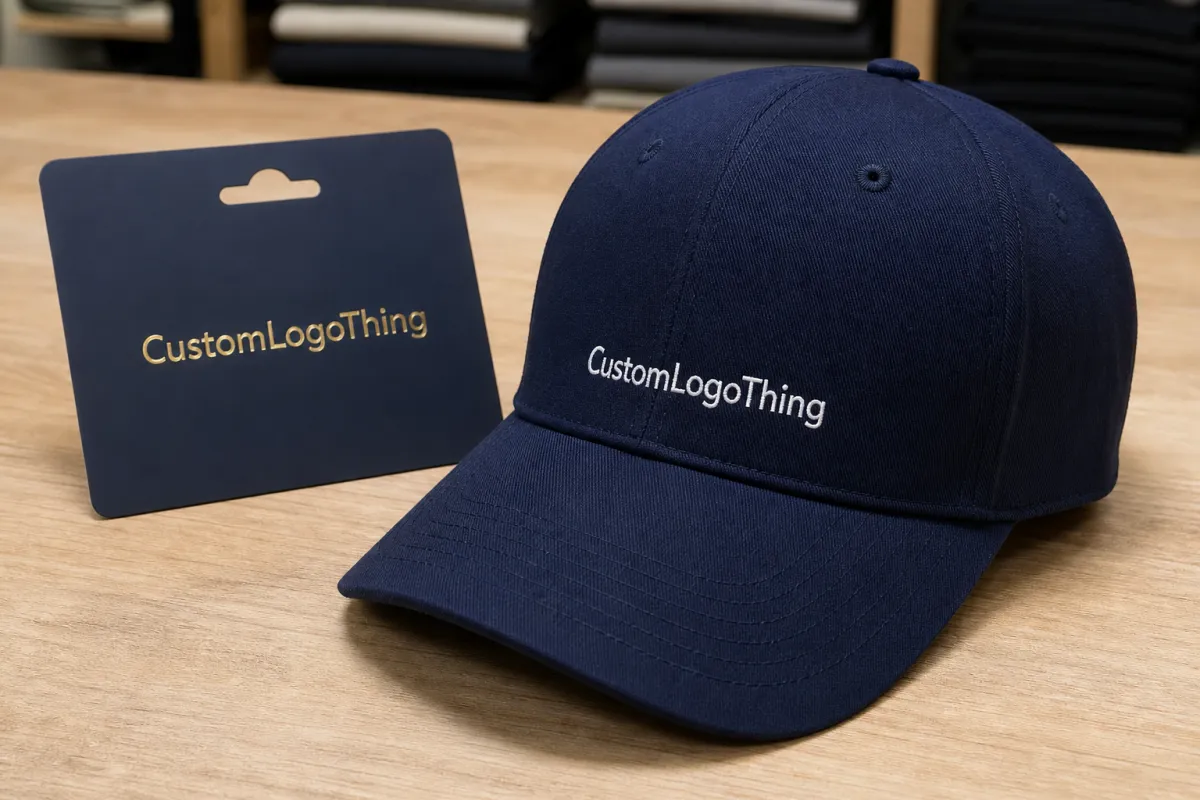
A good launch cap does more than carry a logo. It turns a checkout into something tangible that customers can wear, photograph, or keep visible on a desk. That matters because the product keeps working after the order is placed.
For baseball caps for ecommerce launches, the most common uses are straightforward. A preorder gift can help conversion before inventory lands. Influencer kits feel more complete. Bundles can lift average order value without adding much complexity. First-drop merch can create urgency. VIP gifts can support retention after launch.
Caps also solve a practical problem that apparel never fully escapes: fit. One-size adjustable headwear is easier to sell broadly, especially when the launch needs to move quickly and there is no time for a lot of sizing questions. That is a major reason smaller ecommerce brands start here.
Launch rule: if the cap does not support conversion, bundle value, or retention, it is probably just a vanity SKU.
The build around the logo matters as much as the logo itself. A simple, well-made cap can look premium. A more complicated cap can look cheap if the structure, fabric, or finish is off. Buy the build that matches the role.
How the buying process works from brief to shelf
The buying process is more linear than many teams expect. It usually starts with a brief, then a quote, then sample approval, production, inspection, and delivery. The catch is that cap specs need to be locked earlier than buyers often realize.
By the time a supplier quotes, they usually need the crown style, panel count, closure type, decoration method, and sometimes packaging details. A five-panel cap with a flat brim and patch decoration is a different build from a six-panel structured cap with embroidery and a woven label. Those choices affect cost, timeline, and how the cap reads in a storefront photo.
There are three common sourcing paths:
- Stock blank sourcing - fastest, lower risk, limited customization, useful for early tests.
- Semi-custom builds - a stock base with brand-specific decoration or trim, good for launch programs that need speed and identity.
- Fully custom construction - the most control over fabric, pattern, and finish, but also the most coordination and patience.
Most ecommerce teams split the work between marketing and operations. Marketing defines the look and the message. Operations checks quantity, timing, freight, and buffer stock. The supplier fills in material options, decoration methods, and lead-time reality. If those handoffs are sloppy, the quote looks fine until freight, sampling, or rework shows up.
Pricing, MOQ, and unit cost: what actually drives the quote
Cap pricing is driven by details that seem small on paper: fabric choice, panel count, embroidery stitch volume, patch complexity, woven labels, sweatband quality, and packaging inserts. Even the difference between a standard plastic snapback and a metal buckle closure changes the cost structure.
MOQ matters just as much. Low-volume launch orders almost always carry a higher unit cost because setup work is spread over fewer pieces. A buyer comparing a 300-piece test run with a 3,000-piece production run is not comparing like for like, even if the mockup looks identical.
| Option | Typical build | Indicative unit cost | Best for |
|---|---|---|---|
| Blank cap with small logo hit | Stock cap, one-color embroidery | $3.50-$6.00 | Fast launch tests, low-risk bundles |
| Decorated blank | Stock cap, patch or heavier embroidery | $5.50-$9.50 | Brand merch, influencer kits, preorder gifts |
| Fully custom cap | Custom paneling, trims, labels, finish | $7.50-$14.00+ | Premium drops, retail-ready merchandise |
Those figures are starting points, not promises. For baseball caps for ecommerce launches, landed cost matters more than the factory quote. Freight, duties, sampling, and the cost of fixing a mistake can erase margin quickly. A $1.20 shipping surprise per cap is not a rounding error when the order is 500 pieces.
Compare quotes as landed cost, not just unit cost. Ask whether packaging is included, whether sample charges are credited back, and whether the quote assumes air freight, ocean freight, or something unspecified. If that is missing, the quote is not really comparable.
Packout also changes the math. A cap in a rigid gift box costs more to ship and sometimes more to assemble. A cap in a polybag is lighter, but it may feel less premium. That tradeoff affects fulfillment time, carton density, and the customer’s first impression.
Process, timeline, and lead time: from artwork to arrival
The safest way to schedule a cap launch is to work backward from the ship date and add buffer. For a stock blank with simple decoration, 10-15 business days after proof approval is common. For a more custom run, 3-5 weeks is a more realistic planning window. Longer is not unusual if materials change or approvals drag.
The biggest schedule risks are usually boring: late logo approval, artwork revisions, material substitutions, and sample rework. None of those are unusual. They just become expensive when the launch calendar is already fixed.
A practical timeline for baseball caps for ecommerce launches often looks like this:
- Brief and quote alignment - 1 to 3 days.
- Sample or digital proof - 3 to 7 days.
- Approval and production release - 1 to 2 days.
- Production - 10 to 25 business days depending on build.
- Inspection and freight - 5 to 20 days depending on route.
That is a planning frame, not a guarantee. If the launch date is fixed, order early and leave room for rework. If the caps are going into a printed mailer or gift box, remember that packaging can become the bottleneck even when the caps themselves are finished.
Fit, fabric, and decoration choices that protect margin
Fit is the first thing people notice after the logo. A cap that sits too high, pinches at the front, or collapses at the crown rarely gets worn often, no matter how strong the branding is. The main specs are crown profile, brim shape, closure type, sweatband, and ventilation.
Fabric choice matters too. A brushed cotton twill cap feels different from a polyester-blend cap with a structured front. A heavier build usually reads more premium, but only if the construction is clean. If the stitching wobbles or the brim bends unevenly, the buyer sees the flaw before they see the logo.
Decoration method is the next tradeoff. Embroidery is usually the safest default because it is durable and photographs well. Patches can add texture and a more deliberate retail look. Screen print works for simple graphics, but it tends to feel less premium unless the rest of the cap is already strong. Mixed-decoration builds can work, but they add complexity and cost.
- Embroidery - durable, familiar, strong for small logos and bold marks.
- Patches - useful for texture, contrast, and a more finished retail feel.
- Screen print - lower-cost for simple art, less convincing for premium launches.
- Hybrid builds - helpful when one logo hit is not enough, but watch the budget.
Color matching and trim choices are where caps drift from premium to generic. If the front panel, underbrim, thread color, and label treatment feel coordinated, the cap looks intentional. If not, it looks like a giveaway from a trade show nobody remembers.
Quality control should focus on stitch tension, logo placement, crown symmetry, brim curve, closure function, and shade consistency across the run. Ask for daylight photos, not just factory lighting. Check one sample on a head, not just on a table. If you are using inserts or hangtags, confirm those pieces do not wrinkle, bend, or arrive misaligned.
Common mistakes that turn a simple cap run into dead stock
The first mistake is too many colorways before demand is proven. A launch should usually start with one hero style. Maybe two, if the audience is clearly split. More than that and the inventory starts to behave like a guess instead of a plan.
The second mistake is approving only from digital mockups. Screen images hide texture, stitch density, crown stiffness, and the way a logo sits on the front panel. A patch that looks crisp on a render can feel bulky in hand. A thin embroidery line can disappear once the cap is worn and curved.
Decoration quality is another trap. Cheap embroidery can pucker. A poor patch edge can fray. Print can crack if the fabric flexes too much. Buyers often discover this after the order has shipped, which is the most expensive time to learn anything.
Teams also underestimate hidden costs around packaging and replenishment timing. A cap sold in a presentation box has a different landed cost than one sent in a polybag. Reorders matter too. If you miss the second wave of demand, you can lose momentum right when the product proves itself. That is especially true for baseball caps for ecommerce launches, because launch windows move faster than traditional retail cycles.
Another mistake is chasing the cheapest quote without comparing spec for spec. A lower number may mean thinner fabric, fewer stitches, weaker closures, or weaker quality control. A price gap is only useful if the builds are actually comparable.
Practical warning: the cheapest quote is often the most expensive order once freight, defects, and missed timing are counted.
Expert sourcing tips for better packaging and better margins
Ask for apples-to-apples quotes. That means the same cap style, the same decoration method, the same packaging, and the same freight assumption. Without that discipline, one supplier looks cheaper simply because they left out a detail that another supplier included.
Use one hero cap for the first launch. Test alternate colors or trims later, after you know what people buy. That approach protects cash and keeps the story clean. It also makes inventory easier to manage if the cap is bundled with another item or used as a VIP gift.
A cap can do more than sit in a box. It can anchor a bundle, raise conversion as a bonus item, or signal that a customer has crossed into a higher tier. If the offer is structured well, baseball caps for ecommerce launches support margin instead of eating it.
Ask for production photos, pre-shipment checks, and a backup plan for damaged units. A simple inspection list can catch crooked embroidery, mismatched color, or weak closure hardware before the order leaves the factory. If the supplier resists that visibility, that tells you plenty.
Packaging discipline matters here too. Industry groups such as ISTA focus on distribution testing for a reason: the box is only half the story. The product still has to survive the trip.
Next steps before you request samples or quotes
Start with a one-page brief. Include target quantity, budget, artwork files, decoration preference, launch date, packaging type, and whether the cap is a gift, bundle item, or standalone merch SKU. That single sheet does more to stabilize pricing than a long email thread ever will.
Gather two or three comparable references. Not inspirational images from five different styles. Real references that show the build you want. Suppliers quote faster and more accurately when they can see the same panel count, closure, and decoration logic you have in mind.
Ask for a physical sample or at least sample photos before full production, especially on the first run. If the cap is going into a campaign box, test the fit inside the packout before you approve the final quantity. A cap that looks great on a desk can still bulge the carton or shift the unboxing layout.
Set a reorder trigger now. If you wait until stock is almost gone, you will be paying rush freight or watching demand cool while new units are in transit. For baseball caps for ecommerce launches, the better buying decision is usually the one that keeps the next move flexible after the first wave proves the concept.
Smart sourcing is not about buying the fanciest cap. It is about buying the right one with enough control over Cost, Lead Time, and presentation that the launch has room to work.
How many baseball caps should I order for an ecommerce launch?
Start with the smallest quantity that still gives you a meaningful test, then align the order with expected bundle demand and reorder speed. If the cap is a hero item, use preorder data, email list size, or influencer commitments to estimate a safer starting point.
What decoration method works best for baseball caps in ecommerce launches?
Embroidery is usually the safest choice when you want a durable, premium look that photographs well and ships well. Patches can add texture and stronger branding, while print works best when the design is simple and the budget is tight.
How long does it take to produce baseball caps for an ecommerce launch?
Stock blank caps move faster because the base product already exists and only decoration needs to be added. Custom construction usually takes longer because material sourcing, sampling, approvals, and production all add time.
Are baseball caps worth it for a smaller ecommerce brand?
Yes, if the cap supports a clear launch goal such as a bundle, a loyalty gift, or a high-margin merch item. Caps can be easier to sell than apparel because fit is less complicated and perceived value can be strong relative to cost.
What should I ask for in a baseball cap quote for ecommerce launches?
Ask for pricing by decoration method, MOQ, sample cost, freight estimate, and expected lead time. Request details on fabric, closure, panel count, decoration placement, and packaging so quotes are truly comparable.


