baseball caps with 3d embroidery cost: get an exact quote
If you are trying to pin down baseball caps with 3d embroidery cost, the first surprise is usually not the cap itself. The blank is often the smallest slice of the bill. Setup charges, digitizing, stitch count, and logo shape can move the number faster than fabric choice ever does. Two quotes can look almost identical at a glance and still land miles apart once the real work shows up.
I have seen buyers get burned by a low estimate that quietly left out sampling, freight, packing, or an extra placement. The deal only looks cheap until the missing pieces appear. A clean quote for baseball caps with 3d embroidery cost should separate the cap blank, artwork prep, embroidery labor, finishing, packing, and shipping. If a supplier cannot show those lines, you are being asked to guess, and that is never a great way to buy.
baseball caps with 3d embroidery cost is not a single price in any useful sense. It is a stack of decisions. A merch drop for 50 caps, a uniform run for 300 pieces, and a retail order for 2,000 caps do not price the same way because the fixed work gets spread differently. Same logo. Different math. That is the part many buyers miss until they see the invoice.
Here is the buying problem in plain terms: you are not just buying a cap. You are buying a blank, a decoration method, a production slot, and a finish that has to hold up after trimming and packing. Simple logos are easier. Tiny curved art with thin strokes is not. When the design gets fussy, baseball caps with 3d embroidery cost rises because the factory has to slow down and fight the artwork.
The better question is not "What is the cheapest price?" It is "What is the landed cost, what is included, and how much risk am I taking on?" That is the difference between buying a cap and buying a headache. A cheaper quote can absolutely end up more expensive once the missing pieces surface.
A useful cost stack looks like this:
- Blank cap - the base style, material, and construction.
- Artwork prep - digitizing, cleanup, and stitch file creation.
- Setup charges - machine preparation, hooping time, and placement adjustments.
- Embroidery labor - the actual sewing, including puff foam work.
- Finishing - trimming, steaming, inspection, and packing.
- Shipping - freight, duties, and local handling.
baseball caps with 3d embroidery cost becomes much easier to control once those parts are visible. Hide the parts, and the quote turns into a guessing game. Show the parts, and you can make real tradeoffs instead of hoping the number behaves itself.
That is the mindset I recommend for merch buyers, team buyers, retail brands, and anyone ordering promotional caps. Once you know where the money goes, baseball caps with 3d embroidery cost stops looking mysterious and starts looking manageable.
baseball caps with 3d embroidery cost: what the first quote hides
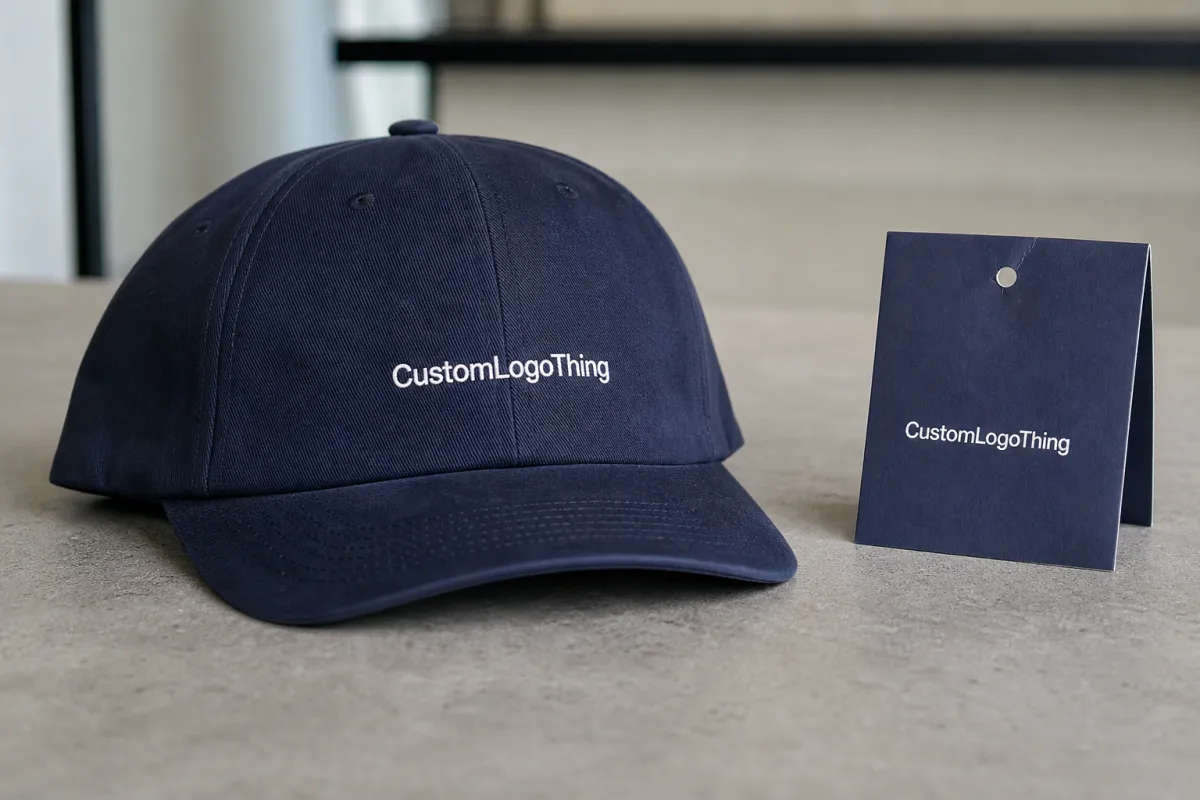
The first quote usually hides the same few things. It shows a nice-looking per-piece number, then tucks the real expense into setup, digitizing, or freight. That is why baseball caps with 3d embroidery cost can look low on paper and still come in high on the invoice. A buyer who only checks unit price is shopping with one eye closed.
Blank cap cost is only one piece of the puzzle. For a standard structured six-panel cap, a decent blank might sit around $1.20-$3.50 in bulk, while premium materials or special closures can push higher. The embroidery side often adds more than the cap itself, especially when the logo uses puff foam, multiple placement zones, or heavy stitch coverage. That is why baseball caps with 3d embroidery cost is mostly about production choices, not just style preference.
The common mistake is comparing quotes that are not built the same way. One supplier includes digitizing. Another bills it separately. One includes a sample. Another charges for it. One quotes freight to a port. Another quotes door delivery. If you do not compare the same components, you are not comparing baseball caps with 3d embroidery cost; you are comparing the packaging of the quote itself.
There is also a difference between a one-time fee and a repeat-run fee. Digitizing can run from about $25-$75 for a straightforward logo, and more if the artwork needs cleanup or multiple sizes. Some suppliers call that a tooling fee, although in embroidery the more common language is setup charges or digitizing fees. Either way, it is real money. Spread that over 500 caps and it barely moves the unit cost. Spread it over 50 caps and it suddenly matters a lot.
Here is the buying reality:
- Merch drops need speed and low risk.
- Team uniforms need consistency and fit.
- Retail collections need a better finish and repeatable quality.
- Promotional runs need a clean logo at a fair landed cost.
Those use cases do not pay the same way. A small merch drop often accepts a higher unit cost because the order is limited and time-sensitive. A retail collection usually needs cleaner alignment, stronger packaging, and tighter QC. A team program may care more about fit and reorder consistency than decorative extras. The better you define the use case, the easier it is to control baseball caps with 3d embroidery cost.
Buyers also miss the freight side. A cap order can look reasonable until carton shipping, duties, and local handling charges appear. That is landed cost, not factory cost. If the supplier will not show both, ask for it. Otherwise you are not seeing the full number, and baseball caps with 3d embroidery cost becomes a moving target.
A quote is only useful if it shows what is fixed and what is variable. If not, you are not comparing pricing. You are comparing optimism.
One more thing: the cleanest quotes usually include an assumption note. For example, one front logo, one colorway, structured cap, no side embroidery, standard polybag, and shipment from a known point. That is not seller fluff. It is the only way to keep baseball caps with 3d embroidery cost honest across vendors.
What makes 3D embroidery different on baseball caps
3D embroidery, often called puff embroidery, uses foam under the stitch so the logo sits above the fabric instead of flattening into it. That raised effect gives the cap more presence and a better retail look, but it also adds time and careful handling. The finish looks premium because the process is more demanding. That is one reason baseball caps with 3d embroidery cost usually runs higher than flat embroidery.
The cap structure matters more than most buyers think. A structured front panel with buckram or another stiff support holds puff embroidery cleaner than a soft, unstructured cap. If the panel collapses, the logo loses its shape. The difference may sound minor on a spec sheet, but it shows up immediately in the sample. Better support usually means better lift, and better lift means a cleaner result. That cleaner result is part of baseball caps with 3d embroidery cost.
Front-only designs are the easiest to price and execute. Add a side logo or back text, and labor goes up. Not every extra placement is expensive by itself, but each one adds hooping, machine time, inspection, and more chances for alignment errors. If you are pricing baseball caps with 3d embroidery cost for a batch of 100 units, an extra side placement can move the unit cost more than a slight fabric upgrade would.
Logo shape matters too. Bold letters, simple icons, thick outlines, and large block shapes work best with puff. Tiny lettering, hairline strokes, and fine gradients do not. They either disappear into the foam or get crushed when the machine trims and stitches over the top. A strong 3D logo usually has clear edges and enough width to hold the raised profile. That is not taste. It is physics.
From a production point of view, there are a few practical limits:
- Minimum line thickness - thin elements below about 1.5-2 mm often become unstable.
- Stitch density - too loose and the foam shows, too tight and the puff collapses.
- Design height - tall narrow letters can tip or warp.
- Seam crossing - artwork that crosses a front seam is harder to keep crisp.
That is why the cleanest baseball caps with 3d embroidery cost quotes usually start with artwork review, not price. If the design needs to be redrawn for puff embroidery, the supplier should say so before production begins. Rework after approval is where budgets get chewed up, and nobody wants that kind of surprise.
Some buyers want the raised look but do not want to pay for a complicated build. Fair enough. The usual solution is to simplify the logo, keep the puff to the front only, and avoid tiny extra text on the crown or side. That keeps the cap sharp and keeps baseball caps with 3d embroidery cost from drifting upward for no good reason.
Another detail: 3D embroidery works best on caps that have enough front panel depth. Low-profile shapes can still work, but the design has less room to breathe. A mid-profile or structured silhouette gives the operator a better canvas. Better canvas, cleaner result, less waste. That is the kind of tradeoff that actually moves baseball caps with 3d embroidery cost in a useful direction.
If you want the raised effect to look premium instead of lumpy, do not overpack the artwork. Puff embroidery is strongest when the logo is bold and readable from a distance. That is the whole point. If the design tries to do too much, the cap starts paying for ambition that the needle cannot support.
baseball caps with 3d embroidery cost: pricing, MOQ, and unit cost
Let us talk numbers instead of fantasy pricing. For a typical structured cap with one front 3D logo, baseball caps with 3d embroidery cost often lands in these rough bands before final freight and duties: 50 pieces at about $6.50-$12.00 each, 100 pieces at about $5.00-$9.50 each, 300 pieces at about $3.90-$7.00 each, and 500 pieces at about $3.40-$6.20 each. Those numbers move with material, logo size, and finish, but they are close enough to show the shape of the deal.
Why does the price fall as quantity rises? Fixed work. Digitizing, setup charges, and sampling do not shrink much just because the order is small. Once you spread them over more caps, the unit cost drops. That is the classic MOQ effect, and it is the reason baseball caps with 3d embroidery cost looks harsh at 50 pieces but starts to behave at 300 or 500.
Some suppliers use the term tooling fees even though embroidery does not need a mold like a hard-good product. In practice, the money behind the phrase is still the same: file prep, machine setup, and production prep. If the quote is vague, ask whether digitizing, setup charges, sample costs, and any revised artwork are included. Those are the lines that most often change baseball caps with 3d embroidery cost.
Here is a simple comparison buyers can use as a starting point. These are typical ranges for one front 3D logo, standard closure, and normal bulk packing:
| Order size | Typical setup impact | Estimated unit cost | What usually changes |
|---|---|---|---|
| 50 units | High per-piece share of digitizing and setup charges | $6.50-$12.00 | MOQ pressure, sample cost, and freight hit hard |
| 100 units | Still setup-heavy, but better than 50 | $5.00-$9.50 | Some savings from spreading fixed costs |
| 300 units | Healthy amortization of setup work | $3.90-$7.00 | Better bulk pricing and steadier production efficiency |
| 500 units | Lowest share of setup per cap in this range | $3.40-$6.20 | More room to negotiate finish and packing |
That table is not a promise. It is a reference frame. A premium cap blank, multi-color art, and extra placements can raise the number. A simpler build can pull it down. The important part is that baseball caps with 3d embroidery cost is not random. It follows the shape of the order.
MOQ is one of the biggest levers. A lower MOQ can be useful for market tests, staff launches, and small retail drops, but the per-piece price will almost always be higher. A higher MOQ usually unlocks better bulk pricing, especially when the cap style stays consistent and the artwork does not need constant revisions. If you are working with a tight budget, compare MOQ tiers before you start chopping at the design. Often, a change in quantity beats a change in artwork when you want to lower baseball caps with 3d embroidery cost.
Another place buyers underestimate spend is the sample. A physical sample may cost $25-$80 depending on the supplier, logo complexity, and whether the cap blank already exists. If a sample needs revisions, that adds time and sometimes money. Again, this is why the first quote for baseball caps with 3d embroidery cost should show sample terms clearly.
Here is how I usually frame the buying decision: if the order is below 100 pieces, focus on simplicity. If the order sits around 100-300 pieces, look hard at the setup structure and freight. If the order goes above 300 pieces, negotiate the repeat-run economics and ask for better bulk pricing on the cap blank and packing. That is how you control baseball caps with 3d embroidery cost without guessing.
And yes, landed cost matters more than factory cost. A quote that is $0.40 cheaper per cap can disappear the moment air freight, duties, and carton handling show up. This is why a clean comparison needs the cap price, the embroidery price, shipping terms, and any local fees in the same sheet. Without that, baseball caps with 3d embroidery cost is just a headline number.
Specifications that change the final bill on 3D embroidered caps
Small spec changes can move the bill more than people expect. Panel count, crown height, visor shape, closure type, and sweatband style all affect production time and fit. A standard six-panel structured cap is usually easier to price than a custom crown shape with a low-profile fit and unusual trim. Every detail adds a little friction, and friction costs money. That friction is part of baseball caps with 3d embroidery cost.
Material choice matters just as much. Cotton twill is a common middle ground because it looks good, holds shape, and accepts embroidery well. Brushed cotton usually feels softer and can look more premium. Polyester often works better for sport or performance use, but it can change the handfeel and finish. Trucker mesh lowers fabric weight and can help with comfort, but it changes the structure and sometimes the price. Each option affects baseball caps with 3d embroidery cost in a different way.
Logo placement is another cost lever. A single front placement is the easiest route. Side embroidery adds hooping and alignment time. Back text adds another position to inspect and finish. If the logo wraps across the front panel or sits close to a seam, the machine work gets slower and more precise. More precision means more labor, and more labor means higher baseball caps with 3d embroidery cost.
Thread color count also matters. A simple one- or two-color logo is easier to produce than a design with many color changes. Every color change interrupts the machine, and every interruption adds time. Add puff foam to the mix and the margins get tighter. The design may still be worth it, but the quote should reflect the extra work. Otherwise you are hiding a real driver of baseball caps with 3d embroidery cost.
These are the specs I ask buyers to confirm before they Request a Quote:
- Cap style - six-panel, five-panel, structured, or unstructured.
- Closure - snapback, strapback, buckle, Velcro, or fitted.
- Fabric - cotton twill, brushed cotton, polyester, or mesh-backed.
- Logo size - width and height in inches or millimeters.
- Placement - front only, front plus side, or full decoration plan.
- Packaging - polybag, tissue, hangtag, label, carton count.
Packaging sounds minor until it is not. A basic polybag is cheap. A custom hangtag, woven label, or retail insert adds cost and labor. If the caps are going into stores or shipping through multiple hands, packaging quality matters. For paper cartons or inserts, FSC-certified materials are a reasonable option if you want traceable fiber sourcing; see FSC. That decision does not change the embroidery itself, but it does affect the final presentation and the total cost stack behind baseball caps with 3d embroidery cost.
Shipping also deserves a spec sheet line of its own. If caps are going to retail distribution or long transit routes, carton strength and packing method can save you from damage claims. Transit testing standards from the International Safe Transit Association are useful reference points when you care about packaging performance, not just arrival. It is a reminder that baseball caps with 3d embroidery cost includes the trip, not just the stitch.
One more practical detail: custom labels, inside taping, and special closure hardware are not decoration-only decisions. They affect assembly time. If a supplier quotes a low number without asking about those items, expect the price to move once the real spec lands. Honest quoting keeps baseball caps with 3d embroidery cost predictable. Guessing does the opposite.
Production process and turnaround for 3D embroidered baseball caps
The production process starts with artwork review. That sounds basic, but it is the point where most delays begin or end. Clean vector files let the digitizer build the stitch path faster. Muddy JPGs, tiny text, and low-resolution logos create revisions before the first sample is even made. Fast approval speeds everything up, and a delayed approval pushes baseball caps with 3d embroidery cost higher if the factory has to re-slot the job.
After artwork review comes digitizing. That is where the design gets translated into machine-ready stitch instructions. For puff embroidery, the digitizer also decides where the foam sits, how dense the satin stitch should be, and how to keep edges crisp. This is not a place to rush blindly. A better digitized file can save hours of rework later, and it can keep baseball caps with 3d embroidery cost from climbing due to rejections or sample changes.
Then comes the sample or digital proof stage. Some buyers need a full physical sample. Others can approve a mockup first and only request a sample if the order is large enough. A sample usually takes about 5-10 business days if the cap style is standard and the artwork is clean. If the design is complicated or the materials are custom, it can take longer. More revisions mean a slower path and a higher effective baseball caps with 3d embroidery cost.
Once the sample is approved, bulk production usually moves into embroidery, trimming, inspection, and packing. For a straightforward order, bulk turnaround is often 10-20 business days after approval, not counting shipping. Rush work can compress that window, but it typically raises the price and limits what materials or finishing options are available. There is no magic trick here. Faster usually means more expensive, and that affects baseball caps with 3d embroidery cost.
The usual production sequence looks like this:
- Artwork submitted and checked.
- Digitizing completed.
- Proof or sample approved.
- Bulk embroidery scheduled.
- Trimming and quality control finished.
- Packing, carton labeling, and shipment booked.
Most delays come from a small number of causes: unclear artwork, late approval, color mismatch, missing logo dimensions, and surprise revision requests after the sample is already underway. None of these is rare. All of them are avoidable. A buyer who gives the factory a complete spec sheet usually gets a better result and a more stable baseball caps with 3d embroidery cost.
Quality control should not be an afterthought. The logo needs to be centered, the puff height needs to stay consistent, the thread tension needs to stay even, and the cap crown needs to hold shape through finishing. If the batch is going into retail, the inspection standard should be stricter than it would be for a giveaway run. That does not mean the quote must explode. It means the supplier should plan the work correctly so baseball caps with 3d embroidery cost stays where it belongs.
Shipping planning matters too. A cap order can be finished perfectly and still arrive late if the freight method is wrong. For higher-value runs, I like to see carton specs, pack counts, and transit assumptions written down. If the job requires retail-ready packaging, the supplier should tell you whether the cartons are designed for distribution or just for basic protection. That kind of detail keeps baseball caps with 3d embroidery cost connected to the real delivery date.
Why buyers choose us for baseball caps with 3d embroidery cost control
Most buyers do not need hype. They need the quote to make sense. That is why a transparent breakdown matters so much. At Custom Logo Things, the useful quote is the one that separates the cap blank, digitizing, embroidery, and any extras instead of hiding everything under one vague total. When baseball caps with 3d embroidery cost is broken out clearly, it becomes much easier to compare suppliers and catch avoidable markups.
Practical support saves money before production starts. A good review of the artwork can trim unnecessary detail, simplify color changes, and remove weak points that would cause sample revisions. That does not mean stripping the design into something boring. It means making the logo work for the cap instead of fighting the cap. In real orders, that kind of pre-production cleanup often saves more than haggling over a few cents of baseball caps with 3d embroidery cost.
Quality control is where cheap orders often fall apart. The puff height can shift if the foam is wrong. The stitch density can flatten the logo if the digitizing is off. The front panel can warp if the structure is too soft. We watch those points because buyers usually notice them long before they care about a theoretical savings of a few cents. The cap has to look right in hand. That is the point. That is the reason baseball caps with 3d embroidery cost should be linked to actual finish quality.
Flexible MOQ support is another reason people stay with a supplier that knows what it is doing. Some brands need small test runs first. Others need steady reorders with the same art and the same color match. The best setup is one that can handle both without forcing a redesign every time. Repeat-run consistency matters more than a flashy quote because it protects brand presentation and keeps baseball caps with 3d embroidery cost stable across future orders.
Here is the kind of order support that usually makes a real difference:
- Clear pricing splits so cap cost and decoration cost are visible.
- Artwork cleanup so the design fits puff embroidery properly.
- Sample guidance so the buyer knows what to approve.
- Repeat-run consistency so reorders match the first batch.
- Packaging options so the order can ship or retail without surprises.
That support sounds basic because it should be basic. Too many quotes still depend on the buyer not asking the right questions. We prefer the opposite. A buyer should know exactly what affects baseball caps with 3d embroidery cost before approving production. No mystery. No late-stage fee surprise. No pretending that setup charges were not part of the deal.
There is also a very simple commercial truth: the cheapest-looking order is not always the cheapest order. If the sample fails, if the art has to be redone, or if the shipment needs expensive rescheduling, the "cheap" quote gets ugly fast. A careful production plan usually beats a bargain quote that breaks under pressure. That is how we think about baseball caps with 3d embroidery cost from the start.
Buyers who order Caps for Retail, staff, or promotions usually care about three things: presentation, timing, and total spend. A supplier who can speak plainly about each one tends to be the better bet. That is especially true with puff embroidery, where the design can look sharp or sloppy depending on one or two small production choices. If you want baseball caps with 3d embroidery cost under control, clarity usually beats cheerleading.
How to request a quote and compare baseball caps with 3d embroidery cost
If you want accurate pricing, send complete information the first time. Vague requests create vague quotes, and vague quotes are useless. The cleanest way to compare baseball caps with 3d embroidery cost is to give every supplier the same inputs and ask for the same outputs. That means artwork, quantity, cap style, and delivery target all in one package.
Start with the artwork. Vector files are best. If you only have a JPG or PNG, send the highest-resolution version you have and ask whether it needs cleanup. Include the desired logo width and height, the placement, and whether the artwork has to be raised in full puff or mixed with flat embroidery. That one detail can change baseball caps with 3d embroidery cost more than the cap color does.
Then define the quantity clearly. Do not just say "small run" or "bulk." Ask for pricing at 50, 100, 300, and 500 pieces if those are realistic order points for you. Tiered pricing shows where the cost drops and where the setup work stops hurting so much. It is one of the simplest ways to understand baseball caps with 3d embroidery cost without wasting time.
Ask for these items in the quote:
- Sample cost and whether it is refundable.
- Digitizing fee or setup charges.
- Unit cost at multiple quantity tiers.
- Production lead time after approval.
- Shipping method and destination terms.
- Packing details such as polybags, labels, or cartons.
Use one spec sheet across every vendor. Same cap style. Same logo size. Same number of colors. Same placement. Same delivery target. If those inputs change from one supplier to the next, the comparison falls apart. A fair quote for baseball caps with 3d embroidery cost only works if the suppliers are quoting the same job.
It also helps to ask how revisions are handled. If the sample comes back and you need a stitch adjustment, is that included? If the placement needs to move 3 mm, does the supplier charge again? Those are not small questions. They decide whether the project stays on budget. Buyers who ask them early tend to keep baseball caps with 3d embroidery cost from drifting.
One practical trick: compare landed cost, not just factory cost. That means shipping, duty, brokerage, and any local receiving charges should be considered before you decide. A quote that looks a little higher on paper can be the better buy if the freight and packing are cleaner. The cheapest line item is not always the cheapest cap. That is especially true with baseball caps with 3d embroidery cost, where setup and shipping can distort the headline number.
For buyers who want speed, keep the approval chain short. One person should own artwork sign-off. One person should own color approval. One person should own the final order quantity. Too many approvals slow everything down and increase the chance of an avoidable change. If the team is small and the spec is clean, baseball caps with 3d embroidery cost usually stays tighter because production can start sooner.
After the quote lands, do three checks before you approve anything: logo size, placement, and what is actually included. If those three are right, the rest is manageable. If one of them is wrong, the project can drift in every direction. That is the point where many buyers wish they had asked one more question about baseball caps with 3d embroidery cost.
Next steps for baseball caps with 3d embroidery cost
The smartest next step is not to chase ten vendors. It is to build a clean spec sheet and get a real number. List the cap style, artwork size, color count, quantity, and delivery date. Add any packaging needs and whether you want front-only or multi-placement decoration. That one page will do more for baseball caps with 3d embroidery cost than a week of guesswork.
Next, request at least two tiered quotes. Ask for 50, 100, 300, and 500 pieces if those are meaningful for your plan. Compare the setup charges, digitizing, sample cost, and landed cost, not just the unit price. If a supplier can only quote one number and refuses to break it down, that is a warning sign. A clean buying decision depends on seeing how baseball caps with 3d embroidery cost changes as quantity increases.
Approve the proof carefully. Check the logo width, the puff effect, thread colors, and exact placement on the front panel. If the logo is even slightly off, the problem will repeat across every piece in the run. That is not a "small issue." It is the expensive part of the order. Most avoidable mistakes in baseball caps with 3d embroidery cost show up at proof stage, not in production.
If the first price feels high, simplify the design before you slash the quantity. Fewer colors, a stronger front panel, and one clean placement usually save more than shaving 20 units off the order. Buyers often try to force a lower price by trimming quantity first. That works, but not as well as removing unproductive complexity. The best savings usually come from cleaner artwork and smarter spec choices. That is how you lower baseball caps with 3d embroidery cost without making the cap look cheap.
For brands that want a sharper retail look, keep the structure solid and the logo bold. For teams, keep fit and reorder consistency front and center. For promotions, keep the order simple and the timeline realistic. Different use cases, different priorities. The pricing should reflect that reality, not fight it.
If you want a quote that actually helps you buy, send the facts and ask for the math. That is the whole game. A supplier who can explain the blank, the decoration, the setup charges, and the shipping in plain language is worth more than a flashy number that falls apart later. That is the cleanest path to a fair baseball caps with 3d embroidery cost.
The most useful takeaway is simple: compare like with like, insist on landed cost, and keep the design bold enough for puff embroidery to do its job. If you do those three things, the quote stops feeling slippery and starts behaving like a decision you can actually trust.
FAQ
What is the usual baseball caps with 3d embroidery cost per piece?
There is no honest single number because order size, cap style, and logo complexity change the math fast. For a standard structured cap with one front puff logo, baseball caps with 3d embroidery cost often sits around $6.50-$12.00 at 50 pieces, then falls as quantity rises. Ask for tiered pricing so you can see the real breakpoints before you commit.
How does MOQ affect baseball caps with 3d embroidery cost?
MOQ matters because setup work is fixed while the cap count changes. A lower MOQ usually raises the per-piece price, and a higher MOQ usually lowers it. If you want better value, compare 50, 100, 300, and 500 unit tiers before changing the artwork. That is the easiest way to see how baseball caps with 3d embroidery cost behaves across the order.
Which cap styles keep 3D embroidery pricing more manageable?
Structured caps with a clean front panel are usually easier to decorate and easier to keep crisp. Simple closures and standard fabrics also help keep the quote in check. If the crown is soft, the panel is tiny, or the shape is unusual, the factory needs more care and more time. That extra work shows up in baseball caps with 3d embroidery cost.
How long does production usually take after approval?
Clean artwork can move through digitizing and proofing quickly, but the sample stage still takes time. A standard sample often needs about 5-10 business days, while bulk production is commonly 10-20 business days after approval, excluding shipping. Faster is possible with rush service, but rush orders usually cost more. That is part of the tradeoff inside baseball caps with 3d embroidery cost.
Can I reduce baseball caps with 3d embroidery cost without making them look cheap?
Yes. Simplify the design, reduce color changes, and keep the decoration to one strong placement. Use a standard cap blank instead of a custom-built version if the budget is tight. The biggest savings usually come from cleaner artwork and better quantity planning, not from stripping quality out of the order. That is the cleanest way to manage baseball caps with 3d embroidery cost without creating a bargain-bin look.


