Two mailers can look nearly identical on a product page and behave very differently once they hit conveyors, sortation belts, and curbside throws. The difference usually sits in the layers nobody sees in the thumbnail. That is why the beauty kit Padded Mailers Material guide matters so much: a compact cosmetic set can arrive sharp and intact in one build, then arrive shifted, scuffed, or dented in another, even when the artwork and outer dimensions match.
For brands ordering through Custom Logo Things, the real decision is never just “paper or plastic.” The outer face has to resist scuffs. The cushioning has to slow movement. The closure has to survive sorting, stacking, and repeated handling. The finished mailer also has to stay inside budget without wasting space in the shipper. Read the beauty kit padded mailers material guide as a packaging specification, not a print menu.
A beauty kit padded mailers material guide also keeps the contents in view. A lip gloss trio behaves one way. A skincare sampler with glass dropper bottles behaves another. Add inserts, sample cards, or a rigid tray, and the handling changes again. The quickest route to damage is choosing the material before the packed kit is defined. Define the product first, then the mailer.
And yes, that order matters more than most teams expect. I have seen buyers approve a beautiful sample only to realize later that the product needed a tighter cavity and a stronger seal. You are not gonna fix that after pallets are wrapped.
Beauty Kit Padded Mailers Material Guide: What Shoppers Miss
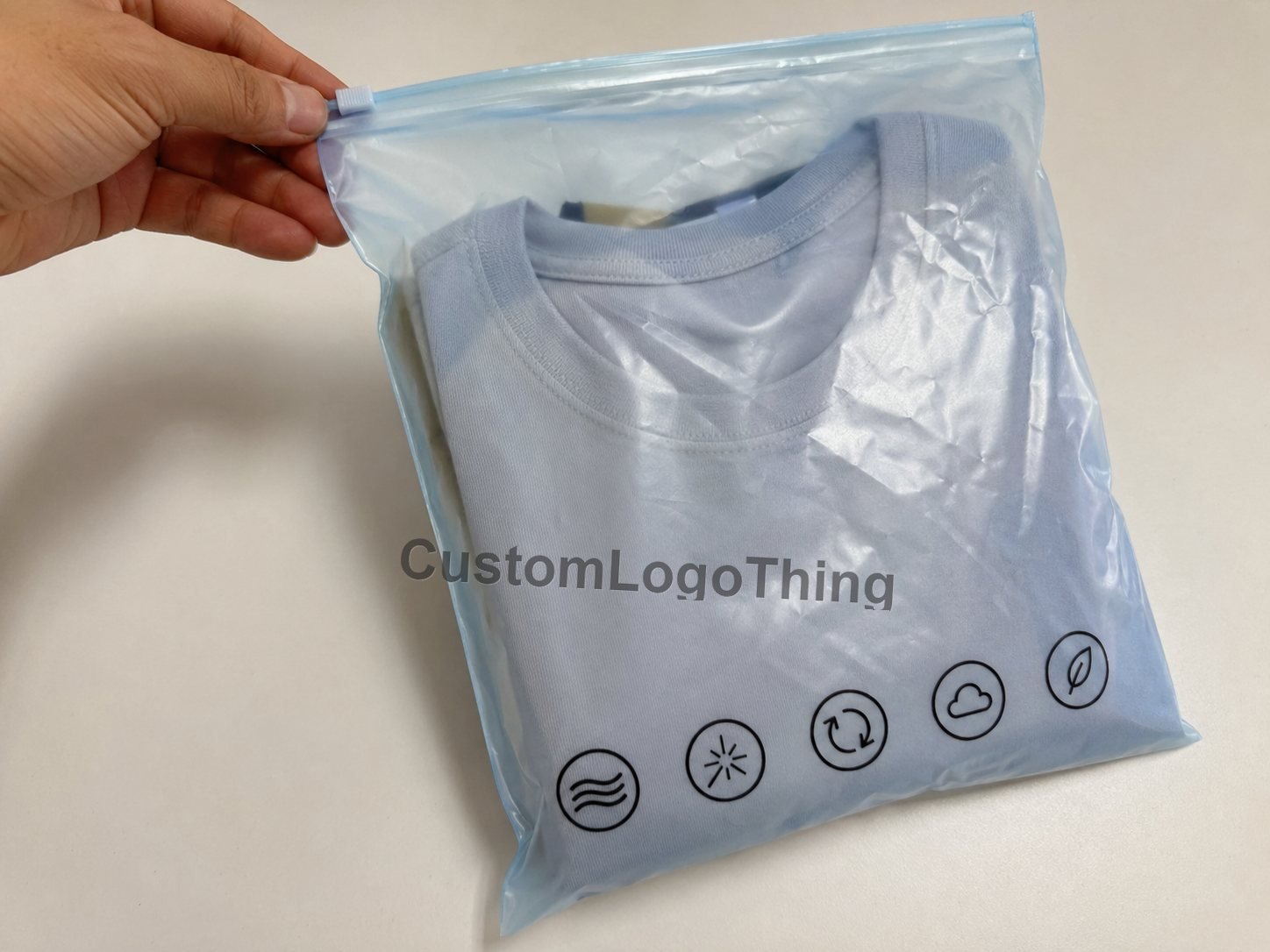
Most shoppers start with artwork because the printed face is the part they notice first. That instinct makes sense. Still, a beauty kit padded mailers material guide starts beneath the ink, where structure does the actual work. A polished envelope with the wrong build can wrinkle at the folds, split at the seal, or let the contents drift hard enough to chip a compact or loosen a cap.
A padded mailer is a lightweight shipping envelope with cushioning built into the wall. It balances protection, presentation, and mailing efficiency for compact beauty sets. That balance can be ideal for cosmetic shipments, since the package moves through fulfillment faster than a rigid box while still offering a buffer against minor knocks and surface abrasion. The beauty kit padded mailers material guide helps buyers see where that balance holds and where it breaks.
One detail gets missed again and again: the material layer shapes the customer experience as much as the shipping experience. The outer film or paper face affects scuff resistance and print clarity. The cushioning layer affects crush resistance and vibration control. The closure affects whether the package feels secure or flimsy in the hand. Even the interior finish can decide whether a boxed serum looks polished or scraped the moment the customer opens the mailer. A serious beauty kit padded mailers material guide treats those as linked choices, not isolated ones.
From a packaging buyer’s point of view, the core question stays simple: how much protection does the kit really need? A flat sachet set has different needs from a premium beauty kit with jars, bottles, foils, and a rigid insert. If the contents are compact and arranged consistently, a mailer can be efficient and clean. If the contents are tall, awkward, or prone to internal movement, a box or hybrid format may be the better answer. The beauty kit padded mailers material guide is most useful when it helps you make that call before 5,000 pieces are already on order.
I keep seeing the same mistake: buyers choose the prettiest option, then discover the product needs a tighter cavity, a stronger seal, or a different face material. The smarter move is to define the kit dimensions, the heaviest item, and the most fragile item first. After that, the beauty kit padded mailers material guide becomes a working tool instead of a guessing game.
How Beauty Kit Padded Mailers Material Guide Choices Protect Products
Protection works in layers. The outer layer takes the abuse from conveyors, cartons, and neighboring parcels. The middle layer absorbs impact and softens vibration. The inner surface keeps jars, cartons, and sample cards from rubbing against a rough face or a brittle adhesive edge. A clear beauty kit padded mailers material guide should walk buyers through that stack from outside to inside, because each layer solves a different transit problem.
Polyethylene-based mailers usually bring flexibility and moisture resistance, which helps if the shipment may face humidity, light rain, or rough handling. Paper-based padded mailers bring a more natural look and fit well with kraft-paper aesthetics, especially for brands that want a softer presentation. Hybrid constructions sit in between: paper faces with polymer or bubble cushioning, or a paper exterior with a protective liner. A good beauty kit padded mailers material guide makes one point plain: no single structure wins every time.
Beauty kits have a very specific risk list. Corner crush can crack a palette edge or deform a small carton. Cap loosening can happen when a bottle shifts over and over during transit. Vibration can rub print off sample tubes or bruise soft-touch coatings. Minor leakage can spread across inserts and leave the unboxing messy. The right beauty kit padded mailers material guide does not settle for vague promises about “protection”; it names the likely failure modes and links them to the material.
For real transit behavior, use recognized package testing methods rather than only eyeballing the sample. ISTA publishes distribution test standards for package performance, which is useful when a launch needs more than a quick bench check: ISTA. A sample that looks polished and has never seen a drop test can still fail in the mail stream. That is why the beauty kit padded mailers material guide should always sit beside physical testing.
“A mailer that looks premium on screen can still fail if the pad density and closure strength are wrong for the fill weight.”
That line holds up because fill weight changes everything. A light sample pack may need only basic cushioning. A kit with glass or metal components can demand a stiffer wall and a more secure seal. The best beauty kit padded mailers material guide pushes buyers to test the real packed kit, not the empty envelope.
If your line needs a less flexible outer format, compare options against Custom Poly Mailers and other protective envelopes. For broader sourcing, Custom Packaging Products gives teams a practical starting point before narrowing the field.
Material Factors That Matter for Beauty Kit Mailers
Three variables do most of the heavy lifting: film thickness, pad density, and seal quality. A beauty kit padded mailers material guide that skips those details misses the real performance levers. Thin film can save weight, yet it may puncture more easily. Dense padding can improve protection, yet it can add thickness and push postage upward. A weak seal can ruin both, since the package can open under stress before the cushioning has a chance to matter.
Size and fill pattern matter just as much. A slim lip gloss sample set needs less structure than a multi-item skincare kit with jars, droppers, and inserts. If the internal arrangement is loose, the mailer needs enough headroom control to stop the contents from sliding end to end. If the pack-out is very tight, the closure can be stressed and the edges can bow. The beauty kit padded mailers material guide should track the exact internal pack-out, not just the outer dimensions.
Moisture resistance is another practical factor. Poly-based builds handle humidity and light exposure well, which helps if the shipment passes through several hands before delivery. Paper-based mailers can still perform well for certain kits, but they depend more heavily on how the cushioning is built and whether the pack-out itself is moisture-sensitive. For sustainability-minded brands, a paper face with recycled materials, post-consumer waste content, or FSC-certified fiber may be the better fit, so long as the performance still works. If you are comparing paper sourcing claims, FSC’s standards resources are a useful reference: FSC. A responsible beauty kit padded mailers material guide keeps performance and sourcing claims in the same frame.
Print compatibility deserves attention too. A matte poly finish can deliver strong color blocks and crisp logos, while a paper face creates a warmer, more tactile impression. Textured surfaces can also alter ink holdout, create minor cracking on heavy coverage, or make fine type less readable. If barcode readability matters for fulfillment, test it early. A beauty kit padded mailers material guide should mention whether the surface works well with labels, variable data, and machine scanning.
Closure type is easy to ignore until something starts peeling open in transit. Peel-and-seal adhesive is common because it is fast and consistent. Tamper-evident options can add confidence for higher-value kits or contents that must stay undisturbed. Some brands want a closure that feels firm enough to reinforce the premium first impression. A thoughtful beauty kit padded mailers material guide explains how that closure choice affects both trust and leakage control.
Dimensional stability is the last piece many buyers miss. If the mailer swells, wrinkles, or twists after filling, it can make the package feel cheap even if the contents arrive intact. Stable dimensions help with labeling, barcode placement, and retail-ready presentation. That stability is part of protection too, because a package that holds shape usually handles movement more predictably. In a real beauty kit padded mailers material guide, appearance and function are never separate conversations.
Cost, Pricing, MOQ, and Unit Cost for Beauty Kit Padded Mailers
Price comes from more than the outer artwork. Material choice, thickness, print coverage, custom sizing, finishing, and order volume all feed into the quote. A strong beauty kit padded mailers material guide should help buyers understand why a simple one-color logo on a stock-size mailer lands very differently from a fully custom printed build with specialty texture, matte lamination, or a heavier cushion layer.
MOQ matters because the factory has to buy material, set up the press, and reserve production time. Lower minimums usually raise unit cost, while larger runs spread setup across more pieces and often lower the price per mailer. That said, more units also mean more inventory on hand, so the lowest unit price is not always the best business decision. A practical beauty kit padded mailers material guide should force buyers to think in landed cost, not just quoted cost.
Here is a realistic planning table for custom runs. The numbers vary by size, print coverage, and material spec, but they give a useful starting range for a beauty kit padded mailers material guide.
| Build Type | Typical MOQ | Approx. Unit Cost | Best For | Notes |
|---|---|---|---|---|
| Stock poly padded mailer with logo print | 2,500-5,000 | $0.18-$0.30 | Simple beauty sample kits | Fastest path if size is standard and print is minimal |
| Custom printed paper padded mailer | 3,000-8,000 | $0.22-$0.38 | Cleaner retail presentation | Often a good fit for kraft paper aesthetics and lighter kits |
| Hybrid padded mailer with higher cushion density | 5,000-10,000 | $0.28-$0.48 | Mixed product kits with some fragile components | Better for glass, metal tins, or rigid inserts |
| Premium custom mailer with specialty finish | 10,000+ | $0.35-$0.65 | Launch kits and premium gifting | More setup and finish cost, but stronger shelf and unboxing impact |
Some costs do not show up until late if nobody asks early enough. Sampling, proofing, plate or prepress charges, freight, and storage can all change the final landed price. If the order ships in multiple deliveries, transportation can become a very visible line item. A serious beauty kit padded mailers material guide asks for those numbers up front so nothing lands as a surprise after approval.
Value deserves a wider lens than unit price alone. A mailer that costs four cents more can still save money if it reduces returns, replacements, and customer service tickets. It can also protect the launch if the unboxing looks clean instead of crushed. For that reason, the smartest beauty kit padded mailers material guide compares the quote against damage risk, presentation, and fulfillment speed at the same time.
Beauty Kit Padded Mailers Timeline: Process, Lead Time, Turnaround
Most custom mailer projects move through the same path: discovery, sizing, artwork prep, proof approval, production, finishing, packing, and shipping. A solid beauty kit padded mailers material guide helps buyers map that process before they promise a launch date. The more custom the build, the more that map matters.
Lead time usually stretches at the proof stage. If artwork is not final, if the logo files are low resolution, or if the dimensions need revision after sampling, the schedule can slide from orderly to messy very quickly. Specialty materials can also take longer to source, especially if the build calls for a particular face stock, a recycled content target, or an FSC-certified substrate. A practical beauty kit padded mailers material guide tells the buyer where the schedule tends to slip.
Buyers can speed things up by preparing the right information early. Here is the short list I recommend:
- Final kit dimensions, including insert and closure allowance.
- Product weight and the heaviest component in the kit.
- Logo files in vector format and approved color references.
- Target material, print coverage, and finish preference.
- MOQ, launch date, and whether freight needs to be split.
That prep work cuts down on back-and-forth and keeps the quote tied to something real. It also makes the beauty kit padded mailers material guide easier to use with a supplier, because the supplier can see the actual pack-out instead of guessing from a marketing brief.
There is a real difference between stock-based orders and fully custom runs. A stock order can move faster because the material, size, and basic structure already exist. A custom run takes longer because the plant has to configure the print and sometimes the converting step as well. If a brand needs a fast launch, the best beauty kit padded mailers material guide will usually point toward the simplest structure that still protects the product correctly.
Plan for freight after production, not just production itself. Domestic shipping can add a few days, while international freight or split deliveries can add more. If warehousing is involved, there is another handoff to manage. That buffer matters because a production order that leaves the plant on time can still miss a retail or influencer launch if the logistics window was too tight. A careful beauty kit padded mailers material guide always includes the full path from proof approval to receiving dock.
Step-by-Step Selection Guide for the Right Mailer
Start with the product, not the packaging. Measure the finished dimensions, weight, and most fragile component before looking at styles. A beauty kit padded mailers material guide only works well if the data behind it is real. A compact kit with rigid inserts can behave very differently from the same outer size with loose sample jars inside.
Build a simple test matrix next. Check fit, closure strength, scuff resistance, and drop behavior using the actual contents the customer will receive. A mailer can pass visual inspection and still fail the first edge drop. That is why a beauty kit padded mailers material guide should push teams toward sample testing, not just spec-sheet reading.
Match the material to the brand promise after that. A premium skincare line may need a cleaner printed finish and a calmer unboxing feel. A mass sample pack may care more about cost efficiency and fast sealing. Neither choice is automatically better. The right answer is the one that matches both the product and the customer expectation, which is exactly what a good beauty kit padded mailers material guide is supposed to clarify.
Size selection deserves a little headroom, but not too much. If the mailer is too tight, the seal takes too much stress and the sides can bulge. If it is too large, the kit can shift during transit and abrade the print or corners. The sweet spot is usually just enough room for the pack-out plus a modest safety margin. That detail may sound small, yet it is one of the most common reasons a beauty kit padded mailers material guide succeeds or fails.
Check how the finished mailer will move through fulfillment before the order is approved. Verify address label placement, barcode visibility, and whether the package stays flat enough for machine handling. If the line uses an automated sorter or a label applicator, that has to be known in advance. A complete beauty kit padded mailers material guide does not stop at material choice; it ends when the package actually works in the warehouse.
- Measure the packed kit, not the empty components.
- Choose the structure that fits the heaviest and most fragile item.
- Order samples and test them with real inserts and closures.
- Check print, barcode, and seal behavior before full production.
Common Mistakes When Choosing Beauty Kit Mailers
The biggest mistake is picking a mailer by appearance alone. A glossy finish or a soft-touch face can look premium, but surface quality does not tell you enough about cushioning or puncture resistance. A strong beauty kit padded mailers material guide keeps the buyer focused on the build under the print, because that is what protects the product.
Oversizing and undersizing come next. Oversizing wastes material and can make the pack-out look loose. Undersizing can distort the seal and compress the contents too aggressively. Either one can lead to returns or poor customer feedback. A reliable beauty kit padded mailers material guide should always include size allowance, not just aesthetic preferences.
Many buyers also forget to test for leaks, sharp closures, or loose caps. That issue appears often with oils, liquid skincare, and glass droppers. The mailer might be fine on paper, but if the product leaks, the whole shipment becomes a problem. The better beauty kit padded mailers material guide assumes that some mess is possible and checks how the packaging handles it.
Print limitations can create another headache. Heavy ink coverage on a textured surface can look muddy. Fine logos can blur on a rougher kraft paper face. Barcode scans can fail if the print area is too busy. A good beauty kit padded mailers material guide asks the supplier what the print process can handle before the first proof is approved.
Price is the last trap, and it is a common one. The cheapest quote can become expensive if it leads to breakage, replacements, or customer service calls. Sometimes the better buy is a slightly higher unit cost with fewer headaches in the field. That is the tradeoff a practical beauty kit padded mailers material guide should make visible.
Sustainability can create its own trap. Some brands ask for biodegradable packaging without checking how the material is actually certified or how it performs in the real world. Others want recycled materials but do not confirm whether the paper face, liner, and adhesive all match the claim. Those details matter. If sustainability is part of the brief, the beauty kit padded mailers material guide needs to state exactly what is being claimed and what is only implied.
Expert Tips and Next Steps for Buyers
Order a physical sample before production. That sounds basic, yet it saves a lot of pain. You want to feel the closure, check the print, verify the fit, and see how the surface behaves under handling. A beauty kit padded mailers material guide becomes far more useful once you can compare the sample against the actual products, not just a spec sheet.
I also recommend testing at least three scenarios: a single-kit drop test, a filled-mailer seal test, and a short transit simulation with the real contents. That gives you a better read on scuffing, shifting, and closure fatigue. If the kit includes a carton or insert, include it in the test. The best beauty kit padded mailers material guide is practical enough to follow through on those checks.
Before asking for quotes, put the project into one page. List the dimensions, material target, print needs, MOQ, finish, and expected launch date. That makes supplier comparison much easier and keeps everyone aligned on the same spec. If you need a broader starting point, Custom Packaging Products can help you compare mailers, cartons, and inserts side by side before you lock in the final structure. A buyer who uses a concise beauty kit padded mailers material guide usually gets cleaner quotes and fewer revisions.
Compare suppliers on more than price. Response speed, proof quality, and consistency often tell you more about the final experience than the first number on the quote. Packaging delays usually start with unclear communication, not with the press itself. When a supplier understands the brief well, the beauty kit padded mailers material guide turns into a simple path from sample to production.
If your package needs a moisture-resistant face, compare a custom poly route against the options in Custom Poly Mailers. If your sustainability goal leans toward paper, ask how kraft paper, recycled materials, post-consumer waste content, and FSC-certified fiber affect both performance and cost. That conversation is more useful than asking for “eco-friendly” in the abstract, because the beauty kit padded mailers material guide works best when it is tied to a real structure and a real claim.
Keep the launch timeline honest. Beauty packaging often looks simple from the outside, but a custom build still needs proofing, testing, and freight time. Leave enough room to revise if the first sample shows a fit issue. The fastest projects are the ones that never need rescue. A grounded beauty kit padded mailers material guide helps buyers plan that buffer before the clock starts.
Packaging trade resources can also sharpen the sustainability conversation. The Institute of Packaging Professionals and similar industry groups publish useful educational material on packaging performance and responsible material selection, and those references are worth reviewing alongside your own testing. No brochure replaces a real packed sample, but outside references can make your beauty kit padded mailers material guide sharper and easier to defend internally.
Use the beauty kit padded mailers material guide as an action plan: sample the build, test the actual contents, approve the print and closure, then order with enough time to protect the launch. That sequence keeps the packaging decision grounded in real handling, real cost, and real customer experience.
What material is best for beauty kit padded mailers when shipping cosmetics?
Choose the material based on product weight, fragility, and whether the kit includes liquids, glass, or rigid inserts. Poly-based builds usually perform well when moisture resistance and flexibility matter, while paper-based options suit lighter kits and a more natural presentation. Always test the actual packed kit before placing a full order, because the best answer in a beauty kit padded mailers material guide is the one that matches your real pack-out.
How do I compare beauty kit padded mailers material guide options by cost?
Compare the full landed price, not just the unit quote, because setup, sampling, freight, and finishing can change the real cost. Ask how MOQ affects the price break so you can see whether a larger order truly lowers unit cost enough to justify the inventory. Use damage reduction as part of the value equation, since a slightly more expensive mailer can save money by reducing returns and replacements in a beauty kit padded mailers material guide review.
How long does custom beauty kit padded mailers production usually take?
Timing depends on artwork readiness, proof approval speed, material availability, and whether the design is stock-based or fully custom. Sampling and revisions often add time, so the fastest projects are the ones with final dimensions, logo files, and print specs ready up front. If the order needs freight or split deliveries, plan extra buffer beyond production completion, especially if your beauty kit padded mailers material guide includes specialty finishes or paper sourcing requirements.
What should I test before approving beauty kit padded mailers?
Test the mailer with the actual products inside, including inserts, cartons, sample cards, and any seals or closures used in final packing. Check for scuffing, shifting, corner impact, and any leakage or cap loosening after a short drop or vibration test. Review print quality, barcode readability, and whether the mailer still looks premium after handling, because that is the real check a beauty kit padded mailers material guide is supposed to support.
Can beauty kit padded mailers be customized without raising unit cost too much?
Yes, if you keep the print simple, use efficient sizes, and choose materials that work well at your target volume. More complex finishes, heavier coverage, and specialty textures usually increase the cost, so prioritize the elements that matter most to customers. Request a few quote options so you can compare the cost impact of print level, material thickness, and order quantity side by side within your beauty kit padded mailers material guide.


