Beauty Paper Bags Quote Checklist Guide for Smart Buyers
Beauty Paper Bags Quote Checklist: What Buyers Miss First
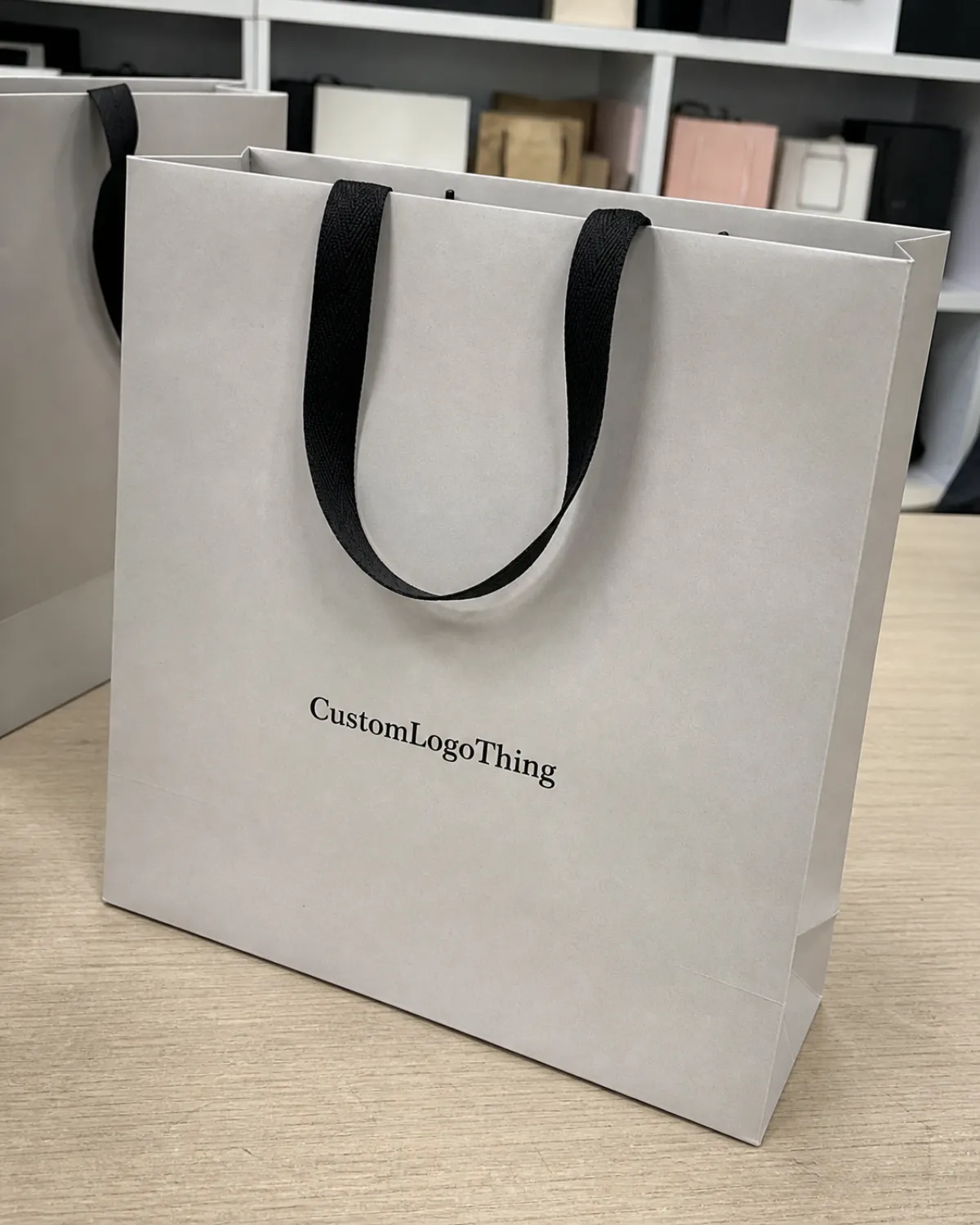
A skincare brand asks for a Paper Bag Quote with only width, height, and a logo file. Three suppliers reply with three very different prices. The problem is rarely mystery pricing; it is usually missing information. A beauty paper bags quote checklist gives every supplier the same dimensions, materials, artwork notes, delivery assumptions, and strength requirements, so the quote is built around the same bag instead of three different guesses.
Beauty packaging has less room for error than a basic retail carry bag. A small lip balm order may need nothing more than a clean kraft bag with twisted handles. A bag holding two glass serum bottles, a candle, tissue, and a boxed moisturizer needs better paper, stronger handle attachment, and often a reinforced base. Customers notice flimsy handles. Retail staff notice weak bottoms. Finance teams notice freight charges after the foil logo has already been approved.
The goal is quote accuracy, not packaging theater. A clear checklist lets Custom Logo Things price the same build each time: same paper grade, same finish, same handle, same insert needs, same delivery terms. That shortens the pricing cycle and reduces the padded estimates suppliers add when too many details are left open.
Before requesting pricing, collect the essentials: bag size, paper type, paper weight, quantity, logo artwork, color requirements, finish, handle style, packing preference, destination, and deadline. Add the filled product weight if the bag will carry glass jars, candles, fragrance, boxed skincare, spa kits, or dense multi-piece sets. A supplier can only validate strength against the load you give them.
Buying rule: a vague request gets a safe quote. Safe quotes are usually higher, slower, and full of assumptions. A complete brief gets useful pricing.
Send the checklist with your first email if you want a useful answer quickly. With the core details in place, a supplier can recommend practical swaps, such as moving from custom-dyed rope to a stock cotton rope, reducing foil coverage, or using 210 gsm paper with a bottom board instead of jumping straight to a heavier and bulkier build.
Product Details That Change the Bag, Not Just the Look
Paper bags look simple until the specification starts. Beauty brands may be comparing boutique shopping bags, kraft product bags, laminated eurototes, rope-handle gift bags, ribbon-handle retail bags, or reinforced bottom bags. Each format carries a different mix of strength, shelf presence, print quality, hand feel, and cost.
Small boutique shopping bags work for lip gloss, sample sets, facial tools, sheet masks, and light boxed items. Brown kraft suits natural, refill, apothecary, handmade, and low-waste positioning. White kraft gives clean beauty and clinical skincare brands a sharper surface without moving into a full luxury build. Laminated art paper handles saturated print better and looks more polished on retail counters. Rope-handle and ribbon-handle bags cost more, but they also shift the bag from a simple checkout carrier toward gift packaging.
Use-case matching is the part buyers most often rush. A compact 150 gsm kraft bag may be fine for masks and trial-size products. Candles, glass serum bottles, boxed skincare routines, and spa bundles usually belong in 180-250 gsm stock, often with a bottom board or reinforced fold. If the bag must stand upright on a counter while staff pack the order, gusset depth and base stability deserve attention before anyone argues over whether the logo should be 2.5 or 3 inches wide.
Structure details are not glamorous, but they decide whether the finished bag behaves properly. Side gusset depth controls usable capacity. The bottom fold affects stability. A cardboard insert spreads weight across the base instead of concentrating it along one fold line. A handle patch helps prevent tearing near the top edge. The top fold needs enough depth to anchor handles into stronger material rather than a decorative lip.
Handle Options With Real Tradeoffs
- Twisted paper handles: practical for standard retail orders, easier to position in recyclable packaging programs, usually lower cost, and reliable for moderate loads.
- Cotton or PP rope handles: stronger hand feel and better presentation, commonly used on premium beauty gift bags and retail launch packaging.
- Ribbon handles: strong gift cue for holiday sets, spa bundles, and event packaging, though less practical for rough daily handling.
- Die-cut handles: clean and minimal, but best for lighter products because the paper itself carries the stress.
Logo placement has more range than front-center branding. You can print the front only, both main panels, side gussets, bottom marks, QR codes, care instructions, or small messages on the inner lip. Inner-lip printing is a quiet detail, but on a premium beauty bag it can make the opening experience feel finished without adding another insert.
If the bag will carry glass, do not bargain-hunt the handle attachment. That is how a small packaging decision becomes a very visible checkout problem.
Specifications to Confirm Before Any Factory Prices the Order
A useful beauty paper bags quote checklist starts with exact measurements, not “small,” “medium,” or “similar to our current bag.” Use width x gusset x height, then add handle length, top fold depth, bottom board requirements, and carton packing preference if you already have one. A common beauty retail size might be 8 x 4 x 10 inches, but a boxed candle and a skincare set can need very different gussets even if the height looks close.
Paper choice affects price, print quality, structure, freight, and brand message. White kraft works well for clean beauty, clinical skincare, and simple one- or two-color designs. Brown kraft fits refill, natural, organic, and handmade positioning. Art paper is better for saturated color, gradients, and crisp CMYK artwork. Specialty paper can suit premium launches, but it may raise the minimum order quantity and extend sampling time. Recycled paper supports sustainability claims best when documentation is available, not when the only proof is a leaf icon in the artwork.
| Spec Choice | Typical Range | Best Fit | Buyer Watchout |
|---|---|---|---|
| 120-150 gsm paper | Lightweight | Samples, lip products, masks, and small retail items | Not ideal for glass, candles, or heavy kits |
| 180-210 gsm paper | Standard beauty retail | Everyday skincare, boxed cosmetics, and boutique bags | May still need a bottom board for dense products |
| 230-250 gsm paper | Premium or reinforced | Candles, gift sets, glass bottles, and launch packaging | Higher unit cost, more bulk, and higher freight |
| 350 gsm C1S artboard | Rigid gift-style build | High-end presentations and structured retail bags | More setup, more storage space, and more cash tied up |
Print method needs a clean decision before pricing. CMYK is right for full-color artwork, soft gradients, and photographic patterns. Pantone spot colors are better when brand color matching is strict and the design uses limited colors. Foil stamping gives metallic logos a sharper result than trying to imitate gold or silver with ink. Embossing raises the design from the surface. Debossing presses it into the paper for a quieter finish.
Finishes carry practical tradeoffs. Matte lamination hides fingerprints better than gloss and usually feels more controlled for beauty packaging. Gloss catches light and can make color pop, but overuse can cheapen the presentation. Soft-touch lamination feels smooth and premium, although it can scuff during packing or retail handling if the cartons are not managed well. Spot UV adds shine to selected areas. Uncoated kraft looks honest and tactile, but it will not produce the same color intensity as coated art paper.
Artwork should be production-ready. Send vector logo files, outlined fonts, Pantone references, bleed, safe margins, and an approved dieline if you have one. If you do not have a dieline, say so early. A supplier can prepare one, but it may affect proofing time. Include filled product weight as well, because paper weight, handle patch, and base structure should be checked together rather than chosen as separate decorative details.
For sustainability claims, ask for paperwork. FSC-certified paper can be verified through the Forest Stewardship Council, and recycled-content claims should be supported by supplier documentation. “Eco-friendly” without proof is not a specification; it is a marketing phrase waiting for scrutiny.
Pricing, MOQ, and Unit Cost: What Actually Moves the Number
The biggest price drivers are quantity, bag size, paper weight, print coverage, finish, handle type, reinforcement, and shipping method. A large foil-stamped rope-handle bag costs more than a plain kraft bag because nearly every part of the build costs more: material, finishing, labor, packing volume, and freight. The checklist keeps those choices visible, so buyers compare actual specifications instead of three different interpretations of “premium.”
MOQ varies by construction. Many custom paper bag projects start around 500-1,000 pieces for simpler builds. Specialty paper, custom handle colors, foil stamping, embossing, unusual dimensions, rigid gift-style construction, or nonstandard packing may push the minimum higher. If a supplier offers an unusually low MOQ for a complicated bag, ask which parts of the spec are being simplified.
Unit cost drops as quantity rises because setup costs are spread across more bags. A 500-piece order carries artwork setup, machine setup, proofing, and packing across fewer units. A 5,000-piece order usually improves the unit price, but it also increases total spend and storage needs. Paying less per bag while filling a stockroom with cartons is not automatically good buying, especially for seasonal designs or short-lived promotions.
Realistic pricing depends heavily on the final spec, but buyers often see a pattern. Simple custom kraft bags at higher quantities may land around $0.18-$0.45 per unit before freight. Laminated rope-handle beauty bags with foil or embossing can move into the $0.70-$2.50+ range depending on size, paper, quantity, decoration, and packing. Small orders can price noticeably higher. Air freight can also erase the savings from a carefully negotiated product cost because paper bags are bulky even when they are not heavy.
Hidden costs usually sit in the least exciting lines of the quote: plate charges, foil dies, sample fees, rush production, split shipments, special cartons, customs duties, liftgate fees, residential delivery charges, and limited-access delivery fees. Ask early. A quote that hides freight or tooling until the final invoice is not helping you budget.
Request itemized pricing with the bag spec, quantity, print method, finish, handle, reinforcement, packing details, sample policy, production lead time, Incoterms, and freight separated from product cost. Shipping terms matter because FOB, CIF, DDP, and EXW shift responsibility and cost at different points. Even if the terminology feels dry, ask anyway. Landed cost can change more from freight and duty than from shaving 10 gsm off the paper.
Custom Logo Things can price good, better, and premium versions when the brief is specific enough. Good might use 180 gsm kraft with one-color print and twisted paper handles. Better might use 210 gsm white kraft, matte lamination, and cotton rope. Premium might use 250 gsm art paper, soft-touch lamination, foil stamping, and a bottom insert. Those options make the tradeoffs visible before the bag is approved, rather than after the purchase order is already strained.
Process and Timeline from Artwork to Delivery
A typical order moves through quote request, spec confirmation, artwork review, dieline setup, digital proof, sample approval when needed, mass production, quality inspection, packing, and shipping. Skipping one of those steps rarely saves time in the end. More often it creates rework, delays, or a finished bag that looked better in the mockup than it feels in a customer’s hand.
Simple paper bags can move quickly if the size, material, handle, and print method are standard. Custom sizes, foil stamping, embossing, specialty paper, hand-finished handles, and pre-production sampling add time. A practical planning range is often 12-20 business days after proof approval for simpler Custom Paper Bags, with premium or sampled projects requiring more. Freight then adds its own schedule.
Proofing is not a formality. Review logo scale, print position, color callouts, handle color, fold direction, gusset artwork, barcode readability, and QR code size. QR codes should be tested from a printed proof or physical sample when possible, not only from a large screen. Small codes on textured paper can fail, and nobody wants to discover that after the holiday set is already packed.
Sampling depends on risk. Digital mockups are faster and cheaper, which makes sense for straightforward repeat orders. Pre-production samples cost more and take longer, but they are better for premium launches, first-time builds, unusual materials, heavy products, and retail presentations. A physical sample is strongly recommended if the bag must hold candles, glass jars, fragrance bottles, or multi-piece kits.
Shipping forces a clear choice between speed and cost. Air freight helps urgent launches but can damage landed unit cost on bulky paper bags. Sea freight lowers cost but needs planning, buffer time, and attention to customs and delivery appointments. Peak seasons, port delays, local carrier capacity, and warehouse receiving windows can all stretch the schedule.
If the bags are for a launch, holiday set, trade event, or retail opening, build in buffer time. Packaging that arrives the morning after the event is just recycling with nicer graphics.
Quality Checks That Protect Beauty Brands at Checkout
Beauty buyers should inspect paper stiffness, handle strength, bottom stability, print registration, color consistency, finish quality, glue cleanliness, and carton packing before approving a bulk order. The bag has one job before it looks beautiful: hold the product without embarrassing the brand.
Load testing should use the actual product weight, not a hopeful spreadsheet number. Put the product in the bag, include tissue or inserts, lift it by the handles, let it hang, set it down, pick it up again, and inspect the handle area, top fold, side seams, and base. For heavier beauty kits, ask whether the supplier can perform basic load checks or recommend reinforcement. Formal transit testing may follow standards from groups such as ISTA, especially for shipping packs, but even a retail carry bag deserves practical stress testing.
Premium beauty packaging has visible quality markers. Creases should be clean. Handles should sit straight. Glue should not string across the inside fold. Lamination should not look cloudy. Foil should be sharp, with clean edges and no patchy breaks. Color should not drift from the front panel to the side gusset. Folds should not crack, especially on dark ink coverage where white paper fibers show quickly.
Brand consistency matters across bags, boxes, tissue, stickers, and pouches. If the skincare box uses warm ivory and the bag prints cool white, customers may not name the mismatch, but they will feel it. Pantone references, paper samples, and finish decisions should be coordinated early. Color tolerance is normal in print production; uncontrolled color across every packaging piece looks careless.
Sustainability claims need the same discipline. Ask whether recycled paper, FSC-certified paper, soy-based inks, water-based coatings, or plastic-free finishes are available. Then ask what can be documented. Some finishes reduce recyclability. Some natural-looking papers still use coatings. That is not always a problem, but buyers should know what they are claiming before printing the claim on the bag.
Good bags do more than carry products. They protect perceived value, reduce broken-item complaints, stop retail staff from double-bagging heavy purchases, and make the final handoff feel appropriate for the price point. Weak structure can quietly eat margin through replacements, returns, and awkward counter experiences.
Next Steps to Send a Quote Request That Gets Priced Fast
Prepare a one-page quote brief before contacting suppliers. Include bag size, quantity, paper type, paper weight, print colors, finish, handle, product weight, delivery address, deadline, and artwork files. That is the working version of a beauty paper bags quote checklist, and it saves more time than another round of “Can you quote something premium?” emails.
Reference photos help, but photos are not specifications. A supplier cannot quote accurately from “like this but nicer.” That is a mood board, not a purchase order. If you like a reference bag, identify the details: rope handle, 4-inch gusset, matte lamination, foil logo, rigid base, folded top, ribbon closure, or inner printing.
Ask for two or three quote options instead of one vague recommendation. Good, better, and premium is usually enough. The structure helps you see whether the cost is sitting in paper weight, finishing, handle style, decoration, or freight. It also prevents the common cycle of changing one detail every two days and restarting the quote from the beginning.
Decide what matters most before pricing: lowest unit cost, premium feel, sustainability, fast turnaround, or retail durability. One bag rarely wins every category at once. A plastic-free uncoated kraft bag may support a sustainability position, but it will not produce the same saturated color as laminated art paper. A luxury rope-handle bag may feel excellent, but it will not beat a standard kraft bag on budget or storage efficiency.
Custom Logo Things can respond faster when the first request includes the logo file, target quantity, preferred dimensions, product weight, desired finish, destination, and sampling needs. If the order is ready for pricing, send those details through Contact Us. If the specification is still uncertain, ask for a material and structure recommendation first so the quote is built around the real product, not a generic idea of a beauty bag.
Use the checklist before requesting pricing, and the quote comes back cleaner, faster, and far less annoying. More importantly, the finished bag is more likely to carry the product safely, match the brand, and arrive with fewer expensive surprises.
FAQs
What should a beauty paper bag quote checklist include?
A beauty paper bags quote checklist should include bag dimensions, quantity, paper type, paper weight, print colors, finish, handle type, product weight, delivery location, deadline, and artwork files. Add special requirements such as foil stamping, embossing, recycled paper, FSC-certified paper, bottom inserts, ribbon handles, or retail packing instructions.
How much do custom beauty paper bags usually cost?
Cost depends on size, quantity, paper weight, print coverage, finish, handle type, reinforcement, and freight. A simple kraft bag at a higher quantity may be under $0.50 per unit before freight, while laminated, foil-stamped, rope-handle beauty bags can cost much more. Ask for itemized pricing so product cost, tooling, samples, and shipping are easy to compare.
What MOQ should I expect for custom paper bags for beauty products?
Many custom paper bag projects start around 500-1,000 pieces, depending on construction and decoration. Specialty paper, custom handles, foil stamping, embossing, unusual sizes, or rigid gift-style builds can raise the MOQ because setup and sourcing costs are higher.
How long is the lead time for beauty retail paper bags?
Lead time depends on artwork approval, sampling, material availability, production complexity, and shipping method. Simple repeat orders move faster. First-time premium bags with sampling, foil, embossing, or specialty paper often need several business weeks from approved proof to delivery, especially if freight is not local.
Can I get a lower quote without making the beauty paper bag look cheap?
Yes. Common cost-saving moves include standardizing the bag size, reducing foil coverage, using a stock handle color, adjusting paper weight, simplifying finishes, or increasing order quantity. The trick is cutting waste, not the details customers actually touch: handle strength, paper feel, base stability, and clean printing. For help narrowing the spec, use Contact Us and send the target budget with the order details.

