A skincare brand can sell through three weeks of inventory in 36 hours after one strong creator post. That is a good problem until the team realizes the branded bags are almost gone, the next custom run has not been approved, and the supplier’s “12 to 15 business days” does not include artwork fixes, sample review, freight, or 3PL receiving.
Beauty Poly Mailers lead time is not a single factory number. It is a chain: specification, artwork, proofing, film availability, printing, ink curing, converting, quality checks, packing, freight, and receiving. A finished bag sitting in a supplier’s carton is still not usable inventory. It has to arrive, be counted, pass basic inspection, and reach the packing station before it can protect a customer order.
That gap between quoted production time and usable inventory is where optimistic schedules usually fail.
Beauty Poly Mailers Lead Time: What Buyers Usually Underestimate
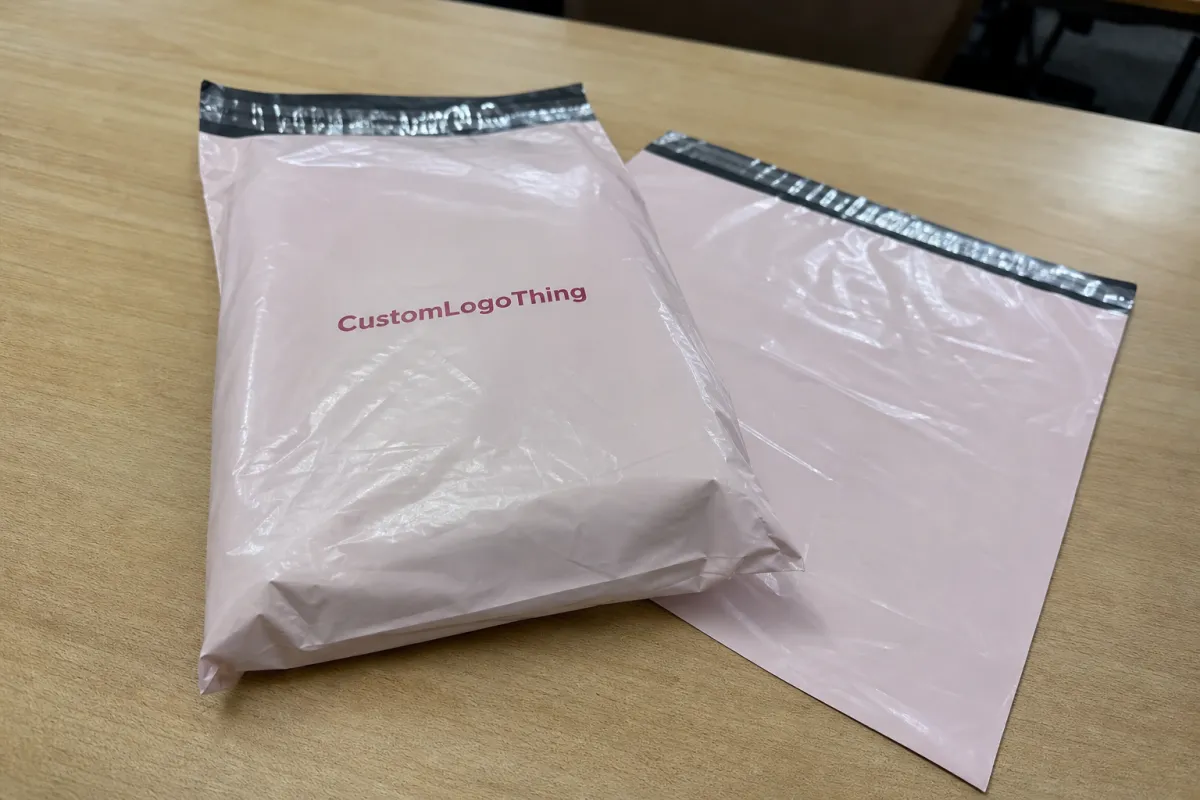
The bag itself may take less time to make than the decisions around it. Size, artwork, color matching, sample routing, freight choice, internal approvals, and 3PL requirements all add days. A simple mailer can move cleanly once the specification is locked, but beauty launches rarely feel simple inside the business.
Beauty brands carry tighter packaging timing risk than many ecommerce categories. A cleanser refill might ship any week, while a seasonal set, PR drop, subscription box, or retail-adjacent campaign has a narrow window. The mailer may need to match cartons, labels, tissue, inserts, and the shade family used across paid social. If a brand nude prints too pink or a soft green shifts gray on matte film, the delay is not vanity. It changes how the package reads when it reaches the customer.
Lead time, from a buyer’s point of view, should mean the period from confirmed order details and payment to finished mailers arriving where they can actually be used. Not quoted. Not printed. Not “ready to ship.” Usable.
A supplier may quote 12 to 15 business days for production after proof approval. Add 2 to 5 business days for artwork corrections, 3 to 7 days for sample routing if needed, 2 to 10 days for domestic freight, and another 1 to 3 days for receiving at a warehouse or 3PL. The neat production estimate has now become a month-long operating plan.
Practical rule: if a supplier says “production time,” ask whether the clock starts after payment, after artwork upload, after digital proof approval, or after physical sample approval. Those are four different clocks.
For custom packaging buyers, the schedule belongs in the supply chain plan, not just the quote file. The useful question is not only “How fast can you make these?” It is “What has to happen before these bags are ready for our packing line?”
How Custom Beauty Poly Mailer Production Steps Actually Work
Custom Poly Mailers usually move through a familiar sequence: inquiry, quote, artwork preparation, proofing, deposit or payment, material allocation, printing, converting, quality checks, packing, and shipping. Skip one detail early, and the delay tends to return later with interest.
Most mailers are printed on rolls of film before they are converted into individual bags. An artwork change is therefore not just a design tweak. It can affect plate preparation, web direction, repeat length, ink coverage, sealing zones, and trim tolerances. A logo moved 8 mm too close to a seal can become a production concern rather than a cosmetic preference.
For larger custom runs, flexographic printing is common because it handles roll-fed film efficiently and produces better unit economics at scale. Digital options may be available for lower-volume or faster programs, although print area, color behavior, and material choices can be more limited. A one-color logo on a white 2.5 mil LDPE mailer is a very different job from a full-coverage cosmetic pattern across three sizes.
Beauty mailers often require tighter visual control. Soft gradients, beige and nude tones, muted greens, metallic-looking effects, and low-contrast typography can take longer to proof than a black logo on a stock white bag. Pantone references help, but film is not paper. Ink sits on a flexible substrate, opacity changes the read, and matte finishes can reduce perceived saturation.
The approval problems are usually ordinary: missing dielines, low-resolution logos, unclear Pantone or CMYK values, QR codes updated after the proof, and late decisions about suffocation warnings or recycling marks. If the same bag will support ecommerce, subscription, and marketplace shipments, compliance language may need review before printing begins.
Drying and curing also deserve respect. Ink needs time to stabilize before bags are folded, sealed, stacked, packed, and shipped without scuffing or blocking. That step may not add many days, but it is real. Rushing handling time can create defects that are more expensive than a late shipment.
Some days are fixed by production. Others are lost through incomplete specifications. Buyers have far more control over the second category.
Key Factors That Stretch or Shorten Turnaround
Order complexity is the first variable. A plain white mailer with a one-color logo can move faster than a full-coverage printed bag with four colors, three sizes, and separate SKUs for different kits. Every variation adds proofing, setup, inspection, and packing logic.
Size matters as well. Standard flat mailer sizes are easier to quote and source. Nonstandard dimensions, side gussets, handle cuts, return strips, double adhesive closures, and unusual flap depths may require extra setup or film planning. If you are shipping glass jars, boxed serums, or bundled samples, the temptation is to create a perfect custom size. Sometimes that is the right call. Sometimes it slows the order without improving fulfillment enough to justify the delay.
Material choice can move the calendar. Standard LDPE or coextruded film is usually easier to plan than recycled-content film, compostable-style materials, matte specialty films, or heavier gauges such as 3.0 mil and above. Recycled-content claims and environmental language should be checked carefully against current guidance from sources such as the U.S. Environmental Protection Agency, especially if the bag uses mixed materials, labels, or adhesives.
Print coverage and color count create another timing layer. More colors may mean additional plates or longer setup. Heavy ink coverage needs more drying control. Exact color matching increases proofing time and raises the chance of rework. This is one of the areas where beauty teams often underestimate the distance between “pretty on screen” and “repeatable on film.”
Quantity is not a simple faster-or-slower switch. Very small custom runs can face minimum setup constraints because the press still needs setup time, film waste allowance, and quality checks. Large orders may need more machine slots, more cartons, pallets, labels, and freight coordination. Either extreme can stretch the schedule if the supplier has to fit the work around more efficient runs.
Seasonality tightens everything. Beauty launches cluster around gifting periods, subscription box cycles, influencer campaigns, and retail drops. Supplier capacity compresses because many brands want custom packaging at the same moment. Add freight pressure, and a schedule that looked safe on paper can lose a week quickly.
Freight is the swing factor buyers feel in the budget. Air can rescue a launch, but it may cost several times more than ground or ocean. Packaging is bulky even when it is light. Ten cartons of flat mailers do not behave like ten cartons of serum, and a pallet of mailers can be inexpensive per unit but awkward in receiving space.
Investigative pattern: lead time problems usually come from stacked small delays, not one dramatic factory failure. Two days for artwork, one day for payment, three days for sample review, four days for freight. The launch still misses.
Cost, MOQ, and Quote Details That Influence Your Schedule
Pricing and timing are linked. The cheapest path is often not the fastest path, and the fastest path is rarely the cleanest landed-cost decision. A beauty brand buying 5,000 mailers might see a unit price around $0.18 to $0.28 depending on size, gauge, print coverage, and freight assumptions. At 25,000 units, the unit cost may fall, but cash tied up in packaging rises.
Before requesting pricing for Custom Poly Mailers, prepare the quote inputs: bag size, thickness, material, print colors, artwork, quantity, shipping destination, deadline, and whether samples are required. If the supplier has to chase five missing details, the quote process has already started badly.
MOQ, or minimum order quantity, is not just a sales rule. It reflects setup time, film usage, plate costs, machine efficiency, and waste control. A flexographic job may require plates and setup even for a modest run, so a 1,000-piece custom order can be inefficient. Digital or stock-plus-label options may fit smaller tests better, depending on the look and durability you need.
Here is a realistic planning comparison. The numbers are examples, not guarantees, because size, film, ink, quantity, and destination change the math.
| Order Path | Typical Fit | Estimated Unit Range | Schedule Impact | Buyer Risk |
|---|---|---|---|---|
| Stock mailer with label or sticker | Launch tests, small campaigns, urgent replenishment | $0.10-$0.22 plus label cost | Often fastest if inventory is available | Less polished brand presentation |
| One-color custom print | Evergreen ecommerce packaging | $0.18-$0.32 at moderate volumes | Lower proofing burden than full coverage | Limited visual storytelling |
| Full-coverage custom print | Seasonal drops, PR kits, premium beauty bundles | $0.28-$0.55 or more depending on size | More proofing, color, and drying control | Higher rework risk if artwork is not locked |
| Expedited production or split shipment | Launch protection when inventory is tight | Varies widely with freight | Can shorten usable delivery date | Higher landed cost and coordination load |
Rush fees and hidden costs deserve attention. Expedited production, air freight, split shipments, extra proofs, plate revisions, and storage can change the real landed price. A quote without shipping assumptions is incomplete because freight may become the larger budget and timing variable.
Sample type also affects the calendar. Digital mockups are fastest and useful for layout checks. Pre-production samples are more reliable because they show actual size, material, and print position. Physical color drawdowns can help when a signature shade matters, but they add review time. For beauty Poly Mailers Lead Time, the better question is not “Can I get a sample?” It is “Which sample reduces risk without burning the launch window?”
Ask for a price-and-time matrix: 5,000, 10,000, and 25,000 units with standard shipping and expedited shipping. That single table can reveal whether your best decision is a smaller urgent run, a larger economical reorder, or a split strategy through Custom Packaging Products that pairs mailers with inserts, cartons, or labels.
Step-by-Step Timeline for Ordering Without a Stockout
Start backward from the date you need usable inventory. Not the date production finishes. Not the date the supplier ships. The bags need to be received, inspected, entered into inventory, and placed where packers can use them.
- Forecast demand. Use recent sales velocity, planned launches, influencer campaigns, subscription shipments, and wholesale orders. If you ship 1,200 orders per week and a campaign could lift volume by 40%, plan the packaging burn before the ad spend starts.
- Confirm the specification. Lock size, material, thickness, color count, closure, quantity, and delivery address before pricing. A 10 x 13 inch mailer in 2.5 mil film with one adhesive strip quotes differently than a 12 x 15.5 inch returnable bag with a second strip.
- Prepare production-ready artwork. Include dielines, bleed, Pantone or CMYK references, barcode and QR checks, and required warning language. Fonts should be outlined or included. Linked images should travel with the final files.
- Request separated timing. Ask for proofing time, sample time, production time, freight time, and rush options. One blended “three weeks” estimate hides too many assumptions.
- Approve proofs quickly, not casually. Assign one internal decision owner. Marketing, operations, and founders can all review, but one person should send final edits. Conflicting notes cost days.
- Build a freight and receiving buffer. Add time for carrier delays, customs if relevant, 3PL appointment windows, carton count checks, and inventory entry. A 1 to 3 business day receiving lag is common enough to plan for.
- Set a reorder trigger. Reorder before inventory becomes urgent. Use weekly bag usage plus total replenishment time, then add safety stock for campaign variance.
A simple formula works: reorder point = average weekly usage x expected replenishment weeks + safety stock. If you use 900 mailers per week, expected replenishment is 5 weeks, and your safety stock is 1,500 bags, reorder at 6,000 units. That may feel early. It is cheaper than pausing outbound orders because the packing line ran out of branded bags.
For first-time custom orders, treat the schedule as a wider band rather than a fixed date. Repeat runs can tighten because the dieline, material, color target, and carton packing are already known. First runs expose every assumption.
Common Mistakes Beauty Brands Make Before Production Starts
Many delays happen before a machine is scheduled. Production gets blamed, but the root cause often sits in an inbox, a design file, or a half-decided campaign plan.
Mistake one: treating a logo file as finished packaging art. Mailers need dielines, print zones, bleed, orientation, seal clearance, and closure placement. A centered logo can look correct on a flat PDF and awkward once the flap folds over.
Mistake two: choosing size from memory. Test actual products, tissue, samples, inserts, return labels, and protective wrap inside the bag. A mailer that is too tight slows packing and may split. A bag that is too large looks careless and can increase dimensional weight.
Mistake three: forgetting shipping rules and customer experience details. Suffocation warnings, recycling language, opacity, puncture resistance, label adhesion, and return strips affect both compliance and customer perception. Testing to distribution standards, including methods recognized by ISTA, can be useful for heavier bundles or fragile beauty sets.
Mistake four: changing brand colors late. Screens lie. Office printers lie differently. If shade accuracy matters, use Pantone, CMYK targets, or a physical reference. One late color dispute can add another proofing round.
Mistake five: assuming a supplier can hold a production slot. Most suppliers will not reserve press time indefinitely while artwork, payment, or final quantity remains undecided. A quote is not a slot. A verbal “we are close” is not a purchase order.
Mistake six: ignoring 3PL receiving rules. Cartons may need labels, pallet specs, carton counts, or advance shipment notices. If those requirements arrive after packing, repacking can cost money and time.
Mistake seven: ordering exactly to forecast. Spoilage, returns, influencer spikes, and fulfillment errors consume packaging. Even a 3% to 5% buffer can prevent a small demand change from becoming a crisis.
Beauty brands manage product expiration dates carefully. Packaging inventory can still become the bottleneck that stops shipments, especially when a launch calendar assumes every non-product item will simply be available.
Expert Tips for Faster Custom Mailers Without Sacrificing Brand Quality
Create a packaging spec sheet and treat it like a production asset. It should list size, gauge, material, print method, ink colors, closure type, carton pack quantity, approved artwork version, and shipping destination. Share it with purchasing, design, and suppliers so every reorder starts from the same facts.
Standardize one or two core mailer sizes across product families. A 7.5 x 10.5 inch mailer for small orders and a 10 x 13 inch mailer for larger kits may cover most shipments. Unique sizes for every campaign look efficient in theory but can create fragmented inventory, slower reorders, and higher carrying costs.
Keep a master artwork package. Include editable files, outlined fonts or font files, linked images, Pantone references, approved recycling language, warning text, and QR code destinations. Lock the file after approval. Reorders should not become archaeological digs through old design folders.
Use a tiered packaging strategy. Keep a reliable evergreen custom mailer in stock, then add limited-run stickers, inserts, sleeves, tissue, or cartons for seasonal storytelling. The customer still gets a branded unboxing moment, while the operational base stays stable.
Ask suppliers which sizes, films, gauges, and print setups are most efficient. Buyers sometimes assume every custom choice has the same timing. It does not. A supplier may have regular access to 2.5 mil white LDPE film but longer sourcing time for a matte recycled-content option in the same gauge.
Approve a physical reference sample for color and feel, then use that benchmark for reorders. This reduces repeated proofing debates. It also gives the team a shared standard when new designers, buyers, or operations managers join.
Split shipments when the math supports it. Sending 2,000 units by faster ground or air may protect a launch, while the remaining 18,000 units move more economically. The landed cost rises on the urgent portion, but the blended cost can be better than expediting the full order.
Track the evidence. Record order date, proof approval date, production completion date, ship date, receive date, defect rate, and any short shipment. After three orders, you will know whether your real beauty poly mailers lead time is 24 days, 38 days, or something else entirely. Memory is a poor planning tool.
Build a Reorder Plan Before You Request Samples
Gather the practical documents first: current mailer sample, product dimensions, order volume history, launch calendar, artwork files, brand color references, and 3PL delivery requirements. If you sell bundles, include packed examples with tissue, inserts, and samples. The mailer does not carry the product in theory. It carries the real shipped order.
Calculate your current bag burn rate by dividing mailers used in the last 30 to 90 days by the number of shipping weeks. A brand that used 8,400 mailers across 8 shipping weeks has a burn rate of 1,050 per week. Add planned promotions, wholesale drops, subscription shipments, and expected returns before setting the reorder trigger.
Identify the true deadline. The correct date is not “we need bags by launch.” It is the date bags must be received, inspected, entered into inventory, and ready for the packing line. If your 3PL needs two business days to receive cartons and another day to make them available, that time belongs in the request.
Send suppliers one complete request instead of a vague inquiry. Include size, material, thickness, print colors, quantity, deadline, shipping ZIP code, and whether the project can accept alternatives. Ask three direct questions: what starts the clock, what could delay this order, and what faster option changes the unit cost or freight cost?
Custom mailers are not just decoration. They are operating inventory with artwork attached. Plan backward from the receiving date, build in proofing and freight reality, and the packaging schedule becomes a controllable part of the launch instead of a last-week surprise.
FAQ
What is a normal lead time for custom beauty poly mailers?
A practical range depends on artwork readiness, quantity, print complexity, material availability, and shipping method. Simple repeat orders can move faster because proofing and specifications are already approved. First-time custom orders usually need more buffer for sizing, artwork correction, proof approval, and sample review. Always ask whether the quoted time starts at inquiry, payment, artwork approval, or final proof approval.
How can I reduce beauty poly mailer turnaround without paying for a full rush order?
Submit complete specifications and production-ready artwork before requesting the quote. Choose standard sizes, standard film, fewer print colors, and proven closures where possible. Assign one person to approve proofs quickly and prevent conflicting internal feedback. If only part of the order is needed for an immediate launch, ask about partial expedited shipping.
Does a higher MOQ make beauty poly mailers lead time longer?
Not always. Higher quantities can improve unit cost but may require more machine time, packing time, and freight coordination. Very low quantities may also take longer if they require inefficient setup or special handling. Request pricing and timing at several quantity breaks, then compare landed cost rather than unit cost alone because storage, freight, and cash flow matter.
What artwork details delay custom poly mailer production most often?
Low-resolution logos, missing dielines, unclear print colors, late copy changes, and artwork placed too close to seals or folds are common problems. Beauty brands should confirm brand colors with Pantone, CMYK, or a physical reference when color accuracy matters. QR codes, barcodes, recycling icons, and warning text should be checked before proof approval. A locked master artwork file makes reorders much faster.
When should a beauty brand reorder custom poly mailers?
Reorder before inventory feels low by using a reorder point based on weekly usage and total replenishment time. A simple formula is average weekly mailer usage multiplied by expected replenishment weeks, plus safety stock. Increase the buffer before product launches, influencer campaigns, holiday promotions, or subscription box shipments. Track actual receive dates from past orders so your reorder plan reflects real performance.