The favors are picked, the seating chart is almost done, and then someone asks, “Do we have the custom bags yet?” That is the moment many couples learn that Wedding Paper Bags lead time is not just the number of days a press runs; it includes artwork approval, material selection, print setup, drying, finishing, packing, freight, and the time needed for someone to receive and organize the cartons before the event.
Paper bags look simple from the outside. In production, even a small wedding order can involve exact ink colors, names, dates, monograms, foil accents, ribbon handles, multiple bag sizes, and quantities that must line up with guest counts. A welcome kit bag may need a wider gusset for snacks and bottled water, while a favor bag might only need room for a candle, sweets, or a small boxed gift.
Why Wedding Favor Bags Take Longer Than Couples Expect
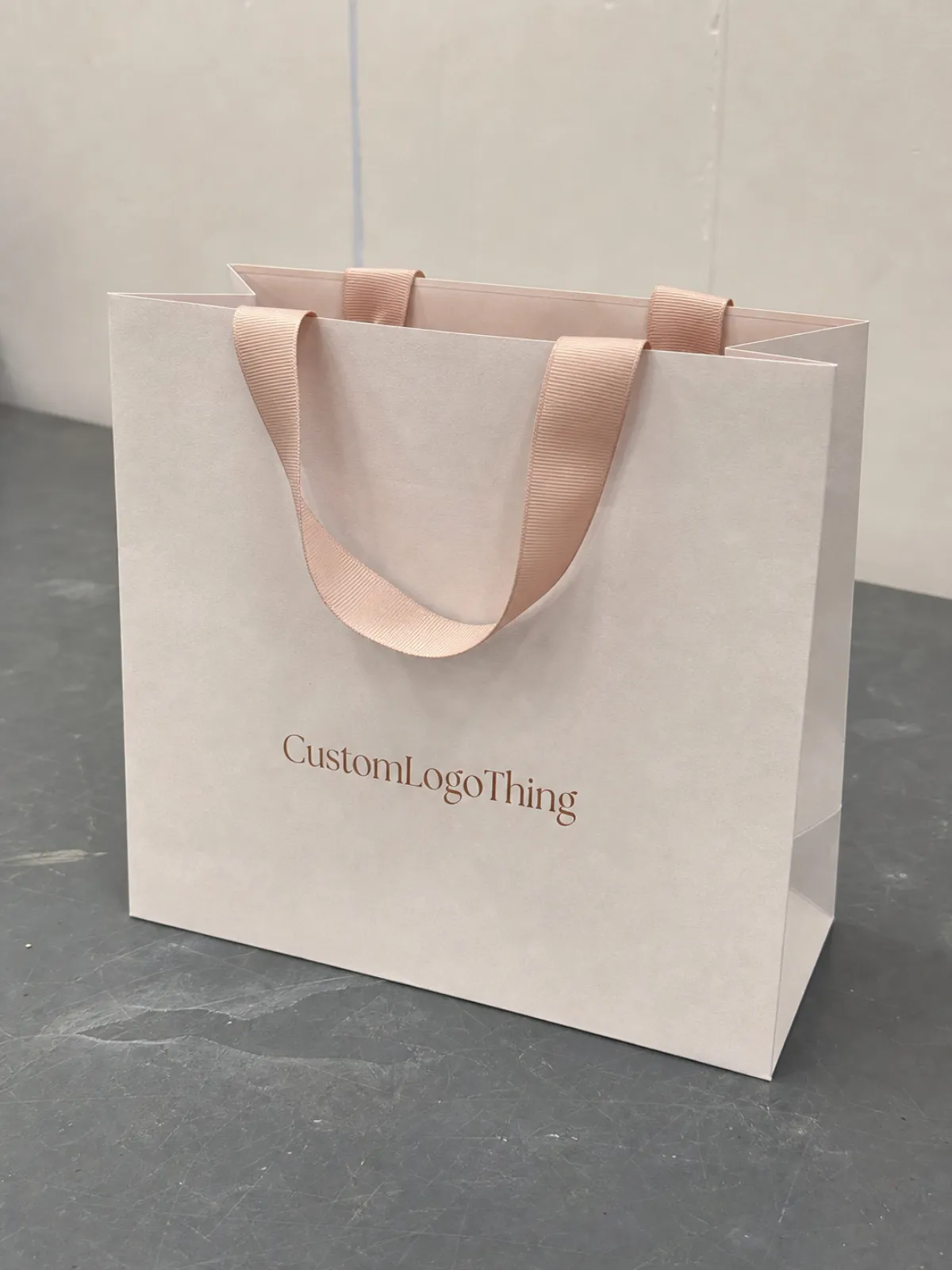
Blank stock bags are the fastest path because they already exist. A supplier pulls them from inventory, packs them, and ships them. Semi-custom bags, such as stock kraft bags with a one-color logo or simple foil stamp, add setup time but still avoid the longer material procurement cycle. Fully custom printed paper bags take more planning because the bag size, paper, handle, artwork placement, and finishing method may all be made for that order.
Here is the calm way to think about it: packaging should support the wedding, not become another moving piece that demands attention during the final week. If the bags need to be filled by a planner on Thursday, delivered to hotel rooms on Friday, or placed at each seat before the reception, the in-hand date is earlier than the ceremony date. Often much earlier.
In practice, I like to see wedding packaging arrive at least 7 to 10 days before assembly, and more if the order is split across favor bags, welcome bags, and bridal party gift bags. That cushion gives you time to count cartons, inspect printing, replace crushed pieces, and test how the contents sit inside the bag. Nobody wants to discover a handle strength issue while filling 180 welcome kits.
Packaging floor reality: a printed paper bag is not finished the instant ink touches paper. Ink laydown, stacking pressure, adhesive areas, handle attachment, and carton packing all affect how clean the final bags look when they reach you.
Wedding Paper Bags Lead Time: What the Timeline Includes
Wedding Paper Bags Lead Time usually starts before production. First comes quote confirmation: quantity, size, paper color, handle type, print method, delivery ZIP code, and event schedule. Then artwork needs to be checked. A logo that looks sharp on a phone screen may not be usable for printing if it is a low-resolution PNG, a screenshot, or a flattened invitation file.
After the quote, the order typically moves through artwork setup, digital proofing, written approval, payment or deposit, plate or screen preparation if needed, printing, drying or curing, finishing, quality checks, carton packing, and shipping. For simple one-color kraft or white paper bags, the production portion may be relatively short. Foil stamping, embossing, full-bleed designs, specialty handles, custom inserts, or multi-color artwork can add several business days because each operation needs its own setup and inspection.
Proof approval is the hidden bottleneck. Production normally cannot begin until the couple or planner approves spelling, date format, monogram order, ink color, scale, placement, and bag orientation. A one-day delay in proof approval can push a job into the next print slot, especially during busy gifting seasons.
Work backward from the date the bags must arrive at the filling location. If the venue, hotel, or planner is receiving the order, add time for receiving hours, package room rules, internal handling, and weekend closures. The ceremony may be Saturday, but the bags may need to be filled by Wednesday morning.
Professional lead time protects quality as much as delivery. Paper absorbs moisture, ink needs time to cure, foil needs stable pressure and heat, and packed cartons need enough care that handles are not crushed flat under poor stacking. A tight schedule can be done, but it leaves less room for correction.
Key Specs That Change Turnaround for Custom Paper Bags
Bag construction is one of the first schedule drivers. Twisted paper handles are common, practical, and usually easier to source. Flat paper handles work well for economical favor bags. Rope handles feel more boutique but may require reinforced turn-tops and additional assembly. Die-cut handles can look clean on small merchandise bags, while laminated boutique bags often need heavier paperboard, lamination, and hand-finishing.
Material matters. White kraft gives clean contrast for soft wedding palettes: sage, blush, navy, charcoal, or metallic accents. Natural kraft gives a rustic look, but ink appears warmer and less bright because the brown base changes the color. Coated paper can make artwork sharper, while laminated paper improves scuff resistance and structure, often in the 180gsm to 250gsm range for boutique bags. Heavy gift bags may use 210gsm to 250gsm paperboard, sometimes with a reinforced bottom card.
Print method changes both cost and timing. One-color flexographic or screen printing can be efficient for simple names, dates, or logos. Foil stamping needs a die, heat, pressure, and careful registration. Embossing or debossing adds another tool and setup step. Spot UV works best on coated or laminated surfaces and requires curing. Multi-color artwork may need tighter registration checks so fine lines and small type do not shift.
Artwork complexity deserves respect. Thin script fonts, delicate crests, tiny dates, and pale colors can be beautiful on a screen but risky on textured paper. Metallic ink is not the same as foil. Fine monogram lines may fill in during printing, while light gray on natural kraft may lose contrast under reception lighting.
Quantity and size mix also change the schedule. One bag size with one design is easier to plan than three sizes with separate artwork versions. If you need welcome bags, favor bags, and bridal party gift bags, ask whether a shared design can be used across sizes. That one decision can reduce proofing time and lower the chance of a version mix-up.
| Bag Option | Typical Use | Common Price Range | Turnaround Pressure |
|---|---|---|---|
| Stock kraft bag with one-color print | Favors, small gifts, welcome treats | $0.45-$0.95 each at 250-1,000 pieces | Usually lower, if artwork is ready |
| White kraft bag with custom logo | Modern wedding favors and hotel kits | $0.55-$1.20 each at 250-1,000 pieces | Moderate, affected by ink color and stock |
| Foil stamped paper bag | Upscale favors, bridal party gifts | $0.85-$2.50 each depending on size and foil area | Higher, due to die setup and stamping |
| Laminated boutique bag with rope handles | Premium welcome bags and gift packaging | $1.50-$4.00 each, often with higher MOQ | Higher, due to lamination and assembly |
Cost, MOQ, and Quote Details That Affect Your Order
Pricing is shaped by bag dimensions, paper weight, handle type, print method, number of ink colors, finishing options, quantity, packing method, and freight distance. A small one-color favor bag is not priced like a laminated rope-handle welcome bag, even if both carry the same monogram. The material and finishing steps are different.
MOQ means minimum order quantity. It is not only a sales rule. It reflects the setup time, paper handling, machine preparation, ink mixing, makeready waste, and packing labor needed to make a custom run practical. A 100-piece order with foil stamping can require nearly the same die setup as a 500-piece order, which is why small runs often have higher unit pricing.
A larger order often lowers the unit cost because setup is spread across more bags. For example, a one-color printed kraft favor bag might land near $0.75 each at 300 pieces and closer to $0.45-$0.55 each at 1,000 pieces, depending on size and freight. Not always. Larger quantities also need more paper, more carton space, and sometimes palletized freight.
Rush fees should be viewed honestly. Rush production may require schedule reshuffling, faster proof handling, expedited material pulls, overtime finishing, or premium shipping. If rush freight turns a $160 shipping cost into $480, it may be smarter to simplify the bag finish rather than force the original specification through an unrealistic calendar.
Before requesting a quote, gather the practical details: target quantity, bag dimensions, material preference, print colors, logo file, event date, delivery ZIP code, and receiving location. A home address, hotel, planner studio, warehouse dock, and venue all have different delivery risks.
Step-by-Step Ordering Guide for Wedding Bag Packaging
Start with the contents. What goes inside the bag? A candle, cookie box, mini bottle, booklet, tissue, and thank-you card all behave differently in paper packaging. Measure the actual items, not just the product descriptions. Add room for tissue, ribbon, tags, or a folded welcome note.
- Set the use case: favor bag, hotel welcome bag, bridal party gift bag, dessert station bag, or vendor thank-you bag.
- Measure contents: width, height, depth, and approximate weight, especially for glass jars or boxed sweets.
- Choose the gusset: a 3-inch to 5-inch gusset may be needed for bulkier items so the bag stands properly.
- Select material: natural kraft, white kraft, coated paper, laminated paper, or heavier art paper.
- Confirm print direction: front only, two sides, centered logo, lower placement, or full-panel artwork.
Select the material and finish before final artwork is locked. A pale blush logo may read nicely on white kraft but disappear on natural kraft. A fine crest may need to be enlarged for foil stamping. If the bag has a rope handle, the top fold may limit how high the artwork can sit.
Proofing deserves careful eyes. Check spelling, wedding date, venue name, initials, accent marks, alignment, print scale, and handle orientation. Ask one other person to review the proof before approval. Fresh eyes catch small errors, and small errors on custom wedding packaging are painful because rework may require a new setup.
Confirm shipping details early. Ask about carton count if available, receiving hours, dock limits, hotel package policies, and signature requirements. If bags ship to a hotel, find out whether the hotel charges handling fees per carton and how early they will accept packages.
Order a small overage. Five to ten percent is common for wedding packaging, depending on guest count and use. Late RSVPs, vendor gifts, damaged setup pieces, and last-minute welcome kits can consume extras quickly.
Common Mistakes That Delay Wedding Paper Bag Orders
The biggest mistake is waiting until every guest detail is final. Packaging quantity can usually be estimated earlier with a reasonable overage. If you expect 160 guests, planning for 175 or 180 bags may be safer than holding the order for two more weeks while final names settle.
Low-resolution artwork is another common slowdown. Screenshots, social media images, and cropped invitation art may need cleanup or recreation. Vector files such as AI, EPS, or print-ready PDF files move faster because the production team can scale them cleanly and separate colors. If only a PNG is available, send the highest-resolution version you have and ask early whether it is usable.
Proofs should not be approved casually. Names, dates, accent marks, monogram order, foil color, and bag orientation all need a deliberate check. After approval, changes may mean stopping the job, remaking a screen, ordering a new foil die, or discarding printed material.
Shipping assumptions can create trouble. A production completion date is not an in-hand date. Residential deliveries may miss if nobody is available to sign. Hotels may route cartons through a package room. Rural, island, or venue deliveries may need extra cushion. If the cartons arrive one day before assembly and one box is delayed, the schedule becomes fragile.
Decorative finishes are tempting. Foil, embossing, ribbons, labels, custom inserts, and specialty handles can look excellent, but every added operation needs scheduling time. If the calendar is tight, prioritize the correct size, sturdy construction, and clean branding before adding layers of decoration.
Under-ordering is a quieter risk. Reorders may not match perfectly in paper shade, ink density, or foil tone because paper lots and production conditions can vary. Even a small rerun still needs setup time, and wedding paper Bags Lead Time does not shrink to zero just because the design has been printed before.
Expert Tips for Faster Approvals and Cleaner Printing
A simple production packet speeds up decisions. Include the bag use, size preference, quantity, event date, delivery address, logo file, color references, must-match palette notes, and any wording that must appear exactly. This reduces the back-and-forth that can quietly eat two or three business days.
Pantone references are more useful than vague color names. “Dusty blue” can mean five different shades. A Pantone coated or uncoated reference gives the printer a better target, although the final color still depends on paper type, ink coverage, and whether the surface is kraft, coated, or laminated. For sustainable sourcing claims, ask whether the paper can be FSC certified and review the basics at FSC.
Readable artwork prints better. Very thin script, tiny dates, and delicate crests can fill in, break up, or lose contrast on textured paper. If the design includes a monogram and date, consider making the date larger than it appears on the invitation. A bag is viewed at arm’s length, often under warm indoor lighting, not examined like a printed card.
If timing is tight, approve one main design across multiple bag uses. Fewer artwork versions mean fewer proofs, fewer placement checks, and less chance of mixing up cartons. A shared monogram with one ink color can still feel polished, especially if the paper and contents are chosen well.
Ask what part of the order is driving the schedule. Sometimes the slow item is not the bag itself. It may be a specialty handle, foil die, custom paper, carton packing requirement, or freight lane. Once you know the constraint, you can decide whether to simplify that detail or keep it and add time.
My honest view: the fastest orders are not the most rushed orders. They are the orders with clean files, decisive approvals, realistic specifications, and a little breathing room.
For shipments that must survive sorting systems, truck handling, and venue receiving, packaging tests and distribution standards can be helpful reference points. The International Safe Transit Association publishes widely used transport testing programs at ISTA, and while a wedding bag order may not need formal testing, the same thinking applies: cartons, packing density, and handling matter.
Next Steps: Build a Wedding Bag Schedule That Holds Up
Build the schedule from the in-hand deadline, not the wedding date. First, decide when the bags must be available for filling. Then add freight cushion, production time, proofing time, artwork preparation, and one extra buffer for wedding-week surprises. If assembly is scheduled for a Thursday, receiving the cartons the previous week is much more comfortable than hoping for delivery on Wednesday afternoon.
Samples help when time allows. A reference bag lets you test contents, weight, handle comfort, visual scale, tissue height, and whether the bag stands upright. Even a blank sample in the same size can prevent a poor fit. For welcome gifts with bottled drinks, jars, or boxed snacks, this step is practical, not fussy.
- Quantity: guest count plus 5-10% overage for late additions and damaged pieces.
- Bag dimensions: width, height, gusset, and handle style.
- Material: natural kraft, white kraft, coated paper, laminated paper, or specialty stock.
- Print details: ink colors, foil color, logo file, artwork placement, and finish.
- Logistics: event date, delivery address, receiving rules, budget range, and required in-hand date.
Separate must-haves from nice-to-haves. Correct size, clean printing, and strong handles matter more than a decorative effect that pushes the order past the safe window. If the deadline is close, a stock white kraft bag with one-color printing may serve the event better than a complex laminated bag with foil, embossing, and custom ribbon.
From a packaging buyer’s point of view, the best result is boring in the final week: cartons arrive, bags look right, quantities are correct, and the filling team can work without panic. Understanding wedding Paper Bags Lead time helps couples order with confidence, avoid expensive rush decisions, and receive packaging early enough to fill, sort, and enjoy before the celebration begins.
FAQ
How long is the typical lead time for wedding paper bags?
Typical timing depends on bag style, quantity, artwork readiness, print method, finishing, and shipping distance. Simple one-color bags often move faster than foil stamped, laminated, multi-color, or specialty handle bags. For wedding use, plan for proofing, production, packing, and transit, then add a buffer so the bags arrive before assembly day.
Can wedding favor paper bags be rushed if my event is close?
Rush options may be possible when stock bags, simple artwork, quick payment, and fast proof approval are available. Rush timing becomes harder with custom paper, foil dies, multiple bag sizes, specialty handles, or large quantities. Ask which specification is slowing the order; simplifying the finish or reducing artwork versions may shorten the schedule.
What artwork files help reduce custom wedding bag turnaround time?
Vector files such as AI, EPS, or print-ready PDF files are usually fastest to review and prepare. Logos pulled from screenshots, invitations, or social media images may need cleanup before proofing. Include font details, Pantone references if available, and exact wording for names, initials, dates, and venue text.
Does the MOQ affect wedding paper bag pricing and lead time?
Yes. MOQ affects whether the order is practical to produce and how setup costs are spread across the run. Higher quantities often lower the unit cost, but they can also require more material, packing time, and freight planning. If your guest count is close to the MOQ, include overage for late additions, vendor gifts, and damaged setup pieces.
When should I order custom paper bags for welcome gifts or favors?
Order as soon as the bag contents, approximate quantity, artwork direction, and delivery location are clear. Work backward from the date the bags need to be filled, not the ceremony date. If a planner, hotel, or venue is receiving the cartons, confirm receiving rules and delivery windows before shipment approval, because wedding paper bags lead time only helps if the delivery plan is realistic.


