How to Choose the Right Retail Packaging Mailers Supplier
Compare materials, pricing, MOQs, print options, supplier capabilities, quality controls, and lead times before choosing a retail mailers supplier for branded ecommerce orders.
What a Retail Packaging Mailers Supplier Actually Controls
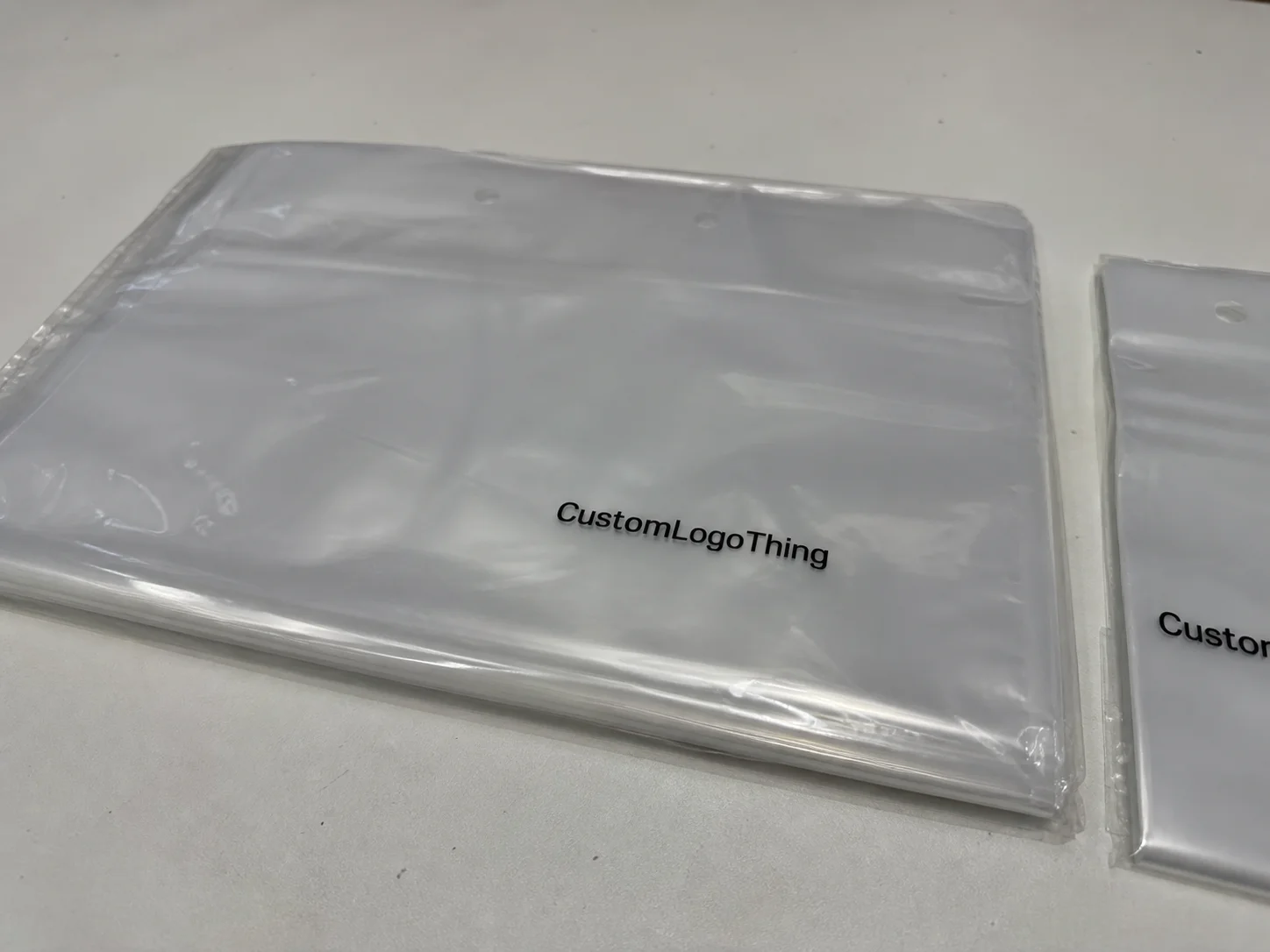
A strong apparel order can lose much of its appeal if it arrives in a thin, wrinkled pouch with a weak seal and muddy printing. Choosing a retail packaging mailers supplier is not just a purchasing task. It affects product presentation, postage cost, packing speed, return handling, and, in some cases, customer service volume.
The first physical contact an ecommerce customer has with a brand is usually the package, not the product. A clean, opaque, well-sealed mailer with controlled branding makes the order feel intentional before the buyer opens it. If the adhesive fails, the ink scuffs, or the bag looks stretched around the product, the brand has already lost control of the moment.
A capable supplier may source resin or paper, convert film, manage printing, apply closures, check finished dimensions, pack cartons, and ship custom mailers to one or several fulfillment locations. The better ones also help buyers compare LDPE, HDPE blends, co-extruded poly films, recycled-content poly, kraft paper mailers, padded mailers, compostable materials, and opaque privacy structures without treating every option as interchangeable.
Supplier type matters. A manufacturer controls production equipment and can usually diagnose seam, gauge, or print problems faster. A distributor may carry more stock sizes but have less control over custom converting. A reseller can be useful for small orders, though technical answers may stop at the catalog description. A broker may coordinate several factories, which can help on price, but accountability becomes harder if a batch arrives with weak adhesive or inconsistent dimensions.
The right choice balances cost, performance, branding, compliance, and repeat availability. If one of those pieces is ignored, the cheapest mailer on the spreadsheet can become expensive once replacements, split shipments, warehouse delays, or customer complaints are included.
Retail Mailer Materials, Formats, and Print Options
Retail mailers look simple from the outside. They are not. A 2.5 mil co-extruded poly mailer with a dual adhesive strip behaves very differently from a 70gsm kraft paper mailer, even if both are sized for the same folded sweatshirt.
Common formats include poly mailers, courier bags, returnable mailers, boutique mailers, padded mailers, rigid paper mailers, and certified compostable mailers. Poly mailers remain popular for fashion and accessories because they are light, moisture resistant, and efficient to store. Paper mailers support a plastic-reduction position, but they can add weight and may scuff if the surface carries heavy ink coverage. Padded mailers offer better protection for cosmetics kits, small electronics, jewelry boxes, books, and other rigid products that can push through a single-wall film pouch.
Gauge is one of the first practical decisions. For T-shirts, scarves, leggings, and soft accessories, many buyers start around 2.0 to 2.5 mil poly. Denim, shoes, books, boxed skincare, or products with sharp corners often need 2.5 to 3.5 mil, stronger side seals, or a padded format. Paper mailers may be quoted by basis weight or gsm; 90gsm to 150gsm is a common working range, depending on stiffness, tear resistance, and print coverage.
Closures deserve more attention than they usually get. Standard peel-and-seal works for one-way shipping. Dual adhesive strips make returns easier. Tamper-evident seals add confidence for higher-value orders. Perforated tear strips improve opening and reduce the chance that customers cut into the product. Vent holes can speed packing by letting trapped air escape from soft goods, especially when orders are packed quickly on a fulfillment line.
Print method shapes both cost and appearance. Flexographic printing suits repeat custom runs and handles one to several spot colors efficiently. Gravure is typically reserved for high-volume consistency. Digital printing fits shorter runs, samples, limited campaigns, and packaging design tests before a brand commits to plates or larger inventory.
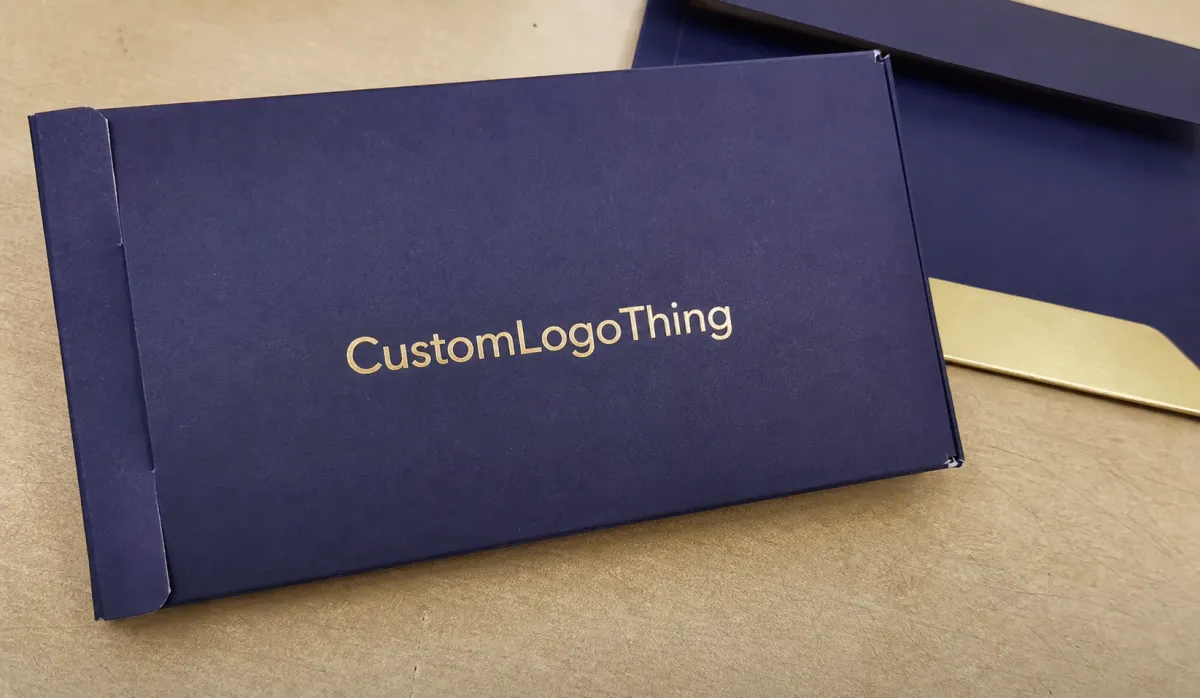
Ask about matte or gloss finish, full flood printing, metallic effects, dark ink coverage, color matching, label readability, and barcode scanning. Heavy black, forest green, or navy coverage can look premium, but dark flood coats may show rub marks faster and can complicate recyclability claims if the ink load is high. A supplier should be willing to discuss those tradeoffs before the artwork is locked.
Specs That Separate Reliable Retail Mailers From Risky Ones
“Premium,” “heavy duty,” and “eco-friendly” are not specifications. They are prompts to ask better questions.
Start with size. Measure the largest product after folding or boxing, then allow room for fabric compression, box corners, and the adhesive flap. If the mailer is too tight, packers fight the bag all day and may under-seal it. If it is too loose, the parcel looks sloppy, can increase dimensional weight, and may let the product shift enough to stress the seams.
A reliable quote should include measurable details: film thickness, opacity, puncture resistance, tear resistance, seam strength, adhesive strength, print rub resistance, and finished-size tolerance. A buyer might accept a plus-or-minus 3mm tolerance on some mailer dimensions, but that should be written down. For privacy mailers, ask whether opacity comes from a black interior layer, a white exterior layer, or a co-extruded structure, because those choices affect appearance, feel, and sometimes recyclability.
Two mailers can look nearly identical in a quote and behave very differently in fulfillment. A rigid retail box inside a thin poly mailer can puncture the corner during automated sorting. Multi-item orders create bulges that pull on side seals. Cosmetics kits and books put concentrated pressure on the same points again and again.
Buyer test: pack five real orders, apply the actual shipping label, stack them under carton weight overnight, then check corners, seals, barcode scanning, and ink rub before approving the full run.
Quality checkpoints should include sample approval, pre-production proofs, defect thresholds, carton labeling, roll or carton counts, batch identification, and inspection reporting. For larger B2B orders, request a documented AQL-style inspection approach or, at minimum, a written defect classification for critical, major, and minor issues. Critical defects might include open seams or unusable adhesive. Major defects could include wrong dimensions, poor print registration, or missing tear strips. Minor defects may be small cosmetic marks that do not affect use.
Compliance can sit quietly until it becomes expensive. Depending on market and product, you may need suffocation warnings, recycling marks, resin identification codes, material claims, extended producer responsibility reporting, or documentation for recycled and compostable content. ASTM standards are commonly referenced for testing and material terminology; the ASTM International standards library is a useful reference point for buyers checking claims and language.
Pricing, Cost Drivers, and Total Landed Cost
The lowest unit price is not always the lowest cost. A mailer that saves $0.03 but creates replacements, customer complaints, reprints, packing delays, or split shipments has only moved the expense to another department.
Major price drivers include material type, thickness, finished size, order quantity, number of print colors, print coverage, closure type, recycled or compostable content, sampling, plate or setup fees, freight terms, and carton packing. As a rough commercial range, a custom printed poly mailer might land around $0.12 to $0.28 per unit at 10,000 pieces, depending on size and coverage. Small digital runs can be much higher. Heavy padded or paper-based structures can move into the $0.35 to $0.90 range or more.
Minimum order quantities vary sharply. Stock plain mailers may be available by the case. Digital branded mailers may start near 500 units. Flexographic custom poly often begins around 2,500 to 5,000 units, while stronger price breaks usually appear at 10,000, 25,000, and 50,000 units. Higher volume lowers unit cost, but inventory risk rises if brand colors, SKUs, mailer dimensions, or campaign artwork change often.
Total landed cost includes production cost, tooling, artwork setup, cartons, pallets, ocean or air freight, duties, warehousing, domestic delivery, and rush fees. Freight can distort comparisons quickly. A supplier quoting $0.19 ex-works may be less competitive than one quoting $0.23 delivered if the first quote excludes inland transport, export handling, or final-mile delivery.
| Option | Typical Use | Indicative Unit Range | Watch Closely |
|---|---|---|---|
| 2.0-2.5 mil custom poly mailer | T-shirts, leggings, soft accessories | $0.12-$0.28 at mid-volume | Opacity, seam strength, ink rub |
| Dual-strip returnable mailer | Fashion ecommerce and subscription orders | $0.18-$0.38 at mid-volume | Second seal strength and tear strip placement |
| Kraft paper mailer | Plastic-reduction brand positioning | $0.22-$0.55 at mid-volume | Tear resistance, moisture exposure, weight |
| Padded mailer | Beauty kits, books, boxed goods | $0.35-$0.90+ depending on size | Padding material, recyclability, storage space |
Compare suppliers with the same specification sheet. Same size. Same thickness. Same print coverage. Same tolerance. Same delivery terms. Otherwise, the cheaper quote may simply be pricing a weaker product.
A useful commercial request is a good, better, and best option from a retail packaging mailers supplier. Purchasing can see the price spread. Operations can judge the packing impact. Marketing can weigh the brand tradeoff. That conversation tends to be more productive than arguing over one unit price without understanding what has been stripped out.
Supplier Evaluation Criteria for B2B Buyers
A supplier scorecard does not need to be complicated. It does need to be honest. Rate manufacturing capability, material options, print quality, certifications, quality control, lead times, communication, and financial fit on the same scale.
Category experience matters more than many buyers expect. A supplier familiar with fashion, beauty, subscription boxes, accessories, or marketplace fulfillment will ask better questions about return strips, label zones, privacy opacity, carton counts, and seasonal usage. A supplier focused only on industrial courier bags may not understand the presentation standard expected from branded ecommerce packaging.
Ask for samples from previous production runs, not only perfect sales samples. Real production pieces show print registration, edge alignment, seal consistency, hand feel, interior opacity, carton packing, and whether mailers stick together in the case. If possible, compare several pieces from different cartons or batches. Consistency across the case often tells you more than one beautiful sample.
Operational capacity matters as much as the sample on the desk. Can the supplier support recurring orders, multiple warehouse destinations, seasonal spikes, SKU changes, private labeling, barcode cartons, and inventory call-offs? A growing ecommerce brand may need 5,000 units in one warehouse this month and 30,000 split across three 3PL sites before a launch. Not every supplier can handle that without confusion.
Documentation is part of capability. Buyers may request material data sheets, recycled-content certificates, compostability claims, quality inspection reports, social compliance documents, and packaging compliance support. For paper-based retail packaging, FSC certification may be relevant; the Forest Stewardship Council explains chain-of-custody certification for fiber-based materials.
Red flags are usually visible early: vague material descriptions, no written tolerances, sustainability claims with no certificate, inconsistent communication, missing production timelines, and quotes that omit freight, setup costs, or plate charges. A good supplier should make the buying process clearer, not more difficult to verify.
If you are comparing related branded formats, review broader Custom Packaging Products so the mailer decision fits cartons, inserts, labels, and other product packaging used across the customer experience.
Process, Timeline, and Lead Time From Quote to Delivery
The workflow usually follows a familiar path: discovery, specification sheet, artwork review, quote, sample or proof approval, deposit or purchase order, production scheduling, manufacturing, inspection, packing, freight, and warehouse receipt. Skip one step and the risk moves downstream.
Plain stock mailers can ship in days. Custom Printed Mailers take longer. A realistic custom timeline might be 12 to 20 business days after proof approval for domestic production, while overseas production plus ocean freight can stretch to 35 to 60 days depending on capacity, customs, and routing. Air freight shortens transit, but bulky cartons can erase much of the unit-cost advantage.
Several variables change the schedule: artwork revisions, Pantone matching, plate making, pre-production samples, special recycled-content film, compostable resin availability, production capacity, quality inspections, customs clearance, and final-mile delivery. Full flood printing and multi-color artwork can add time because color approval becomes more sensitive.
Build a reorder calendar from real usage, not optimism. If your brand ships 8,000 orders per month, carries 20 percent safety stock, and the supplier needs 30 days production plus 20 days transit, the reorder point arrives much earlier than the warehouse team may expect. Seasonal peaks make this sharper. Holidays, product drops, promotional bundles, and marketplace events can drain mailer inventory before product inventory runs out.
Approval checkpoints should be written. Who signs off on artwork? Who approves size? Who verifies material, print color, barcode readability, closure performance, carton pack, and pallet labeling? One missed approval can create 25,000 attractive mailers that do not scan properly under warehouse lighting.
For new artwork, new materials, or a new retail packaging mailers supplier, consider a smaller pilot order or a production sample before the large run. The unit cost may be higher. In practical buying terms, that extra cost is often cheap insurance compared with reworking a failed launch shipment.
Sustainability, Compliance, and Brand Risk
Sustainability claims should be specific, documented, and matched to the markets where the mailers will be sold or shipped. “Green” is not enough. “30 percent post-consumer recycled LDPE with documentation” is stronger. “Commercially compostable where accepted, certified to a named standard” is stronger still.
Common routes include recycled-content poly mailers, recyclable mono-material mailers, kraft paper mailers, reusable return mailers, reduced-gauge films, and certified compostable materials. Each has tradeoffs. Recycled poly supports plastic reduction goals but may have color or odor variation. Paper feels aligned with plastic-free branding, yet it can weigh more and may need stronger fibers for ecommerce handling. Compostable films may require storage away from heat and humidity and may not be accepted in ordinary curbside systems.
A recyclable mailer may face practical recovery problems if it has heavy ink coverage, mixed materials, adhesive contamination, labels, or limited local collection access. That gap between technical recyclability and real recovery is where brands can run into trouble with customers and regulators.
Compliance topics can include suffocation warnings, resin identification codes, recycled-content documentation, compostability certification, labeling rules, and extended producer responsibility reporting. The U.S. Environmental Protection Agency recycling guidance is a useful starting point for understanding collection realities, though brand-specific claims still need legal review.
Packaging choices carry brand risk as well as operational risk. Unsupported green claims invite scrutiny. Poor print quality weakens perceived value. Broken seals create service tickets. Inconsistent materials make repeat orders feel unreliable. Procurement, operations, marketing, sustainability, and legal teams should all see the final specification before a long-term custom mailer program is locked.
How to Compare Shortlisted Suppliers and Make the Final Choice
Narrow the field to three to five suppliers. Give each one the same brief, artwork, annual volume estimate, delivery destinations, required dates, and compliance expectations. If one supplier receives more detail than another, the comparison is already distorted.
A weighted decision matrix works well because it prevents unit price from swallowing the whole discussion. Score unit cost, total landed cost, material performance, print quality, MOQ, sampling process, lead time, compliance support, sustainability documentation, and responsiveness. For many ecommerce brands, performance and repeat supply deserve as much weight as price. A failed mailer is visible to every customer who receives it.
Test samples in real warehouse conditions. Pack actual products. Apply the shipping labels your 3PL uses. Stack cartons. Scan barcodes. Check seals after 24 hours. Simulate returns if the design uses a second adhesive strip. If you sell apparel, test overstuffed orders. If you ship boxed skincare, test corner puncture. Desk approval is not the same as fulfillment approval.
Negotiate terms that matter after the first order: price breaks, reorder pricing, sample credits, defect resolution, inventory programs, split shipments, and agreed production tolerances. Document the final specification sheet so reorders match the approved size, film, thickness, color, artwork, closure, carton pack, and shipping requirements.
For brands focused on lightweight branded ecommerce packaging, Custom Poly Mailers are often the practical starting point, especially for apparel and accessories. The right retail packaging mailers supplier should protect the product, support the brand, reduce operational friction, and provide predictable supply as order volume grows.
FAQ
What should I ask a retail packaging mailers supplier before requesting a quote?
Ask for material type, thickness, size tolerance, print method, MOQ, setup fees, lead time, closure options, recycled or compostable documentation, inspection process, freight terms, and sample availability. Share your product dimensions, monthly order volume, warehouse locations, artwork, and return requirements so the supplier can quote the correct structure.
How much do custom retail packaging mailers cost?
Simple Custom Poly Mailers may fall around $0.12 to $0.28 per unit at mid-volume, while paper, padded, dual-strip, or specialty sustainable options can run from about $0.22 to $0.90 or more. Size, gauge, print coverage, order quantity, freight, and setup fees can change landed cost quickly.
What is the typical lead time for custom printed mailers?
Domestic Custom Printed Mailers often require about 12 to 20 business days after proof approval. Overseas production plus freight can require 35 to 60 days. Artwork revisions, plate making, material sourcing, inspection, customs clearance, and seasonal capacity can extend the schedule.
What minimum order quantity should I expect for branded mailers?
Digital or short-run branded mailers may start around 500 units, while flexographic custom runs often begin closer to 2,500 to 5,000 units. Stronger price breaks commonly appear at 10,000 units and above. The best MOQ depends on artwork stability, storage space, and monthly shipping volume.
Are poly mailers or paper mailers better for retail ecommerce orders?
Poly mailers are usually lighter, moisture resistant, and cost-effective for soft goods. Paper mailers can support a plastic-reduction brand position and a more tactile packaging design, but they may cost more, weigh more, or need stronger construction for heavy items. The better choice depends on product shape, brand claims, postage, and recovery options.
How can I verify that a supplier's sustainability claims are legitimate?
Request written documentation, not only sales language. Useful records include recycled-content certificates, material data sheets, compostability certifications, FSC chain-of-custody details for paper, resin identification information, and clear labeling guidance. Claims should match the markets where the package will be used.
Should I order samples before placing a large mailer order?
Yes. Order samples or approve a production proof before committing to a large custom run, especially with new artwork, new materials, dark ink coverage, return strips, or a new retail packaging mailers supplier. Test the samples with real products, labels, cartons, scanners, and warehouse handling conditions.