Beer gift boxes cost less than many first-time buyers expect when the structure is a plain folding carton, but beer gift boxes cost can climb fast once rigid board, magnetic closures, foam cradles, or custom inserts enter the brief. That jump catches people off guard because the artwork is only one piece of the bill. Board grade, bottle protection, die-cut complexity, and hand assembly can matter just as much.
Breweries, taprooms, Corporate Gifting Teams, and retail buyers all ask the same core question, even if the wording changes: what does beer gift boxes cost, and what is actually included in that number? A clean spec sheet makes the answer sharper. It also stops one vendor from quoting a light paperboard sleeve while another is pricing a rigid two-piece set with an insert and soft-touch wrap. Those are not close substitutes, even if the mockups look similar on a screen.
Custom Logo Things works best for buyers who want a direct read on the project: the right box style, the right insert, a realistic MOQ, and a quote that shows where the money goes. If you are comparing beer gift boxes cost across suppliers, the cleanest move is to send the same bottle dimensions, the same pack count, and the same finish request to every one of them. That is how you separate real pricing from noise and avoid apples-to-oranges comparisons.
One more detail matters right away. Packaging price only helps if the package fits the product. A beer gift box that looks premium but lets bottles rattle inside is not a good buy. A box that protects beautifully but takes too long to fold, fill, or ship can also become expensive in the wrong way. I have seen buyers save a few cents on paper stock and then spend it back in labor. That is the kind of trade-off that looks small until it lands on the packing floor.
A box is cheap only if it protects the beer, survives the carrier, and still looks like the brand you sold.
What Beer Gift Boxes Cost When Presentation Matters
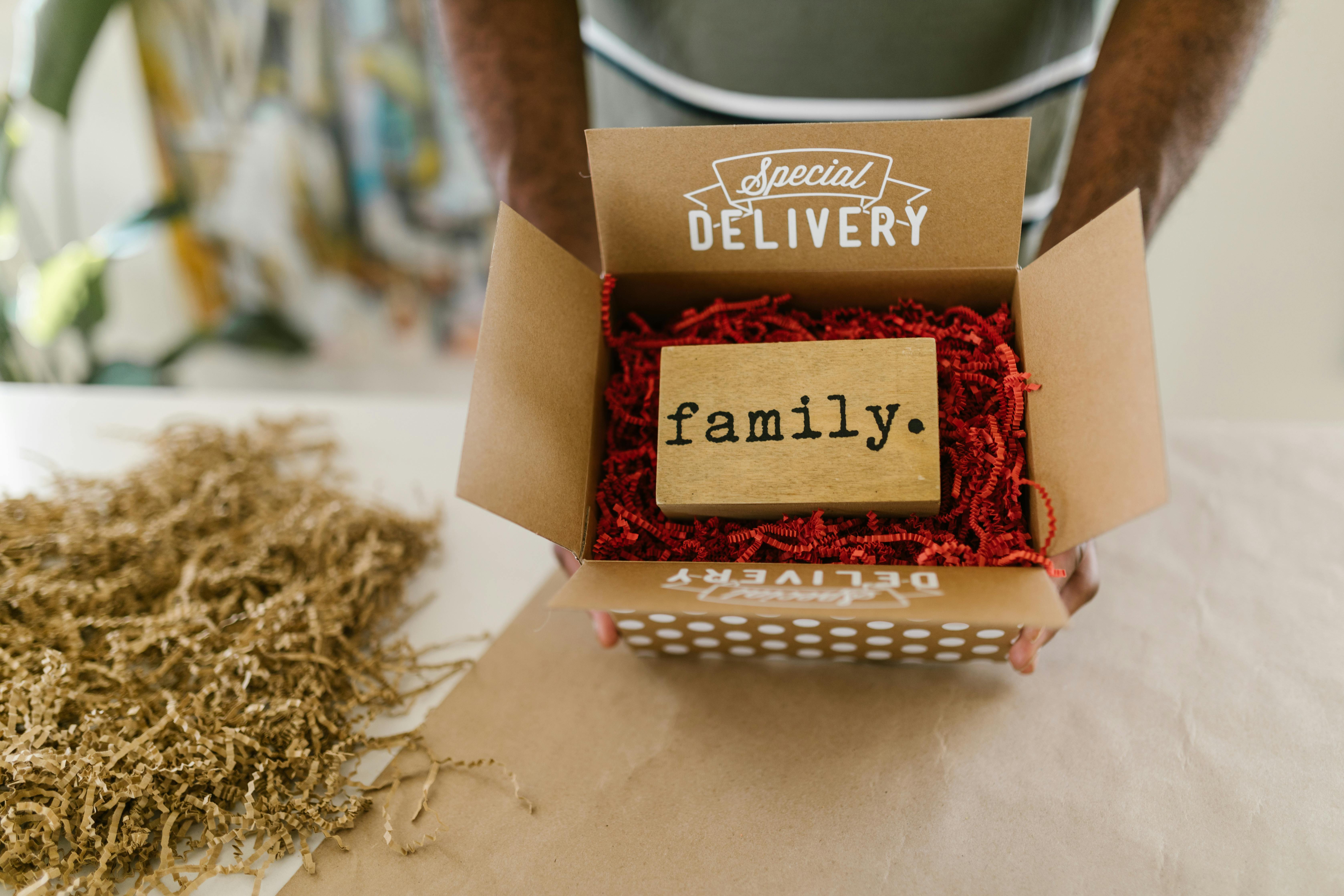
Beer gift boxes cost can look modest on a quote sheet at first glance, especially if the design uses a standard folding carton and a straightforward one-color print. The number shifts as soon as the buyer asks for thicker board, a matte or soft-touch finish, a printed insert, or a structure that feels more like a gift than a shipping carton. That is not a flaw in the quoting process. It is the normal result of building something with more material, more labor, or more finishing steps.
Presentation matters because beer is often sold in situations where the package carries part of the message. A brewery may need boxes for seasonal releases, a taproom may need corporate gift sets, and a retailer may want a display-ready pack that signals quality before the customer opens it. In those cases, beer gift boxes cost is tied to perceived value. The buyer is not just purchasing a carton. They are buying the first impression that supports the product inside.
From a packaging buyer's point of view, three things drive the budget most often: protection, appearance, and labor. Protection matters because glass bottles and heavy cans can shift in transit. Appearance matters because a clean printed box can carry a premium retail story. Labor matters because every extra fold, insert, closure, or assembly step has a cost, and that cost shows up either in production or in packing time on your side.
There is also a mistake buyers repeat. They compare the lowest quote without checking the construction details. One supplier may be pricing a 12 oz bottle carton in SBS paperboard with no insert, while another is quoting a rigid two-piece box with a foam cradle. The beer gift boxes cost gap may look large, but the products are not equivalent. A useful quote should show the stock, the insert, the print method, the finish, and the pack quantity so the comparison is real.
For branded programs, the better question is not how low the price can go, but what the package needs to do. A good beer gift box should fit the bottles, carry the graphics cleanly, ship safely if needed, and feel right for the event or shelf. That is the point where beer gift boxes cost starts to read like an investment instead of a simple expense.
If you are still early in the buying process, a broad browsing pass through Custom Packaging Products can help narrow the style before you request formal numbers. Once you know whether you need a folding carton, a sleeve, or a rigid presentation pack, the quote becomes much easier to read.
Beer Gift Box Styles, Inserts, and Product Fit
The style of the box matters as much as the artwork. A single-bottle gift carton, a 2-pack sleeve, a 4-pack presentation box, and a mixed set with both glass and cans all solve different problems, and each one affects beer gift boxes cost in a different way. The structure sets the material use, the assembly method, and the level of protection, so it is one of the first decisions that should be locked down.
Common formats include folding cartons, rigid two-piece boxes, sleeve-and-tray constructions, corrugated mailers, and presentation kits with custom die-cut interiors. Folding cartons are usually the most economical for light gifting and retail display. Rigid boxes cost more, but they create a heavier feel and a more formal unboxing experience. Corrugated mailers are often better for shipping, especially if the box must travel through parcel carriers and still arrive with a clean face.
Insert selection is just as important. Paperboard dividers work well for lighter sets. Molded pulp is a practical choice if the buyer wants a more protective, fiber-based option. EVA foam gives a precise fit and a strong premium feel, though it can raise beer gift boxes cost quickly. Corrugated partitions are popular for 2- and 4-bottle carriers because they are simple, stable, and efficient to run. Custom die-cut trays sit in the middle, giving the designer more freedom around bottle position, neck clearance, and visual presentation.
Bottle size changes everything. Standard 12 oz bottles are straightforward, but tall boys, crowlers, and mixed can-and-bottle sets need more careful internal dimensions. The neck height, shoulder shape, closure style, and label placement all influence how the product sits inside the package. A box that is too tight can crush a label. One that is too loose can let the product move during transit. Either problem adds hidden cost.
One rule saves money and avoids rework: match the box to the use case, not to a mood board. A retail shelf pack should show the brand clearly and stack cleanly. A corporate gift should feel deliberate, with stronger closure details and a cleaner interior. A direct-to-consumer pack should prioritize transit performance and less movement. That choice alone can shift beer gift boxes cost by a noticeable margin.
Extras such as windows, handles, ribbon pulls, and spot finishes can improve presentation, but each one should earn its place. A clear window can help sell the contents, yet it can also weaken the structure and add a tooling step. A ribbon pull feels upscale, but if the pack is going to sit on a shelf and never be opened theatrically, that expense may not return much value. Good packaging design keeps the add-ons that matter and leaves out the ones that only look impressive on a sample.
Sometimes the smartest choice is the plain one. A clean carton with a disciplined insert can beat a flashy rigid box on total value, especially if the product ships often. That is not glamorous, but it is real-world packaging math.
Specifications That Shape Beer Gift Box Performance
Strong quotes begin with the right specifications. If the buyer does not define stock thickness, print method, insert type, and packed weight, beer gift boxes cost will vary from one supplier to the next simply because everyone is pricing a different structure. A clear spec sheet narrows the range and gives the packaging team a much better chance of landing on the right construction the first time.
The core specs to confirm are straightforward: carton board caliper, paper stock, print process, coating, insert style, and final packed weight. For folding cartons, 350gsm C1S artboard or a similar SBS stock is common for lighter retail sets. For Rigid Gift Boxes, 2mm to 3mm grayboard wrapped in printed paper is a typical range. Corrugated packs may use E flute or B flute depending on the weight and shipping route. Each choice changes beer gift boxes cost, and each one changes how the box feels in the hand.
Dimensional accuracy matters more than many buyers realize. A 12 oz bottle with a tall neck does not sit the same way as a stubby bottle or a can. Mixed formats can be even trickier because the insert must control movement without forcing the package to become too large. If the inner cavity is overbuilt, shipping costs rise. If it is too loose, the pack loses the crisp feeling that makes a gift box worth buying in the first place.
Structural details should be spelled out in plain language. Tuck flaps, crash-lock bottoms, partition depth, score quality, and fold direction all affect how the box behaves on the line and in transit. Good score lines prevent cracking on the fold. Proper partition depth keeps bottle shoulders from rubbing. A stable bottom closure helps if the box will be loaded manually or carried by hand. These are not glamorous details, but they matter more than a shiny render when the product is moving through a warehouse.
Finish choices should also be made with discipline. Matte lamination gives a quiet premium look. Gloss can make graphics pop. Soft-touch feels upscale, but it can show handling marks if the box is passed around a lot. Foil and embossing can raise shelf impact, though they should be used only when the brand story justifies them. UV spot accents can look sharp on the right design, but too many effects start to feel busy. If the finish does not improve the sale or the user experience, it usually increases beer gift boxes cost without giving much back.
Handling and compliance deserve attention too. If the package contains chilled bottles or is likely to see condensation, moisture resistance matters. If the pack must ship through parcel carriers, ask whether the structure has been considered against ISTA methods and whether the design should be checked against a distribution test such as ASTM D4169. For a practical starting point on parcel testing, see the guidance at ISTA. If responsible sourcing is part of the brief, ask for FSC-certified board and verify chain-of-custody details at FSC. Those checks do not raise beer gift boxes cost by themselves, but they do help protect the pack from avoidable failures.
From a production standpoint, the best specs are the ones that leave less room for guesswork. A supplier can quote faster, the proofing cycle gets shorter, and the final carton is more likely to match the bottles on the first run. That kind of accuracy saves time and keeps the budget from drifting.
Beer Gift Boxes Cost, Pricing, and MOQ
Beer gift boxes cost is shaped by a few variables that matter more than anything else: material grade, print coverage, insert complexity, size, finish, and order quantity. If you want a clean quote, those are the levers to focus on first. A small change in one of them can move the unit cost more than a dozen tiny artwork edits.
MOQ, or minimum order quantity, often sets the floor for the project. Simple folding cartons may start at 500 or 1,000 units depending on the size and print method. Rigid boxes often need a lower count in some programs, but because they are more labor-heavy, the pricing may not drop as sharply. Specialty inserts, foil stamping, embossing, or complicated die cuts can push the MOQ higher. That is why buyers should ask for tiered pricing. A quote at 250, 500, 1,000, and 5,000 pieces makes beer gift boxes cost much easier to understand.
Prototype or sample pricing is different from production pricing. A sample may include setup charges, tooling fees, and one-off labor that never appear in a full run. That is normal. A flat sample or a structural mockup is there to prove the fit and the fold, not to compete with mass production on cost per piece. If a buyer treats sample pricing like a finished bulk quote, the numbers will look inflated. If they treat production pricing like a one-off sample, they will miss the real budget.
Typical trade-offs look like this: a rigid box with premium finishes may cost more up front, but it can support a higher perceived value and a better gifting moment. A simpler printed carton may offer stronger brand presence at a lower unit cost, especially in larger runs. Neither choice is automatically better. The right answer depends on whether the pack is selling retail shelf appeal, event gifting, or a safe shipment through carriers.
The table below shows the kind of range buyers often use to anchor their expectations. These are practical planning numbers, not a promise for every specification, because print coverage, insert shape, and finishing can shift the result.
| Box Style | Typical Use | Common Cost Per Piece | MOQ Tendency | What Moves the Price |
|---|---|---|---|---|
| Folding carton with simple insert | Retail gifting, single bottles, light 2-packs | $0.45-$1.20 | 500-1,000+ | Board thickness, print coverage, basic die cut |
| Corrugated presentation carton | Shipping-friendly gift sets, seasonal promos | $0.85-$2.20 | 500-1,000+ | Flute choice, partition layout, outer print quality |
| Sleeve and tray system | Premium retail packs, mixed bottle and can sets | $0.70-$1.80 | 1,000+ | Tray fit, sleeve stock, window or ribbon details |
| Rigid two-piece gift box | Corporate gifts, higher-value branded sets | $2.40-$6.50+ | 300-1,000+ | Board thickness, wrap paper, foil, magnets, foam |
That table also shows why bulk pricing matters. The higher the quantity, the more the setup charges and tooling fees get spread across the run. That lowers the cost per piece, sometimes dramatically. A buyer who only asks for one quote at one quantity often misses the breakpoints where beer gift boxes cost begins to look far better at scale. At 250 units, a die charge can feel huge; at 5,000 units, it can fade into the background.
Another practical point: if the order needs Custom Die Cutting, new insert tooling, or special magnetic closures, ask whether the quote includes the one-time setup charges separately from the unit price. That detail makes internal budget reviews much easier. It also prevents surprise add-ons later. Nobody likes a number that looks tidy until the invoice arrives.
For many programs, the real goal is not the absolute cheapest quote. It is the best balance between presentation and repeatability. If the box has to be reordered several times during a season, predictable pricing and stable production matter more than shaving a few cents off the first run. That is where the smartest beer gift boxes cost conversations usually land.
Process and Timeline: From Quote to Delivery
Good packaging projects move in a clean sequence. Inquiry, artwork review, dieline confirmation, material selection, proof approval, production, packing, and freight planning are the usual steps. If one of those pieces is missing, beer gift boxes cost can rise because the project needs more back-and-forth, more revisions, or a rushed production slot that was not originally planned.
The first delay usually comes from missing bottle dimensions. Without exact height, diameter, shoulder shape, and closure type, the insert cannot be sized properly. A second delay often comes from artwork that arrives before the structure is confirmed. A third comes from finish approvals that take too long because everyone wants to compare gloss, matte, and soft-touch after the order is already moving. None of those delays are unusual, but all of them can change both timeline and beer gift boxes cost.
Lead time depends heavily on structure. A simple printed carton can often move from proof approval to production faster than a rigid box with custom inserts. Once specialty finishes, foil, embossing, or magnetic closures enter the job, the schedule usually stretches. In practical terms, a straightforward carton may ship in about 12 to 15 business days after approval, while more complex rigid presentations can run closer to 18 to 30 business days, sometimes longer if the project needs a new tool or a detailed sample cycle. Freight time sits on top of that. Those windows are planning ranges, not promises, because factory load and shipping lane conditions change fast.
Sampling is worth the extra time when the package holds fragile glass or multiple SKUs. A structural mockup can show fit before production starts, and that often saves money later. If the first sample reveals that the neck clearance is too tight or the insert needs a deeper partition, the fix is much cheaper before full production than after 5,000 units are already underway. I have seen one adjustment like that prevent a whole run from being scrapped. That was a painful lesson for the buyer, but it saved the season.
Seasonal orders deserve special planning. Holiday gifting, brewery anniversaries, trade events, and employee appreciation programs all create hard delivery dates. If the product launch is tied to a fixed event, the order should begin well before the deadline so there is room for proofing and freight. Rush fees do exist, and they can push beer gift boxes cost beyond the range that looked attractive at the start of the project.
A simple rule helps here: choose the timeline first, then the packaging structure. If the date is fixed and the route is domestic parcel, the team may recommend a carton that travels flatter and lighter. If the event is premium and the schedule is generous, a rigid presentation box may make more sense. The best packaging decision is usually the one that matches both the calendar and the use case, not just the render.
That is also where a responsive packaging supplier earns trust. A clear reply on proof timing, insert changes, and freight planning keeps the work moving and keeps beer gift boxes cost tied to real production choices instead of emergency decisions. No one wants to discover, late in the process, that a tiny structural change adds a week and a retool.
Why Buyers Choose Custom Logo Things for Beer Gift Boxes
Custom Logo Things is a good fit for buyers who want packaging built around real bottle dimensions, stable construction, and print decisions that hold up in handling and transit. The strongest projects are not always the fanciest ones on paper. They are the ones where the box fits right, the graphics are crisp, and the finished pack does what it was supposed to do without surprising the customer or the warehouse team. That practical approach keeps beer gift boxes cost aligned with value.
Clear quoting matters just as much as the box itself. A useful quote should show the stock, the insert, the finish, the quantity break, and any setup charges that apply. That makes it easier for buyers to compare suppliers without wondering whether one number includes a die charge or whether another one assumes assembly that the customer will have to handle on site. Good packaging quoting removes confusion, and it gives the buyer a direct read on beer gift boxes cost.
Packaging experience also matters when the project needs more than a basic carton. Mixed bottle sizes, foam inserts, specialty closures, and premium wrap papers all change the build. A team that understands those trade-offs can help reduce unnecessary material, simplify the insert layout, or change the closure style without damaging the brand look. Those small decisions often matter more than adding another finish effect.
To browse the range of structures that can be adapted for beer gifting, it helps to review the full packaging lineup. That kind of starting point makes it easier to decide whether the job needs a folding carton, a rigid presentation set, or a shipping-ready corrugated build. Once that choice is clear, beer gift boxes cost becomes much easier to estimate with confidence.
There is a simple reason buyers come back to suppliers who speak plainly about packaging: they want predictable results. They want boxes that build the same way from run to run, print that stays readable under handling, and inserts that do not fight the product. They also want honest guidance when the requested spec is more expensive than necessary. A supplier who can say, "You do not need that upgrade for this application," saves the buyer money and often improves the final pack.
That is the right standard for this category. The box should look right, protect the product, and fit the budget. If a design needs to move from a rigid premium build to a simpler carton to protect margins, a good packaging partner should be able to explain the trade-off clearly. That kind of advice keeps beer gift boxes cost grounded in the actual job instead of chasing appearances that do not help the sale.
How to Compare Quotes and Order the Right Box
Comparing quotes gets much easier once every supplier is pricing the same spec sheet. Send the bottle or can dimensions, the quantity, the insert preference, the print file, the target finish, and whether the pack will ship flat, ship assembled, or sit on shelves. If one quote is built around a 4-color printed folding carton and another is based on a rigid box with foam, the beer gift boxes cost difference does not tell you much by itself. The spec does.
A good buyer checklist usually includes these items:
- Exact product dimensions and pack count
- Target quantity and any forecast for repeat orders
- Box style and insert type
- Print method, finish, and brand color requirements
- Shipping method, assembly method, and delivery deadline
- Any compliance or sourcing needs, such as FSC paper or transit test expectations
Ask each supplier to quote the same sheet and separate the line items if possible. That means showing the unit cost, any tooling fees, any setup charges, and freight if it can be estimated. Once those parts are visible, beer gift boxes cost is much easier to compare across vendors. It also becomes easier to spot where one quote is low because it omits something important.
Ask for a sample or a structural mockup if the pack uses glass, mixed SKUs, or premium finishes. A flat proof is useful for layout. A mockup is useful for fit and folding behavior. A pre-production sample is the safest option when the box will travel through carriers or be used in a high-visibility gift program. That extra step costs time, but it can prevent a costly second run if the first sample reveals a problem.
Do not ignore landed cost. Unit price is useful, but the final number is what matters. Freight, assembly labor, storage space, and any rework should all be part of the conversation. A slightly higher unit price may still be the better purchase if the box arrives flat, stacks well, and reduces packing labor. That is how smart buyers judge beer gift boxes cost in a real operation.
For teams ordering by season or event, the safest next move is simple: gather specs, choose the box style, request the quote, and compare the replies with the same yardstick. If the goal is to keep the pack premium without overspending, the answer usually appears once the same structure is quoted at multiple quantities.
Custom Packaging Products can help you narrow the choice fast, and that is often the difference between a project that drifts and one that lands on budget. The right balance of structure, finish, and quantity is what keeps beer gift boxes cost manageable while still giving the beer the presentation it deserves.
Frequently Asked Questions
What affects beer gift boxes cost the most?
Material choice, box structure, and insert complexity usually have the biggest impact on price. Print coverage, specialty finishes, and low order quantities can also move the number quickly. The fastest way to narrow beer gift boxes cost is to compare the same size, insert, and finish across every quote.
How many beer gift boxes do I need to meet MOQ?
MOQ depends on the box style, print method, and whether the design uses custom tooling or specialty inserts. Simple folding cartons usually support lower quantities than rigid presentation boxes. Ask for tiered pricing so you can see where the best beer gift boxes cost starts for your run size.
Are rigid beer gift boxes worth the higher price?
Rigid boxes make sense when the gift needs a premium feel, strong structure, or repeated handling. They are often a better fit for corporate gifting and higher-value bottle sets. If the pack is going to sit on a desk, get opened slowly, and make a first impression, rigid can be worth it. If it is shipping in volume, a lighter carton may deliver a better cost balance, and that can keep beer gift boxes cost under control.
Can I lower beer gift boxes cost without changing the design?
Yes, often by simplifying finishes, reducing print coverage, or choosing a less complex insert. Larger order quantities usually lower the per-unit price more effectively than trimming small details. Keeping the same structure but adjusting material grade can also reduce spend, which is why beer gift boxes cost should always be reviewed at more than one quantity tier.
How do I get an accurate quote for beer gift boxes?
Share exact bottle or can dimensions, target quantity, and the intended use case. Include artwork status, finish preference, and whether the boxes need to ship flat or assembled. The more complete the spec sheet, the easier it is to compare beer gift boxes cost across suppliers and make a clean decision.
If you need a quick starting point, lock the dimensions, choose the box style, and request quotes at 500, 1,000, and 5,000 units. Those three breakpoints usually reveal the real beer gift boxes cost curve and show where the package stops being a simple carton and starts being a branded experience.

