Corporate gifting team Corrugated Mailer Boxes sample approval checklist is a long phrase for a very short outcome: fewer bad surprises. The first time that checklist catches a crushed corner, a wandering logo, or an insert that looks right on paper and wrong in hand, it saves money, time, and a fair amount of embarrassment. Not a few dollars. Real money. Real delay. Real cleanup.
The failures are rarely dramatic. A logo lands 4 mm too low. A flap catches on the score line. A soft insert holds the sample well enough, then lets the gift slide when the box is moved from desk to cart to car. I once watched a batch of beautifully printed mailers fail on exactly that kind of tiny miss: the artwork was lovely, but the gift sat 2 mm too high, so every closure pinched the tissue. The corporate gifting team Corrugated Mailer Boxes sample approval checklist is supposed to catch that sort of thing before it multiplies across 500, 1,000, or 5,000 units.
Gift kits for clients, staff, event attendees, and partners need one review path, not five conflicting opinions. A structural sample proves construction. A printed sample proves artwork. A pre-production approval sample shows the nearest version of the final run. If the corporate gifting team Corrugated Mailer Boxes Sample Approval Checklist does not say which version is being judged, someone will approve the wrong thing with absolute confidence. That happens more often than teams like to admit.
Corporate Gifting Team Corrugated Mailer Boxes Sample Approval Checklist: What Fails First
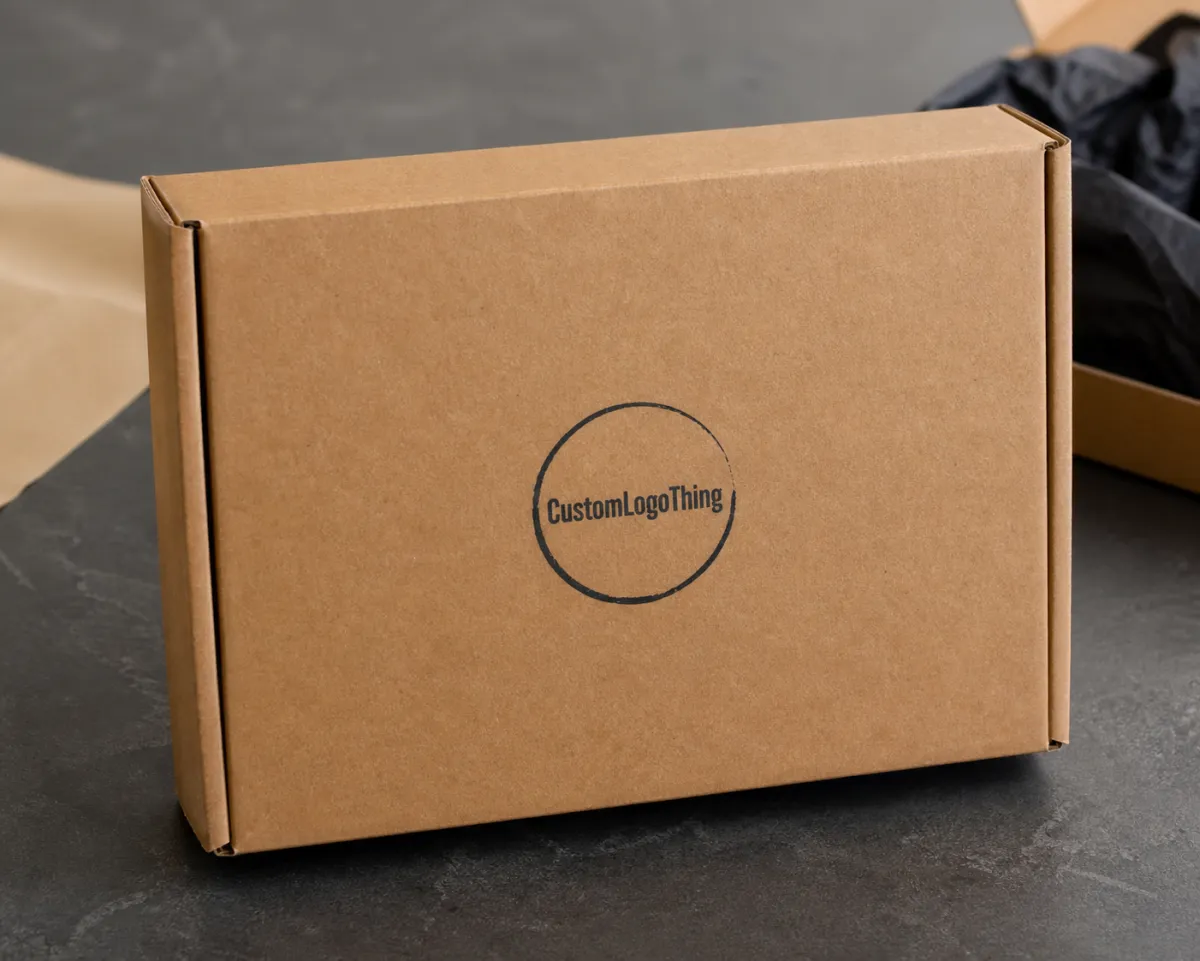
The corporate gifting team corrugated mailer boxes Sample Approval Checklist usually fails at the edges. The box size can be right while the insert squeezes the contents too tightly. The print can look crisp from a distance and still drift into a fold line after scoring. The sample can survive a polite desk test and buckle once it is stacked for outbound shipping. Packaging has a talent for exposing every shortcut.
Buyers tend to run into the same break points first: insert fit, lid closure, logo placement, print scaling, shipping dents, and the packed feel of the finished kit. A pretty sample that rattles is expensive cardboard with good lighting. The corporate gifting team corrugated mailer boxes sample approval checklist should make that obvious before the order reaches production.
Three sample types get confused constantly, so the distinction matters. A structural sample checks size, board grade, build, and closure. A printed sample checks color, artwork, and finish. A pre-production approval sample comes closest to the final run once the dieline and insert plan are locked. If the corporate gifting team corrugated mailer boxes sample approval checklist does not identify the sample type, people start making assumptions. That is how teams approve the wrong thing and call it progress.
"Looks fine" is not an approval standard. Fit, print, and ship performance are.
The checklist has one real job: catch structural, branding, and pack-out problems before different departments start approving different realities. The corporate gifting team corrugated mailer boxes sample approval checklist should answer three questions before anyone signs off: does it protect the gift, does it match the brand, and does it still feel premium after handling? If any answer is no, another round is cheaper than one bad run.
Receiving experience matters more than teams admit. A lid that opens too stiffly, tissue that tears, a flap that flares, or an inner item that shifts after closure changes the whole impression. That is not a design detail. That is the moment the corporate gifting team corrugated mailer boxes sample approval checklist proves its value.
How the Corporate Gifting Team Corrugated Mailer Boxes Sample Approval Checklist Works
The corporate gifting team corrugated mailer boxes sample approval checklist works best when it follows the actual workflow instead of the fantasy version where everyone replies on time and nobody revises the brief after lunch. The clean path is brief, dieline, artwork, sample request, review, revision, and sign-off. Skip one step and the project usually grows two more. Packaging is patient that way, which is exactly why it keeps punishing shortcuts.
Start with the brief. The brief should state what is being shipped, how much it weighs, whether it moves by parcel or hand delivery, and which finish the brand expects. The supplier then creates or confirms the dieline. Artwork gets placed on the dieline, not on a random PDF made in a rush. The corporate gifting team corrugated mailer boxes sample approval checklist should lock those pieces before the sample order leaves the building.
Ownership needs to be written down. Otherwise the team burns days collecting opinions from people who do not want the final decision. Brand checks visual accuracy and tone. Operations checks pack-out, closure, and handling. Procurement checks cost, lead time, and terms. The gifting owner checks the experience and decides whether the box feels right for the campaign. The corporate gifting team corrugated mailer boxes sample approval checklist should assign those roles clearly.
Projects drift for the same four reasons again and again: too many reviewers, vague feedback, no final owner, or late changes after the sample is already close enough to production to make people lazy. "Close enough" is expensive. A better rule is blunt: if the box protects the gift, matches the brand, and survives handling, it moves forward. If one of those fails, the corporate gifting team corrugated mailer boxes sample approval checklist sends it back. No drama, just a second round and a cleaner result.
Broader packaging programs benefit from comparing the box with the rest of the kit. You can review Custom Packaging Products for the wider range, or compare the mailer with Custom Shipping Boxes if the outbound route is rougher than a handoff in a reception area. If the item is light and flexible, a branded pouch or Custom Poly Mailers may fit better. The corporate gifting team corrugated mailer boxes sample approval checklist should support the packaging decision, not force the wrong format to survive by habit.
From a standards standpoint, it helps to check whether the sample was tested to a parcel profile similar to ISTA methods, especially if the kit will travel through carrier networks. If the box claims recycled content or FSC-certified board, keep the supplier documentation nearby and verify the claim against FSC guidance. The corporate gifting team corrugated mailer boxes sample approval checklist is about proof as much as appearance. Pretty is nice; proof pays the bills.
What to Check Before You Sign Off a Corrugated Mailer Box
Before you sign off a corrugated mailer box, the corporate gifting team corrugated mailer boxes sample approval checklist should move in a fixed order: structure first, branding second, pack-out third, sustainability fourth. That sequence keeps the conversation grounded. Start with color and somebody will ignore the fact that the lid does not close. People love arguing about Pantone while the flap is hanging open.
Check the structure like a shipping person, not a graphic designer
Measure the internal dimensions. Not the exterior. Internal. The gift needs clearance on all sides without sliding around. For many corporate gifting kits, E-flute board around 1.5-1.8 mm works for lighter mailers, while B-flute or double-wall constructions land closer to 3 mm or more when the kit is heavier or the route is rough. Edge crush strength matters too. A 32 ECT board may be enough for a lightweight kit, while 44 ECT makes more sense for a denser gift or a carton that gets stacked. The corporate gifting team corrugated mailer boxes sample approval checklist should record the board spec, not just the box size.
Closure deserves a close look. Does the lid sit flush? Do the tuck flaps fight each other? Does the magnetic closure, adhesive strip, or tab lock behave the same after the box is opened and closed twice? A sample can look clean once and still become irritating later. That is not minor. It becomes a service issue the moment the receiver handles it.
Check branding panel by panel
Artwork needs review on every visible surface: lid, front lip, side panels, interior print, and any insert surfaces that show during unboxing. The corporate gifting team corrugated mailer boxes sample approval checklist should confirm logo placement, scaling, and color drift against the approved file. If the design wraps around a fold, the fold line has to be treated as a real boundary, not a soft suggestion. Printers work from scores, bleed, and safe zones, not mood boards.
Watch the easy misses. Text too close to a cut edge. Barcode too low. Pattern drift where one panel does not line up with the next. A small registration shift can make the box feel cheaper than it is, especially when the brand uses bold graphics and hard edges. When that happens, the corporate gifting team corrugated mailer boxes sample approval checklist should flag it immediately instead of waiting for someone to say, "I thought we could live with it."
Check the unboxing and protection test
Pack the actual gift, not a placeholder. Close the box, turn it sideways, and shake it gently. If the product shifts, rattles, or rides up against the lid, the experience is broken. The corporate gifting team corrugated mailer boxes sample approval checklist should verify tissue placement, foam or pulp insert fit, and whether the product stays centered after normal handling. A kit can look premium on a bench and still feel sloppy once it moves.
For parcel shipping, ask whether the sample survives a basic drop and vibration mindset similar to ISTA or ASTM-style testing. A full lab run is not needed for every order, but a practical shipping expectation is. A mailer used for hand delivery can be lighter. A mailer used for national carrier distribution should use thicker board, a better closure, and a more disciplined insert. The corporate gifting team corrugated mailer boxes sample approval checklist should reflect the ship method, not the nicest version of the plan.
Check sustainability and compliance claims
If the supplier says the board is recycled or FSC-certified, ask for proof. If inks are low-migration or soy-based, ask what that means in practice. If the box needs recycling language, confirm it matches local guidance instead of inventing a line that sounds polished. The corporate gifting team corrugated mailer boxes sample approval checklist should include these notes so the final box does not get stalled by legal, ESG, or procurement later.
Teams with stricter sustainability targets usually do better with plain, accurate language. Say what the board is. Say what the finish is. Keep the claim honest. That approach tends to be safer than dramatic packaging copy. Packaging buyers hate revising a spec because somebody tried to sound visionary on a corrugated mailer.
Corporate Gifting Team Corrugated Mailer Boxes Sample Approval Process and Timeline
The corporate gifting team corrugated mailer boxes sample approval checklist needs a timeline people can actually follow. Otherwise the project drifts, and then everyone acts surprised that the campaign date arrived like a raid. A plain structural sample can move fast. A printed sample with inserts, finishing, and multiple reviewers takes longer. That is not always a supplier problem. Sometimes it is a team problem wearing a packaging badge.
Here is the realistic flow. A plain white structural sample often turns in 3-5 business days if the dieline is ready. A printed sample usually needs 7-12 business days, especially if the art includes special colors, wraparound copy, or finish changes. More complex approvals, including custom inserts or special coatings, often land in the 2-4 week range once revisions and freight are included. The corporate gifting team corrugated mailer boxes sample approval checklist should leave room for that rather than pretending a fully custom run appears by wishful thinking.
The bottlenecks are plain, which is why they keep winning. Missing dielines. Late artwork. Feedback spread across email, Slack, and a voice note from someone walking down a hallway. Sample shipping that arrives after the team has already booked a launch date. The corporate gifting team corrugated mailer boxes sample approval checklist should lock review dates before the sample ships and name one person to collect all comments into one document.
If fewer revision loops sound useful, make the decision rule blunt: one round for structure, one round for print, one final sign-off for production readiness. That does not stop the team from asking for more changes. It means every extra round has an owner and a reason. The corporate gifting team corrugated mailer boxes sample approval checklist should not allow endless "almost there" feedback after the supplier has already prepared final tooling. Teams can be diplomatic about it, but the rule itself should be firm.
Here is a practical sequence that works for most corporate gifting programs:
- Confirm the final gift dimensions, weight, and insert layout.
- Approve the dieline and artwork placement.
- Request the right sample type: structural, printed, or pre-production.
- Review the sample against the corporate gifting team corrugated mailer boxes sample approval checklist.
- Record revisions in one file, not three inboxes.
- Get one final sign-off before the production file is released.
The earlier those steps are frozen, the less chaos shows up later. That sounds obvious because it is. The corporate gifting team corrugated mailer boxes sample approval checklist is really a schedule policy with cardboard attached.
Cost, Pricing, MOQ, and Quote Traps in Corrugated Mailer Boxes
Pricing is the point where the corporate gifting team corrugated mailer boxes sample approval checklist becomes a budget tool instead of just a quality tool. A cheap sample can look efficient until the production run exposes a missing fee, a surprise MOQ, or an insert change that costs more than the box. The real trap is not the sample price. The real trap is assuming the sample price tells the whole story.
For basic white structural samples, a realistic range often sits around $25-$75 before freight. Printed prototypes can run $100-$300+ depending on size, coverage, finish, and whether the supplier must prep a custom plate or digital proof. If the project needs tooling, special inserts, or rush freight, those line items should appear early. The corporate gifting team corrugated mailer boxes sample approval checklist should force those numbers into the discussion before the quote starts sounding friendly.
Unit pricing changes with the usual suspects: box dimensions, board grade, print coverage, finish, insert complexity, and order volume. A small, lightly printed mailer can cost a fraction of a larger, full-coverage branded kit. MOQ often carries the real sting. The unit price may look attractive while the minimum order makes the total spend awkward for a seasonal campaign. The corporate gifting team corrugated mailer boxes sample approval checklist should include the target quantity, not just the sample.
Here is a practical comparison packaging buyers use all the time:
| Option | Typical Use | Sample Cost Range | What It Proves | Main Risk |
|---|---|---|---|---|
| Plain structural sample | Fit, board strength, closure | $25-$75 | Dimensions and construction | Print and finish still untested |
| Printed prototype | Brand look, color, artwork | $100-$300+ | Graphic placement and finish | Higher revision and setup cost |
| Pre-production approval sample | Final confirmation before run | Varies by spec | Closest match to production | Changes after approval can cost time and freight |
Quote traps usually hide in the small print. If freight is missing, ask why. If setup charges are absent, ask what shows up later. If revision limits are vague, expect extra rounds to appear on the invoice. If the supplier prices a sample but not the final production spec, you may be comparing two different realities. The corporate gifting team corrugated mailer boxes sample approval checklist should put sample, prototype, and production on the same sheet so fuzzy wording has nowhere to hide.
A better sample is cheaper than a worse rerun. That does not mean every prototype deserves a bigger spend. It means the approval process should be precise enough that the sample you approve truly represents the run you will buy. Sloppy approval always costs more later. Packaging math is dull, but it is rarely subtle.
If the team needs a broader view of production options, keep the approval file beside the sourcing sheet and compare it with the rest of the program. The corporate gifting team corrugated mailer boxes sample approval checklist should give procurement enough detail to negotiate and enough clarity for brand to stop moving the goalposts after the quote lands.
Common Mistakes That Blow Up Sample Approvals
The corporate gifting team corrugated mailer boxes sample approval checklist catches the same mistakes because teams keep making them. That is not mystery. That is habit. The biggest mistake is approving a sample without the final insert or gift kit. The box looks good empty, then the actual product arrives and nothing fits the way it should. Congratulations, you approved a cardboard sculpture.
Another favorite mistake is trusting the visual and ignoring handling. The logo can be perfect and the box can still crush when someone stacks it in a warehouse cart. A coating choice can scuff faster than expected. The corporate gifting team corrugated mailer boxes sample approval checklist should force the team to open, close, move, and pack the sample the same way the finished unit will be used.
Visual misses sneak through when people rush. Logos sit too low. Color shifts a shade or two and nobody notices until the approval file is compared to the brand standard. Barcode placement misses the mark. Text lands in the fold line and turns fuzzy after scoring. These are common failures, which is exactly why the corporate gifting team corrugated mailer boxes sample approval checklist needs a final panel-by-panel review.
Process mistakes are just as costly. Feedback lands in email threads, Slack messages, and text notes. Three people edit the same line without seeing each other’s comments. Nobody knows which PDF is final. That is how teams approve the wrong version with a straight face. The corporate gifting team corrugated mailer boxes sample approval checklist should keep one live approval document and one version number, period.
The money mistake hurts most because it is self-inflicted. Teams treat sample approval like a formality, then pay for reprints, rework, or rushed freight when the first production run misses the mark. A bad sample is a warning. Not an annoyance. The corporate gifting team corrugated mailer boxes sample approval checklist exists so the warning is heard before the bill lands.
- Do not approve the box without the real insert dimensions.
- Do not assume color will "look fine" on production board if the sample already drifts.
- Do not split feedback across multiple channels.
- Do not release the PO until the final version is named and dated.
Seasoned packaging buyers can seem picky because they have already paid for the lesson once. The corporate gifting team corrugated mailer boxes sample approval checklist is just the less expensive way to learn the same thing. Also, it saves everyone from the awkward meeting where nobody wants to own the bad call.
Next Steps: Turn the Checklist Into a Clean Purchase Decision
Once the sample is close, stop improvising and build the approval file. Put the final dieline, approved artwork, insert spec, sample photos, and revision notes in one place. The corporate gifting team corrugated mailer boxes sample approval checklist should not live in someone’s inbox where it can be reopened and reinterpreted six times. That is how "approved" turns into "we had a different understanding."
Run a final go/no-go review with clear owners. Brand signs off on graphics. Operations signs off on structure and pack-out. Procurement signs off on pricing and terms. The gifting owner signs off on the experience. Record the approval date, the version number, and the sample type used for the decision. If the supplier changes anything after that, the corporate gifting team corrugated mailer boxes sample approval checklist should require a fresh confirmation.
If the order sits inside a broader packaging rollout, keep the sourcing notes tight and compare the box against any other formats under consideration. Some kits belong in a corrugated mailer. Some belong in a regular carton from Custom Shipping Boxes. Some travel better in a simpler flexible format. The corporate gifting team corrugated mailer boxes sample approval checklist should support the final packaging choice, not trap the team in one assumption.
Before release, ask for one last written confirmation from the supplier that the production file matches the approved sample. That small step blocks the classic problem where the sample was approved and the final run quietly inherited a different insert, finish, or print setting. For teams using recycled content or forest-certified board, verify the documentation before the PO goes out. The corporate gifting team corrugated mailer boxes sample approval checklist should make that routine, not heroic.
Use the checklist as the filter that keeps the gift looking premium after transit, handling, and a few overconfident hands in the office. That is the point. The corporate gifting team corrugated mailer boxes sample approval checklist is not paperwork for fun; it is the fastest route to avoiding ugly surprises once production starts. If there is one takeaway, it is this: approve the box only after the real insert, real artwork, and real shipping conditions have all been checked together.
What should a corporate gifting team check first on a corrugated mailer box sample?
Start with fit. The gift should sit snugly without crushing the board or rattling during transit. Then check the artwork placement on every visible panel, not just the lid. Finish with handling: open, close, and ship-test the sample so dents, scuffs, and weak closures show up before approval. The corporate gifting team corrugated mailer boxes sample approval checklist should always start with structure, not decoration.
How long does corrugated mailer box sample approval usually take?
A plain structural sample can often turn around in 3-5 business days. Printed samples usually need 7-12 business days, especially if there are revisions or special finishes. If the project includes inserts, freight, or multiple reviewers, plan for 2-4 weeks. The corporate gifting team corrugated mailer boxes sample approval checklist should be scheduled around that reality, not wishful thinking.
How much should a corrugated mailer box sample cost?
Basic white samples are often around $25-$75 before freight. Printed prototypes can land around $100-$300 or more depending on complexity and setup. Ask whether freight, tooling, and revision charges are included in the quote. The corporate gifting team corrugated mailer boxes sample approval checklist should surface those costs before anyone treats a low sample price as a full win.
What if the sample looks good but the final inserts are not ready?
Do not approve the box for production if the insert dimensions are still missing. A box that fits loosely with the wrong insert will fail in transit even if the print is perfect. Approve only when the final pack-out spec is locked, or expect another round. The corporate gifting team corrugated mailer boxes sample approval checklist should treat unfinished inserts as an open risk, not a detail.
Can you approve a corrugated mailer box with minor sample changes?
Yes, if the changes are documented clearly and do not affect fit, print alignment, or shipping performance. Minor shade shifts or tiny trim moves can be acceptable, but only if the brand team agrees in writing. If the issue affects structure or protection, do not call it minor just because the schedule is tight. The corporate gifting team corrugated mailer boxes sample approval checklist is there to keep that line visible.
If you want the quickest path to a clean order, keep the corporate gifting team corrugated mailer boxes sample approval checklist tied to one owner, one version, and one final sign-off. That is how you avoid the rerun nobody budgets for.


