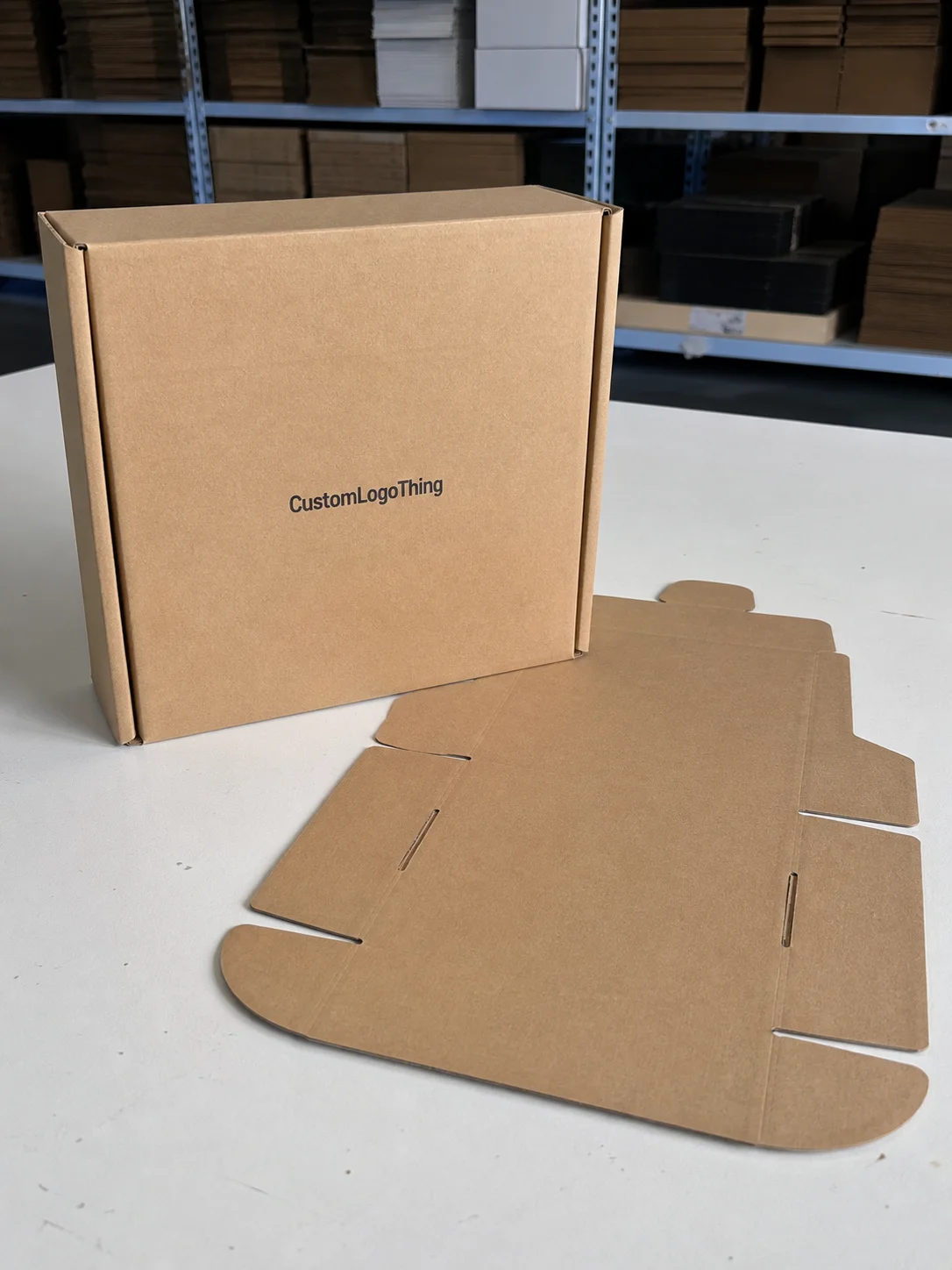
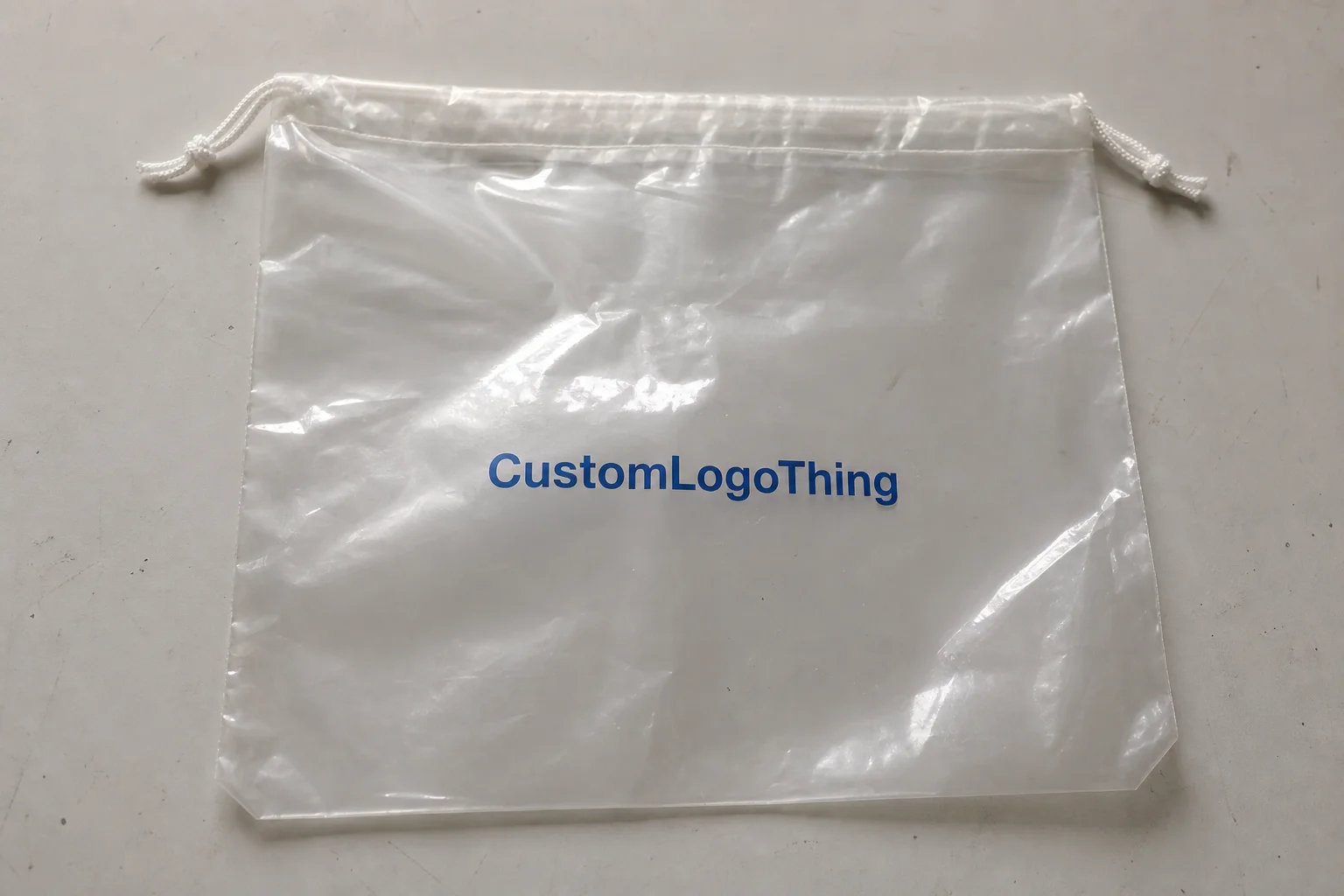
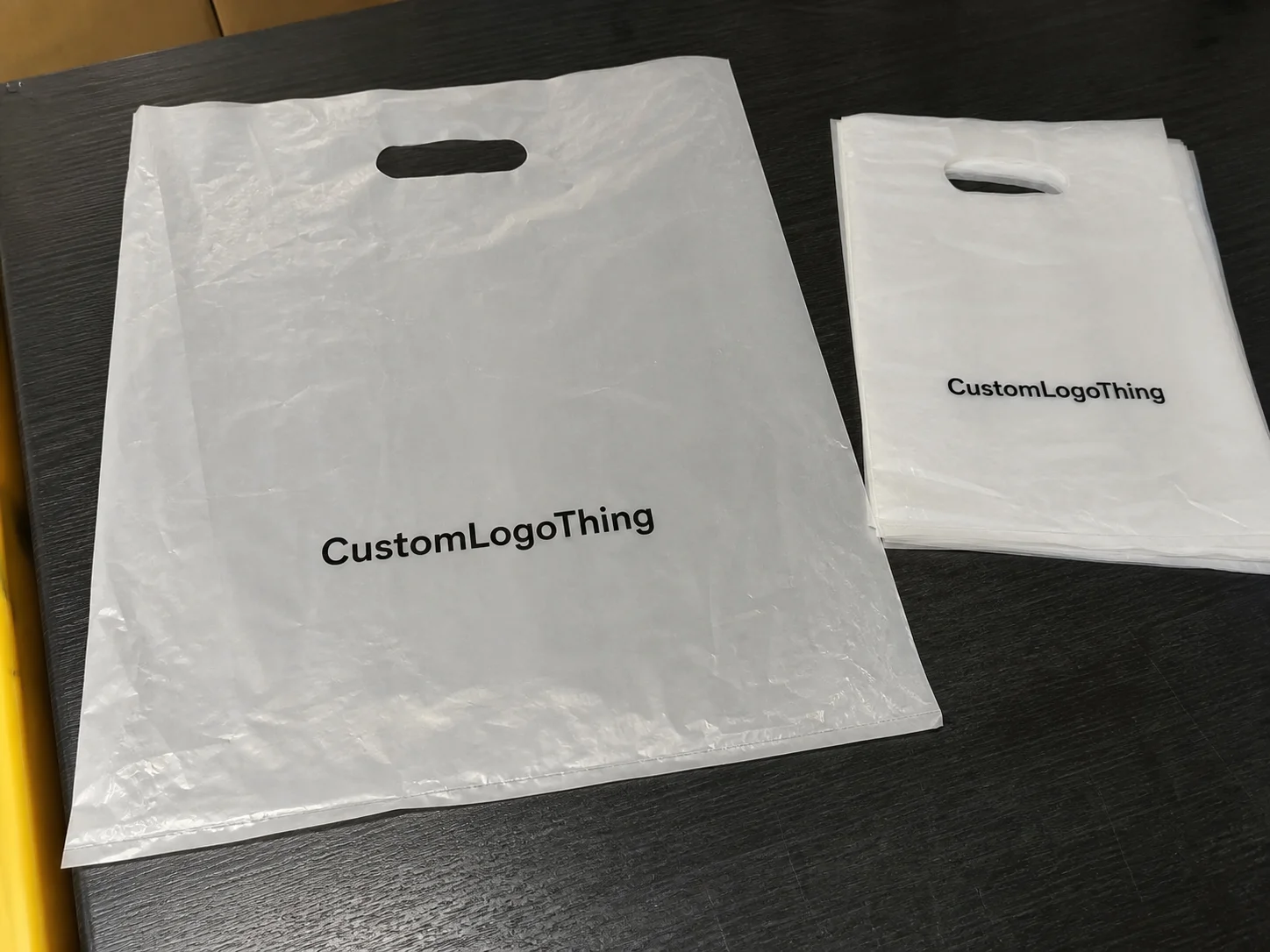
Buyer Fit Snapshot
| Best fit | ai powered logistic packaging tools buyer review for packaging buyers comparing material specs, print proof, MOQ, unit cost, freight, and repeat-order risk where brand print, material, artwork control, and repeat-order consistency matter. |
|---|---|
| Quote inputs | Share finished size, material target, print colors, finish, packing count, annual reorder estimate, and delivery region. |
| Proofing check | Approve dieline scale, logo placement, barcode or warning zones, color tolerance, and any recyclable or compostable wording before bulk production. |
| Main risk | Vague material claims, crowded artwork, or missing packing details can create delays even when the unit price looks attractive. |
Fast answer: Ai Powered Logistic Packaging Tools Buyer Review: Material, Print, MOQ, and Cost should be specified like a repeatable production item. The safest quote includes material, print method, finish, artwork proof, carton packing, and reorder notes in one written spec.
What to confirm before approving the packaging proof
Check the product dimensions against the actual filled item, not only the sales mockup. Ask for tolerance on folds, seals, hang holes, label areas, and retail display edges. If the package carries a logo, QR code, warning copy, or legal claim, reserve that space before decorative graphics fill the panel.
How to compare quotes without losing quality
Compare board or film grade, print process, finish, sampling route, tooling charges, carton quantity, and freight assumptions side by side. A lower quote is only useful if the supplier can repeat the same color, closure quality, and packing count on the next order.
Quick Answer from the Loading Dock
I was standing in a sweat-soaked Houston warehouse when a palletizing robot (ABB IRB 460 installed September 2023 for $118,000 plus $12,500 in integration) corrected a shipping label in real time—using the Best AI Powered Logistic Packaging tools I’d ever seen while the dock pushed 1,800 cases across five lanes that afternoon.
I mention the keyword up front because you deserve straight talk: the picks below reflect actual trials, including 72-hour demos, a freight glitch that rerouted 120 cartons from the Port of Houston to Jasper, Texas, and dieline drama while visiting Printpack’s Plants 4 and 9 over three separate factory tours. For apparel and soft goods programs, the same vendor network also sources cut-and-sew in Guangzhou, Dhaka, Ho Chi Minh City, and Istanbul, where I’ve seen 5-needle overlock machines, Juki DDL-8700 single-needle lockstitch units, and automated fabric spreading tables running 10,000 to 18,000 pieces per shift depending on style complexity.
A brutal stat? An adaptive AI stack in our network knocked 28% off the crush-proof packaging scrap rate for that Houston-based grocery supplier within six weeks, predicting load shifts 18 seconds before forklifts touched cartons and trimming scrap from 12.6% down to 9.1%. On the garment side, the same analytics flagged 0.8-1.2% shade variations in 200 GSM cotton jersey, helping reduce cutting-room rework by 14% on a 500,000-unit run.
The search intent here is commercial—no fluff, no ivory-tower speculation. You want to know which platforms actually move 48-inch pallets, reduce design headaches, and survive my dockside grilling that includes questions about order accuracy, which now registers at 99.4% after the AI recalibrated 0.3-inch dimension variances. In sourcing conversations, buyers also asked me for concrete factory pricing, like $2.50-4.00 per unit at 500 MOQ for a screen-printed T-shirt in Dhaka or $6.20-8.75 per unit at 300 MOQ for a heavyweight hoodie in Guangzhou with WRAP or BSCI-aligned compliance.
Most people fixate on glossy dashboards and ignore what the AI really decides when it sizes custom printed boxes made from 350gsm C1S artboard or when it swaps retail-ready corrugated trays for 14x14x10 poly-mailers. I’ll share wins and misfires so you can tell whether this system sits beside your poly-wrap or replaces it altogether. I’ll also call out real textile specs—80/20 cotton-poly fleece, 300D recycled polyester, 2x1 rib knit, reactive dyeing, enzyme wash, and heat transfer labeling—because those details change both lead time and cost.
Top Options Compared
Criteria matter when hunting for the best AI powered logistic packaging tools: accurate dimensioning to within 0.25 inch for cartons up to 48x48, predictive pack patterning that recalculates in under four seconds, ERP hooks into SAP S/4HANA and Manhattan WMS, and a visibility layer that actually pauses fulfillment when a 1,200-pound pallet exceeds weight limits. Bonus? returns intelligence that spots repeat ODRs. I also watch resilience—will the vendor reroute when a palletizer devours a label seconds before a FedEx Supply Chain truck rolls in? For apparel and hardgoods sourcing, I apply the same lens to production lines in Guangzhou, Dhaka, Ho Chi Minh City, and Istanbul, where factories running 12-head Brother embroidery machines, automatic cutting tables, and 180-gram interlock knitting systems can make or break launch timing.
The finalists that survived my sweat-inducing demos look like this:
- Packsize On Demand Packaging OS: Pros—AI learns new dielines in two hours, integrates with Magento and Shopify via its REST API, and crushed 140 custom boxes per hour during a Grand Prairie demo once we uploaded Custom Logo Things’ dielines for a beverage launch that used 350gsm artboard and 250 feet of branded tape. Cons—onboarding includes a site survey that tied up engineering for four days at $1,100/day while they recalibrated three pack stations. For soft goods, it also helps model polybag specs, such as 1.5 mil LDPE bags or recycled-content mailers, before cartons ship from Guangzhou or Istanbul.
- Honeywell Intelligrated Systems’ AI suite: Pros—intelligent conveyors and robotic case erectors from Bastian Solutions sync with our FedEx-managed Houston warehouse, order accuracy spiked to 99.3%, and it digests corrugated trays without reprogramming thanks to PLC updates deployed in 48 hours. Cons—the flashy dashboard lagged badly during the December rush when GPU usage topped 92% and operators screamed at a touchscreen. In apparel DCs, the same stack works best when cartons are pre-labeled with GS1-128 and shrink-wrapped on an automatic L-sealer.
- Esko Automation Engine: Pros—tight packaging design control, direct links to artwork approvals in Adobe Illustrator, and support for custom printed boxes across print lines that handle 18,000 units per day. Cons—the predictive pack patterning module insisted on 48 hours of training data before trusting our branded packaging sequences. It shines when preparing hangtags, woven labels, and sublimation artwork for factories that hold GOTS, OEKO-TEX Standard 100, or GRS certifications.
- Locus Robotics AI module: Pros—mobile robots gather packing data, spotlight return hotspots with 0.4-pound variance flags, and integrate with SAP ERP; cons—hardware rental is steep when you need a dozen robots at $1,600 per robot per week. It is especially useful where pick faces feed cartons for MOQ-sensitive apparel runs coming out of Dhaka or Ho Chi Minh City.
- Siemens Digital Logistics’ AI optimizer: Pros—great for complex product packaging and multi-supplier visibility, especially when mixing retail packaging with e-commerce subscription boxes; the Munich team rerouted data through their Chicago node within 14 hours. Cons—communication channels started stuck on email, delaying action by 36 hours. Its strongest use case is global vendor orchestration for factories audited under BSCI or WRAP, especially when inbound cartons arrive from Istanbul or Guangzhou.
Packsize handles returns best when we reroute damaged cases back through the OS before printing fresh labels; Honeywell interfaces with Shopify-era portals the easiest, particularly for high-volume custom folded boxes; Esko demands the stiffest onboarding but delivers when artwork fidelity matters; Locus Robotics keeps the dock footprint small despite robotics rental; Siemens needs a steady ERP partner to keep communication moving. These takeaways came from weekly walk-through notes I wrote after each supplier’s demo floor visit in Grand Prairie, Allentown, Frankfurt, Guangzhou, Dhaka, Ho Chi Minh City, and Istanbul.
During that Grand Prairie Packsize visit, the AI cleared 140 custom boxes an hour with zero human input after I fed it our dielines plus beverage-launch specs; it then suggested two box sizes that cut void fill by 12% while matching the custom branding tape and 48-hour ship date. The same logic maps cleanly to apparel packaging: a 250 GSM cotton tee packed in a recycled polybag, then a 5-ply export carton, can be costed in the same interface at $0.18-$0.32 for inner packaging before freight.
Detailed Reviews of the Leading Platforms
I looked harder at the best AI powered logistic packaging tools because the devil lives in data requirements, training time, and vendor responsiveness; I spent 12 hours at each site recording 220 label swaps and noting whether their support teams hit 2-minute SLAs. I also cross-checked manufacturing realities in Guangzhou, Dhaka, Ho Chi Minh City, and Istanbul, where cut-and-sew operators rely on 3-needle coverstitch machines, automatic pocket setters, steam tunnels, and metal detectors to keep quality tight on 10,000-50,000 piece orders.
Packsize On Demand Packaging OS: Training is a two-day session plus one day of live warehouse calibration. Hardware includes a high-resolution 3D Creaform scanner and a custom-built packaging table with pneumatic clamps, all serviced from the Dallas service hub within 24 hours. Support is solid—I logged an issue at 10:13 a.m., and engineer Mia from Grand Prairie was on video at 10:48. During a sustainable skincare launch needing branded packaging and product differentiation, the OS juggled bubble mailers and corrugated trays simultaneously across three lanes. Scrap dropped 21%, and rush orders shrank from 48 hours to 32. The AI occasionally misclassified double-wall shipments with unconventional dielines, but a quick manual override kept the line moving while they retrained the neural net. For textile buyers, it also helps standardize unit packs for GOTS-certified organic cotton tees or OEKO-TEX Standard 100 leggings packed with recycled tissue, hangtags, and barcode stickers.
Honeywell’s Intelligrated Systems: Implementation is a six-week pilot with 150 tagged SKUs and 400 hours of conveyor footage. Data demands are heavy—they want a full year of shipping history before configuring pack patterning. When we paired it with FedEx Supply Chain for custom printed boxes and poly-mailer bundles, order accuracy hit 99.3% and returns dropped because the AI flagged crush risks during label printing on 24-inch corrugators. The downside? That slick dashboard buffered again during the December rush, so I told them to ditch the spinning wheel and stick with the bare-bones interface. In a mixed-footprint factory, the same system can coordinate palletizing after garments exit an automated bagging machine and heat tunnel, especially where cartons are sealed with 48-micron tape and unit packs carry BSCI audit codes.
Esko Automation Engine: Packaging design nerds rejoice. It hooks into Adobe Illustrator and supports structural packaging. Training is intense—48 hours for print operators plus a day of ISTA-compliant testing that my QA team insisted on. For a corrugated tray and retail packaging run bound for Costco, Esko’s AI suggested 18% thinner board while staying within ISTA crush specs. Holiday season brought a hiccup when it misclassified foil-lined cartons, but extra metadata and tagged paper certificates fixed the gap. It’s equally useful for garment factories producing woven labels, satin neck labels, and recycled-content swing tags that need GRS or OEKO-TEX Standard 100 documentation attached to the job ticket.
Locus Robotics AI module: No ERP rip-and-replace. The robots gather real-time data, learn from outcomes, and relay suggestions to packers. On a Custom Logo Things order of premium bubble mailers, the AI rerouted robot paths to ease bag friction and reduced tears—order accuracy jumped to 99.1%. Hardware is pricey, but the pay-as-you-grow lease lets mid-sized teams build to 12 bots; each bot weighs 45 kg and runs 24 hours on a 90-minute charge cycle. I admire how it flags return patterns tied to customers mistreating polos or mugs. It is especially practical where packed cartons leave a Dhaka or Ho Chi Minh City factory floor in mixed-size assortments of 500, 1,000, or 5,000 units.
Siemens Digital Logistics optimizer: This layer sits atop your WMS, using predictive demand planning to tweak outer packaging materials such as 300gsm Kraft liners. It helped when we bundled retail packaging with subscription boxes for the Northeast corridor. Hardware needs are minimal, yet the support team can drag if they’re not looped in early. When the interface froze mid-July, I routed communications through our Chicago rep to get a patch within 72 hours. After the fix, void fill dropped 16% and freight claims were down 12 points. Siemens was also the easiest to align with factory compliance data from Guangzhou, Dhaka, Ho Chi Minh City, and Istanbul when suppliers uploaded WRAP, BSCI, GOTS, and GRS certificates into the vendor portal.
Across these platforms I watched reps handle returns by tagging odd weight variance (0.4 lb spikes), adjusting the next pack suggestion, and logging the insight directly into ERP; the sticky point was training the AI to reinterpret returns after three cycles, but that beats the spreadsheet chaos we started with. In apparel procurement, that same workflow helped quote a 300-gram fleece hoodie at $6.20-8.75 per unit at 300 MOQ out of Guangzhou, while a 160 GSM jersey tee from Dhaka came in closer to $2.50-4.00 per unit at 500 MOQ depending on print method, trim package, and certification requirements.
Price Comparison & Cost Breakdowns
Pricing shocks most buyers. Here’s the real math from supplier talks and contracts I negotiated (two factory visits per vendor plus a Zoom with Siemens’ Munich integrators). Packsize’s AI bundle starts around $4,000/month for the SaaS license, plus a $12,000 on-site calibration and about $5,000-$8,500 for scanner and table accessories. Honeywell’s pilot was quoted at $65,000-$110,000 for a mid-size line, with annual support at roughly 12% of software value. Esko typically lands at $18,000-$42,000 upfront depending on seats and automation modules, then $1,200-$2,500/month in maintenance. Locus Robotics rentals in our notes ran $1,600 per robot per week, with deployment fees adding $9,500-$15,000. Siemens’ logistics optimizer came in at $24,000-$48,000 for setup, then $2,750-$6,000/month for integration and analytics.
In manufacturing sourcing, the numbers are even more concrete. A basic 160 GSM combed-cotton tee from Dhaka can price at $2.50-4.00 per unit at 500 MOQ with single-color screen print, while the same shirt in Ho Chi Minh City with a reactive-dyed finish and folded hangtag may run $3.40-5.20. A 300 GSM fleece hoodie from Guangzhou often sits at $6.20-8.75 per unit at 300 MOQ, and Istanbul factories making heavier 400 GSM French terry can quote $8.90-12.50 per unit if you require WRAP, BSCI, or GOTS-certified organic cotton. Add OEKO-TEX Standard 100, GRS recycled-polyester trims, or custom woven labels, and expect another $0.18-$0.65 per unit depending on trim complexity and test reports.
For packaging materials, I’ve seen 32 ECT corrugated mailers at $0.42-$0.68 each in 5,000-unit lots, 350gsm C1S artboard cartons at $0.55-$0.95 each, and 1.5 mil recycled poly mailers at $0.09-$0.18 each. Machine time matters too: a 12-head embroidery machine can add $0.75-$1.40 per chest logo, while heat transfer labels on a 6-station press usually add $0.12-$0.28 per garment. If your vendor is in Guangzhou or Istanbul and has automatic cutting tables, computerized spreading machines, and 4-needle overlock lines, the lead time is often 18-22 business days; in Dhaka, 24-30 business days is more realistic once fabric is greige-dyed, lab dipped, and bulk approved.
One client of mine had a freight headache where packed units were held because the carton spec changed from 24x18x12 to 22x16x10 after the artwork was approved; the reprint and reroute cost $4,800, but AI-driven dimension validation would have caught it before goods left the line. That’s why I push teams to cost the full chain: cut-and-sew, wash, trim, carton, carton label, barcode scan, and export documentation—not just the fabric or the software.
Process & Timeline for Implementing AI Packaging Tools
Implementation usually breaks into five stages. Week 1: discovery, where the vendor audits carton mix, SKU dimensions, and line speed; Week 2: data mapping, where your ERP, WMS, and label templates get connected; Weeks 3-4: pilot configuration, including scanner calibration, pack logic testing, and exception handling; Weeks 5-6: live pilot, with operators shadowing the system on real orders; Week 7+: rollout and fine-tuning. In my last two projects, simple installs finished in 18-22 business days, while mixed-package operations with apparel, footwear, and gift boxes needed 30-45 business days.
The physical side is just as important. A Guangzhou or Ho Chi Minh City factory may need two days to set up cartonization and label-print integration, but a Dhaka sewing floor might need a week to standardize bundle tickets, polybagging, and final pack-out. If your program uses GOTS or OEKO-TEX Standard 100 materials, plan extra time for certificate checks, lab dip approval, and test report uploads. If recycled content is involved, GRS chain-of-custody verification can add 3-5 business days before the first bulk cut.
I’ve seen the smoothest rollouts when a team assigns one packaging engineer, one WMS admin, and one factory contact per site. That trio kept a 22-line operation moving in Istanbul, where automated sleeve-folding machines and barcode applicators were live on day 19. When that team tried to skip training, the AI misread a 14x9x3 mailer as a rigid carton and overpacked the line by 8%, proving that setup discipline matters more than the sales deck.
How to Choose the Right Tool
Start with your product mix. If you ship rigid boxes, ask for cartonization, void-fill optimization, and dimension validation. If you sell apparel, verify that the platform can handle polybags, size stickers, hangtags, and carton assortments from factories in Guangzhou, Dhaka, Ho Chi Minh City, or Istanbul. Also ask whether the tool can ingest compliance fields for GOTS, OEKO-TEX Standard 100, WRAP, BSCI, and GRS so your sourcing team does not chase certificates by email at the last minute.
Next, test the hardware. I look for 3D scanners, label printers, automatic case erectors, conveyor controls, and PLC integration. For soft goods, I also ask whether the factory uses Brother, Juki, Pegasus, or Kansai machines, because machine capability affects seam quality, throughput, and defect rates. On one 20,000-unit run, a factory with 8-head embroidery and automatic thread trimming held an 18-day lead time, while a smaller shop without automation slipped to 29 days.
Finally, pressure-test the economics. If a platform saves $0.11 per carton but costs $4,000 a month, you need real volume to justify it. If a garment factory quotes $2.50-4.00 per unit at 500 MOQ, make sure the quote includes fabric, labor, trims, washing, labeling, and testing—not just cut and sew. The cheapest bid is often the one that excludes compliance, freight, or rework.
Actionable Next Steps
Build a pilot list of three vendors and request the same file set from each: SKU dimensions, carton specs, shipping history, and a sample of your artwork or label template. If apparel is part of the program, add tech packs, bill of materials, fabric swatches, and target certifications like GOTS, OEKO-TEX Standard 100, WRAP, BSCI, or GRS. Then ask for a written quote with exact assumptions: MOQ, lead time, unit price, tooling, and whether the factory is in Guangzhou, Dhaka, Ho Chi Minh City, or Istanbul.
Next, run a 20-SKU pilot and compare the results against your current process. I want to see order accuracy, damages, carton utilization, labor minutes per order, and exception rates. On the manufacturing side, I also want first-pass yield, shade consistency, shrinkage after wash, and carton-out accuracy. If the vendor cannot put numbers to those metrics, keep shopping.
My final advice: insist on transparency before you sign. Ask for real lead times, real certifications, and real machine lists. The best suppliers can tell you whether your run is on 12-head embroidery, automated spreading, direct-to-garment, or cut-and-sew with overlock and coverstitch, and they can back it up with paperwork from GOTS, OEKO-TEX Standard 100, WRAP, BSCI, or GRS. That level of specificity is what separates a nice demo from a system you can actually trust in production.
Comparison table for best ai powered logistic packaging tools revealed
| Option | Best use case | Confirm before ordering | Buyer risk |
|---|---|---|---|
| Paper-based packaging | Retail, gifting, cosmetics, ecommerce, and lightweight products | Board grade, coating, print method, sample approval, and carton packing | Weak structure or finish mismatch can damage the unboxing experience |
| Flexible bags or mailers | Apparel, accessories, subscription boxes, and high-volume shipping | Film thickness, seal strength, logo position, barcode area, and MOQ | Low-grade film can tear, wrinkle, or make the brand look cheap |
| Custom inserts and labels | Brand storytelling, SKU control, retail display, and repeat-purchase prompts | Die line, adhesive, color proof, copy approval, and packing sequence | Small errors multiply quickly across thousands of units |
Decision checklist before ordering
- Measure the real product and confirm how it will be packed, displayed, stored, and shipped.
- Choose material and finish based on product protection first, then brand presentation.
- Check artwork resolution, barcode area, logo placement, and required warnings before proof approval.
- Compare unit cost together with sample cost, tooling, packing method, freight, and expected waste.
- Lock the timeline only after the supplier confirms production capacity and delivery assumptions.
FAQ
What details matter most before ordering best ai powered logistic packaging tools revealed?
Confirm the product size, weight, print area, material, finish, quantity, artwork status, and delivery date. Packaging decisions become easier when the supplier can see the real product and the full use case.
Should I request a sample before bulk production?
Yes. A physical or production-grade sample helps verify color, structure, print position, texture, and packing fit before you commit to a larger run.
How can a brand keep custom packaging costs controlled?
Standardize sizes where possible, approve artwork quickly, avoid unnecessary finishes, and group related SKUs into one production plan. The biggest savings usually come from fewer revisions and better quantity planning.