Buyer Fit Snapshot
| Best fit | boxes for subscription box delivery buyer review for packaging buyers comparing material specs, print proof, MOQ, unit cost, freight, and repeat-order risk where brand print, material, artwork control, and repeat-order consistency matter. |
|---|---|
| Quote inputs | Share finished size, material target, print colors, finish, packing count, annual reorder estimate, and delivery region. |
| Proofing check | Approve dieline scale, logo placement, barcode or warning zones, color tolerance, and any recyclable or compostable wording before bulk production. |
| Main risk | Vague material claims, crowded artwork, or missing packing details can create delays even when the unit price looks attractive. |
Fast answer: Boxes for Subscription Box Delivery Buyer Review: Dieline, Finish, Proof, and Buyer Review should be specified like a repeatable production item. The safest quote includes material, print method, finish, artwork proof, carton packing, and reorder notes in one written spec.
What to confirm before approving the packaging proof
Check the product dimensions against the actual filled item, not only the sales mockup. Ask for tolerance on folds, seals, hang holes, label areas, and retail display edges. If the package carries a logo, QR code, warning copy, or legal claim, reserve that space before decorative graphics fill the panel.
How to compare quotes without losing quality
Compare board or film grade, print process, finish, sampling route, tooling charges, carton quantity, and freight assumptions side by side. A lower quote is only useful if the supplier can repeat the same color, closure quality, and packing count on the next order.
Quick Answer: Best Boxes for Subscription Box Delivery
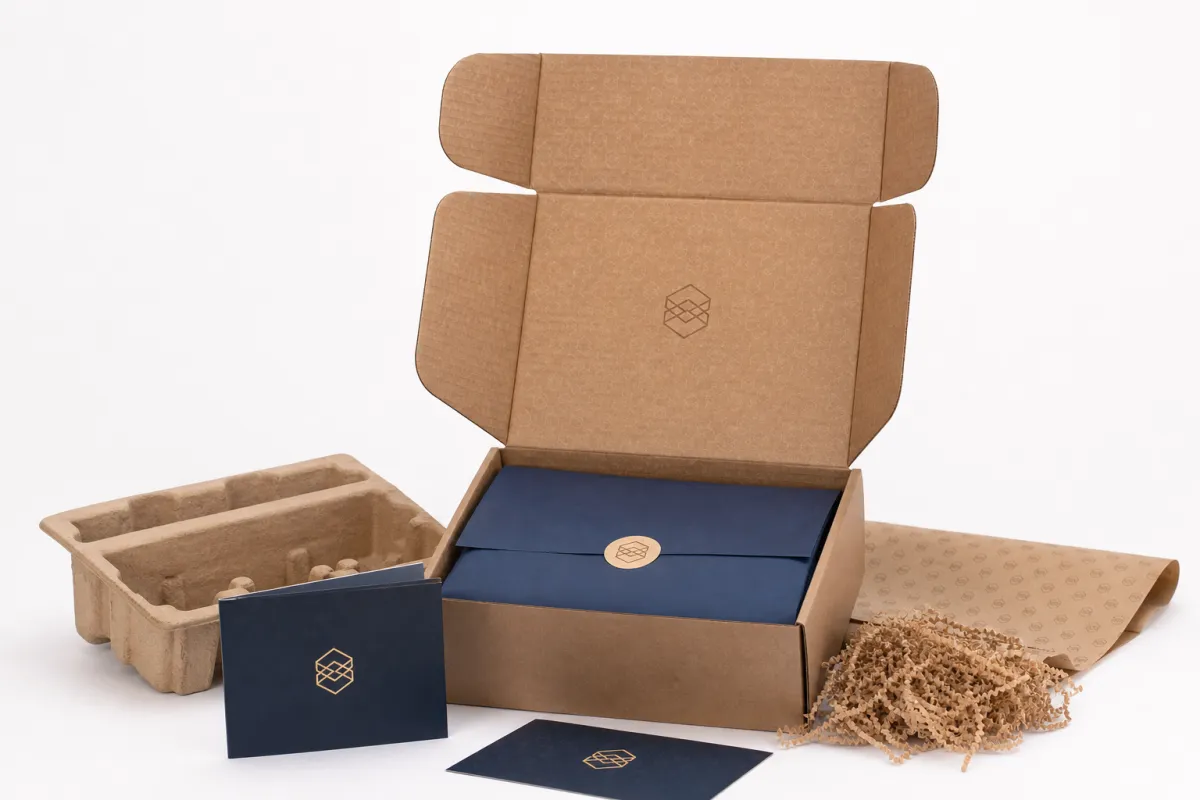
The best Boxes for Subscription box delivery are rarely the ones that look most impressive in a studio shot. A box can photograph beautifully, open with a satisfying feel, and still fail the first time it meets a conveyor corner, a rough stack in transit, or a carton that sits just a little too loose around the product. That gap between presentation and performance is where packaging problems usually start, and it is why so many subscription brands end up rethinking their structure after the first wave of shipments.
If you want the short version, here it is: mailer boxes are the strongest all-around choice for branded parcel shipping, corrugated shippers are the best fit for heavy or fragile kits, tuck-top cartons work well for lightweight retail-style subscriptions, rigid boxes create the most premium presentation, and subscription-ready folding cartons make the most sense for refill programs where speed matters. If you are comparing formats and want a broader look at structures, you can browse our Custom Packaging Products to see what fits your product mix before you lock in a design.
The box itself is only part of the decision. What drives results is the combination of crush strength, assembly time, dimensional efficiency, print quality, and the effect on replacement rates. A subscription box that saves a few cents on board but adds freight cost, labor, and customer complaints is not a good value. Packaging cost needs to be read as a full chain, not as a single line item.
Here is the practical way to think about the best boxes for subscription box delivery:
- Lightweight retail items: tuck-top cartons or slim mailers.
- Fragile products: corrugated mailers or shipping cartons with inserts.
- Premium gifts: rigid boxes with protective secondary packaging.
- High-volume refill programs: folding cartons with fast-lock bottoms and tight sizing.
The rest of this article breaks the choice down from a packaging buyer's point of view: what survives parcel handling, what feels premium, what keeps labor under control, and what truly lowers landed cost. That balance is what defines the best boxes for subscription box delivery, not a glossy sample sitting alone on a desk.
Top Options Compared for Subscription Box Delivery
Comparing the best boxes for subscription box delivery gets easier once you judge each format by use case instead of by marketing language. A box can be recyclable, easy to print, and attractive on a shelf, yet still be a poor fit if it wastes space or demands too much hand assembly. Parcel carriers do not reward style points. They care about cube, weight, stacking strength, and whether the structure stays intact after repeated handling.
For a quick comparison, the main formats look like this:
| Box type | Best fit | Typical strength profile | Presentation value | Approx. unit cost at scale |
|---|---|---|---|---|
| Mailer box | Apparel, beauty, gifts, candles, mixed kits | Good parcel performance with corrugated board and tight fit | High, especially with interior print | $0.55-$1.05 |
| Corrugated shipper | Fragile, heavy, irregular products | Very strong, especially in ECT-rated boards | Moderate unless decorated | $0.42-$0.88 |
| Tuck-top carton | Cosmetics, snacks, supplements, samples | Moderate; better for light contents or nested in mailers | Strong retail look | $0.28-$0.68 |
| Rigid box | Premium gifts, luxury sets, limited editions | Excellent form retention, but not the lightest for shipping | Very high | $1.50-$3.80 |
| Folding carton with fast-lock bottom | Refill programs, high-volume SKUs, lightweight kits | Good for internal organization, not ideal alone for rough transit | Moderate to high | $0.24-$0.62 |
The real comparison goes beyond durability. Packing speed, insert compatibility, and the way the format matches the products inside matter just as much. Cosmetics often do well in a tuck-top carton placed inside a mailer, while candles tend to need corrugated protection along with some kind of void control. Apparel gives you a lot of flexibility. Glass, powders, and coated surfaces demand more discipline because they react badly to movement and pressure.
Standards-based testing helps cut through marketing claims. Educational resources from Packaging Corporation of America's packaging industry resources and the test methods described by the International Safe Transit Association are useful starting points for comparing structures with more rigor. They will not pick a box for you, but they will help you ask better questions before you sign off on a run.
The fastest scan rule is simple: the best boxes for subscription box delivery are the ones that combine right-sized dimensions, enough board strength for transit, and a presentation that fits the brand story without inflating freight. That is why the same style can be ideal for one subscription program and a weak choice for another.
For buyers comparing subscription-ready custom packaging products, the shortlist usually narrows to three questions: How fragile is the product? How expensive is the replacement? How much labor can fulfillment absorb per unit? Answer those with real numbers, and the best boxes for subscription box delivery become much easier to identify.
Detailed Reviews: The Best Boxes for Subscription Box Delivery
A real review of the best boxes for subscription box delivery has to go beyond first impressions. A box can look sharp, open cleanly, and still create avoidable cost if the board is too light, the size is off by a quarter inch, or the closure slows down pack-out. Here is how each format performs in practice.
Mailer boxes
Mailer boxes are often the easiest answer for branded parcel delivery because they create a strong unboxing moment while still shipping as corrugated packaging. For apparel, subscription gifts, candles wrapped in paper, and beauty kits, they usually land in the sweet spot. They also fold flat for storage, which sounds ordinary until a warehouse starts stacking pallets of blanks in a narrow aisle and every inch matters.
The best versions use corrugated board with enough stiffness to resist corner crush and a closure that locks without tape. E-flute is common because it prints well and supports a clean presentation; thicker flutes may be better for heavier contents. If the box is oversized, the premium feel disappears quickly. Product rattle leads to scuffed labels, broken inserts, and a customer who notices the cut corners immediately. That is why mailers remain one of the best boxes for subscription box delivery for medium-weight kits, but only when the fit is tight and the layout is controlled.
Print and finishing also matter here. Matte coatings can hide fingerprints, soft-touch lamination adds a tactile feel, and spot color can sharpen logo contrast. Interior print lifts the experience without forcing a rigid structure into the budget. There is still a trade-off: mailer boxes often need custom dielines, more precise packing, and more careful sizing than a plain outer shipper. That effort is worth it when presentation and parcel performance both need to hold up.
Corrugated shippers
Corrugated shippers are the workhorses of the category. If the contents are heavy, dense, or awkward, this is where the best boxes for subscription box delivery often begin. A regular slotted container with the right ECT rating can handle stacking, conveyor movement, and the occasional rough drop better than most consumer-facing cartons. For supplements, bottled products, and mixed kits with breakable components, the structure is hard to beat.
The downside is presentation. A plain shipper can look industrial unless it is printed well or paired with tissue, inserts, or a branded inner pack. That is not a fatal flaw, but it changes the customer experience. A shipper also needs careful right-sizing. Too much headspace means void fill, more movement, and higher freight cost. Too little headspace creates pressure points and can force the top panel to bow. In plain terms, the corrugated shipper is practical rather than fancy, and it stays on the list of best boxes for subscription box delivery because protection comes first.
Tuck-top cartons
Tuck-top cartons are a strong fit for lightweight, retail-style subscription programs. They are especially useful for cosmetics, snack assortments, sample kits, and smaller wellness products. The visual language feels closer to retail packaging than freight packaging, which helps perceived value rise quickly. For brands that want a curated look without moving all the way to rigid packaging, tuck-top cartons are a smart middle ground.
They are not the right answer for everything. A tuck-top carton by itself is usually not the best choice for rough parcel transit if the contents are fragile or the carton is heavily filled. It can crease, scuff, or lose shape if the board is too light. Used inside an outer mailer, though, it can perform very well. That two-layer approach is one of the better ways to build the best boxes for subscription box delivery because it separates branding from protection.
Assembly speed gets overlooked more often than it should. Some tuck-top structures fold fast, while others become annoying at volume. If the packing line handles hundreds or thousands of units, even a few extra seconds per box turns into real labor. For refill boxes and multi-SKU programs, that efficiency can decide whether the format truly belongs among the best boxes for subscription box delivery or only looks good on a sample table.
Rigid boxes
Rigid boxes sit at the premium end of the market. They hold their shape, feel substantial in hand, and can make modest products seem elevated. For luxury gifts, collector sets, special editions, and high-margin launches, they can be the right choice. The issue is cost. Rigid boxes are heavier, more expensive, and often less efficient to store and ship than corrugated alternatives.
From an operations standpoint, they are less forgiving too. A rigid box can still be damaged if it is underspecified, and the wrapped board can scuff or split if handling is sloppy. They usually make sense only when the packaging is part of the product experience itself. Think presentation, not just containment. If the product is low-value, the box will overpower it. If the product is premium, the box may justify its spend. That is why rigid packaging is sometimes among the best boxes for subscription box delivery, but not the default answer.
Buyers should think carefully about sustainability claims. A rigid box may contain recycled board, but if the structure uses heavy embellishment, magnetic closures, and layered wraps, the environmental story becomes harder to explain. A cleaner option may be an FSC-certified corrugated mailer with a well-designed insert. Packaging that looks expensive is not always packaging that performs well. The best boxes for subscription box delivery usually balance both rather than chasing one at the expense of the other.
Folding cartons for high-volume programs
Folding cartons with fast-lock or crash-lock bottoms are a practical choice for high-volume subscription programs where speed matters and the contents are light. They work well for supplements, beauty refills, dry snacks, and sample packs. They also print beautifully, which helps when the brand wants strong shelf appeal or a crisp mailing presentation. On cost, they often undercut more complex structures, especially at larger order quantities.
The catch is protection. A folding carton is not a shipper unless it is used with an outer mailer or a secondary protective system. For parcel delivery, it is best treated as an internal branded unit, not the only barrier between product and carrier. That detail matters. A box can look efficient and still fail transit if it has no defense against crushing or side impact. In that sense, folding cartons belong on the shortlist of best boxes for subscription box delivery only for the right product mix and the right outer pack.
One more point: folding cartons are often the fastest to print and the easiest to decorate at scale. For programs that refresh graphics frequently, that flexibility is valuable. Seasonal sleeves, limited-edition artwork, and promotional changes can be executed without rebuilding the whole structure. That makes them one of the more adaptable best boxes for subscription box delivery options for operators who need frequent campaign changes.
"A pretty box that arrives crushed is not premium packaging; it's a return request with a logo on it."
The common thread across all these formats is fit. The best boxes for subscription box delivery are not the thickest or the fanciest. They are the ones that survive parcel handling, keep labor under control, and present the product in a way that feels intentional. If the structure cannot do all three, it deserves a second look.
Price Comparison for Subscription Box Packaging
Price is where many subscription programs get misread. The quote for the box is only the first line in the cost stack. To compare the best boxes for subscription box delivery, you have to think in terms of unit price, setup, freight, storage, and damage replacement. A cheaper box that raises breakage or labor often ends up costing more over the course of a month than the more expensive option did on the quote sheet.
Material grade drives the biggest spread. Corrugated board, SBS paperboard, chipboard, flute profile, and print coverage all affect price. So do inserts, dividers, coatings, and special finishes. A mailer with full-color outside and inside print can cost noticeably more than a plain natural kraft version, and a rigid box with wrapped board and a magnet closure can cost several times more. Even so, the right premium package can still make sense if the average order value is high enough to support it.
| Packaging format | Approx. 500 pcs | Approx. 5,000 pcs | Main cost drivers | Best use case |
|---|---|---|---|---|
| Mailer box | $1.20-$2.80 | $0.55-$1.05 | Board thickness, print coverage, inside print, inserts | Brand-heavy kits, apparel, beauty, candles |
| Corrugated shipper | $0.90-$2.00 | $0.42-$0.88 | ECT rating, dimensions, print, dividers | Fragile or heavy products |
| Tuck-top carton | $0.70-$1.60 | $0.28-$0.68 | Paperboard grade, coating, windowing, folding complexity | Light retail-style subscriptions |
| Rigid box | $2.80-$6.50 | $1.50-$3.80 | Chipboard thickness, wrap material, closure, assembly | Luxury gifting and premium sets |
| Fast-lock folding carton | $0.60-$1.40 | $0.24-$0.62 | Board grade, dieline complexity, print method, finishing | Refill programs and high-volume SKUs |
That table is useful, but it still leaves out landed cost. A box that costs ten cents less can still lose money if it takes longer to pack, ships in a larger dimensional bracket, or increases breakage. For subscription operators, landed cost usually includes:
- Freight: dimensional weight, fuel surcharges, and pallet density.
- Storage: how much space flat blanks or finished boxes occupy.
- Labor: fold time, insert placement, and packing complexity.
- Damage: replacements, reshipments, and customer service time.
A useful mental model is this: the best boxes for subscription box delivery are the ones that lower the total cost of ownership, not just the invoice price. I have seen programs save money by moving from a decorative but fragile box to a simpler corrugated mailer with a custom insert. The unit price went down, and the replacement rate fell too. That is a better result than a cheap box with a high return rate.
For scale planning, low-volume runs often carry higher per-unit cost because prepress, tooling, and setup are spread across fewer boxes. At higher quantities, those fixed costs dilute quickly. That is why a box that looks expensive at 500 units may look perfectly reasonable at 5,000 or 10,000. Subscription programs that launch small and grow fast should expect that pricing curve. It is normal.
How to Choose the Right Box for Subscription Box Delivery
Choosing the best boxes for subscription box delivery starts with the product, not the packaging catalog. Measure the packed product set first. Then decide how much movement is acceptable, how fragile the items are, and what shipping method will be used. A mailer sent through parcel networks needs a different tolerance than a box that rides inside a fulfillment bag or a short-line transport system.
The order of decisions should stay practical:
- Product dimensions: Measure the actual packed kit, not the individual items alone.
- Product weight: Heavy kits need stronger board and tighter closure.
- Fragility: Glass, powders, and coated surfaces need inserts or dividers.
- Shipping method: Parcel, postal, or internal distribution changes the stress profile.
- Brand goal: Premium presentation, eco message, or fast throughput?
- Fulfillment workflow: Can the team fold it quickly and store it flat?
That sequence sounds simple, but it prevents a lot of expensive mistakes. Oversizing is the classic error. A box with too much empty space causes movement, rattling, and a bigger shipping footprint. Undersizing is just as bad. It creates pressure on corners, lifts, and closures. The safest and most economical choice is usually the smallest structure that fits the filled set without compression. For many brands, that is the real definition of the best boxes for subscription box delivery.
Customer experience matters too. The box is the first physical moment of the brand. A clean opening, tidy insert layout, and thoughtful print can make a modest product feel more considered. The box still needs to be recyclable or reusable if the brand claims sustainability. FSC-certified fiber, recyclable corrugated board, and minimal plastic add credibility, especially when customers are skeptical of green claims. Packaging that is easy to explain tends to be easier to trust.
Fulfillment operations can override design preferences. If a packing team needs fast assembly, a mailer with pre-applied adhesive or a folding carton with a quick-lock bottom may save more time than a fancier format. If warehouse space is tight, flat storage matters. If automation is involved, the dieline must fit machine limitations. Those details separate the best boxes for subscription box delivery from the boxes that merely look good in a mockup.
One more buying rule: test the packed box, not the empty sample. Add the actual inserts, tissue, void fill, and product weight. Shake it gently. Drop it from a realistic hand height. Look for corner collapse, lid lift, and product shift. A sample that feels perfect in isolation can behave very differently once the full kit is inside.
Production Process and Timeline for Subscription Box Delivery
Even the best boxes for subscription box delivery can miss a launch window if the production process is handled casually. The sequence matters: dieline review, sampling, proof approval, production, packing, and freight booking all need enough lead time. Packaging delays usually come from art corrections, structural changes, and waiting too long to lock the order.
A realistic timeline often looks like this, though it depends on complexity and supplier location:
- Dieline and spec review: 1-3 business days if the product measurements are ready.
- Structural sample: 5-10 business days for custom formats, sometimes faster for standard styles.
- Artwork proofing: 2-5 business days, longer if there are multiple revisions.
- Production: 10-20 business days for many custom runs, more for intricate finishes.
- Freight and receiving: a few days to several weeks, depending on routing and inventory destination.
Those are planning ranges, not hard promises. If the box includes foil, embossing, spot UV, complex inserts, or overseas freight, add buffer time. Seasonal subscription launches are especially vulnerable to schedule slip because everyone wants the same window. A buyer who wants the best boxes for subscription box delivery should budget time the way a production manager does, not the way a sales sample sheet suggests.
Sampling deserves more attention than it gets. A structural sample shows fit and function. A printed proof shows color and finish. A pre-production sample confirms the final package before a full run. Skipping those steps is how small errors become expensive runs. If the lid sits too loose, the board score is off, or the insert needs a small adjustment, it is far cheaper to correct that before mass production begins.
Operationally, the nicest box is not always the one that ships fastest. A rigid box may take more manual assembly. A highly printed mailer may require more careful inspection. A fast-lock folding carton can be efficient, but only if the pack line understands the sequence. That is why the best boxes for subscription box delivery are as much an operations decision as a branding one.
Good launch planning also means knowing where the risk sits. If the design relies on imported components, or if the fulfillment center receives inventory on a tight dock schedule, build extra cushion into the plan. A week of buffer can look excessive on a spreadsheet and look brilliant the day a freight delay hits. Packaging buyers who respect that buffer usually avoid the scramble that can damage both margins and customer trust.
Our Recommendation and Next Steps
If I had to choose the best boxes for subscription box delivery by scenario, I would not pretend there is one universal winner. There is not. For brand-forward medium-weight kits, a well-sized mailer box is usually the strongest overall choice. For heavy, fragile, or mixed-content shipments, a corrugated shipper with inserts is the safer path. For premium gifting, a rigid box can justify its price if the margin supports it. For refill programs and fast-changing SKUs, a folding carton or tuck-top carton may be the smarter operational move.
The filter should stay clear: protect the product first, then optimize cost, then refine the brand story with print and finish. Too many teams do that in reverse. They start with the most beautiful sample and work backward until the numbers or the damage rate force a redesign. That approach gets expensive fast. The best boxes for subscription box delivery usually come from disciplined choice, not impulse.
Here is a practical next-step plan:
- Measure the packed kit: include inserts, tissue, and any void fill.
- Shortlist 2-3 structures: usually a mailer, a shipper, and one premium alternative.
- Request samples: ask for structural and printed versions if possible.
- Test in transit: use a real drop test and stack test, not just a desk check.
- Review landed cost: include freight, storage, and labor, not just the box quote.
- Lock specs early: avoid late changes to size, finish, or insert layout.
If you are sourcing custom packaging now, the fastest way to narrow the field is to compare board grade, board thickness, closure style, and insert design. You can also review our Custom Packaging Products to match your product weight and brand position with the right structure. If you are trying to build a more premium unboxing experience, use that same review to compare print coverage, coating, and internal presentation features.
From a packaging buyer's point of view, the best boxes for subscription box delivery are the ones that arrive flat when needed, pack fast, survive the trip, and make the customer feel the brand was thoughtful rather than decorative. That standard is worth aiming for, and it is the one that usually pays back the fastest.
What are the best boxes for subscription box delivery for fragile products?
Use a corrugated mailer or shipper with enough board strength to resist corner crush and stacking pressure. Add inserts or dividers so products do not move and strike each other during transit. Choose a size that fits closely without forcing the lid or creating pressure on delicate items. For fragile assortments, the best boxes for subscription box delivery are usually the ones that pair a strong outer structure with a stable interior layout.
Are mailer boxes better than shipping cartons for subscription box delivery?
Mailer boxes usually win when presentation matters and the product weight stays moderate. Shipping cartons are better when the contents are heavy, irregular, or likely to need more internal protection. The better choice depends on whether the package is built for branding, durability, or both. In many programs, the best boxes for subscription box delivery are mailers for the outer brand story and corrugated shippers for the actual transit load.
How much do the best boxes for subscription box delivery cost?
Cost depends on board grade, print coverage, box size, and whether the design includes inserts or special finishes. Lower quantities usually carry a higher per-box price because setup and tooling are spread across fewer units. Landed cost matters more than unit price because freight, storage, and damage replacements can change the real total. The best boxes for subscription box delivery are not always the cheapest box on the quote sheet.
How long does subscription box packaging production usually take?
Simple runs can move faster, but custom printed packaging usually takes longer once sampling and proof approvals are included. Timeline risk increases when artwork changes late, finishes are complex, or the order needs overseas freight. Build extra time before launch so your first subscription shipment is not waiting on packaging. The most reliable best boxes for subscription box delivery programs are the ones that plan around production realities instead of hoping for them.
What size is best for subscription box delivery?
The best size is the smallest box that fits the product set, inserts, and cushioning without compression. Right-sizing helps reduce shipping charges, improve presentation, and lower product movement in transit. Always test the packed box, not just the empty box dimensions, because inserts can change the final fit. In almost every case, the best boxes for subscription box delivery are the ones that balance tight fit with enough clearance to prevent damage.

