Buyer Fit Snapshot
| Best fit | Custom Matte Laminated Bags Wholesale projects where brand print, material claims, artwork control, MOQ, and repeat-order consistency need to be specified before quoting. |
|---|---|
| Quote inputs | Share finished size, material target, print colors, finish, packing count, annual reorder estimate, ship-to region, and any compliance wording. |
| Proofing check | Approve dieline scale, logo placement, barcode or warning zones, color tolerance, closure strength, and carton packing before bulk production. |
| Main risk | Vague material claims, crowded artwork, missing packing details, or unclear freight terms can make a low unit price expensive after revisions. |
Fast answer: Custom Matte Laminated Bags Wholesale: Specs, Pricing should be specified like a repeatable production item. The safest quote records material, print method, finish, artwork proof, packing count, and reorder notes in one written spec.
Production checks before approval
Compare the actual filled-product size with the drawing, then confirm tolerance on folds, seals, hang holes, label areas, and retail display edges. Reserve space for logos, QR codes, warning copy, and material claims before decorative graphics fill the panel.
Quote comparison points
Review material grade, print process, finish, sampling route, tooling charges, carton quantity, and freight assumptions side by side. A quote is only useful when the supplier can repeat the same color, closure quality, and packing count on the next order.
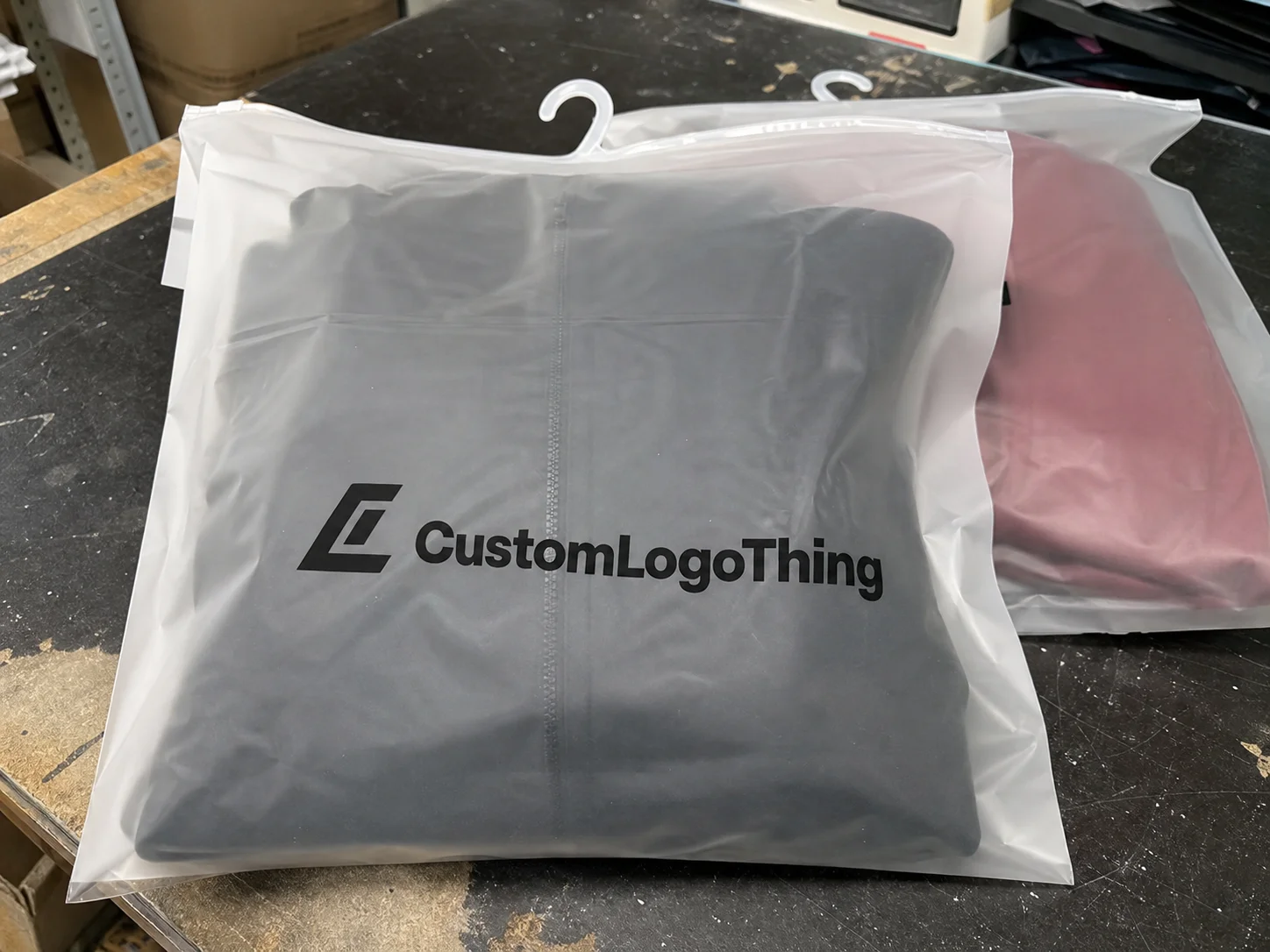
If you sell on shelves, in mailers, or through a distributor, Custom Matte Laminated Bags wholesale can do something a lot of packaging categories struggle with: it makes a product look controlled, modern, and more expensive without adding a complicated structure. I remember standing on a press floor in Dongguan, Guangdong, watching a buyer pick up two samples and rub the matte one with his thumb like he was testing a peach. That tiny reaction told me more than the spec sheet ever could. A soft, low-glare surface reads as intentional. A shiny one can look busy. Or cheap. Sorry, but that’s the truth.
Honestly, I think that’s why Custom Matte Laminated bags wholesale keeps showing up in apparel, cosmetics, specialty food, and private-label launches from Los Angeles to Toronto. It protects the print, photographs well under harsh retail lights, and gives brand owners a straightforward way to lift package branding without jumping into rigid cartons or expensive multi-component systems. If you’ve compared matte and gloss side by side under 4,000K LED lighting in a showroom, you already know the difference is not subtle. One feels calm. The other can scream a little too hard.
Why Custom Matte Laminated Bags Wholesale Works for Premium Brands
I’ve seen matte finishes win accounts for one simple reason: they make color blocks look calmer and copy look more deliberate. A matte surface cuts glare, which matters on a retail peg wall, in e-commerce photography, and in trade show lighting that can turn bright gloss into a reflection problem. In my experience, brands using Custom Matte Laminated Bags wholesale usually want the bag to feel like part of the product, not a disposable shell. That feeling matters more than people admit in meetings, especially when the bags are sitting under bright convention hall lighting in Chicago or Las Vegas.
The value proposition is practical. You get protection, shelf presence, and a tactile premium feel without needing a rigid box, insert tray, or elaborate folding carton. That matters because product packaging often has to do three jobs at once: defend the contents, carry the brand story, and survive distribution. One cosmetics client I visited in New Jersey replaced glossy pouches with matte-laminated stand-up bags and saw fewer complaints about scuffed graphics during pallet-to-shelf handling over a six-week rollout. The product did not change. The perception did.
Buyer behavior follows surface finish more than many teams expect. Matte signals restraint, confidence, and a cleaner design language. Gloss, depending on category, can read as temporary, promotional, or volume-driven. That does not mean gloss is inferior. It means the finish has a message. Custom Matte Laminated bags wholesale works especially well for brands that want their retail packaging to communicate quality without shouting. Some brands whisper. Some yell. I know which one usually gets the better shelf shot in a store with 2,000-watt spotlights.
Where does this format fit best? I’d put it high on the list for apparel accessories, powdered supplements, gourmet snacks, tea, coffee, gift sets, candles, and premium private-label goods. I’ve also seen it used for subscription inserts and seasonal gift bags where the unboxing moment matters. For those programs, custom matte laminated bags wholesale delivers a neat middle ground between basic film packaging and Custom Printed Boxes, especially when the first order is 5,000 pieces and the brand wants to stay under a $0.30 per unit target.
Wholesale buying adds another layer of value. Larger runs usually reduce unit cost, yes, but the bigger advantage is consistency. When a brand launches three SKUs with the same bag family, the line looks unified on shelf and in photo sets. That kind of disciplined branding packaging supports seasonal programs, retailer resets, and promotions where the bag itself becomes part of the offer. I’ve negotiated enough supplier quotes in Shenzhen and Ningbo to say this plainly: repeating one approved format across multiple SKUs saves time, money, and revision headaches. It also saves your inbox from becoming a swamp of “just one more tweak” emails.
“The matte finish is what made the whole line feel expensive.” That was a buyer’s comment after we switched a supplement program from gloss to matte-laminated bags. The product stayed identical. The shelf impression changed in two weeks, and the reorder came in at 8,000 units.
Custom Matte Laminated Bags Wholesale: Product Details That Matter
Matte lamination is a protective film applied over printed artwork. Functionally, it softens reflection and adds a barrier that helps the surface resist scuffing, fingerprinting, and minor abrasion during packing and shipping. That’s the technical definition. The business definition is simpler: custom matte laminated bags wholesale lets a printed bag hold up longer while presenting a cleaner visual finish. Honestly, a bag that arrives scratched is already making a bad first impression, and nobody needs that drama at dock doors in Dallas or Rotterdam.
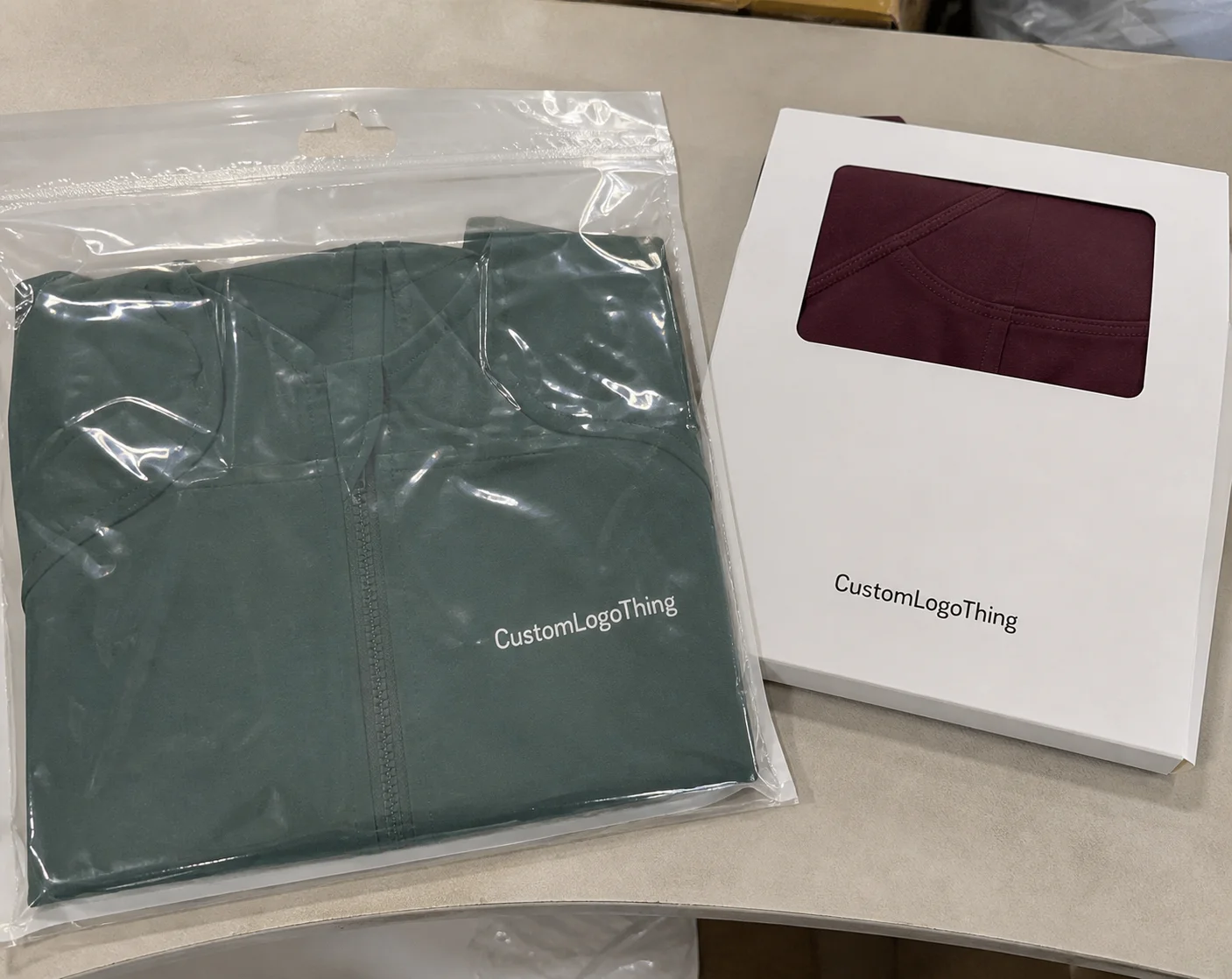
Bag format matters just as much as finish. Flat bags work for light products and inserts. Gusseted bags add capacity. Stand-up pouches create shelf presence. Handle bags suit retail handoff. Specialty retail bags can include die-cut grips, euro holes, or reinforcement panels. I’ve seen teams choose a beautiful finish and then under-spec the structure, which is a costly mistake. If the bag bows, tears, or won’t stand on shelf, the surface treatment becomes irrelevant. I’ve had to sit through those post-mortems, and they are never fun, especially after the client approved a 12 mm gusset instead of the 18 mm the product actually needed.
Print compatibility is another piece buyers often underestimate. Matte lamination works well with full-color graphics, spot colors, metallic elements, and soft-touch effects, but it changes the final color depth. Dark inks can look richer. Bright whites can appear slightly softer than on uncoated stock. Fine text and QR codes should always be proofed. I learned that the hard way in a supplier meeting in Suzhou where a barcode printed too close to a seam; the finish was fine, but the scan rate was not. The client’s face said everything, and the reprint cost was not small.
Performance features are where custom matte laminated bags wholesale becomes a serious packaging decision instead of a design preference. Matte lamination adds moisture resistance, surface protection, and better shelf wear. The actual tear resistance depends on the underlying substrate and seal structure. A 100-micron laminate over weak film will not save an underbuilt bag. The construction has to match the fill weight and handling pattern. No amount of pretty can fix bad engineering. I wish it could. It would make my life easier on factory visits from Bangkok to Chicago.
Buyers also ask for closure and convenience options. Common requests include zipper closures, resealability, die-cut handles, windows, hang holes, tear notches, and reinforcement panels. Those features can add cost, but they also reduce complaints and improve merchandising. If the bag is going to be opened more than once, resealability is not a luxury. It is part of the user experience. And if the customer fights the zipper like it owes them money, the package has failed a little. A 1.5 mm zipper track that jams is still a bad zipper, no matter how pretty the matte finish looks.
How finish changes brand perception
Matte surfaces are calmer to the eye. They reduce glare under store lights, and they make typography feel more stable. That is why custom matte laminated bags wholesale is often chosen for premium brands that want restraint rather than flash. It is not about being understated for its own sake. It is about aligning the surface with the price point. I’ve seen a plain-looking matte bag outperform a flashy one because it matched the product’s personality. Quiet confidence sells, especially when the bag is sitting next to a $28 candle or a $45 protein blend.
Where matte lamination can disappoint
If the artwork depends on sparkle, high reflection, or dramatic light bounce, matte may mute the effect. I’ve seen cosmetic brands request a matte finish and then wonder why metallic pinks look less vivid than on screen. The fix is usually better file prep, smarter ink choices, or a targeted spot finish. Not every design wants the same surface story. If the brief is “make it pop,” you probably need to define what pop actually means before the production team starts sweating over a 350gsm C1S artboard sample and a soft-touch film swatch.
| Bag style | Best use | Typical finish impact | Common buyers |
|---|---|---|---|
| Flat laminated bag | Lightweight inserts, sample packs, accessories | Clean, minimal, low-glare presentation | Beauty, promotional kits |
| Gusseted bag | Bulkier items, multi-piece products | More shelf volume and structure | Apparel, supplements |
| Stand-up pouch | Retail shelf display, food, dry goods | Premium front panel visibility | Food, coffee, tea |
| Handle retail bag | In-store handoff, gifting, events | Strong brand presence in transit | Luxury, gifting, fashion |
For teams comparing custom matte laminated bags wholesale with custom printed boxes, the deciding factor is usually logistics. Bags compress better, ship more efficiently, and can be easier to store in the warehouse. Boxes often feel more rigid and premium, but they take up more cubic space and can cost more to ship. There is no universal winner. The product, route, and margin decide that. I’ve watched people fight over “premium feel” while ignoring freight math from Yantian to Long Beach, which is always adorable until the invoice arrives.
For authority on packaging material and shipping standards, I often point clients to industry references such as the ISTA testing framework and the Packaging Machinery Manufacturers Institute for packaging system context. Those resources do not pick a finish for you, but they help anchor the decision in performance, not guesswork.
Specifications for Custom Matte Laminated Bags Wholesale Orders
Material choice drives everything. For custom matte laminated bags wholesale, you may be looking at kraft, paperboard, polypropylene, polyethylene, foil laminates, or layered film structures. I’ve seen brands choose kraft because they want a natural look, then layer on matte lamination to prevent grease marks and surface wear. Others choose film-based structures because the product needs moisture protection and stronger seals. The right answer depends on the product, not the trend. Trends come and go; damaged goods do not, especially on a 14-hour truck run out of Atlanta.
Size matters more than most buyers think. Width, gusset depth, height, fill volume, and product weight all influence whether the bag works in real life. A bag that looks perfect on a drawing can fail on a packing line if the gusset is too narrow or the top seal leaves no room for a zipper. In one factory visit in Dongguan, a client had spec’d a 250 g snack pouch that looked elegant but could not hold the actual fill volume without bulging. We adjusted the gusset by 12 mm and solved the issue before production. Twelve millimeters. Tiny on paper. Huge when the bag is stuffed full.
Artwork files need discipline. To quote accurately, suppliers usually want dielines, bleed, color profiles, resolution, and safe areas for logos and regulatory copy. If the design includes ingredient panels, barcodes, or compliance language, those items must be placed with enough margin to survive trimming and sealing. I’ve seen otherwise beautiful custom matte laminated bags wholesale projects delayed by one missing nutrition panel. The printer wasn’t being difficult. The file was incomplete. And yes, everyone in the room acted surprised like the laws of gravity had just shown up.
Structural options deserve the same attention. Seal type, closure style, thickness or GSM where relevant, and whether the bag must stand upright or hang all affect the final spec. If the package is being used as branded packaging in retail, you may want a stronger base seal or a hang hole. If it is going into an e-commerce fulfillment workflow, you may prioritize tear resistance and compact stacking. The format should fit the operation, not the other way around. A 0.18 mm film with a weak side seal will not survive a warehouse conveyor in Eindhoven or Indianapolis for long.
Compliance and labeling are often the hidden step. Some categories require ingredient panels, batch coding, barcode placement, or retailer-specific warnings. Food and supplement buyers should confirm whether barrier performance, seal integrity, and label layout meet the intended use. For sustainable sourcing references, I also suggest reviewing the FSC site if your project uses paper-based substrates and you need chain-of-custody documentation.
Specification checklist before you request a quote
- Bag style: flat, gusseted, stand-up pouch, handle bag, or custom shape
- Dimensions: width, height, gusset depth, and fill volume
- Material: kraft, paperboard, PET/PE, PP, foil laminate, or layered film
- Finish: matte lamination, soft-touch, spot gloss, or mixed finishes
- Closure: zipper, heat seal, tear notch, reseal strip, or none
- Artwork: editable files, logo vectors, color references, and copy deck
- Compliance: barcode, ingredient copy, warnings, and retailer specs
Honestly, the strongest custom matte laminated bags wholesale programs are the ones where the buyer gives the supplier a complete picture on day one. I prefer a six-line brief with exact dimensions and use case over a three-page mood board with no numeric details. The quote is better, the sample is faster, and the production risk drops. Also, nobody has to play detective later, which I consider a small miracle when a launch window is only 18 business days away.
Pricing for Custom Matte Laminated Bags Wholesale
Pricing is shaped by five variables: material, size, print complexity, finish type, closure hardware, and quantity. In custom matte laminated bags wholesale, the same artwork can cost very different amounts depending on whether it goes on paper, film, or a foil-laminated structure. A larger bag uses more substrate, more ink, and often more labor on the conversion line. A 12 x 18 inch retail bag with a die-cut handle will not price like a 6 x 9 inch sample pouch, and pretending otherwise is how procurement meetings become theater.
Wholesale economics are straightforward. Setup costs get spread across more pieces. That is why a run of 10,000 bags often has a lower unit price than 1,000 bags, even if the total invoice is larger. If a supplier has to prep plates, mix inks, set dies, and calibrate lamination, those tasks cost nearly the same whether you run a short batch or a long batch. The math is unromantic, but it is real. Manufacturing is basically a long conversation between math and patience, usually in a factory in Shenzhen or a warehouse in California.
Buyers should also watch hidden costs. Freight, packing method, proofing, sample revisions, and rush production fees can change the final landed cost more than expected. I once sat in a client review where the production quote looked excellent at $0.19 per unit, but the landed cost moved up after upgraded cartons, pallet wrap, and expedited air freight. The first number was true. The second number was more useful. That’s the number you actually pay with, especially if your goods have to arrive in New York by the second week of the month.
Here is the practical way I compare custom matte laminated bags wholesale quotes: I ask what is included. Does the price cover design support, prepress review, lamination, and quality inspection? Or is it a bare manufacturing quote with shipping, plate charges, and setup fees added later? If two suppliers quote different totals, they are often quoting different scopes. And sometimes one quote is basically a headline, which is not the same as an offer.
| Order size | Typical unit range | What affects price most | Best fit |
|---|---|---|---|
| 1,000–2,500 pieces | $0.32–$0.68/unit | Setup, proofing, short-run inefficiency | Launch tests, limited editions |
| 5,000 pieces | $0.18–$0.34/unit | Material choice, print count, closure type | Small retail rollouts |
| 10,000–25,000 pieces | $0.12–$0.27/unit | Substrate, color count, finish complexity | Wholesale programs, multi-SKU lines |
| 50,000+ pieces | Quote-based | Logistics, palletization, repeat tooling | National distribution |
Those ranges are directional, not a promise. A paper-based bag with simple one-color print can sit near the low end. A foil structure with custom zipper, window, and specialty coating can sit much higher. That is why I always tell clients not to compare custom matte laminated bags wholesale by unit price alone. Compare by spec, service, and delivered condition. If you need a concrete planning number, a 5,000-piece order with a standard stand-up format often lands around $0.15 per unit when the structure is simple and the artwork is already final.
There is also a branding cost to cheap packaging. If the bag dents easily, prints poorly, or arrives with weak seals, the damage shows up in returns, retailer complaints, and lost shelf appeal. I’ve seen brands save a few cents and lose more than they gained because the bag made the product look discounted. For premium categories, that trade rarely pays. Cheap packaging has a way of advertising itself, and not in a good way, especially on a shelf in Miami where everything reflects some amount of bad judgment.
If you are evaluating cost against broader packaging programs, look at the rest of your Custom Packaging Products mix too. Sometimes one material family can be standardized across bags, inserts, and custom printed boxes, which reduces purchasing complexity and keeps the brand system visually aligned. That does not always mean one supplier. It does mean one plan.
MOQ, Sampling, and Order Planning for Matte Laminated Bags
MOQ exists for a reason. It reflects setup efficiency, press calibration, and conversion economics. For custom matte laminated bags wholesale, the base run has to be large enough to justify tooling, ink setup, lamination setup, and inspection. Standardized sizes and materials usually lower the threshold. Highly customized builds usually raise it. That is not a penalty. It is manufacturing reality. Machines do not care about your launch excitement, whether you are ordering from Guangzhou or Kansas City.
Sampling should be treated as a sequence, not a single step. I like digital mockups first, because they confirm layout and copy placement fast. Then I want material swatches, because matte on paper feels different from matte on film. After that, if the run is large or the structure is complex, I ask for a physical pre-production sample. Each stage answers a different question. A digital proof cannot tell you how a zipper feels. A physical sample cannot fix an incorrect barcode file. And yes, I’ve seen teams confuse those two more times than I’d like.
Inventory planning matters as much as production planning. If you buy custom matte laminated bags wholesale for seasonal launches, align MOQ with your forecast, not your enthusiasm. Dead stock is expensive. I’ve seen brands order 20,000 units for a test SKU that moved 6,500 in six months. The packaging was attractive, but the warehouse kept paying the storage bill. Better to scale in smart steps than to overbuy a design that has not been proven. A storage fee of $45 per pallet per month adds up faster than most teams expect.
For multi-design programs, standardization is your friend. Keep the bag dimensions consistent where possible, then vary the artwork by product line, scent, flavor, or assortment. That approach reduces complexity on the production side and helps the branding feel cohesive. It also makes reorder planning easier because the same production parameters can be repeated with fewer surprises.
Repeat orders are where disciplined specifications pay off. If you lock in the exact film, finish, seal type, and artwork version, future runs become faster and more predictable. That matters in wholesale because reorders often happen under tighter deadlines than first orders. When a retailer asks for a second shipment in three weeks, the supplier should not be re-learning the build from scratch.
How to avoid MOQ mistakes
- Match quantity to demand instead of guessing high.
- Use one size across several SKUs when possible.
- Ask whether the supplier can combine repeat artwork with one common structure.
- Confirm whether sample cost is credited toward production.
That short list has saved more budget than most fancy procurement templates. I’d rather see a brand buy 5,000 units of the right bag than 15,000 units of the wrong one. Custom matte laminated bags wholesale works best when the numbers and the launch plan are aligned.
Production Process and Timeline for Custom Matte Laminated Bags Wholesale
The production path is usually consistent: inquiry, quote, artwork review, sampling, approval, production, inspection, and shipping. That sounds simple. It rarely is. Custom matte laminated bags wholesale projects get delayed most often by late artwork changes, unclear dielines, missing legal copy, or color revisions after proofing. The machine is rarely the bottleneck. The decision process is. I’ve seen entire schedules slip because one person “just wanted to check one more font size.” That one always ages well (it doesn’t).
Here is a realistic timeline framework. A straightforward order with standard structure and clean files can move faster than a complex custom build. Add special finishes, windows, reinforced handles, or multiple artwork versions, and approval cycles lengthen. From proof approval to shipment, I’ve seen simple runs move in 12 to 15 business days, while more complex builds take 18 to 25 business days. Freight is separate. Overseas transit can add one to five weeks depending on route and customs clearance from ports like Shenzhen, Ningbo, or Ho Chi Minh City.
Manufacturing transparency matters because it helps buyers coordinate launches. If your warehouse expects 8,000 units on a specific Friday, the supplier should be able to name the inspection milestone and handoff point. I once worked with a brand that planned a retailer reset around the bags arriving three days before shelf set. We built in a buffer after seeing a die-line correction in proof stage. That one adjustment prevented a missed launch window. That’s the kind of boring success nobody posts about, but everybody enjoys when the pallets land in time.
Shipping deserves its own planning line. Domestic freight can be faster and easier to coordinate. Overseas freight may lower unit cost, but customs clearance, port congestion, and container schedules can shift delivery. If your packaging has to support a fixed promotion, the cheapest quote is not always the best value. Custom matte laminated bags wholesale should be judged on landed cost, not ex-factory cost alone. A $250 ocean freight surcharge can erase a lot of “savings” in one invoice.
Quality control should not be vague. Ask whether the supplier inspects color consistency, seal integrity, trim accuracy, and packaging count. Ask whether they reference internal standards, ASTM-related testing where applicable, or freight-resistance checks that align with ISTA methods. That level of questioning is not overkill. It separates a serious packaging partner from a paper price sheet. I’d rather hear a supplier say “we check seal strength at 1.2 kgf” than “don’t worry, it’ll be fine.”
“We can save three cents if we drop the inspection step.” I hear versions of that every year. My response is always the same: three cents is cheap until a misprinted barcode or weak seal triggers returns, rework, or a delayed retail receipt in Denver or Munich.
Why Choose Us for Custom Matte Laminated Bags Wholesale
At Custom Logo Things, the most useful thing we bring is judgment. Not hype. Judgment. We look at your product, your route to market, and your margin, then recommend the bag spec that fits. That means we do not push unnecessary upgrades just because they look attractive on a quote sheet. Custom matte laminated bags wholesale should serve the brand and the business at the same time. Fancy for the sake of fancy is just expensive procrastination, and I’ve seen enough procurement calendars in Shanghai to know how that ends.
I’ve seen too many packaging conversations start with aesthetics and end with avoidable problems. A beautiful bag is not enough if the closure fails, the copy does not fit, or the substrate looks wrong under store lighting. Our approach to branded packaging is to start with the use case. Retail shelf? E-commerce shipper? Gift bundle? Food-safe product packaging? The answers are different, so the build should be different too. A 250 g coffee pouch in Seattle does not need the same spec as a luxury accessory bag in Paris.
We also support buyers who need practical guidance on material, closure, and print method. If you need a stand-up pouch with matte lamination and a zipper, we can talk through the trade-offs. If you need a retail-ready handle bag for a product launch, we can discuss reinforcement and print coverage. If you are comparing bags with Wholesale Programs, we can help identify where scale reduces cost and where it does not. That includes judging whether a 2,000-piece test run or a 15,000-piece rollout makes more sense for your category.
Production reliability is not a slogan; it is a process. That means consistent color management, inspection standards, and repeat-order accuracy. If you approved a warm gray on the first run, the second run should not drift. If your logo sits 8 mm from the top edge, it should sit there again. That kind of repeatability is especially important for custom matte laminated bags wholesale because wholesale buyers often reorder on tight calendars and need a predictable 12 to 15 business day turnaround after proof approval.
Transparency in quoting matters just as much. We break out material, print, finish, and shipping so buyers can compare options confidently. I learned long ago that bundled pricing can hide the real cost drivers. Clear quoting helps you decide whether to add a soft-touch layer, switch from a film-based build to kraft, or keep the structure simple and save budget for a larger print run. It also makes it easier to compare quotes from Dongguan, Yiwu, and Ho Chi Minh City without guessing what is actually included.
We also help brands scale. A small launch may begin with 3,000 units and one SKU. A successful launch may expand into 20,000 units across four products, plus matching custom printed boxes for gift sets or premium kits. Having one packaging partner who understands that transition is valuable. It cuts the number of back-and-forth emails, and it keeps the brand system coherent across multiple regions and reorder cycles.
What a good wholesale partner should ask you
- What product is going inside the bag?
- Will the bag sit on shelf or ship in cartons?
- Do you need food contact, retail display, or gift presentation?
- What is your target quantity by SKU?
- When do you need first delivery at the dock?
If a supplier does not ask those questions, I get cautious. Real packaging work starts with constraints. Custom matte laminated bags wholesale is not just a decoration order; it is a logistics, branding, and conversion decision. A clean quote from a real factory partner in Shenzhen or Dongguan should reflect that from the first email.
Next Steps for Ordering Custom Matte Laminated Bags Wholesale
Before you request a quote, confirm the bag style, size, target quantity, artwork files, and required features. That five-point prep list can save days of revision. For custom matte laminated bags wholesale, the difference between a quick quote and a drawn-out back-and-forth usually comes down to how complete the brief is. A half-baked brief creates half-baked numbers, and no one wants to chase those across three time zones.
Prepare product dimensions, brand colors, logo files, and any compliance text or barcode requirements. If you already know the destination market, include that too. Regional labeling rules, retailer specs, and shipment timing all affect the final recommendation. I prefer one internal decision-maker on the buyer side, because mixed approvals can slow a project more than production ever will. Three approvers with different opinions is how you get six versions of the same bag and one exhausted project manager, usually by Thursday afternoon.
The best decision sequence is material first, then finish, then MOQ and lead time. That order works because material and structure usually determine the real value more than artwork does. A beautifully designed bag that fails in transit is still a failed package. Custom matte laminated bags wholesale should be evaluated as a system, not as a print job. If the line is going to include 350gsm C1S artboard inserts or matching cartons later, lock the bag spec first so the whole set stays consistent.
To reduce back-and-forth, ask for a proof before mass production, approve the file internally once, and keep version control strict. I’ve watched teams lose a week because one person was looking at “final_v4” while another was commenting on “final_v6.” That sort of confusion is avoidable with a clean process and one named approver. Also, name the file something adults can understand, not “FINAL_final_reallyfinal2.” We all know that one.
When the spec sheet is complete, request a tailored quote for custom matte laminated bags wholesale. Include quantity, size, structure, finish, and shipping destination, and you will get a more accurate answer the first time. If you are also building a broader packaging line, pair the request with your other Custom Packaging Products so the system stays aligned across every format.
My last piece of advice is simple: choose the most durable spec your margin can support. The cheapest bag can cost more if it dents the brand, increases damage rates, or forces a reprint. I’ve seen that lesson play out on factory floors in Dongguan and Ningbo, in client meetings in New York and Chicago, and across too many purchase orders to count. If you want the finish, the structure, and the economics to work together, custom matte laminated bags wholesale is a smart place to start.
FAQs
What is the minimum order for custom matte laminated bags wholesale?
MOQ depends on size, material, and print complexity. Standardized specs usually allow lower thresholds than highly customized builds. If you want a usable number, send your target quantity with the bag dimensions, because custom matte laminated bags wholesale pricing changes fast once the structure is defined. A simple 5,000-piece order can price very differently from a 20,000-piece run.
Do custom matte laminated bags wholesale options work for food products?
Yes, if the structure and liner are appropriate for the product. Ask about moisture resistance, seal integrity, and compliance requirements before ordering. Food packaging may also require label placement planning and barrier performance review, especially if the bag is part of a broader product packaging system. For snacks and dry goods, a laminated structure with a reliable heat seal is common.
How does matte lamination affect print quality on custom bags?
Matte lamination reduces glare and softens reflections. It can make colors appear deeper and less reflective than gloss finishes. Fine text and high-contrast branding should still be proofed carefully to verify legibility, particularly on custom matte laminated bags wholesale runs with small type and barcode placement. A 2-point font that looks crisp on screen can fail in print if the file is not prepared correctly.
Can I order samples before placing a wholesale order?
Yes, sampling is the safest way to verify size, finish, and print accuracy. Digital proofs confirm layout, while physical samples confirm texture and performance. Ask whether sample costs are credited toward production so you can budget the project accurately from the start. A physical sample usually adds 5 to 7 business days before production planning continues.
What information do I need to get an accurate quote for custom matte laminated bags wholesale?
Provide bag dimensions, quantity, material preference, closure style, and artwork files. Include your target use case, such as retail, cosmetics, or food, because that affects specifications. Share deadline and shipping destination so the supplier can quote both production and freight accurately for custom matte laminated bags wholesale. If you already know whether you want matte lamination over paperboard, film, or foil, include that too.