Best Place to Order Custom Stickers for Packaging Needs
Best Place to Order Custom Stickers: What Buyers Should Verify First
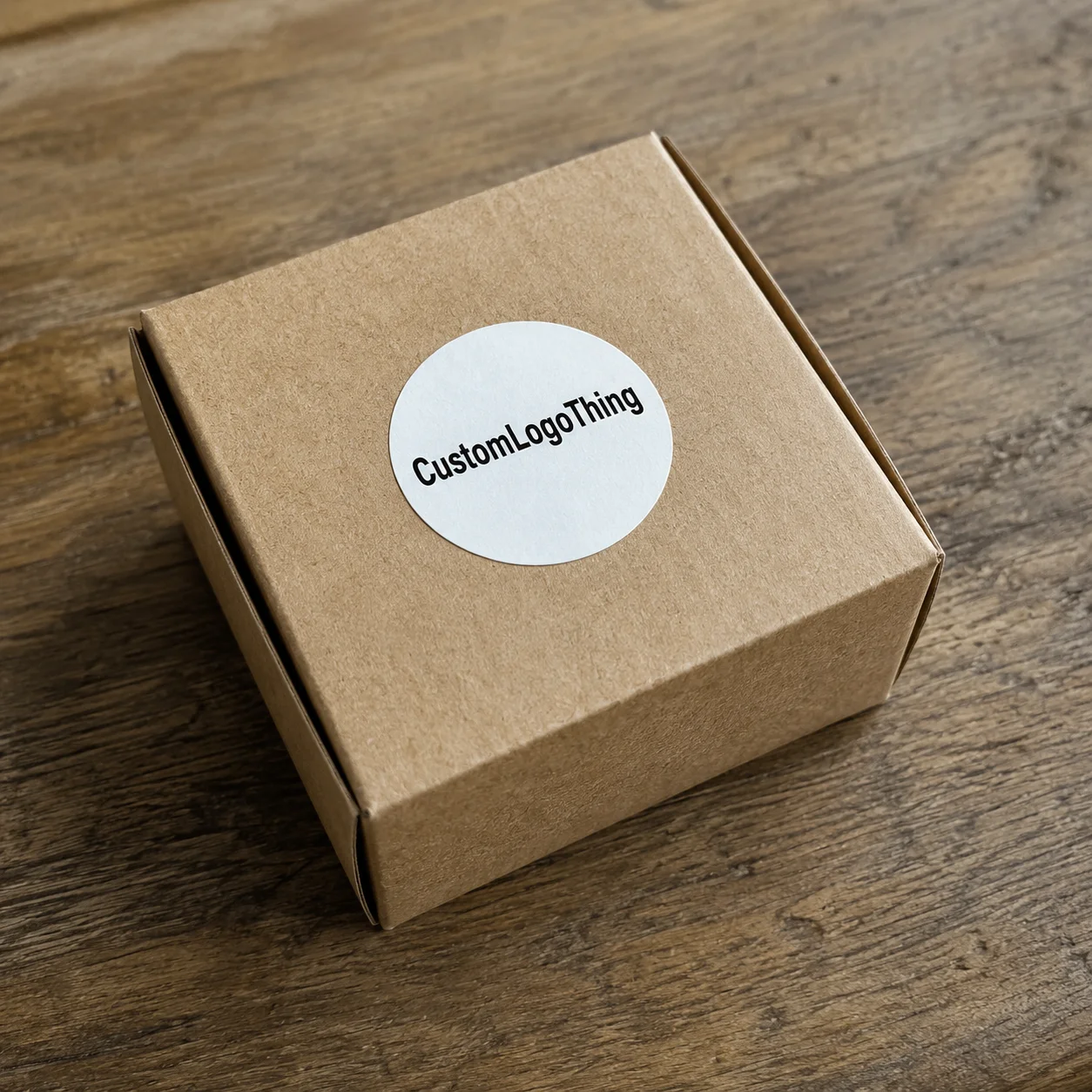
A brand can spend heavily on printed boxes, tissue, inserts, void fill, and shipping materials, then lose the unboxing moment because the closing sticker curls at the edge or looks like a generic office label. That is why the best place to Order Custom Stickers is not simply the cheapest website with a fast upload button.
Stickers are usually one of the lowest-cost branded touchpoints in a package. At volume, some simple paper seals land at only a few cents each. Yet they appear at a decisive moment: the customer is holding the package, judging whether it feels intentional or improvised.
A weak seal on a mailer says one thing. A cleanly cut, color-consistent sticker says something else.
Supplier choice matters because sticker performance is not just artwork. It is adhesive chemistry, face stock, liner, ink system, finish, die-cut accuracy, storage conditions, and surface energy. A sticker that works on smooth SBS paperboard may fail on textured kraft. A clear film label can look sharp on glass but dull on frosted plastic if white ink is missing or poorly specified.
For buyers ordering Custom Packaging Products alongside stickers, labels, sleeves, cartons, or retail packaging, the sticker should be treated as part of the package system. Color, scale, finish, and application method need to work together. A glossy seal on a soft-touch box may look accidental. A matte label on a refrigerated jar may not hold unless the adhesive is built for cold surfaces.
Buying rule: the right sticker supplier asks where the sticker will live, how it will be applied, and what stress it must survive before quoting the job.
For packaging buyers, the practical value is clear: consistent color, clean cutting, adhesive options that match the surface, low-friction ordering, and useful support before production starts. Before approving artwork or placing an order, verify the details that can make or break the final result.
Sticker Products Built for Packaging, Retail, Events, and Shipping
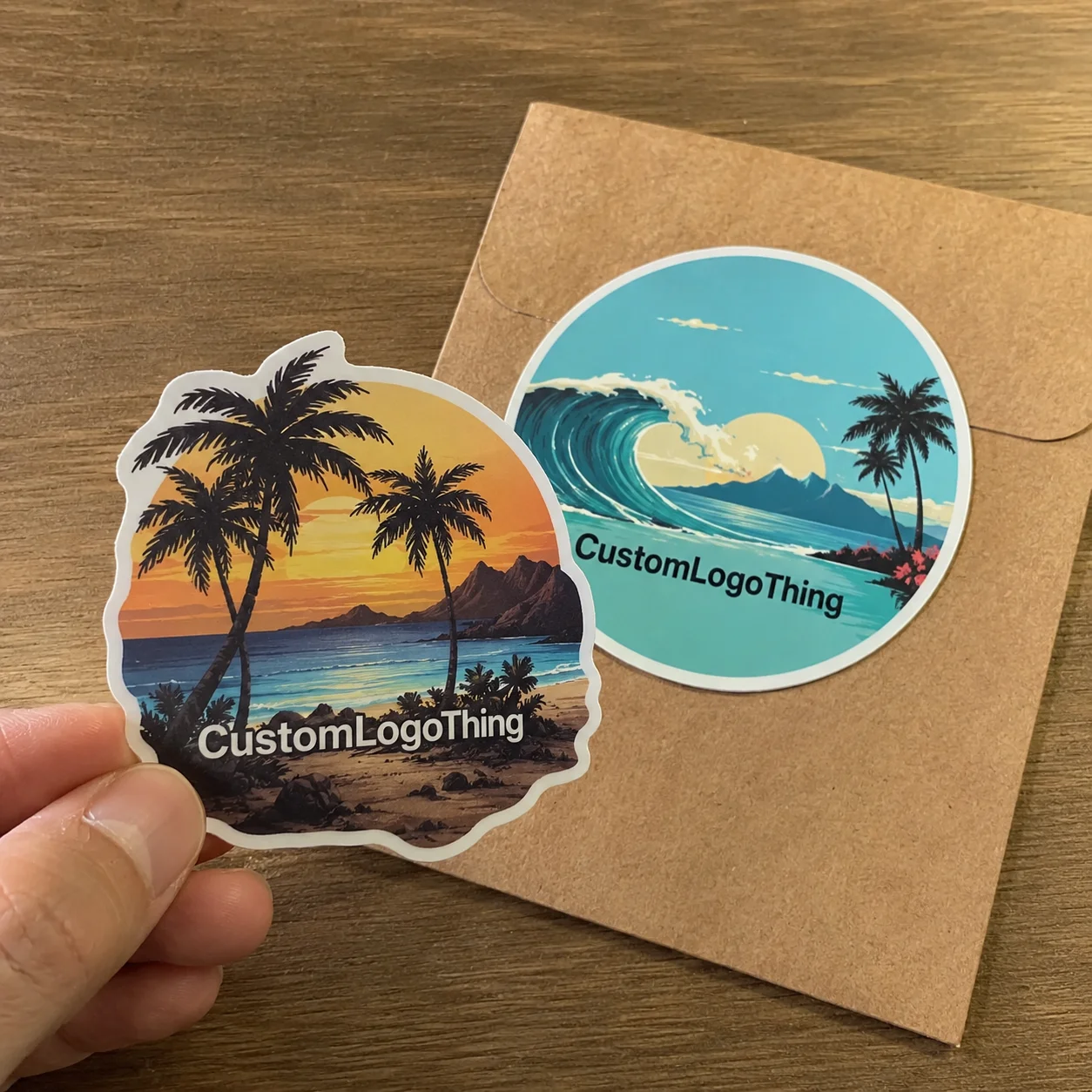
The best place to order custom stickers should offer more than one format because packaging teams do not use stickers in one way. Roll labels suit high-volume application, especially when staff apply hundreds or thousands per shift. Sheet stickers work well for short runs, sample kits, giveaways, and small-batch retail packaging. Die-cut stickers create stronger brand presence because the cut follows the logo or design shape. Kiss-cut stickers are easier to peel, which helps when labels are applied by hand.
Seal stickers close boxes, mailers, tissue wrap, jars, bottles, bakery bags, pouches, and gift sets. Same category. Different jobs.
Each use case changes the recommendation. Product labels need readable type, ingredient or compliance space, barcode clearance, and durability through handling. Packaging seals need reliable tack and clean release from the liner. Promotional stickers need visual impact first. Shipping stickers need abrasion resistance, legibility, and enough contrast to survive the parcel network.
Material choice is where many orders quietly succeed or fail. Paper is cost-efficient for indoor use and dry product packaging. Vinyl handles moisture, rubbing, and outdoor exposure better. Clear film creates a minimal-label look on jars, bottles, and clear boxes. Kraft supports natural, handmade, or organic branding. Metallic, holographic, textured, and soft-touch stocks can lift a campaign, but they also change cost, lead time, and print behavior.
Finish choice has the same force. Matte reduces glare and photographs well. Gloss sharpens color and adds shine. Soft-touch feels premium on cosmetic, wellness, and gift packaging. Holographic and metallic finishes pull attention for launches or limited drops. Transparent stickers require extra planning because ink can lose opacity without a white underprint. UV coating adds surface protection and shine where handling is heavier.
| Sticker Format | Best Packaging Use | Typical Buyer Advantage |
|---|---|---|
| Roll labels | Product labels, carton seals, jars, bottles | Faster hand or machine application at higher volumes |
| Sheet stickers | Sample packs, events, inserts, small runs | Easier handling for mixed designs |
| Die-cut stickers | Brand logos, retail packaging, giveaways | Stronger shape recognition and visual impact |
| Kiss-cut stickers | Hand-applied seals and promotional stickers | Cleaner peeling and faster application |
| Clear film stickers | Glass, clear boxes, premium product packaging | Minimal-label look with careful white ink planning |
A candle jar sticker faces heat, oils, curved glass, and repeated handling. A bakery box seal faces paper dust, refrigeration in some cases, and short-term use. A subscription mailer sticker may face conveyor belts, humidity, and compression. The word “sticker” hides a surprising amount of engineering.
Custom Sticker Specifications That Change the Final Result
A capable supplier will push you to define specifications before production, not after a problem appears. Start with size, shape, material, adhesive strength, finish, color requirements, quantity, roll or sheet format, and indoor or outdoor use. Those details sound ordinary. They control most of the outcome.
Adhesive choice deserves direct attention. Permanent adhesive is common for packaging seals and product labels where removal is not expected. Removable adhesive fits temporary promotions, price markings, and short-term campaigns. Freezer-grade adhesive is used for cold-chain products, frozen foods, and refrigerated items where standard adhesives can stiffen or fail. Higher tack may be needed for textured cartons, kraft mailers, molded pulp, or surfaces with lower surface energy.
Not every “strong” adhesive is better. Too much tack can tear paper packaging during removal, leave residue on reusable containers, or complicate repositioning during hand application. The right question is not “What is strongest?” It is “What should this sticker do on this surface for this amount of time?”
Artwork details are just as practical. CMYK printing is common for full-color designs, while Pantone matching may be requested when brand color control is tighter. Bleed usually extends color beyond the cut line so white edges do not appear after trimming. Safe zones keep text, barcodes, and fine details away from the cut path. White ink underlayers matter on clear and metallic materials because ink alone can look transparent, muddy, or distorted. Die lines show the intended cut. Rounded corners often reduce peeling on labels used as seals.
Cut tolerance varies by process and material, so small borders can be risky. If a 1.5-inch circle has a thin outline near the edge, even a minor shift can make the sticker look off-center. Packaging design files should leave breathing room. Vector files such as AI, EPS, or print-ready PDF are usually preferred. High-resolution raster artwork can work if it is supplied at 300 dpi at final size, but low-resolution logos pulled from websites rarely hold up in print.
Packaging-specific risks are predictable. Tiny fonts disappear on textured kraft. Low contrast fails on clear labels placed over dark products. Shiny finishes can create glare in product photography. Adhesives can fail on dusty corrugated, curved tubes, oily bottles, or mailers exposed to heat and friction. For broader packaging quality expectations, buyers can also review resources from the International Safe Transit Association, especially if stickers are part of a shipped package system.
- Size: confirm the finished dimension, not just the artboard size.
- Shape: choose standard circles, rectangles, or ovals when budget is tight.
- Material: match paper, vinyl, kraft, or film to the product environment.
- Adhesive: test for curved, chilled, textured, or handled surfaces.
- Finish: balance shelf impact, photography, scuffing, and touch.
Specification review is cost control. Fixing a missing bleed, weak contrast, or unsuitable adhesive before proofing is far cheaper than reprinting 5,000 labels after a launch kit is already packed.
Sticker Pricing, MOQ, and Unit Cost: What Drives the Quote
Sticker pricing depends on quantity, size, material, cut complexity, finish, number of design versions, adhesive type, and whether the order is produced on rolls, sheets, or individual pieces. That is why two quotes for “2-inch logo stickers” can land far apart. One may be a paper circle on sheets. Another may be a die-cut vinyl sticker with matte lamination and strong adhesive.
MOQ, or minimum order quantity, should be understood as production economics rather than a supplier trick. Lower minimums help startups test product packaging, new flavors, seasonal designs, or event packaging. Higher quantities usually reduce unit cost because setup time, proofing, cutting, and material handling are spread across more units.
A short run may be right for testing. A larger run may be smarter once the design and surface are proven.
Realistic pricing varies by specification, but simple paper stickers in moderate quantities often cost far less per unit than specialty film, metallic, or intricate die-cut pieces. As a practical range, a basic 2-inch paper circle at 1,000 pieces may quote in the low cents to low double-digit cents per unit depending on stock, finish, and shipping. A custom-shaped vinyl sticker with lamination, multiple versions, and individual cutting can cost several times more. Rush handling, special adhesives, and premium materials push the landed cost higher.
| Cost Driver | Lower-Cost Choice | Higher-Cost Choice | Buyer Control Point |
|---|---|---|---|
| Shape | Circle, square, rectangle, oval | Intricate die cut with sharp details | Simplify the cut path if shape is not critical |
| Material | Paper stock for dry indoor use | Vinyl, clear film, metallic, holographic | Match durability to the real environment |
| Finish | No coating or standard matte/gloss | Soft-touch, UV, specialty effects | Use premium finishes where customers notice them |
| Quantity | Small test batch | Multiple versions in low quantities | Ask for breaks at 500, 1,000, 2,500, and 5,000 |
| Format | Sheets for small mixed runs | Rolls with special unwind or individual pieces | Confirm how staff will apply the stickers |
The lowest online price can hide trade-offs: thin stock, weak adhesive, limited proofing, poor color consistency, or slow communication when artwork has problems. That matters when stickers sit on retail packaging next to competitors, or when a failed seal makes a box look previously opened.
Ask for a quote that separates material, size, quantity, finish, version count, and shipping assumptions. Custom Logo Things can help buyers choose a cost-effective specification without stripping away the sticker’s branding value, especially for brands coordinating stickers with Custom Labels & Tags and other packaging components.
Proofing Process, Production Timeline, and Lead Time Expectations
A reliable sticker order follows a defined path: submit artwork and specifications, receive a quote, review the proof, approve the dieline and color expectations, start production, complete quality checks, and ship. Simple process. Many delays happen because one of those steps is treated casually.
Proofing is not a formality. It is the risk-reduction checkpoint before production money is committed. Buyers should inspect final size, spelling, logo placement, barcode position, cut path, orientation, color notes, version names, and roll direction if rolls are required. One wrong unwind direction can slow a packing line. One shifted barcode can create retail scanning problems.
Standard sticker orders often move faster than complex boxes, molded inserts, or multi-component packaging programs. Still, timing depends on artwork readiness, proof approval, material availability, order size, finishing requirements, and shipping distance. Specialty materials, large runs, custom die cuts, and strict color matching can add time. Not always by days alone; sometimes by extra proofing cycles.
Common slowdowns are easy to spot: missing bleed, low-resolution logos, unclear quantity breaks, multiple design versions, special adhesives, custom shapes, and delayed approval. If several team members must approve artwork, assign one final decision-maker before the proof arrives. Otherwise, a two-day review can become a week.
- Send artwork, size, quantity, material preference, and intended surface.
- Review the quote and confirm format: roll, sheet, or individual sticker.
- Check the proof for size, dieline, color notes, spelling, and orientation.
- Approve production only after internal stakeholders agree.
- Confirm estimated ship date, transit time, and in-hands date.
Quality control should be more specific than “looks good.” Check print registration, cut accuracy, color consistency across sheets or rolls, liner release, adhesive tack, scuff resistance, and whether the finished count matches the order. For roll labels, confirm core size and unwind direction before production if the stickers will feed into applicators or packing stations.
Confirm the in-hands date, not only production time. Shipping, customs, weather, and carrier capacity can affect launches, retail resets, subscription box drops, and event deadlines. A supplier should explain what is needed from the buyer, what happens after approval, and where the risk points sit.
How to Compare Sticker Suppliers Without Falling for Hype
The best place to order custom stickers should be judged with a practical checklist, not a shiny mockup alone. Look at material range, adhesive options, proofing quality, production capability, communication speed, packaging knowledge, sample availability, and quote transparency. Pretty renderings can sell the idea. The real test is whether the sticker performs on the actual box, jar, pouch, mailer, bottle, or retail bag.
Packaging experience matters because stickers rarely act alone. They interact with cartons, mailers, inserts, tissue, product surfaces, shipping conditions, and the broader package branding strategy. A supplier that understands boxes and labels can flag problems a generic marketplace seller may miss, such as a gloss sticker creating glare against a matte carton or a paper seal failing on a chilled jar.
Marketplace sellers may be fast and convenient for simple promotional stickers, but they can be limited in adhesive choice, material discussion, and custom packaging coordination. Local print shops may be useful for urgent short runs and face-to-face service, though not every shop specializes in packaging adhesives or roll label formats. Custom packaging manufacturers can coordinate stickers with broader branded packaging needs, from boxes to labels to inserts, especially when color and finish consistency matter.
Custom Logo Things is positioned for buyers who want custom sizes, multiple material choices, brand-focused production support, quote assistance, and alignment with other packaging items. That does not mean every order needs the most expensive stock. Many brands overspecify finishes and underspecify adhesive. A beautiful sticker that lifts from a kraft mailer after two hours is not premium. It is waste.
- Ask for material guidance: paper, vinyl, clear film, kraft, or specialty stock.
- Confirm adhesive fit: smooth, textured, curved, chilled, oily, or handled surfaces.
- Review proofing quality: dielines, bleed, safe zones, white ink, and color notes.
- Check packaging knowledge: boxes, mailers, jars, bags, inserts, and retail displays.
- Compare quotes fairly: match size, quantity, finish, material, shipping, and timeline.
For sustainability-minded buyers, material sourcing and recyclability questions may also matter. The Forest Stewardship Council provides a useful reference point for responsibly sourced paper-based materials, though each sticker construction should still be reviewed for its full material mix. A paper face stock with a film laminate or aggressive adhesive may not behave like ordinary paper in recovery streams.
What to Prepare Before You Request a Quote
Before asking for pricing, prepare the details a supplier needs to quote accurately. The faster you define the use case, the faster the supplier can recommend the right stock, adhesive, finish, and format. Vague requests produce vague quotes. Clear specs produce useful numbers.
- Intended use: product label, box seal, tissue closure, mailer seal, event sticker, or retail tag.
- Surface type: coated paperboard, kraft, glass, plastic, metal, pouch film, or corrugated.
- Sticker size and shape: exact width, height, and any custom cut requirements.
- Material preference: paper, vinyl, clear film, kraft, metallic, holographic, or undecided.
- Finish: matte, gloss, soft-touch, UV-coated, transparent, or specialty effect.
- Order details: quantity, number of designs, deadline, shipping destination, and artwork status.
Test the surface if possible. Curved jars, textured boxes, chilled products, oily surfaces, and mailers exposed to heat and friction all deserve extra caution. If you cannot test yet, send packaging photos and explain the storage and shipping conditions. A good supplier can often spot risks before the first proof.
Prepare vector artwork, brand color references, and photos of the package. If the sticker needs to match custom printed boxes, include photos or previous print specs. If several SKUs share one label shape, ask whether shared materials or grouped production can reduce setup waste. Quantity breaks matter too. The difference between 500, 1,000, and 5,000 stickers can materially change unit cost.
If you are unsure about material or adhesive, do not guess from a generic dropdown menu. Ask for guidance. That is especially true for launch packaging, subscription boxes, cosmetics, candles, food packaging, refrigerated products, and wholesale retail programs. Buyers managing larger reorder cycles can also review Wholesale Programs to plan sticker volumes alongside other packaging needs.
The best supplier for custom stickers turns clear specs, honest pricing, and disciplined proofing into stickers that work on the real package. For packaging buyers, that is the difference between decoration and dependable brand presentation.
Custom Sticker Ordering FAQs
Where is the best place to buy custom stickers for packaging?
Choose a supplier that understands packaging surfaces, adhesive performance, color consistency, and proofing rather than judging only by the lowest displayed price. For branded boxes, mailers, jars, bags, and tissue wrap, a custom packaging manufacturer can often match stickers to the rest of your packaging more accurately.
What information do I need to order custom stickers?
Prepare size, shape, quantity, material preference, finish, intended surface, deadline, shipping location, and artwork files. If you are unsure about material or adhesive, share photos of the packaging surface and explain how the sticker will be handled, stored, or shipped.
How much do custom stickers cost?
Cost depends on size, quantity, material, finish, cut complexity, adhesive type, and whether the stickers are produced on rolls, sheets, or as individual pieces. Higher quantities usually lower unit cost, but buyers should compare quote details carefully because cheaper stickers may use weaker materials or limited proofing.
What is the usual turnaround time for custom sticker orders?
Turnaround depends on artwork readiness, proof approval, material availability, order size, finishing requirements, and shipping distance. Buyers with launch dates should confirm the estimated delivery date, not only the production lead time.
Should I choose paper, vinyl, clear, or kraft custom stickers?
Paper works well for cost-efficient indoor packaging, vinyl adds durability, clear film creates a minimal-label look, and kraft supports natural or handmade branding. The right choice depends on the product surface, moisture exposure, handling, brand style, and budget.