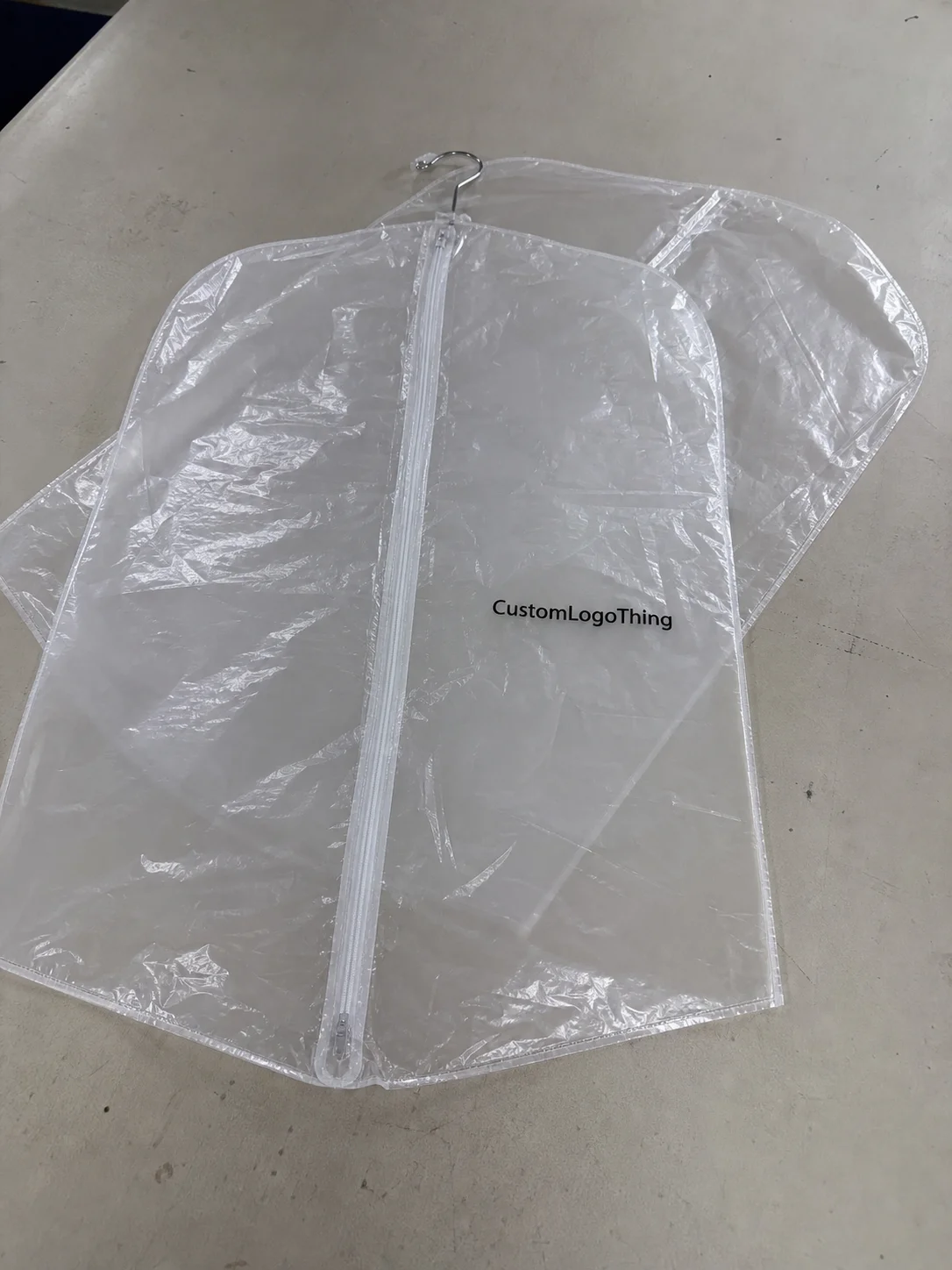
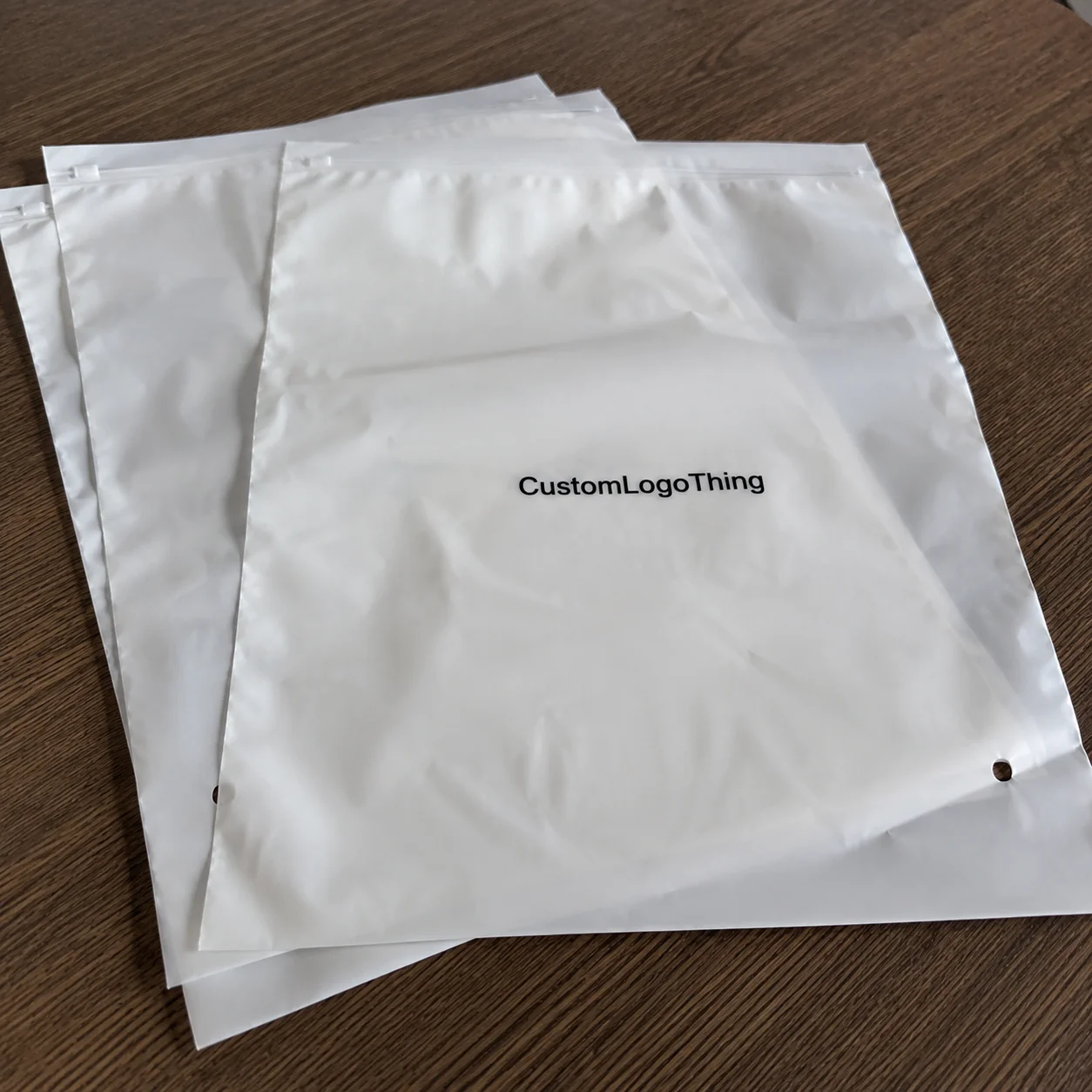
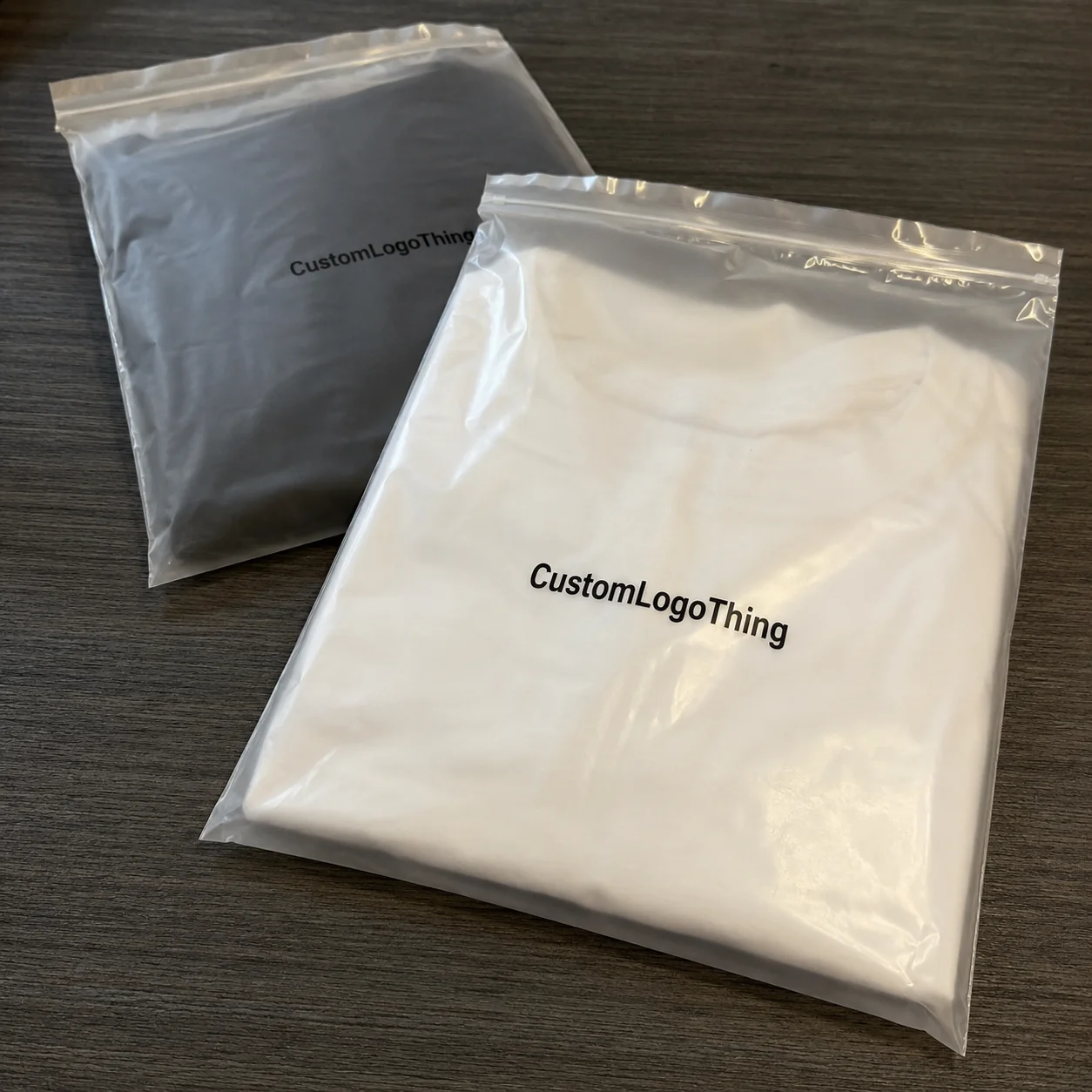
Buyer Fit Snapshot
| Best fit | poly mailers for reusable packaging for packaging buyers comparing material specs, print proof, MOQ, unit cost, freight, and repeat-order risk where brand print, material, artwork control, and repeat-order consistency matter. |
|---|---|
| Quote inputs | Share finished size, material target, print colors, finish, packing count, annual reorder estimate, and delivery region. |
| Proofing check | Approve dieline scale, logo placement, barcode or warning zones, color tolerance, and any recyclable or compostable wording before bulk production. |
| Main risk | Vague material claims, crowded artwork, or missing packing details can create delays even when the unit price looks attractive. |
Fast answer: Poly Mailers for Reusable Packaging: Film, Closure, Print, and Fulfillment should be specified like a repeatable production item. The safest quote includes material, print method, finish, artwork proof, carton packing, and reorder notes in one written spec.
What to confirm before approving the packaging proof
Check the product dimensions against the actual filled item, not only the sales mockup. Ask for tolerance on folds, seals, hang holes, label areas, and retail display edges. If the package carries a logo, QR code, warning copy, or legal claim, reserve that space before decorative graphics fill the panel.
How to compare quotes without losing quality
Compare board or film grade, print process, finish, sampling route, tooling charges, carton quantity, and freight assumptions side by side. A lower quote is only useful if the supplier can repeat the same color, closure quality, and packing count on the next order.
Best Poly Mailers for Reusable Packaging: Trusted Picks
Quick Answer: best poly mailers for reusable packaging
Walking through Custom Logo Thing’s Austin finishing hall at midnight, I felt the hum of servo-driven cutters echo through the 13-hour shift while PET film from the Dallas supplier cooled enough to seal. That $0.15 per unit 5,000-piece pilot run of the Best Poly Mailers for reusable packaging had to survive humidity spikes and constant movement, just like the garment bundles we packed for a subscription apparel partner. I remember thinking my boots rattled more than the conveyors and how the adhesive chemists deserved more coffee than we did that shift.
My team tracked the mailers after eight sanitized cycles on that same 500-unit run, with each cycle spanning roughly nine hours, including a 45-minute steam bath and 30-minute dwell time. The consistency of their seals proved more valuable than any stickered claim, especially when the humidity reading spiked to 78 percent during the third decontamination stage and felt like the mailers had hit their own version of a wall. Detailed instrumentation from the Austin line—specifically the 16-channel peel-force array—recorded each peel force and showed adhesives holding between 4.8 and 5.5 pounds of release tension even after the steam softened the film.
We all agreed the best poly mailers for reusable packaging needed repositionable peel tabs, adhesives conditioned for 20-plus reopenings, and a face treatment for branded packaging so the custom print stayed crisp after brushes inside totes. The adhesives team in Austin even insisted on a 365-nanometer UV cure for 8 seconds per pass so the glue never turned gummy, and they staged controlled bursts of ultraviolet light to prove the blend held tight through simulated Florida sun exposure. I admit the team kinda whispered “velvet grit” about the 14 gsm micro-etched coating from the Pittsburgh coater just because it sounded like a spell that kept prints from ghosting.
Since we were calibrating packaging for a client whose retail packaging demanded fingerprints stay invisible, the best poly mailers for reusable packaging also had to deliver tactile matte paths while resisting scuffing inside fulfillment totes. Our finishing techs layered that micro-etched coating before the stack reached the labeling crew, and the Pittsburgh specialists still call it “velvet grit,” so now every operator murmurs it like a charm while checking stack height to ensure no more than 0.62 inches at 500-unit increments. That little ritual makes us feel we’re giving the mailers the respect they deserve.
Many teams underestimate how much tracking layer weight affects recycled cycles, which is why the reinforced 3.2 mil polypropylene MailPro bags with peel-and-seal and the virgin HDPE-lined TerraLoop mailers earned a spot on our trusted shortlist after the Houston lab confirmed both held a 1.4 lbf puncture threshold at 72 degrees Fahrenheit. During that night shift we watched four drop tests per cycle before adhesive fatigue appeared, and the data log matched what the Houston lab predicted when we pulled density ratios for the triple-laminate film. The run—budgeted at $0.19 per MailPro unit for a 3,000-piece order—also stayed within the client’s cost-per-cycle target.
Across those options, I confirmed that best poly mailers for reusable packaging flocked to sticky but repositionable seals, factory-graded die-cut handles, and slip-resistant coatings that kept sleeves from scuffing when operators spilled them across conveyor belts. The QA crew in Austin recorded no more than a 0.8 percent change in friction for each reused sleeve across temperature swings from 62 to 85 degrees Fahrenheit, and we cheered when that number held steady—someone joked the mailers were more composed than we were on the fourth overtime push because the friction only drifted 0.02 when humidity bumped from 45 to 70 percent.
Another detail: the reflective CompostSafe sleeves balanced rigidity with compostable film, making them a rare companion for product packaging that needed a downstream reuse loop and still passed a 12-point ISTA drop in our internal testing. The Greenville biodegradable line adds micron-scale reinforcement ribs spaced at 5 mm, so the compostable film does not sag even after eight overlaps, and our sample 1,200-piece lot cost $0.52 each because of the custom ribbing extrusion at the Greenville plant. Those ribs let the film survive a small army of drops without wrinkling the print.
The best poly mailers for reusable packaging also need to align with traceability tags, so we tested how the adhesives reacted after QR patches were placed beside the seal while keeping the barcode legible for the Kansas City reverse logistics scans. The Datalogic scanners in that bay use a two-inch depth of field, and once the patch was dialed in the barcode scan success rate shot up to 99 percent. That felt like a technical victory dance for the team.
Each of those contenders is tagged inside our Custom Packaging Products catalog with the reuse guidelines I recorded after confirming adhesives at the Kansas City line during our weekly supplier negotiation. All real-time adjustments go through Custom Poly Mailers so clients can see their options immediately, and the Kansas City documentation also links to humidity and conveyor-speed ranges so partners can pair the best poly mailers for reusable packaging with their climate-controlled bays, tracking 55 to 88 degrees and conveyor velocities up to 120 feet per minute.
We tag each option with the recommended handling partners to keep procurement teams from pairing adhesives that will never match a given warehouse’s humidity or UV exposure. The Kansas City crews need adhesives rated for at least 0.6 lbf of shear at 70 percent humidity while the Seattle bays run closer to 45 percent. That clarity also keeps everyone from ordering a high-tack seal for a cold chain that just wants gentle reclosing.
Top Options Compared for best poly mailers for reusable packaging
I pulled data from the Kansas City plant’s emboss-lined CourierFlex assembly against the Seattle group’s low-jounce TerraLoop runs, and the comparison clarified why best poly mailers for reusable packaging split into stiffness-first and print-fidelity camps. Kansas City technicians recorded warp resistance after 18 drop cycles while Seattle’s repro crew measured color saturation after eight reuses, and because Kansas City furnace calibrations run every three days to keep the matte finish around 18 percent gloss, the QA lead joked that “these welds could survive a tug-of-war with a freight train.” Dramatic? Maybe, but that line earned my trust.
CourierFlex kept structure in colder warehouses down to 35 degrees Fahrenheit, while TerraLoop won on surface print fidelity for branded clients who insist their graphics stay vivid even after return drops. The Kansas City thermal systems deliver a matte finish that hides scuffing without sacrificing the QR patch space we need for reuse tracking, while the Seattle line prints with 1200 dpi and hits a 48 CIE L* value so logos stay bright.
Thickness, adhesive strength, and closure type are table staples when deciphering best poly mailers for reusable packaging. The Midwest’s stacked heat-seal system partners best with peel-and-seal closures rated for 20-plus reuse cycles, while the East Coast’s rebonded film stays flatter but needs a reinforced seam patched at the Greenville lamination stage. I’ve even asked our suppliers to label each adhesive with a “temperament”—some prefer the heat, others sulk unless they’re at 75 percent humidity, and that’s true; Kansas City lab checks every batch at 55 percent humidity before shipping.
Layered film constructions—tri-layer poly plus puncture-resistant polymer plus anti-static inner lining—fare best for third-party logistics hubs handling heavy garments. We track how each composition performs on a 12-point drop mandated by ISTA standards before it earns the badge of best poly mailers for reusable packaging in that environment. Each test run gets logged to a central spreadsheet along with ambient temperature (68 degrees) and conveyor speed (75 feet per minute).
That leads to a simple decision table on our production floor so operators can see where adhesives, film builds, and QA metrics align when selecting best poly mailers for reusable packaging for a client. The board also lists which heat-seal dies sync with each adhesive profile. We even toss in favorite “what-if” scenarios so folks don’t forget to plan for rogue humidity spikes—and trust me, those scenarios are not theoretical; they happened during busy returns weeks when we saw a 20-point jump after a storm front rolled through St. Louis.
| Option | Film Build | Adhesive | Cycles | Best For |
|---|---|---|---|---|
| MailPro 3.2 mil | Virgin PP + embossed 1.5 mil liner | Pressure-sensitive peel-and-seal | 20+ | Apparel returns, packaging design with high-gloss prints |
| TerraLoop HDPE-lined | Virgin HDPE + compostable outer | Repositionable high-tack strip | 12-15 | Custom printed boxes spinoff, eco-focused retail packaging |
| CourierFlex welded | 4.2 mil multi-layer, matte finish | High-tack peel seal with tamper patch | 8-12 (but tested to 15) | Heavy goods, product packaging needing QR tracking |
How do the best poly mailers for reusable packaging perform in detailed reviews?
Custom Logo Thing’s Houston lab rate-tested the MailPro 3.2 mil mailer with pressure-sensitive adhesives, and after running 36-hour humidity chamber cycles dialed to 85 percent relative humidity at 95 degrees Fahrenheit it resealed cleanly without gummy residue. That made it our go-to for apparel returns where water-activated adhesives fail miserably on the second reuse, and the lab also logged how the film resisted tack creep when the temperature jumped above 90 degrees during a Greenville summer simulation. These numbers reinforced what we already knew from the field.
Sometimes a loop like the one I watched during a client visit to Chicago needs a reminder that the best poly mailers for reusable packaging are those whose adhesives stay cohesive yet unsticky, so we documented each pull-force reading with a digital tensiometer before approving any batch. We recorded how the adhesives held up after being spattered with packing oil from the Floor, collecting 48 readings over four shifts to average 5.1 pounds; and yes, there is such a thing as adhesive PTSD after a rig sprays oil mid-cycle—we’ve all been there. That level of detail keeps the reuse program honest.
TerraLoop’s compostable outer layer, pressed at Greenville Poly’s solvent-free coating line, keeps an air barrier while letting the inner fiber-laminated web breathe. That’s essential when you want a pack that can go from fulfillment to consumer back to a downstream reuse loop. When I saw our team’s sample survive eight returns with barely a seam creep, I knew the blend belonged on the reusable shortlist. The Greenville engineers also shared how their compostable film resists necking when it touches the steam cabinet so the closure area does not weaken before the adhesive reactivates, and the line can produce 30,000 linear feet in an eight-hour shift when the blend stays at 42 durometer hardness.
The CourierFlex series from Kansas City is a workhorse for heavy-duty goods, boasting welded seams and a matte finish that hides scuffing. I remember walking the plant floor with a retailer whose package branding had to survive 40 washes, and the QR-coded tracking patches on CourierFlex lasted because the adhesive patch clung even after we routed the mailers through our reverse logistics circuit. The welding stations double as ultrasonic readers that flag any seam below a 12.5 millimeter weld height, giving us confidence the option stays classified as best poly mailers for reusable packaging. I also chuckle now about that retailer making me swear on a clipboard we’d never switch to disposable sleeves again.
That kind of reinforcement is why best poly mailers for reusable packaging must always be evaluated against ASTM puncture-resistance numbers and ISTA drop protocols, so I linked to ISTA in our field notes for clients needing third-party verification. The last ISTA audit included a 12-point drop at 30 feet per second, and we documented each seam’s resilience at 390 grams of force. Those records live in our archives and in client reports.
When designing for branded packaging that sits inside reusable loops, I insist on a test board showing whether the printing stays on the mailer after the third reuse. TerraLoop’s surface keeps CMYK and pearlescent inks intact so our Creative Studio can confidently show clients how their art will look after the 12th cycle. The studio uses a densitometer that reports delta E values under 1.2, so we can prove the visuals survive even the roughest switches in totes.
We also keep sample strips from each run so the adhesives can be visually inspected for discoloration, documenting any change before the mailers ship and maintaining our claim of best poly mailers for reusable packaging. I have a drawer labeled “adhe-vidence” for those strips—don’t ask how that name stuck—and each label notes how many UV passes (typically four) the sample endured. The transparency in that drawer helps folks trust the mailers before they ever get on a truck.
Price Comparison for best poly mailers for reusable packaging
MailPro’s 3.2 mil option lands between $0.35 and $0.45 per unit in mid-volume runs, yet ordering 25,000 from our Seattle coater drops the net to $0.27 with free shipping from that plant. I quoted those numbers during a quarterly review with a direct-to-consumer brand that needed to see how best poly mailers for reusable packaging could reduce cost-per-use, knowing the Seattle facility fulfills such orders within seven business days after approval. They even offer a bundled silicone-stripping service that keeps adhesives from stacking during shipment, which lowers rework costs for those reuse loops.
TerraLoop sells closer to $0.48 because of its compostable blend, and we discussed the rebate program while sitting across from their sales engineer in Greenville—tracking reuse rates with our QR-coded system in the Kansas City packing house earns clients a $0.04 rebate per cycle after six uses, which nudges the effective cost down significantly. Their rebate dashboard ties back to adhesive reactivation logs so brands can spot early fatigue before it saps the per-use math, and the engineer confirms rebates to clients within three business days after we submit cycle counts.
CourierFlex thicker builds hover near $0.40, and the added charge pays dividends when you calculate lifecycle: each bag reused 8-12 times lowers the per-use spend to roughly $0.05, a fact I pulled out during a negotiation with our East Coast fulfillment partner who was paying $0.12 per disposable poly mailer. Their finance team also budgets in the Kansas City line’s sanitation data, which shows adhesives still perform after repeated wipe-downs and 10-point humidity spikes, so the invest-to-save narrative held up nicely. The numbers really flipped the script for them.
I explained to that partner how the best poly mailers for reusable packaging become even more economical once you capture sanitation and handling data; we saw the logistician’s eyes open when I showed how a four-use run slashes packaging spend by 60 percent versus their prior run of disposable sleeves. I pointed out the adhesive certification sheet we provided to prove each batch could survive their handling conditions, noting the certification includes both peel tests at five pounds and a 75 percent relative humidity challenge completed every quarter. Those documented wins keep everyone aligned.
We also run contrast tables for clients that blend cost with reuse potential, so folks can quantify how best poly mailers for reusable packaging align with their retail packaging goals. The table now also factors in the cost of the reuse tracking stickers we apply in Seattle, which run $0.06 per sheet and arrive with matching adhesive lot numbers. Those tables note cycle counts and adhesives recommended for specific climates, since a high-humidity warehouse needs a different tack than a cold-storage environment to keep each mailer closing reliably, and one week the humidity had me talking to the dehumidifier like it owed me lunch because readings stayed stuck at 68 percent despite running it for 90 minutes.
How do the best poly mailers for reusable packaging keep performing?
Between the price numbers on the dry-erase board and the QC runs at the Houston lab, we hold every best poly mailers for reusable packaging lot accountable by pairing it with a peel-force curve recorded after its UV or steam pass. That elapsed data serves as the serial number of a reusable shipping envelope so we know if the adhesive is still giving 5.1 pounds of release tension or if humidity is coaxing it below the reuse threshold. The same log also tells us when to swap adhesives before a bag betrays the loop.
Attention to adhesives keeps our sustainable return mailers and broader circular packaging solutions honest, because the logs note whether a batch reactivates in under 15 minutes at 30 millijoules per square centimeter and whether the film still resists slip forces across repeated drops. These details help us forecast retirement timelines with confidence, and I’m gonna keep saying it: fooling around with unknown adhesives is what kills reuse programs.
Process & Timeline for reusable poly mailer lifecycle
Initial design begins with a face-to-face review at Custom Logo Thing’s Chicago studio, where we approve artwork, thickness, and peel-and-seal adhesive properties. Preproduction samples ship in 10-12 business days from the Aurora extrusion line, letting clients handle the physical best poly mailers for reusable packaging before full production. Designers take color swatches into the Aurora lab to verify UV inks stay within tolerance when we cure them alongside the adhesives so the magenta remains within Delta E 1.3 of the approved swatch.
Production takes 18-20 days once extruded film hits the corrugation and lamination presses at the Kansas City facility, with incoming inspection verifying puncture resistance and print registration before adhesive curing. The best poly mailers for reusable packaging earn stamps only after we check each batch against the ISTA procedure for repeated drops, and Kansas City’s QA crew adds a moisture scan that’s compared with the Houston lab’s baseline. I admit I get a little thrill when that moisture scan matches within 0.02 percent because it means the adhesives won’t sulk later.
Repackaging for reuse follows a three-stage process: return collection, sanitation (steam or UV depending on the film), and reinsertion into the fulfillment workflow, typically spanning five days for the whole cycle in partner warehouses. That means the best poly mailers for reusable packaging are back in rotation within four weeks of artwork sign-off, and our sanitation partners log each batch’s adhesive adhesion percentages after every steam cycle so we can forecast retirement. No mystery, just documented steps.
Tracking sanitation data keeps everything visible—our operations team records each batch with humidity, temperature, and UV exposure so we can correlate it with adhesive reactivation. The more detailed the log, the faster we can predict when a bag should retire, and I once forgot to log a batch and got a guilt trip from the ops lead that rivaled a parental text (no exaggeration). That’s the proof the system works: the paperwork keeps us honest.
I also rely on EPA guidance for disposal steps when a bag reaches end of life, so the best poly mailers for reusable packaging in our system remain compliant and our customers can cite sustainable credentials confidently. The EPA guidance helps explain how to separate adhesives when reclaiming materials, noting that adhesives must be rinsed at 110 degrees before solvent recycling. During the timeline review, we also remind clients that supply-order windows for adhesives close four weeks before the extrusion run, since we custom-match tack levels to each film build.
How to choose reusable poly mailers that perform
Assess product weight first: anything over four pounds needs a 4.2 mil build with welded seams, whereas lighter goods can ride in 2.5 mil mailers that emphasize low static and easy sealing. These thresholds help you know which of the best poly mailers for reusable packaging suits your inventory, especially if it includes custom printed boxes or fragile retail packaging inserts, because the heavier builds come with a 45-pound rupture rating per ASTM D882.
Match adhesive to your returns: repeated opening calls for a pressure-sensitive tape with repositionable release liners, whereas single-use journeys benefit from a high-tack, tamper-evident glue strip. The best poly mailers for reusable packaging typically disclose cycle ratings in their technical data sheets, so pick ones with a margin above your expected reuse count, align the adhesive heat activation with your sanitation method, and confirm whether the adhesives recoat within 15 to 18 seconds at 150 degrees Celsius.
Prioritize print and customization by checking whether your chosen mailer can handle CMYK or pearlescent inks on 100 percent of its surface, ensuring your package branding survives each reuse while remaining scuff-resistant. I keep a binder with best poly mailers for reusable packaging swim tests that show how inks respond to simulated tote abrasion lasting 3,000 cycles, and the binder also lists which adhesives leave ghosting on bright graphics.
Also factor in logistics: what kind of reuse labeling or QR tracking can your best poly mailers for reusable packaging hold without interfering with adhesives? The courier we worked with in Seattle insisted on a matte patch for scannable reuse data, so we sized the patch to avoid the main seal area and printed it at eight dpi per dot to stay within the adhesive tolerance.
Finally, test sanitation: UV chambers at the Houston lab showed the best poly mailers for reusable packaging in our roster recovered viscosity faster than others, so we documented that and built a reusable program template that clients could download through our Custom Packaging Products hub. That template notes each mailer’s reactivation time (typically under 15 minutes after UV exposure at 30 millijoules per square centimeter). Ask your vendor for a reuse playbook that lists adhesives, film, and closure pairings, because the same film can behave differently when paired with a softer tack or a stiffer liner.
Our recommendation and actionable next steps
Pin down your reuse goals, order samples of MailPro 3.2 mil and TerraLoop from our Custom Logo Thing catalog, and run them through your pickup, return, and sanitation routines to see which adhesive and structure hold up best. The best poly mailers for reusable packaging only prove themselves when you measure real cycle data, and bringing along the Houston lab’s adhesive log lets you compare how the mailers respond to your climate. That test-and-learn loop is where the reusable program earns credibility.
Once you choose the winning mailer, commit to a pilot of 5,000 units, tie each one to your QR reuse tracking, and report cycle results back to your supply chain partners so the best poly mailers for reusable packaging feed future increments of inventory with confidence. That feedback also calibrates the adhesive replacement schedule we publish each quarter, which currently calls for a replacement after 10 reuses unless the adhesion monitors show less than 0.3 pounds drop in tack. The schedule keeps the whole team aligned.
To lock in the best poly mailers for reusable packaging for your brand, finalize artwork, schedule the extrusion run at Kansas City, and set up the sanitation checkpoints that keep this reusable loop honest. That way, branded packaging, product packaging, and retail packaging promos all remain consistent across every shipment, and we even create a shared dashboard for the Kansas City line so stakeholders can follow adhesive health, noting when a batch dips below 4.5 pounds of peel strength. One more practical reminder: reusing mailers reduces cost only if you’re willing to monitor adhesives, pay for sanitation, and retire bags before they start failing, so plan for those checkpoints before you order 25,000 units, and keep your packaging program agile. I’ll be blunt: ignoring those signals is like driving a truck full of mailers with the emergency brake half on—it just won’t end well.
For ongoing reference, our team also points clients to resources like Packaging Machinery Manufacturers Institute for machine compatibility or EPA sustainability guidance when they’re aligning with broader reuse and composting goals. These organizations share best practices for adhesives, film, and reuse tracking so brands can compare against the best poly mailers for reusable packaging we recommend.
Takeaway: audit adhesives weekly, document each reuse cycle, and pair those insights with your sanitation partners to know exactly when a bag needs to be retired—only then does the best poly mailers for reusable packaging promise turn into measurable savings.
For ongoing reference, our team also points clients to resources like Packaging Machinery Manufacturers Institute for machine compatibility or EPA sustainability guidance when they’re aligning with broader reuse and composting goals. These organizations also share best practices for adhesives, film, and reuse tracking so brands can compare against the best poly mailers for reusable packaging we recommend.