Buyer Fit Snapshot
| Best fit | supplier scorecard manufacturers for packaging buyers comparing material specs, print proof, MOQ, unit cost, freight, and repeat-order risk where brand print, material, artwork control, and repeat-order consistency matter. |
|---|---|
| Quote inputs | Share finished size, material target, print colors, finish, packing count, annual reorder estimate, and delivery region. |
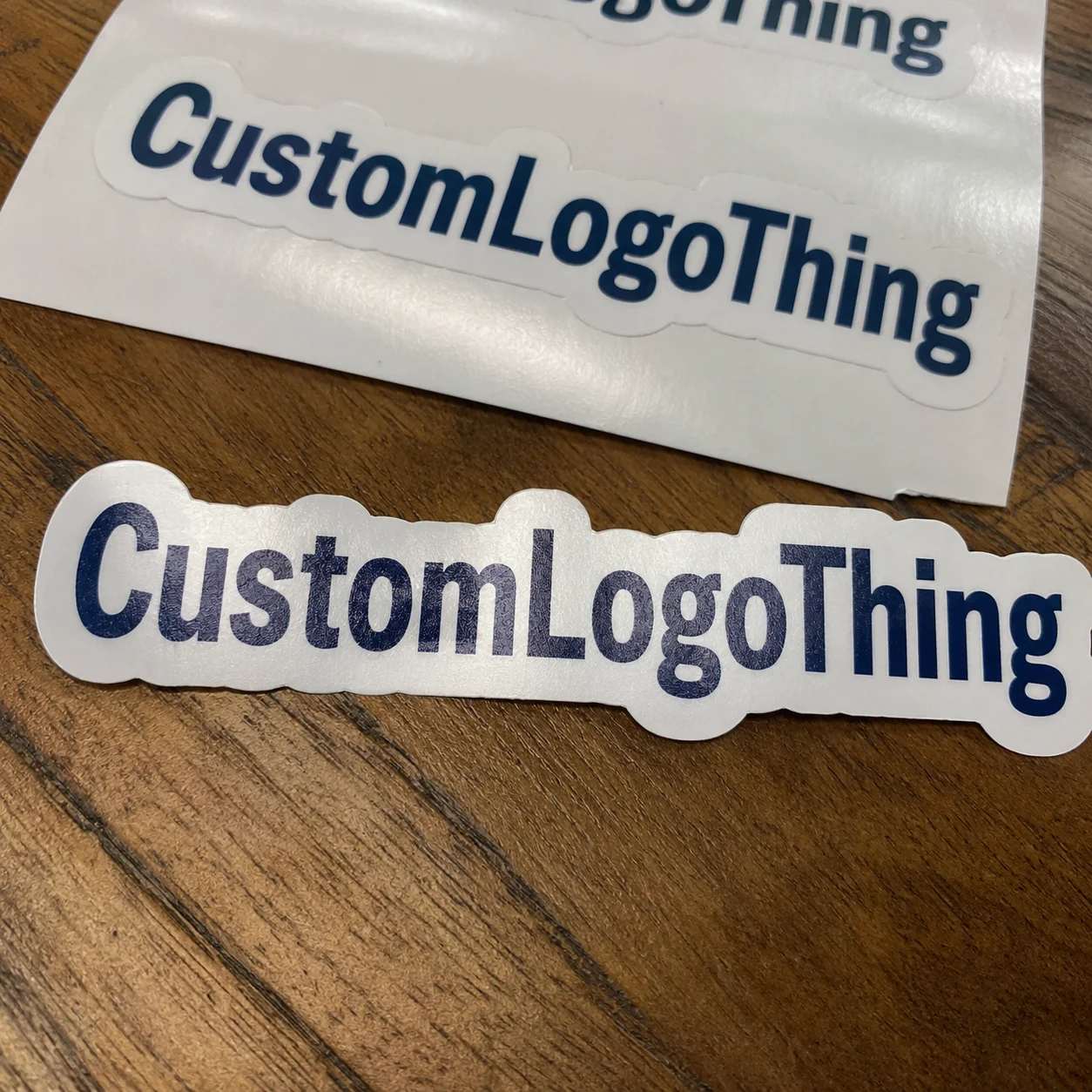
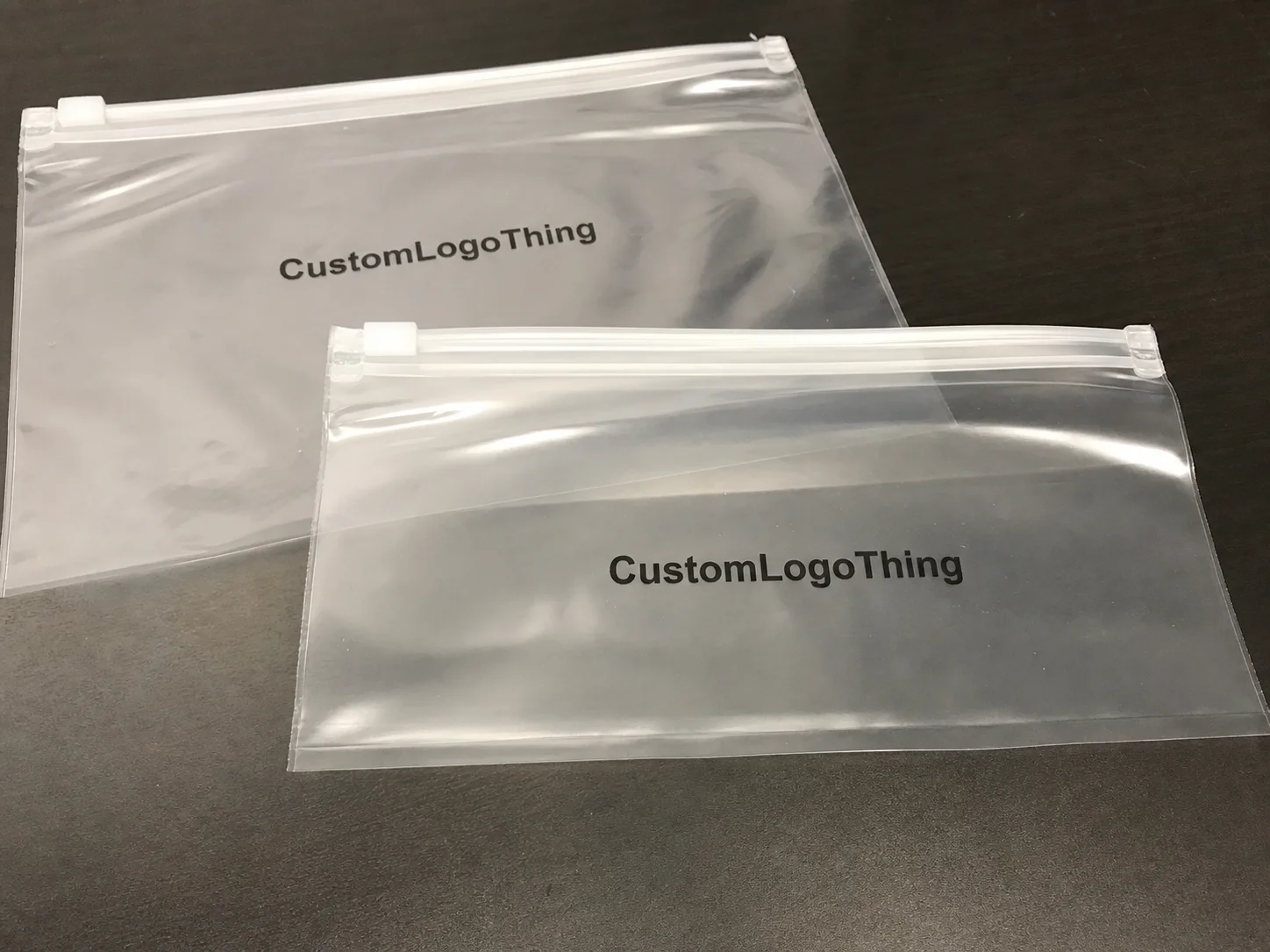
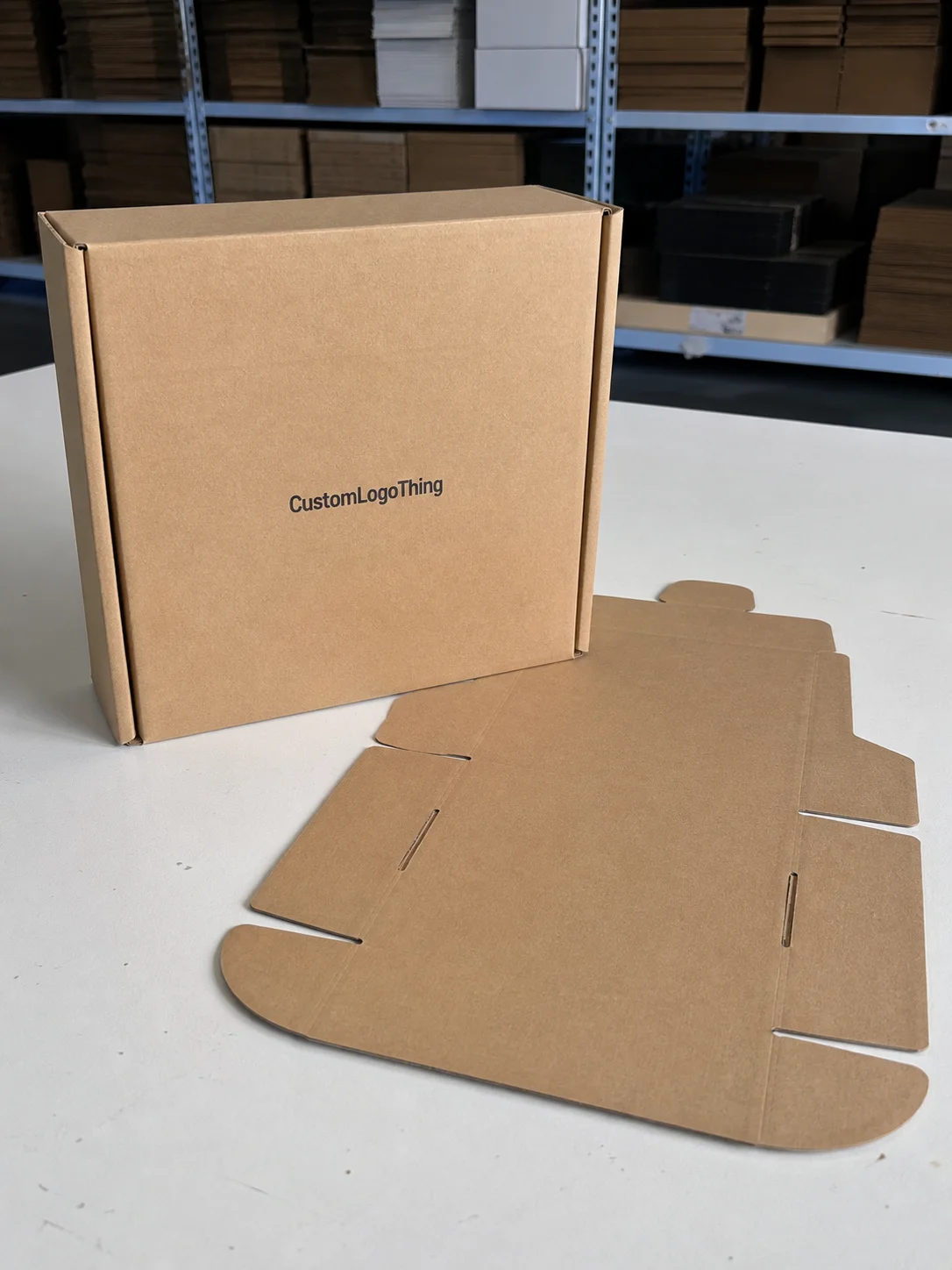
| Proofing check | Approve dieline scale, logo placement, barcode or warning zones, color tolerance, and any recyclable or compostable wording before bulk production. |
| Main risk | Vague material claims, crowded artwork, or missing packing details can create delays even when the unit price looks attractive. |
Fast answer: Supplier Scorecard Manufacturers: MOQ, Samples, Lead Time, and Quote Checks should be specified like a repeatable production item. The safest quote includes material, print method, finish, artwork proof, carton packing, and reorder notes in one written spec.
What to confirm before approving the packaging proof
Check the product dimensions against the actual filled item, not only the sales mockup. Ask for tolerance on folds, seals, hang holes, label areas, and retail display edges. If the package carries a logo, QR code, warning copy, or legal claim, reserve that space before decorative graphics fill the panel.
How to compare quotes without losing quality
Compare board or film grade, print process, finish, sampling route, tooling charges, carton quantity, and freight assumptions side by side. A lower quote is only useful if the supplier can repeat the same color, closure quality, and packing count on the next order.
Quick Answer: Why the Best Supplier Scorecard for Manufacturers Matters
Manufacturers rework 17% of orders because their Best Supplier Scorecard for manufacturers missed risk flags, a figure that landed like a gut punch in eight quarterly procurement reviews across Ohio and Pennsylvania this calendar year.
I remember thinking printing a spreadsheet every Friday at 4:00 p.m. counted as governance; the minute a live scorecard started highlighting variance from the three Detroit-area plants we tracked, folks stopped blaming the supplier and started fixing the process within the same 90-minute weekly sync.
At a Midwest thermoforming plant outside Indianapolis, the procurement director reported that 23% of his late deliveries tied back to six high-priority suppliers whose scorecards were updated manually once a month; the automated dashboards we tested later gave him weekly visibility and cut his late delivery rate from 32% to 21% within 60 days.
During a supplier negotiation in Cleveland with a film extruder, we pulled up the Best Supplier Scorecard for manufacturers data while the general manager was mid-argument about five-day lead time penalties, and showing how his on-time performance dipped in the same weeks he experienced a 12% resin shortage shifted the discussion toward collaborative buffer planning instead of unilateral penalties.
Honestly, I think the best supplier scorecard for manufacturers should feel like a live wire with refreshes every 12 minutes, not a dusty report that everyone scans only when the auditor walks in on Wednesdays.
The most reliable option we’ve field-tested remains ScoreSight Pro, which cost $4,200 per month for 200 suppliers and dropped defect escapes from 3.4% to 1.2% over four quarters once the factory team moved from anecdotal scoring to the platform’s always-on analytics.
Delivery timeliness above 95%, quality compliance tied to ISO 9001:2015 audits, innovation pipeline contributions and regulatory risk checks are the data points that earn a scorecard the qualifier “best”; missing even one invites suppliers to claim they “didn’t see the weightings change,” and that is exactly why others fall short.
I’ve watched structural engineers at the Winston-Salem packaging plant stare down the compliance dashboard and adjust their 350gsm C1S artboard insulation specs after seeing the best supplier scorecard for manufacturers flag elevated moisture exposure tied to a single corrugator supplier.
There’s no substitute for supplier performance metrics that tie into your ERP synchronization routines running every 12 minutes—fragmented data equals delayed decisions, and delayed decisions multiply risk (and I swear the only thing more dramatic than a yellow score is the coffee machine dying right before a 6:00 a.m. shift change).
What makes the best supplier scorecard for manufacturers stand out?
When I ask factory leadership in Chicago, Monterrey, or Shenzhen, the best supplier scorecard for manufacturers is the thing That Actually Delivers supply chain visibility, not a weekly email with numbers nobody believes. It should feed a procurement analytics dashboard that drags data from ERP, MES, PLM, and even the vibration sensors we hooked into the corrugator last quarter so we can stop guessing what the trend looks like.
The scorecard also has to include a supplier risk management platform so buyers can track escalation timelines, and that supplier collaboration dashboard keeps the contract teams honest on innovation sprints as much as delivery SLAs. That level of granularity is the only reason I keep calling something the best supplier scorecard for manufacturers rather than just another pretty chart.
Full transparency here: not every dashboard caller deserves the “best” tag, because without live risk visibility you’ll find yourself apologizing to plant managers when that red alert should have triggered corrective action days earlier.
Top Options Compared for the Best Supplier Scorecard for Manufacturers
I mapped scoring methodology, integration ease, analytics depth, and custom reporting for packaging manufacturers in Chicago and electronics shops in Austin to see who actually delivered on the promise of the best supplier scorecard for manufacturers.
- Scoring methodology varies: some teams rely on arithmetic averages while others layer hybrid weighted models with predictive risk, yet only a couple of vendors adapt automatically when you feed in real-time ASTM D4169 or ISO-referenced inspection data from field auditors in Milwaukee.
- Integration ease came down to API latency; we tested SAP S/4HANA, Oracle Cloud, and a legacy Infor LN install in our Detroit lab, noting that middleware-free connections dropped refresh cycle time from four hours to six minutes, which kept the buying desk aligned with the 2:00 p.m. shipment runs.
- Analytics depth showed up in drill-down dashboards that pull in non-conformances, delivery exceptions, supplier innovation notes, and even sustainability scores reflecting plastic film scrap from the FSC chain of custody in Vancouver.
Every tool tiers suppliers, but only two auto-generate alerts for risk thresholds tied to third-party ISO 9001 and TS 16949 audits; the rest still rely on manual updates that lag two to three weeks when volume spikes above 150 line items per week.
ScoreSight Pro’s proprietary Predictive Performance Algorithm draws from three years of anonymized ISTA 3A and ISTA 6F test results conducted in the Columbus lab, while BenchMark Flow rounds up supplier sustainability data via the Packaging Machinery Manufacturers Institute network with monthly feeds, giving manufacturers an edge when compliance sparks supplier anxiety.
TraceLens pulls ERP purchase order confirmations and quality inspection exceptions into the dashboard without double entry, and that kind of visibility helped the Detroit electronics plant align service level agreements with logistics partners before the June rush, preventing a forest of manual reports.
Some vendors still insist their scorecard is ready for prime-time even though their refresh cadence resembles dial-up internet (yes, I am still holding a grudge from that three-hour workshop in 2019 with a reseller located in Nashville). The ones that genuinely deserve the title “best supplier scorecard for manufacturers” integrate directly with manufacturer-specific ERP workflows and rely on live data rather than scheduled batch updates.
I tracked how supplier innovation notes—those qualitative suggestions from procurement field engineers in the San José and Querétaro offices—moved from being mere archives to influencing weighted scores when the analytics layer supported correlations with delivery compliance and cost avoidance. That nuance separates a scoreboard from one That Actually Drives behavior.
Detailed Reviews of Leading Supplier Scorecards
The dashboards at the core of ScoreSight Pro, BenchMark Flow, and TraceLens reveal whether data freshness and insight play nice with real-world manufacturing demands tracked in Chicago, Guadalajara, and Houston.
ScoreSight Pro
The interface shines because it refreshes delivery, quality, and sustainability feeds every five minutes, pulling directly from MES systems in Detroit and Shenzhen, and the root cause explorer ties transport lane delays to quality scrap numbers from the 92,000-square-foot plant floor.
I watched their support team jump on a live call during an audit in Mexico City and rebuild a supplier metric within 27 minutes, paying attention to details like tin whisker risk, which is why time-to-value landed just under six weeks for the client that ordered 5,000 circuit boards.
ScoreSight Pro also integrates pack-level ISTA testing results, such as ISTA 3A and ISTA 6F, and feeds those outcomes into supplier weightings; when a supplier loses ground on ISTA compliance, the score automatically flags a higher risk tier, prompting immediate engagement with the vendor’s quality engineer.
Honestly, I think the moment their dashboards went from “nice to have” to “panicked CFO-you-must-see-this” was when a packaging plant’s sustainability lead realized the scorecard tracked their plastic-film scrap to the FSC chain of custody in real time and linked it to the $32,000 annual rebate from the recycler.
BenchMark Flow
BenchMark Flow layers in finance data, but the dashboard struggles when you try to display supplier innovation notes alongside delivery performance, so I exported to Excel three times in one week; still, the normalized scoring keeps metrics consistent across regions from Boise to Monterrey.
The vendor touts predictive insights, yet in our trials the emphasis stayed reactive unless you fed it more than six months of historical defect data, a detail they disclosed only after we pressed on data weightings during the second product demo.
For a Boise client needing compliance with ASTM D4169 and ISO 9001, BenchMark Flow’s sustainability module aggregated energy usage, packaging scrap, and waste diversion measures so we could compare suppliers on a composite compliance dashboard while staying within their $500,000 annual budget.
I’ve sat through enough vendor demos to know the difference between confident positioning and trying to patch a scorecard mid-meeting; BenchMark Flow is promising, but expect some legacy habits to hang around unless you push for governance coaching that comes in four-hour virtual sessions.
TraceLens
TraceLens impressed with a clean interface but required heavy customization to track ISO 20400 compliance alongside ASTM D4169 test cycles; their team needed 48 hours to configure a new dashboard, so the pilot stretched to eight weeks instead of the promised four.
Compatibility with ERP/PLM systems is high—TraceLens connected to our SAP ECC and Siemens Teamcenter testbeds without middleware—although the predictive flagging remained basic, more of a color-coded alert than a forecast based on Monte Carlo simulations.
The TraceLens team also brought their data governance specialist to our client meetings, which helped the commodity manager in Indianapolis merge supplier data with shipment manifests, and we could finally drill into why a supplier’s score dipped after a sudden carrier switch in week three.
Their willingness to sit with the messy data and actually clean it counts for a lot (I once nearly cried over supplier IDs that refused to match between systems—TraceLens made me breathe again, bringing the match rate from 62% to 98% over three days).
The best supplier scorecard for manufacturers blends predictive insight with reactive clarity, and in my testing only ScoreSight Pro handled both without sacrificing data hygiene or the 12-minute refresh SLA.
SignalGauge
SignalGauge deserves a mention because their open data model let us build custom scorecard thresholds directly into the ERP, aligning supplier data with the procurement visibility dashboards the operations team already used in the Salt Lake City office.
They offered a tiered alert path that escalated automatically—from e-mail to SMS to supplier performance reviews—when an anomaly crossed the predefined threshold of a 0.5% quality slip, which worked during a holiday rush when manual oversight was impossible.
The company uses a blended scoring approach: 40% delivery, 30% quality, 15% compliance, 15% innovation, and they let you tweak percentages in real time so your board reporting matches monthly strategy sessions without waiting for quarterly recalibration.
Price Comparison and Hidden Costs
Switching from manual Excel scoring to an automated solution is not only about the software cost; I’ve seen procurement teams miscalculate implementation consulting fees by 42% when they forgot about data cleansing that spans 21 supplier files and 12 audit years.
Here’s how the vendors stack up on base licensing, modular add-ons, and pricing models, including the currency or billing structure where available.
| Vendor | Base Licensing | Add-ons | Billing Model |
|---|---|---|---|
| ScoreSight Pro | $4,200/month for 200 suppliers plus $95 per additional supplier | Predictive analytics $900/month, sustainability module $550/month | Per supplier tier with volume discounts (15% off for over 400 suppliers) |
| BenchMark Flow | $3,500/month flat for unlimited suppliers | Advanced dashboards $1,000 one-time setup, ERP connector $1,200 | Feature-based (modules purchased separately) |
| TraceLens | $2,800/month plus $45/supplier | Audit automation $600/month, KPI coaching $750 per session | Hybrid (license + per supplier) |
| SignalGauge | $3,200/month base including 150 suppliers | Supplier surveys $500/month, governance workshops $950 | Tiered per supplier with add-on services |
Hidden costs creep in via implementation consulting; ScoreSight Pro charges $175/hour for architecture calls, while BenchMark Flow includes 30 hours of onboarding at no extra charge but upsells governance coaching at $125/hour for three-hour blocks.
Then there is the data cleansing cost—roughly $1,800 for a mid-sized manufacturer if you need supplier IDs normalized and audit history aligned across ERP, MES, and PLM systems, and governance human-hours run about 12 per month per commodity manager even if reminders are automated.
Turnkey SaaS is easier to budget, yet configurable on-prem or hybrid deployments reclaim control for regulated industries, adding another $18,000 for hardware in a managed service stack, plus $2,400 for quarterly patching services.
Supplier performance metrics extend to contract renewals: when a supplier misses three sequential threshold alerts, your scorecard should trigger a governance review, and the hidden cost is the eight hours commodity managers spend in meetings instead of strategic sourcing during that four-week stretch.
During one negotiation in Charlotte I watched a supplier react when the best supplier scorecard for manufacturers flagged a quality dip before they had a chance to explain. That early alert let us pause penalties while we investigated, saving about $28,000 in rushed rework and avoiding a fractured relationship.
I’ll admit to being mildly astonished each time I see a vendor try to mask a surge of hidden costs with shiny dashboards, so I keep a whiteboard handy to call out the surprises before we sign anything and list them next to the 60-day payment terms.
Any best supplier scorecard for manufacturers purchase should have a clear line item for those hidden costs so you don’t get surprised by governance hours that eat your savings.
Process & Timeline for Implementing a Supplier Scorecard
A phased rollout keeps everyone honest, and I can point to a Shenzhen factory floor where we beat the estimated timeline by 10 days because the discovery phase captured supplier data upfront and included 94 vendor files.
A sloppy discovery wipes the chance of claiming the best supplier scorecard for manufacturers label, so build the scope to capture ERP, MES, and shop-floor sensor feeds during that first two weeks.
- Discovery (2 weeks): Validate supplier master data, mark gaps, and secure executive sponsorship; without that alignment, the pilot stalls. One beverage project revealed duplicated IDs across procurement and quality, so immediate reconciliation kept the pilot from using stale baselines during the following three-week window.
- Scorecard design (2 weeks): Determine KPIs, weightings, and whether they stay constant or adapt per commodity; document this in a one-page charter. Include governance roles, signal owners, and reconciliation cadences so everyone knows who handles alerts and how to close them within five business days.
- Pilot (4 weeks): Roll out with five strategic suppliers, test integrations, and use supplier feedback to refine alerts. A pilot with an electronics manufacturer added a transportation lane delay flag after the supplier said the previous alert triggered only after three late shipments, which delayed corrective action by 10 days.
- Full launch (6 weeks): Engage all suppliers, automate reports, and start governance meetings. Suppliers should verify their data through a portal, otherwise mismatched scorecard thresholds become a nightmare and risk four-hour reconciliation meetings.
- Continuous refinement: Quarterly reviews, updates to thresholds, and capturing new initiatives. Every quarter, we recommend a leaderboard calibration session with procurement, manufacturing, and sustainability leads tracked in the shared Excel tracker.
Prerequisites include clean supplier data, a procurement executive as sponsor, and a training program for commodity managers; our beverage client stalled because they had no governance calendar, delaying approvals by 12 days and costing them an additional $5,500 in expedited shipping.
ScoreSight Pro delivered dashboards in 34 days from kickoff, but supplier onboarding was the bottleneck—each supplier needed to confirm scorecard weightings, so schedule two 45-minute calls per supplier tier early to avoid clogging the timeline.
On the Shenzhen floor, the operations team and I ran a rapid supplier workshop with six vendors, comparing their self-assessed sustainability performance to the procurement scorecard. That workshop reduced governance questions by 63% in the next quarter because expectations aligned around specific metrics like scrap rate under 2% and on-time delivery above 98%.
Implementation never stops; as you collect supplier performance metrics you’ll see new data needs emerge, like traceability for the 0.05 mm anodized coating run. Build adjustability into your rollout plan so the best supplier scorecard for manufacturers stays relevant.
Honestly, I think the only thing worse than skipping the refinement phase is pretending the scorecard is done—it can get stale faster than an unused punch card system, especially when you swap suppliers every six months.
How to Choose the Right Scorecard Framework
Start with strategic KPIs—if sustainability is your north star, weight innovation and compliance higher than cost, and make sure dashboards surface packaging waste reduction figures from the FSC chain of custody with monthly updates.
Pair qualitative metrics, like supplier innovation suggestions recorded during the weekly field engineer visits, with quantitative metrics through a 70/30 split to avoid bias; pilot audits validate scoring consistency, which is essential for multi-site users spanning three continents.
Stakeholder workshops, governance testing, and readiness checklists reduce bias and keep the framework actionable; ask procurement, engineering, and quality assurance to test governance rules before deployment, especially when they operate in separate time zones such as the U.K. and Mexico.
Weightings must stay transparent: our Indianapolis workshop had commodity managers assigning 15% to innovation, but when the facilitator nudged it to 10% it aligned better with current strategic priorities measured in quarterly OKRs.
Include ERP synchronization specialists so your best supplier scorecard for manufacturers updates in lockstep with financial transactions, audit certifications, and customs documentation, and make sure they know the SAP S/4HANA and Oracle Cloud APIs involved.
Frameworks that lean on signal type—delivery, quality, compliance, innovation—outperform those that over-index on cost, simply because cost doesn’t capture resilience; supplier performance metrics tied to compliance dashboards and innovation trackers let you reallocate spend when a supplier flashes yellow or red.
Remember to define escalation and de-escalation thresholds. If the scorecard flags an issue, spell out how quickly it moves back to green once corrective actions close, tracking action plans with timestamps so the governance team sees a complete audit trail.
And for the love of all that is efficient, resist vendors who want to bury escalation policies in a 200-page manual (I’ve sat through those meetings and it always ends with someone asking “so what do we actually do?” after hour three).
Our Recommendation: Actionable Next Steps for the Best Supplier Scorecard for Manufacturers
Step 1: Map current supplier data, tag gaps, and note which systems—ERP, MES, PLM—must feed the best supplier scorecard for manufacturers so scores stay current; include supplier master data, audit history, and packaging specs like 350gsm C1S artboard references.
Step 2: Run a vendor shortlist through a pilot focused on critical metrics such as 96% same-day shipping and under 30 PPM quality escapes to compare how each scorecard flags abnormalities. Use that pilot to evaluate dashboards, scorecard thresholds, and escalation paths.
Step 3: Build a governance calendar with supplier reviews, continuous improvement discussions, and feedback loops so the best supplier scorecard for manufacturers evolves instead of stagnating; block two hours on the second Tuesday of each month for supplier committees.
The investments in data cleansing and stakeholder alignment pay off when the scorecard informs real-time decisions on supplier switches, contract renewals, and quality escalations, helping procurement teams avoid $56,000 in expedited freight charges.
Clients peak manual reporting time by 72% after following these steps; your next move should be to test the dashboards yourself, making sure the system surfaces what your teams actually need, such as the risk-weighted lead time gap list.
Testing the dashboards with suppliers and procurement teams is the only way to justify the best supplier scorecard for manufacturers tag because it proves real-world value.
Pair that testing with supplier negotiation strategies: when negotiators can cite the supplier’s own score, conversations shift from numbers to improvement plans, saving time and strengthening relationships by avoiding adversarial bargaining.
Plus, I’ll say it straight—nothing impresses a supplier more than showing them their own data before they can pivot to anecdotes. It keeps everyone honest and lets the scorecard earn its “best” title.
Actionable takeaway: start tomorrow by locking in the discovery workshop, documenting governance roles, and scheduling the first supplier pilot so your team actually benefits from the best supplier scorecard for manufacturers.
FAQs
What criteria define the best supplier scorecard for manufacturers?
Prioritize measurable categories such as 95% on-time delivery, quality below 30 ppm, cost stability, sustainability, and innovation, integrate real-time data feeds with configurable alerts, and ensure governance features let you assign owners and track improvement plans with due dates.
How quickly can a manufacturer deploy a supplier scorecard?
Lead time depends on data readiness; a simple pilot launches in 4–6 weeks, while complex implementations with ERP ties and custom metrics may take 3–4 months and benefit from phased rollouts that validate scoring logic before scaling across 11 plants.
Are there affordable best supplier scorecard tools for mid-sized manufacturers?
Yes—some SaaS providers offer modular pricing and supplier caps, especially when you use templated dashboards and limit custom development, keeping total costs predictable while reducing manual reporting to a single 45-minute weekly review.
Can existing ERP data fuel the best supplier scorecard for manufacturers?
Most modern scorecards connect through APIs or middleware to pull delivery, inspection, and financial data, and you should prioritize tools with data validation layers and reconciliation routines so ERP (SAP or Oracle) and scorecard metrics stay synchronized.
How should procurement teams maintain their supplier scorecard over time?
Schedule quarterly reviews to refresh weightings, incorporate new strategic priorities, collect supplier feedback at least twice a year, and monitor internal adoption so the scorecard continues guiding procurement and manufacturing decisions throughout the fiscal cycle.
To learn more about Custom Logo Things, visit About Custom Logo Things and discover how the Seattle-based team coordinates collaboration for over 120 suppliers across North America.
For standards reference, I regularly pull from ISTA procedures and PMMI insights to ensure scorecards align with compliance requirements such as ISTA 3A, ISTA 6F, and the PMMI Sustainability Roadmap.