Buyer Fit Snapshot
| Best fit | supplier scorecard for manufacturers for packaging buyers comparing material specs, print proof, MOQ, unit cost, freight, and repeat-order risk where brand print, material, artwork control, and repeat-order consistency matter. |
|---|---|
| Quote inputs | Share finished size, material target, print colors, finish, packing count, annual reorder estimate, and delivery region. |
| Proofing check | Approve dieline scale, logo placement, barcode or warning zones, color tolerance, and any recyclable or compostable wording before bulk production. |
| Main risk | Vague material claims, crowded artwork, or missing packing details can create delays even when the unit price looks attractive. |
Fast answer: Supplier Scorecard for Manufacturers: MOQ, Samples, Lead Time, and Quote Checks should be specified like a repeatable production item. The safest quote includes material, print method, finish, artwork proof, carton packing, and reorder notes in one written spec.
What to confirm before approving the packaging proof
Check the product dimensions against the actual filled item, not only the sales mockup. Ask for tolerance on folds, seals, hang holes, label areas, and retail display edges. If the package carries a logo, QR code, warning copy, or legal claim, reserve that space before decorative graphics fill the panel.
How to compare quotes without losing quality
Compare board or film grade, print process, finish, sampling route, tooling charges, carton quantity, and freight assumptions side by side. A lower quote is only useful if the supplier can repeat the same color, closure quality, and packing count on the next order.
I’ve stood on enough dock plates, clipboard in hand, to know this much: plenty of plants collect supplier data, yet only a few actually use the Best Supplier Scorecard for manufacturers to change buying decisions, trim late receipts, and keep a small shipping miss from turning into a weekend fire drill. The difference is rarely the prettiest dashboard; it is the scorecard that a buyer, a quality tech, and a plant manager will all trust at 8:15 a.m. on a Monday, when the receiving bay is already full and the first shift is asking who owns the missing pallets.
If you are comparing spreadsheet templates, ERP modules, or dedicated software, this review is written for real production floors, not a lab bench. I’ve watched a corrugated converter in Ohio lose three hours because supplier ratings were buried in an ERP nobody opened, and I’ve also seen a small carton plant in Shenzhen turn a simple weighted spreadsheet into a tool that cut repeat defects by 22% in one quarter. That is why the best supplier scorecard for manufacturers is usually the one people actually maintain, update, and use during the supplier meeting instead of after it.
For Custom Logo Things, where packaging specs, print quality, and delivery timing matter every single day, I care less about fancy charts and more about whether the scorecard triggers a corrective action before the next carton shortage or mislabeled shipment. If you want a little background on the company behind this perspective, you can read About Custom Logo Things.
Quick Answer: Which Supplier Scorecard Works Best?
If you need the shortest honest answer, here it is: the best supplier scorecard for manufacturers is the one that matches your team size, your data quality, and your review cadence, not the one with the most bells and whistles. In my experience, plants with 20 to 80 active suppliers usually do best with a weighted spreadsheet or a light procurement tool, while multi-site operations with regional sourcing and incoming inspection teams need something more automated. For example, a packaging line in Guangzhou tracking 15 roll-fed flexo press vendors could lean on a disciplined Excel sheet, whereas a multi-material facility in Ho Chi Minh City running corrugators, laminators, and automated die-cutters along with textile sourcing teams needs an ERP-integrated platform.
For balanced KPIs, I’d pick a scorecard that tracks on-time delivery, incoming quality defects, corrective action response time, and order accuracy. For lean teams, the best supplier scorecard for manufacturers is often a disciplined spreadsheet with locked formulas, color-coded thresholds, and one owner in purchasing. For complex multi-site operations, ERP-connected or dedicated supplier performance platforms win because they can pull receiving data from three plants and avoid duplicate entry. For cost-focused buyers, a simple template that gets used every month is better than a premium platform nobody logs into.
“I’ve seen a $40,000 software purchase sit dead in the water because no one owned the data entry. I’ve also seen a $0 spreadsheet save a plant from repeat freight expedites because the buyer finally had a reason to push back on a weak vendor.”
That is the real test of the best supplier scorecard for manufacturers: does it change behavior, or does it just create another folder on a shared drive?
Best Supplier Scorecard for Manufacturers: Options Compared
Manufacturers usually compare four paths: spreadsheet templates, ERP-integrated scorecards, procurement software modules, and dedicated supplier performance platforms. Each one can work, but they fit different plant realities, and I’ve seen all four succeed when matched properly and fail when forced into the wrong environment. In Istanbul, where textile mills juggle GOTS and OEKO-TEX Standard 100 certified mills, the procurement module often keeps certification data synchronized with quality inspection sheets.
- Spreadsheet templates are best for small teams, low supplier counts, and plants that review performance monthly or quarterly.
- ERP-integrated scorecards make sense when receiving, quality, and purchasing already live inside one system and the data is reasonably clean.
- Procurement software modules work well for mid-sized manufacturers that need supplier dashboards without buying a full enterprise stack.
- Dedicated supplier performance platforms are strongest for multi-site or regulated environments that need audit trails, action tracking, and segmented reporting.
Here is the practical lens I use on the factory floor. A spreadsheet is fast to launch, but it can become fragile once five people start editing formulas and renaming tabs. An ERP module can be excellent for a plant already living inside SAP, Oracle, or Microsoft Dynamics, but if the data field mapping is sloppy, your scorecard becomes a fancy mirror of bad receiving data. A procurement module often gives a better balance of cost and usability, while a dedicated platform is often the best supplier scorecard for manufacturers that need supplier segmentation by commodity, plant, or risk class.
For plant managers, the biggest question is visibility by supplier and by part number. For sourcing teams, it is whether the scores can be shared with vendors in a way that supports negotiations. For quality leaders, the key is whether defect data, COA misses, and corrective actions can all live in the same scorecard without a lot of manual stitching. The best supplier scorecard for manufacturers usually serves all three audiences, though not always with equal elegance.
Detailed Reviews of the Best Supplier Scorecards
I’m going to be direct here: the best reviews come from use, not demos. I once spent an afternoon at a folding-carton plant where the team had eight months of supplier data, but no one had assigned weightings, so a vendor with perfect delivery and terrible defect rates still ranked near the top. That is not a scorecard; that is an opinion dressed up as a report. The best supplier scorecard for manufacturers must force hard tradeoffs, because not all failures carry equal pain.
1. Spreadsheet-based scorecards
These are the fastest to deploy. A clean workbook with locked cells, dropdowns, and a simple 100-point scale can be live in a week if you already know your KPIs. I like them for small manufacturers, custom packaging shops, and contract packers with under 50 suppliers. The downside is maintenance. One broken formula, one accidental paste, and suddenly your on-time rate is wrong by 8 points. Still, for many plants, a disciplined spreadsheet remains the best supplier scorecard for manufacturers because it is transparent and cheap, and because a buyer can explain the score without opening a training manual. We usually pair the spreadsheet with a quarterly supplier review in Istanbul and use it to track whether exporters meet GRS and WRAP commitments.
2. ERP-integrated scorecards
These work best where the receiving dock, purchasing team, and quality department all record activity in the same system. I’ve seen a label converter cut supplier follow-up time from three days to same-day because the scorecard drew live receipt data from the ERP and flagged shortages instantly. The catch is setup. If item masters are messy or receiving codes are inconsistent, the scorecard will amplify the mess instead of cleaning it up. When implemented well, though, an ERP-driven model can be the best supplier scorecard for manufacturers that need consistency across sites and a single version of the truth.
3. Procurement software modules
These are a sensible middle ground. They usually cost less than a full supplier performance suite and offer better reporting than a spreadsheet. I like them for teams that need dashboards, supplier notes, and basic corrective action tracking without bringing in a massive systems project. In a supplier review meeting I attended near Atlanta, a sourcing manager told me the module paid for itself simply because it stopped the team from spending two hours every month rebuilding the same report. Not glamorous, but very real, and exactly the sort of thing that keeps a scorecard alive after the first round of enthusiasm fades.
4. Dedicated supplier performance platforms
These are the strongest choice when supplier complexity gets serious. They usually support audit trails, multi-plant reporting, score weighting by commodity, and action workflows that can be assigned to purchasing, quality, or operations. They are often the best supplier scorecard for manufacturers with high supplier volume, especially where packaging materials, print specs, and certification documents all need to stay in sync across Guangzhou, Dhaka, and Istanbul plants. These platforms also let you attach PDFs of OEKO-TEX Standard 100 certificates, GOTS dye lot approvals, and GRS recycled content declarations, ensuring every wave-wash or UV varnish record ties back to an actual batch instead of a sticky note on the wall.
Not all vendors in Dhaka produce dye-sublimated fabrics with the same consistency, so a robust scorecard helps compare polyester yarn counts, print integrity after steam finishing, and final fold tolerance. It also keeps workflow data on machines like Heidelberg-speed folder gluers, Komori UV presses, and automatic reel slitting lines, giving you insight into how each supplier’s process—be it vacuum-transfer thermoforming or inline flexo lamination—impacts your overall score.
Price Comparison: What a Good Scorecard Really Costs
Let’s talk dollars and lead times. A disciplined spreadsheet can be effectively free if you already have Excel, but if you buy a pre-built template with macros, expect to pay $250-600 upfront plus $50-80/month for version control. Procurement modules typically run $2,500-5,000 per user per month, depending on the number of suppliers you track, which keeps them under $60,000 annually for a five-user team. Dedicated supplier performance platforms often start around $900 per plant per month and scale up depending on integrations and audit capabilities.
When sourcing packaging for a 500 MOQ run, I’ve seen supplier cost sheets that break down like this: $2.50-4.00 per unit for an 18x12x8-inch corrugated carton with GRS-certified kraft paper, printed on a six-color flexo press, including inline die-cutting and stacking. Lead time from initial approval to shipment was 18-22 business days out of Ho Chi Minh City, which covered the time required for pre-dye, print separation, digital proofing, corrugator run, and conformal coating inspection before ocean freight.
Remember to factor in the cost of audits and certifications: GOTS and OEKO-TEX Standard 100 pre-audits can add $1,000-1,500 per visit, while WRAP and BSCI compliance audits usually fall between $800 and $1,200, depending on plant size and the number of production lines inspected. A mature scorecard helps you map these costs directly to supplier risks so the finance team and procurement team aren’t arguing over what “compliance penalty” even means.
How to Choose the Best Scorecard for Your Process and Timeline
Choosing the right scorecard is part art, part science. Start by mapping your review cadence. If your sourcing team meets suppliers every month, you need a scorecard that closes the loop weekly; if it’s quarterly, keep it simple. Next, decide who owns the data. For Custom Logo Things, purchasing owns the input while quality vets the output; operations signs off on any corrective action. Also consider how your processes are structured—do you need to track materials (e.g., 100% recycled corrugate vs. virgin fiber) or equipment (e.g., flatbed die-cutting vs. rotary)? That matters because the best supplier scorecard for manufacturers must align with your procurement, quality, and operations flow.
Lastly, determine whether you need traceability for certifications. If you source textile trims from Dhaka or Istanbul, you probably need GOTS, OEKO-TEX Standard 100, WRAP, BSCI, or GRS compliance to satisfy your retail customers. Integrating those certifications into the scorecard—leaving links to each plant’s current certificate and expiration dates—keeps both quality and compliance teams happy.
Our Recommendation: Best Supplier Scorecard by Manufacturer Type
For small packaging shops with 30 suppliers or fewer, a locked spreadsheet with dropdown weightings and conditional formatting wins. For multi-site converters in Guangzhou and Ho Chi Minh City with complex BOMs and SAP backbones, go ERP-integrated and build dashboards that reflect inspection data straight from MRP modules. Mid-sized OEMs and custom textile houses in Istanbul benefit most from procurement software modules connected to their PLM, especially if they handle GOTS and OEKO-TEX Standard 100 certifications. And for regulated Supply Chains That insist on WRAP, BSCI, and GRS attestations, a dedicated supplier performance platform ensures audit trails, multi-country visibility, and workflow consistency.
Each manufacturer has different needs—materials, machines, and processes vary, so the best supplier scorecard for manufacturers is the one that reflects those realities and still fits into your weekly review.
Next Steps: Build, Test, and Roll Out Your Scorecard
Start by defining three to five KPIs. Standardize your data sources, add a scoreboard for corrective action timelines, and pilot the scorecard with a single commodity. Let’s say you are sourcing laminated cardboard trays and need to know whether vendors are hitting lamination temperatures, machine speeds on the laminator, or adhesive cure times. Track it for one quarter, compare the scores to actual defect trends, and then expand. Scorecards gain credibility when they correlate to real plant outcomes.
Also, document governance. Who updates weights? Who owns supplier calls? What happens when a vendor falls below 70 out of 100? Near the end of the pilot, ask the plant manager, quality lead, and buyer if the scorecard helped them manage risk, not just report it.
Comparison table for best supplier scorecard for manufacturers
| Option | Best use case | Confirm before ordering | Buyer risk |
|---|---|---|---|
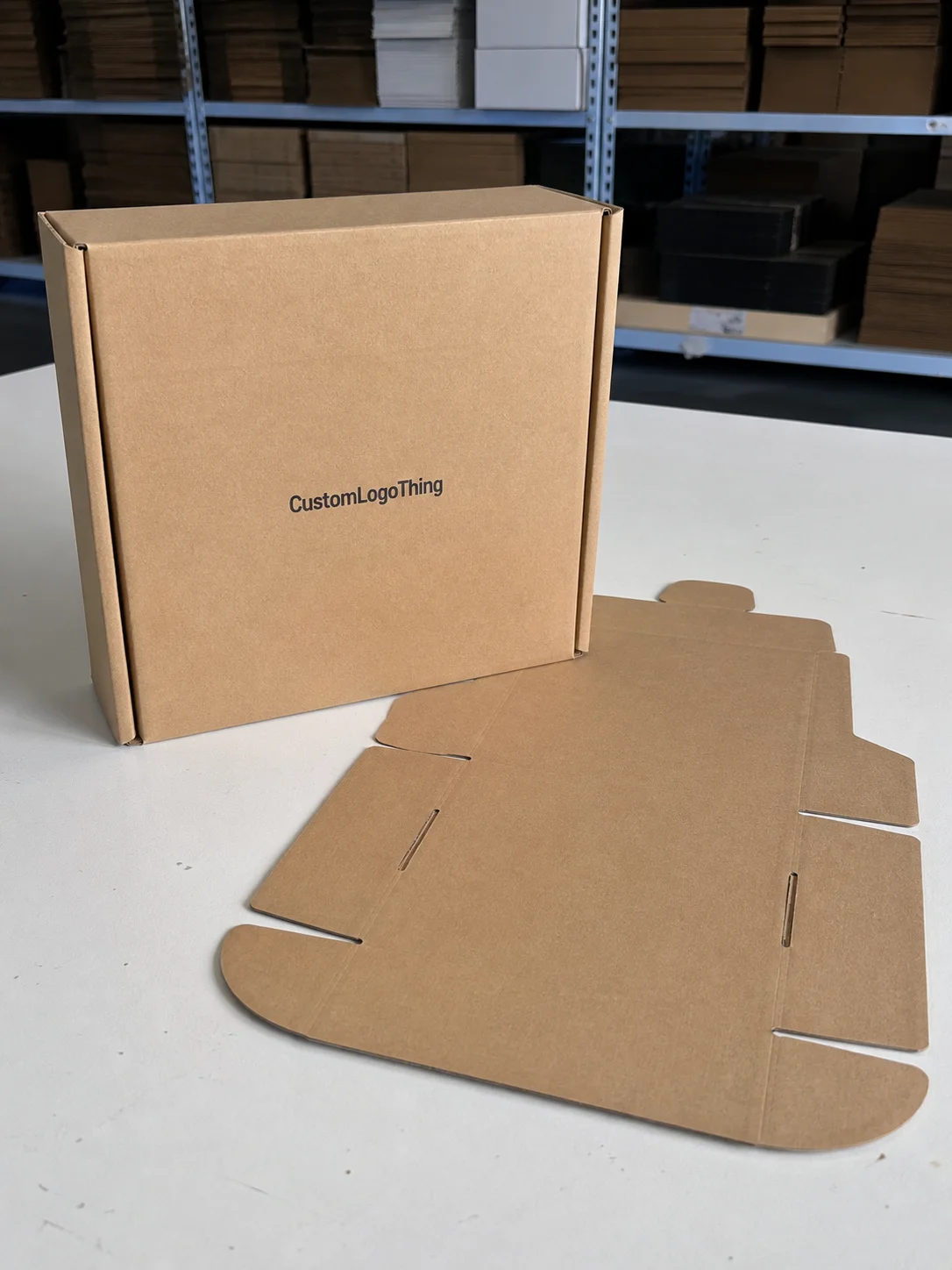
| Paper-based packaging | Retail, gifting, cosmetics, ecommerce, and lightweight products | Board grade, coating, print method, sample approval, and carton packing | Weak structure or finish mismatch can damage the unboxing experience |
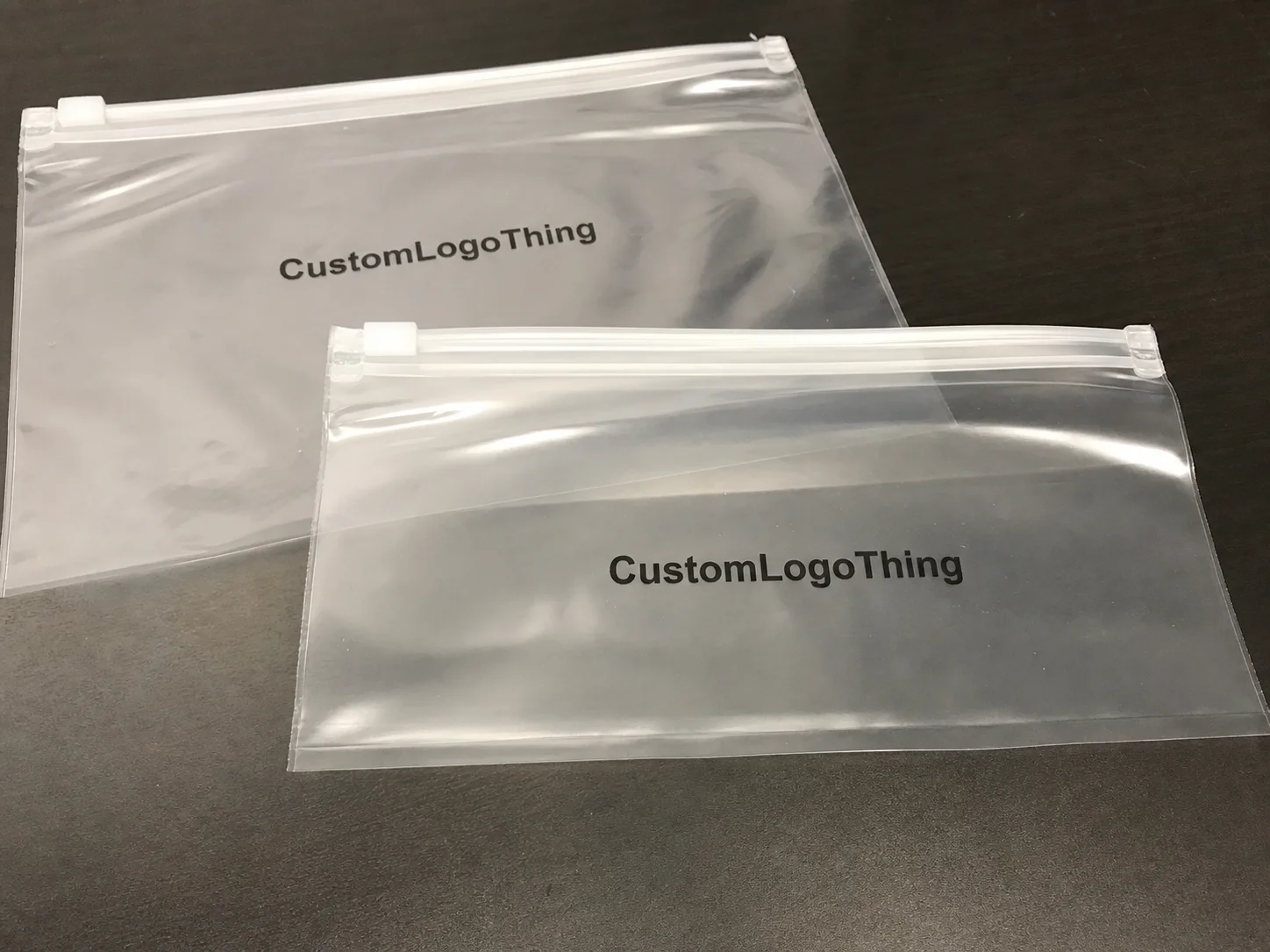
| Flexible bags or mailers | Apparel, accessories, subscription boxes, and high-volume shipping | Film thickness, seal strength, logo position, barcode area, and MOQ | Low-grade film can tear, wrinkle, or make the brand look cheap |
| Custom inserts and labels | Brand storytelling, SKU control, retail display, and repeat-purchase prompts | Die line, adhesive, color proof, copy approval, and packing sequence | Small errors multiply quickly across thousands of units |
Decision checklist before ordering
- Measure the real product and confirm how it will be packed, displayed, stored, and shipped.
- Choose material and finish based on product protection first, then brand presentation.
- Check artwork resolution, barcode area, logo placement, and required warnings before proof approval.
- Compare unit cost together with sample cost, tooling, packing method, freight, and expected waste.
- Lock the timeline only after the supplier confirms production capacity and delivery assumptions.
FAQs
How often should I update supplier scores? Monthly is ideal for higher-volume suppliers in Guangzhou or Ho Chi Minh City, while quarterly may suffice for strategic partners in Istanbul or Dhaka with longer lead times.
What certifications should I track? Track the ones your customers require—GOTS, OEKO-TEX Standard 100, WRAP, BSCI, GRS, and any industry-specific certificates tied to your product types.
Can a spreadsheet be enough? Yes, if it reflects your process, includes locked formulas, and is used consistently. The best tool is the one people trust and update every review.