Buyer Fit Snapshot
| Best fit | Biodegradable Carton Sleeves Wholesale for Growing Brands projects where brand print, material claims, artwork control, MOQ, and repeat-order consistency need to be specified before quoting. |
|---|---|
| Quote inputs | Share finished size, material target, print colors, finish, packing count, annual reorder estimate, ship-to region, and any compliance wording. |
| Proofing check | Approve dieline scale, logo placement, barcode or warning zones, color tolerance, closure strength, and carton packing before bulk production. |
| Main risk | Vague material claims, crowded artwork, missing packing details, or unclear freight terms can make a low unit price expensive after revisions. |
Fast answer: Biodegradable Carton Sleeves Wholesale for Growing Brands should be specified like a repeatable production item. The safest quote records material, print method, finish, artwork proof, packing count, and reorder notes in one written spec.
Production checks before approval
Compare the actual filled-product size with the drawing, then confirm tolerance on folds, seals, hang holes, label areas, and retail display edges. Reserve space for logos, QR codes, warning copy, and material claims before decorative graphics fill the panel.
Quote comparison points
Review material grade, print process, finish, sampling route, tooling charges, carton quantity, and freight assumptions side by side. A quote is only useful when the supplier can repeat the same color, closure quality, and packing count on the next order.
Biodegradable carton sleeves wholesale can change how a product is judged before a shopper ever lifts the lid. That first strip of board is often the only element a buyer sees clearly in a crowded aisle. If it sits flat, fits cleanly, and presents the brand without slack or scuffing, the pack feels more credible almost immediately.
That matters because packaging teams are being asked to do more with less. Protect margin. Improve shelf presence. Reduce unnecessary material. A sleeve can help on all three fronts. It adds visible brand value without forcing a full carton redesign, and it can support seasonal launches, bundle packs, or short-run refreshes without the cost of a new structural box.
From a packaging buyer's point of view, the appeal is practical rather than sentimental. You are buying a high-visibility paper component that can carry product information, compliance copy, and sustainability messaging while keeping weight low. The economics are easier to defend than many premium upgrades. A sleeve typically uses far less board than a rigid carton, which makes it a sensible starting point for brands that want stronger presentation without inflating spend.
A sleeve that fits properly can raise perceived value more than an expensive finish on a loose pack.
For growing brands, that is the central reason biodegradable carton sleeves wholesale keeps showing up in sourcing plans: lower risk, faster iteration, and a clean route to retail-ready presentation. The right spec can work for cosmetics, food, supplements, apparel, subscription inserts, and gift sets. The outer layer changes; the core pack stays simple.
Why Biodegradable Carton Sleeves Wholesale Matters for Shelf Sales
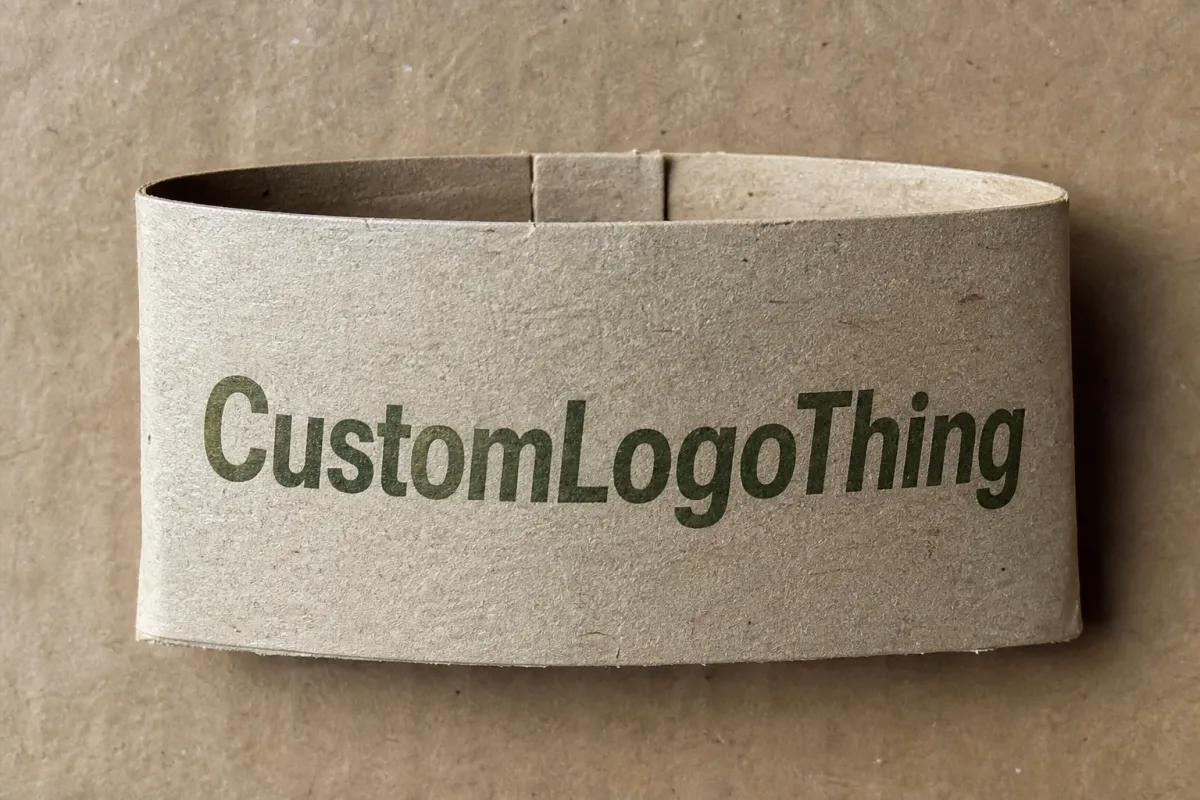
Retail shelves reward quick judgment. A shopper may spend only a few seconds scanning a pack face, and the sleeve is often the first readable surface in that window. Color, typography, and finish do more than decorate the carton. They signal whether the product belongs in a premium set, a mass-market tier, or a sustainability-led range.
That is why biodegradable sleeves matter as a merchandising tool, not just an environmental signal. A sleeve can carry holiday artwork, a limited-edition flavor, a new scent, or a bundle promotion, then be retired when the campaign ends. A full carton retool is harder to justify for that kind of flexibility, especially if the underlying pack is already doing its job.
The supply-side advantage is easy to miss. Compared with a fully custom structure, sleeves usually involve fewer design constraints and less material waste. If the primary carton stays standard, the sleeve becomes the variable layer. That matters for brands testing a product in one market before expanding it elsewhere. Artwork can change while the base pack stays stable, which keeps inventory cleaner and reorder planning simpler.
For sustainability-minded buyers, the appeal is not the word biodegradable on its own. The stronger case is lower material use, paper-based construction, and clearer end-of-life handling in markets where paper recovery is strong. Claims still need discipline. A paperboard sleeve with an aqueous coating is not the same thing as a compostable molded-fiber tray, and disposal rules change by region. Good sourcing should pair the material choice with precise claim language and local guidance.
Consumers do respond to packaging cues, but the biggest response usually comes from the full experience. Does the pack look intentional? Does the copy align cleanly? Does the sleeve feel well made or flimsy? Those details shape perceived value. A brand can spend heavily on advertising, yet the shelf still makes the first physical impression.
That is why biodegradable carton sleeves wholesale is often a smarter first packaging upgrade than a complete rebuild. It creates visible change without forcing every component into redesign. Startups entering retail, established labels launching a new line, and subscription brands seeking a more polished unboxing all benefit from that kind of restraint.
Product Details: Materials, Finishes, and Print Options
Material choice decides most sleeve outcomes. A buyer should start with the product environment, then match the substrate to shelf conditions, display life, and print demands. For dry retail goods, a recycled paperboard sleeve may be enough. For a sharper premium presentation, FSC-certified stock or a smoother SBS-style board can improve print detail and color consistency. Kraft-forward branding often looks strongest on uncoated kraft board, although ink behavior will differ from bleached stock.
Plant-fiber blends and other specialty compostable or fiber-rich materials can work in some programs, but they deserve close checking. Not every fiber blend behaves the same in print, folding, or distribution. If a supplier says a material is biodegradable, ask which standard supports that claim, what coating sits on the surface, and which end-of-life path is realistic in the target market. That keeps the decision tied to facts instead of slogans.
Finishes matter just as much as substrate. Aqueous coatings are common because they improve rub resistance while staying more compatible with paper recovery streams than heavy plastic films. Uncoated stock can suit a softer, more tactile look, though it may show scuffing earlier. Soft-touch options can create a premium feel, but the buyer should confirm how the coating affects recyclability and whether it fits the intended claim set. Minimal-ink layouts are useful too. They reduce print coverage, often cut cost, and keep the shelf face cleaner.
Print method should match quantity and color sensitivity. Offset printing usually makes sense when a brand needs sharp detail, controlled spot colors, and larger production runs. Digital printing works better for shorter runs, fast revisions, and SKU testing. Spot colors remain valuable when brand consistency is tight and the logo cannot drift from one production batch to the next. For complex artwork, ask for a proof showing final fold lines, barcode zone, and regulatory copy placement before production starts.
Structural choices affect both use and compliance. Tuck sleeves are common because they are simple and efficient. Friction-fit sleeves can suit display packs that should not move too freely. Die-cut windows let the product show through, which can improve visual appeal, but they reduce print area and can complicate claim language. Perforations and tear strips may support tamper evidence or promotional opening features. Those details are not minor. They change the customer's first interaction with the product.
Barcode placement deserves close attention. A sleeve can look perfect in artwork review and still fail on the line if the barcode crosses a fold or sits too near a cut edge. The same problem appears with regulatory copy, ingredient declarations, and country-of-origin text. The risk grows when one sleeve size must fit multiple carton dimensions or when a product family includes several flavors, fragrances, or strengths.
For brands with paper-based sustainability goals, the sourcing conversation should include chain-of-custody paperwork where relevant. If FSC-certified stock is required, confirm that the certification applies to the quoted material and not just the supplier's general capability. The FSC certification framework gives buyers a useful benchmark for documented sourcing rather than broad environmental language.
Distribution testing belongs in the same conversation. A sleeve can look excellent on a table and still fail once it is stacked, vibrated, or shipped over a longer route. The ISTA test standards are widely used to evaluate packaging under transport conditions, and they help a buyer decide whether the sleeve needs a tighter fit, stronger coating, or better retention features.
Specifications to Lock In Before You Order
Strong quotes start with clear specifications. If the brief is vague, suppliers fill the gaps with assumptions, and those assumptions rarely match. That is where hidden costs creep in. Before pricing requests go out, lock in sleeve dimensions, board caliper, material grade, print coverage, and finishing requirements. Those five points drive most of the production decision tree.
- Finished dimensions: confirm the exact flat size and wrap allowance for the carton or product
- Board caliper: specify thickness where possible, especially if the sleeve must hold shape on shelf
- Material grade: recycled, FSC-certified, kraft, or specialty fiber blend
- Print coverage: full bleed, partial coverage, or minimal-ink design
- Finish: aqueous coating, uncoated, soft-touch alternative, embossing, or spot UV where permitted
Dieline accuracy is one of the most underestimated factors in sleeve sourcing. A mismatch of just 1 to 2 mm can create a loose fit, wrinkling at the fold, or a sleeve that slides off in transit. On small sleeves, that tolerance gap can separate a premium-looking pack from a constant quality complaint. If the product has shrink wrap, a secondary carton, or a brittle inner container, the fit should be checked against the actual object, not just a drawing.
Performance specs deserve the same attention. Ask about fold strength, scuff resistance, ink adhesion, and moisture sensitivity. A bathroom shelf, cold-chain display, or humid warehouse can expose weak coatings quickly. If the sleeve will sit near chilled food, makeup, or other moisture-prone products, ask for sample testing under realistic conditions rather than a dry tabletop review.
Think in terms of the full journey, not just the first unboxing. Will the sleeve be applied by hand or machine? Will it sit in a shipper for 30 days? Will the carton face abrasion during fulfillment? These are practical questions. They determine whether the finish needs more rub resistance or whether the board needs a higher caliper. A good supplier should be able to discuss those tradeoffs in plain language.
Quantity planning changes the spec set too. Smaller runs often benefit from more flexible production choices, including digital print, slightly wider tolerance bands, and simpler finishing. Larger wholesale orders usually need tighter color control, more formal approval steps, and better documentation. A buyer should not compare a 1,000-unit quote against a 20,000-unit quote without confirming that the underlying spec is actually the same.
A simple approval checklist keeps quotes comparable. Use it to prevent surprises:
- Confirm finished sleeve dimensions and carton sample fit.
- Approve substrate, caliper, and coating choice.
- Verify artwork, barcode size, regulatory copy, and cut-line placement.
- Check print method, color targets, and proof format.
- Document the approved quantity, packing method, and shipment destination.
Once those points are fixed, suppliers can quote on the same basis. That makes the final decision much clearer.
Biodegradable Carton Sleeves Wholesale Pricing and MOQ
Pricing is usually driven by five variables: substrate, print coverage, finishing, die-cut complexity, and quantity. Packaging buyers often focus on unit price first, yet setup fees can matter more on short runs. A low unit price with high tooling or proof charges can end up costing more than a slightly higher quote with cleaner economics.
The best way to compare bids is to break the order into its cost drivers. A plain recycled paperboard sleeve with one-color print and no special finish will usually price below a full-color sleeve with windows, perforations, and soft-touch coating. Quantity matters in the same way. Once the press is running and tooling is paid, unit cost generally drops as volume rises. That drop is not linear. The biggest savings often appear when a buyer crosses a supplier's preferred run size.
For planning purposes, many brands see wholesale sleeve pricing in the following broad bands. These are not fixed rates, but they help with budgeting.
| Option | Best For | Typical Unit Price | Common MOQ | Notes |
|---|---|---|---|---|
| Recycled paperboard, digital print | Short runs, launch SKUs, seasonal trials | $0.14-$0.28 at 5,000 units | 500-1,000 units | Good flexibility; setup is usually lighter, but color control can vary by run |
| FSC-certified paperboard, offset print | Retail programs and repeat orders | $0.10-$0.22 at 10,000 units | 2,000-5,000 units | Often the best balance of price, finish quality, and consistency |
| Kraft board, minimal-ink layout | Natural or eco-forward branding | $0.09-$0.18 at 10,000 units | 1,000-3,000 units | Lower coverage can reduce cost, but artwork should suit the darker substrate |
| Plant-fiber blend or specialty compostable stock | High-claim sustainability programs | $0.22-$0.45 at 5,000 units | 2,000-5,000 units | Needs closer testing on print, fold performance, and claim language |
Those ranges shift with sleeve size, panel count, and shipping destination. A small cosmetic sleeve with one logo and a barcode will not price the same as a large supplement sleeve with multilingual copy, batch space, and a full-color photographic layout. Freight can move the final number more than buyers expect, especially for heavier board or larger cartons.
Setup fees deserve their own line in the comparison. Tooling, dieline setup, and sampling can add a meaningful amount to short runs, which is why MOQ matters so much. If a supplier's minimum feels too high, ask whether the run can be shared across multiple SKUs with the same board and structure. That is often the fastest way to reduce waste and improve cost efficiency.
Standardizing dimensions across product lines is worth serious thought. If three flavors or scents can use the same sleeve height and fold pattern, the buyer may gain better pricing, simpler storage, and faster reorder cycles. The artwork changes; the structural spec stays constant. That usually improves both buying speed and factory efficiency.
Some brands chase the lowest quote and pay for it later in reprints, inconsistent color, or poor shelf fit. A better lens is total landed value. If a slightly higher-spec sleeve cuts damage claims, reduces rework, or avoids a failed retail presentation, that extra cent or two can pay back quickly. Cheap packaging is only cheap if it arrives correct.
If you are comparing wholesale offers, ask for a line-item quote that includes tooling, sampling, freight, and any artwork revisions. That keeps the numbers aligned. For repeat programs, you can also review our Wholesale Programs to see how mixed-SKU planning may affect pricing and production efficiency.
Biodegradable Carton Sleeves Wholesale Process and Lead Time
A clean production schedule usually follows the same sequence: inquiry, brief, dieline review, artwork proofing, sample approval, production, inspection, and shipment. Trouble tends to appear when one of those steps is rushed too far. The fastest way to lose time is to send incomplete artwork or final dimensions that still need revision.
Sampling and mass production should be treated as separate clocks. A physical sample may take several business days depending on structure and material. Mass production begins after approval. For digital sleeve jobs, production can often run in roughly 12 to 15 business days after proof approval. Offset jobs with more complex finishes can move closer to 15 to 25 business days, especially if tooling or special coatings are involved. Shipping time sits on top of that.
Delays usually come from a few predictable places. The most common are unclear barcode placement, missing regulatory copy, late color changes, and dimension changes after the dieline has already been approved. Even a small artwork adjustment can trigger a new proof or a new sample, which resets the clock. If launch timing matters, lock the content before the supplier starts layout.
Fast turnaround is usually a function of preparation, not pressure. Final artwork, accurate specs, repeat tooling, and quick proof approval will always move a job faster than chasing edits after the fact. If a seasonal launch is on the calendar, leave buffer time for sampling and freight. A packing schedule that looks tight on paper usually gets tighter in practice.
Logistics deserve equal attention. Air freight can protect a launch date, but it raises landed cost. Ocean freight usually works better for volume, but it demands more planning and a bigger time buffer. Customs timing can vary as well, especially if the shipment crosses multiple checkpoints or if the paperwork does not match the commercial invoice cleanly.
A reorder buffer is worth building into the plan. For a retail program with steady sell-through, holding two to four weeks of safety stock can protect against late deliveries, print errors, or a sudden demand spike. That buffer becomes especially valuable for seasonal campaigns, where a delayed sleeve can mean missing the sales window entirely.
If the sleeve will be tested against transit stress, ask the supplier whether the packaging can be reviewed against an ISTA method that fits the lane and product category. Distribution testing is not a formality. It tells you whether the sleeve holds shape after vibration, compression, and handling, which is exactly what a buyer needs to know before scaling an order.
Why Choose Us for Wholesale Packaging Supply
At Custom Logo Things, the value is in repeatable output and clear buying decisions. That means consistent sizing, dependable color control, and straightforward communication from quote through delivery. Buyers do not need a sales script. They need a supplier that can read the brief, flag risk early, and keep the job moving without surprise charges.
For biodegradable carton sleeves wholesale, that service model matters because the details do the heavy lifting. If the fit is right, if the artwork lands cleanly, and if the material matches the product's shelf life and display setting, the sleeve does its job. If one of those elements slips, the packaging can drag down an otherwise strong product.
We keep the conversation practical. That means side-by-side comparisons when two substrates are close in price, sample support before a larger commitment, and dieline guidance when dimensions need to be translated into a production-ready format. A buyer should be able to make a decision with enough information to defend it internally, not just enough to place an order.
The same sleeve platform can serve many categories. Cosmetics often need a refined look and precise copy placement. Supplements may require batch space and a more disciplined label layout. Apparel and accessory brands often care about presentation and minimal material use. Beverage and food programs need closer attention to moisture, compliance, and shipping behavior. The structure changes less than the buying context does.
That is why our Wholesale Programs are built around repeat orders and scalable SKU planning. When a brand has multiple variants, standardization can lower cost and reduce production friction. When a brand is testing a new line, lower-friction sample support keeps the risk under control. In both cases, the goal is the same: fewer surprises and better packaging decisions.
There is a difference between promising sustainability and proving suitability. The better packaging recommendation is the one that fits the product, the route to market, and the claim language. A sleeve can be biodegradable in material terms and still be the wrong choice if it cannot hold up to shelf wear or if the finish blocks the disposal claim the buyer wants to make. Honest guidance saves money.
For brands that need procurement clarity, we keep the comparison simple: price, MOQ, Lead Time, finish, and fit. That is the set of facts most packaging teams actually use. Everything else should support those decisions, not distract from them.
Next Steps: Request a Quote and Approve Samples
The fastest sourcing path is also the most disciplined one. Start with exact dimensions, target quantity, artwork files, product photos, and any biodegradability or certification requirements. If the sleeve must work across multiple SKUs, include every size in the same brief so the supplier can check whether one structure can serve more than one pack.
Then move in a straight line: request a quote, compare materials, approve a sample, and lock the production schedule. That order matters. It keeps the process from drifting into endless revisions while the launch date gets closer.
Before you approve a wholesale order, compare suppliers on the same four points: unit cost, MOQ, lead time, and finish quality. If one quote looks cheaper but excludes tooling, sampling, or freight, it is not actually cheaper. If another quote has a higher unit price but better fit and cleaner print, that may be the better commercial choice once rework and shelf impact are counted.
- Send finished dimensions and a real product photo.
- Confirm whether the sleeve needs FSC stock, recycled content, or a specific coating.
- Ask for a proof with barcode and copy placement visible.
- Test the sample on the actual carton before signing off.
- Keep a reorder buffer if the sleeve supports a launch, promo, or seasonal program.
One last point: do not skip fit testing just because the artwork looks right. A sleeve that prints beautifully but wrinkles at the fold is still a production issue. A sleeve that fits but smudges in transit is still a brand issue. Sampling is the cheapest place to catch both problems.
If your team is ready to move, request a quote through our wholesale workflow and use the sample stage to confirm the final look and handling. That is the most reliable way to source biodegradable carton sleeves wholesale at scale without gambling on shelf performance.
What is the MOQ for biodegradable carton sleeves wholesale orders?
MOQ depends on substrate, print method, and finishing, but it is usually lower for digital print and higher for offset or complex die-cut jobs. Ask for tiered pricing so you can see how the unit cost changes as the order quantity increases. If you plan multiple SKUs, check whether combining runs can help you reach a more efficient wholesale threshold.
Which materials are best for biodegradable carton sleeves wholesale packaging?
Recycled paperboard and FSC-certified paper are common choices because they balance print quality, strength, and end-of-life performance. For stricter sustainability claims, confirm the exact coating, ink system, and local disposal guidance before approving the spec. Choose the material based on product weight, shelf life, and how much rigidity the sleeve needs during shipping and display.
Can biodegradable carton sleeves wholesale orders be printed with custom branding?
Yes, most wholesale sleeves can be printed with logos, ingredients, barcodes, compliance copy, and full-color graphics. The best print method depends on run size and color requirements; offset usually suits larger runs, while digital works well for shorter runs. Request a proof that shows the final copy placement so key information does not get hidden by folds or cut lines.
How long does production take for biodegradable carton sleeves wholesale?
Lead time usually includes proofing, sample approval, production, inspection, and shipping, so the total schedule is longer than the press time alone. Clean artwork and finalized dimensions reduce back-and-forth and can shorten the overall timeline. Ask whether the supplier can split sample and production timelines so launch planning is easier.
Are biodegradable carton sleeves suitable for food, cosmetics, and retail products?
Yes, they are commonly used for consumer goods, but the spec must match the product environment and any regulatory requirements. For food or cosmetics, confirm ink safety, moisture exposure, and whether the sleeve needs tamper evidence or ingredient labeling. The sleeve should fit the carton tightly enough to look premium without damaging the underlying pack.
How do I verify a biodegradability claim?
Ask for the exact material description, coating details, and any certification or test standard behind the claim. A paperboard sleeve may be recyclable or partly biodegradable, but coatings and laminations can change disposal behavior. If the claim will appear on-pack, align the wording with the actual substrate and the rules in the target market.
What file format should I send for artwork?
Vector files are best for logos, text, and line work, usually in PDF, AI, or EPS format. Make sure the dieline is separate from the artwork layers and that all fonts are outlined or properly packaged. Supplying a print-ready file reduces proof delays and lowers the chance of unexpected changes after review.


