The fitness logo patch Beanies Reorder Plan sounds straightforward until the real-world version shows up: a second studio opens, a winter promotion sells through faster than expected, or a coach asks for another run of the exact beanie members already recognize. The challenge is not making something close. It is keeping the next batch aligned with the first one on fit, patch, color, and packing, without turning a simple restock into a redesign.
That matters because apparel buyers rarely lose time on the decoration alone. They lose it in the handoff between order history, artwork files, and someone trying to remember which black was approved six months ago. A reorder process that preserves those details usually saves more money than a lower quoted price on a fresh sample run. The difference between “same product” and “similar product” can be one stitch width, one yarn shade, or one patch edge that catches light differently on display.
Why a fitness logo patch beanies reorder plan saves time for fitness teams
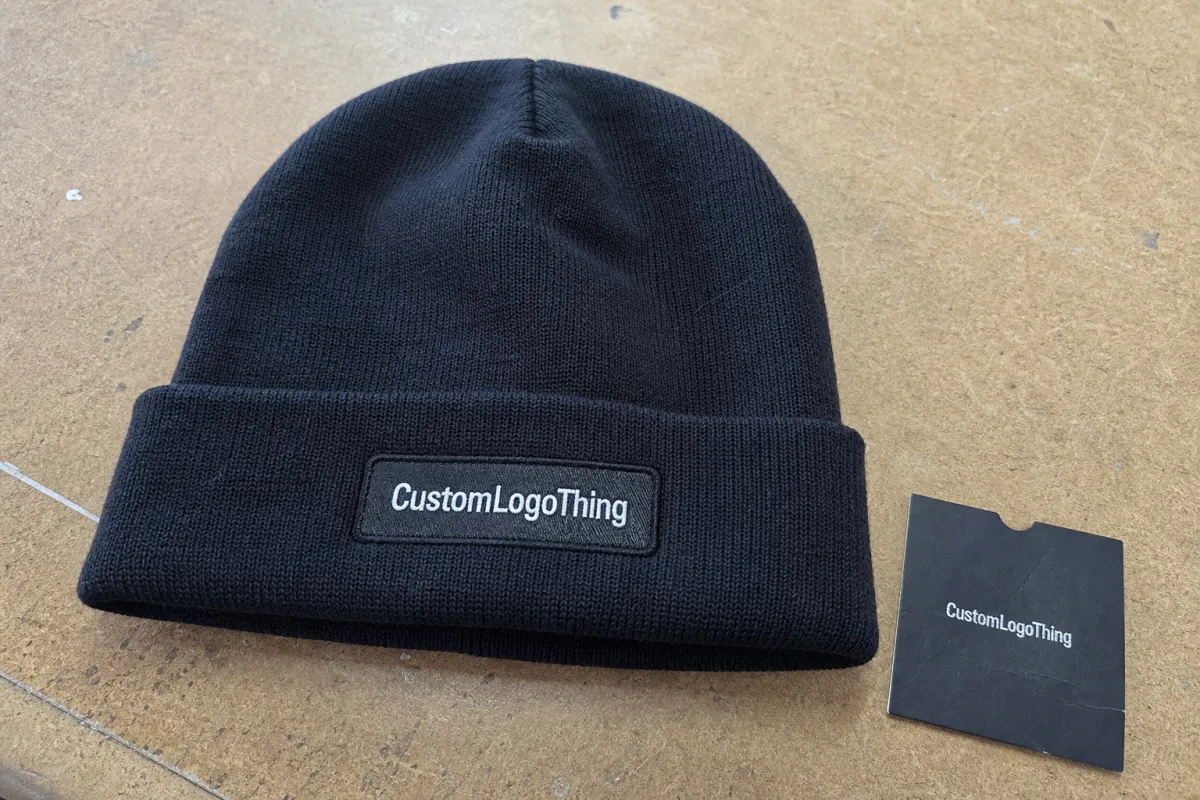
For gyms, clubs, trainers, and event teams, repeat orders are a logistics problem first and a branding problem second. A clean fitness Logo Patch Beanies Reorder Plan removes the slowest parts of the buying cycle: new sampling, extra proof rounds, and the back-and-forth that starts when a supplier no longer has the original spec in front of them. If the first order worked, the smartest move is usually to protect that result, not reinterpret it.
That is especially true when beanies are used as member merch, staff uniforms, or seasonal retail stock. The use case changes the tolerance for variation. A training giveaway can absorb a little inconsistency. A merchandise wall cannot. Once the same hat is sold beside the original run, buyers notice drift in the patch shape, crown height, or cuff depth much faster than they would on a standalone piece. At retail, small differences show up as returned inventory, mismatched display photos, or a customer asking why the “same” beanie looks newer, flatter, or darker.
A reorder should be boring. If the spec is right, the only thing that changes is the quantity on the invoice.
One overlooked advantage is internal approval speed. A buyer who can point to a prior SKU, a prior approval, and a prior photo set usually gets sign-off faster than someone starting from a fresh concept memo. In practice, that can shave days off the process. For a seasonal drop, that difference matters more than the decoration technique itself. A good reorder system is less about creativity and more about preserving the parts of the product that were already approved for a reason.
Patch build that survives sweat, washes, and wear
Patch selection is where repeat orders stay controlled or start drifting. On a knit beanie, the available surface is smaller and more flexible than a hoodie chest or cap front, so the patch has to do more with less space. Woven, embroidered, PVC, leatherette, and silicone each solve a different problem. Woven patches handle fine lines and small text well. Embroidery gives a classic raised texture, but tiny details can soften. PVC and silicone keep edges crisp and are useful for sporty logos that need a cleaner silhouette. Leatherette can look premium, though it is not the strongest choice when the logo depends on hairline detail.
Attachment method matters just as much as patch material. Sewn-on patches usually hold up better than heat-applied or quick-bond options, especially on beanies that get packed into gym bags, stretched on and off, or washed more often than fashion headwear. Heat can be fine for short-term promotions, but it is less forgiving when the goal is long wear. If the edge starts to peel, the problem is not cosmetic; it becomes a replacement issue, and replacements are where margin disappears fastest.
| Patch type | Best use | Detail level | Durability on beanies | Typical cost impact |
|---|---|---|---|---|
| Woven | Small logos, fine type | High | Strong when sewn | Moderate |
| Embroidered | Bold marks, textured branding | Medium | Very good | Moderate |
| PVC | Sharp shapes, sporty branding | Very high | Excellent | Higher |
| Leatherette | Premium look, simpler logos | Medium | Good | Moderate to higher |
| Silicone | Flexible, modern finish | High | Excellent | Higher |
A few practical checks prevent avoidable rework. Confirm the smallest readable text at actual beanie size, not on a giant mockup. Verify edge finish, stitch density, and patch thickness if the item has a cuff or ribbed knit around the placement area. A logo that looks sharp at 4 inches wide can lose legibility when reduced to 2 inches. That is not a design preference. It is a production limit.
For fitness use, sweat and repeated handling also matter. Matte finishes hide fingerprints and minor handling marks better than glossy surfaces. Raised embroidery can look richer in photos, but it also catches lint more easily. If the beanies are meant for staff who train in them or wear them outside, the best patch is often the one that survives daily abuse without becoming visually tired after a few washes.
Beanie fit, yarn, and color specs to lock before reordering
The body of the beanie deserves the same attention as the logo patch. Start with the silhouette: cuffed, uncuffed, slouch, or fitted. Then confirm knit gauge, crown depth, and size range. Those measurements affect how the hat sits, how the patch lands, and whether the finished piece reads as a clean team item or a looser retail style. A crown that is a little taller, or a cuff that is a little deeper, can change the entire proportion of the hat. That is why “same style” is not enough in a reorder file.
Material choice shapes both price and consistency. Acrylic is common because it is predictable, available in broad color ranges, and usually the easiest path to repeatability. Acrylic blends can improve handfeel. Wool blends add warmth and often feel more premium, though they can introduce more variation across dye lots and may sit at a higher cost point. For most fitness teams, a basic acrylic or acrylic blend is the safest repeat-buy option because it balances cost, availability, and color stability. The lower the drama in the base fabric, the easier the reorder.
Color matching should come from records, not memory. Use the last purchase order, archived artwork notes, Pantone references, or a kept sample. If none of those exist, a physical swatch comparison is better than approving from a phone screen. Lighting can make two almost identical colors look different enough to trigger a correction. Dark charcoal and black are especially tricky; so are deep navy and blue-black. A buyer who approves from memory is often approving the gap between what they remember and what they actually received.
Useful specs to lock before the next run:
- Beanie style: cuffed, uncuffed, slouch, or fitted
- Material: acrylic, acrylic blend, wool blend, or recycled blend
- Gauge: fine, medium, or chunky knit
- Patch placement: centered, slightly above cuff, or off-center
- Color reference: Pantone, sample, prior approved SKU, or photo with controlled lighting
Small changes add up faster than most buyers expect. A different yarn blend and a taller cuff can make the same logo look like a different product line. That is why the reorder file should carry measurements, not just artwork. If the original run had a 12-inch cuffed knit with a 2.25-inch patch, that data should travel with the order every time.
Pricing, MOQ, and unit cost for repeat beanie orders
Repeat orders tend to surface the most practical question first: what is the real unit cost, and what changed since the last buy? A fair quote depends on patch size, number of colors, material choice, decoration method, packing format, and whether the artwork needs cleanup. If the reorder adds a woven patch, printed insert card, and polybagging by size, it is no longer a simple restock. It is a more involved production run, and the price should reflect that.
MOQ has a direct effect on pricing. Smaller runs absorb setup charges more heavily, which pushes the per-piece cost up. Larger runs spread those costs out and usually improve efficiency. For a fitness logo patch Beanies Reorder Plan, the most common breakpoints look like this:
| Order size | Typical pricing behavior | Buyer takeaway |
|---|---|---|
| 100-300 pieces | Highest unit cost, setup matters most | Useful for small launches, pilot merch, or replacement stock |
| 300-1,000 pieces | Better balance of setup and unit cost | Common for gyms, clubs, and retail restocks |
| 1,000+ pieces | Best pricing efficiency | Works best for seasonal programs and multi-site rollouts |
Broadly, a basic acrylic beanie with a sewn woven patch at mid-volume quantities can land in the low single digits per piece before freight, while higher-end materials, PVC patching, or specialty packing can move the number into the upper single digits or low teens. That is not a quote; it is a useful planning range. Buyers often underestimate how much packaging, shipping, and small design changes affect the total. A custom insert card or individual polybag seems minor until it is multiplied across 800 units.
Ask whether tooling, digitizing, or prior patch setups can be reused without extra charges. Confirm whether the order includes setup fees, sample fees, or revised freight terms. Freight is where many apparently good prices become less attractive. Carton count, mixed SKUs, export paperwork, and rush delivery can change the final total more than a decoration upgrade does. For packaging protection standards, ISTA testing standards are a useful reference. If recycled paper cartons or inserts are part of the spec, FSC certification can help keep sourcing claims clean.
A practical pricing rule: the cleaner the repeat spec, the closer the reorder should stay to the last cost structure. If the quote moves a lot, something in the spec changed, even if nobody wrote it down that way.
Process and lead time for a fitness beanie reorder
The best reorder process is repetitive in a good way. Start by pulling the old order record: quantity, SKU, patch type, beanie style, color code, and packing format. Then verify the archived artwork and compare it to the last approved version. After that, confirm whether anything changed before production starts. If the supplier has to rediscover the order from scratch, the clock stretches immediately.
Lead time depends more on file cleanliness than on the size of the reorder. A clean repeat can usually move faster than a first-time order because the decoration method, artwork, and color path already exist. Depending on the factory schedule and shipping method, repeat beanie orders often land in the 2-4 week range for straightforward jobs. More complex reorders, overseas freight, or newly sourced materials can extend that to 4-6 weeks or longer. Rush work is possible, but it depends on stock, proof speed, and whether the original spec can actually be repeated without substitution.
Most delays come from a few predictable places: missing source files, unclear patch dimensions, last-minute packaging changes, or a request to “just tweak the logo a little.” That phrase can hide a full production change. If the patch border widens, the machine time and visual balance change. If the beanie color shifts, the product may need a new dye lot or a different material source. Reorders go quickly when the buyer protects the original spec instead of rebuilding it one correction at a time.
Shipping should be part of the order plan, not an afterthought. If the beanies are headed to retail shelves, event kits, or direct-to-member fulfillment, carton labeling and packing counts need to match that use case. A bulk shipment for warehouse storage does not need the same box logic as a region-by-region drop. In some programs, a few extra minutes spent defining carton count and pallet layout saves a week of sorting later.
Useful lead-time questions:
- Do you have the last approved artwork and spec sheet?
- Is the patch type unchanged?
- Are the beanie color and cuff style identical?
- Will packing or carton labels change?
- Does the ship date allow only one proof round?
If the answer to most of those is yes, the reorder should move with less friction. If not, the timeline should be treated as a new production schedule rather than a repeat.
Proofs, color matching, and approval checks that prevent misses
Repeat orders still need proof control. They just need less of it. The useful sequence is simple: digital mockup, patch or stitch proof if the decoration changed, placement check, and final order summary before release. A reorder proof should confirm that the item matches the last approved version. It should not invite a fresh design debate unless the buyer truly wants one.
Compare the proof against the last approved sample, not against memory. People remember the logo outline more easily than the stitch width, border density, or thread gloss. That is where surprises begin. A black patch with a matte face and a black patch with a slight sheen can look close on paper and different on a rack. The same applies to logo size. A two-millimeter shift in placement can look minor in a mockup and obvious in the hand.
The most common approval mistakes are predictable:
- Approving from a phone photo with poor lighting
- Skipping the actual patch size check
- Assuming a prior SKU is identical without verifying it
- Changing artwork after color approval
- Forgetting to confirm packing style before production starts
If the reorder includes gift boxes, event kits, or retail-ready cartons, the packaging spec needs the same attention as the garment spec. A factory will usually build to the last instruction it sees. If that instruction is incomplete, the result is often technically correct and commercially wrong. The cost of an omitted note is rarely visible on the first proof, which is why buyers have to treat the approval stage like a control point, not a formality.
For common repeat-order questions and general terms, the FAQ helps keep the usual back-and-forth in one place.
Why buyers reorder the same fitness beanie with us
Recurring buyers usually care about three things: consistency, speed, and fewer corrections. That is what a disciplined reorder system should deliver. Archived specs, prior approval records, and production notes on patch type, placement, beanie color, packing count, and carton instructions reduce the chance of drift. They also shorten the quote cycle because the order starts with a baseline instead of a blank page.
There is a commercial reason this matters. A branded fitness beanie is not just headwear; it is a repeatable merchandise item that has to survive staff use, membership wear, and seasonal selling. If the second run looks different enough to trigger questions, the product loses some of its value as a recognizable team item. Buyers do not need a new pitch every time. They need the same product to come back without extra noise.
What repeat buyers usually want from a supplier is fairly consistent:
- Archived artwork and previous order records
- Clear notes on what changed and what stayed the same
- Fast re-quote turnaround
- Repeatable patch production
- Consistent packing and shipping instructions
That is the difference between a one-off vendor and a reorder partner. One processes the order. The other protects the product from creeping variation. On a small run, that may not sound dramatic. On a 1,000-piece restock, it often decides whether the next season feels controlled or improvised.
Next steps to place the same beanie again without delays
To keep the next order moving, begin with the last invoice or purchase order, the approved artwork, and the quantity needed. Then confirm the beanie color, patch type, placement, and shipping deadline. That is usually enough to quote the same item without wandering into a fresh design exercise.
A fast reorder checklist:
- Pull the last PO, invoice, or order confirmation
- Send the approved art file or the exact logo version used before
- Confirm beanie style, cuff, and color
- Confirm patch material and size
- State the delivery date and shipping destination
The heart of a good fitness Logo Patch Beanies reorder plan is discipline. Keep the details locked, keep the approvals short, and avoid reopening decisions that were already settled in the first run. Reorder the same beanie with the same facts, and the process becomes much easier to manage for everyone involved.
How many extra fitness logo patch beanies should I reorder for replacements?
Most buyers add 5% to 10% for exchanges, new staff, and damaged stock. If the beanies are tied to an event or retail program, a slightly larger buffer can make sense because repeat production later usually costs more per piece.
Can you match my old patch color on a repeat beanie order?
Usually, yes, if you have the last approved sample, Pantone references, or a clean photo taken under controlled lighting. If the original material or dye lot is no longer available, expect a close match rather than an exact clone.
What changes raise the unit cost on a reorder?
Patch size, more colors, thicker decoration, specialty yarns, smaller quantities, and upgraded packaging all raise cost. Artwork revisions and new carton or insert requirements can also add setup charges.
How fast can a fitness beanie reorder move after approval?
A clean repeat order usually moves faster than a first run because the spec and tooling already exist. Timeline still depends on artwork approval, material stock, and the shipping method selected.
What do I need to send for a fast reorder quote?
Send the last PO or invoice, the quantity needed, the beanie color, and any artwork files you have. If anything changed, call it out before quoting so the price, MOQ, and timeline stay accurate.


